11 Destinations Where Locals Actively Avoid Tourist Zones

The idea of local avoidance reveals how famous cities function beyond glossy travel images and marketing. The pattern shows residents organizing daily life around practical neighborhoods rather than crowded landmarks. This perspective highlights boundaries between tourism economies and lived community spaces. An understanding of these boundaries helps explain commuting choices, shopping habits, and social routines. The destinations explored here reflect places where locals consciously redirect movement away from visitor hubs. That redirection shapes urban rhythm, protects services, and preserves everyday cultural continuity. Such patterns quietly define authentic experiences without diminishing a city’s global appeal overall.
Paris

The historic heart of Paris draws attention, yet many residents deliberately avoid its busiest streets. Local routines favor outer arrondissements where housing, schools, and cafes serve daily needs. These neighborhoods include Belleville, the fifteenth arrondissement, and other residential districts. The choice reflects crowd fatigue, pricing pressures, and a desire for functional proximity. This lifestyle relies on local bakeries, parks, and transit routes away from monuments. That separation keeps routines steady while tourism concentrates near museums and riverfronts. Such patterns sustain everyday Parisian life across quieter streets throughout most ordinary weekdays for residents citywide year round.
Venice
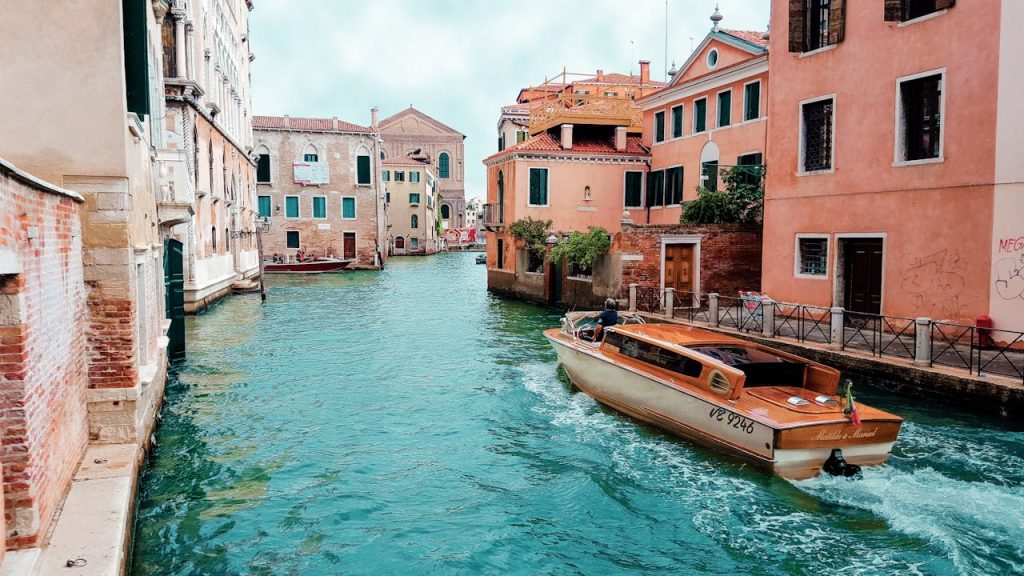
The popular image of Venice centers on canals and iconic squares. Many residents avoid San Marco and Rialto during crowded daylight hours. Local life unfolds instead within districts like Cannaregio and Dorsoduro. These areas support grocery shopping, schools, and services required for daily living. The reliance on neighborhood ferries and bars reduces dependence on souvenir corridors. This separation helps residents manage density, infrastructure strain, and seasonal surges. Such habits preserve community rhythm beyond bridges, especially after sunset, within residential blocks where longtime families maintain routines despite tourism pressures throughout the year with consistency intact locally.
Barcelona
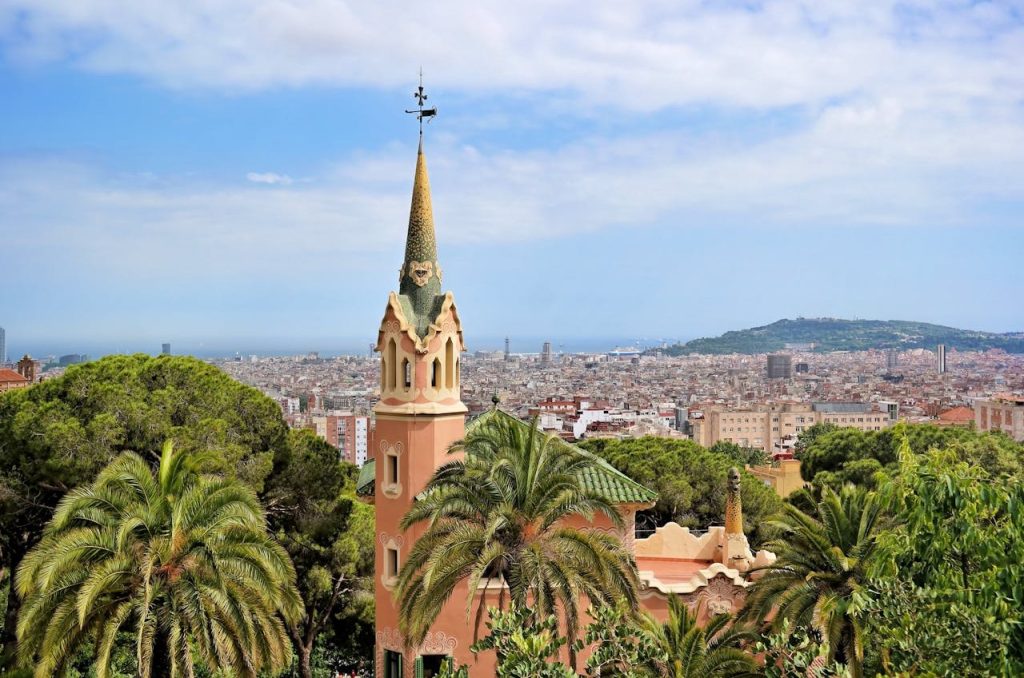
The tourism identity of Barcelona often highlights beaches and celebrated architecture. Residents frequently bypass Las Ramblas and the Gothic Quarter entirely. Daily routines shift toward neighborhoods such as Gracia and Sant Andreu. These areas offer groceries, schools, and services without constant visitor congestion. The movement reflects housing strain, cruise traffic, and nightlife saturation downtown. This boundary preserves community life while tourism concentrates elsewhere. Such separation reinforces neighborhood culture, supporting stable routines beyond entertainment corridors, local relationships, and everyday mobility across districts throughout the city year round for residents consistently without disruption locally.
Amsterdam

The postcard image of Amsterdam emphasizes canals, nightlife, and central squares. Many residents avoid Dam Square and the Red Light District. Local living shifts toward neighborhoods like Oost and Noord. These areas support cycling routes, schools, and markets used daily. The approach limits interaction with zones dominated by short term visitors. This mindset favors functionality over spectacle in everyday urban movement. Such balance reveals a lived city beyond tourist loops and curated nightlife where long term residents maintain normal routines and community cohesion through consistent infrastructure use across neighborhoods daily without disruption or crowd pressure.
New York City
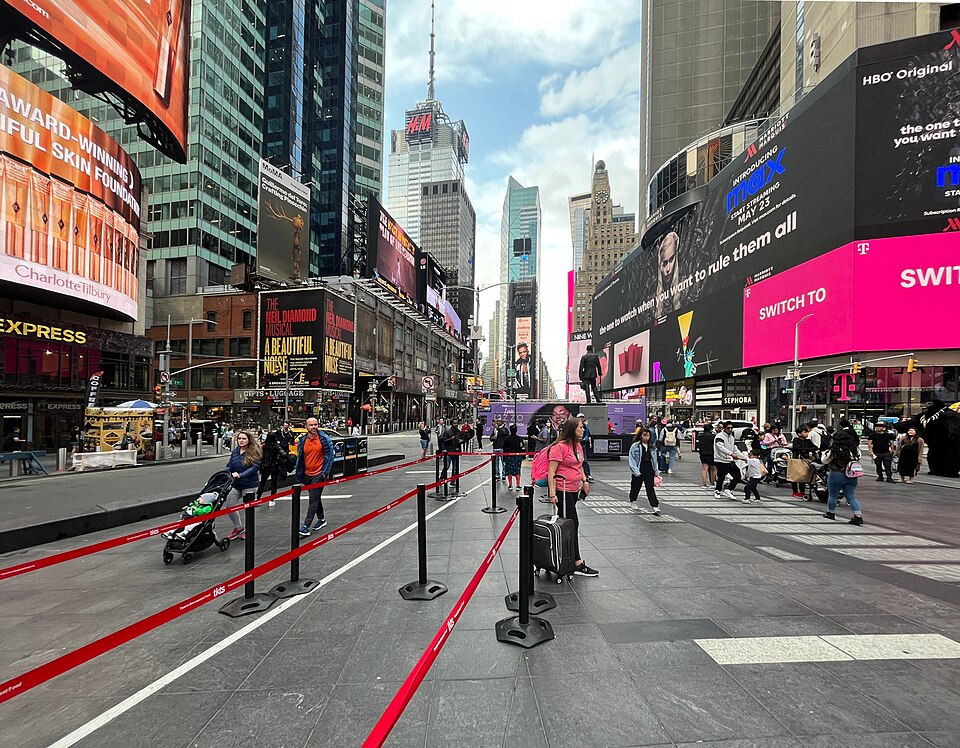
The global image of New York City often centers on Times Square. Residents typically avoid that district whenever possible. Daily life unfolds instead across outer borough neighborhoods. Areas like Astoria and Park Slope anchor routines and social life. The reliance on local parks, shops, and subway lines supports normalcy. This separation distinguishes commuter movement from entertainment focused tourism. Such patterns sustain a functional city beyond Midtown sidewalks and branded attractions where neighborhood focused living defines resilience, identity, and everyday stability across diverse communities throughout the five boroughs during ordinary weeks year round without tourist reliance.
Tokyo
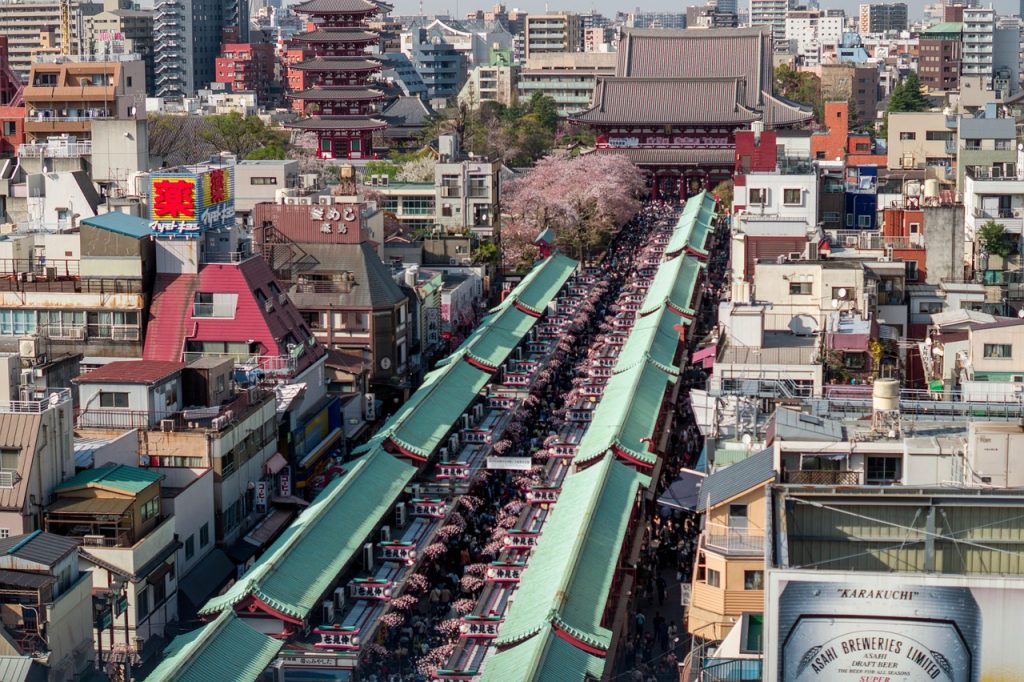
The popular image of Tokyo emphasizes neon districts and famous crossings. Many residents avoid Shibuya and Shinjuku outside work obligations. Daily routines favor residential wards such as Setagaya and Koto. These areas provide schools, shopping, and housing away from nightlife clusters. The rail system enables efficient movement without prolonged exposure to crowds. This design supports order, predictability, and separation between living and visiting. Such balance maintains quiet routines beyond landmark intersections and entertainment hubs where residents prioritize efficiency, courtesy, and everyday consistency across neighborhoods supporting long term urban harmony through shared public infrastructure daily life.
Bangkok
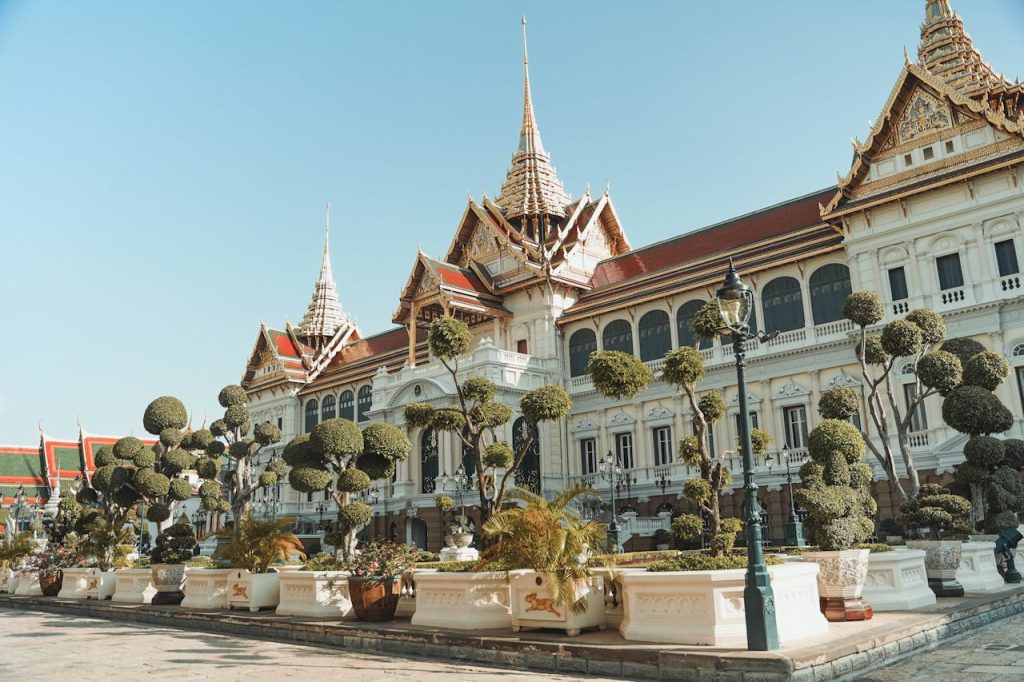
The visitor narrative of Bangkok highlights temples and nightlife streets. Many residents avoid Khao San Road and nearby corridors. Everyday rhythms favor districts such as Ari and Bang Na. These neighborhoods support markets, schools, and workplaces used routinely. The shift reflects traffic congestion, pricing changes, and visitor density. This pattern encourages reliance on community transit and local services. Such separation sustains daily life far from entertainment focused tourist zones where tradition, practicality, and familiarity guide long term residential choices across neighborhoods maintaining stability despite seasonal tourism pressures through consistent community oriented routines year after year.
Rome
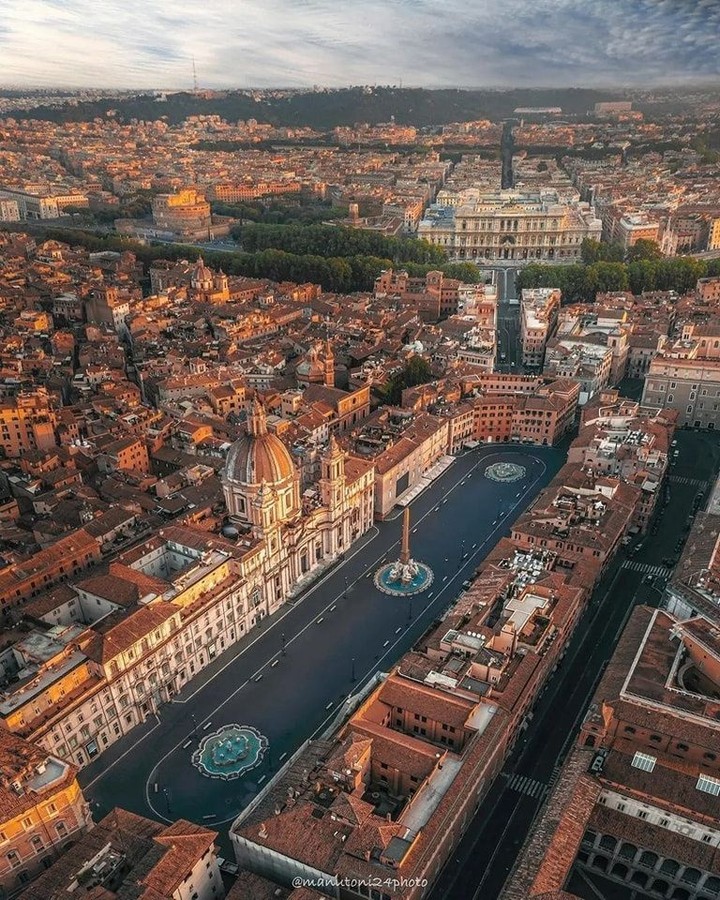
The historic center of Rome experiences heavy tourism throughout the year. Residents commonly avoid areas surrounding the Trevi Fountain. Daily life shifts toward districts like Testaccio and Monteverde. These neighborhoods support markets, schools, and local gathering spaces. The preference reduces constant navigation through congested monument corridors. This movement reflects historical awareness and functional urban habits. Such routines preserve a working city beyond iconic landmarks and visitor routes where tram lines, buses, and neighborhood piazzas anchor daily life for residents maintaining consistency amid constant tourism flow throughout ordinary weeks each year without crowd dependence or disruption.
London
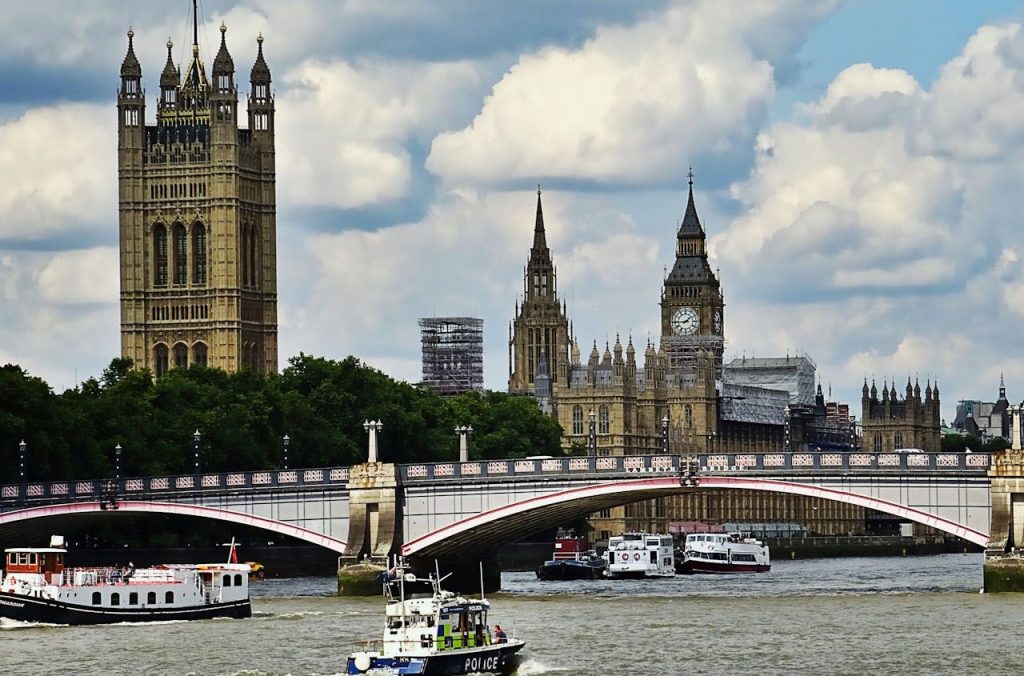
The global image of London emphasizes landmarks and major shopping streets. Residents often avoid Leicester Square and Oxford Street. Everyday routines shift toward neighborhoods like Hackney and Greenwich. These areas provide housing, parks, and services used regularly. The transit network supports commuting without prolonged tourist exposure. This structure reinforces localized social life and neighborhood identity. Such patterns sustain a functional city beyond postcard districts and retail corridors where pubs, schools, and daily errands anchor residential stability across outer boroughs supporting balanced work life movement through consistent routines accepted by locals without central congestion or spectacle.
Reykjavik
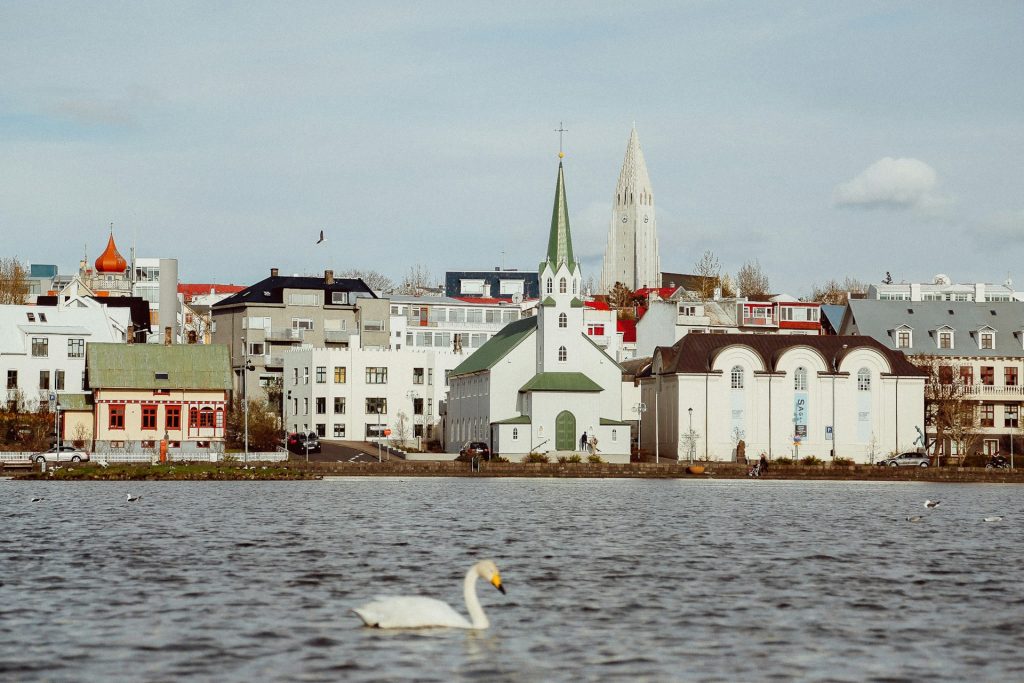
The tourism surge in Reykjavik concentrates activity within the downtown area. Residents frequently avoid central bars during peak travel seasons. Daily life favors suburban neighborhoods such as Grafarvogur. These areas provide schools, services, and access to nature. The compact city layout still allows efficient movement without nightlife saturation. This preference shapes seasonal social habits and community planning. Such separation preserves daily normalcy beyond harbor centered tourism activity where neighborhood pools, cafes, and routines support resident cohesion during busy months without overwhelming local infrastructure through predictability valued across the city year round by residents consistently there.
Dubrovnik
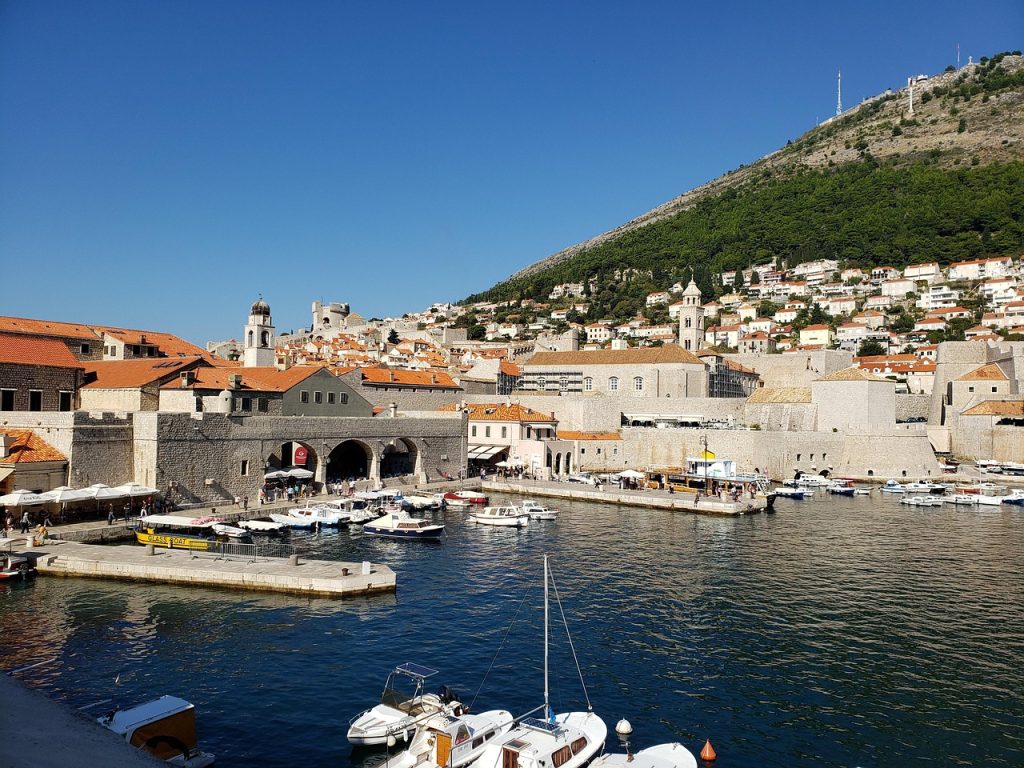
The medieval core of Dubrovnik receives intense cruise tourism daily. Residents commonly avoid the Old Town during midday hours. Everyday routines shift toward areas like Lapad and Gruz. These neighborhoods support schools, beaches, and shops used locally. The city’s small scale magnifies crowd impact within historic walls. This movement protects infrastructure and preserves residential balance. Such separation sustains daily life beyond fortified boundaries and tourist routes where community routines, services, and beaches support resident stability throughout the season despite cruise arrival fluctuations without compromising long term local residency or everyday urban function within surrounding districts.