11 Destinations Where Sightseeing Requires Advance Planning
Travel no longer rewards spontaneity the way it once did, especially in high demand destinations. Timed entry systems, and reservation only attractions now shape visitor experiences. Popular landmarks often restrict access to protect sites and manage crowds. Travelers arriving without plans face sold out tickets, long waits, or missed opportunities. Advance preparation increasingly determines what visitors actually see. These destinations highlight places where planning ahead matters most. Each location reflects new realities of tourism management, preservation efforts, and visitor volume. Understanding these requirements helps travelers align expectations, schedules, and logistics before arrival rather than scrambling on location.
Rome, Italy
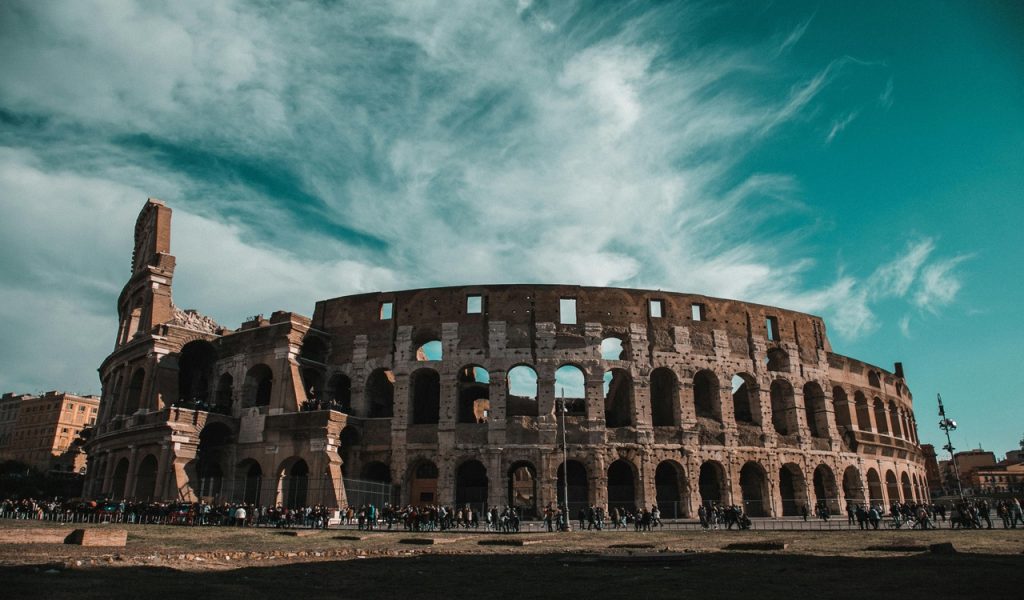
Rome requires advance planning due to overwhelming demand for history. The Colosseum uses timed entry tickets that sell out days ahead. Vatican Museums require reservations, especially during peak seasons. Guided tours dominate access windows. Lines without tickets stretch for hours. Major churches enforce entry limits during services. Transportation delays complicate tight schedules. Spontaneous sightseeing often fails. Popular viewpoints experience crowd controls. Rome rewards travelers who book early. Without reservations, visitors miss iconic landmarks. The city’s layered history draws global attention, making structured planning essential for accessing monuments, museums, and cultural spaces spread across busy districts year round.
Paris, France
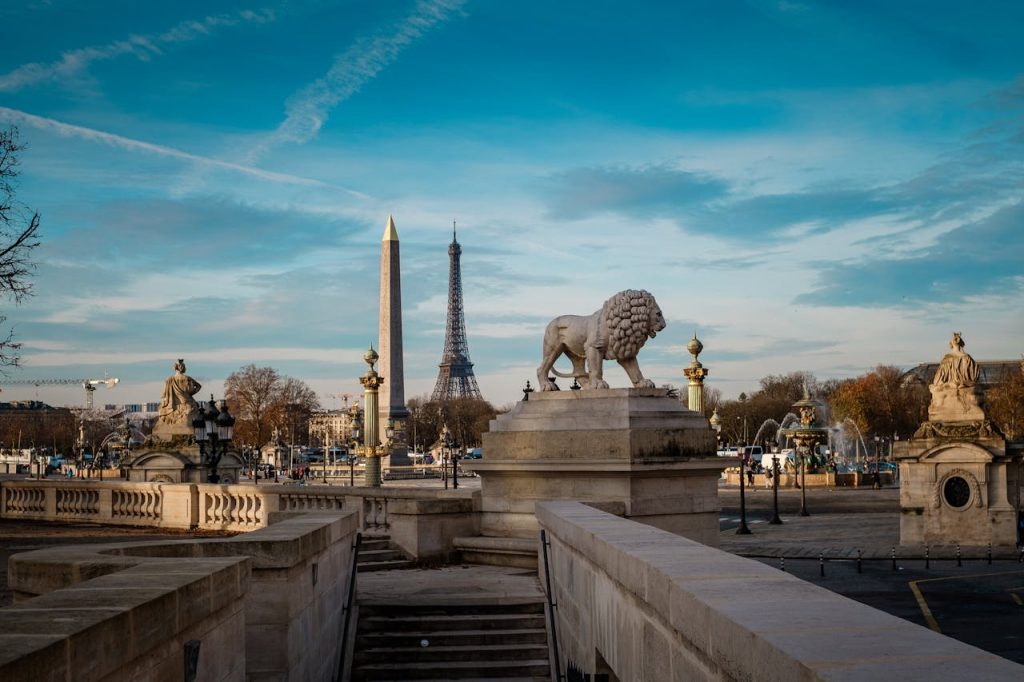
Paris sightseeing increasingly depends on reservations and timed access. The Eiffel Tower limits elevator tickets daily. Louvre Museum entries require advance booking. Popular exhibitions sell out quickly. River cruises follow strict schedules. Transportation strikes disrupt plans unexpectedly. Neighborhood exploration remains possible, but major attractions demand preparation. Paris favors structured itineraries. Visitors without tickets face delays or disappointment. The city’s popularity, combined with preservation efforts, makes advance planning essential for museums, viewpoints, and experiences that define first time visits across central districts and historic neighborhoods throughout the year.
London, England
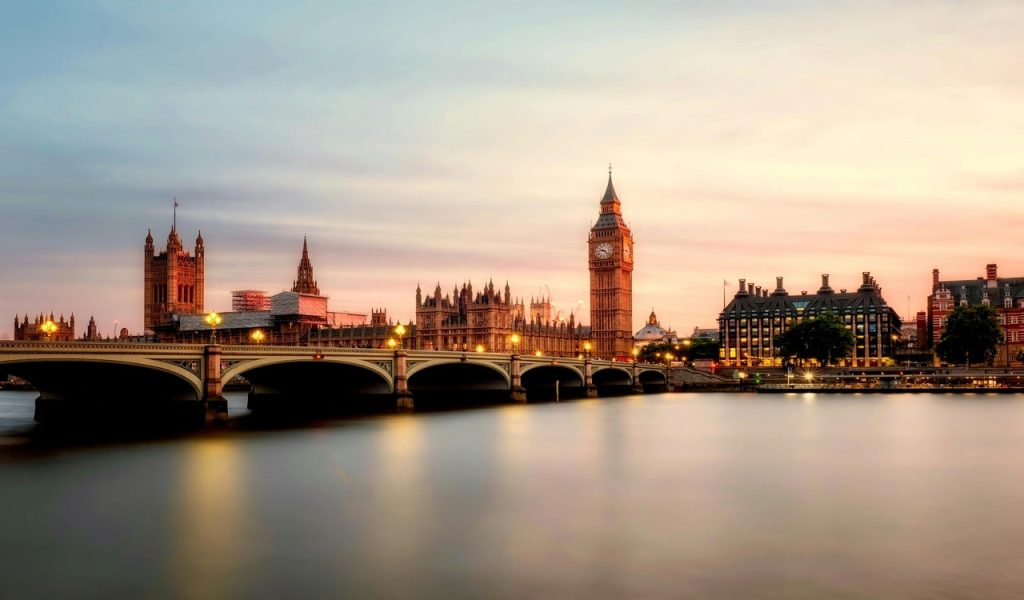
London requires planning as attractions shift toward reservation. Buckingham Palace tours sell out early. West End shows require advance tickets. Museums introduce timed entries during busy periods. Popular viewpoints limit capacity. Transportation disruptions affect schedules. Historic sites restrict access windows. Seasonal tourism intensifies demand. Spontaneous visits feel limited. Planning ensures smoother movement. Without preparation, visitors miss highlights. London’s size and popularity demand structure. Advance booking helps navigate crowded zones, timed admissions, and event schedules that shape access to cultural institutions, landmarks, and performances across the city’s diverse districts year round consistently.
New York City, New York
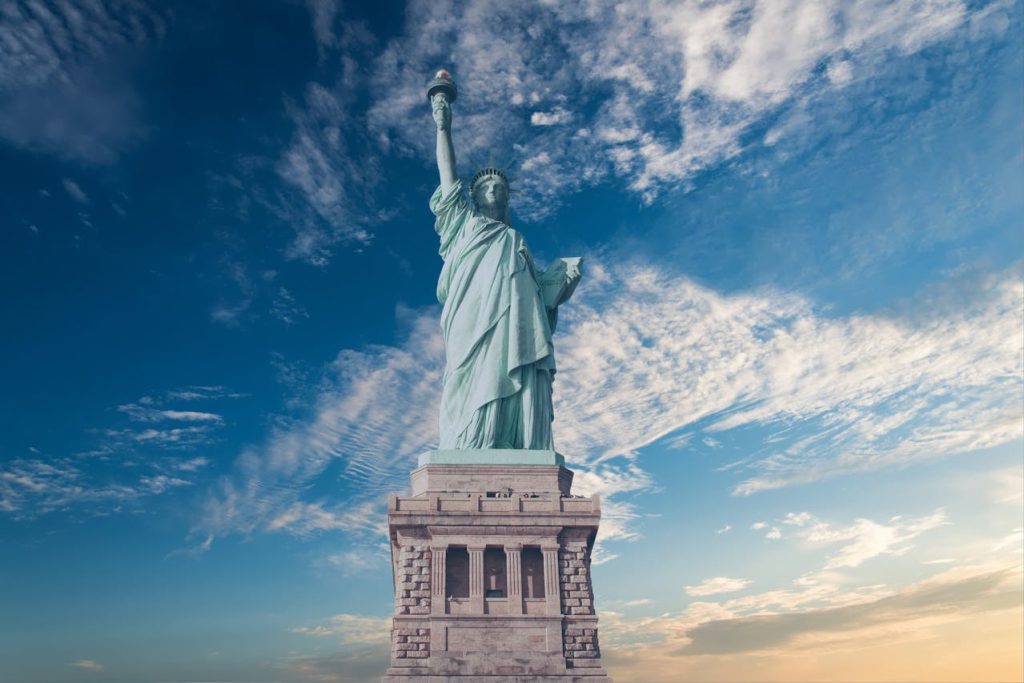
New York City sightseeing increasingly requires advance planning. Observation decks sell timed tickets. Broadway shows book weeks ahead. Popular museums implement reservation. Restaurants require early bookings. Seasonal crowds overwhelm walk ins. Security procedures add delays. Transportation congestion affects timing. Tour slots fill quickly. Spontaneity limits access. Planning determines experience quality. Without preparation, visitors face long waits or missed attractions. New York’s density and demand reshape sightseeing. Structured itineraries help navigate limited entry systems, event schedules, and peak congestion across Manhattan and surrounding boroughs throughout the year for first time and returning visitors alike.
Tokyo, Japan

Tokyo sightseeing demands advance organization due to volume and efficiency. Popular attractions require reservations. Observation decks limit daily entry. Theme cafes book weeks ahead. Museums use timed tickets. Transportation runs precisely but fills quickly. Seasonal festivals increase restrictions. Popular neighborhoods feel congested. Walk ins prove unreliable. Planning improves flow. Without bookings, visitors miss experiences. Tokyo rewards preparation. Its orderly systems require adherence to schedules. Advance planning helps manage queues, transit timing, and attraction access in a city balancing massive tourism with precision driven infrastructure and limited space across central wards and cultural districts year round.
Barcelona, Spain
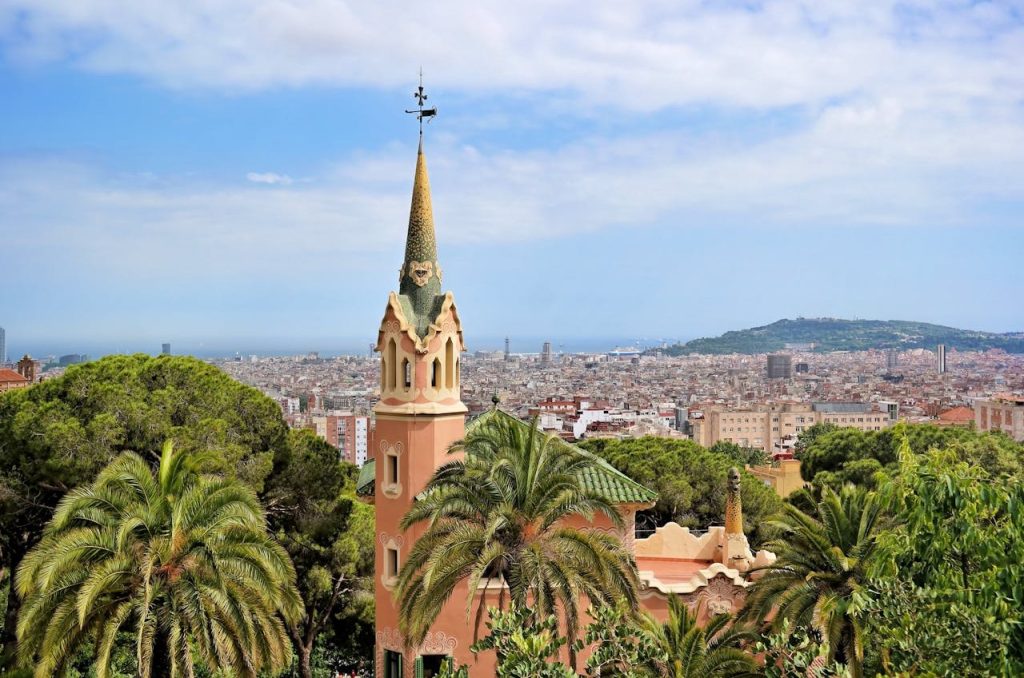
Barcelona requires advance planning to access key landmarks. Sagrada Familia tickets sell out days ahead. Park Güell restricts entry numbers. Museums use timed slots. Cruise crowds strain availability. Restaurant reservations fill quickly. Heat limits midday touring. Transportation congestion affects timing. Walk in sightseeing proves difficult. Planning ensures access. Without reservations, visitors miss highlights. Barcelona’s preservation efforts and popularity demand structure. Advance booking helps navigate crowd controls, limited entry zones, and seasonal surges across historic neighborhoods and architectural sites defining the city’s global appeal.
Amsterdam, Netherlands

Amsterdam sightseeing increasingly relies on reservations. Anne Frank House requires advance tickets. Canal cruises follow scheduled departures. Museums limit capacity daily. Bike congestion complicates movement. Seasonal crowds overwhelm walk ins. Restaurant bookings fill early. Transportation schedules shift frequently. Planning improves efficiency. Without preparation, visitors face long waits. Amsterdam’s compact layout intensifies demand. Advance planning helps secure access to cultural institutions, waterways, and experiences central to understanding the city’s history while respecting preservation goals and managing visitor flow through narrow streets and historic districts year round.
Machu Picchu, Peru
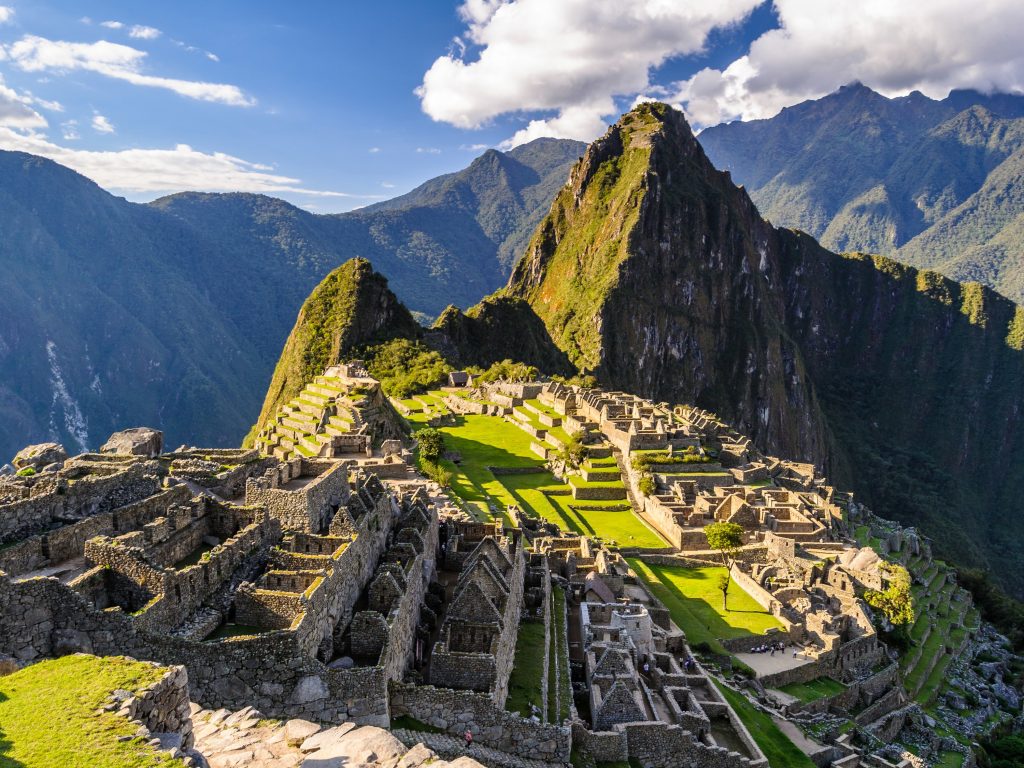
Machu Picchu strictly requires advance planning. Entry permits limit daily visitors. Timed circuits control movement. Train tickets sell out early. Guided tours follow assigned slots. Weather affects access windows. Transportation delays disrupt schedules. Last minute entry proves impossible. Planning ensures success. Without permits, visitors cannot enter. Machu Picchu’s preservation depends on regulation. Advance coordination of tickets, guides, transportation, and timing remains essential for experiencing the site responsibly while protecting its fragile environment and managing global demand throughout the year across varying seasonal conditions. These requirements leave little room for spontaneous itinerary changes.
Venice, Italy
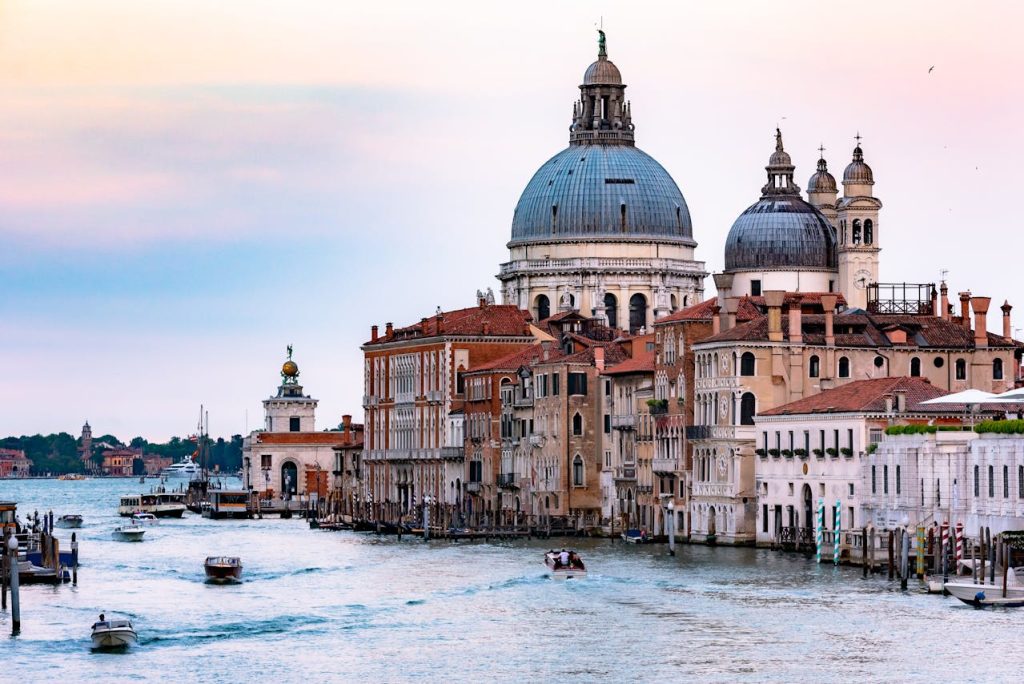
Venice demands planning as visitor controls expand. Timed entry trials restrict day visitors. Museums require reservations. Popular churches limit access. Gondola rides follow schedules. Restaurant seating fills early. Narrow streets amplify congestion. Seasonal flooding disrupts movement. Walk ins face delays. Planning prevents frustration. Without preparation, sightseeing suffers. Venice’s preservation efforts reshape tourism. Advance planning helps navigate controlled access, limited capacity attractions, and logistical challenges unique to a city balancing fragile infrastructure with immense global interest year round. These measures increasingly shape how visitors experience the historic city.
Santorini, Greece

Santorini sightseeing requires advance planning due to cruise volume. Sunset viewpoints fill early. Restaurants book days ahead. Tours operate on fixed schedules. Transportation remains limited. Heat restricts midday activity. Popular villages experience crowd controls. Walk in options disappear quickly. Planning secures experiences. Without reservations, visitors miss highlights. Santorini’s geography amplifies congestion. Advance planning helps manage timing, access, and movement across cliffside towns where demand far exceeds infrastructure capacity throughout peak travel seasons annually. Cruise arrivals significantly compress sightseeing opportunities into narrow daily windows.
Yosemite National Park, California
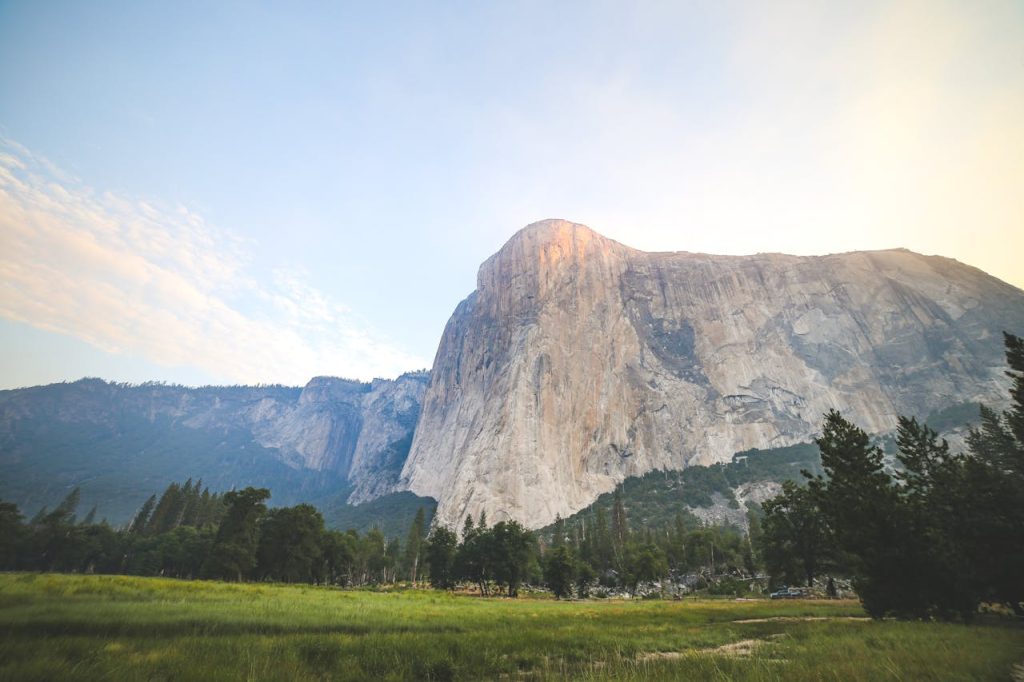
Yosemite now requires advance planning through reservation systems. Entry permits limit daily vehicles. Campgrounds sell out months ahead. Shuttle schedules govern movement. Popular trails require permits. Seasonal road closures affect access. Weather changes plans quickly. Walk in visits prove unreliable. Planning ensures access. Without permits, entry may be denied. Yosemite’s protection efforts reshape visitation. Advance planning helps coordinate permits, transportation, lodging, and timing in a park balancing preservation with extraordinary demand across diverse landscapes and ecosystems year round. These systems prioritize conservation while significantly altering traditional spontaneous park visits.