11 Destinations Where Tourism Is Slowing Down
Tourism does not always move in one direction. In some destinations, demand is leveling off as prices rise, flight options shift, and local policies push visits into calmer patterns. When the pace eases, a place often feels more like itself: museum rooms stay quiet, waterfronts invite lingering, and restaurants stop operating like a race. Travelers notice the change in small wins, like easier reservations and fewer bottlenecks at the same famous corners. These destinations are still worth visiting, but their current rhythm rewards patience, good timing, and attention to the everyday details.
Iceland’s Reykjavík And The South Coast
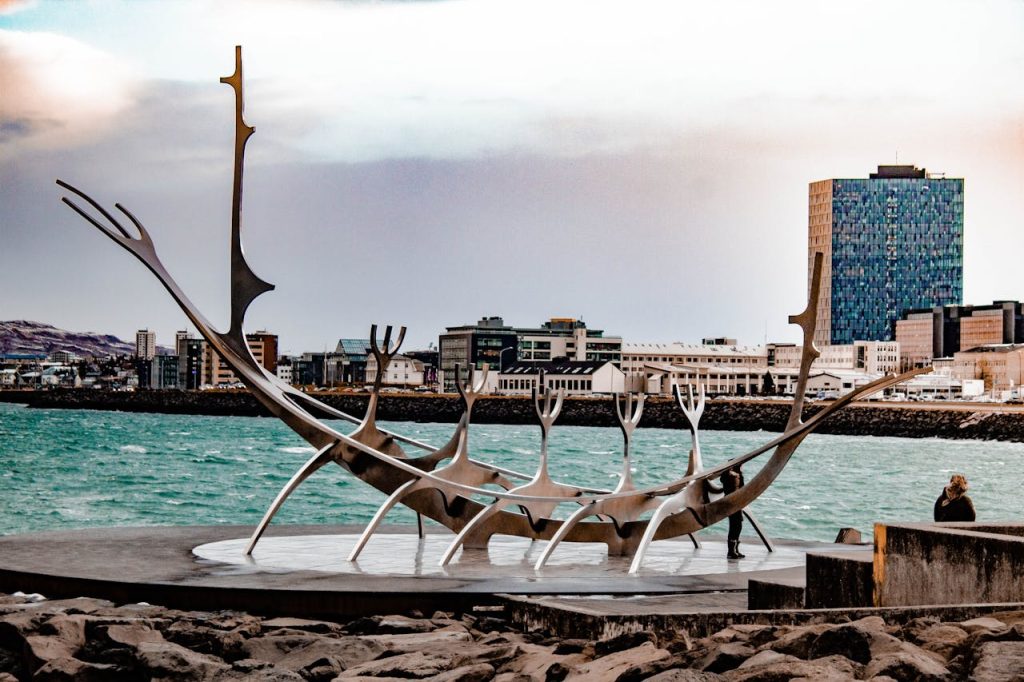
Late 2025 brought a noticeable pause in Iceland’s hotel demand, and that shift can make the South Coast feel less tense at the headline pullouts. With fewer tour clusters arriving at the same minute, Skógafoss, Seljalandsfoss, and Reynisfjara reward slower stops, plus time for a warm café break in Vík without hovering for a seat or rushing back to the bus in wet wind. Reykjavík still buzzes, yet museum hours, knit shops, and geothermal soaks become simpler to book, and evenings end with a calm harbor walk, a pastry, and a quiet window seat instead of a day spent negotiating lines at every stop.
Bangkok And Phuket, Thailand
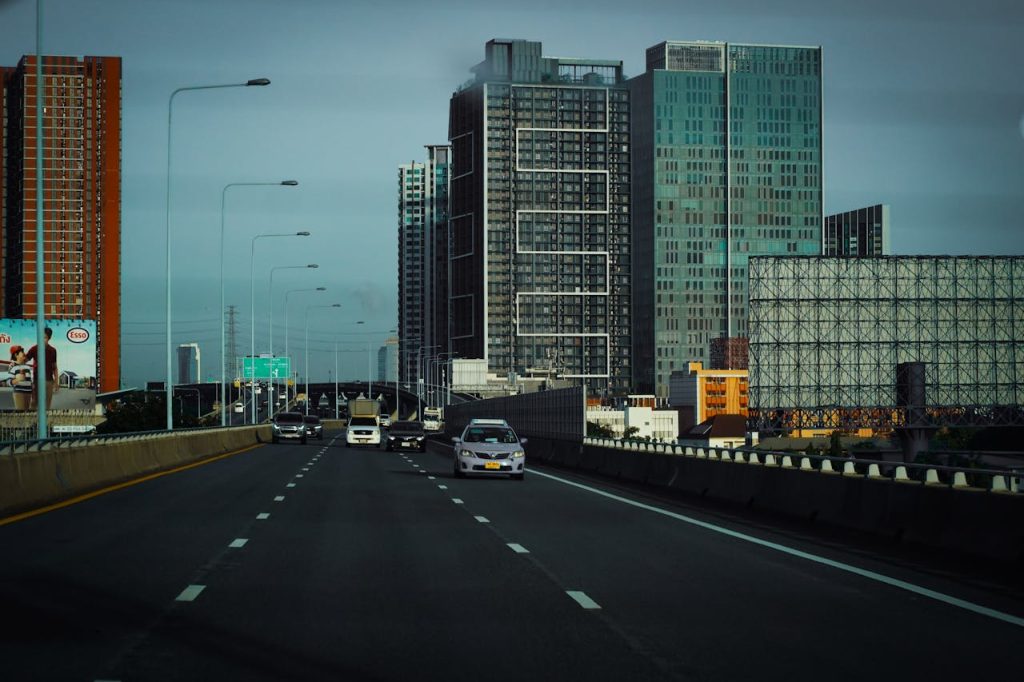
Thailand’s major hubs still glow, but a softer arrival pace can take the edge off the tightest pressure points outside holiday spikes. In Bangkok, that often means temple courtyards that feel less like a timed shuffle, easier river crossings, and markets where browsing is possible without constant crowd navigation, loud jostling, or rushed bargaining at every stall. In Phuket, the change shows up as more midweek room choice, calmer ferry boarding to nearby islands, and beach towns where dinner tables, beach clubs, and sunset viewpoints feel attainable without planning the week like a spreadsheet.
Havana And Varadero, Cuba
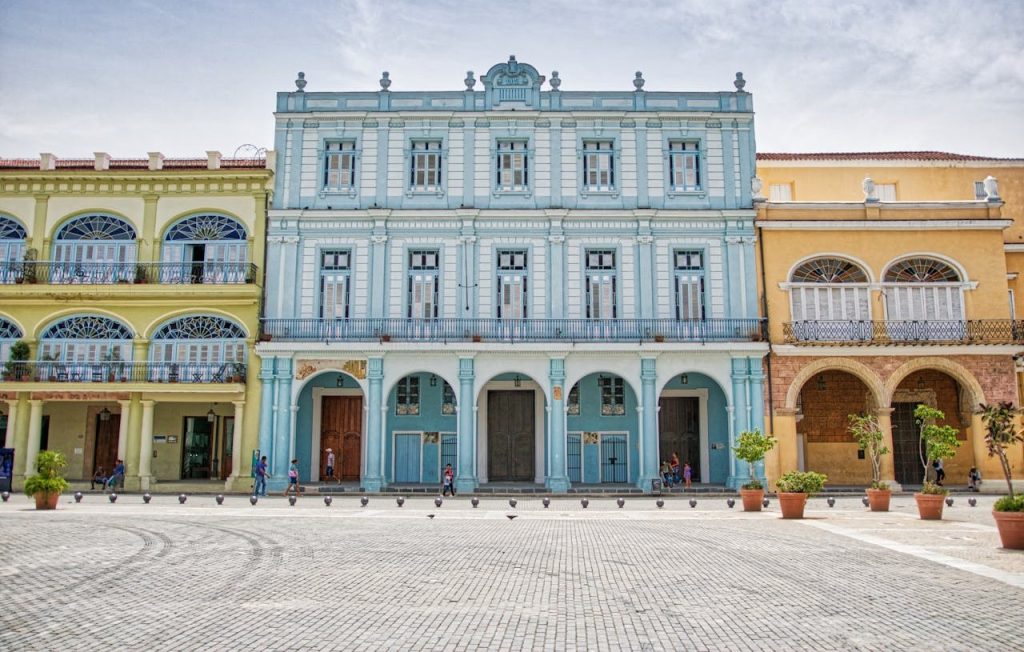
Cuba’s visitor pace has been easing, and the difference shows up in the everyday flow of Havana’s older streets, where people are not always pushed along by tour groups. With fewer large arrivals landing at once, plazas, galleries, and small museums feel more like neighborhood spaces, and a café stop can turn into conversation, music, and shade instead of a quick transaction that ends too soon. In Varadero, quieter stretches between resorts favor long shoreline walks and early swims, while evenings lean on breeze, dancing, and slow meals rather than a packed schedule built around scarcity and timed activities.
Kathmandu And Pokhara, Nepal
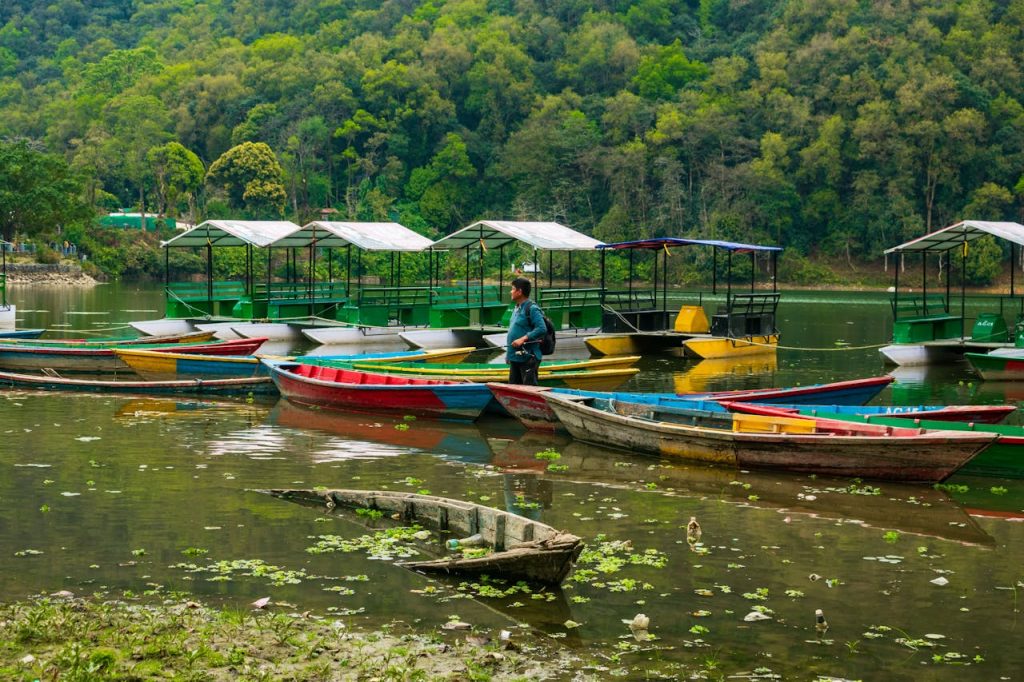
Nepal’s travel season usually runs at full speed, yet recent slowdowns have made some weeks feel noticeably calmer on the ground. When demand cools, Kathmandu’s Thamel becomes easier to walk, guides are simpler to book, and heritage sites can be visited without being swept along by a crowd current or a tight group timetable that steals the morning and the photos. Pokhara benefits even more: Phewa Lake mornings feel quieter, guesthouses offer flexible check-in, and teahouse dinners become relaxed, with time to talk through trekking routes, weather windows, pacing, rest days, and warm soup stops.
Maui, Hawaii
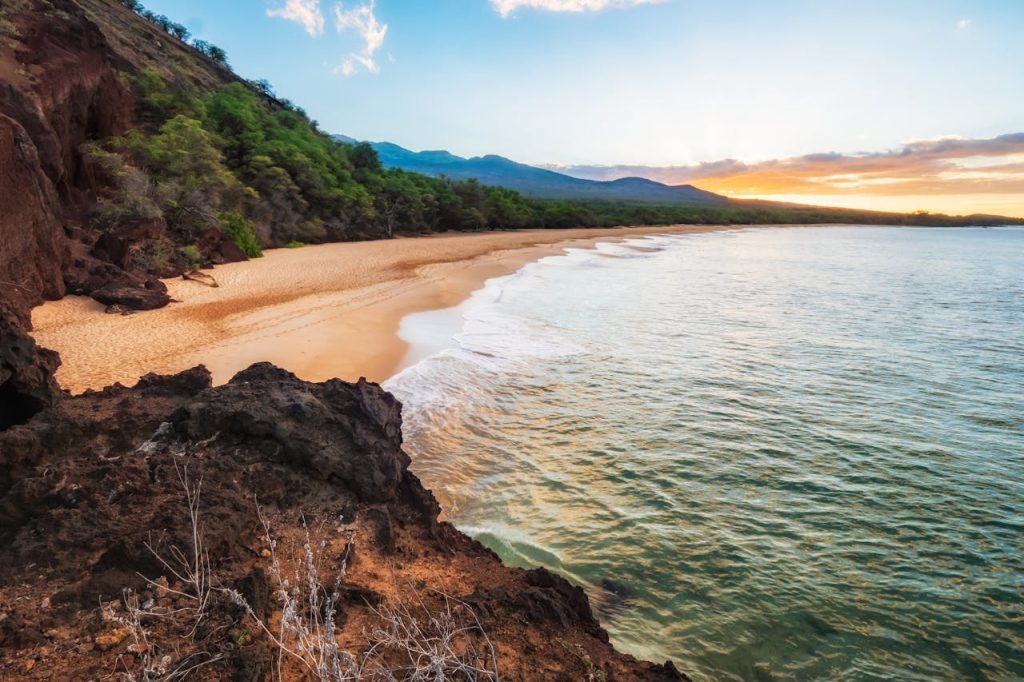
Even a modest dip in arrivals can change the feel of an island day, especially in places where road space and parking are finite. On Maui, calmer volume often shows up as fewer cars stacked at scenic pullouts, more flexibility for snorkel departures, and an easier time finding dinner without hovering over waitlists or racing the sunset from one reservation to the next. The slower rhythm also encourages longer stays in one area, more time for farmers’ markets and short hikes, and evenings that end with a quiet beach walk, shaved ice, and a calm drive home through upcountry roads after dark, too.
Las Vegas, Nevada
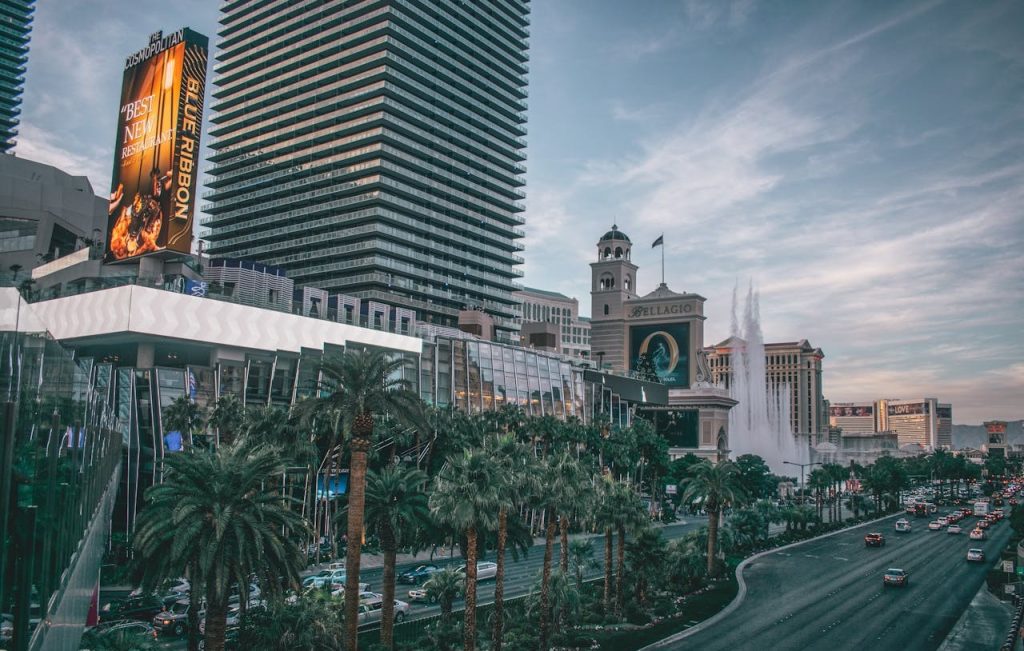
Las Vegas runs on big weekends, so a dip in visitation quickly shows up in hotel lobbies, restaurant books, and the overall hum along the Strip. Lighter crowds can mean faster check-ins, easier reservations, and more space at pools and shows on midweek nights, which makes the city feel less like a sprint between time slots and more like a flexible night out with breathing room. It also nudges attention toward downtown and the Arts District, where neon history, small galleries, and late food halls are easier to enjoy at a human pace, with fewer bottlenecks around doors and rideshares at peak hours.
Los Angeles, California
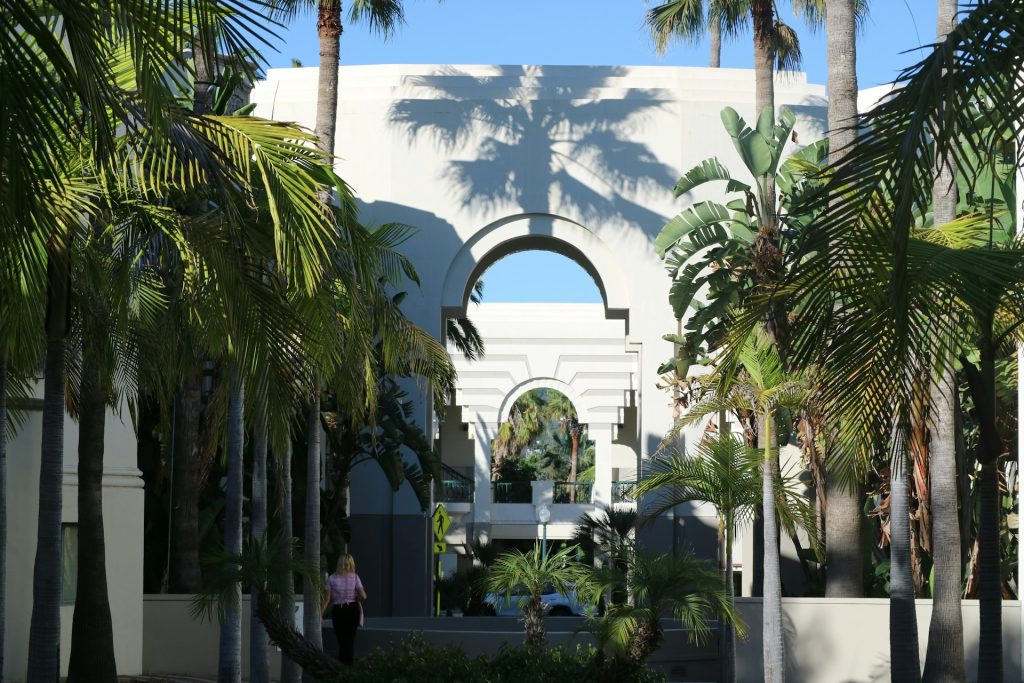
Los Angeles rarely feels quiet, but softer international demand can ease pressure at the biggest attractions and keep peak areas more breathable. When fewer visitors stack into the same corridors, studio tours, museum entry times, and popular viewpoints tend to feel smoother, and last-minute tickets become more realistic than in peak seasons, even for families traveling on short notice. The payoff is practical: less time standing around, more room for a spontaneous taco stop, and sunset drives along the coast that feel like a choice, not a negotiation with traffic, parking, and queues at popular spots.
Barcelona, Spain
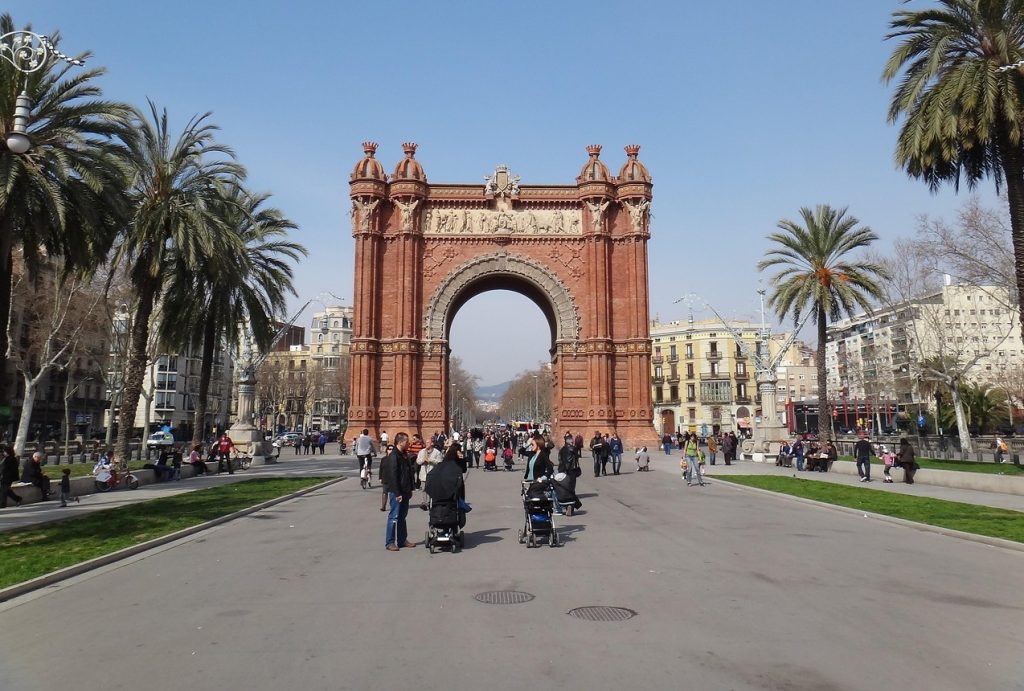
Barcelona remains popular, yet efforts to rebalance visitor pressure can reshape how busy days feel near the center, especially around the waterfront. When cruise and short-stay surges soften, the Gothic Quarter and promenade corridors feel less compressed, making room for unhurried walks, small gallery stops, and coffee that lasts longer than 10 minutes without being bumped or hurried along by the crowd. The city feels most balanced when a day mixes Eixample architecture, a market lunch, a museum hour, and a late tapas dinner, without the sense that every sidewalk is competing for space after 5 p.m.
Amsterdam, Netherlands
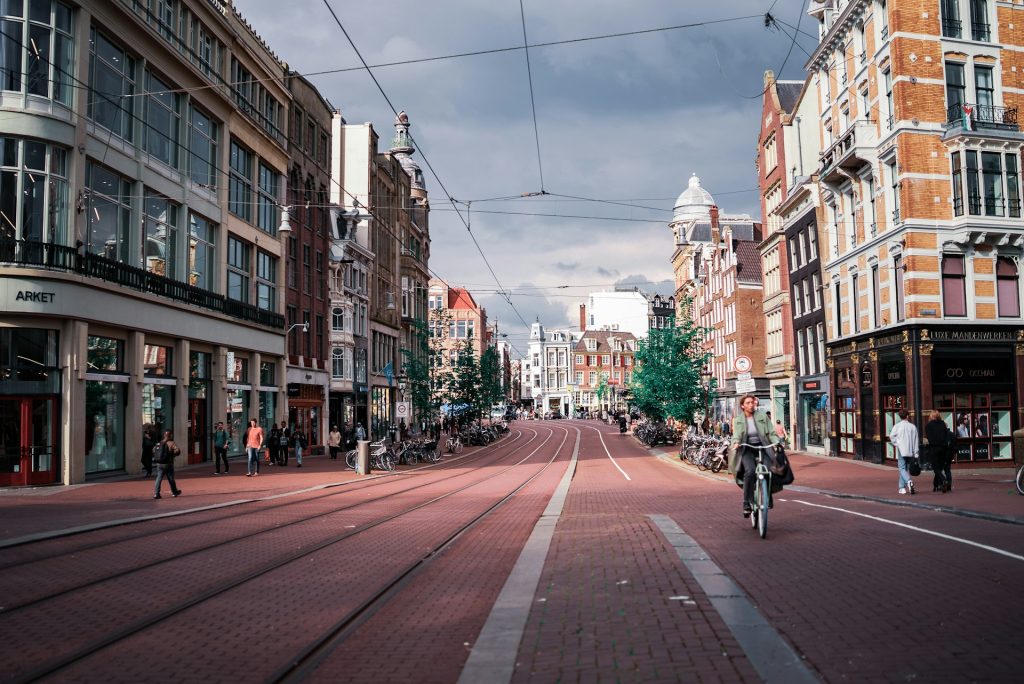
Amsterdam has been pushing for a calmer center, and higher costs plus tighter rules can subtly thin the fastest, highest-volume weekend trips. When demand cools even slightly, the canal ring feels less stop-and-go, museum time slots are easier to land, and evenings regain the relaxed pace that locals prefer in brown cafés and small restaurants along the water. The city also opens up beyond the postcard core, with De Pijp markets, Jordaan streets, and quieter parks offering a steadier rhythm for coffee, bookstores, and long conversations without constant crowd noise late into the night in fall.
Venice, Italy
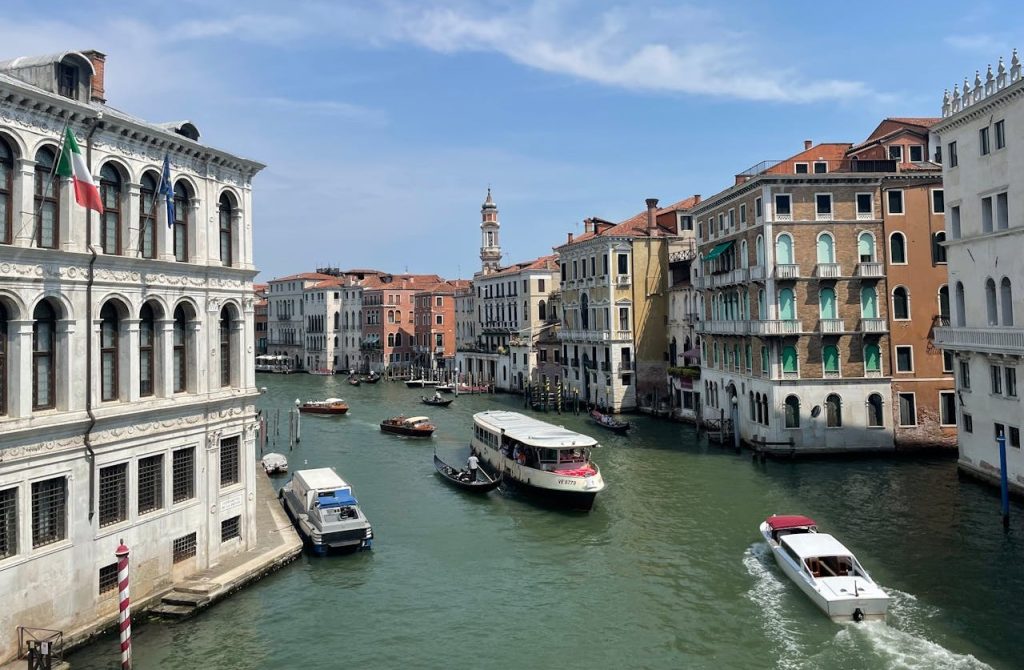
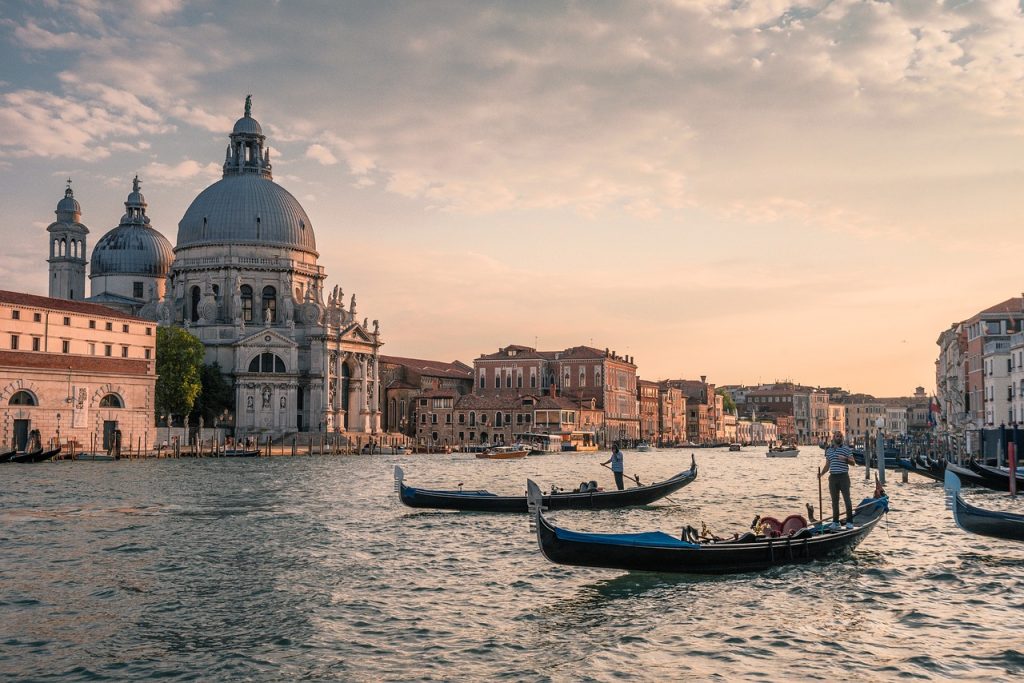
Venice has been steering day visits into more controlled patterns, and that can reduce the most abrupt surges on selected dates. When arrivals spread out, crossings at the main bridges feel less jammed, and the walk from the station to Saint Mark’s is less likely to turn into a slow shuffle behind matching flags, loud guides, and nonstop photo stops that stall every corner, especially near the main lanes. The best Venice moments return in the gaps: a quiet campo in Cannaregio, a small gallery in Dorsoduro, a vaporetto ride at dusk, and a cicchetti stop where the city’s texture feels lived-in and unhurried.
Dubrovnik, Croatia
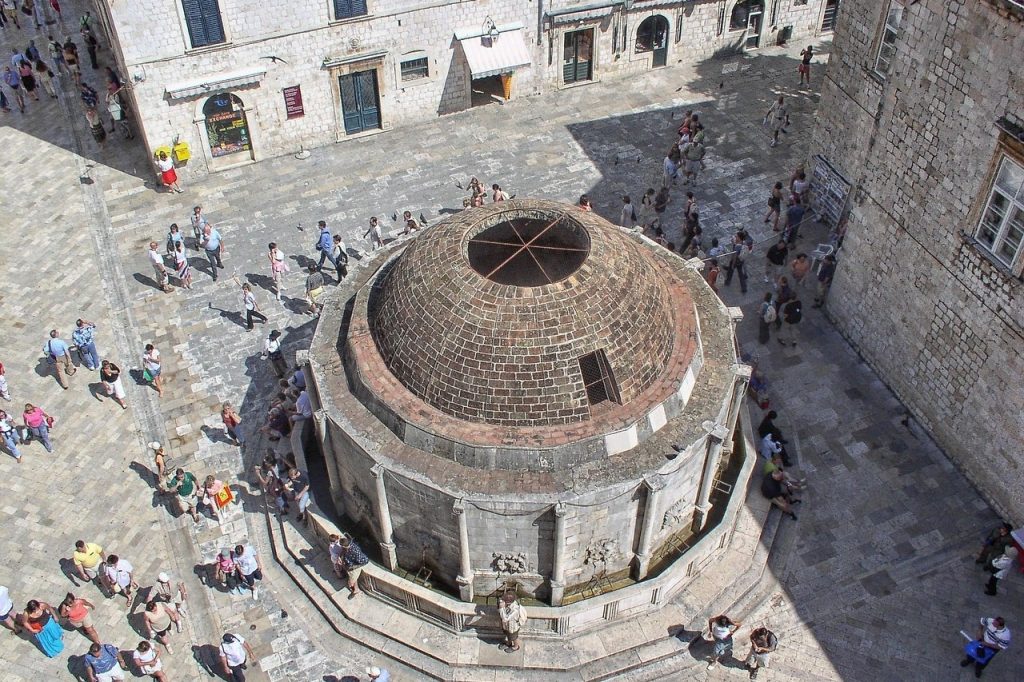
Dubrovnik’s old town is sensitive to cruise waves, so any reduction in overlapping arrivals changes the mood fast, especially inside the gates. On calmer days, the stone lanes feel less like a conveyor belt, and the walls walk becomes about the view, not the line, with space to pause at lookout points, read the sea, and catch the church bells without being nudged forward. That breathing room brings back small details, courtyard corners, laundry lines, and café tables that do not turn over every few minutes, and early fall often delivers the gentlest mix of warm light, open air, and easier seating.