11 Destinations Where Travelers Feel Watched Once They Arrive
A strange feeling can settle in after arrival, especially in places where security is visible, tourism is tightly managed, or local customs make visitors stand out. That sensation is not always about danger, since it can come from cameras, border checks, or simply being in a small community where newcomers draw notice. In some destinations, surveillance is openly part of daily life, while in others the effect comes from etiquette, controlled access, or crowded historic streets. These eleven destinations often leave travelers feeling observed, whether through formal monitoring or the natural spotlight of being unfamiliar, especially during peak seasons when checkpoints, ticket scans, and guided routes become standard around major attractions.
Washington D.C. Around Federal Buildings
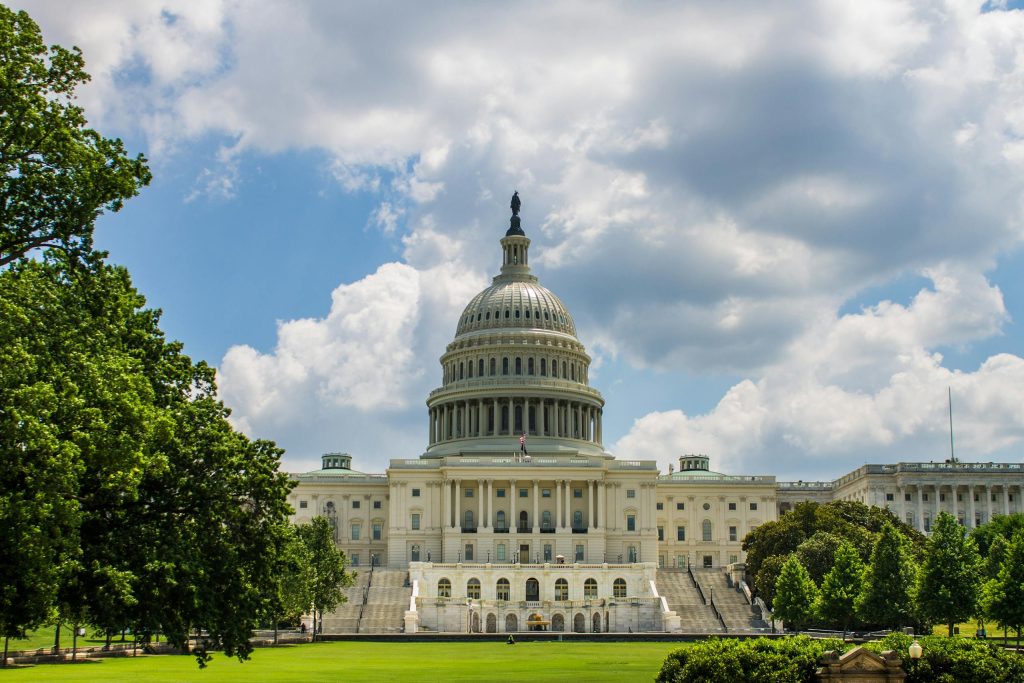
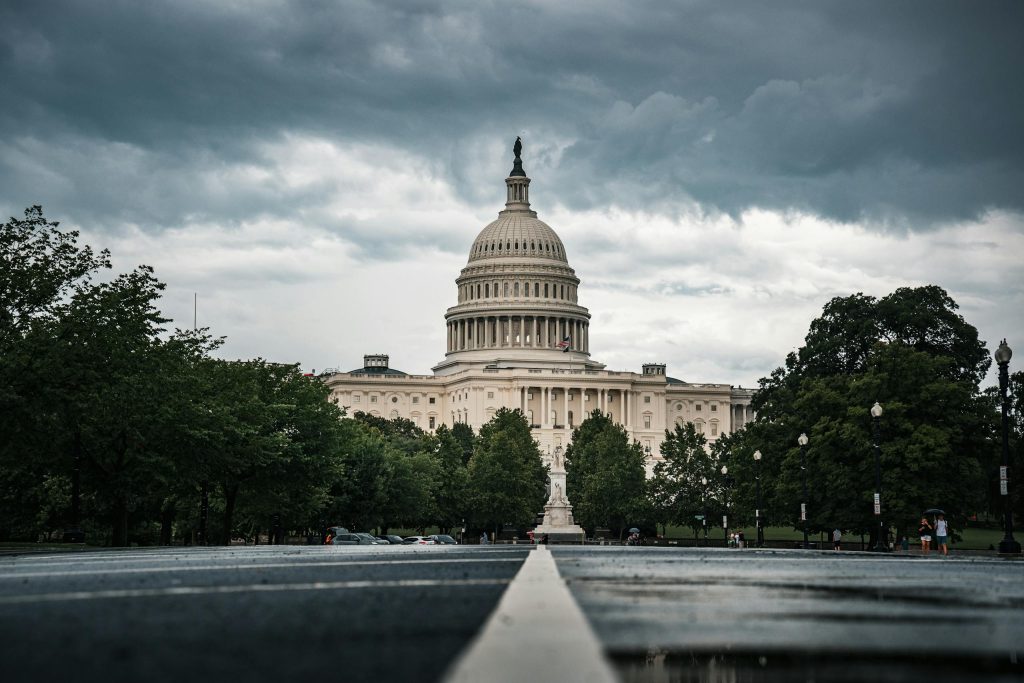
Washington, D.C., can feel watchful near federal buildings because security infrastructure is built into the landscape. Areas around the White House complex, the U.S. Capitol, and major agencies often feature barricades, cameras, and a strong law enforcement presence. Pedestrians encounter checkpoints for some buildings, and demonstrations can bring additional monitoring. Tourist movement stays generally free, yet the combination of uniformed officers, vehicle barriers, and restricted zones can heighten awareness. Even casual photos can draw attention in certain spots. The overall mood reflects the city’s role as the national government center, where public access and security priorities coexist.
New York City Times Square
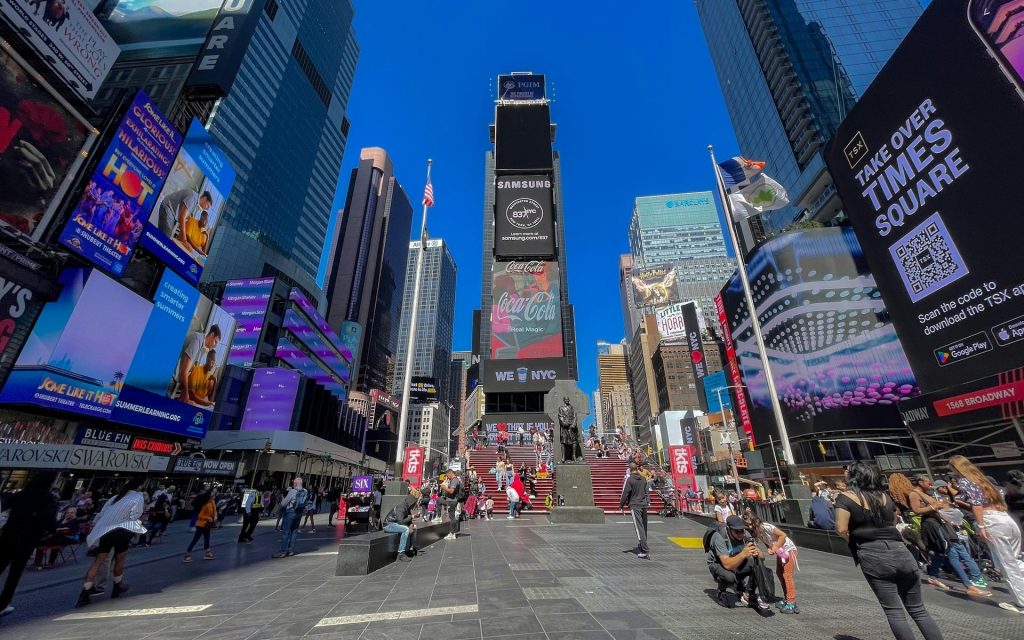
Times Square often feels like constant observation because it is densely monitored and carefully managed. The area includes visible police presence, security cameras, and private monitoring from surrounding businesses. Large digital billboards and crowds create a bright, exposed setting where many people record videos and photos. Pedestrian flow is managed with barriers, plazas, and traffic controls, which reinforces the sense of being guided through a stage set. Street performers and solicitors add another layer of attention. Nothing about this is unusual for a major tourist hub, yet the combination of scrutiny and spectacle can make personal space feel limited, especially during holiday weeks and late-night rushes when crowds surge.
Las Vegas Casino Floors
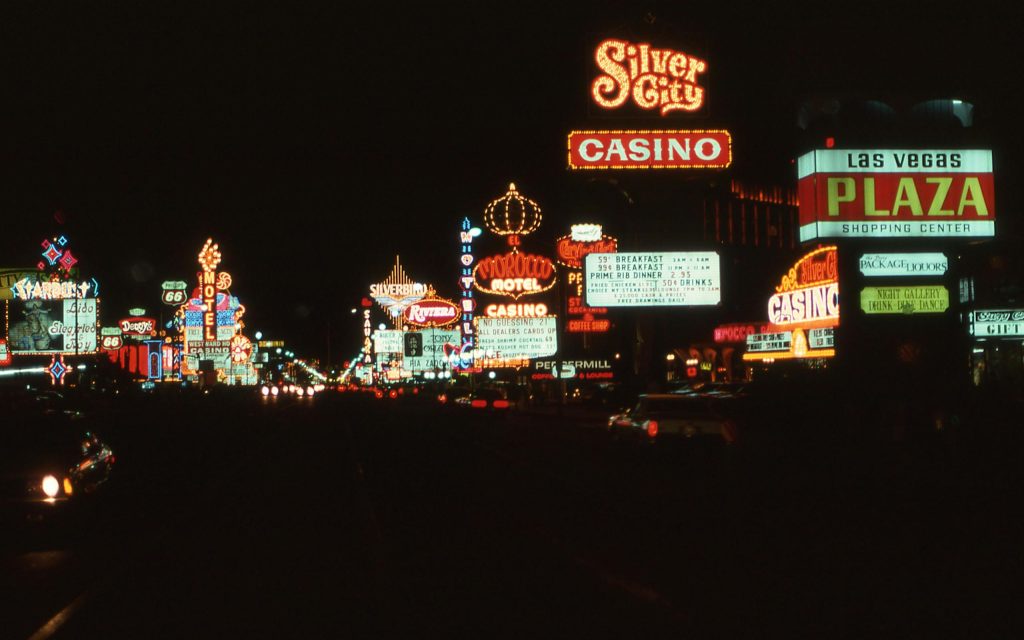
Las Vegas casino floors are designed for oversight, and that design can make visitors feel watched even during ordinary play. Casinos use extensive camera systems, trained security staff, and plainclothes surveillance to deter cheating, theft, and disorder. Lighting keeps tables visible, and floor layouts maintain long sight lines for monitoring. Entry and exit points often pass by security stations, and behavior that seems disruptive can draw quick attention. This level of observation is normal in gambling environments, yet the constant presence of cameras and staff can feel intense for travelers who expect a carefree atmosphere, especially at night when crowds thicken and security radios stay active across the floor.
London United Kingdom In Transit Hubs
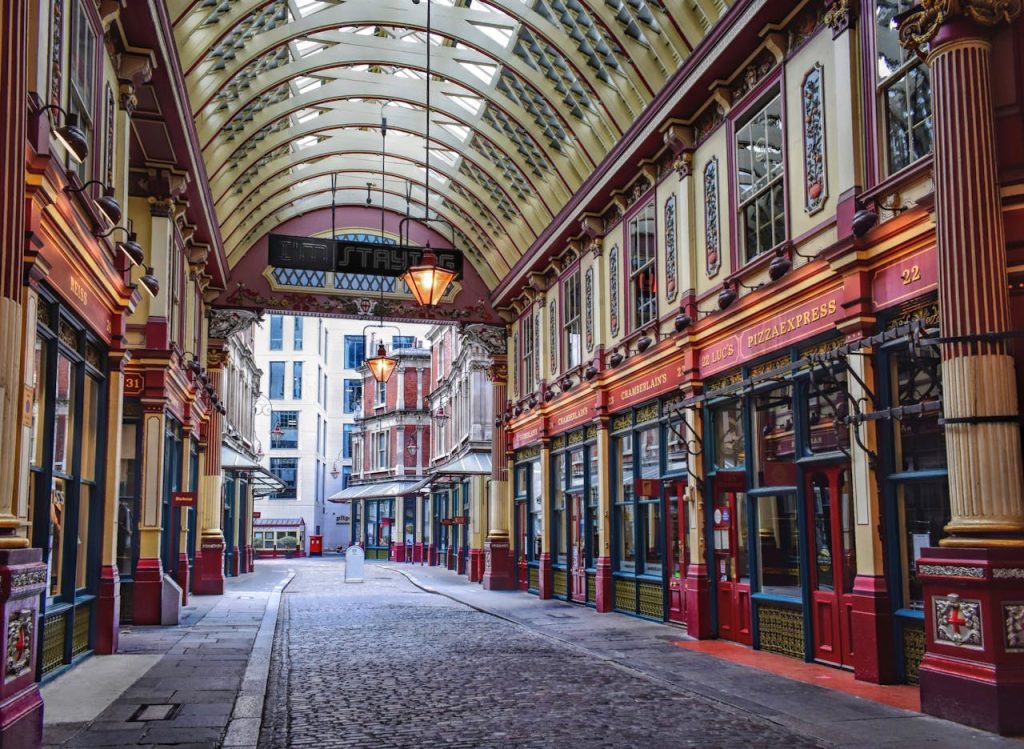
London can feel watchful in major transit hubs because the city relies on dense public transportation and layered security. Busy stations such as King’s Cross St Pancras, Waterloo, and Victoria include large camera networks, uniformed officers, and frequent announcements about unattended items. Ticket barriers and controlled entry points create a sense of being funneled through monitored spaces. The Underground’s scale also means constant movement under signs, monitors, and staff oversight. Most travelers experience this as routine urban management rather than targeted scrutiny, yet the combination of crowds, rules, and cameras can heighten self awareness, especially during commuter rush hours and major event nights across central zones.
Singapore In Central Districts
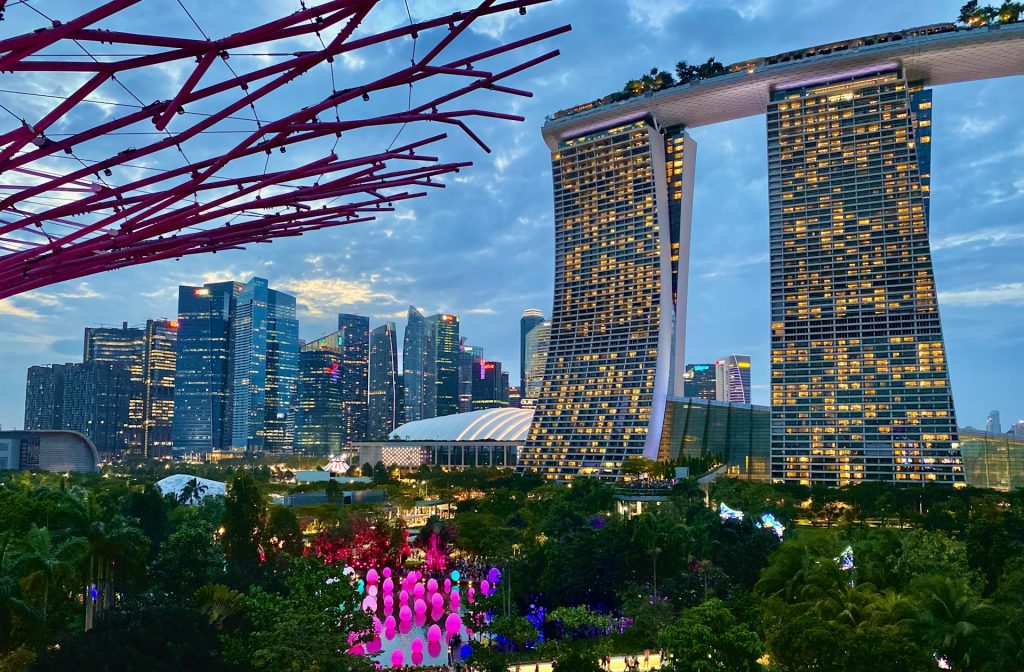
Singapore often feels carefully monitored because order and enforcement are visible parts of public life. Central districts and transit systems are clean, regulated, and supported by extensive camera coverage and clear signage about rules. Fines for certain behaviors are widely discussed, which can make visitors more conscious of etiquette. Immigration processes at Changi Airport are efficient but structured, reinforcing the sense of organization. Public spaces, including malls and MRT stations, feature security staff and controlled access points. The atmosphere is not chaotic, yet the combination of strict expectations and visible oversight can make travelers feel observed, especially in busy stations and nightlife areas where rules are posted.
Dubai United Arab Emirates In Malls And Metro

Dubai can feel watchful in public spaces because malls, metro stations, and major attractions use strong security practices. Bag checks occur at many large venues, and uniformed staff monitor entrances and corridors. Surveillance cameras are common, and rules around behavior in public, including respect for local norms, add to the sense of oversight. The metro includes designated areas and clear enforcement, which keeps order but can feel strict. Tourists generally move freely, yet the environment emphasizes control and safety. For visitors used to looser public spaces, the consistent security presence can feel like attention, especially during weekends and holiday peaks when checkpoints become more frequent.
Vatican City Around St Peter’s Square
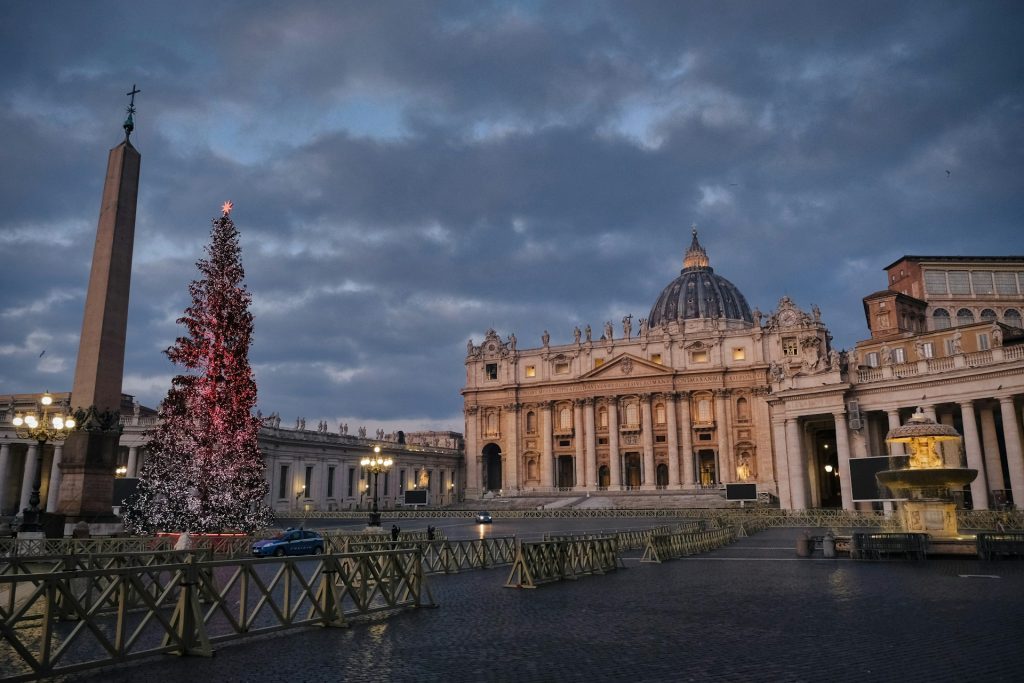
Vatican City can feel intensely observed because it combines religious significance with constant crowds and formal security. Visitors entering St Peter’s Basilica pass through screening, and Swiss Guards and Italian security personnel are visible around key areas. Cameras and controlled queues manage the flow of large groups, especially during peak seasons and major religious events. Because the territory is small, movement concentrates into a few corridors, which makes every action feel noticeable. Photography is common, but rules vary by space. The result is a highly organized visit where reverence and safety measures can create a sense of watchfulness, especially when papal audiences draw long lines and tighter entry controls.
Jerusalem Old City
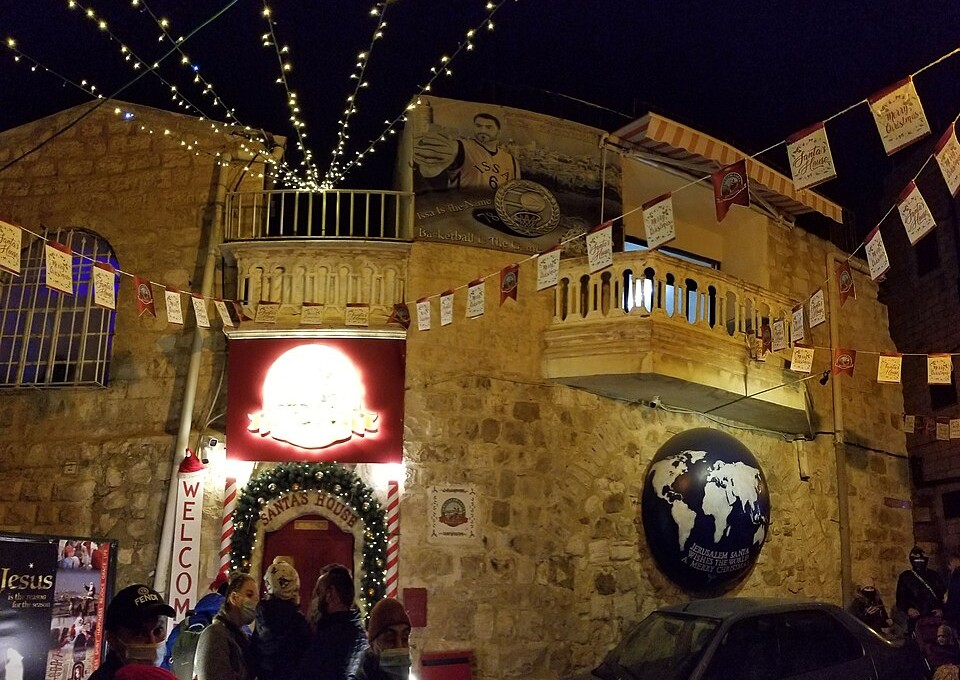
Jerusalem’s Old City can feel watchful because it is a dense historic area shaped by religion, politics, and security. Different quarters sit close together, and visitors often pass through checkpoints near certain entrances or sensitive sites. Police and security personnel are visible in many areas, and cameras appear along main routes. Crowds add to the sensation, since narrow streets place travelers in close contact with shopkeepers and tour groups. Cultural and religious norms also shape behavior at sacred places, making people more self conscious. For many travelers, the combination of history and security creates a heightened sense of being observed, especially during holidays when visitor numbers rise and routes tighten.
Macau China In Casino Zones
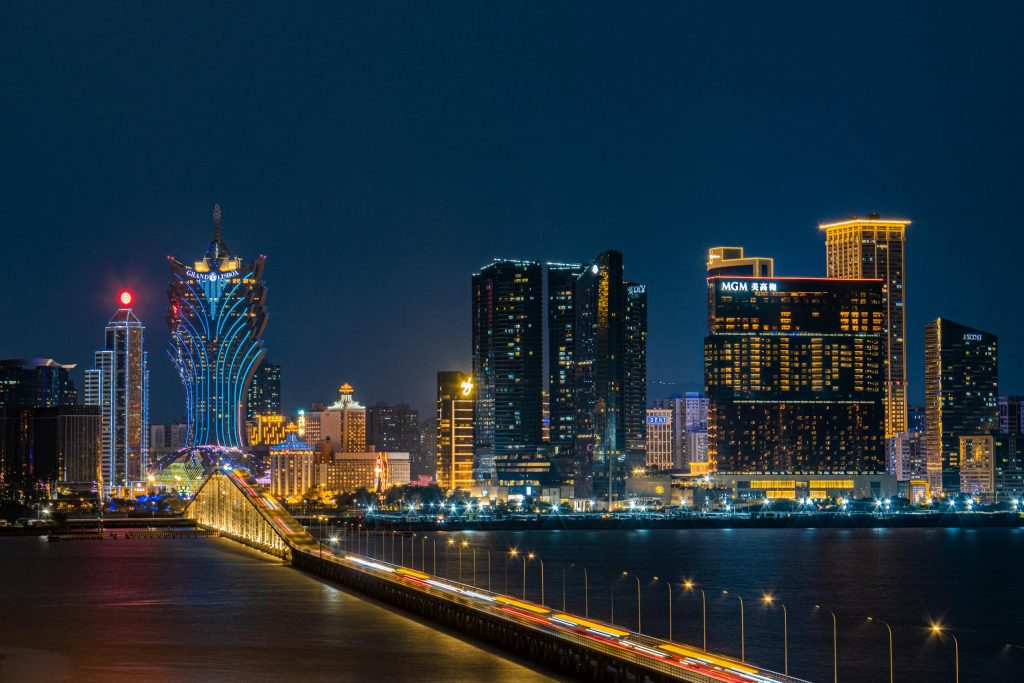
Macau’s casino zones can feel watchful for similar reasons to Las Vegas, with an added layer of regulated border procedures and security presence. Large integrated resorts use extensive surveillance systems, uniformed guards, and staff trained to monitor gaming activity and crowd behavior. Casino floors are brightly lit, with cameras positioned for clear coverage of tables and entrances. Outside, pedestrian movement around major resorts is guided through covered walkways, controlled crossings, and security screening at some venues. The environment is lively, yet the constant oversight and managed circulation can make travelers feel visible at all times, especially during peak weekends when queues form and entrances tighten.
Gibraltar At The Border And Town Center
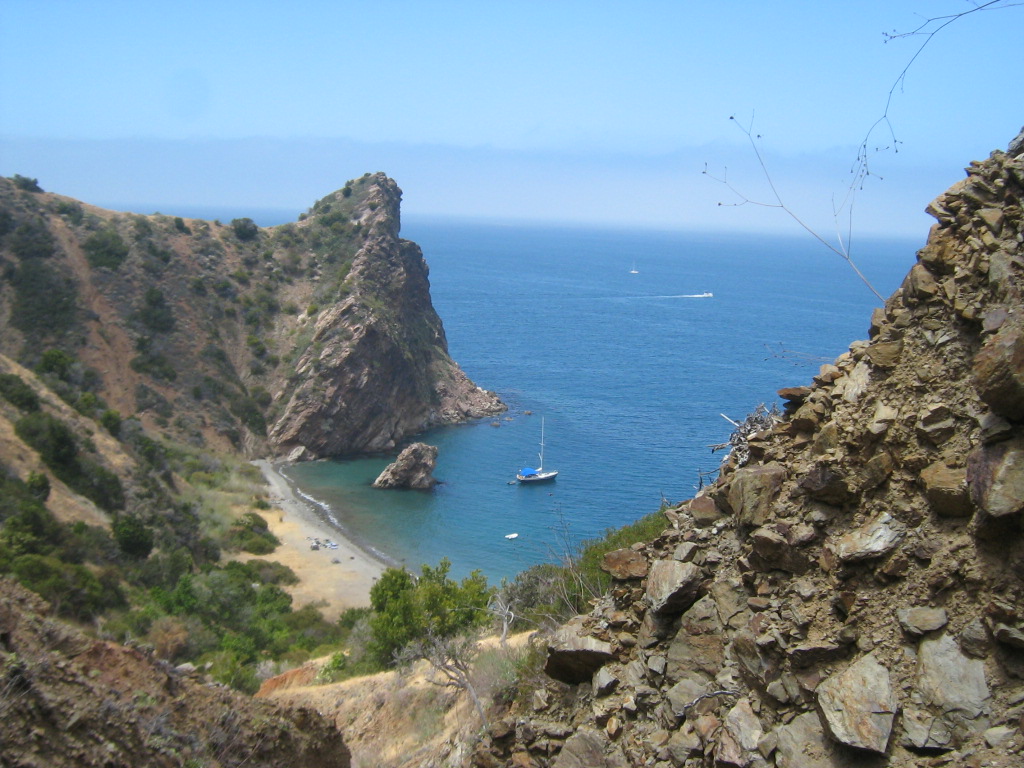
Gibraltar can feel watchful because border movement and a compact town center put travel routines under scrutiny. The land border with Spain can involve checks and queues, which makes arrivals feel monitored from the start. The territory’s small size means visitors often move through the same streets, bus stops, and pedestrian zones repeatedly, increasing the sense of being noticed. Military history and active facilities also shape the local landscape, including signs and restricted areas. Tourists generally face no special attention, yet the combination of border procedures and a tight urban footprint can create a watched feeling, especially during busy summer days when queues stretch and streets crowd.
Pyongyang North Korea
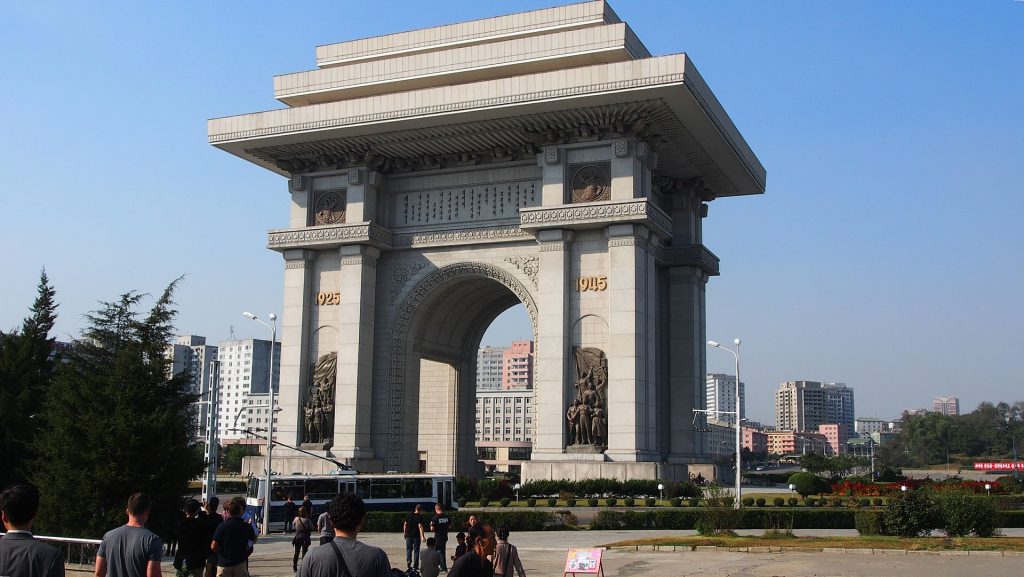
Pyongyang is often described by visitors as highly controlled, with travel typically managed through official itineraries and supervision. Access to many areas is limited, and visitors commonly move with guides and set schedules. Photography rules, restricted area, and formal checkpoints can make daily movement feel monitored. The city’s wide avenues and staged public spaces can heighten the sense that behavior is noticed. Independent exploration is not typical for most travelers, and information access can be constrained. These features contribute to a strong impression of oversight compared with most destinations, even when interactions remain polite and orderly, especially with scheduled stops and limited unsupervised time between activities.