11 Eco Conscious Beach Destinations That Still Feel Untouched
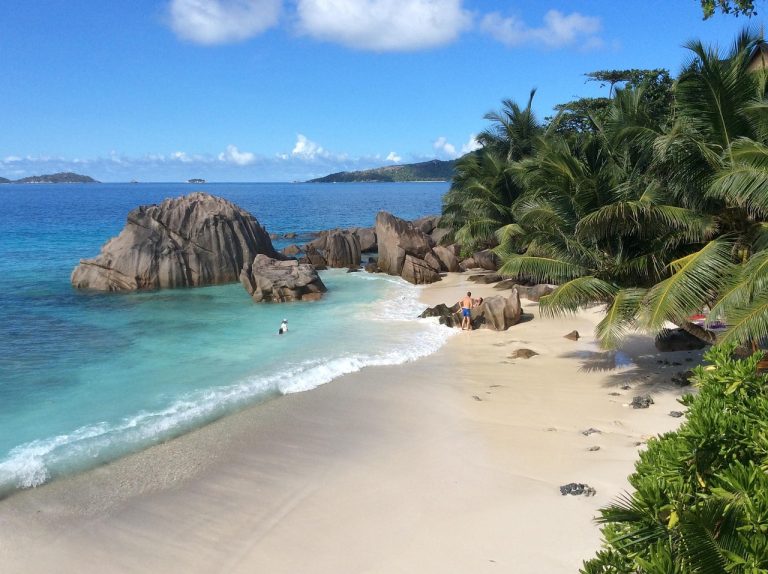
If you love beaches that still feel wild and untouched, this list is for you. These destinations balance beauty and sustainability, protecting marine life, dunes, and forests while keeping tourism mindful. From islands powered by renewable energy to coastlines that limit visitor numbers, each spot proves that responsible travel can still feel like an escape. Here’s where you can enjoy the ocean without leaving a heavy footprint, just salt on your skin and calm in your mind.
1. Playa Balandra, Mexico
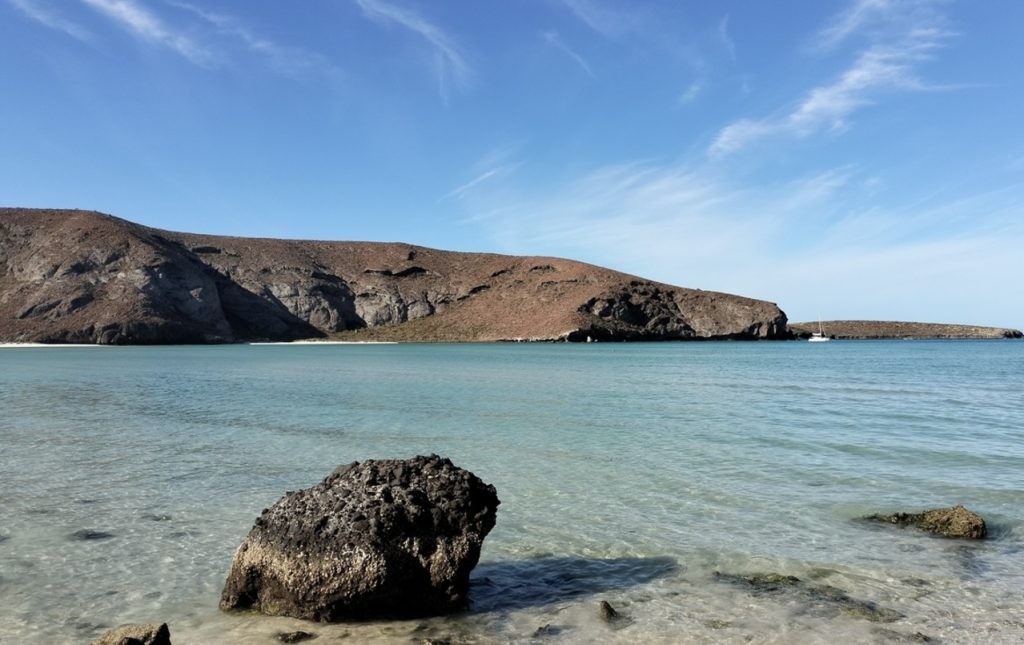
Playa Balandra near La Paz feels like a secret you’re lucky to stumble upon. The shallow turquoise bay is protected as a conservation area, meaning only a limited number of visitors can enter each day. That rule keeps the seagrass beds, mangroves, and marine life thriving. You can kayak, paddleboard, or wade through warm waters that stay waist-deep for what feels like forever. There are no loud vendors or big hotels here, just a few shaded palapas and the sound of the tide. It’s a perfect example of a beach that protects itself by staying small.
2. Anse Source d’Argent, Seychelles
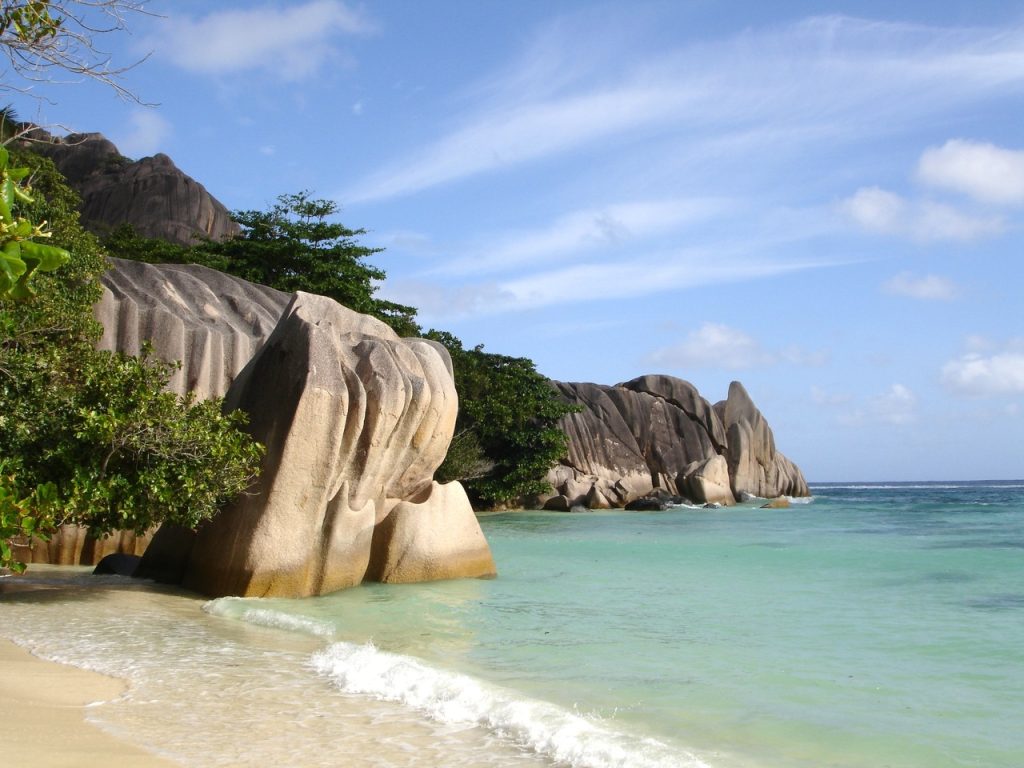
This beach looks like a movie set but runs on a quiet rhythm of sustainability. Located on La Digue Island, where bicycles outnumber cars, Anse Source d’Argent limits development and energy use. The pink granite boulders and shallow reef create calm lagoons where fish dart through coral that’s carefully protected by local regulations. Solar panels power much of the island, and the community relies on small guesthouses instead of sprawling resorts. You feel part of a system that values balance over luxury.
3. Tofino, Canada
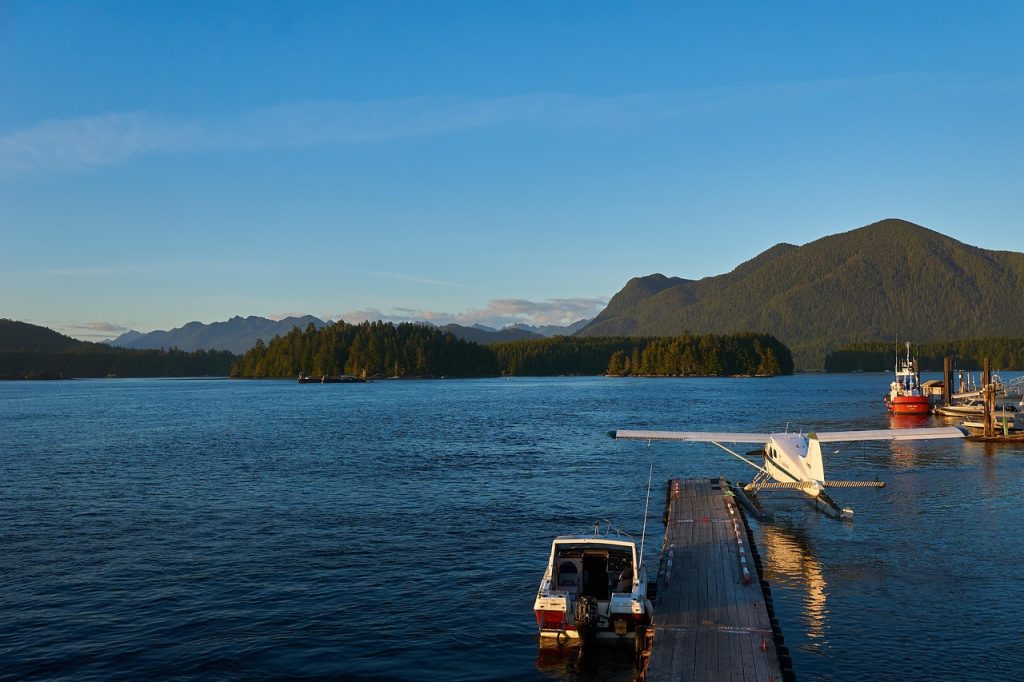
Tofino’s rugged beaches along Vancouver Island attract surfers, kayakers, and nature lovers who value wilderness over convenience. The area’s First Nations communities and eco lodges work together to preserve the coastal rainforest and intertidal zones. You can explore tide pools, join a guided forest walk, or simply listen to waves crash under misty skies. The town’s commitment to sustainability shows up everywhere, from zero-waste dining to local seaweed harvests that respect marine health. It’s proof that a thriving surf town can stay rooted in respect for the land.
4. Nosy Be, Madagascar
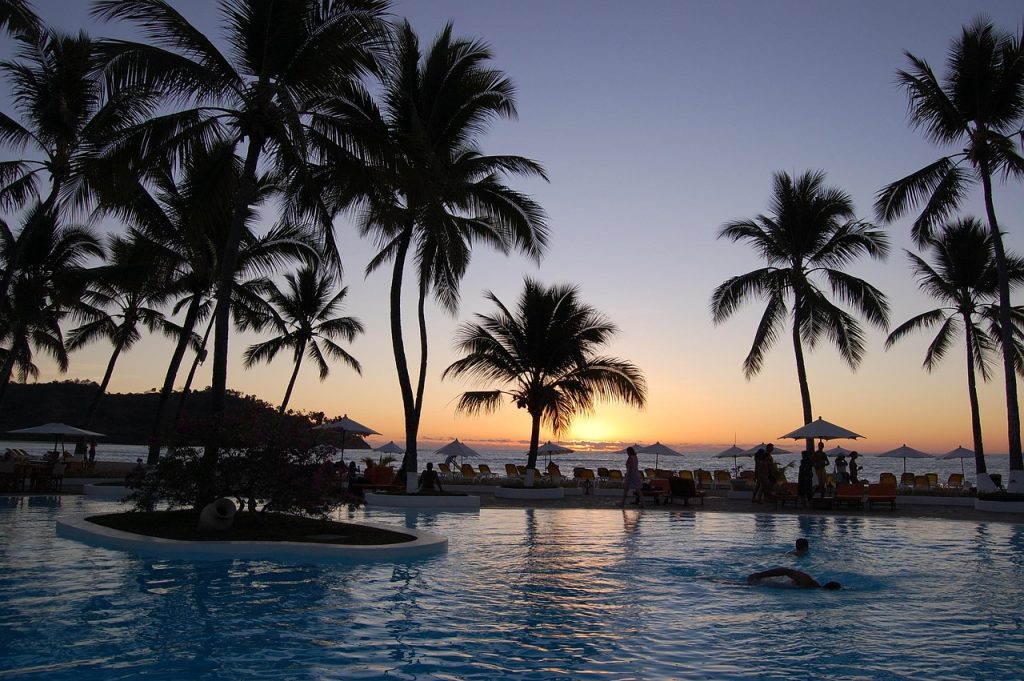
Nosy Be balances tropical charm with deep ecological awareness. Once known mainly for resorts, the island now focuses on marine conservation and community-led tourism. Coral restoration projects, turtle monitoring, and mangrove replanting are common sights, not tourist gimmicks. You’ll find eco lodges built with local materials and powered by solar energy. The best part is that nature always feels close—lemurs in the trees, coral gardens below the surface, and quiet beaches that still feel undiscovered.
5. Holbox Island, Mexico
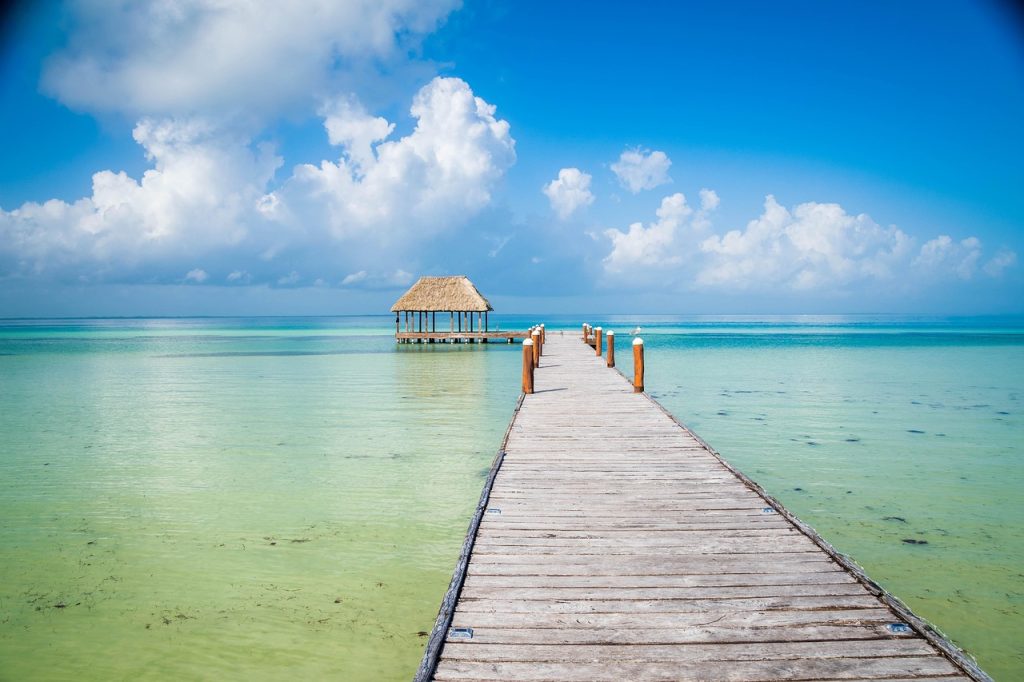
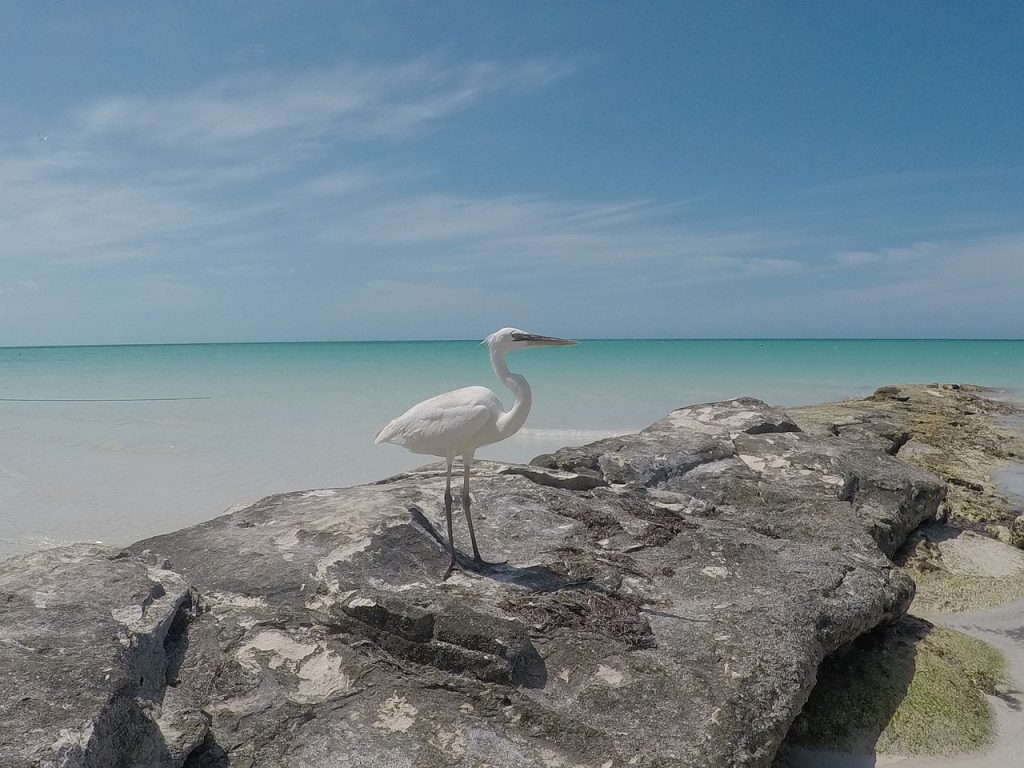
Holbox bans cars, encourages bicycles, and protects its mangroves fiercely. This barrier island near the Yucatán Peninsula is home to flamingos, whale sharks, and crystal waters that glow with bioluminescence at night. The community works hard to control development, and plastic bans keep the beaches nearly spotless. You can spend days swimming, watching sunsets, or kayaking through mangrove tunnels without seeing a single resort tower. It’s slow travel done right, where the main rule is to take nothing but photos.
6. Lord Howe Island, Australia
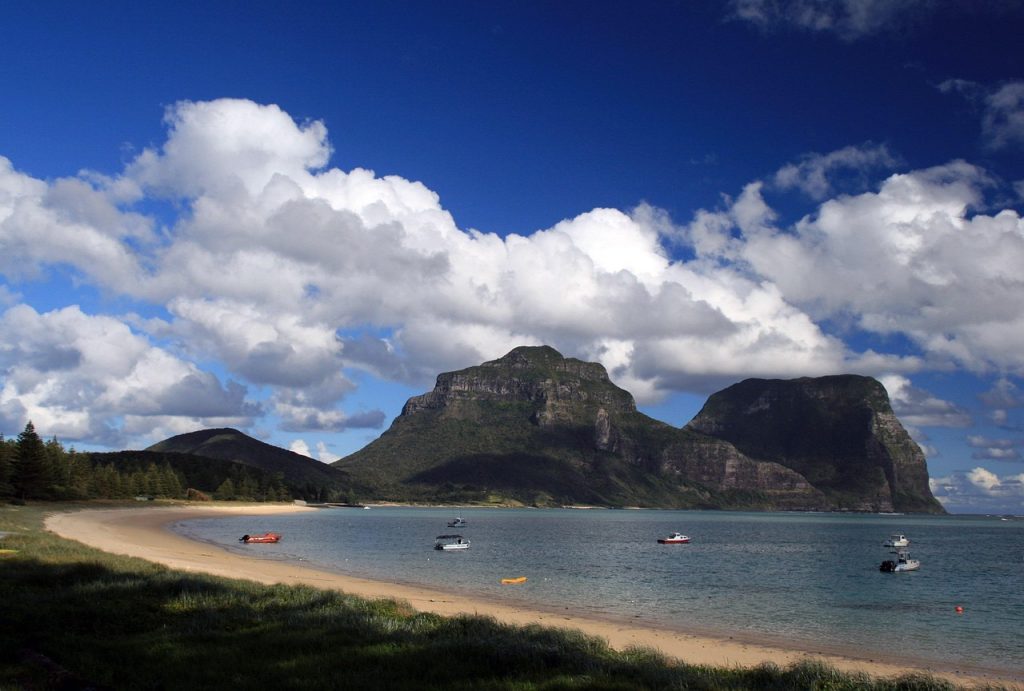
Only a few hundred visitors are allowed on Lord Howe Island at a time, which keeps the beaches pristine and the coral reef healthy. This UNESCO World Heritage site runs mostly on renewable energy and has banned plastic bottles. The air feels cleaner, and the wildlife especially the rare seabirds moves freely. You can snorkel in crystal clear lagoons, hike volcanic peaks, or explore hidden coves with barely another person in sight. It’s a rare place that reminds you how fragile paradise can be.
7. Rarotonga, Cook Islands
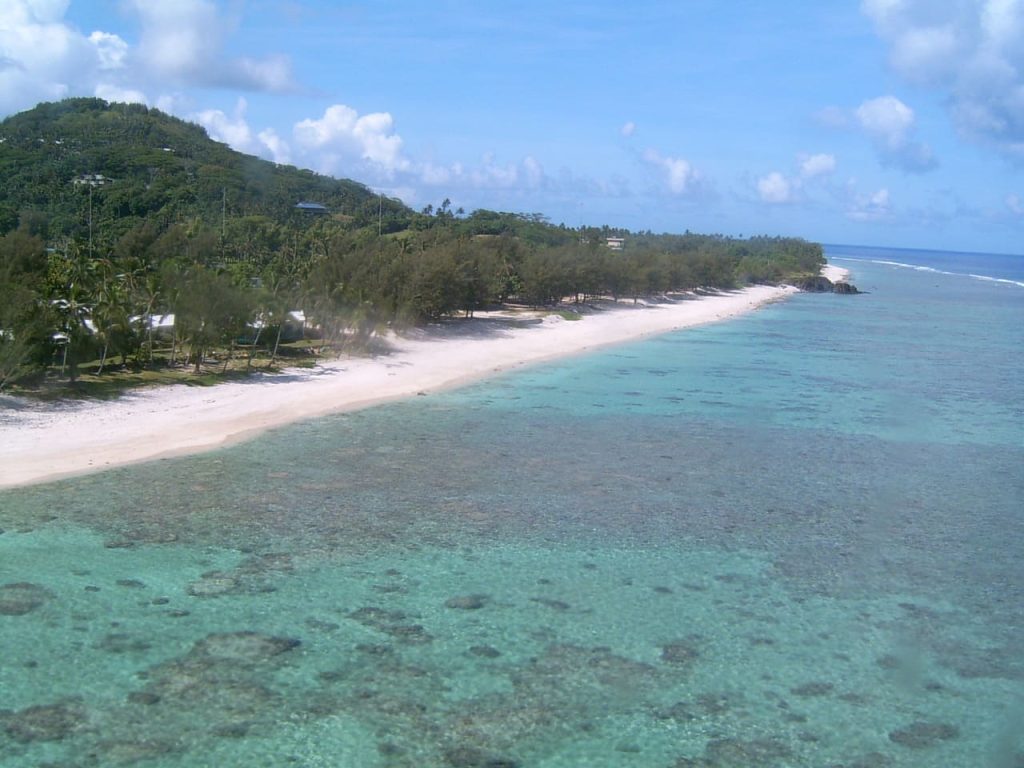
Rarotonga has managed to stay beautiful without becoming overbuilt. Locals have turned to eco certified tourism and marine sanctuaries to keep their reefs vibrant. The island’s coastal paths invite you to explore by foot or bicycle instead of cars. Resorts operate on solar energy, and traditional practices guide fishing limits. You can snorkel with reef fish just offshore or relax on powder white beaches that stay quiet even in high season. It’s an island that feels both cared for and cared about.
8. The Azores, Portugal
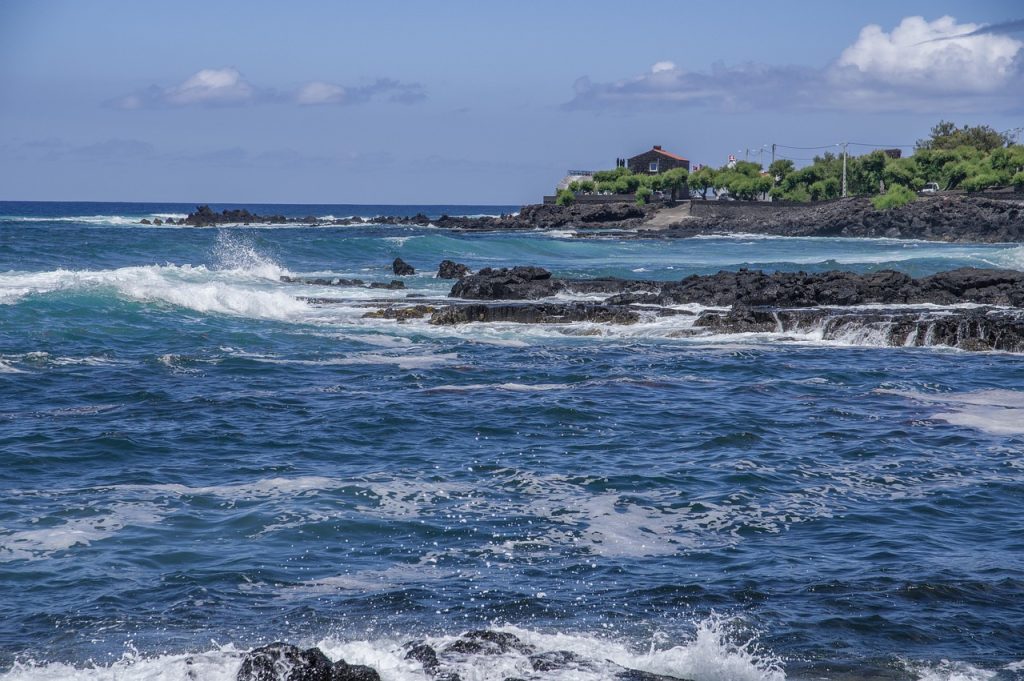
The Azores are a model for green travel in Europe. These volcanic islands rely heavily on renewable energy and strict conservation rules that limit large scale tourism. The beaches here are framed by dramatic cliffs and black sand shaped by lava flows. You can swim with dolphins, hike crater lakes, or soak in thermal pools surrounded by ferns. The entire region focuses on sustainability, from organic farming to eco certifications for hotels. Visiting feels like stepping into a future where tourism and nature truly coexist.
9. Ilha Grande, Brazil
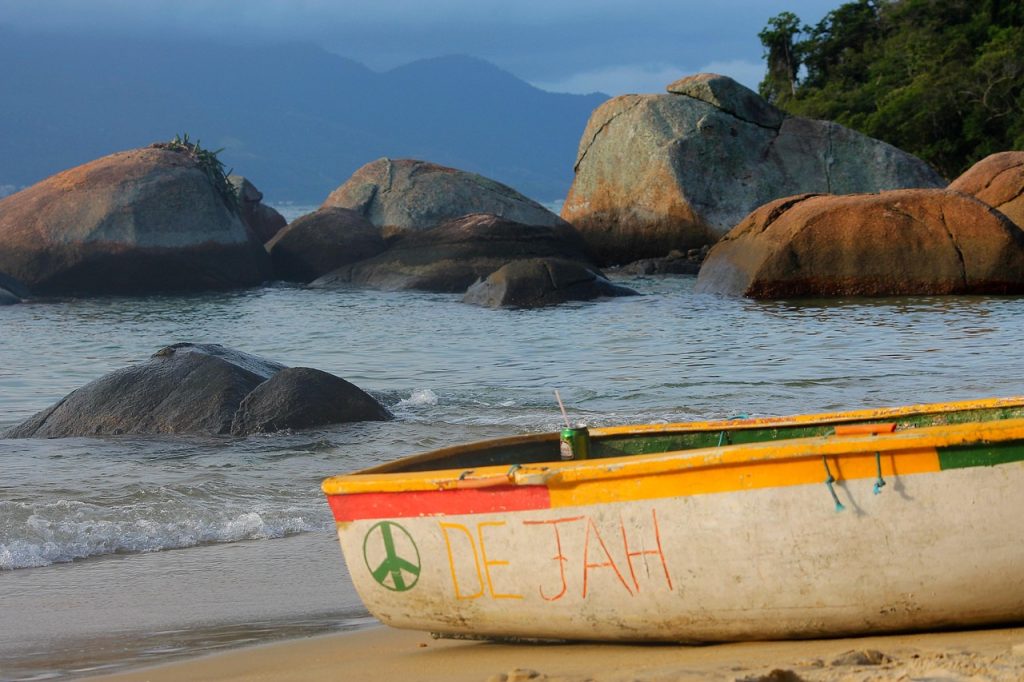
Ilha Grande once hosted a prison, which ironically helped preserve it from overdevelopment. Today, the island bans cars and has over a hundred beaches connected by hiking trails through the rainforest. Local initiatives protect coral reefs, while waste and water systems are designed to minimize pollution. You’ll spend your days swimming, snorkeling, and walking to quiet coves where howler monkeys call in the distance. Everything runs on a small scale, and that’s exactly what keeps it special.
10. Zakynthos, Greece
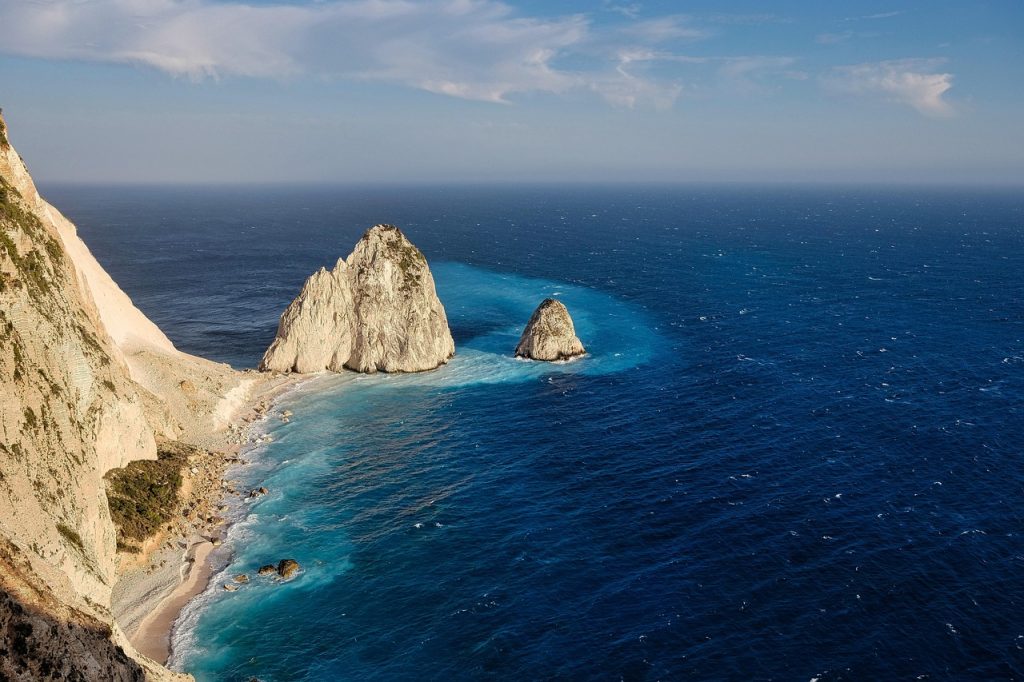
Zakynthos is known for its stunning cliffs and turquoise coves, but beyond the famous Navagio Beach lies a commitment to protecting endangered loggerhead turtles. Conservation zones restrict boats and noise near nesting areas, and volunteers patrol the sand during breeding season. The island promotes eco-friendly stays that avoid plastic waste and support local agriculture. You can still enjoy the blue caves, traditional food, and sunlit beaches, but you’ll do it knowing your visit helps rather than harms.
11. Koh Yao Noi, Thailand
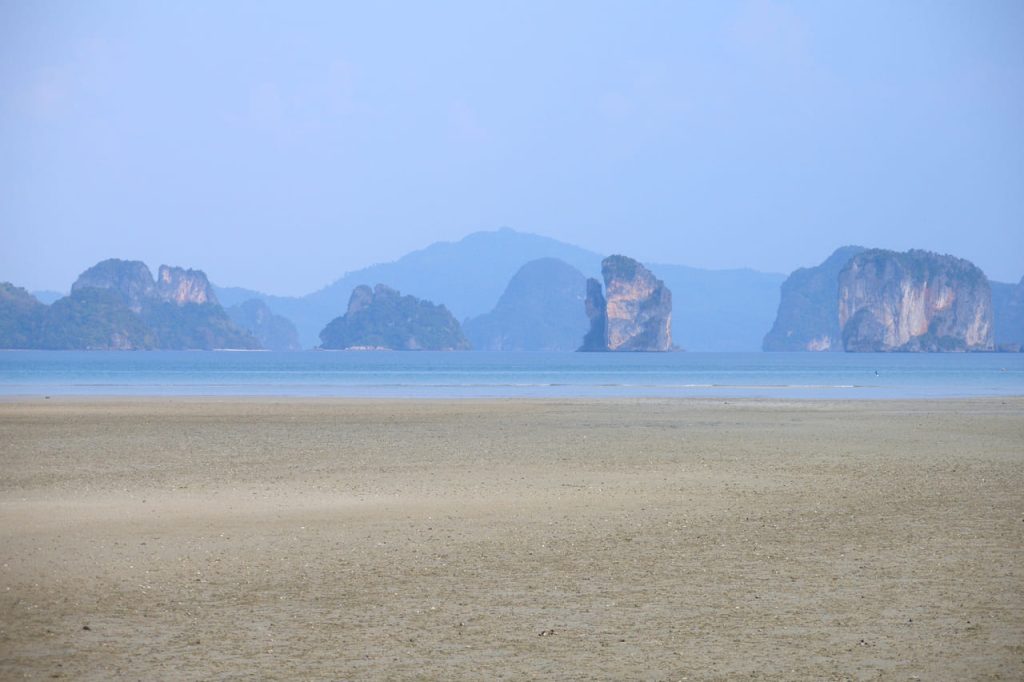
Koh Yao Noi is the quiet alternative to Phuket, with mangroves, rubber plantations, and coral reefs all protected by community projects. Eco resorts are built using natural materials, and many run programs that teach guests about local marine life. You can kayak through limestone karsts, visit a village market, or just watch the tide roll in from your hammock. The island’s small size and slower pace keep it authentic. You leave with the sense that balance here isn’t an effort it’s a way of life.