11 European Destinations Where Preservation Rules Limit Tourist Access
Preservation is rarely loud in Europe. It shows up as timed tickets, daily caps, and pathways that keep delicate places from being worn down by relentless attention.
When rules tighten, they protect centuries-old stonework, painted plaster, and living coastlines that cannot be replaced. A day of sightseeing becomes less spur-of-the-moment, but more deliberate, built around entry windows, quieter lanes, and the patience that keeps a landmark intact.
The limits can feel strict at the turnstile. They also make room for breathing space inside, where a chapel, a cave wall, or a cliff path can survive the next wave of curiosity.
Venice
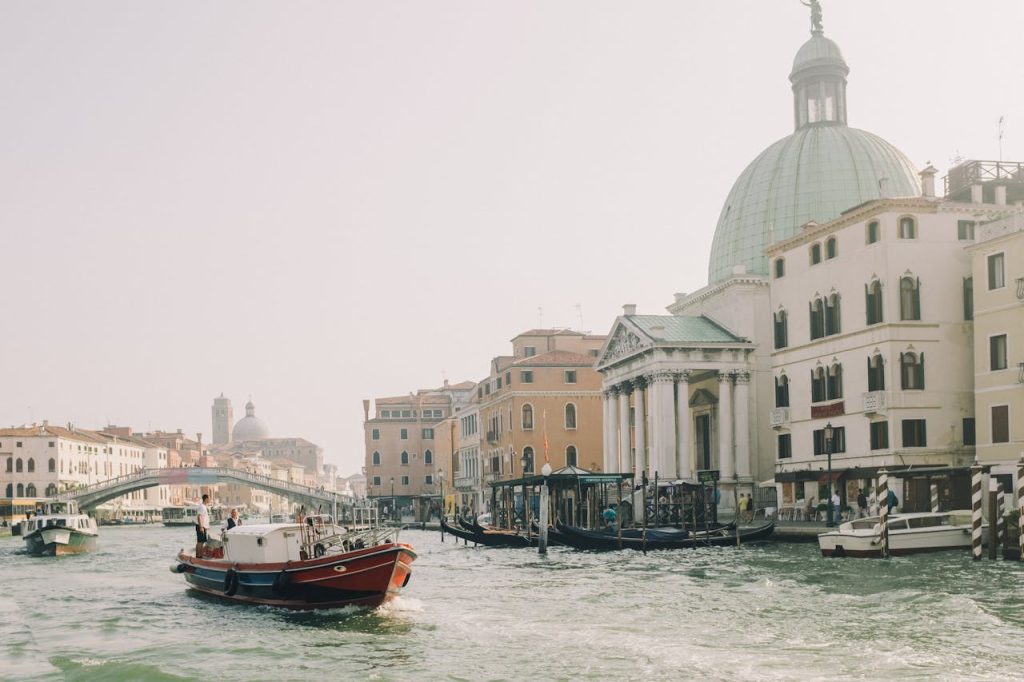
Venice now uses an access-fee system on selected high-pressure dates, turning a day visit into a registered arrival instead of an effortless drift into the historic center. Day-trippers can still wander canals and campos, but spontaneity gives way to a quick online step that proves the visit is logged before the first bridge.
For the 2026 trial, the city publishes a calendar beginning Apr. 3 and limits the requirement to set daytime hours, 8:30 a.m. to 4:00 p.m. with spot checks at major approach points. The method leans on a digital voucher and clear exemptions, so officials can manage the surge without sealing off the city’s ordinary life.
Dubrovnik
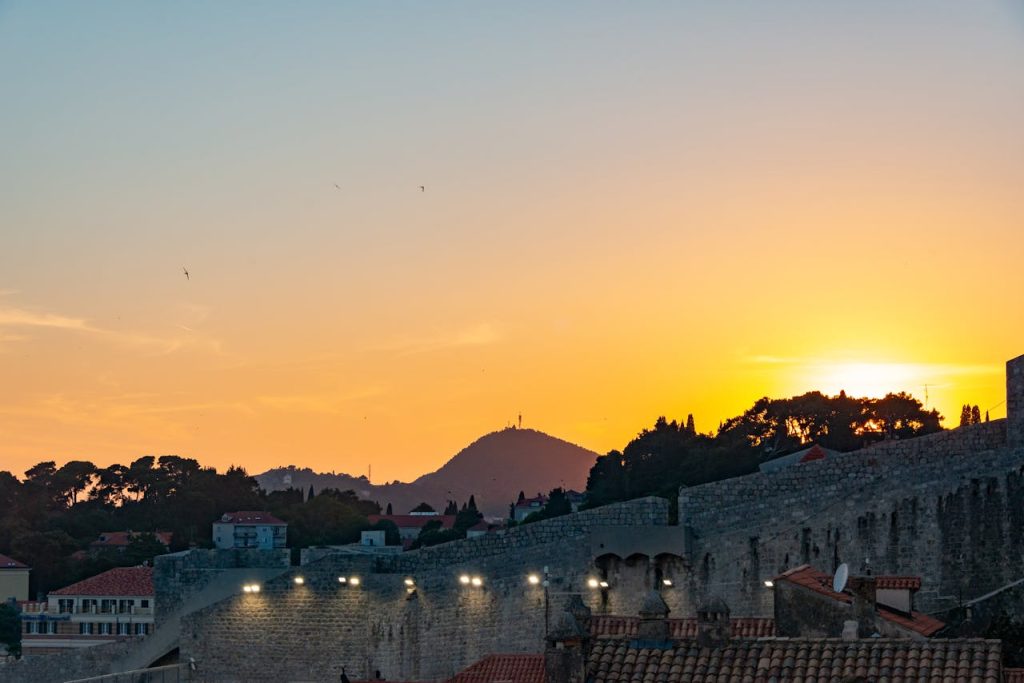
Dubrovnik’s walled Old City is small enough that crowding becomes physical, so preservation rules focus on stopping one dense surge from grinding daily life into gridlock. A UNESCO-linked study says the historical core should not exceed 8,000 visitors, a benchmark tied to safety, comfort, and wear on steps, walls, and narrow passages.
To keep that threshold from becoming a daily gamble, the city has leaned on monitoring, timed management of cruise arrivals, and simple flow controls that slow entry when counts climb. The goal is not to empty the streets, but to keep Stradun walkable and the city livable through summer peaks.
Alhambra
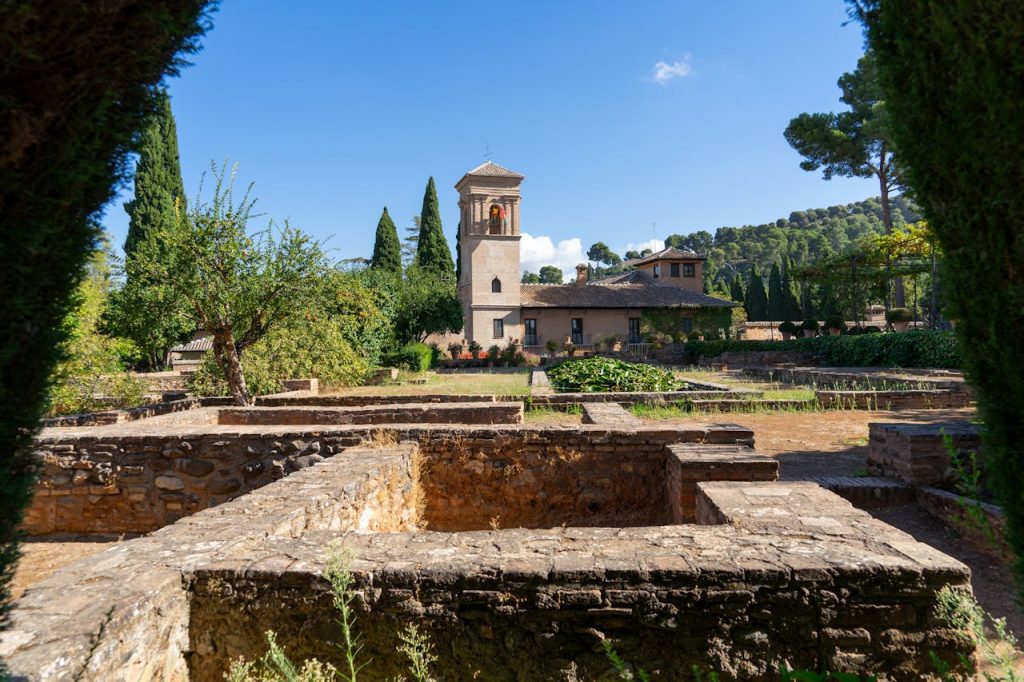
At Granada’s Alhambra, preservation is enforced by the clock. Entry to the Nasrid Palaces is tied to an assigned time, and official ticket rules push visitors to build the day around that slot instead of roaming first and hoping carved halls and courtyards can absorb unlimited delay.
Details are regulated with the same intent: ticketed spaces are meant to be visited once, backpacks over 40 x 40 cm are barred, and tickets must be collected at least one hour before the palace time, guiding feet through fragile stucco, tile, and woodwork without turning the rooms into a constant, shoulder-to-shoulder squeeze each peak season.
Acropolis of Athens
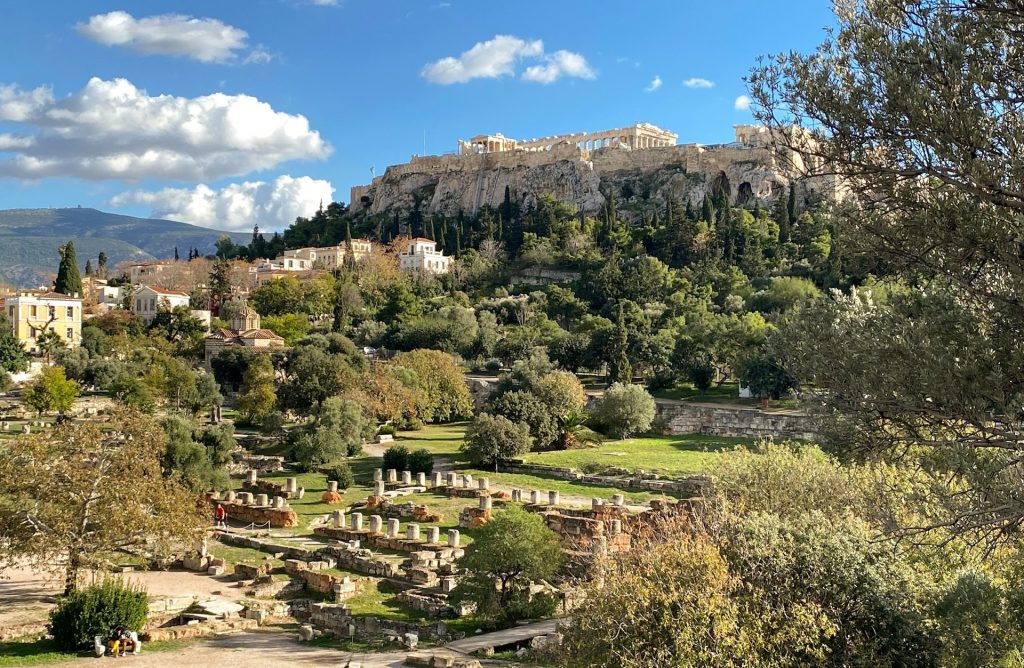
The Acropolis now uses timed entry as a preservation tool, with official ticketing stating that from Apr. 1, 2024, entry is only possible during the selected time slot, a change meant to spread arrivals through the day instead of stacking them into one heavy crush at the checkpoint, even in high summer.
In practice, the rhythm feels different: fewer bottlenecks at the gates, steadier movement on worn marble, and less pressure on railings and steps where crowds once stalled for photos and shade on the same route. A single time stamp guides planning from metro to hilltop, and the plateau gains brief pockets of calm between waves.
Stonehenge
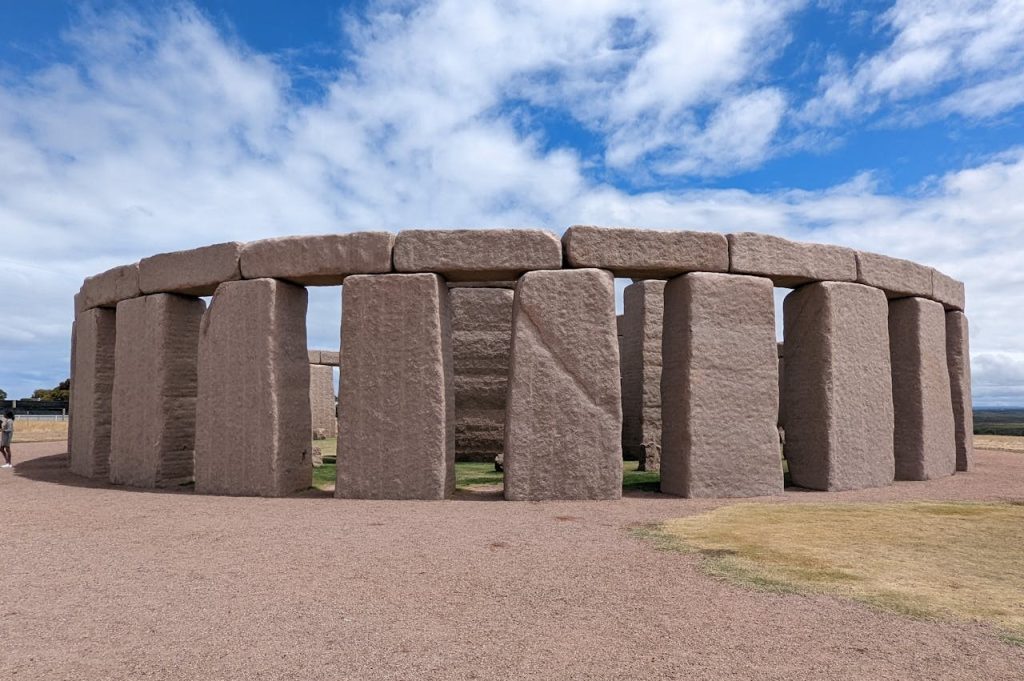
Stonehenge looks open-air, but access is designed to protect both the stones and the archaeology under the turf, with timed tickets and set paths keeping most visitors at a respectful distance so erosion and casual contact do not accumulate day after day, even when coaches arrive in clusters for hours.
Closer access is treated as an exception: the Stone Circle Experience runs outside normal visiting hours and is described as very limited in availability, with bookings checked on arrival. That restraint keeps the monument from feeling handled, preserving its quiet authority even when the approach road is busy in every season.
Skellig Michael
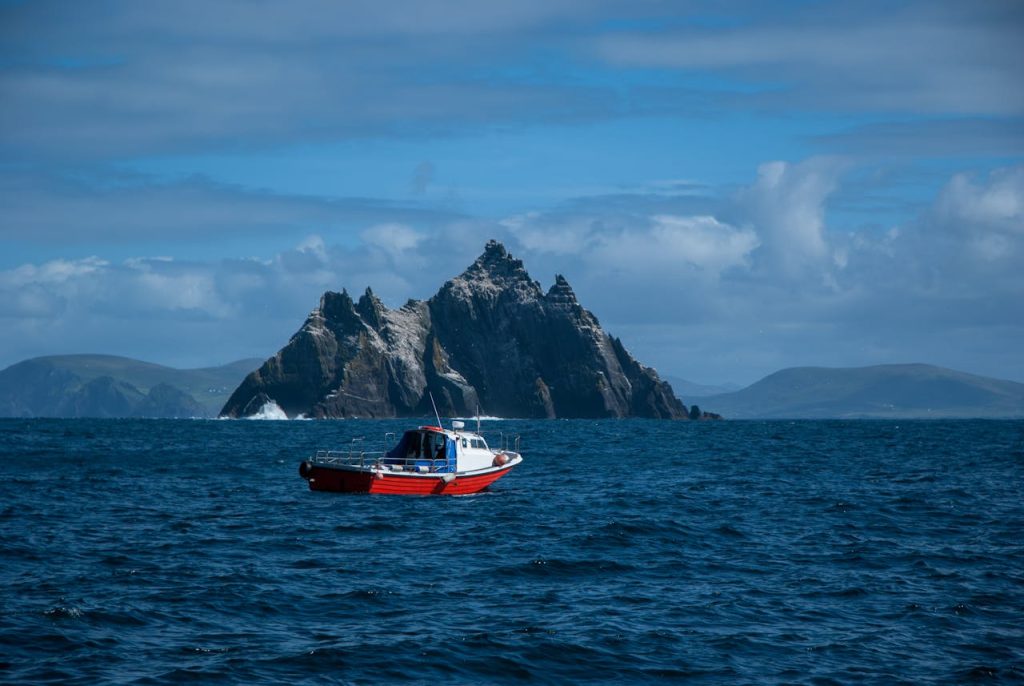
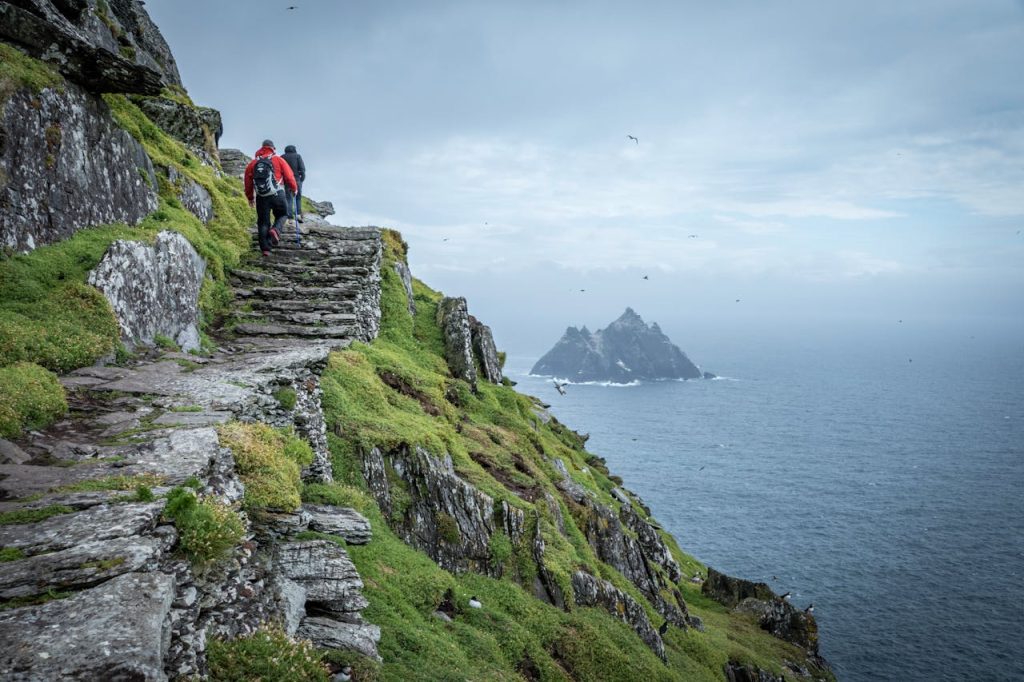
Skellig Michael is protected by a hard cap and an even harder coastline in the Atlantic, with Ireland’s management planning maintaining a strictly defined season from mid-May to the end of Sept. and reviewing the sustainability of a 180-visitors-per-day limit to keep both the monument and visitors safe.
Weather then becomes the real gatekeeper, cancelling landings when swell rises, and the steep steps narrow access to those fit enough to climb without rushing. The island stays famous, but not worn smooth, because demand is never allowed to override the cliff paths, the stone terraces, or the site’s carrying capacity each year.
Altamira Cave

Altamira’s ceiling paintings survive because access is kept almost impossibly small in Cantabria, with the museum describing a controlled regime of one 37-minute visit per week for five people under strict clothing and lighting protocols that limit heat, humidity, and the extra carbon dioxide that crowds bring.
Most visitors meet the imagery through the museum and replica, where the bison can be studied without changing the cave’s microclimate. The rule feels severe, but it draws a bright line: the original chamber is protected by letting admiration stop at the threshold rather than spill inside all at once, for long decades.
Lascaux

Lascaux is a reminder that even careful admiration can change a cave’s air too fast. The original site was closed to the public in 1963 after pollution from heavy visitation threatened the paintings, and that decision still shapes how the Dordogne shares its most famous Ice Age images without risking another decline.
Public access shifted to replicas, including the full-scale Lascaux IV center opened in 2016, so people can study the scenes without warming, humidifying, or lighting the real chambers; the copy carries the wonder, while the original stays protected behind conservation controls that prioritize stability over access.
Chauvet Cave

Chauvet-Pont d’Arc was treated as fragile from the moment it was rediscovered, and the public does not enter the original cave with its ancient drawings. UNESCO notes that once it became clear the cave would never be accessible to general visitors, a facsimile project was created to present the art without disturbing the site’s inner balance.
That decision produced the Caverne du Pont d’Arc, opened to the public on Apr. 25, 2015, channeling demand into a controlled environment where temperature, humidity, and pacing can be managed, while the real chamber stays sealed and stable behind conservation rules built for the long term.
Plitvice Lakes National Park
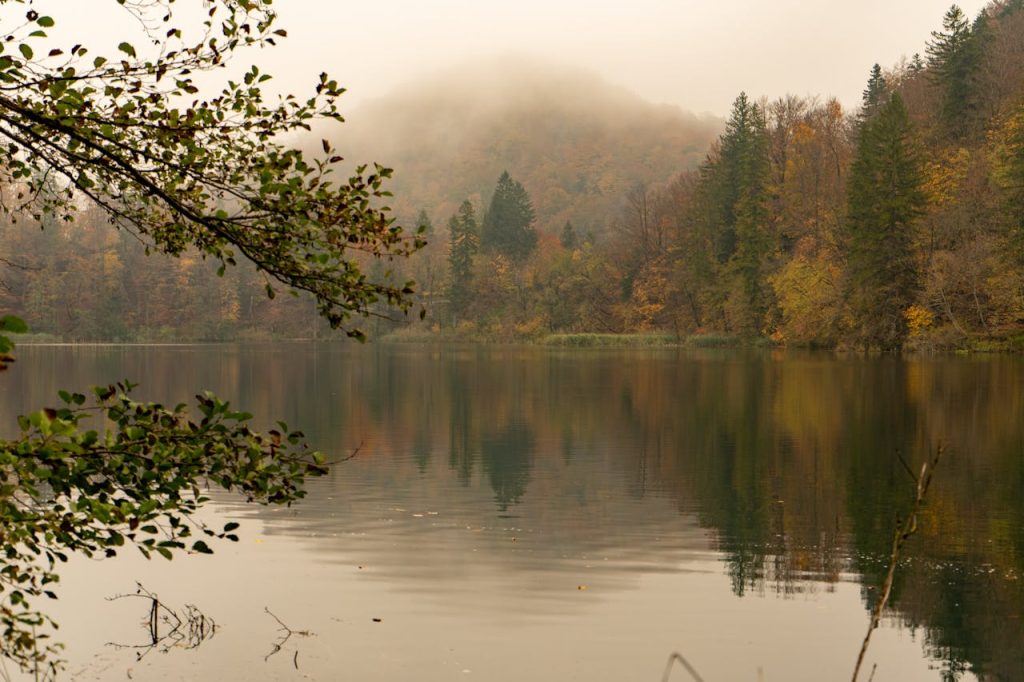
At Plitvice Lakes, preservation is handled through timed entry that spreads pressure across fragile boardwalks and viewpoints, with official guidance recommending online tickets and requiring visitors to validate entry at the chosen official entrance within the time period selected at purchase, even during peak afternoons.
That rule turns arrival into a commitment, not a guess, because a late train or a slow parking search can collide with a closed window at the gate. By controlling when groups step onto narrow paths, the park protects clear water, living tufa formations, and the calm that makes the lakes feel like more than a photo stop.
Surtsey
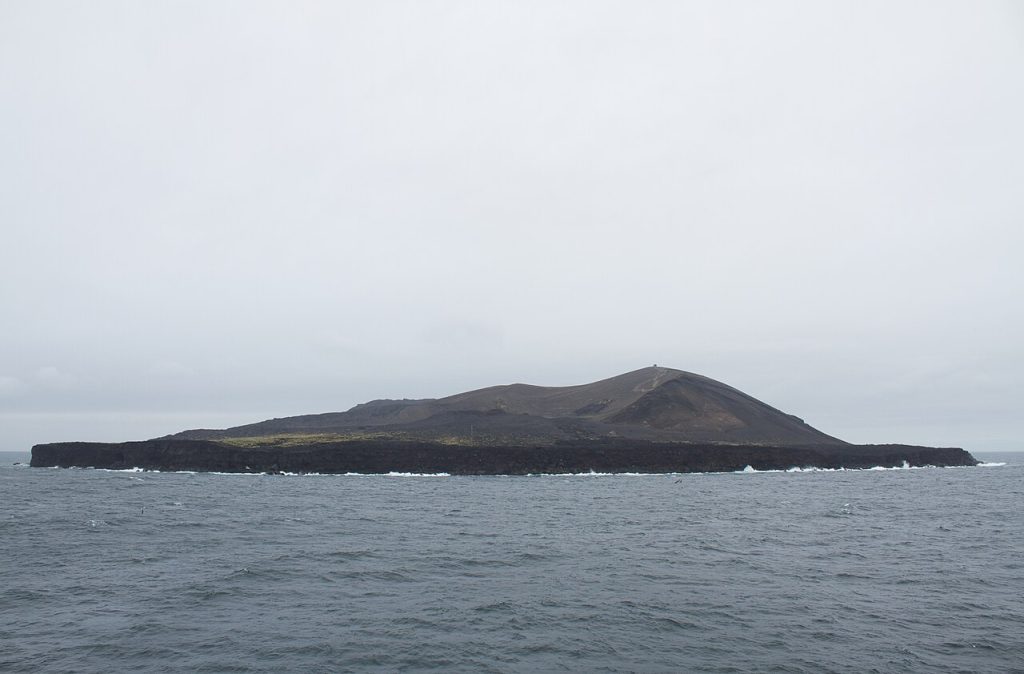
Surtsey is preservation taken to its logical extreme, with almost no tourist access at all to the young volcanic island. UNESCO explains that visits are strictly prohibited so plant and animal colonization, ecological succession, and geological change can proceed as naturally as possible, free from accidental introductions.
The ban covers going ashore and even diving near the island, treating a single boot sole, seed, or food scrap as a real threat to the record scientists are tracking, while the public learns the story through research and interpretation rather than through a ferry schedule and a ticket line for generations.