11 Fall Travel Habits That Surprise First-Time Visitors
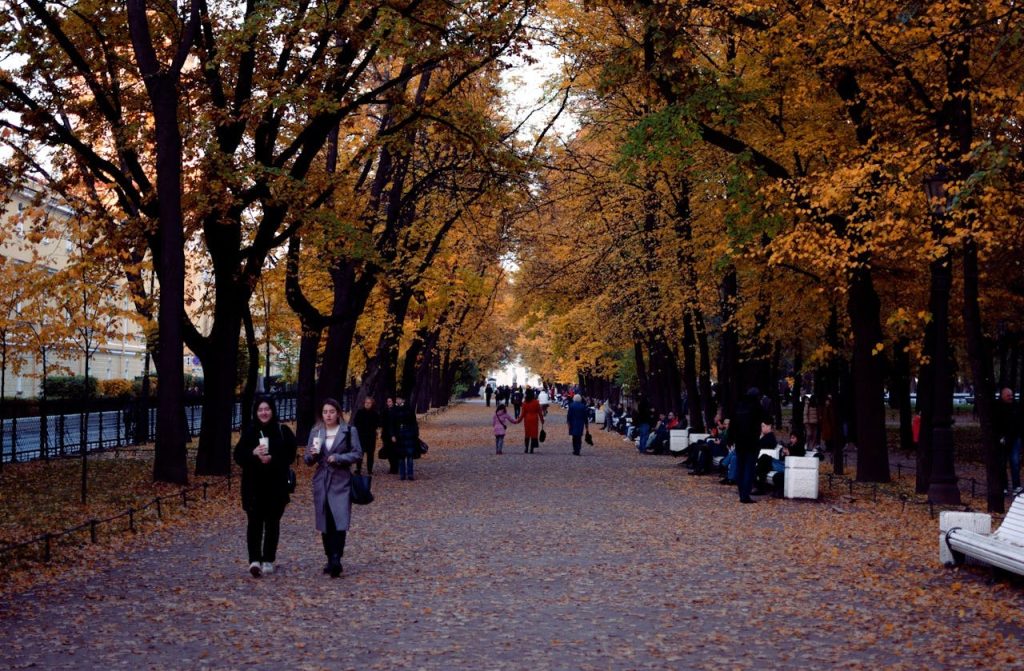
Fall travel has its own quiet rulebook, and first-time visitors often feel it before they can name it. Days start earlier, dinners shift forward, and locals treat weather as a moving target instead of a promise. Markets turn practical, photo spots get claimed at dawn, and weekend crowds arrive with surprising intensity. None of this is complicated, but it changes pacing, pricing, and what gets prioritized. Once these habits are understood, autumn trips feel calmer and more real, built around light, warmth, and small routines that make a place feel lived-in.
Golden Hour Becomes The Main Event
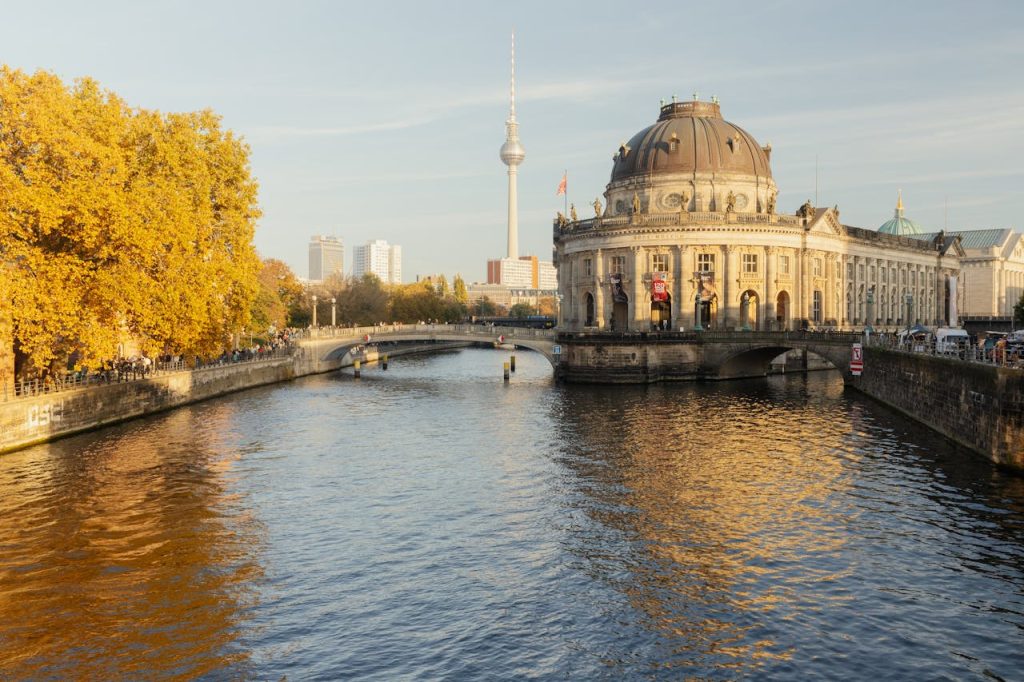
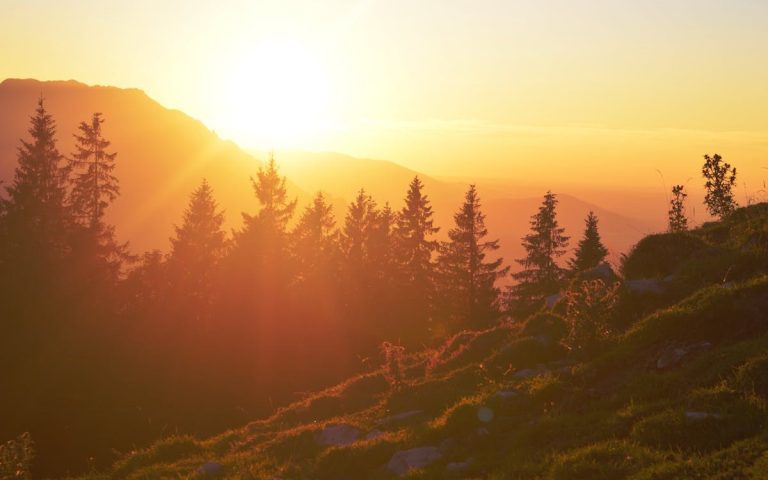
In many destinations, fall daylight shrinks quickly, so locals plan the entire day around the short window when streets and landscapes look their best. Museums, shops, and long lunches get scheduled for the flatter hours, then everyone drifts toward riverwalks, hill viewpoints, and waterfront benches as sunset approaches. First-time visitors often book dinner too early and miss the city’s favorite hour, when the sky turns copper and streetlamps click on. Locals treat that light like a daily appointment, not a bonus, and it reshapes routes, timing, and even where people choose to sit for dessert afterward.
Layering Is Treated Like Planning
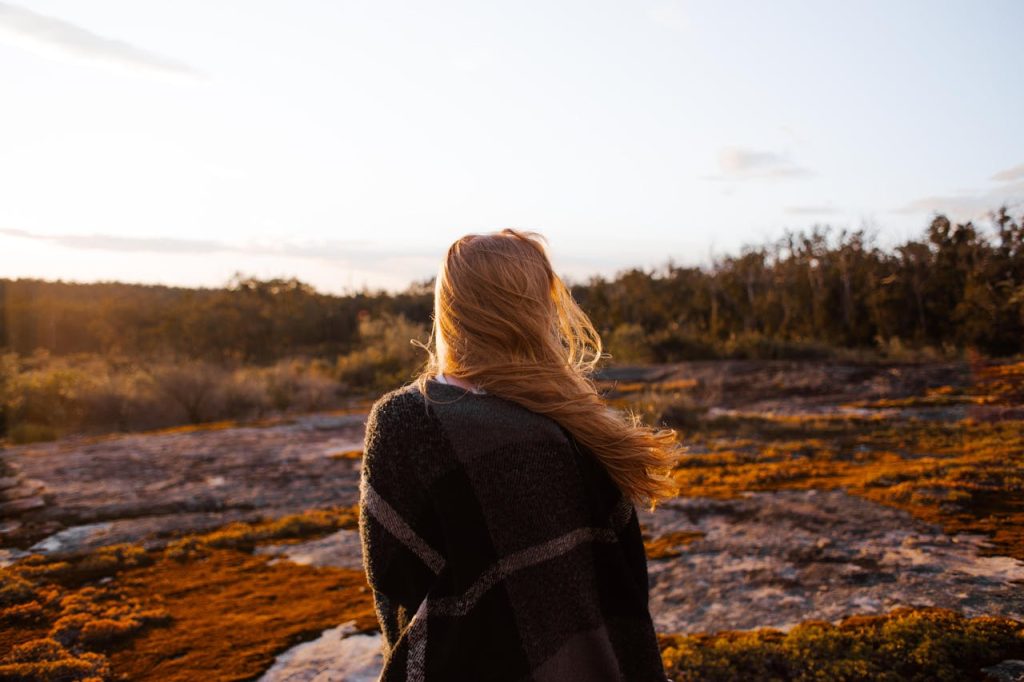
Locals treat clothing like an itinerary: something light for noon, something warmer for evening, and one extra layer for wind that arrives without warning. A scarf, thin rain shell, and shoes that handle damp sidewalks show up even on bright mornings, because fall can swing from sun to drizzle in one neighborhood, then clear near the river. Visitors who pack for a single forecast often buy a sweater, a compact umbrella, or warmer socks on day one. Residents look comfortable and keep walking, hands free, pace steady, and plans unchanged from morning coffee to late transit rides, because the outfit was built for variety.
Weekday Crowds Can Feel Backwards
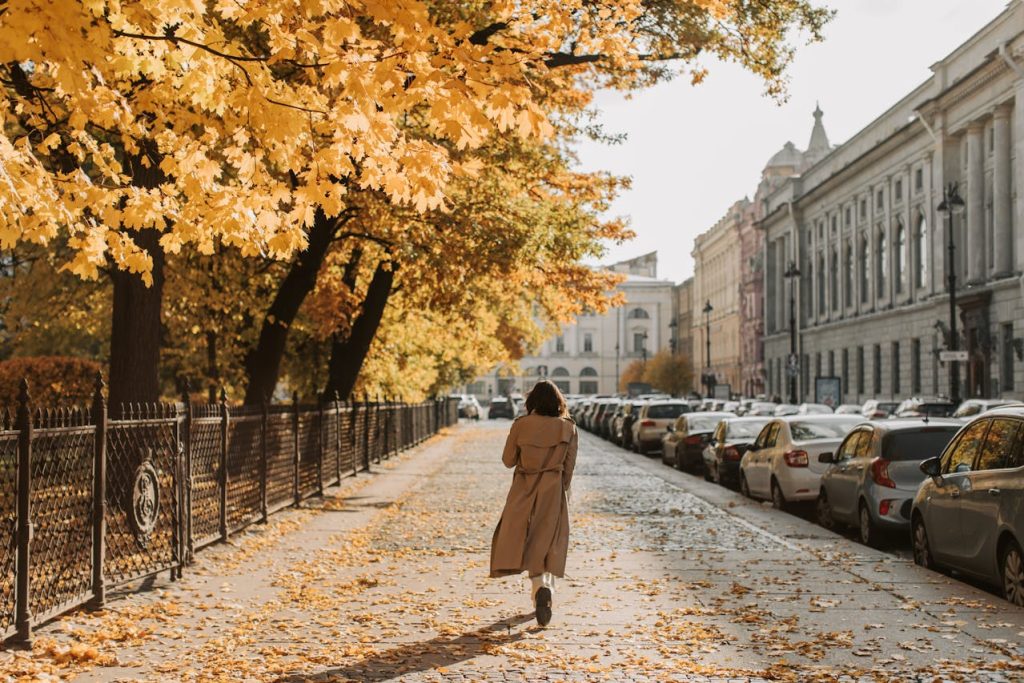
Fall can flip crowd logic. Weekends fill with regional day-trippers chasing foliage, harvest markets, and short breaks, while Tuesday and Wednesday feel oddly calm in famous districts. First-time visitors expect Saturday to be easiest for tours, then meet packed scenic pullouts, longer coffee lines, and full restaurants near viewpoints, even in towns that look quiet on a map. Locals run errands early, take late walks, and save museums for weekdays, and travelers who copy that habit often find gentler pricing, easier reservations, and a calmer pace that leaves room for small detours and unplanned stops.
Reservations Quietly Move Earlier
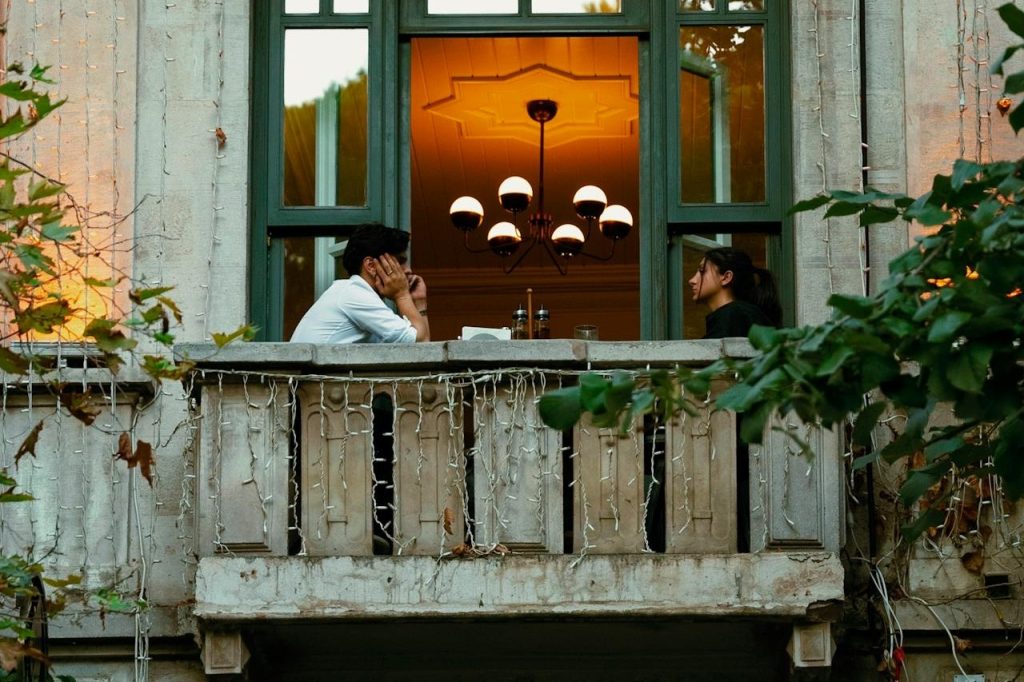
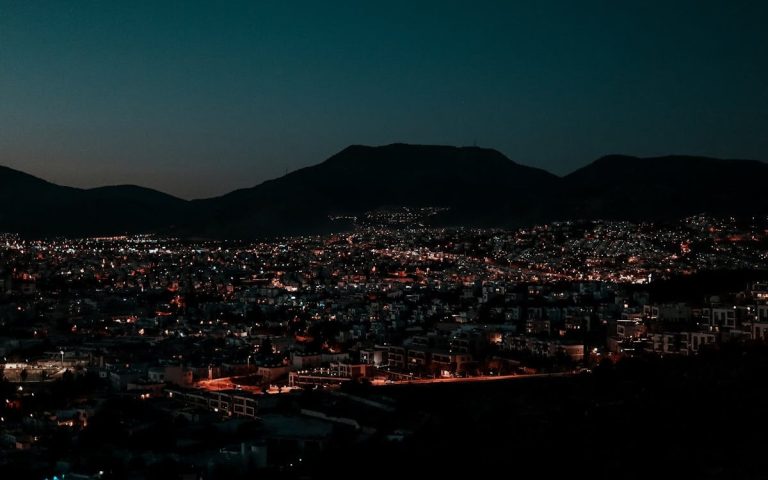
As evenings cool, restaurants in many cities shift their rhythm, with earlier dinner waves and higher demand for cozy indoor seating. Locals reserve 6:00 p.m. tables, then linger over dessert and hot drinks while streets darken, which means the best rooms and best seats disappear before newcomers even think about booking. Visitors who keep summer timing land in late slots when kitchens are winding down. An earlier reservation followed by a slow walk past lit shop windows and quiet parks makes the evening feel settled, and it keeps the trip aligned with how locals actually use the night when daylight fades faster.
Markets Turn Into Pantry Stops
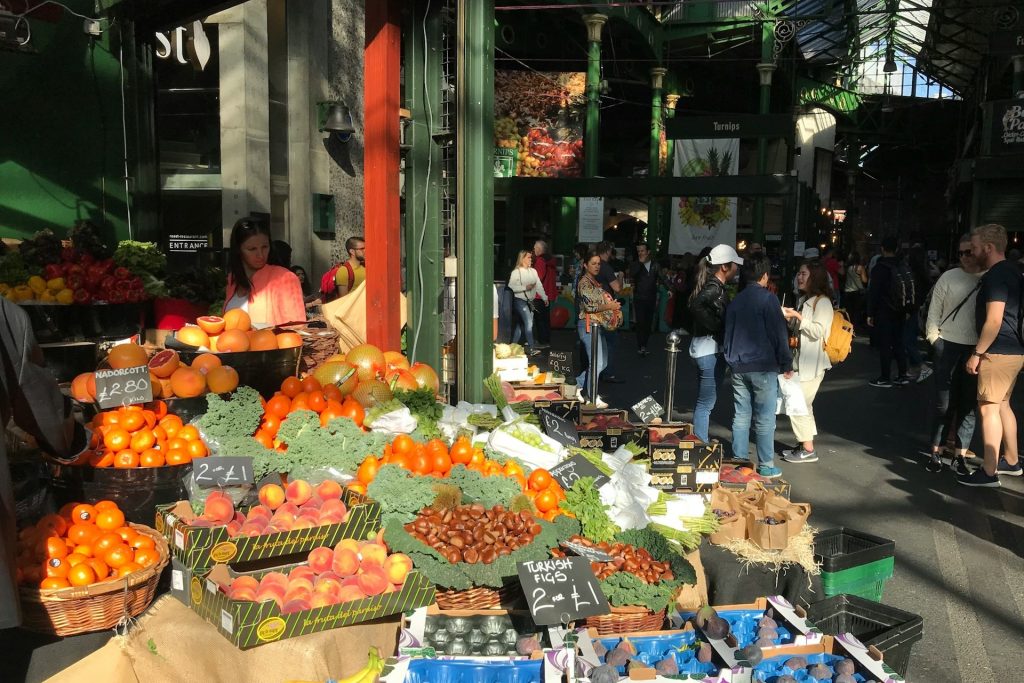
In fall, markets stop being only a sightseeing stop and become a weekly pantry run, with apples, mushrooms, cheeses, breads, and jars of jam bought for real meals. Travelers arrive expecting a quick browse, then notice people choosing produce carefully, asking about varieties, and carrying heavy bags like it is a routine errand, not a special event. That practical mood is contagious. Even a small purchase, honey, pastries, spice blends, or local butter, can turn a hotel snack into a local ritual. By the next morning, the neighborhood feels familiar, because the market has a regular rhythm and recognizable faces.
Short Hikes Replace Big Itineraries

In many regions, fall is when locals trade long day trips for compact walks that deliver payoff quickly. A wooded loop, lakeside path, or hillside overlook becomes the main plan, not an add-on, because the air is crisp and daylight is limited. First-time visitors overbook drives and tours, then realize the best moments are close to town, in parks, cemeteries, river paths, and quiet streets where leaves actually collect. Locals keep routes simple, add one bakery stop, and spend the saved time on warm food, bookstores, and long café breaks that fit the season and make the day feel complete.
Rain Is Treated As Normal Weather
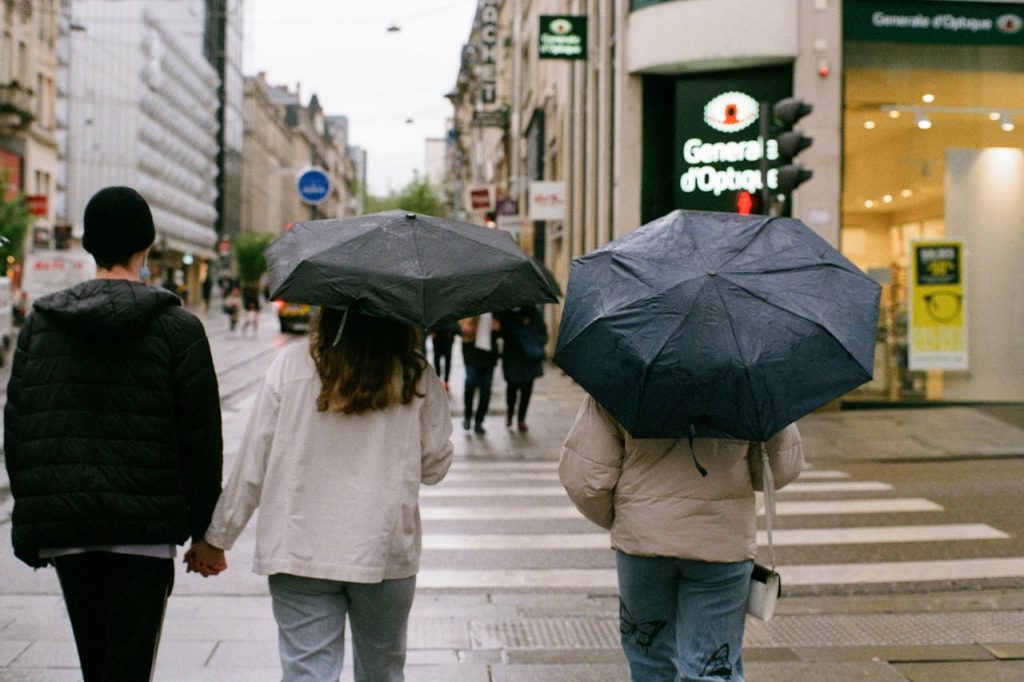
Fall brings more drizzle in many places, yet locals rarely cancel plans for light rain. They adjust by choosing streets with awnings, meeting under covered arcades, and building routes that include warm stops every few blocks, a bookstore, a café, a small museum. Visitors sometimes wait for perfect skies and lose half a day to indecision, even though transit runs and sidewalks stay active. The local approach is steadier: walk anyway, pause for coffee, and keep moving. Gray hours become atmosphere, and sunshine later feels like a reward, not something that had to be waited for.
Seasonal Foods Dictate Detours
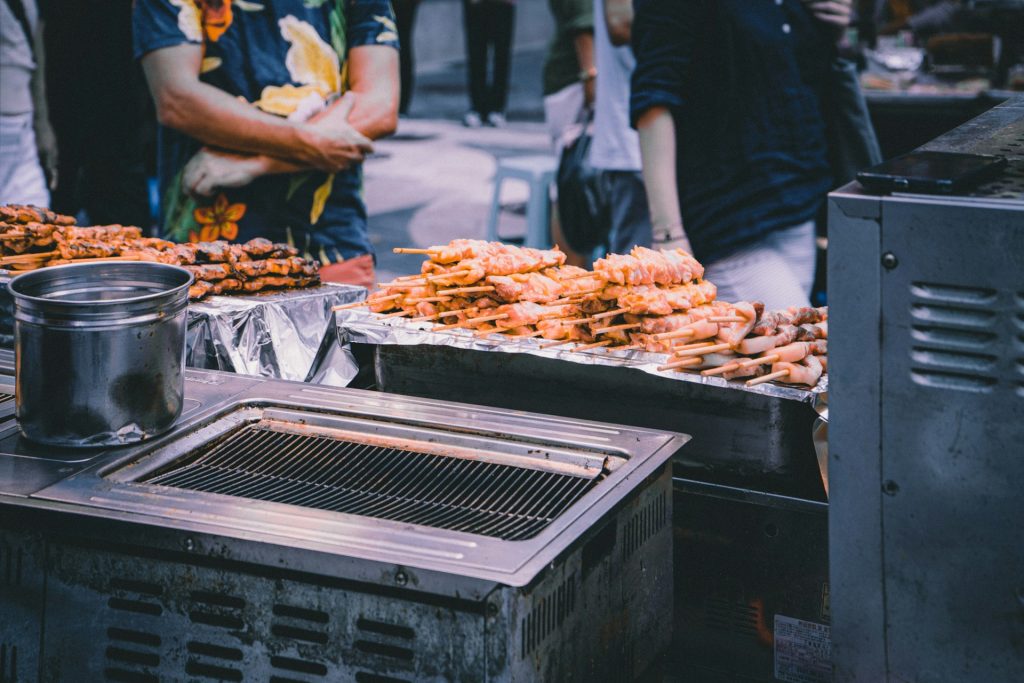
In fall, the food calendar gets specific, and locals chase it with real enthusiasm. A city suddenly has lines for roasted chestnuts, cider donuts, dumplings, or a soup that only appears for a few weeks, and people plan errands around those stops. First-time visitors expect monuments to set the route, then notice conversations circling back to a bakery drop, a harvest menu, or a weekend stall. That habit reshapes the day’s map, because a simple walk becomes an excuse to pass a favorite shop, and warmth in a paper cup becomes the memory that anchors the afternoon. Seasonal cravings turn travel into something more personal.
Photo Stops Become Earlier And Quieter
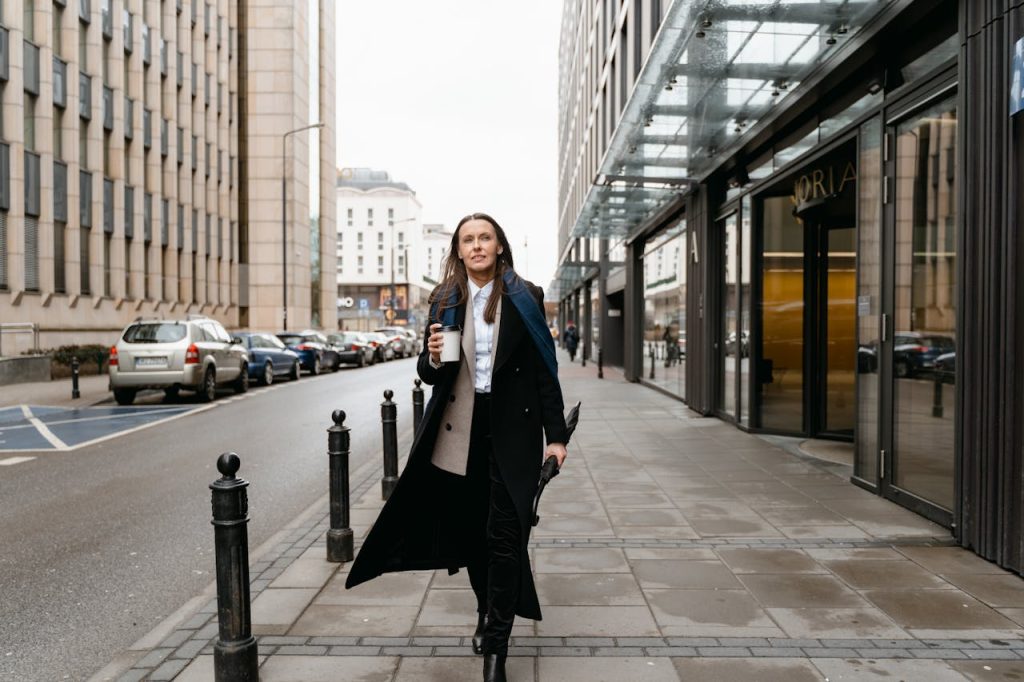
Locals who love their own city share the same fall trick: go early. Fog, soft light, and emptier streets create better views at 7:30 a.m. than at noon, especially near rivers, old quarters, and hilltop lookouts where crowds arrive in waves. First-time visitors sleep in, then arrive with tour groups and harsher light, and wonder why photos feel flat even when the scene is beautiful. The early habit is not about effort. It is about comfort: a quiet walk, breakfast nearby, and the day’s best scenery secured before buses arrive, before wind picks up, and before sidewalks turn noisy.
Transit Schedules Change Without Drama
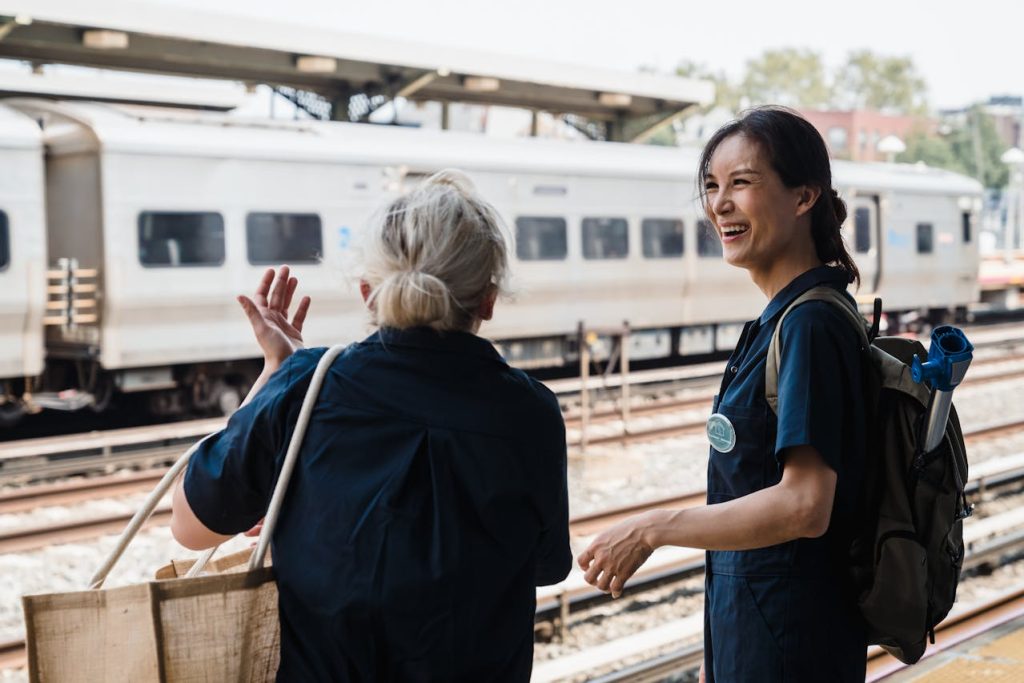
Fall can quietly bring seasonal transit shifts, fewer ferries, reduced late buses, and earlier final departures in smaller towns. Locals check timing the way others check the weather and build the day around the last reliable connection, especially for islands, mountain villages, and scenic rail stops. Visitors assume summer frequency continues, then get surprised by longer waits or a missed return option that changes dinner plans and check-ins. A simple habit solves it: confirm the return schedule before committing to a far stop, screenshot the timetable, and keep one backup route in mind. With that done, day trips feel relaxed, not fragile.
Souvenir Shopping Turns Practical
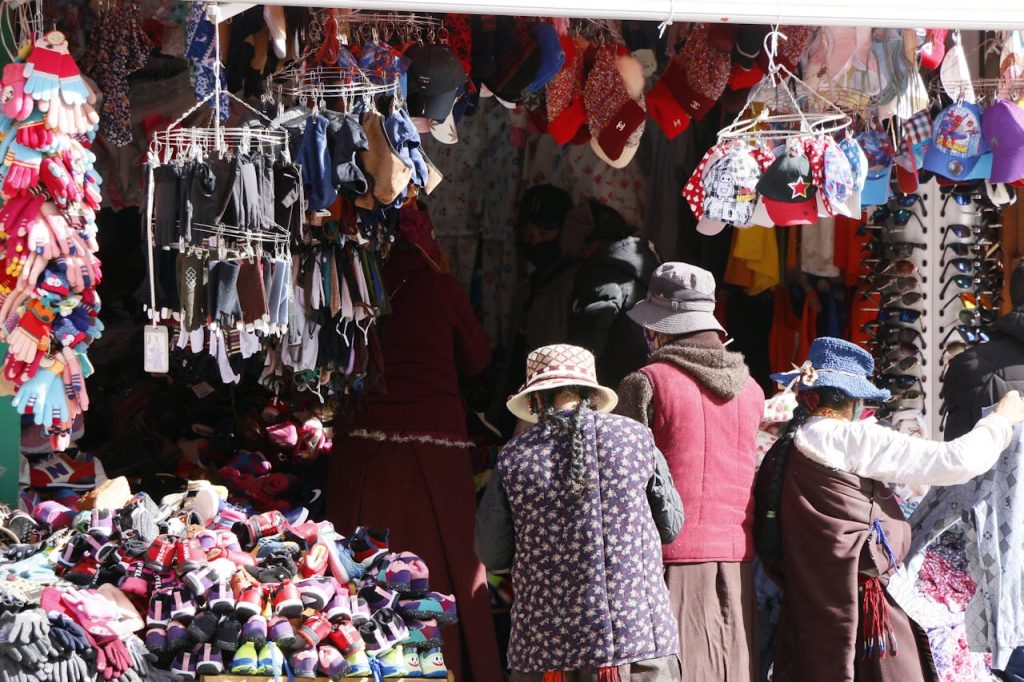
Fall shopping often becomes about useful comforts rather than decorative keepsakes. Locals drift toward wool socks, umbrellas, tea tins, and pantry goods that fit the season, and visitors often follow once temperatures drop and evenings stretch longer. Instead of spending hours in gift shops, people browse bookstores, specialty groceries, and small craft markets where items are meant to be used at home. The surprise is how practical purchases feel more personal. A scarf that gets worn daily, a candle that smells like a market stall, or a bag of local coffee becomes a quiet continuation of the trip. It is less clutter, more memory.