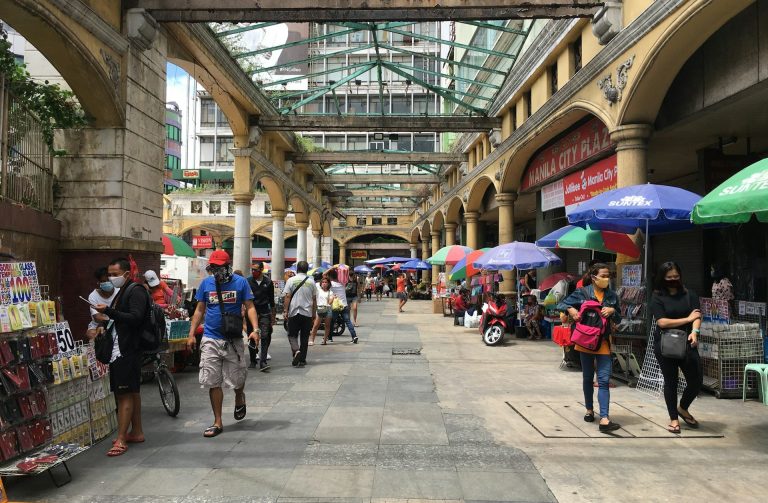
11 Food Truck Parks Worldwide Labeled E. Coli Zones

Food truck parks are built for easy joy: shared tables, bright menus, and the sense that dinner is part of the night’s story.
That openness also means more moving parts. Water, ice, and handwashing get tested hardest when crowds surge, heat lingers, and everything stays damp.
E. coli is common in the intestines of people and animals, and some strains spread through contaminated food or water, or through cross-contact during prep. Inspectors flag patterns, not personalities, and one small lapse can ripple fast across dozens of orders. These scenes map the pressure points that turn a lively courtyard into a higher-risk zone.
Handwashing Stations Run Dry
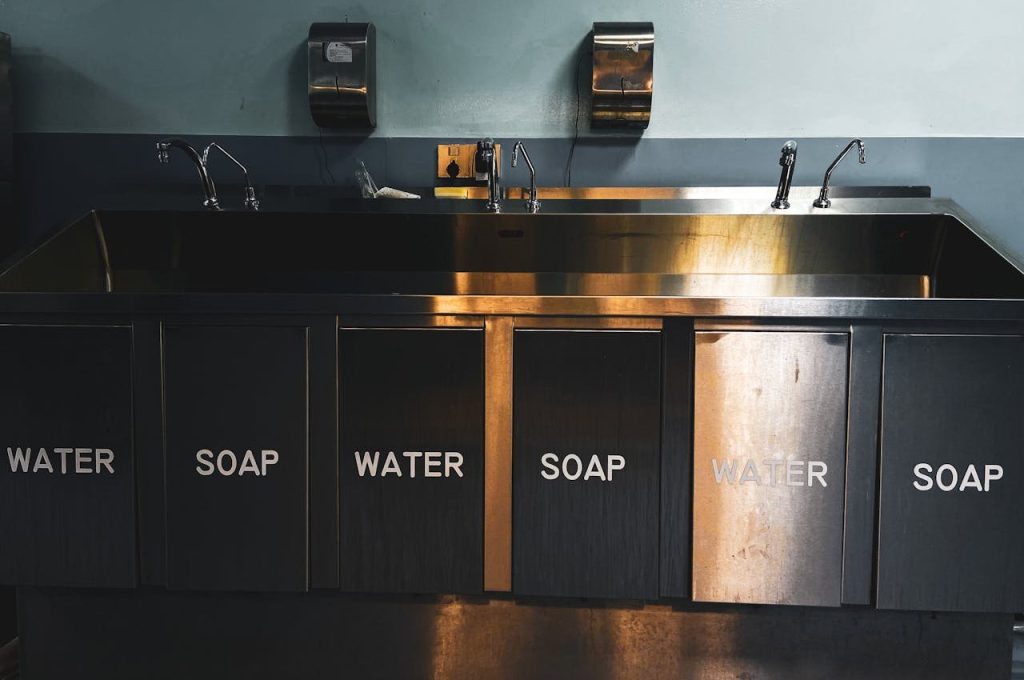
At the busiest parks, the first weak link is often the sink. A handwashing station may exist, but soap runs out, towels vanish, and the line feels impossible once tickets stack and hands bounce between cash, food, and packaging. A single missing refill can last an entire rush.
When water pressure drops or the tank runs low, crews improvise with quick rinses and wipes. That is where E. coli spreads most easily, because tiny traces move from hands to tongs, bottle caps, and touchscreens, then back to ready-to-eat food. A second sink near payment helps, but only if it stays stocked. Hourly checks keep the habit steady all night.
Ice From Unclear Water Sources

Ice looks harmless, but it carries whatever was in the water that made it. In some parks, ice arrives in thin bags, gets stacked on the ground behind trucks, then sits in open coolers where hands reach in fast. It is scooped with a cup that later touches lids, straws, and fingers.
By evening, the bin becomes a shared workspace. Meltwater splashes, the scoop rests on counters, and the same ice cools dozens of drinks, so one questionable batch spreads wider than one plate. Water quality matters most where supply lines change between vendors. Covered bins, clear labels, and a dedicated scoop that never touches anything else keep drinks safer.
Raw Garnish Tables Beside Hot Grills
Communal topping bars feel festive: lettuce, herbs, onions, salsa, and sauces laid out for quick finishing. They also invite cross-contact when the same hands bounce between cooked food, raw produce, and shared shakers. Utensils migrate, lids get left open, and the line keeps moving.
Heat from nearby grills warms cold bins, so time works against freshness. E. coli can transfer when raw items or unwashed hands touch ready-to-eat food, even if the main dish is cooked well. The clean fix is separation: distinct tools, frequent swaps, and cold holding that stays truly cold. A social bar can still be disciplined during rush hours.
Ground Meat Cooked In A Hurry
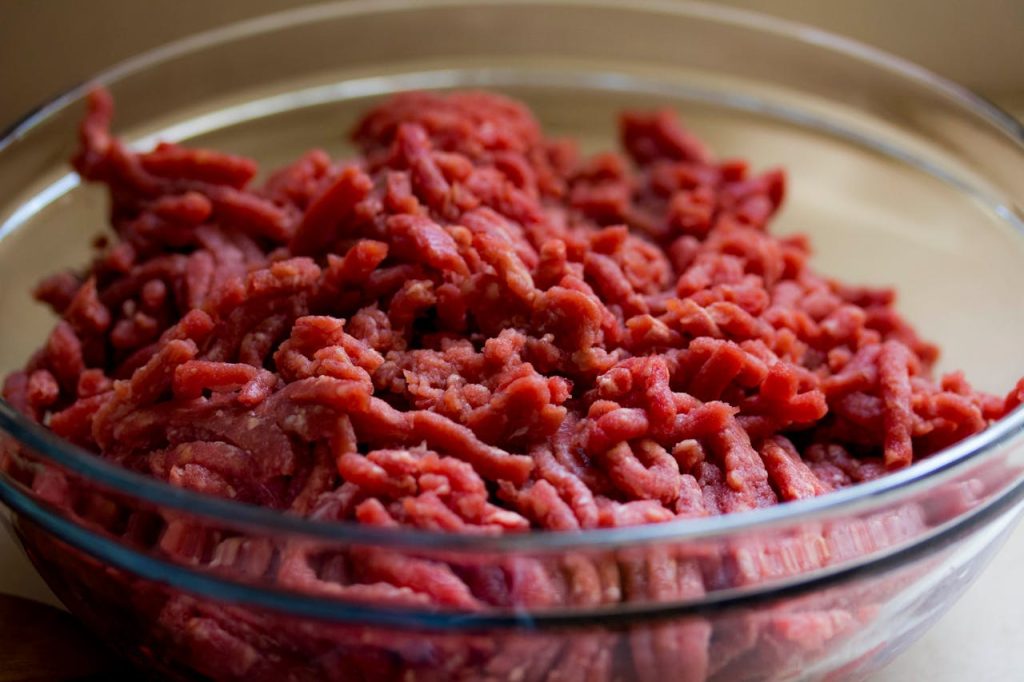
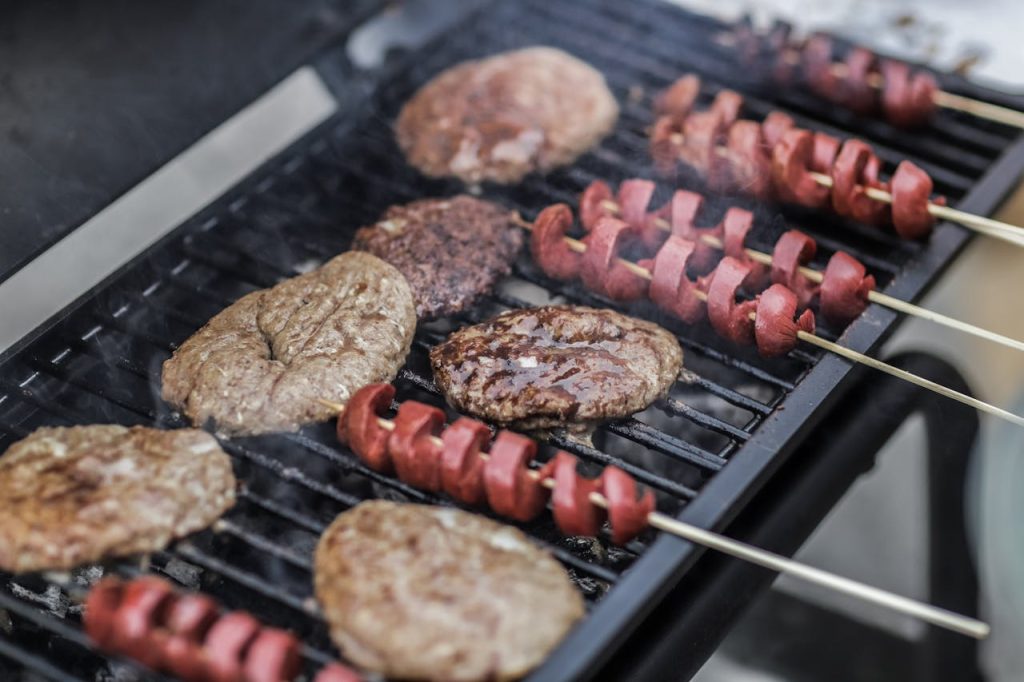
Burgers and kebabs sell fast, and rushes tempt shortcuts. Ground meat is tricky because any contamination can be mixed throughout, so the center must be fully cooked, not just browned on the outside. A crowded griddle hides cold spots, and thick patties can fool the eye. Color alone is not a safe signal.
When timing replaces checking, one undercooked batch can repeat across dozens of orders. Cross-contact adds risk when the same tool touches raw patties and finished buns. Thermometers, smaller batches, and clear hold limits protect pace and safety. A brief rest after cooking lets heat finish evenly, without guesswork. Through the rush.
Unpasteurized Dairy In Sauces And Drinks
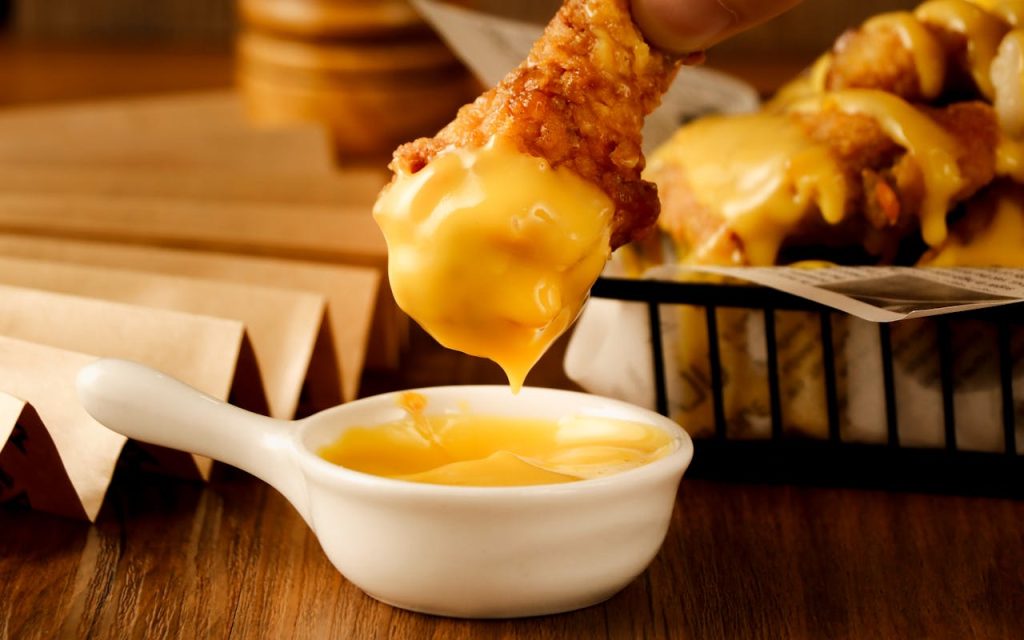
Fresh cheeses, creamy sauces, and dairy drinks can be a park’s signature. Risk rises when ingredients are unpasteurized or held too warm, because bacteria can persist when cold control slips. In open courtyards, coolers open constantly, and a sauce bottle may sit out between orders.
Time adds up on humid nights. Even pasteurized dairy needs steady refrigeration once opened, and clean utensils for every dip and pour. Fast turnover with smaller containers helps, as does storing backups in the coldest zone of the cooler. Clear dating on squeeze bottles makes decisions easy during service, so teams toss what should not stay out.
Precut Produce Held Too Warm
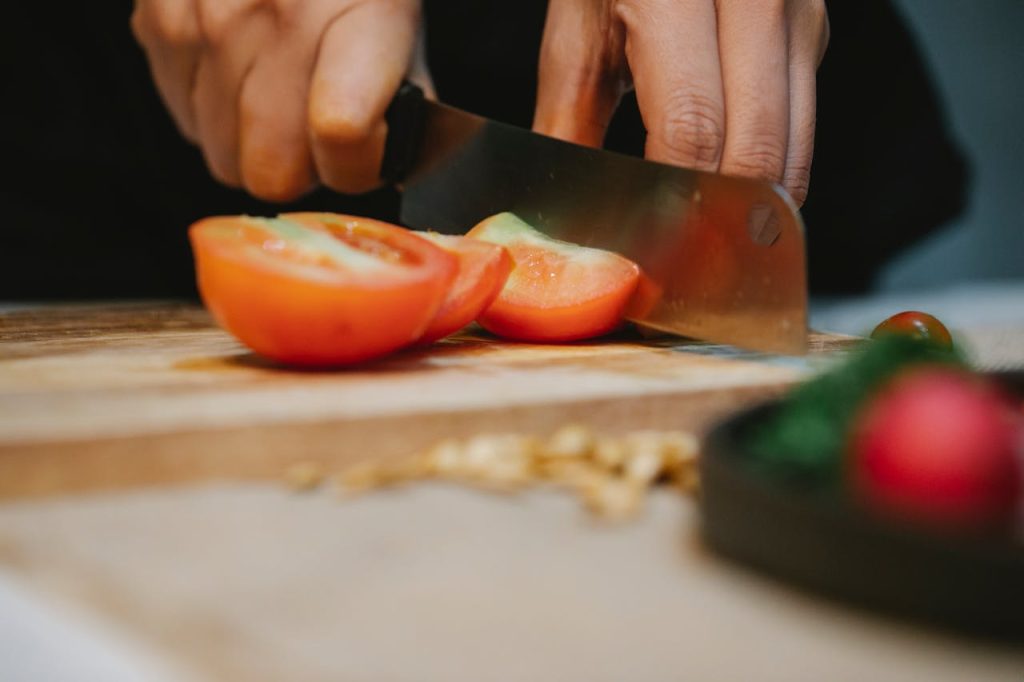
Cut fruit, shredded cabbage, and sliced tomatoes speed up service, but they expose more surface area and moisture. If containers drift into the warm zone during a long shift, freshness slides from crisp to risky quietly without obvious signs. Heat lingers under tents, and every lid lift warms the top layer.
Prep made early can sit for hours as crowds arrive in waves. E. coli can spread when produce is contaminated, and warmer holding gives microbes more time to grow. Smaller pans, frequent restocks, and insulated bins keep produce cold and bright. Keeping backups on ice, then swapping fast, beats nursing one big tub all night.
Reused Cloths And Weak Sanitizer
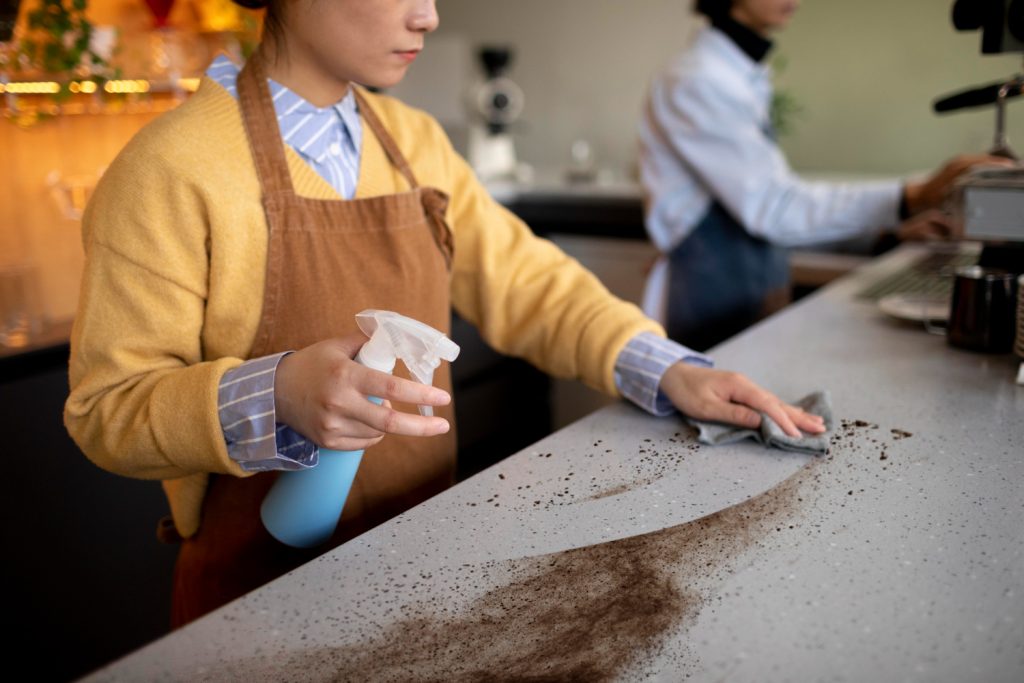
Cleaning can look busy without being effective. One damp cloth might wipe a counter, then a cutting board, then a cooler handle, spreading contamination instead of removing it, especially when sanitizer is diluted or replaced too rarely. Sticky prep tables become shared touch points.
High-contact surfaces multiply in truck parks: faucet knobs, trash lids, cooler latches, and POS screens. If the same rag keeps moving, so does whatever it picked up, and it can land where food is assembled. Color-coded cloths, sanitizer mixed to label directions, and short wipe cycles change the whole feel of a stall. Buckets should be swapped on schedule.
Crowded Seating And Shared Condiments
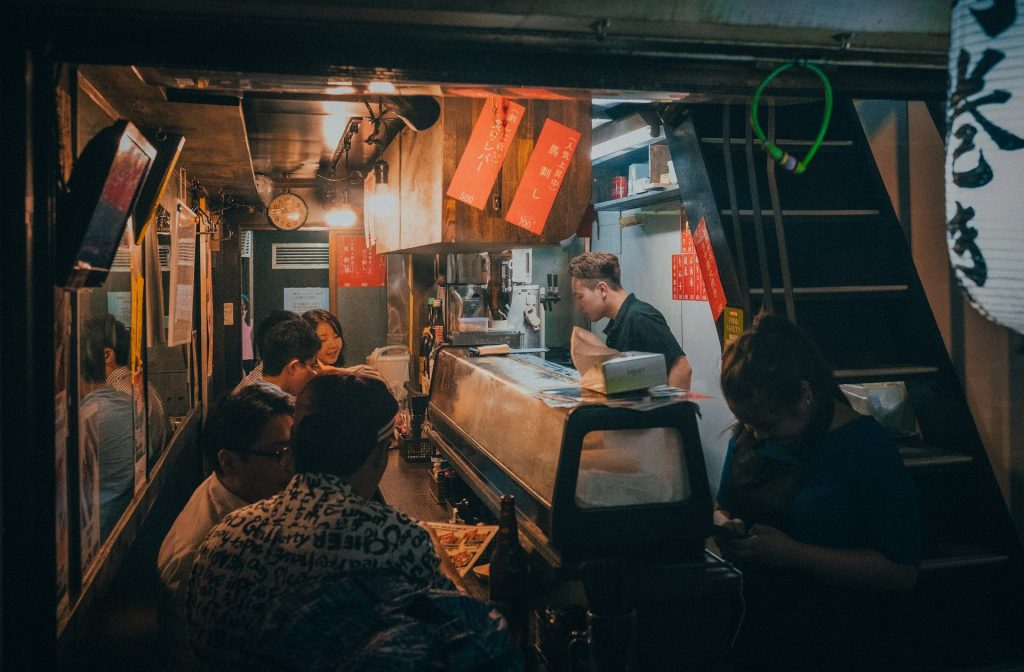
Food truck parks run on shared tables, shared trash bins, and shared condiments. That community feel also means more hands on bottle caps, sauce pumps, chair backs, and menu boards, especially when families pack in and kids weave between seats with sticky fingers.
Kitchen hygiene can be solid while the dining area becomes the weak link. E. coli spreads through fecal contamination and poor hand hygiene, so restroom access and handwashing matter beyond the truck window. Visible sanitizer stations, frequent table wipes, and easy-to-find sinks reduce touch-point buildup. Condiments should be treated like tools, cleaned and refilled on a rhythm.
Power Flickers And Coolers Lose Control
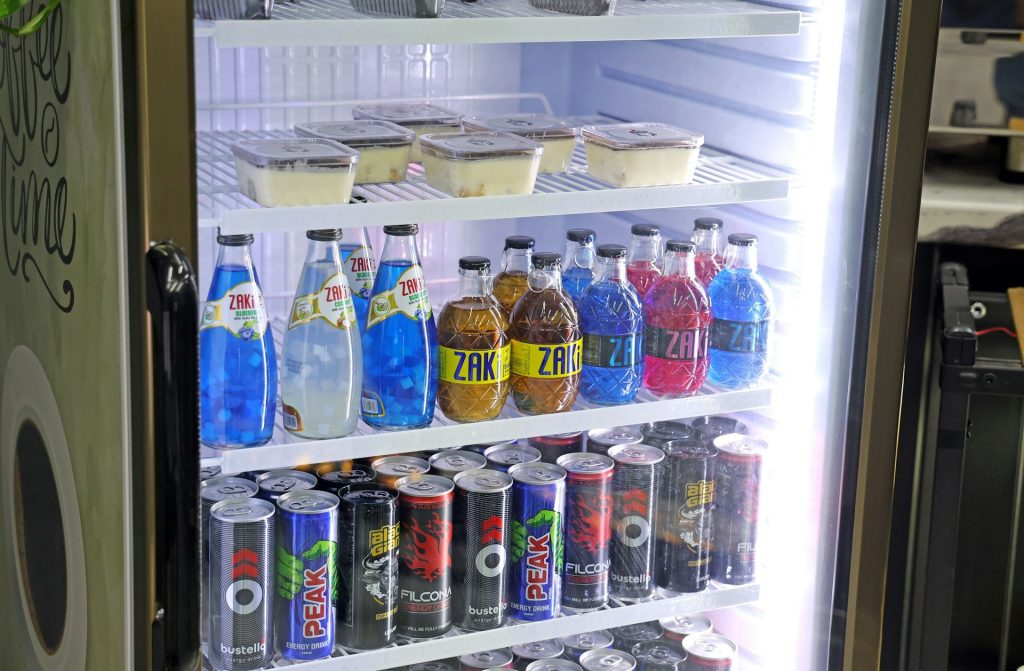
Some of the most fragile moments happen when power blinks. A short outage can warm refrigerators, stall ice makers, and push meats, dairy, and cut produce into temperatures where bacteria grow faster. Busy teams may not notice until the next restock, when the cooler still feels cold.
Shared hookups and overloaded circuits raise the odds during heat waves and storms. Once doors open repeatedly, cold air spills fast, and the safe window shrinks. Temperature checks, simple logs, and strict discard rules keep decisions clear, even when the crowd is loud. Back-up ice in sealed bins buys time, and keeps critical items cold until power stabilizes.
Floodwater And Splash During Heavy Rains
After heavy rains, standing water can creep across walkways and pool near drains. Shoes track it back to tables, carts roll through it, and splashes reach low shelves where napkins and packaging are stored. Outdoor dining makes boundaries thin near trash areas and hand sinks.
Runoff can carry fecal contamination, and dirty water on hands, wheels, or utensils can undo good cooking in minutes. E. coli spreads through contaminated water and cross-contact, so fast containment matters. Raised storage, sealed bins, and clear shutdown rules during flooding keep service from drifting. Good drainage, mopping, and staging areas protect the whole park.
Rush Hours That Break The Routine
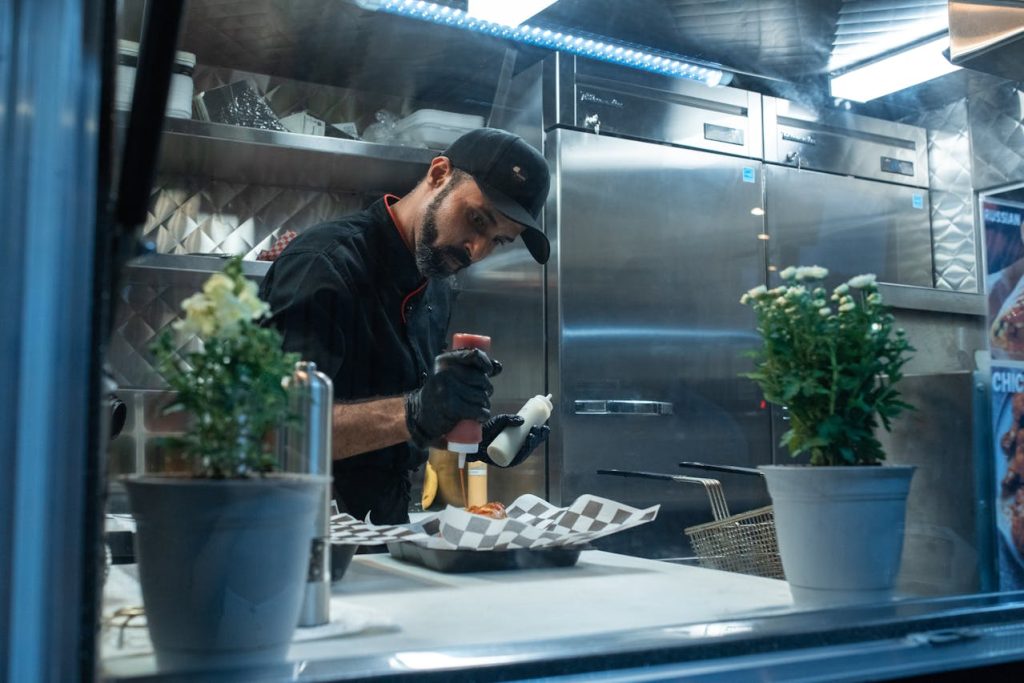
Every park has a moment when lines double and patience disappears. Under pressure, routines slip: gloves stay on too long, utensils stop getting swapped, and a quick rinse replaces a real wash as the next order is shouted. Speed becomes the loudest voice in the stall.
When handling increases and checks decrease at the same time, small errors repeat across dozens of tickets. A cook touches a phone, then a bun, then a sauce bottle, and the pattern spreads. Short, visible checklists keep teams honest without slowing service. Clear roles, short prep cycles, and simple resets protect standards when the crowd is loudest. Consistency wins.