11 Glacier-Fed Lakes Abroad That Glow Like Natural Gemstones
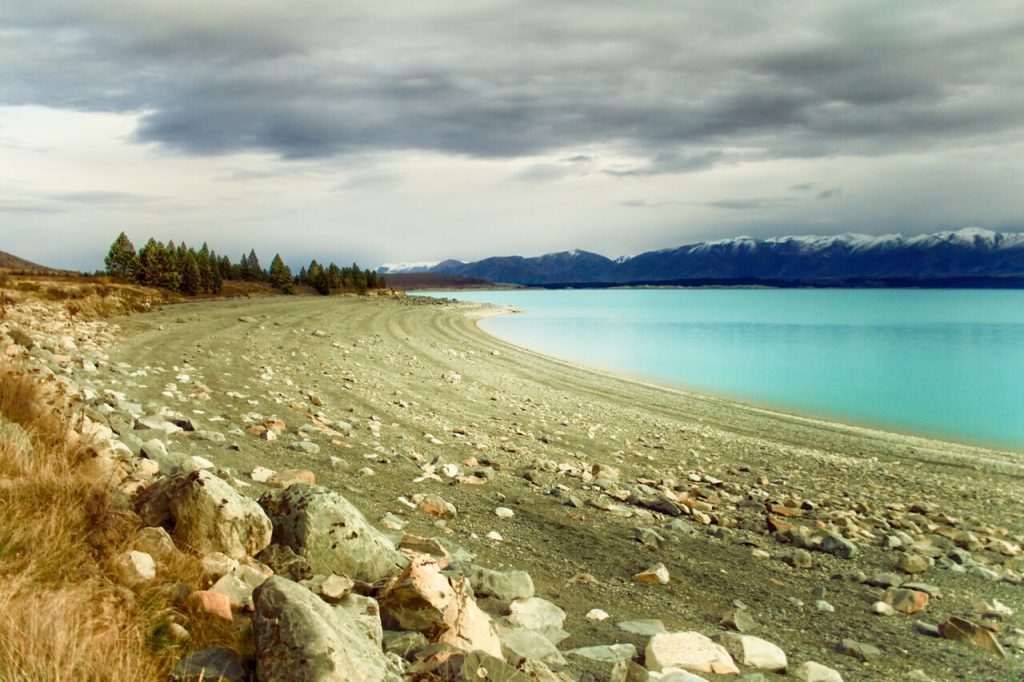
Imagine stepping into a landscape where the water glows like a precious mineral vivid turquoise, emerald, or aquamarine. You find this in high altitude lakes that are fed by melting glaciers and sculpted by time. What this really means is that the cold glaciers grind rock into ultra fine “rock flour”, carry it into a lake, and daylight scatters off the suspended silt to give that other worldly hue. These lakes are abroad, far from home, each with their own character, appeal and local context. In the following list I’ve gathered eleven of them so you can pick your next destination, or simply marvel at how spectacular nature can be.
1. Peyto Lake (Canada)
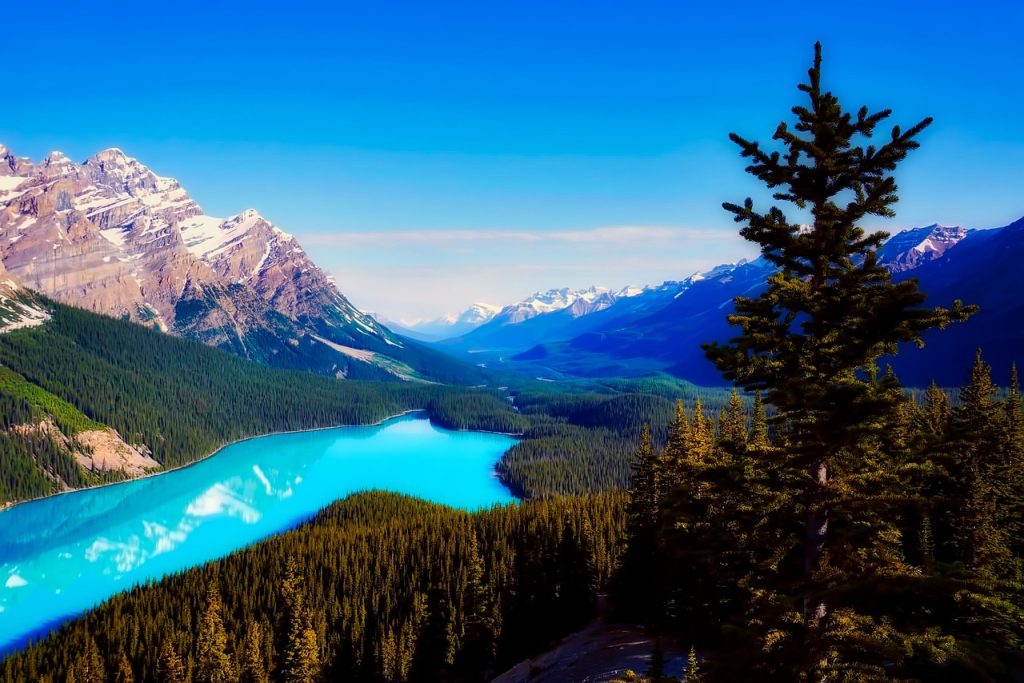
Located in Canada’s Rockies, Peyto Lake sits at about 1,860 m elevation. It’s fed by meltwater from the adjacent glacier and carries significant amounts of rock flour (finely ground silt) into its waters. The result: a striking bright turquoise colour that shifts with season and light. The lake has a signature “wolf head” shape when seen from above, adding to the visual drama. If you go there expect high vantage points, crowds in peak season, and that the best colour often occurs in summer when melt flow is highest.
2. Lake Tekapo (New Zealand)
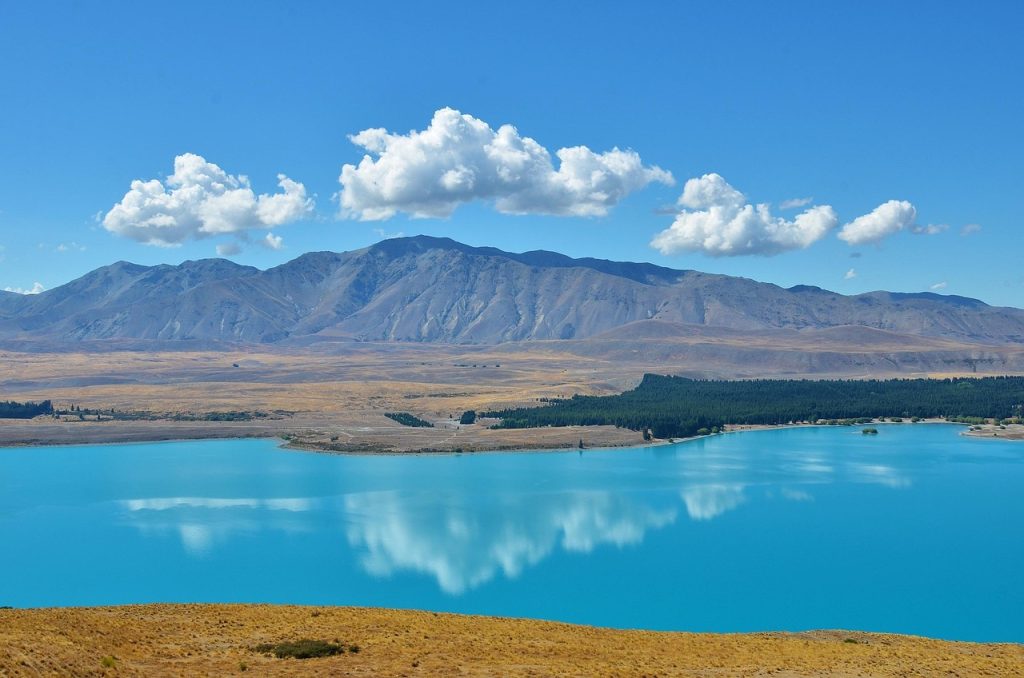
On New Zealand’s South Island the waters of Lake Tekapo are fed by the braided Godley and Macaulay Rivers flowing down from the Southern Alps. These rivers pick up glacial silt, which stays suspended and gives the lake its distinctive light turquoise hue. The backdrop of mountain peaks frames the colour beautifully, making it a favourite among photographers. If you visit, plan for clear skies and midday light to bring out the depth of colour.
3. Lago Argentino (Argentina)
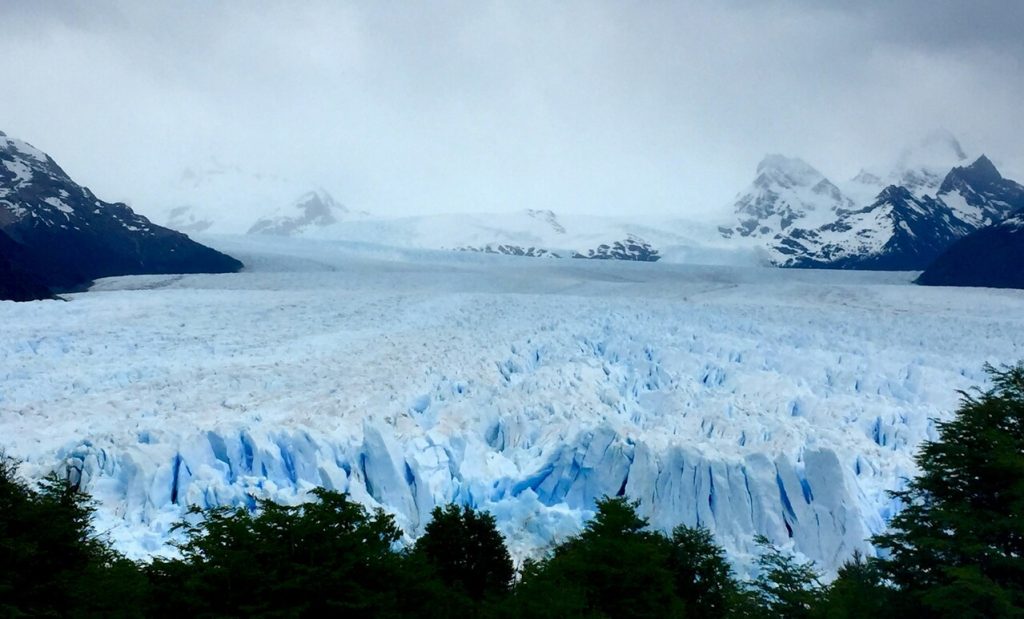
Deep in Patagonia this southward lake receives meltwater from the vast Southern Patagonian Ice Field. It’s large and dramatic: glacial tongues, icebergs calving, sharp Andes peaks. The lake’s water varies in shade from deep blue in its deeper reaches to pale turquoise where glacial sediments concentrate. Visiting here means rugged landscapes and the power of glacial processes made visible in colour, scale and motion.
4. Lake Sorapis (Italy)
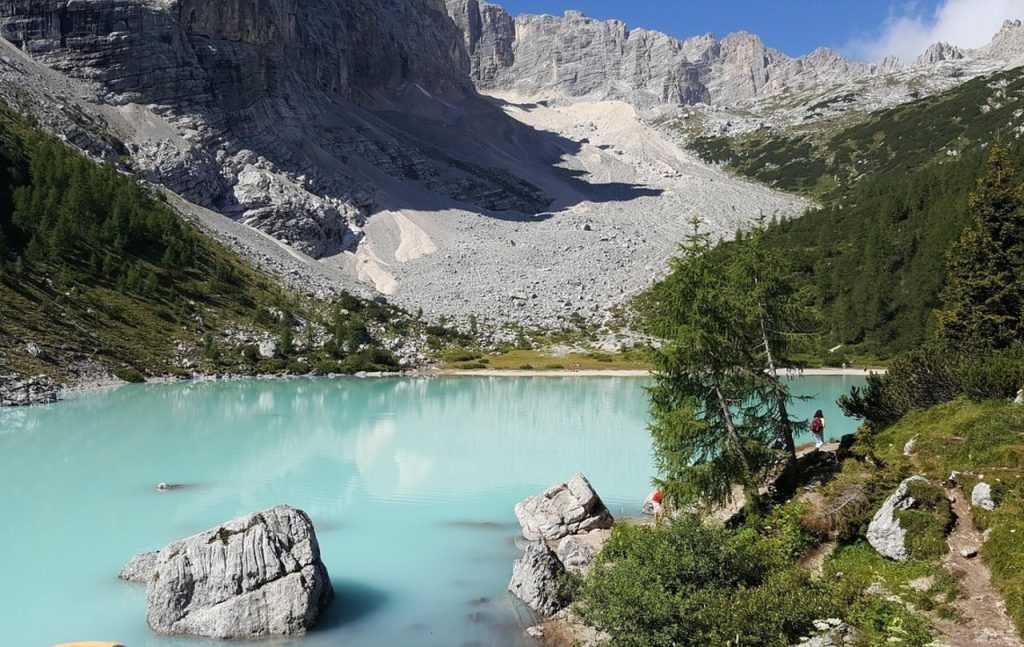
High in the Dolomites of northern Italy, Lake Sorapis lies at around 1,925 m elevation. Its vivid turquoise colour comes from the fine dolomite rock powder transported by a nearby glacier melt stream into the lake. The setting is peaceful yet remote: access by foot trail, dramatic alpine cliffs, and the kind of quiet you won’t find in heavy tourist spots. If you value atmosphere along with colour, this lake delivers.
5. Berg Lake (Canada)
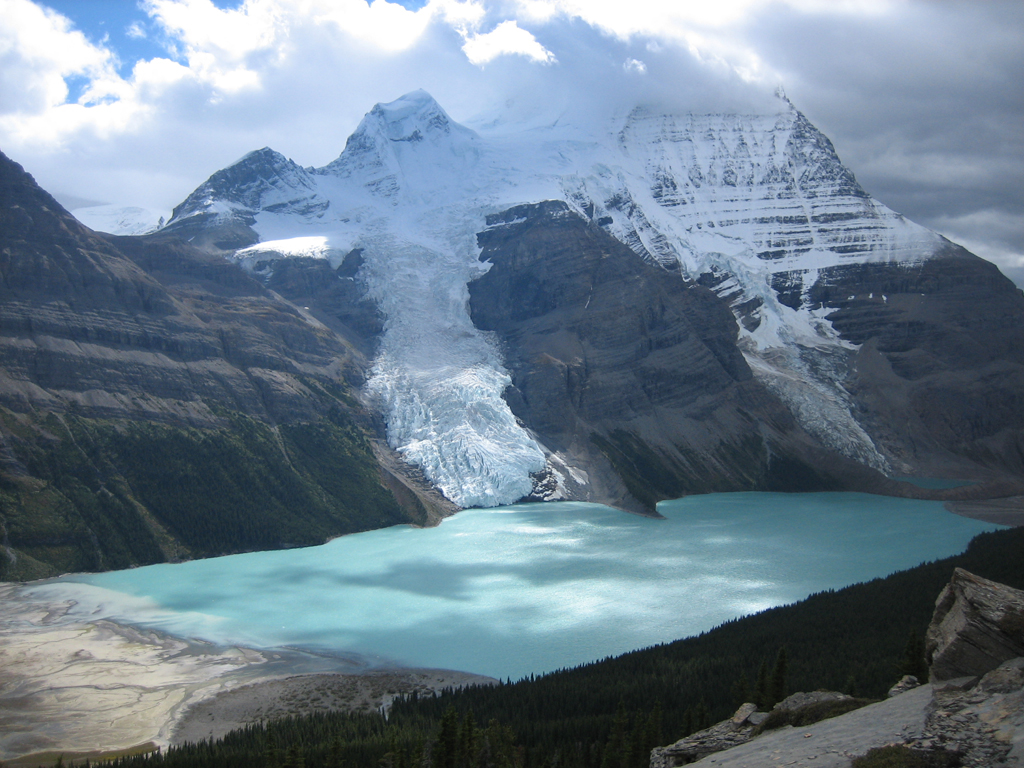
In British Columbia, Berg Lake lies below the north face of the highest peak in the Canadian Rockies, Mount Robson, at about 1,646 m elevation. It is partly glacier fed, and the water carries the tell tale fine sediment that gives the lake a turquoise tinged appearance. Hiking to reach it is significant (about 19 km trail) but if you’re up for it you’ll find a less crowded gem. The icebergs floating in summer add to the sense of being in a wild place.
6. Moosjisee (Switzerland)
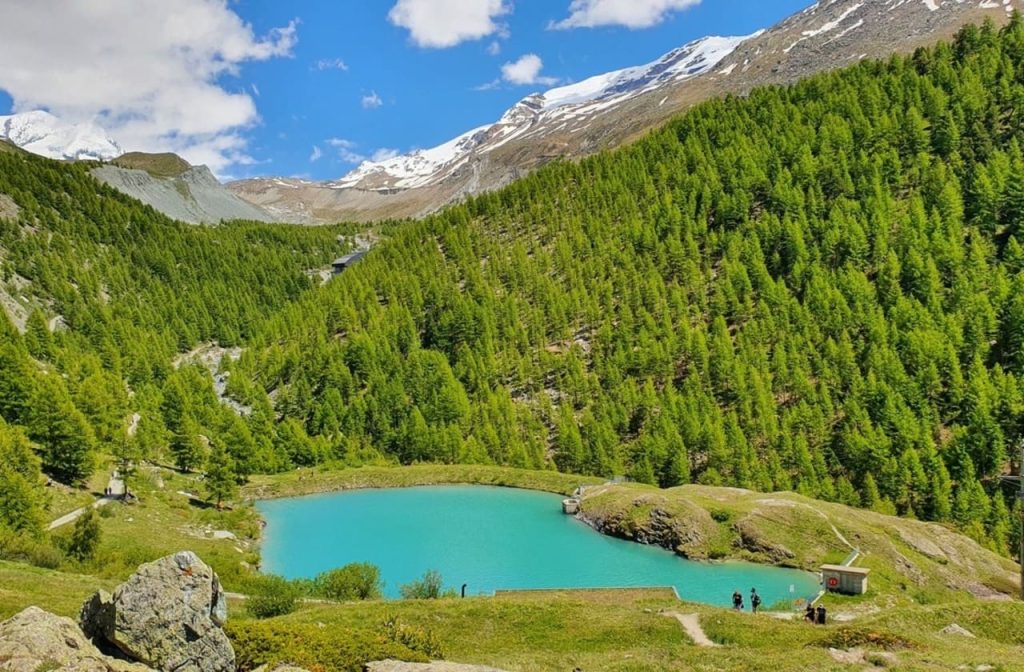
Above Zermatt in the Swiss Alps at around 2,139 m, Moosjisee is fed by melt water from the Findel Glacier and has a milky turquoise tone. It’s less famous than some big tourist lakes but for that reason you’ll find more tranquillity. The short access from the high valley means you can pair it with other alpine hikes. The “milk” quality comes from the suspended glacial flour hitting sunlight just so.
7. Lago Pehoé (Chile)
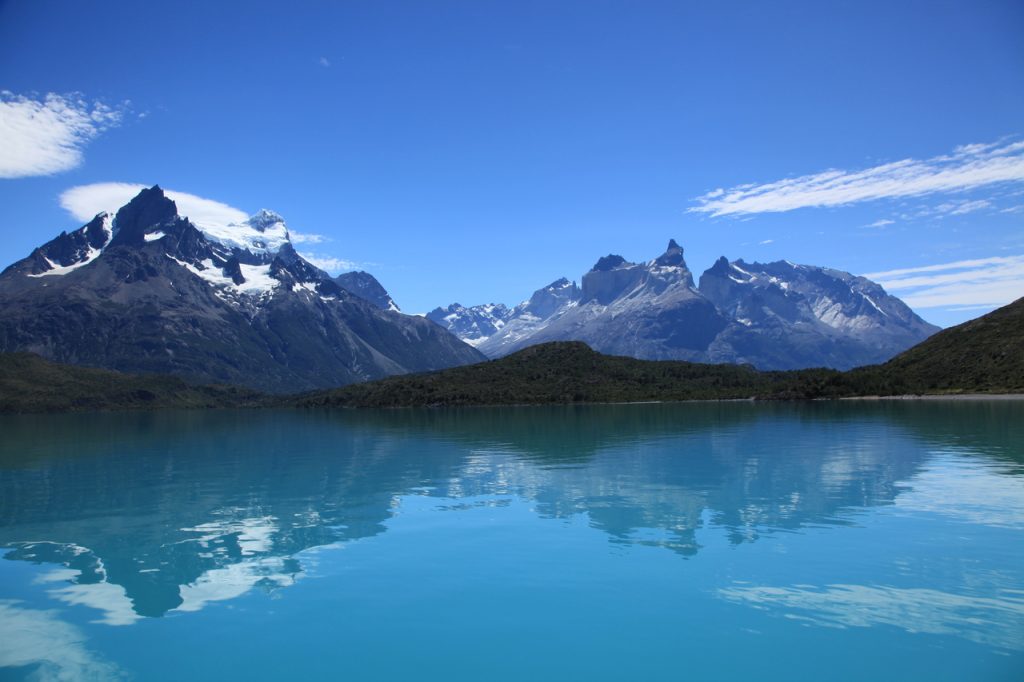
Inside the dramatic national park of Torres del Paine, Lake Pehoe offers turquoise waters reflecting granite peaks. Fed by glacier melt, the lake acquires that intense hue as rock flour particles remain suspended in the water. Visiting here requires some planning (remote terrain, wilderness weather) but the impact is memorable. If you’re after bold colour and wild surroundings, this is your pick.
8. Lago Nordenskjöld (Chile)
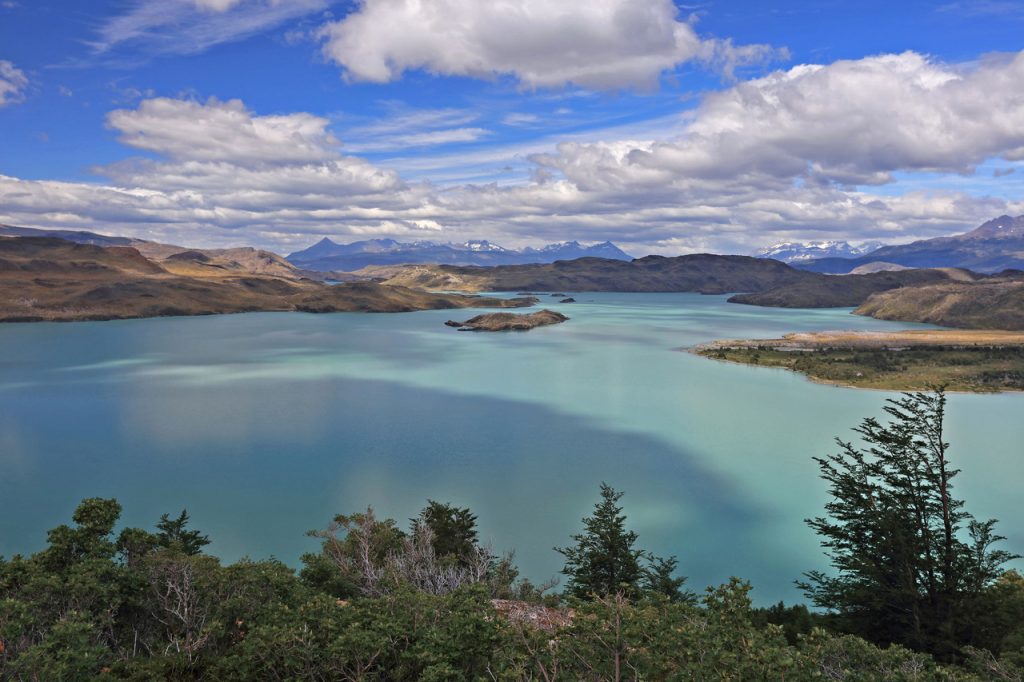
Also in Torres del Paine, Lago Nordenskjold showcases striking turquoise shades offset by rugged peaks and moody skies. The glacial input and fine sediments feed its colour, and the environment around it is dramatic. For you this means bring layers, plan for weather shifts, and build in time to stop and take it all in. The winds here can shift from calm to fierce within minutes, stirring up ripples that make the lake’s surface shimmer like metal. Guanacos often roam nearby, adding a sense of untamed wilderness. It’s one of those places that reminds you how small you are beside raw nature.
9. Lake Louise (Canada)
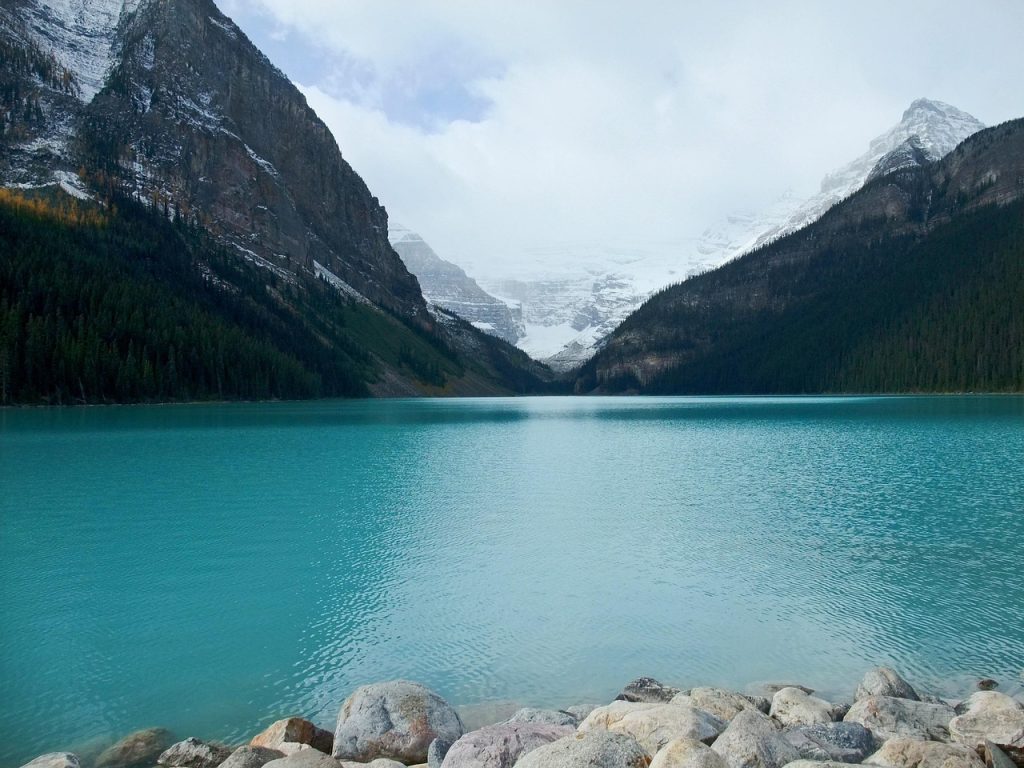
In Banff National Park, Lake Louise is an iconic glacier fed gem. While famous, its colour is rooted in the same process: meltwater carrying rock flour into the lake and light scattering in the water to produce that turquoise/emerald tone. It’s accessible, well served by tourism infrastructure, so if you prefer relative convenience along with spectacular colour, this works. The size of the crowds may mean you’ll need to arrive early. Sunrise paints the peaks pink and gold, making the reflection on the lake almost surreal. Rent a canoe if you can gliding over that mirrored water feels like drifting through liquid crystal.
10. Lake Pukaki (New Zealand)
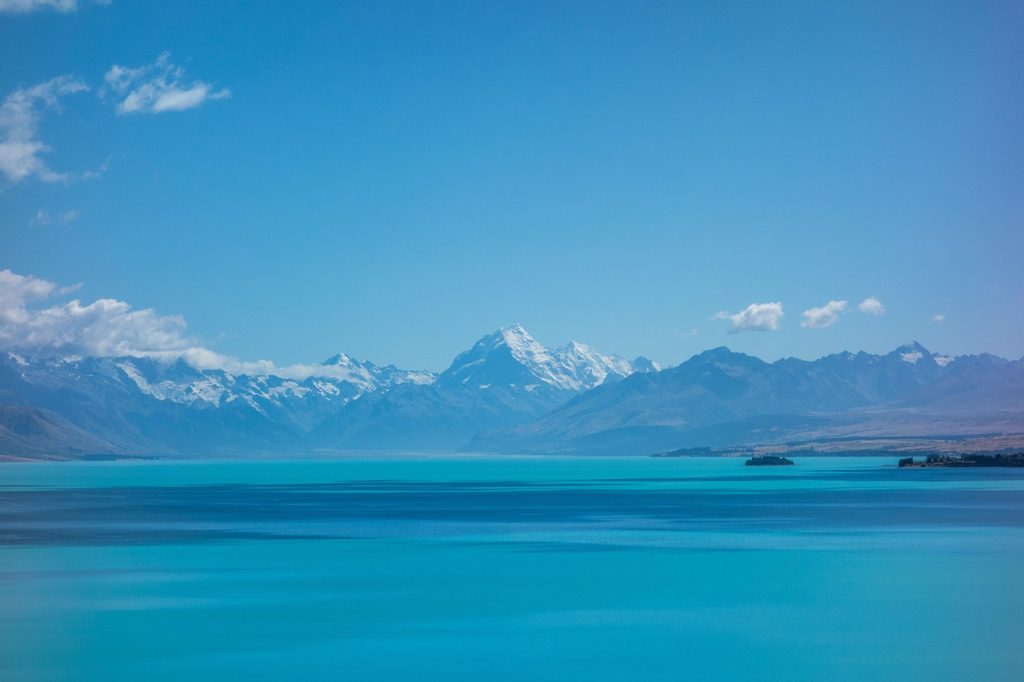
Although not always named in major lists, Lake Pukaki and its neighbouring lakes (e.g., Tekapo) are fed by glaciers via rivers that bring silt into the water, giving a light blue or turquoise tonality. If you’re planning a road trip around the South Island, this makes for a strong stop: the setting is open, the backdrop wide skies, and the contrast between water and mountains is crisp. On clear days, you can see Mount Cook rising in the distance, perfectly framed by the lake’s color. The drive along its shore feels cinematic, with every turn revealing another postcard worthy view.
11. Lago Grey (Chile)
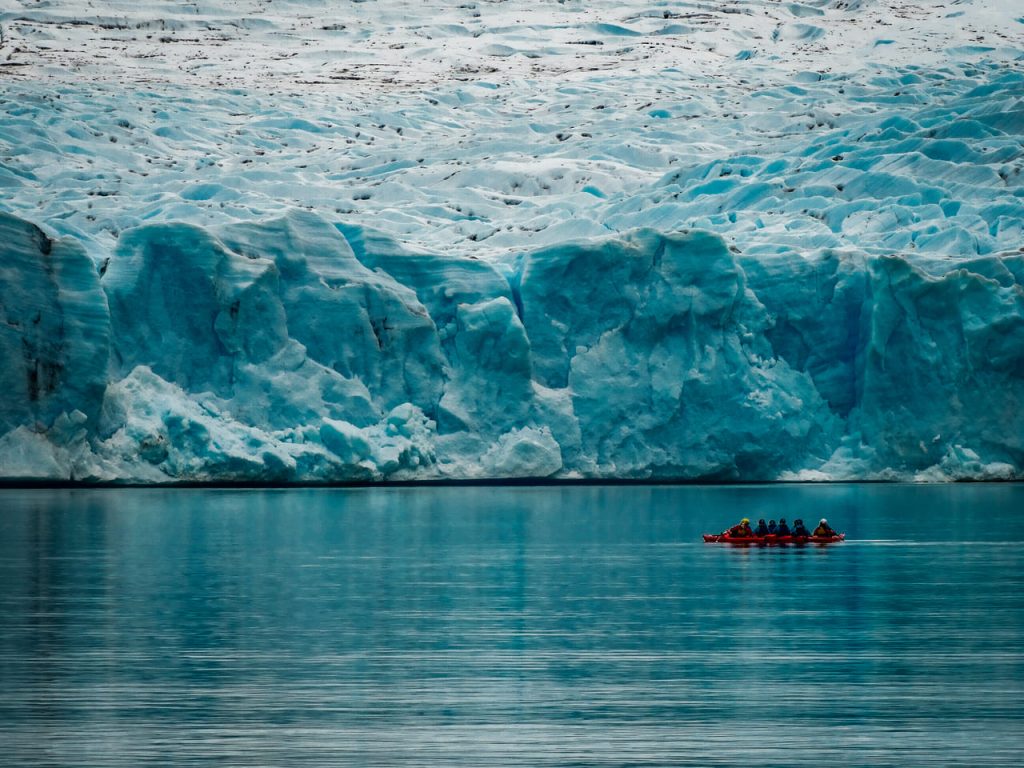
Also part of Torres del Paine’s lake network, Lago Grey receives water from Grey Glacier and features floating icebergs and that glacial milk hue of water. When you visit, you’ll experience a sense of raw nature: ice, water, mountains, birds. It’s less about easy luxuries, more about immersion. Bring your camera and your sense of wonder. Boat tours get you close enough to hear the crack of calving ice. As the light shifts through the day, the water turns from gray blue to a softer silver glow, adding a quiet drama to the scene.