11 Historic European Cities with Safe Walking Tours Amid Local Resentment
Many historic European cities continue offering safe and structured walking tours even as rising tourism causes growing tension within residential districts. Concerns often focus on noise, congestion, housing pressure, and strain on heritage zones that were never designed for modern travel volumes. Local governments respond with new regulations aimed at improving safety and protecting cultural assets while sustaining visitor access. These efforts help maintain meaningful experiences for travelers while supporting preservation goals and long-term community stability.
Barcelona
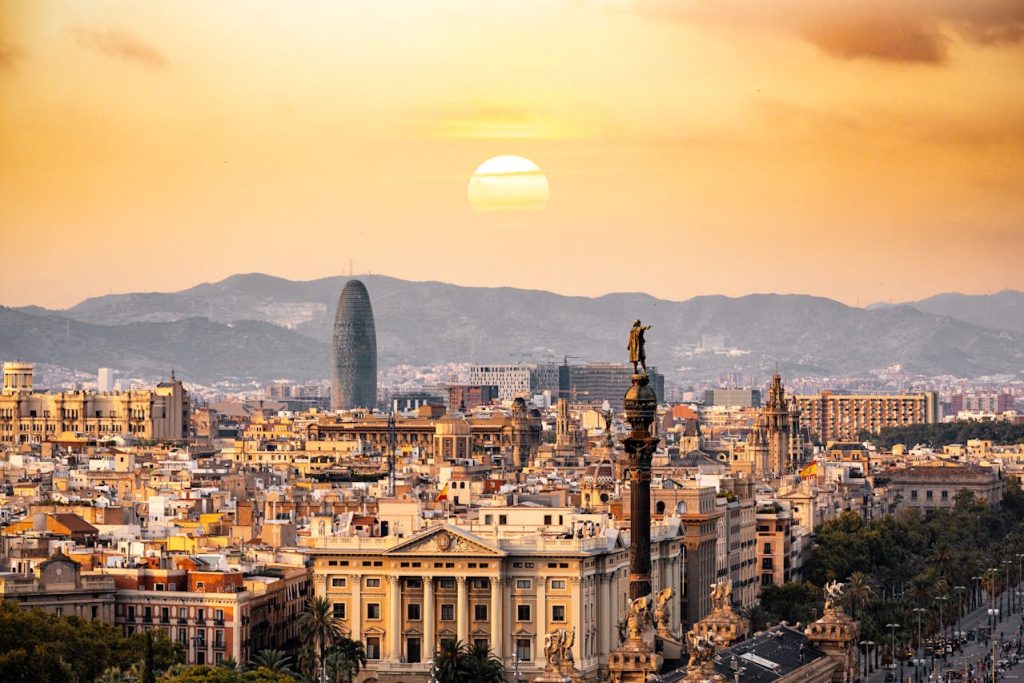
Barcelona maintains a comprehensive network of pedestrian areas and marked routes that support safe walking tours across major historic districts. Rising tourism has contributed to congestion in neighborhoods near La Rambla and the Gothic Quarter, prompting residents to express concerns about noise and housing competition. City authorities continue enforcing group-size limits and promoting lesser-known routes to spread visitor activity. Preservation programs focus on safeguarding Catalan cultural sites while improving coexistence between tourists and local communities.
Prague
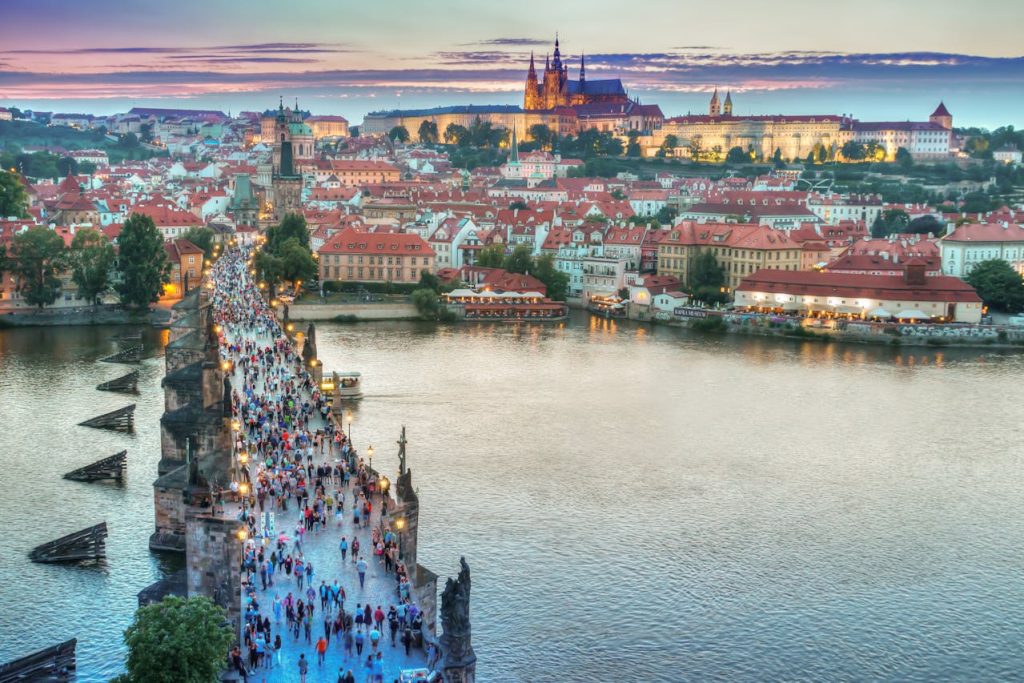
Prague’s well-designed walking routes highlight Gothic spires, medieval squares, and riverside corridors that remain safe for guided exploration. Local resentment has increased as rising visitor numbers contribute to crowding around Old Town and Charles Bridge, affecting daily life and housing affordability. Municipal efforts now include regulating tour groups and expanding cultural education programs to support respectful tourism. Preservation initiatives continue strengthening protections for historic buildings and improving foot traffic management within sensitive districts.
Lisbon
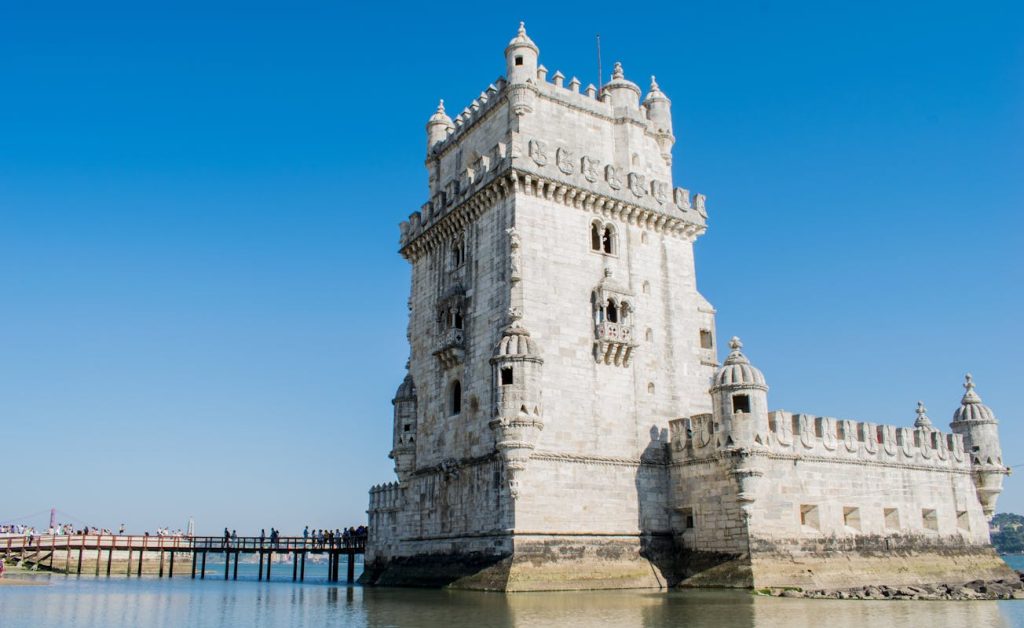
Lisbon offers structured walking tours through historic neighborhoods featuring tiled facades, hillside streets, and waterfront views. Increased tourism has strained public transit, contributed to rental pressure, and altered traditional commerce in Alfama and Bairro Alto. City officials introduced rules to control tour frequency and reduce congestion along popular routes. Preservation groups focus on maintaining local craftsmanship and architectural integrity while supporting safer walking environments for visitors exploring heritage locations.
Dubrovnik
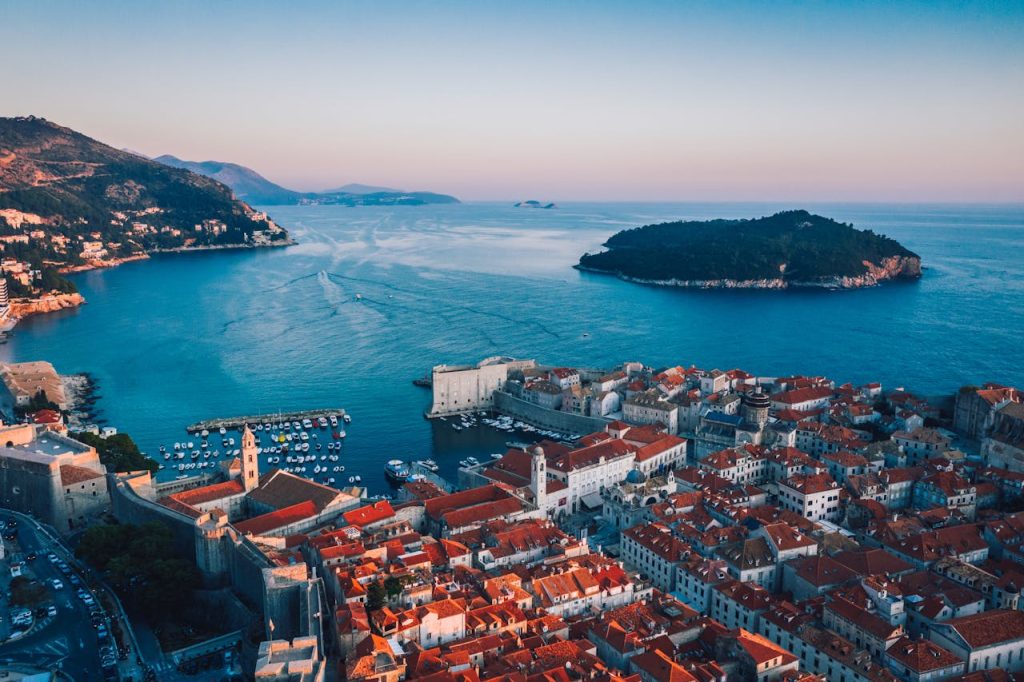
Dubrovnik’s fortified Old Town provides clear and secure walking paths that guide visitors through medieval walls and limestone streets. Heavy tourism, particularly from cruise ships, has intensified crowding, prompting local frustration over limited space and rising costs. Authorities implemented daily visitor caps and entry controls to protect the UNESCO-listed center. Restoration teams monitor structural health carefully while managing foot traffic. These efforts ensure the city remains accessible for guided tours without compromising long term preservation priorities.
Venice
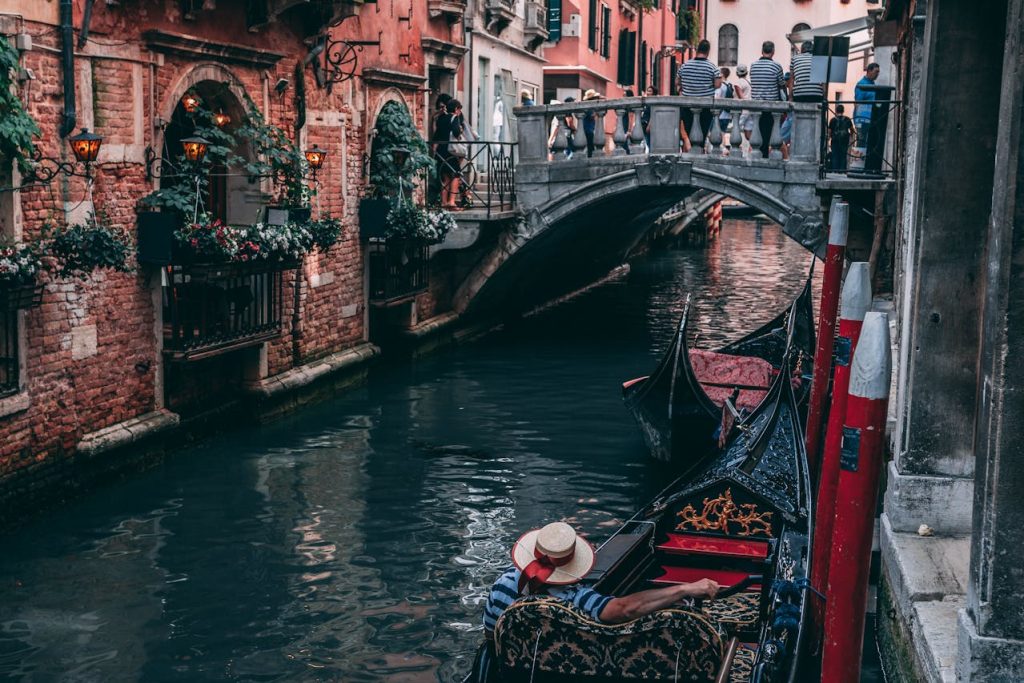
Venice features regulated pedestrian routes that allow for safe walking tours through canalside paths and historic squares. Persistent overtourism has generated strong local resentment due to rising rents, congestion, and environmental risk in the lagoon. Municipal leadership introduced entry fees, group-size limitations, and traffic-flow measures to safeguard residential areas. Conservation programs emphasize protecting fragile stonework and waterways while maintaining controlled access for visitors seeking cultural understanding of the city’s unique maritime heritage.
Edinburgh

Edinburgh’s Old Town and New Town provide safe and organized walking routes supported by clear signage and well-maintained public spaces. Seasonal events, particularly during summer festivals, have caused significant strain on housing availability and crowd density, leading to resident concerns. City planners encourage year-round tourism and promote quieter districts to distribute foot traffic. Preservation efforts prioritize safeguarding historic structures and reinforcing pedestrian pathways while improving overall visitor management across major cultural sites.
Florence
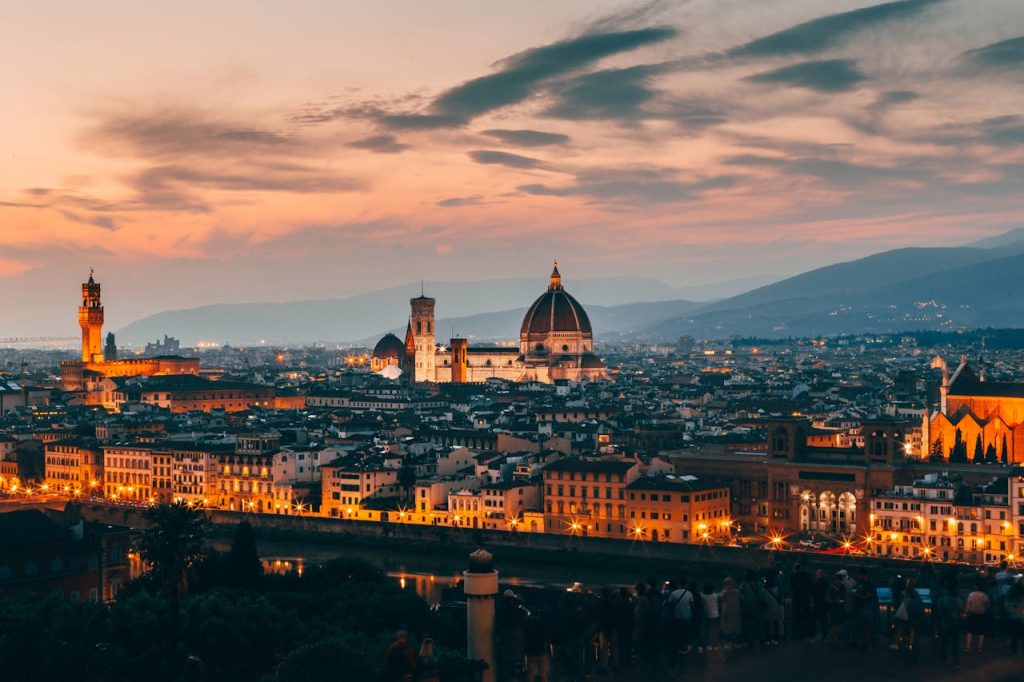
Florence maintains detailed walking routes that connect Renaissance landmarks, markets, and riverfront areas in a safe and accessible format. Rising tourism has created congestion near major attractions, increasing stress on historic bridges and stone pavements. Residents express concerns about commercialization and limited residential availability in central districts. Municipal guidelines now regulate tour group behavior and promote dispersed sightseeing. Cultural organizations focus on protecting artistic heritage and maintaining balanced circulation through heavily visited corridors.
Amsterdam
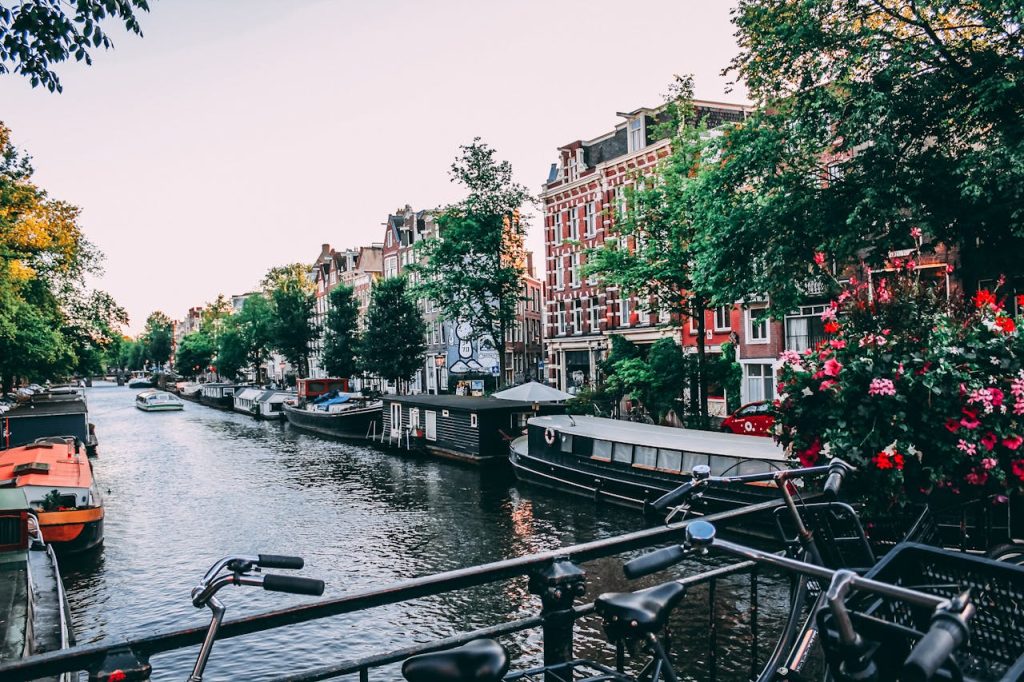
Amsterdam supports safe walking tours through carefully mapped canalside streets and historic districts regulated by strict municipal policies. Increased visitor numbers have created tension due to housing pressures, noise disturbances, and impacts on daily life in central neighborhoods. Local authorities introduced caps on group tours and stricter codes of conduct for guides. Preservation teams prioritize safeguarding heritage facades and improving pedestrian safety. The city continues promoting responsible tourism that respects community boundaries.
Bruges
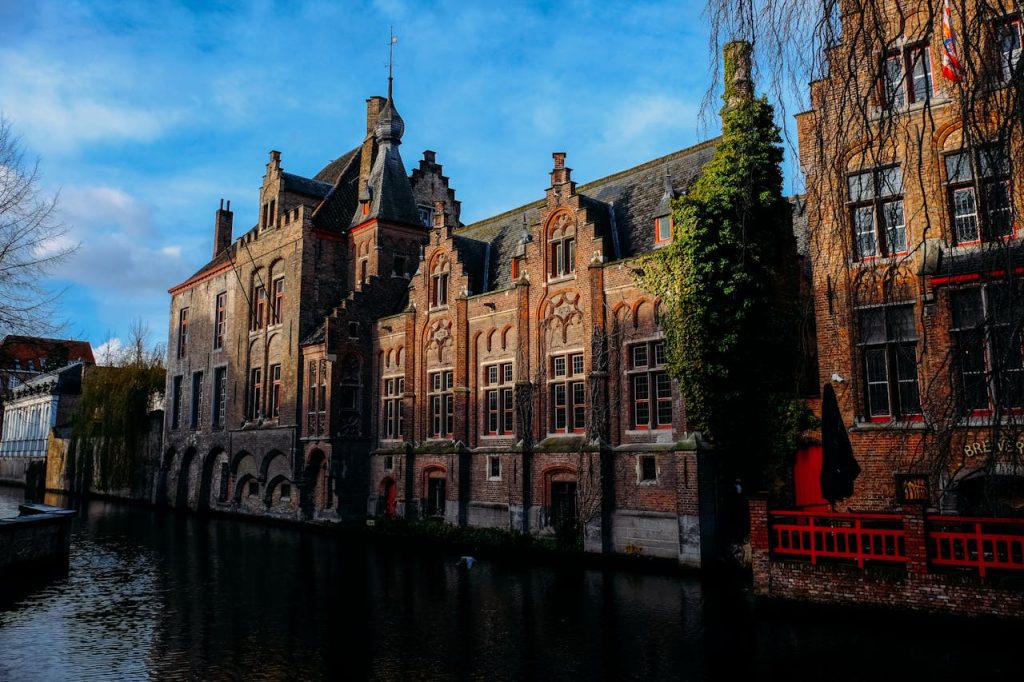
Bruges features pedestrian-friendly streets and guided routes highlighting medieval architecture and canal viewpoints that remain secure for walking tours. Rising tourism has contributed to concerns about overcrowding and loss of local character. Authorities promote tours in less frequented districts and enforce measures to limit disruption around central squares. Heritage programs focus on protecting cobblestone surfaces and historic structures. Efforts highlight the importance of sustaining a peaceful environment while accommodating steady visitor interest.
Salzburg
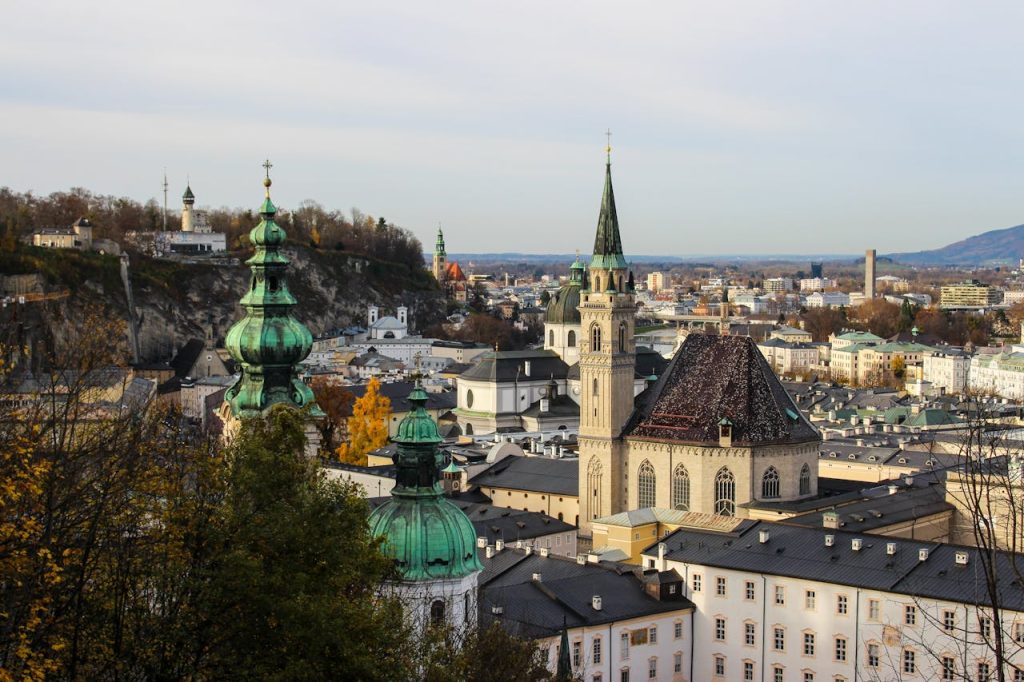
Salzburg provides organized walking tours through baroque landmarks, river paths, and music-related sites connected to Mozart’s legacy. Strong seasonal tourism creates crowding in narrow streets near major attractions, generating local frustration. City officials promote expanded walking routes and encourage off-peak visitation to reduce strain. Conservation initiatives support maintenance of historic facades and public spaces. These combined efforts ensure safe, educational walking experiences while preserving the cultural identity of the city.
Porto
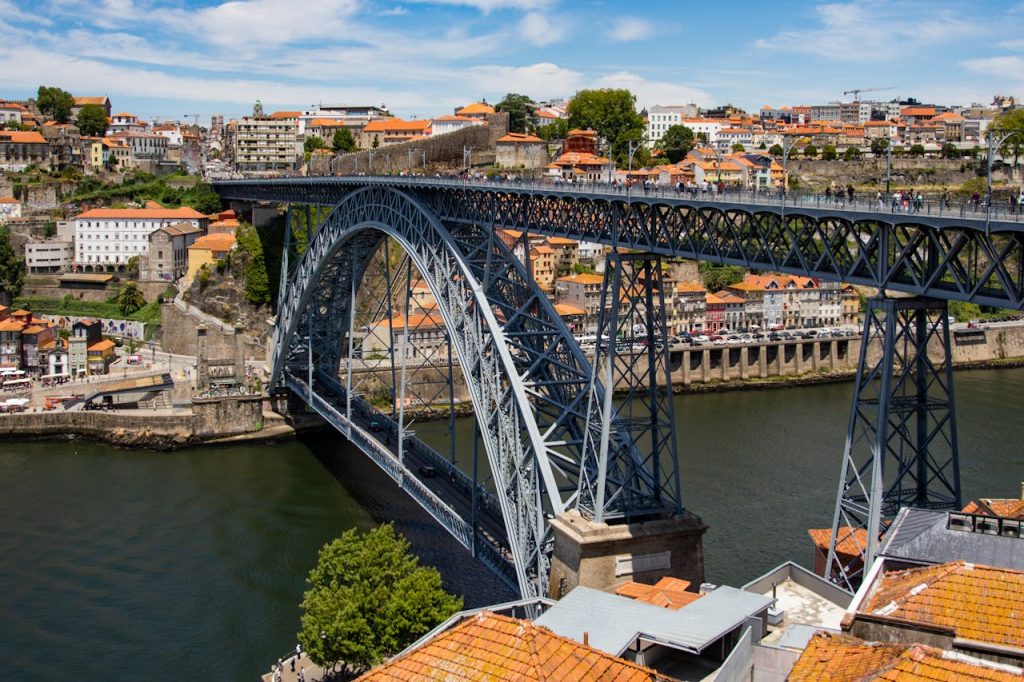
Porto’s hillside layout and historic districts offer safe and well-developed walking paths that guide visitors through riverfront areas and architectural landmarks. Growing tourism has intensified pressure on housing, transportation, and commercial spaces, leading to resident concerns. Local regulations now limit large tour groups and encourage sustainable visitor flow. Preservation organizations work to maintain traditional tilework, historic neighborhoods, and safe pedestrian routes. These strategies help balance cultural tourism with long-term community welfare.