11 Historic U.S. Landmarks Hiding Dark Secrets You Won’t See on Signs
American history shines brightly through its landmarks, yet many of these celebrated places carry complicated pasts that do not always appear in their visitor brochures or signage. These sites often represent triumph, innovation, or cultural heritage, but their stories also intersect with loss, conflict, inequality, or painful turning points that shaped the nation in quieter ways. Understanding these deeper layers does not diminish the value of these landmarks. Instead, it adds context that helps travelers appreciate how history unfolds through both inspiring milestones and uncomfortable realities. Many landmarks balance preservation with interpretation, leaving visitors to seek out lesser-known narratives through museums, tours, or independent research. Taking a closer look at these stories reveals a richer, more honest understanding of the events that influenced each place, reminding travelers that the past often holds more complexity than what is presented on surface-level signs.
Alcatraz Island, San Francisco, California
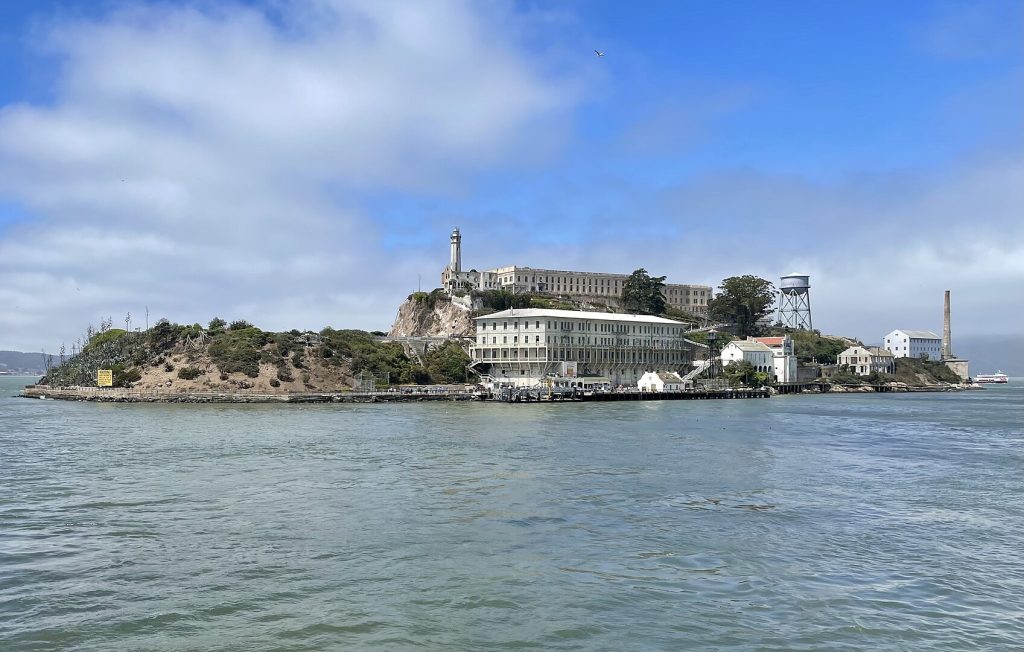
Alcatraz Island stands as one of America’s most famous former prisons, known for its cold waters, daring escape attempts, and stark isolation. What many visitors do not realize is that the island’s history predates the penitentiary and includes significant suffering among Indigenous people. The U.S. Army used the island in the 19th century as a site of imprisonment for Native American leaders who resisted federal policies, including Hopi men who opposed forced assimilation practices. The island later became a symbol of neglect as incarcerated individuals endured harsh conditions, overcrowding, and structural decay. These darker layers shed light on the broader struggles surrounding justice, sovereignty, and human rights, adding dimension to a landmark often remembered only for notorious inmates and Hollywood portrayals.
The Liberty Bell, Philadelphia, Pennsylvania
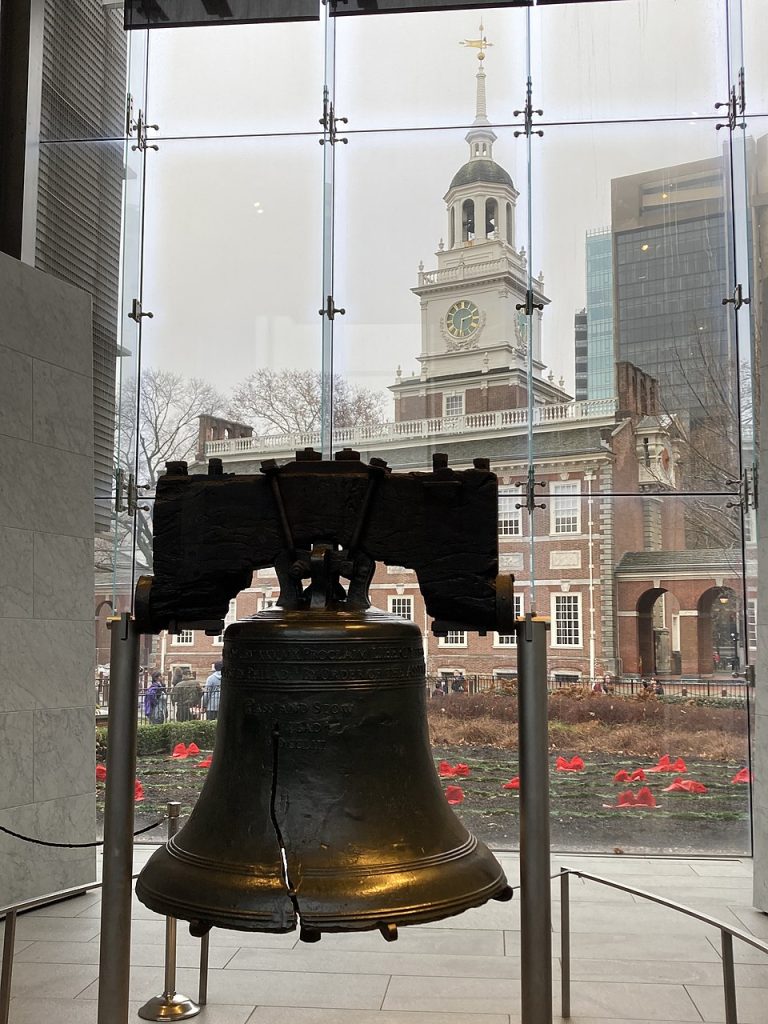
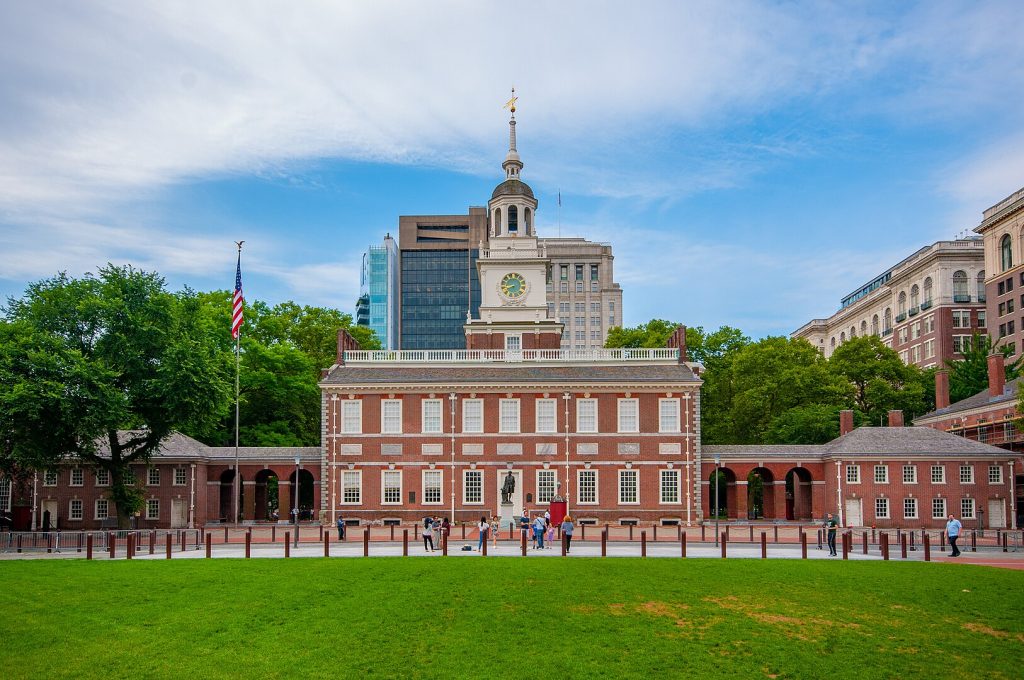
The Liberty Bell symbolizes freedom and independence, yet its history intertwines with difficult truths about inequality during the era it represents. While the bell is celebrated as a national icon tied to the Revolutionary War, many of the leaders who embraced its message of liberty also participated in or supported slavery. The bell’s inscription promoting freedom did not apply to enslaved people, Indigenous communities, or many women living under colonial restrictions. Nearby buildings that housed political debates were also sites where enslaved labor supported daily operations. Although modern exhibits address portions of this history, visitors may still overlook how the bell’s symbolism contrasts sharply with the realities experienced by many residents in 18th century Philadelphia.
Mount Vernon, Fairfax County, Virginia
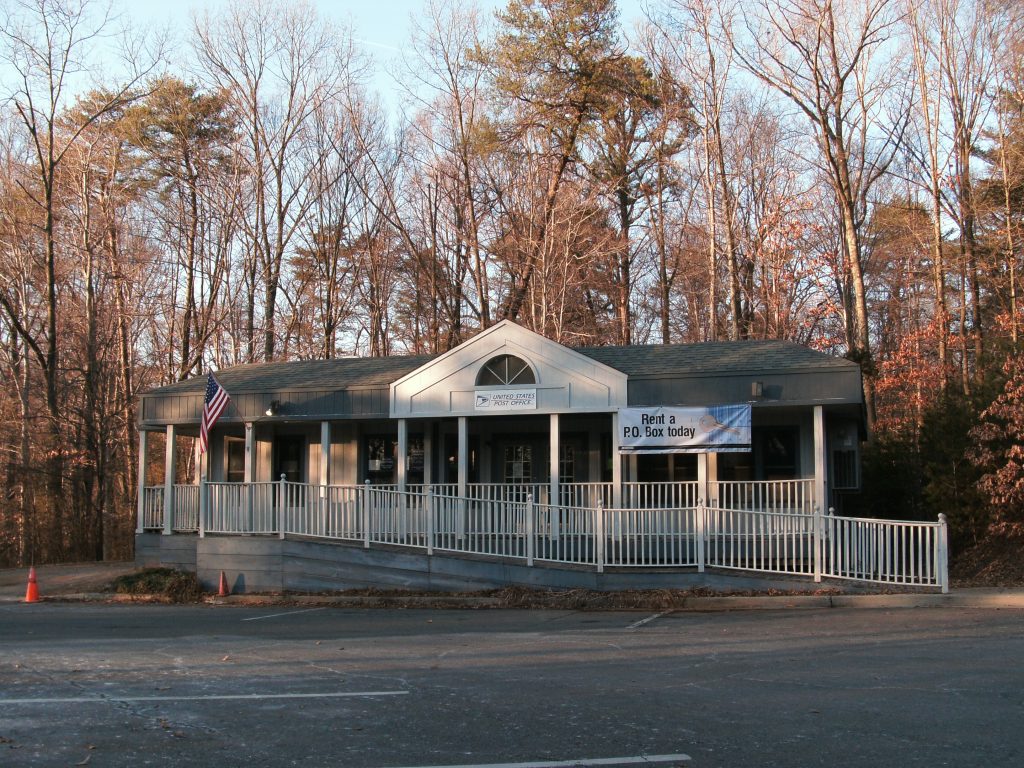
Mount Vernon draws visitors eager to learn about George Washington’s legacy, yet the estate also reflects the uncomfortable realities of plantation life. Hundreds of enslaved men, women, and children lived and labored on the property, supporting the household, fields, workshops, and craftsmanship that made the estate operational. Washington’s evolving personal views on slavery complicate his portrayal, but the daily experiences of those who lived under bondage reveal the harsh conditions and limited freedoms central to Mount Vernon’s history. While guided tours increasingly acknowledge these narratives, the physical beauty of the estate often overshadows the challenging stories that shaped its past and contributed to its economic success.
Fort Sumter, Charleston, South Carolina
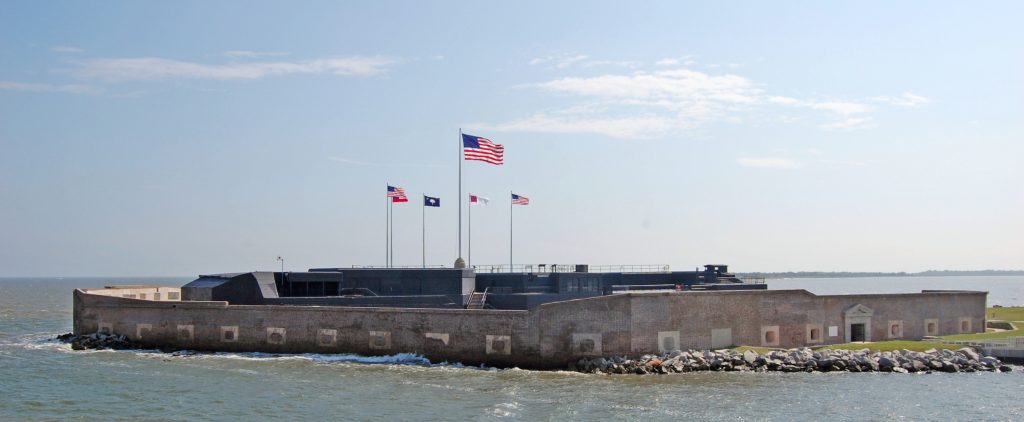
Fort Sumter marks the site where the Civil War began, making it a powerful historic symbol. Yet many visitors overlook the deeper tensions leading up to the conflict, particularly the long-standing disputes surrounding slavery and states’ rights. The fort’s location near Charleston Harbor places it within a region heavily dependent on enslaved labor, and the broader social and economic structures surrounding the fort reflected these entrenched systems. The bombardment of Fort Sumter represented not only a military confrontation but also the culmination of decades of human suffering tied to forced labor. These connections provide essential context for understanding why the conflict arose and how its consequences shaped the nation.
Pearl Harbor, Honolulu, Hawaii
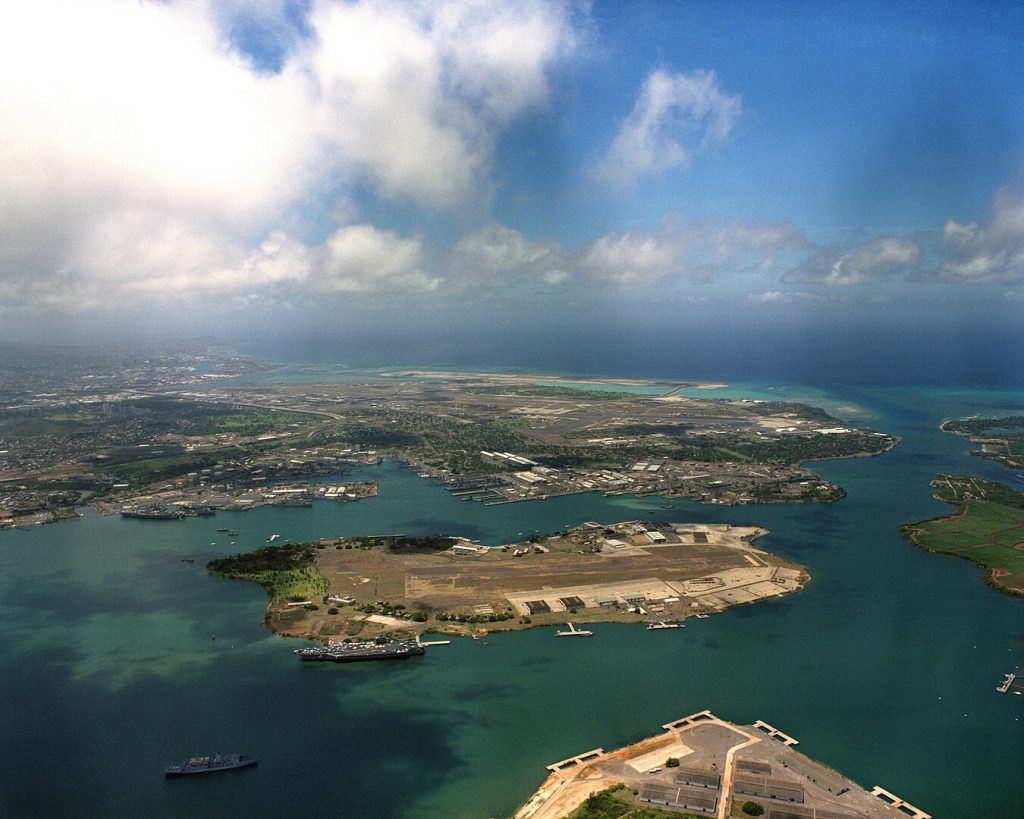
Pearl Harbor remains a solemn site honoring lives lost during the 1941 attack, yet its history also includes complex political decisions that affected Japanese Americans across the mainland United States. After the attack, widespread fear and suspicion contributed to the forced relocation and incarceration of Japanese American families, many of whom lost homes, businesses, and community ties. The connection between Pearl Harbor and this domestic upheaval highlights the consequences of wartime panic and prejudice. Although museums and memorials present aspects of this history, many visitors focus primarily on the military tragedy and less on the profound civil liberties issues tied to the aftermath of the attack.
The Salem Witch Trials Memorial, Salem, Massachusetts
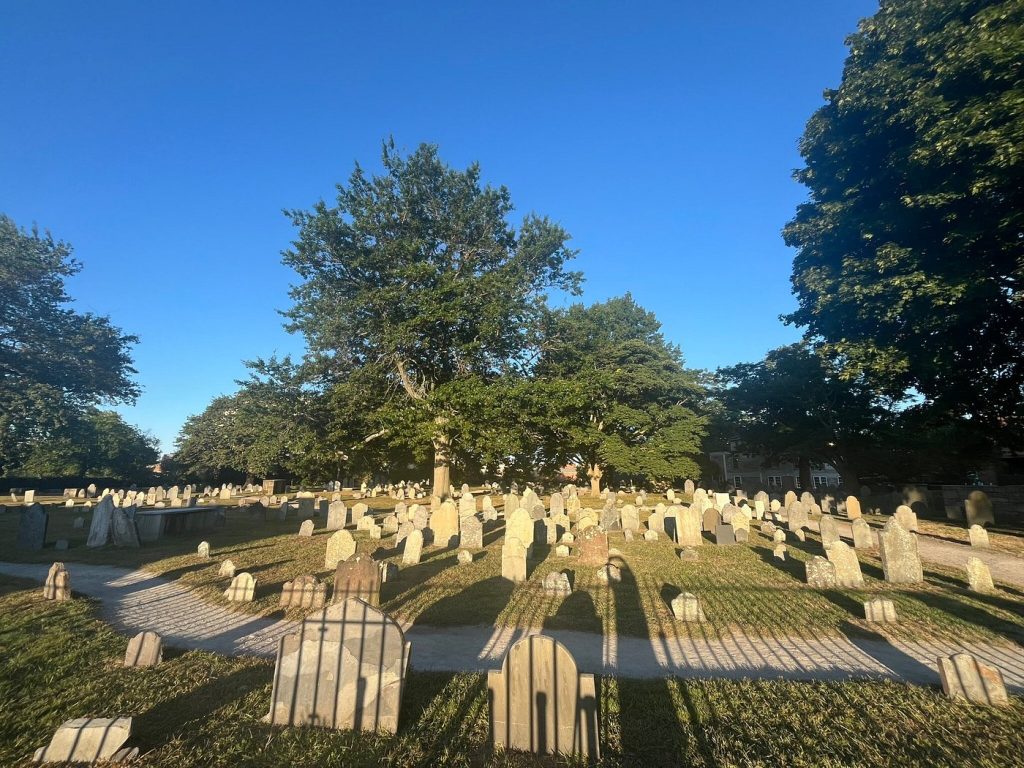
The Salem Witch Trials Memorial commemorates the individuals executed during the 1692 witch hysteria, yet the setting often does not fully convey the social dynamics that enabled the tragedy. The accusations stemmed from a mix of fear, community tensions, political instability, and personal grievances, revealing how mass panic can destabilize societies. Many victims were marginalized or lacked strong political protection, making them vulnerable targets. The trials illustrate the dangers of unchecked authority and cultural suspicion. Although Salem embraces its history through museums and tours, the memorial encourages a deeper reflection on how quickly misinformation and fear can escalate into devastating consequences for entire communities.
The St. Louis Gateway Arch, St. Louis, Missouri
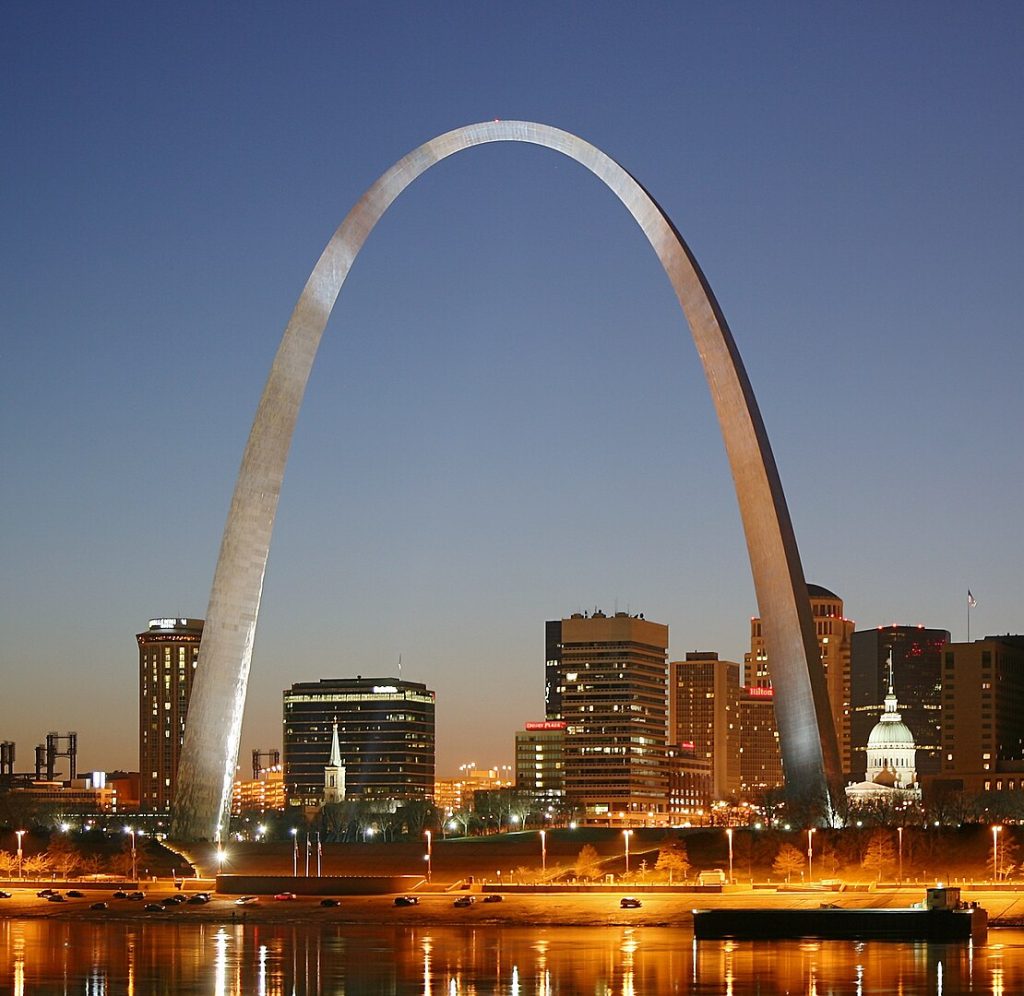
The St. Louis Gateway Arch symbolizes westward expansion, yet the era it celebrates includes displacement and hardship for many Indigenous nations. As settlers moved westward in the 19th century, federal policies forced Native communities from their ancestral lands, often through coercion or direct violence. The Arch’s sleek modern design contrasts sharply with the turmoil experienced during the period it commemorates. Although exhibits beneath the monument address aspects of this history, the broader cultural narrative surrounding westward expansion often focuses on opportunity rather than loss. Understanding this contrast adds emotional depth to the monument’s meaning and highlights the legacy of decisions that shaped the American frontier.
The Hoover Dam, Nevada and Arizona
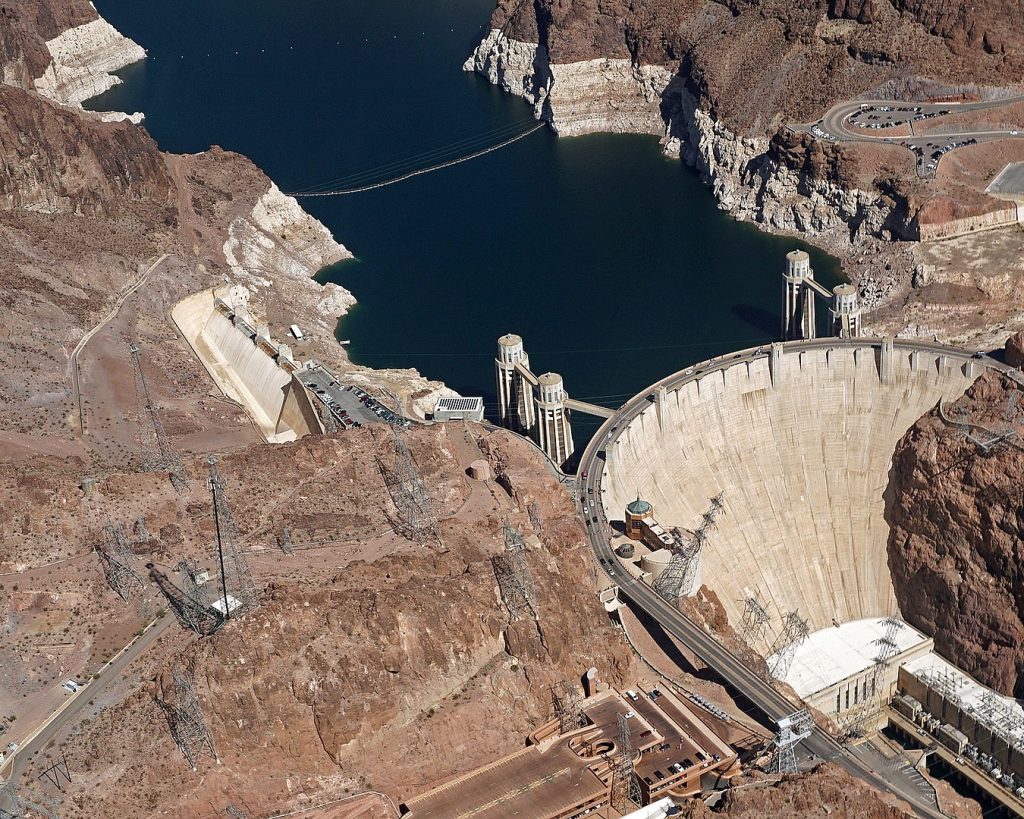
The Hoover Dam stands as a monumental engineering achievement, yet its construction involved dangerous working conditions and significant human sacrifice. Thousands of laborers faced extreme temperatures, long hours, and limited safety protections while blasting rock, laying concrete, and controlling the powerful Colorado River. Dozens lost their lives during the project, and many more suffered long-term health problems. The dam also contributed to major ecological changes, altering river flow and affecting communities downstream. Although celebrated for innovation and scale, the Hoover Dam’s story includes the difficult realities of labor hardship and environmental impact, revealing a complex history behind a landmark known primarily for progress and power generation.
The Trail of Tears National Historic Trail, Multiple States
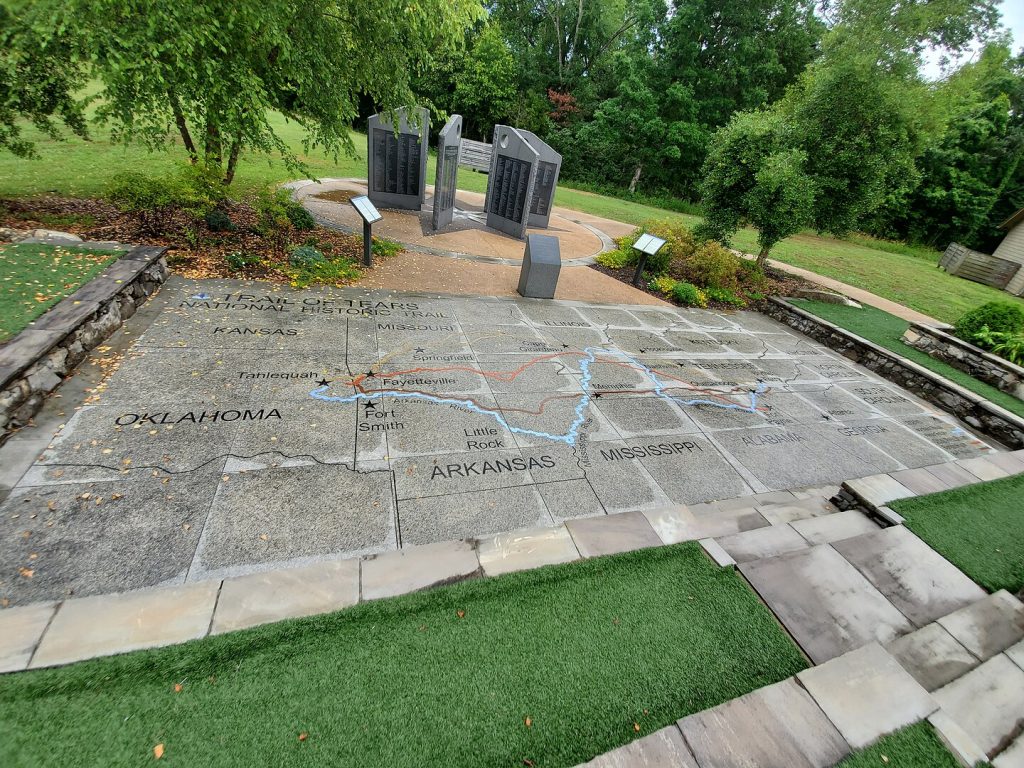
The Trail of Tears National Historic Trail marks the forced removal of Cherokee, Muscogee, Chickasaw, Choctaw, and Seminole nations from their homelands during the 1830s. Thousands died from disease, exposure, and starvation during the journey, making it one of the most devastating episodes in U.S. history. While the trail commemorates resilience, the landscape also bears witness to immense suffering resulting from federal policies rooted in displacement and cultural erasure. Visitors who explore segments of the trail often encounter quiet paths that contrast sharply with the tragedy that unfolded there. The landmark serves as a reminder of the enduring consequences of forced migration and the importance of honoring Indigenous histories.
The Wounded Knee Massacre Site, Pine Ridge, South Dakota
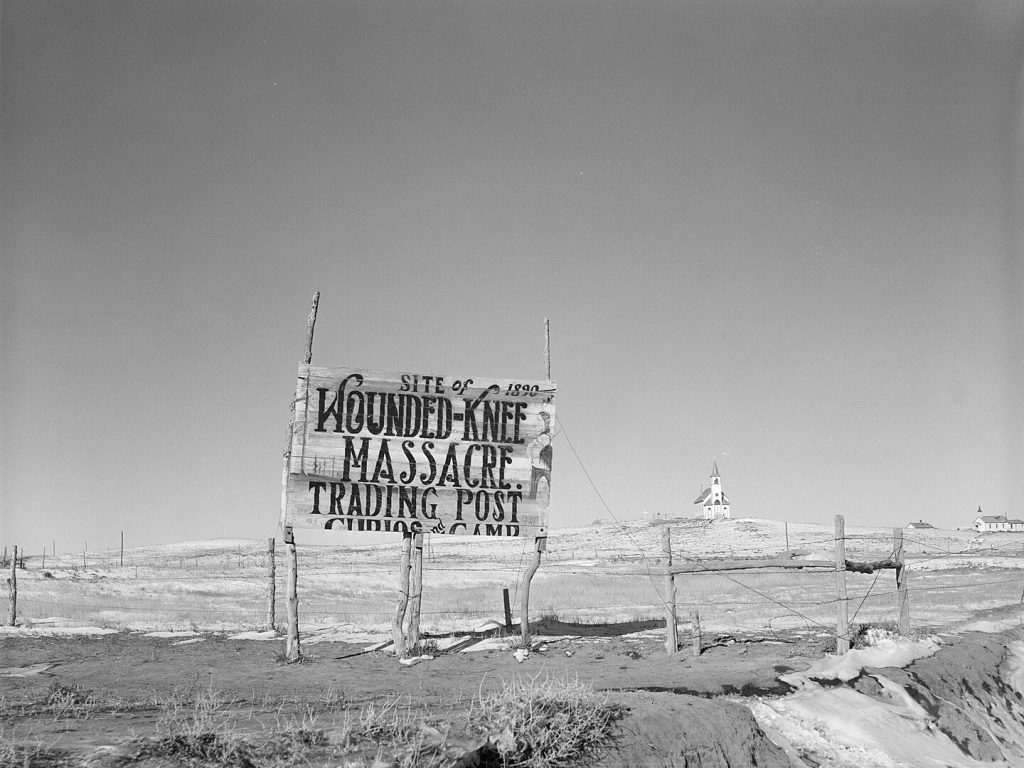
The Wounded Knee Massacre Site memorializes the tragic 1890 event in which U.S. soldiers killed hundreds of Lakota men, women, and children. The massacre occurred amid rising tensions following decades of broken treaties, cultural suppression, and territorial conflicts. Today the site remains solemn and understated, offering limited signage that reflects both reverence and unresolved pain within the community. Visitors may not immediately grasp the full extent of trauma associated with the massacre or its role in shaping modern Indigenous rights movements. The site’s quiet landscape contrasts with the magnitude of the event, reminding travelers of the deep scars left by decades of resistance and loss.
Manzanar National Historic Site, California
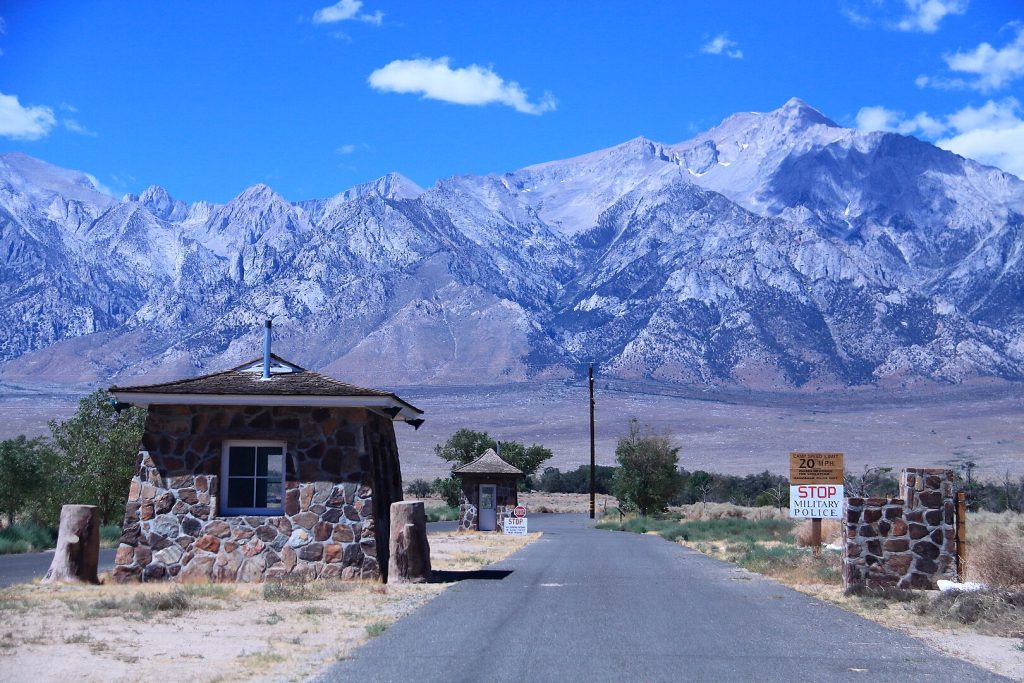
Manzanar National Historic Site stands as one of the most prominent former incarceration centers where Japanese Americans were unjustly detained during World War II. Families lived in harsh desert conditions, facing overcrowded barracks, limited freedom, and the lasting emotional toll of displacement. Although the site now educates visitors through exhibits and preserved structures, its quiet setting belies the trauma experienced by those who passed through its gates. The difficult history of Manzanar includes stories of resilience, yet it also reflects how prejudice and fear led to policies that targeted innocent people. The landmark underscores the importance of remembering civil liberties violations to foster understanding and accountability.