11 Legendary Jazz Clubs That Still Play On
Walking into a true jazz club feels a little like stepping out of time. You hear the low chatter, the clink of glasses, and the band warming up before the first note lands. Some cities changed, some music scenes faded, yet a few rooms kept the spirit alive. These clubs still draw musicians who understand the weight of their history and listeners who want to feel jazz as close as possible to how it first lived. When you take a seat at any of these places, you get more than a show. You feel the legacy of artists who shaped the sound that traveled across generations.
1. Village Vanguard, New York City

You find the Village Vanguard tucked in its familiar triangular basement, where it has run since 1935. The room stays small, close, and warm, which gives the music a vivid honesty that never feels staged. Many listeners come because they know some of the most influential live albums in jazz were recorded here, and the club treats that history with care. Sets often feature seasoned players who know how to read a room and younger musicians sharpening their voice. When you sit in that tight space, you feel why the club has lasted so long.
2. Blue Note Jazz Club, New York City
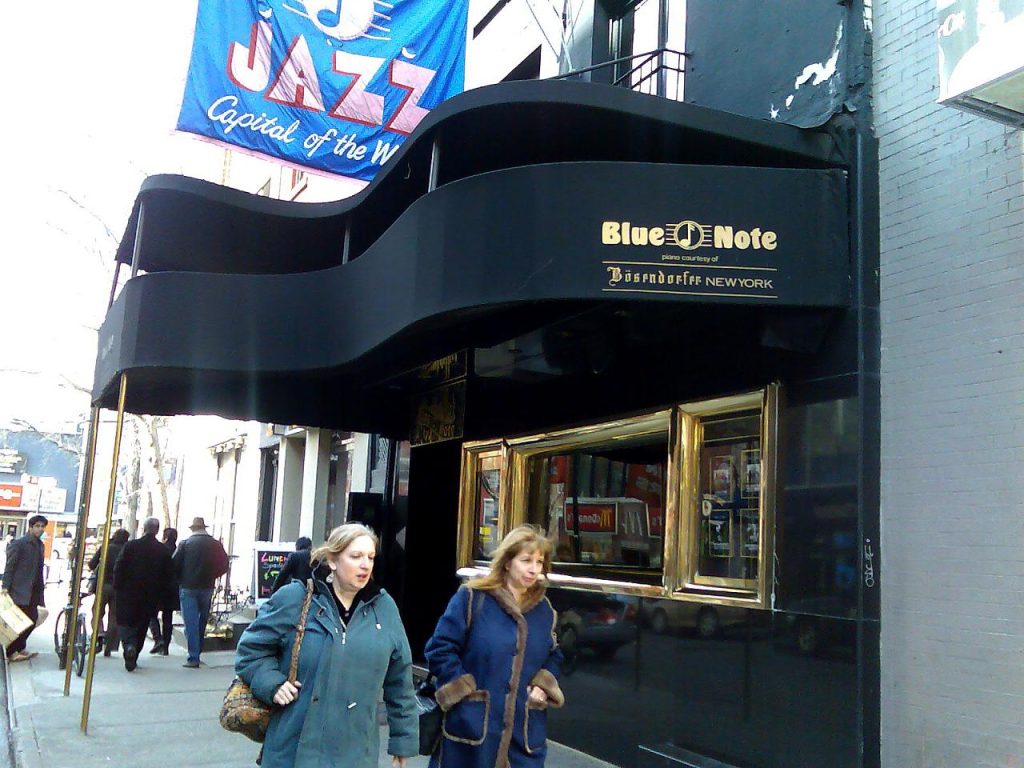
Blue Note opened in 1981 and grew into one of the most recognized modern jazz rooms. You get a polished setup, a clear stage view, and a schedule that cycles through top tier musicians almost nightly. The club maintains a steady mix of jazz legends, respected veterans, and cross-genre artists who pull new listeners into the scene. Even with its broader appeal, the room keeps the energy focused on the music. When you go, you feel the combination of comfort and tradition that helped it expand into one of the most familiar names in jazz today.
3. Preservation Hall, New Orleans
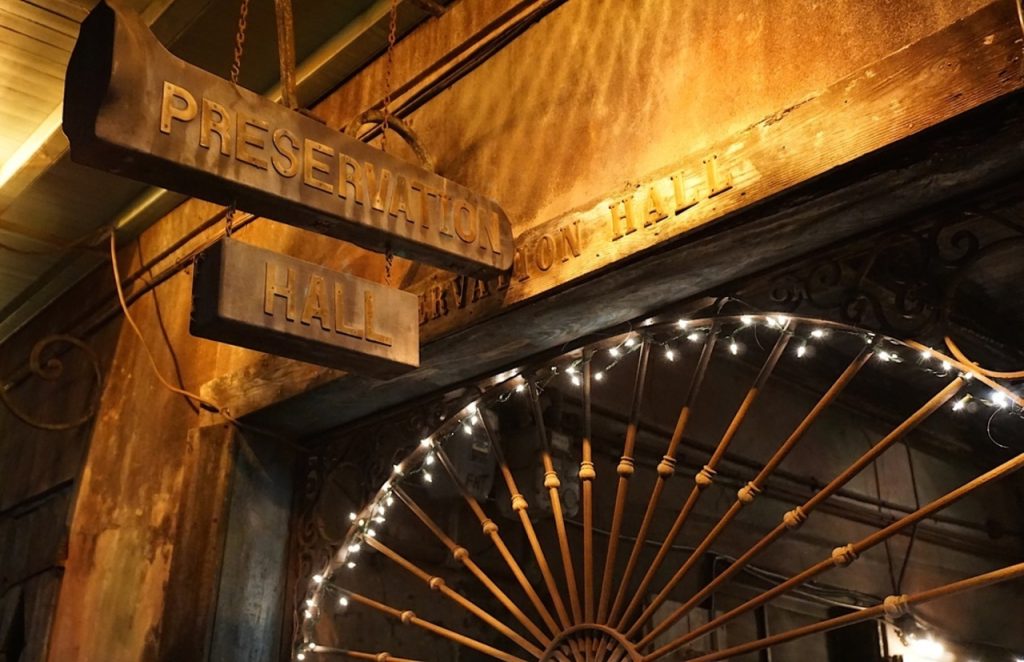
Preservation Hall holds on to the roots of New Orleans jazz with a simple room, wooden benches, and a close stage. The hall began in 1961 with a mission to protect the traditional sound that shaped the city, and it still delivers that feeling every night. You do not get fancy lighting or digital effects. Instead, you hear music played with the same spirit that kept the style alive through decades of change. The hall often fills with listeners who want a raw, direct connection to the culture that formed jazz in its earliest days.
4. Ronnie Scott’s, London
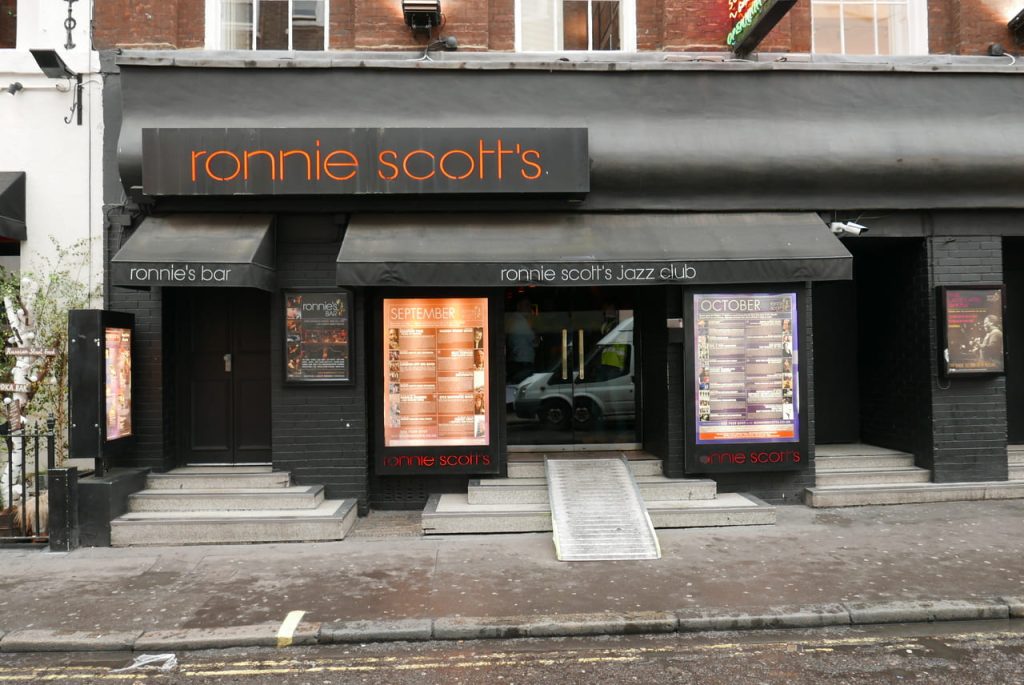
Ronnie Scott’s opened in 1959 and has grown into one of the strongest international homes for jazz. You get a low, moody room built for close listening, and the club often hosts artists who tour the world with new ideas while still respecting classic styles. Many musicians describe it as a place where audiences pay attention and respond to subtle turns in a solo. When you visit, you feel why it earned a long reputation as a club that cares about the craft of live music. The atmosphere invites you to focus on every line played on stage.
5. Smalls Jazz Club, New York City
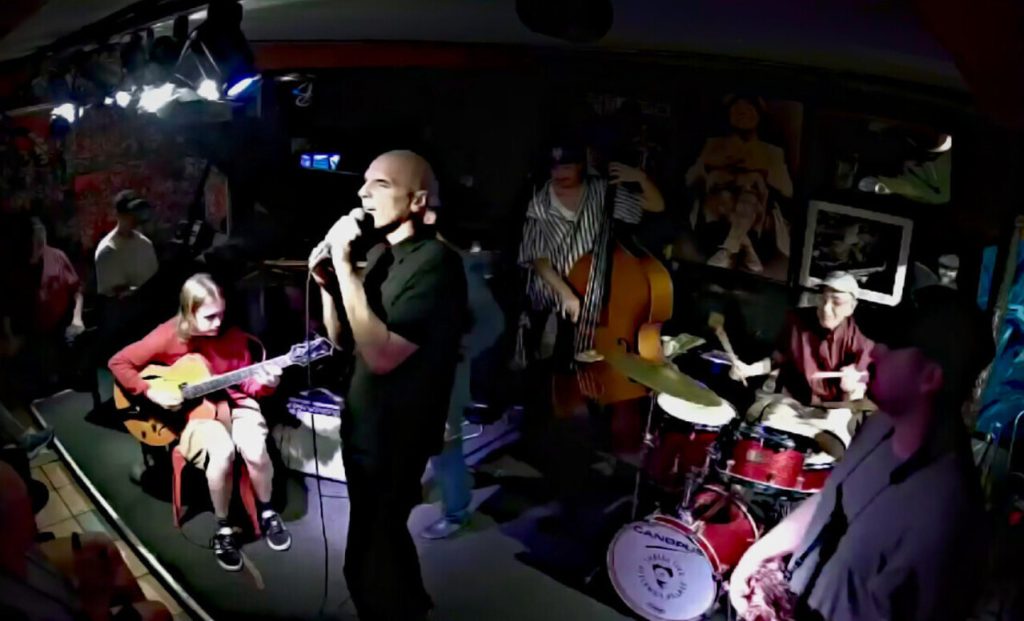
Smalls keeps a late night energy that feels alive with discovery. The club opened in the mid 1990s and quickly became known for marathon sessions, musical risk taking, and an open door for younger players. You sit close to the stage in a basement room that encourages musicians to stretch ideas and find new shapes in familiar tunes. Many well known players started here, and the club still treats improvisation as the center of everything. If you like hearing jazz grow in real time, Smalls gives you that experience almost every night.
6. The Green Mill, Chicago

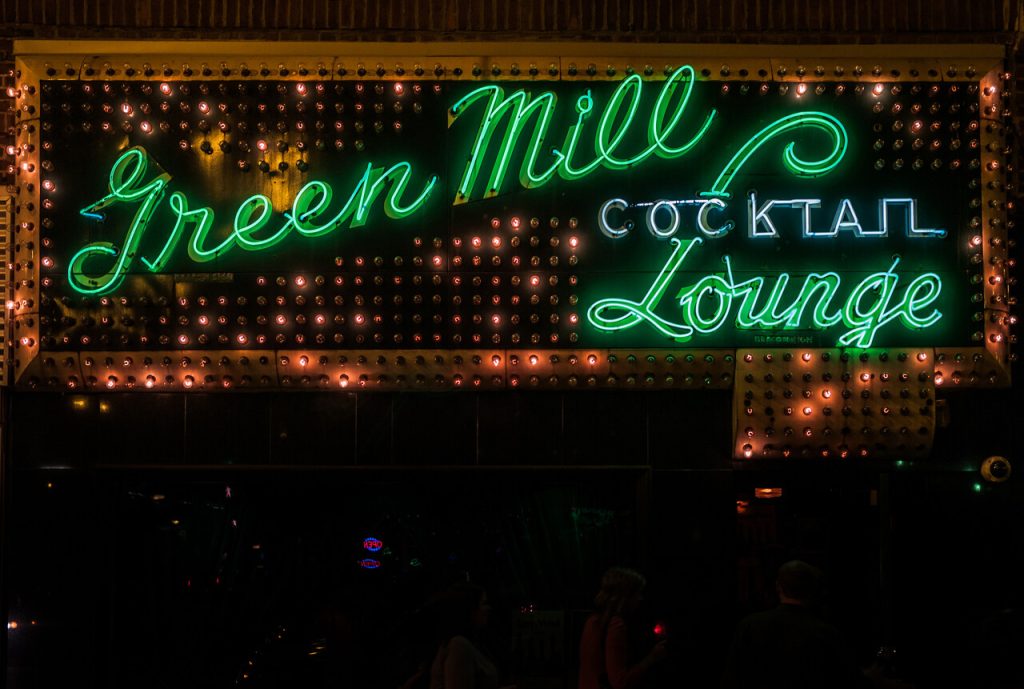
The Green Mill traces its history to the early twentieth century and carries a reputation built from both its age and its atmosphere. You sit in a room that mixes vintage charm with a serious focus on performance. The club became known for late night sessions and musicians who shape the Chicago sound. Its weekly events include long standing residencies that locals follow closely. When you walk in, you feel the history of a space that survived shifting music scenes while staying anchored to live improvisation and skilled players who keep the city’s jazz identity strong.
7. Yoshi’s, Oakland
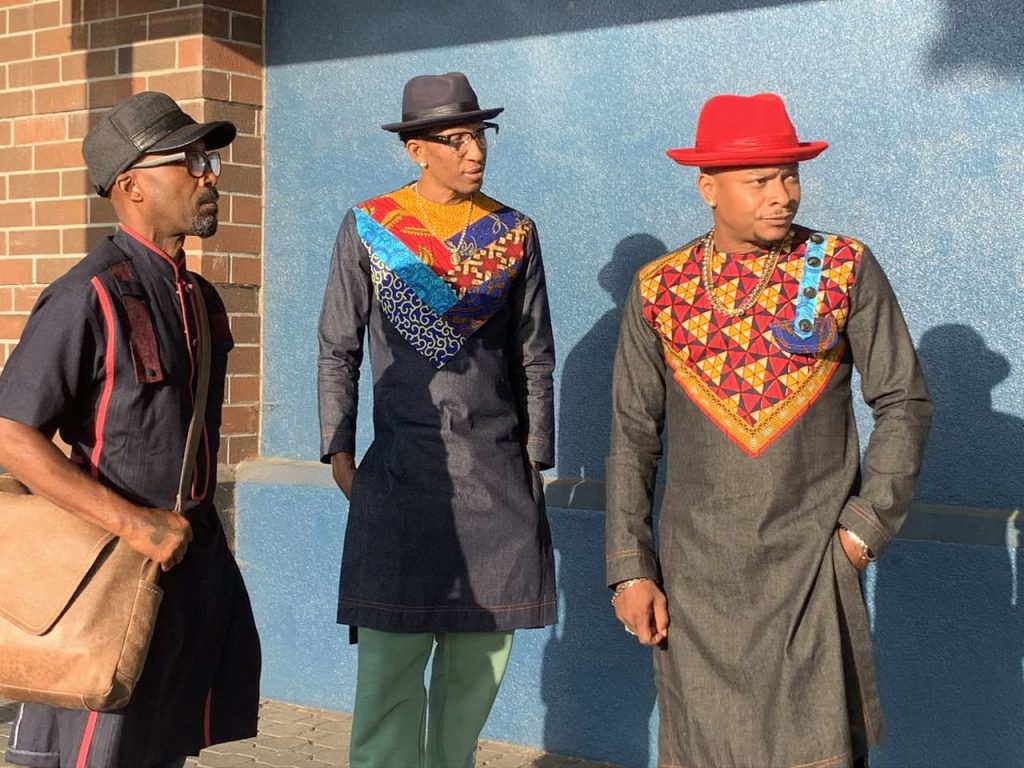
Yoshi’s started as a small neighborhood spot in the 1970s and grew into one of the most respected jazz rooms on the West Coast. You get a clean, warm stage design and sound that highlights every detail. The club hosts a mix of jazz innovators, classic artists, and musicians who blend styles. Listeners appreciate the balance of comfort and serious performance. When you visit, you feel how the room supports both bold improvisation and quiet moments. It remains a place where artists want to play and audiences trust they will hear something genuine.
8. Jazz Showcase, Chicago
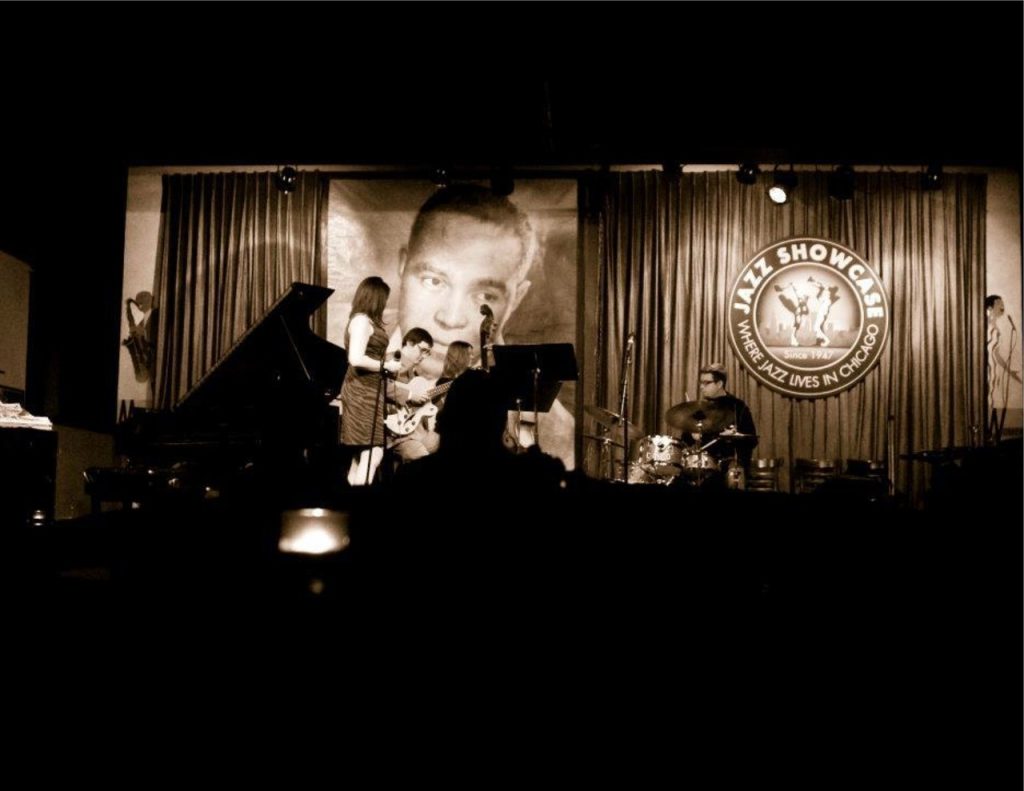
Jazz Showcase began in 1947 and stands as one of the oldest still running jazz clubs in the United States. The room keeps a straightforward setup that lets the music lead. Many legendary musicians have played here across decades, and the club continues to bring in strong national acts as well as local talent. You feel a sense of continuity when you sit down because the Showcase treats music history not as decoration but as a living part of its identity. The atmosphere stays focused, respectful, and ready for listeners who want a true jazz experience.
9. Duc des Lombards, Paris
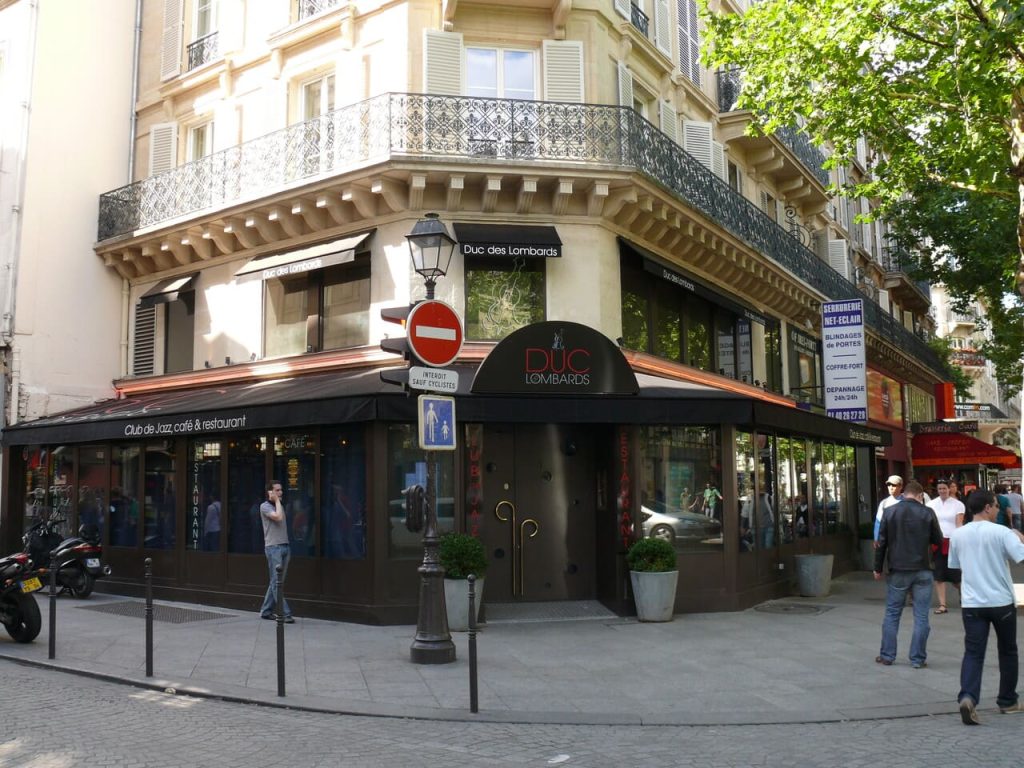
Duc des Lombards sits in the center of Paris and built a long reputation for presenting both European and international jazz artists. The room feels close and welcoming, with sound tuned for crisp detail rather than volume. Many touring musicians describe it as a spot where they can explore ideas with an attentive audience. You hear a wide range of styles on its stage, from classic swing to modern forms. When you visit, you sense the club’s respect for both tradition and new voices, which keeps it vital in a city known for its music culture.
10. Snug Harbor, New Orleans
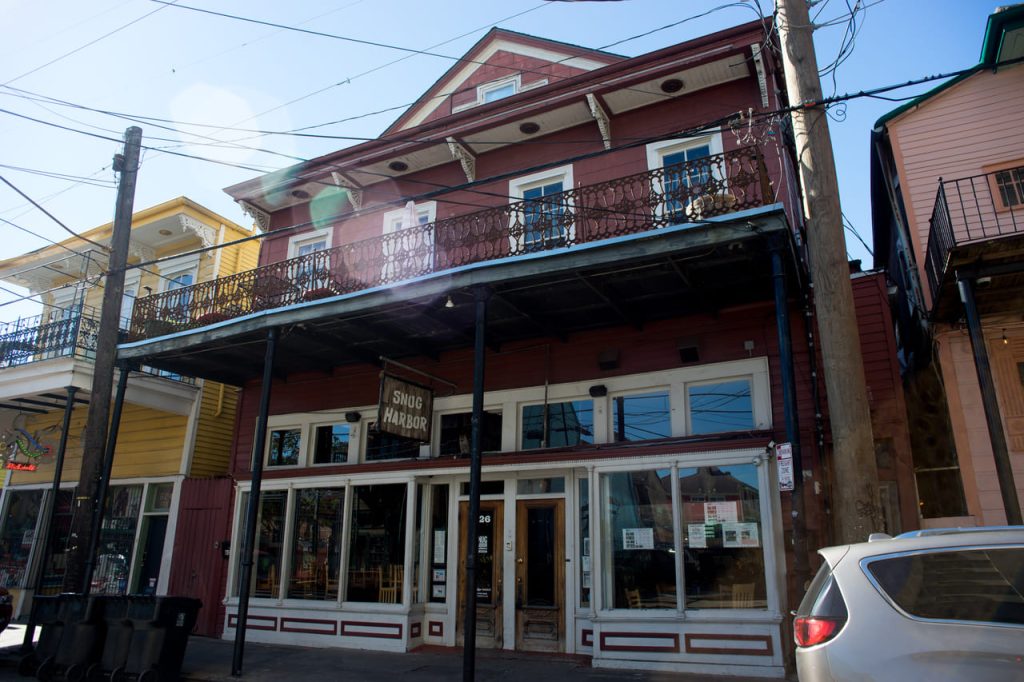
Snug Harbor sits on Frenchmen Street and offers a more structured listening room than many nearby venues. You hear strong local players alongside touring musicians who travel through the city. The sound is clear, the seating is arranged for focus, and the sets usually highlight the depth of New Orleans jazz traditions. You feel the blend of history and modern craft when the band settles in. The club stands as a steady anchor in a neighborhood known for its energy and helps listeners experience jazz played with skill and pride.
11. The Baked Potato, Los Angeles
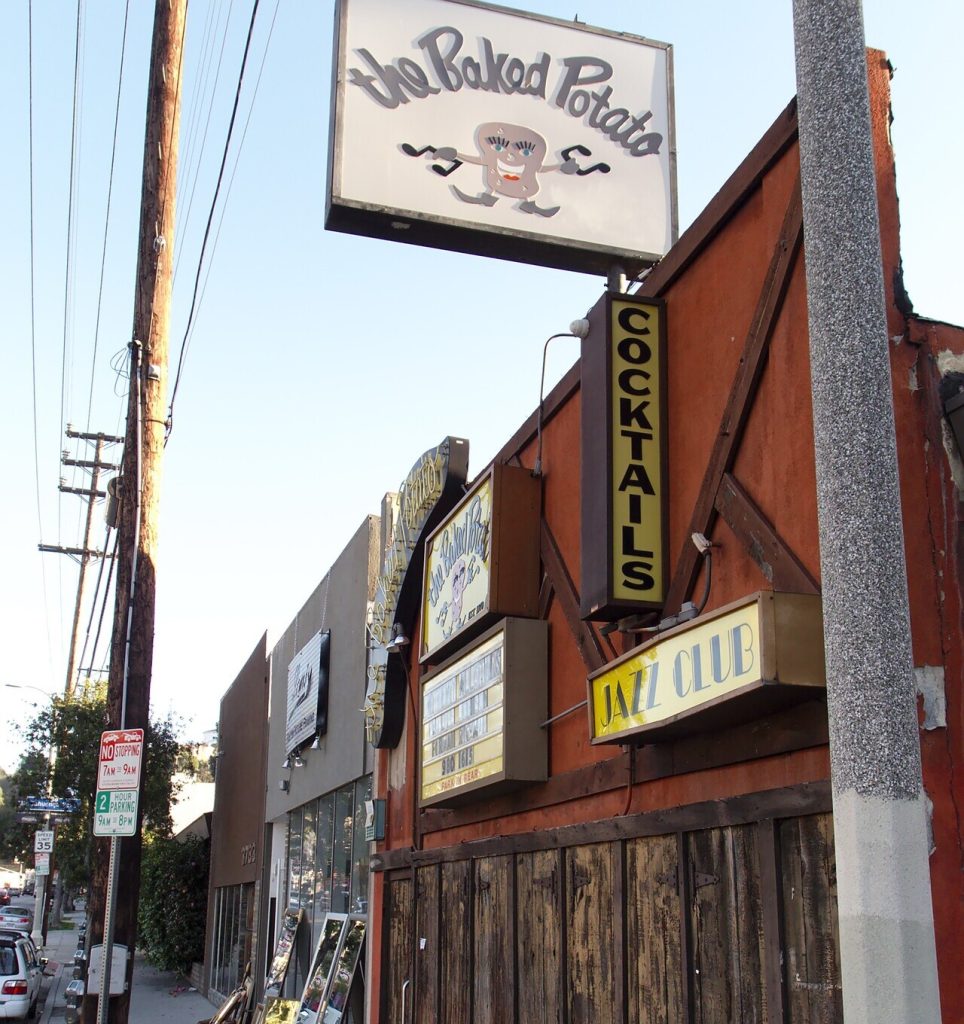
The Baked Potato opened in 1970 and has become known for its focus on fusion, tight ensembles, and players with serious technical skill. The room stays modest in size, which brings you close to the amplifiers, drums, and solos that define its sound. You hear musicians who push rhythmic and harmonic ideas in ways that feel energetic and physical. Many top session players treat the club as a creative home. When you sit in that close space, you feel the electricity of musicians who enjoy taking risks in front of a loyal crowd.