11 Middle Eastern Cities Where Visitor Rules Shape Daily Movement

Security consultants and cultural anthropologists frequently observe that navigating the Middle East requires a nuanced understanding of the unspoken and written codes that govern public space. While the region is increasingly opening to global tourism, experts emphasize that local laws regarding dress, gender interaction, and religious observance continue to dictate the flow of daily life. Diplomatic officials often advise that what passes for casual behavior in Western capitals can lead to fines or legal complications in these distinct urban centers.
Urban planners and heritage preservationists note that these regulations are not merely restrictive but are designed to maintain the social fabric of conservative societies. Understanding the specific expectations of each city allows travelers to move through them with confidence rather than trepidation. From the strict religious zoning of holy cities to the decency codes of modern financial hubs, experts highlight how local rules physically shape the itinerary and experience of every visitor.
Mecca In Saudi Arabia
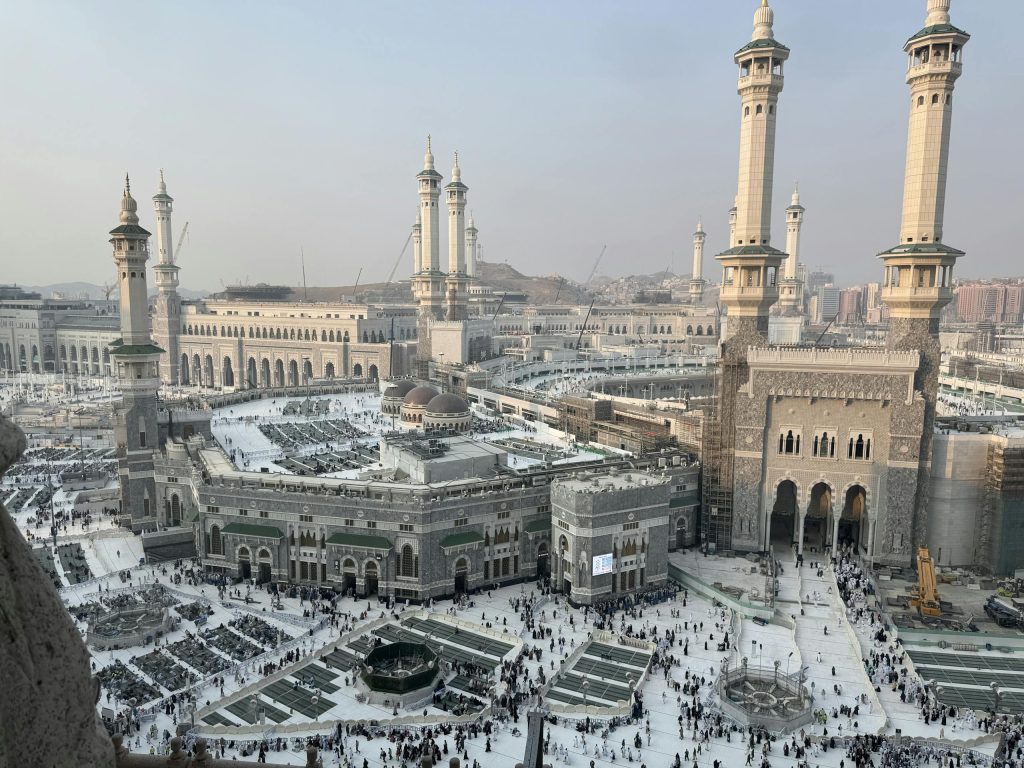
Religious scholars and Ministry of Hajj officials identify Mecca as the most regulated city on earth regarding visitor access. The entry to the city is strictly prohibited for non-Muslims, a rule enforced by checkpoints on all major highways leading into the area. Security experts explain that this exclusion creates a unique demographic environment where the entire population and visitor base shares a single religious identity.
For Muslim pilgrims who are permitted entry, movement is heavily regimented by the rituals of Umrah and Hajj. Crowd control analysts note that the flow of pedestrians around the Grand Mosque is dictated by one-way systems and prayer times that freeze all other activity. The logistics of the city are entirely subservient to the religious calendar, meaning that traffic patterns and commercial hours shift dramatically based on the call to prayer.
Tehran In Iran
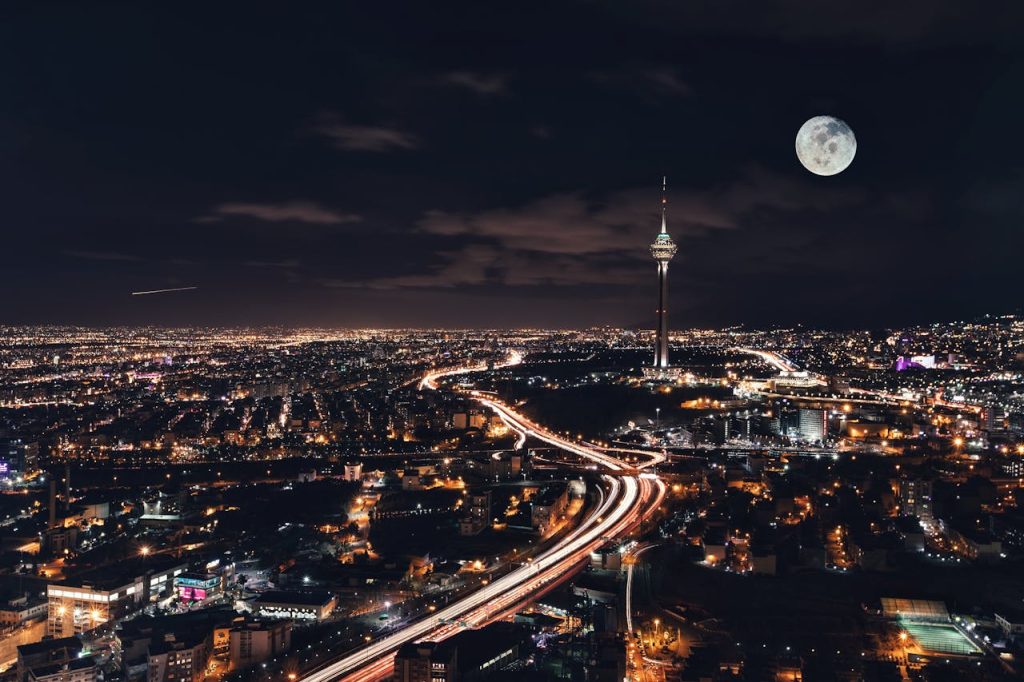
Human rights monitors and cultural guides emphasize that the mandatory dress code in Tehran is the primary factor shaping the daily movement of female visitors. Women are required by law to cover their hair with a headscarf and wear loose-fitting clothing that obscures the body shape in all public spaces. Legal experts warn that the enforcement of these rules by morality police can occur randomly in parks, metro stations, and public squares.
The impact of these regulations extends to social interaction and mobility. Sociologists observe that many social activities retreat behind the high walls of private compounds to escape state scrutiny. Visitors often find that the public face of the city is reserved and formal, while the private sphere operates with entirely different rules. Navigating this duality requires constant attention to attire and behavior whenever stepping out the hotel door.
Jerusalem In Israel And The West Bank
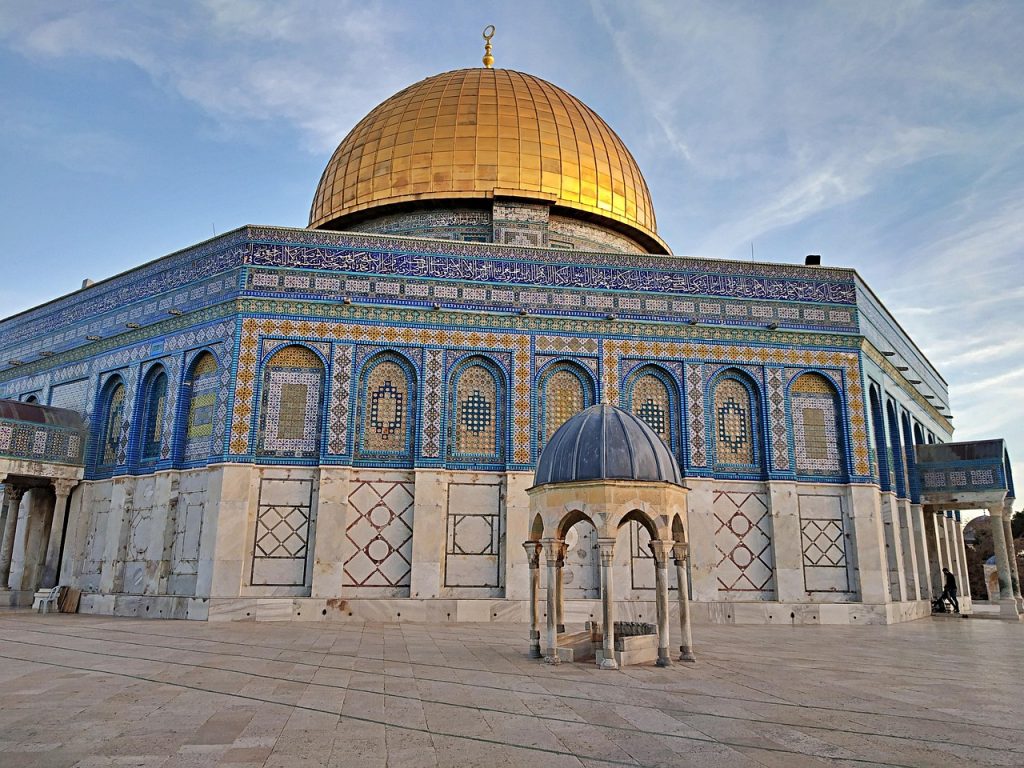
Security analysts and religious custodians manage the Old City of Jerusalem through a complex web of access schedules and zoning regulations. The Temple Mount, or Haram al-Sharif, operates under strict visitation hours for non-Muslims and prohibits the display of non-Islamic religious symbols or prayer books. Police officials enforce these rules at security checkpoints where visitors must present modest dress and undergo screening before entering the sensitive compound.
Heritage experts note that the division of the city into quarters creates invisible borders that influence the path of tourists. Guides often steer groups along specific routes to avoid friction points during religious holidays or Friday prayers. The movement through the city is a constant negotiation of sacred space where stepping into the wrong area at the wrong time can lead to immediate expulsion by security forces.
Sharjah In United Arab Emirates

Legal consultants and tourism officials distinguish Sharjah from its neighbor Dubai by its strict adherence to decency laws and its status as a dry emirate. The sale and consumption of alcohol are completely banned, which eliminates the nightlife culture found elsewhere in the UAE. Cultural anthropologists explain that this prohibition shifts the social center of gravity toward family-friendly parks, museums, and Islamic heritage sites.
The dress code in Sharjah is explicitly conservative, requiring both men and women to cover shoulders and knees in public places including malls and beaches. Municipal inspectors actively patrol these areas to issue warnings to those violating the decency standards. Experts suggest that this environment creates a quieter and more traditional atmosphere where the rhythm of the day is defined by cultural events rather than late-night entertainment.
Doha In Qatar
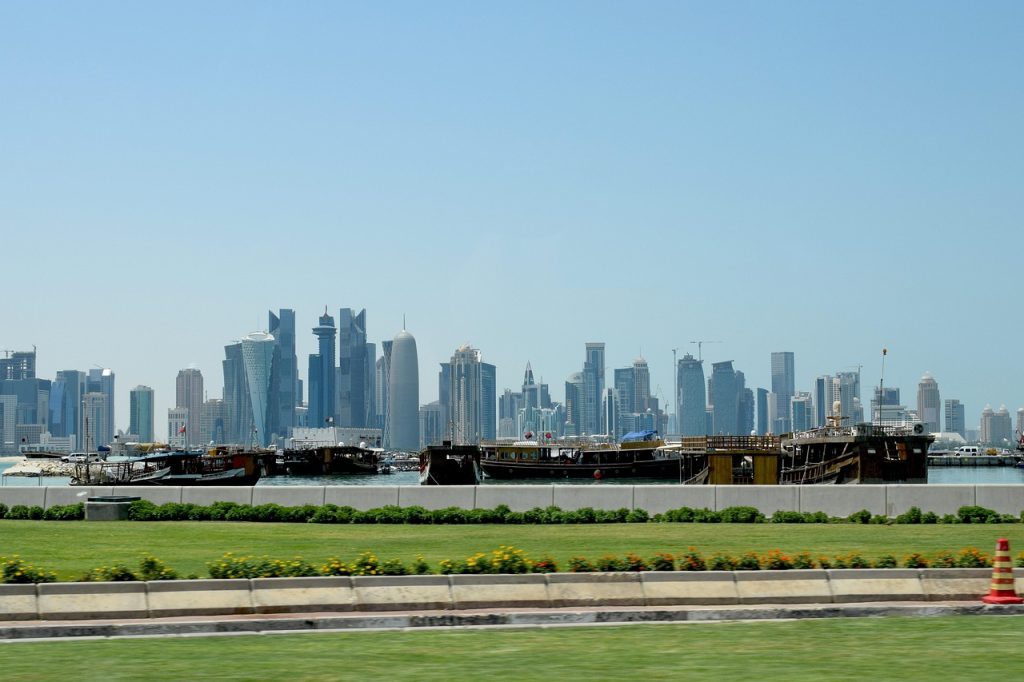
Qatari cultural officials and embassy staff advise visitors that the rapid modernization of Doha has not erased the expectation of modesty. The concept of public decency is codified in law, meaning that leggings or shorts are often denied entry to government buildings and traditional markets like Souq Waqif. Security guards at major shopping centers routinely turn away visitors whose attire does not meet the published standards.
Diplomats note that while alcohol is available in licensed five-star hotels, public intoxication is a serious offense that can lead to deportation. The segregation of spaces into family zones and bachelor zones also dictates where single men can congregate on weekends. These spatial rules force a separation of demographics that travelers must recognize when planning their movements around the Corniche and public parks.
Riyadh In Saudi Arabia

Tourism advisors in the Saudi capital highlight that recent reforms have relaxed some restrictions while maintaining a core expectation of public decorum. While the abaya is no longer legally mandatory for foreign women, experts note that modest dress remains the social norm that facilitates smoother interaction with locals. The removal of gender segregation in restaurants has changed the physical layout of dining, yet many establishments still offer partitioned areas for families seeking privacy.
Public behavior guidelines strictly prohibit the photographing of people without their consent, a rule that security officers enforce near government sites and palaces. Legal experts warn that posting such images on social media can violate cybercrime laws. The movement of visitors is thus constrained by the need to respect privacy and propriety in a city that is rapidly opening up but retains deep conservative roots.
Dubai In United Arab Emirates
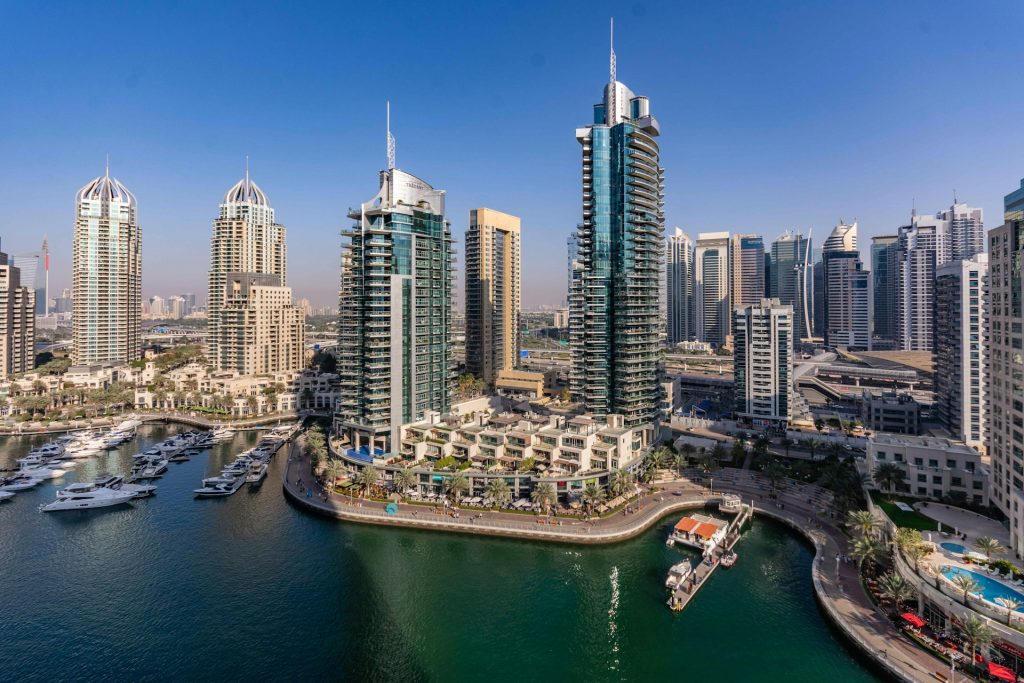
Expat legal advisors frequently caution travelers that the liberal veneer of Dubai masks strict laws regarding public displays of affection. Kissing or aggressive touching in public can lead to arrest and imprisonment, a reality that often shocks unprepared tourists. Security consultants emphasize that the tolerance for such behavior varies significantly between the beach clubs and the more traditional residential neighborhoods.
The consumption of alcohol is confined to licensed venues attached to hotels or private clubs. Legal experts point out that being intoxicated in a public space or a taxi is a criminal offense. This regulation creates a bubble effect where tourists move directly from one licensed venue to another without lingering in the public sphere, shaping the nightlife into a series of disconnected, private experiences.
Muscat In Oman
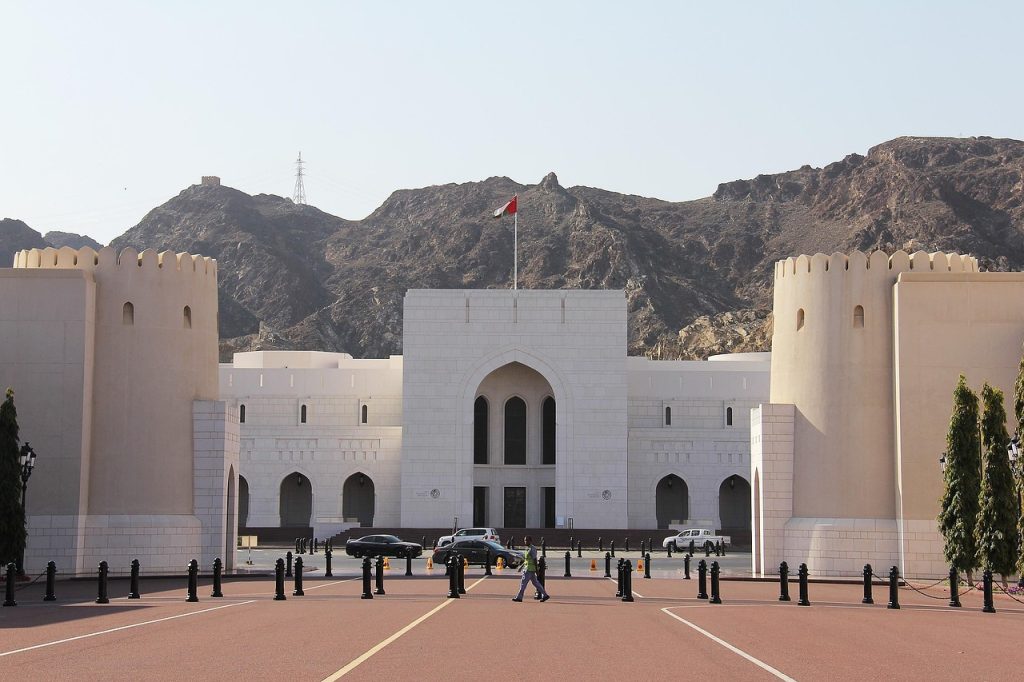
Omani heritage guides and religious officials maintain a quiet and respectful atmosphere throughout the capital city. The dress code for entering the Sultan Qaboos Grand Mosque is rigorously enforced, requiring full coverage of wrists and ankles and a headscarf for women. Cultural experts observe that loud behavior and raucous laughter in public spaces are frowned upon and considered disrespectful to the local peace.
The city prohibits the use of honking horns except in emergencies, creating a soundscape that is distinct from other Middle Eastern capitals. Environmental planners note that the architecture is restricted in height and color to white or cream, creating a visual uniformity that reflects the orderly nature of Omani society. Visitors find that the pace of movement here is deliberately slow and measured to align with these social expectations.
Kuwait City In Kuwait
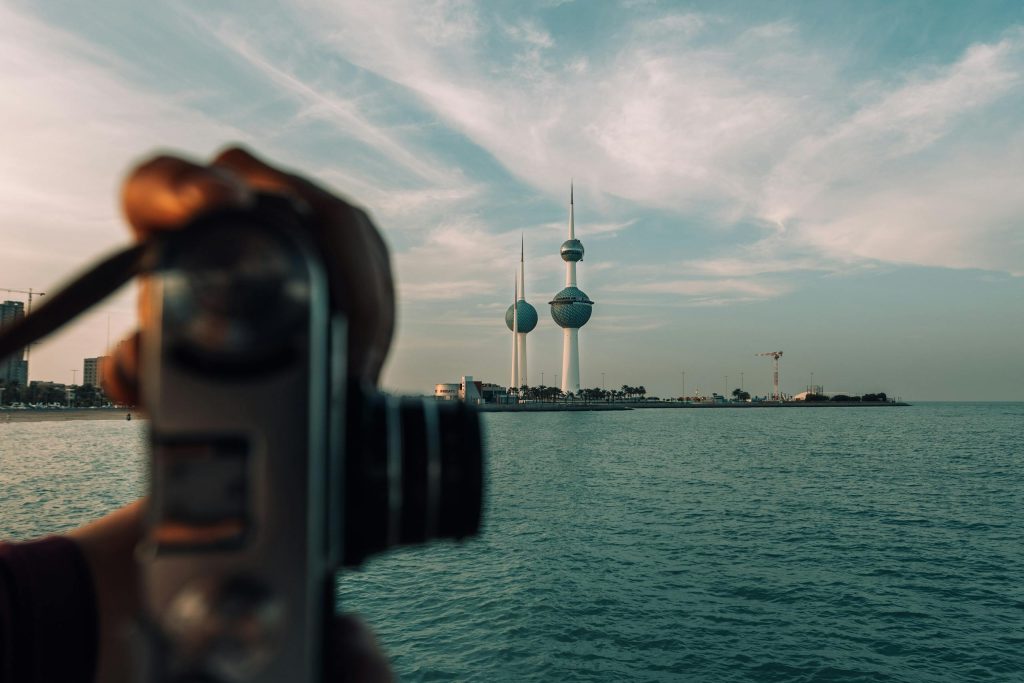
Customs officials and legal experts remind travelers that Kuwait enforces a total ban on the importation and consumption of alcohol. This policy shapes the entire social infrastructure of the city, shifting the focus of evening activity to diwaniyas and expansive coffee houses. Sociologists explain that the diwaniya is a semi-public gathering space essential to Kuwaiti culture, yet access is governed by strict social invitations and gender protocols.
The dress standards in Kuwait are generally conservative, particularly in areas outside the luxury malls. Tourism consultants advise that swimwear is restricted to private beach clubs and is not acceptable on public beaches. These rules create a clear demarcation between public behavior and private relaxation, forcing visitors to navigate the city with a heightened awareness of the boundary between the two.
Mashhad In Iran
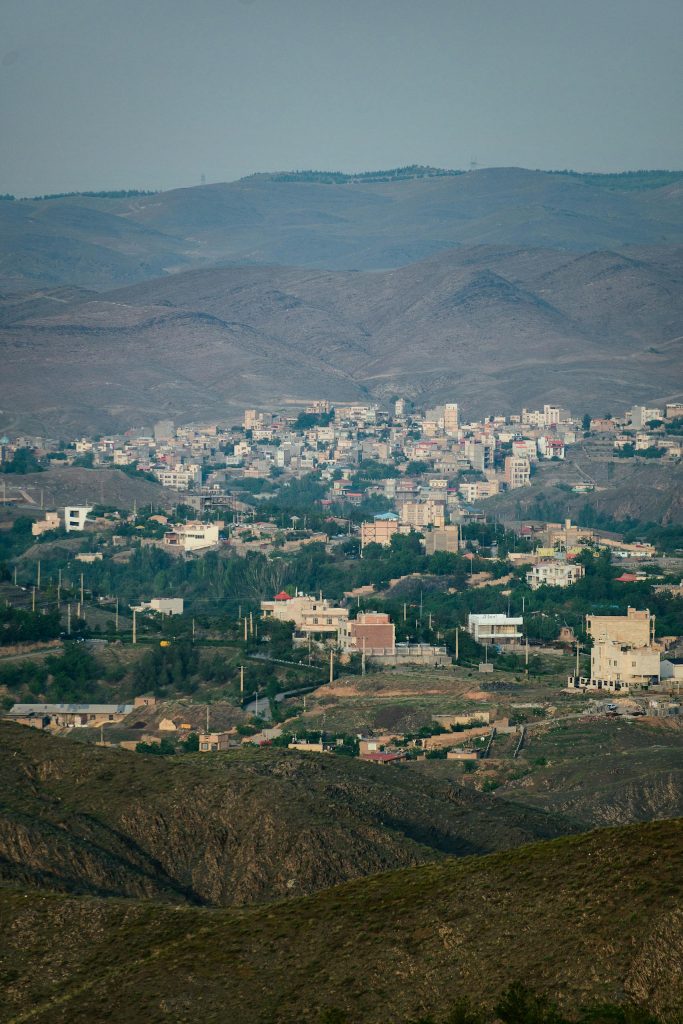
Shrine administrators and religious scholars oversee the flow of millions of pilgrims to the Imam Reza Shrine, the spiritual heart of Mashhad. Access to the shrine complex requires women to wear a chador, a full-body cloak that is often provided at the entrance for those who do not own one. Security teams enforce gender segregation at the entrances and within the prayer halls, directing men and women to separate courtyards.
The influence of the shrine extends to the surrounding commercial districts where the sale of goods and the dress of shopkeepers reflect the religious nature of the city. Urban planners note that the entire transport network is designed to funnel visitors toward the holy site. For the traveler, the city functions as a massive religious apparatus where adherence to spiritual protocol is the price of admission.
Abu Dhabi In United Arab Emirates
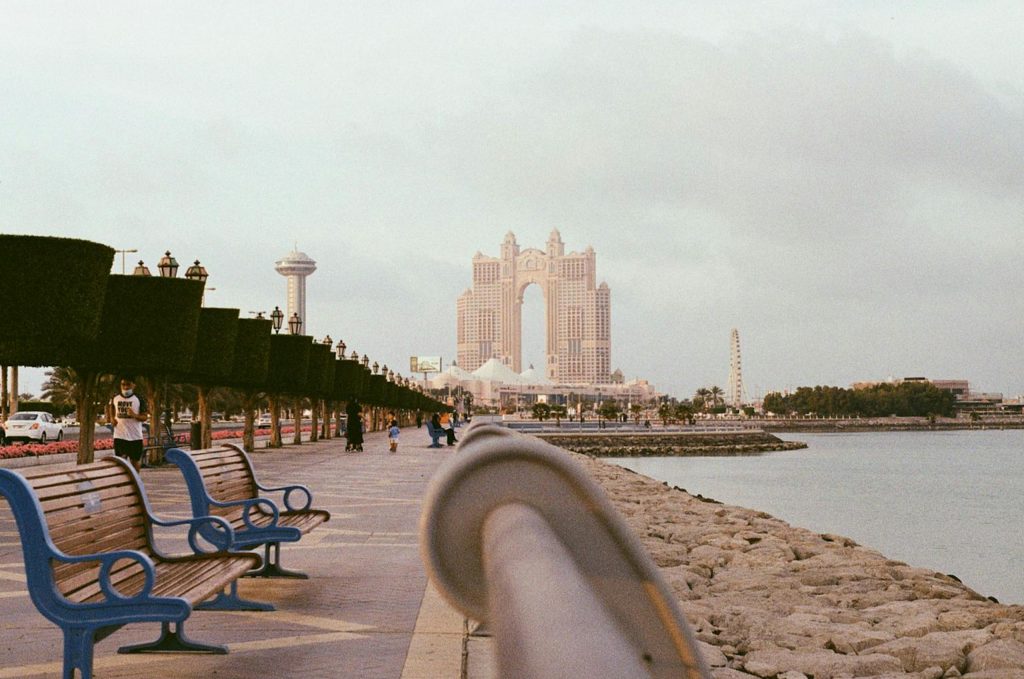
Mosque management and tourism authorities in Abu Dhabi enforce a specific code of conduct for the Sheikh Zayed Grand Mosque that is stricter than general public standards. Visitors must pass through a screening center where attire is checked for opacity and length. Security staff monitor the grounds to ensure that poses for photographs remain respectful and do not involve lying down or making gestures considered inappropriate.
Beyond the mosque, the capital operates with a more formal tone than neighboring Dubai. Legal experts note that the laws regarding public behavior and dress are applied consistently across the emirate. The design of the city emphasizes grand boulevards and formal institutions, encouraging a type of tourism that is orderly and respectful of the seat of government.