11 Museums Showcasing Rich Middle Eastern History

You step into a museum expecting artifacts, but what you often find across the Middle East is something far more layered. You move through rooms shaped by trade routes, faith traditions, scientific breakthroughs, and everyday life that survived across centuries. What this region’s museums do well is show how ideas traveled, how empires shifted, and how craftspeople built beauty that lasted long after their rulers faded. As you wander through these galleries, you see how cultures influenced one another, how knowledge passed from place to place, and how communities documented their lives. These places help you understand history in a way that feels direct and grounded.
1. Museum of Islamic Art, Doha
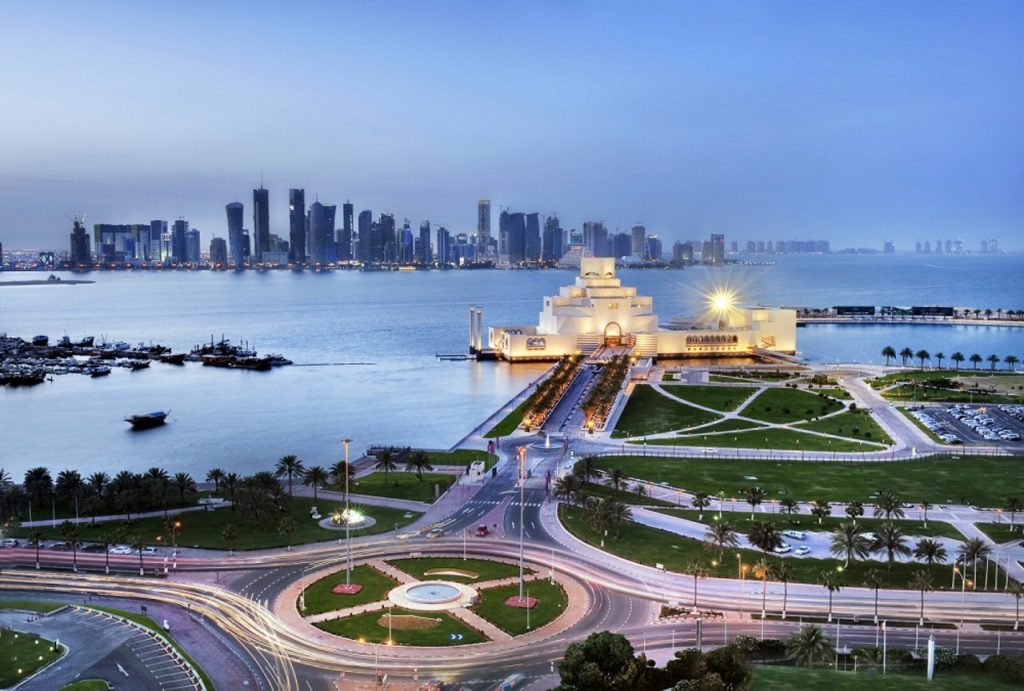
You walk into the Museum of Islamic Art and feel how carefully the collection guides you through centuries of design, science, and craftsmanship. You see manuscripts, ceramics, glasswork, textiles, and scientific tools that reveal how artists and scholars shaped knowledge across continents. The museum highlights how different regions borrowed ideas and adapted them into their own styles, showing you a clear view of cultural exchange. As you move through the galleries, you understand how geometry, calligraphy, and natural forms shaped visual traditions. The building itself, designed with studied precision, helps you slow down and take in each detail as its own story.
2. Topkapi Palace Museum, Istanbul
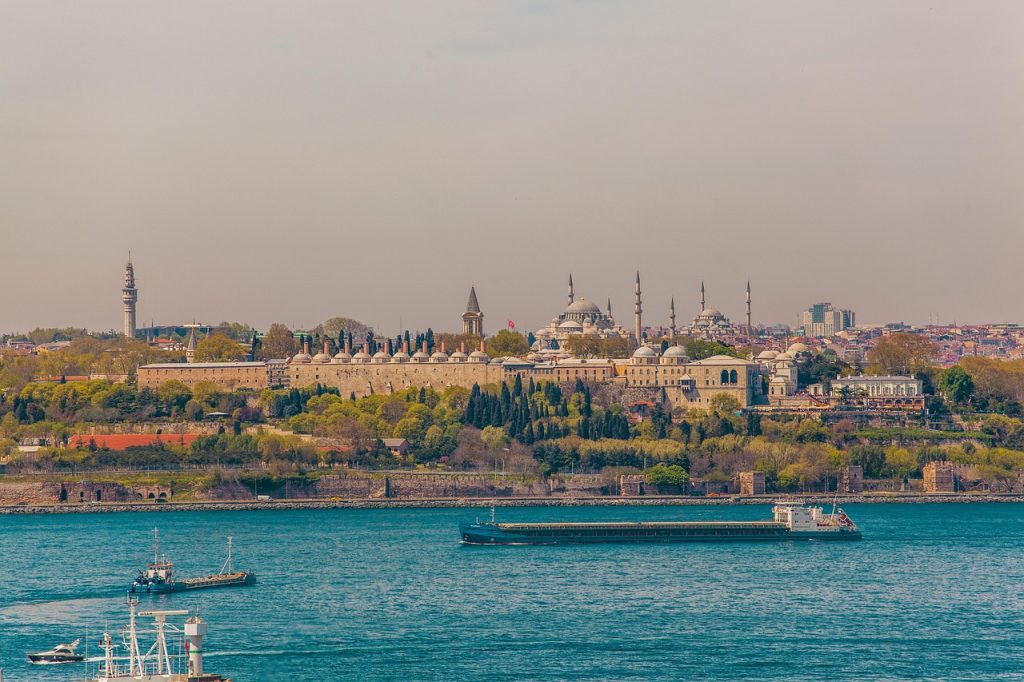
When you explore Topkapi Palace Museum, you walk through the heart of the Ottoman world. You move across courtyards and rooms that once shaped political power, military strategy, and daily life at court. The museum’s collections help you see how rulers used art, architecture, and ceremonial objects to express authority. You find manuscripts, clothing, weaponry, and religious relics that show how belief and governance often overlapped. As you study small personal items, you pick up clues about how people lived behind the palace’s formal roles. The setting gives you context that written history alone can’t deliver.
3. National Museum of Oman, Muscat
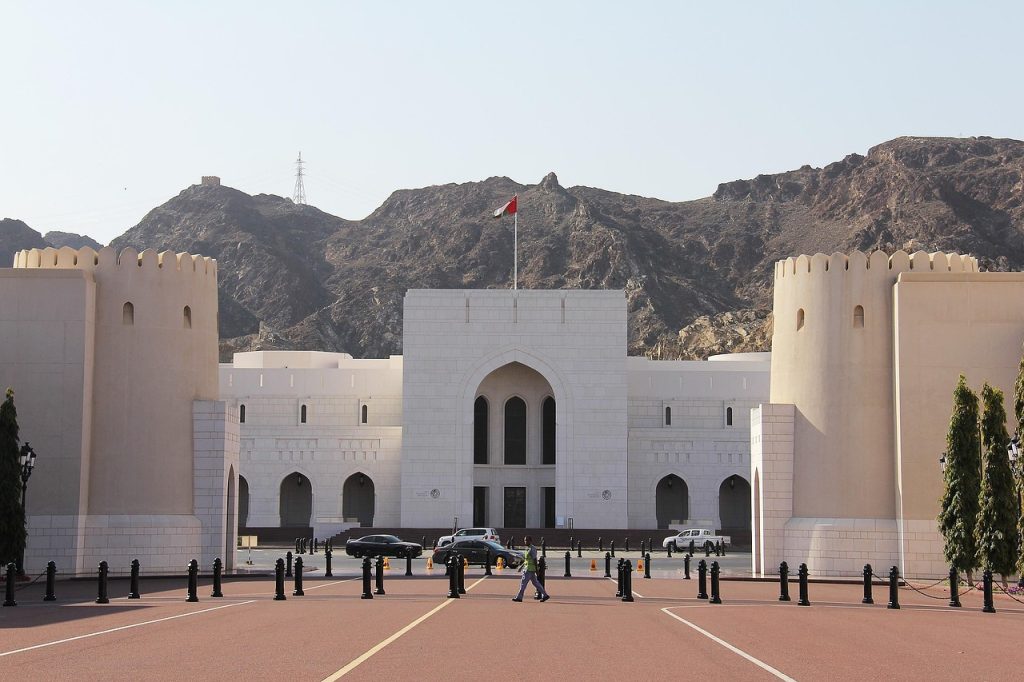
At the National Museum of Oman, you get a clear picture of how the region’s maritime history shaped its identity. You follow displays explaining how traders moved goods across the Arabian Sea and how shipbuilding techniques developed over time. The museum also gives you insight into prehistoric settlements, traditional craftsmanship, and the country’s shift into modern statehood. You see how communities adapted to landscapes defined by coastline, desert, and mountains. When you move through the galleries, you notice how objects from daily life sit beside ceremonial pieces, helping you understand how culture and environment shaped each other.
4. The Iraq Museum, Baghdad
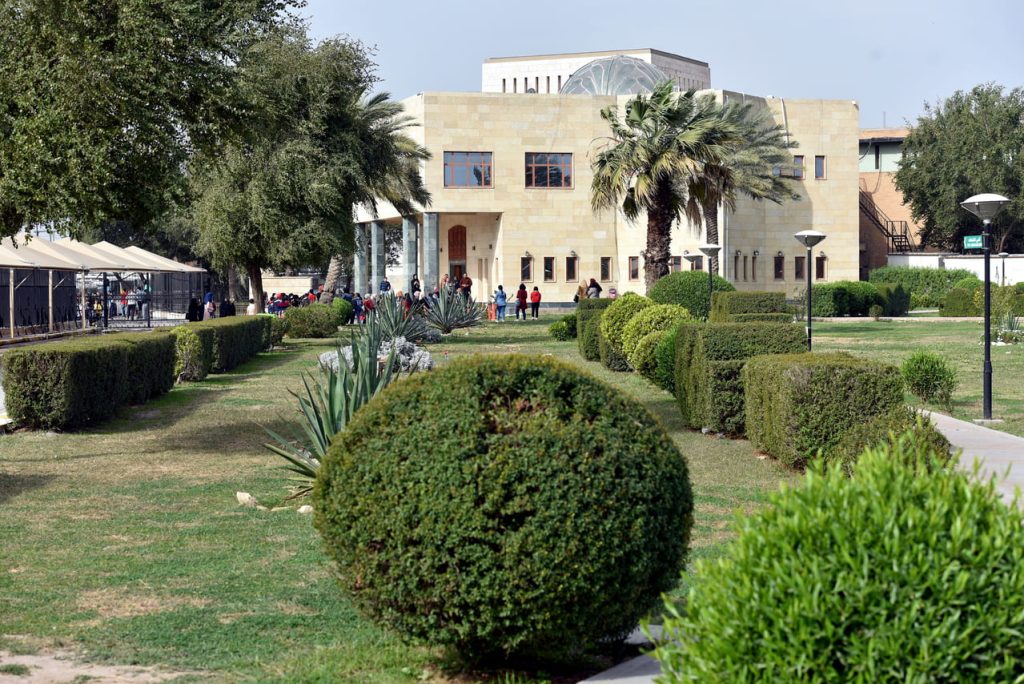
The Iraq Museum takes you deep into the civilizations that shaped early human history. You see objects from Sumer, Akkad, Babylon, and Assyria, each telling you how ideas about law, writing, architecture, and agriculture developed. As you move through the halls, you understand how ancient cities organized themselves and how their innovations spread outward. Many artifacts show the earliest examples of writing and recorded administration. You also see pieces recovered after years of conflict, reminding you how fragile and important cultural heritage can be. The museum helps you understand how foundational Mesopotamia is to global history.
5. The Egyptian Museum, Cairo
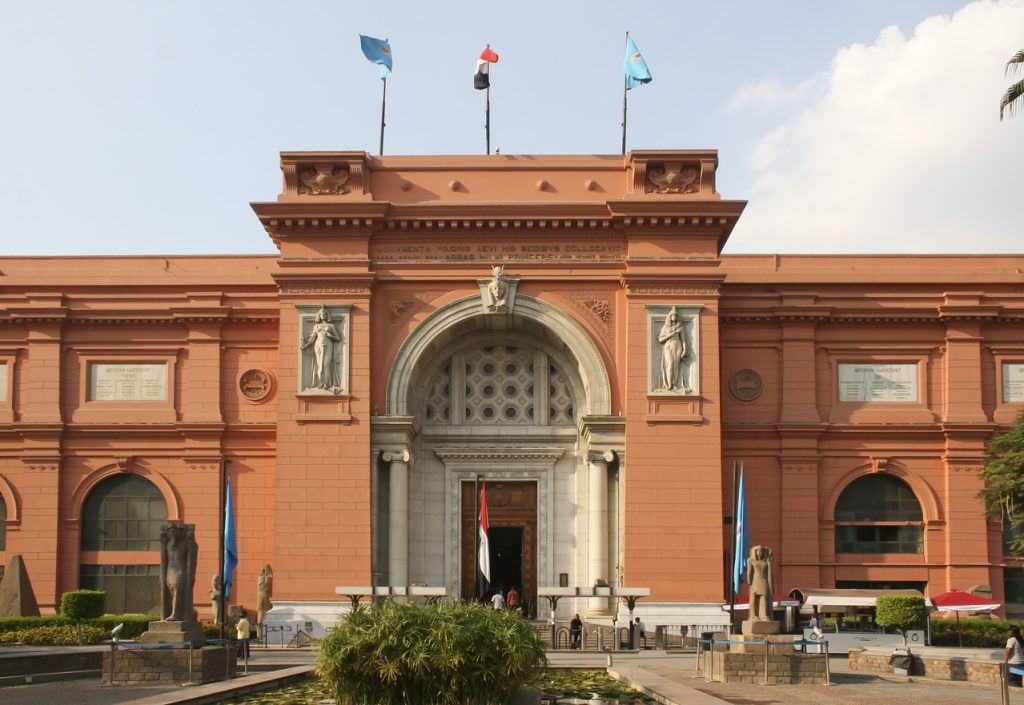
When you enter the Egyptian Museum, you immediately see how deeply preserved the ancient world can be. You move through rooms filled with statues, sarcophagi, tools, jewelry, and everyday items that reveal how people approached life, death, and belief. The museum’s strength is how it shows the development of craftsmanship and symbolism across long stretches of time. You notice how materials, artistic styles, and burial practices changed as different dynasties rose and fell. As you study objects from workshops, temples, and households, you begin to see how closely religion and daily life were tied within this society.
6. Louvre Abu Dhabi, Abu Dhabi
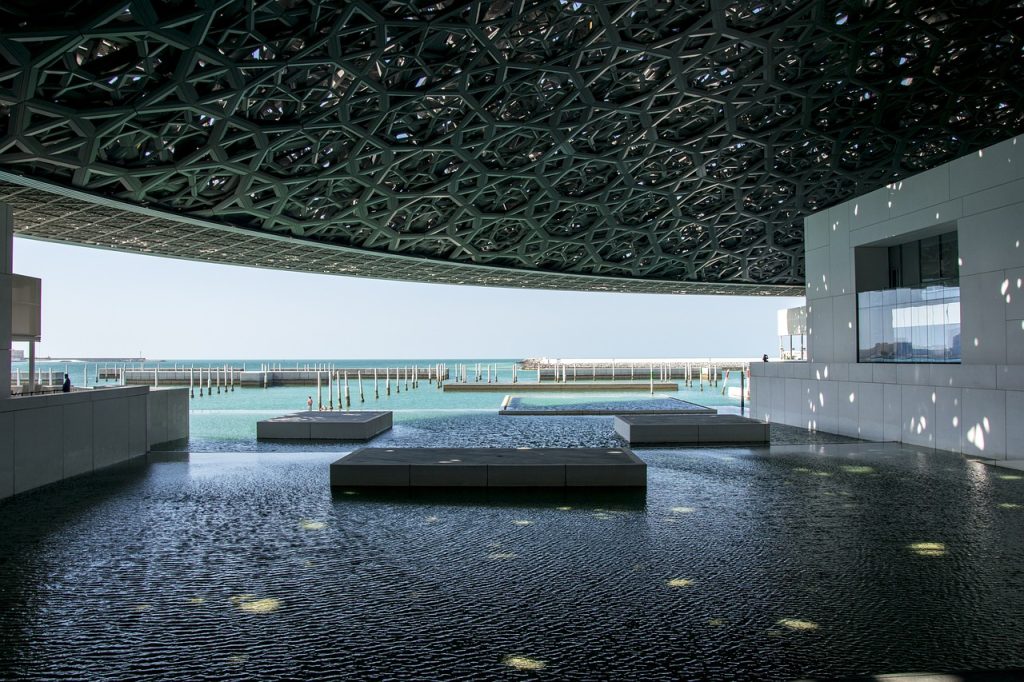
At Louvre Abu Dhabi, you experience a museum designed to help you trace shared human stories across cultures. As you walk through the galleries, you see connections between Middle Eastern, Asian, African, and European traditions. The displays focus on themes like belief, trade, governance, and creativity rather than rigid timelines, helping you understand how ideas influenced one another. You also see objects from the region’s long relationship with global networks. The building’s design creates a shifting pattern of light that encourages you to slow down as you move from one era to the next.
7. The Jordan Museum, Amman
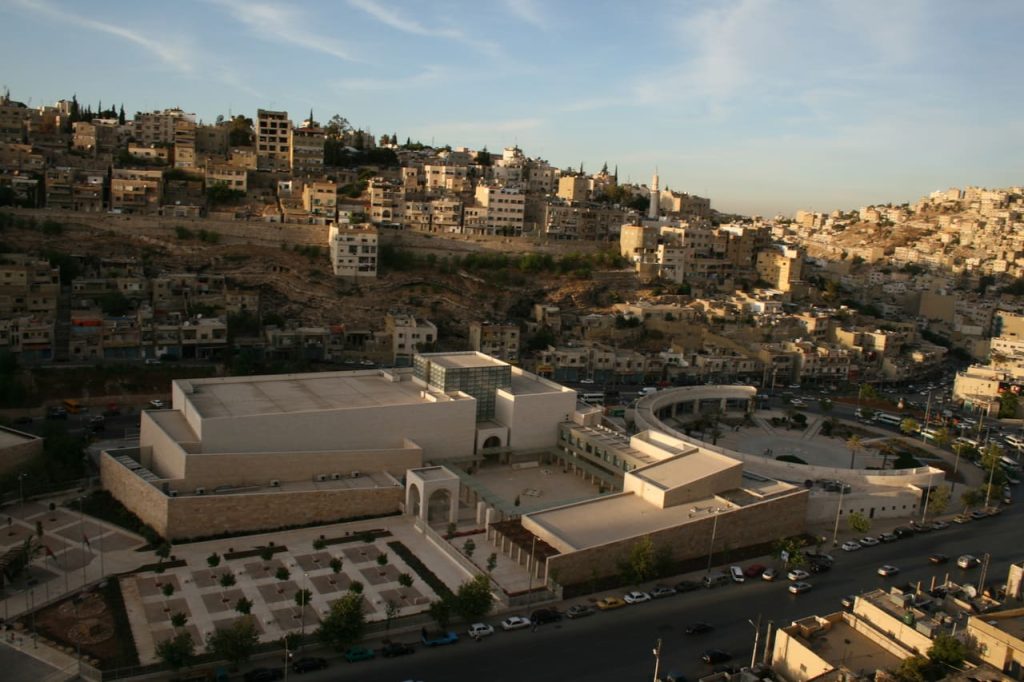
The Jordan Museum gives you a clear view of how ancient communities adapted to the region’s landscapes and changing political worlds. You see artifacts from prehistoric settlements, Nabataean trade routes, and early Islamic periods that show how people organized their societies. The museum’s Dead Sea Scrolls display helps you understand how texts shaped belief and scholarship. As you move through each section, you notice how craftsmanship, agriculture, and trade influenced one another. The galleries highlight daily tools, ceremonial items, and architectural fragments that place you directly inside centuries of shifting cultures.
8. Bahrain National Museum, Manama

Bahrain National Museum helps you understand how island life shaped the region’s traditions. You follow the story of ancient Dilmun, a powerful trading hub that connected civilizations through maritime routes. The exhibits show you burial mounds, pottery, seals, and tools that outline how people lived within these networks. You also see how pearl diving shaped the area’s modern history. When you move through the halls, you notice how trade, environment, and craftsmanship developed together. The museum presents these eras in a clear timeline that makes it easy for you to understand how each layer of history formed.
9. Museum of the Future, Dubai
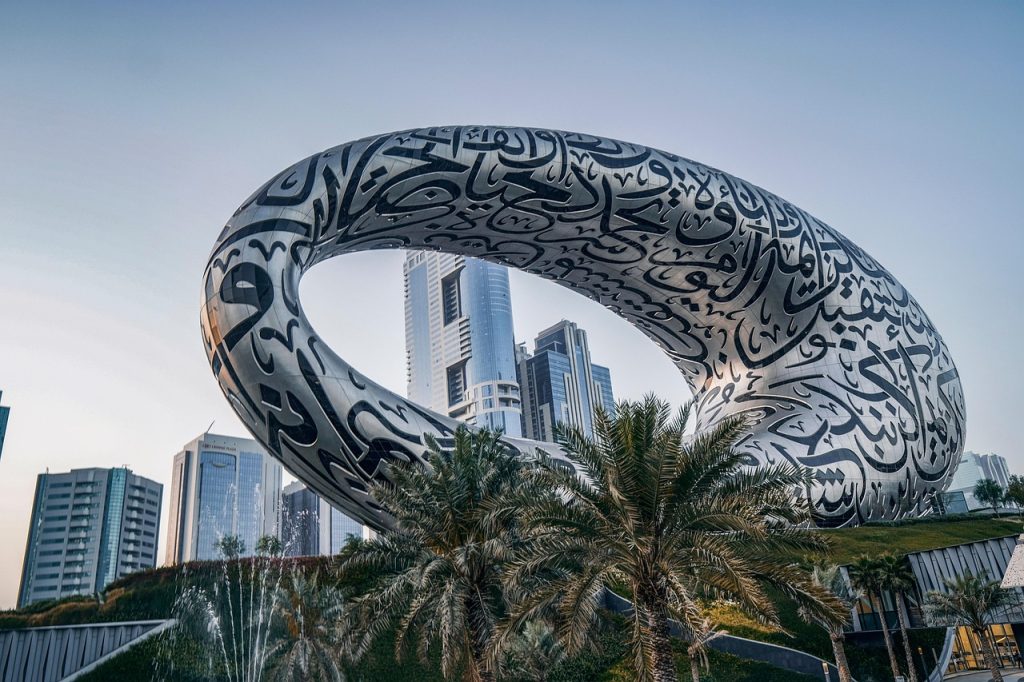
You enter the Museum of the Future expecting a focus on technology, but you soon see how deeply it draws from regional scientific traditions. The museum’s installations show you how past discoveries in mathematics, astronomy, navigation, and engineering shaped global knowledge. As you move through interactive environments, you understand how earlier breakthroughs still inform current innovation. The space encourages you to think about how cultural memory guides new ideas. You also see how the region’s history of exploration and trade supported scientific development. The museum gives you a direct sense of continuity between past and present.
10. Istanbul Archaeology Museums, Istanbul

As you walk through the Istanbul Archaeology Museums, you realize how many civilizations shaped the region across thousands of years. You see artifacts from Anatolia, Mesopotamia, the Balkans, and the eastern Mediterranean, each telling you how empires rose, interacted, and declined. The collections include sarcophagi, inscriptions, sculptures, and everyday tools that help you understand how people lived within these shifting worlds. You notice how trade, conflict, and diplomacy influenced the designs of objects. The museum’s broad scope helps you connect different eras and recognize how closely linked regional histories truly are.
11. Museum of Moroccan Judaism, Casablanca
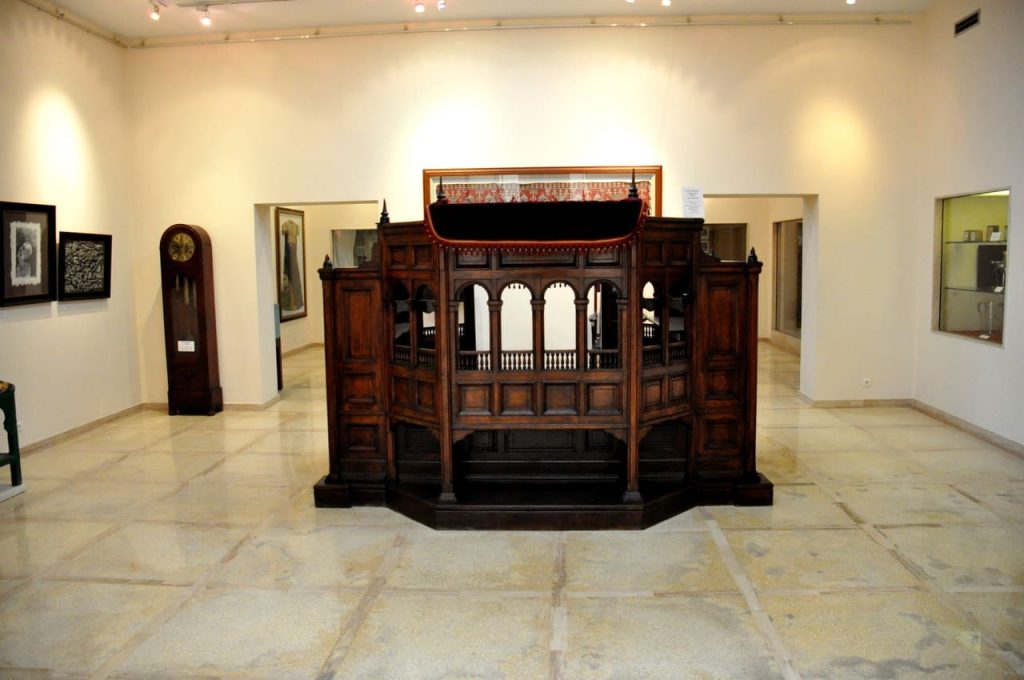
When you visit the Museum of Moroccan Judaism, you see how a long-standing community shaped the region’s cultural and social life. You follow displays of textiles, metalwork, religious objects, and archival documents that show how families recorded their traditions across centuries. The museum helps you understand how neighborhoods, trade routes, and local customs shaped daily life for Jewish communities within a wider Moroccan setting. You also see how language, music, and craftsmanship blended with surrounding cultures while keeping distinct practices alive. As you move through the galleries, you get a clear sense of continuity, resilience, and shared history.