11 National Park Outskirts Like Big Bend’s Terlingua, TX, for Hype-Free Havens
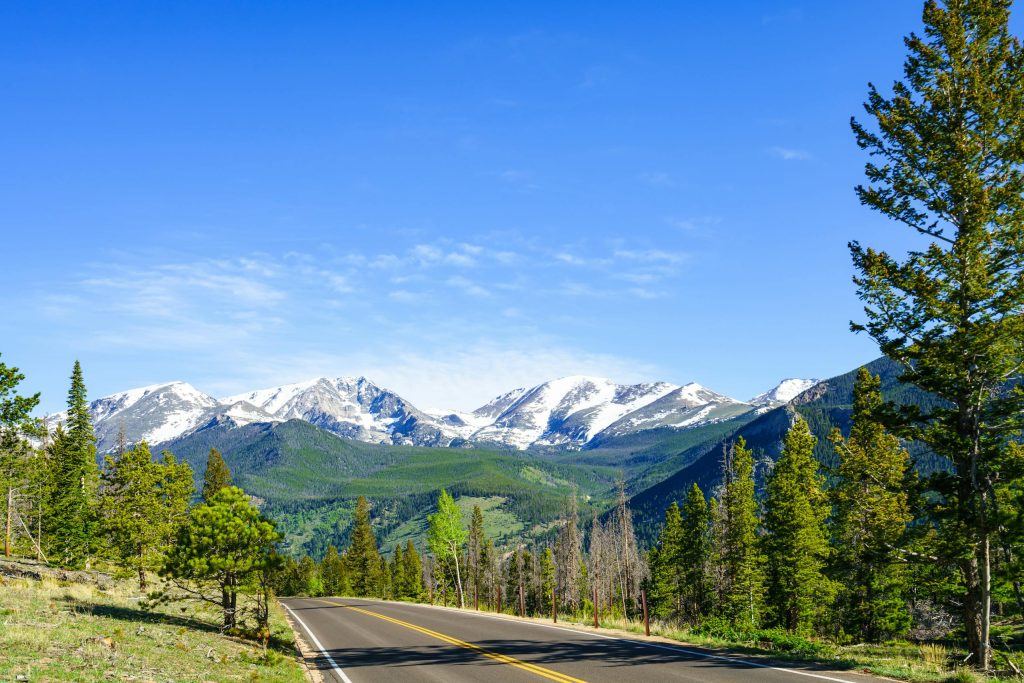
Land management experts and regional travel historians often note that a national park experience is frequently defined by its gateway communities. While park interiors offer regulated natural beauty, the outskirts provide an unfiltered look at the intersection of wilderness and local culture. According to hospitality researchers, savvy travelers increasingly seek these fringe locations for their geological grandeur and lack of restrictive crowds.
Professional park rangers explain that these outskirts serve as vital buffers that preserve the frontier spirit. In places like Terlingua, the proximity to Big Bend allows for a seamless transition between rugged exploration and community life. Choosing locations that prioritize heritage over hype allows visitors to engage with the landscape on a more personal level.
Terlingua, Texas
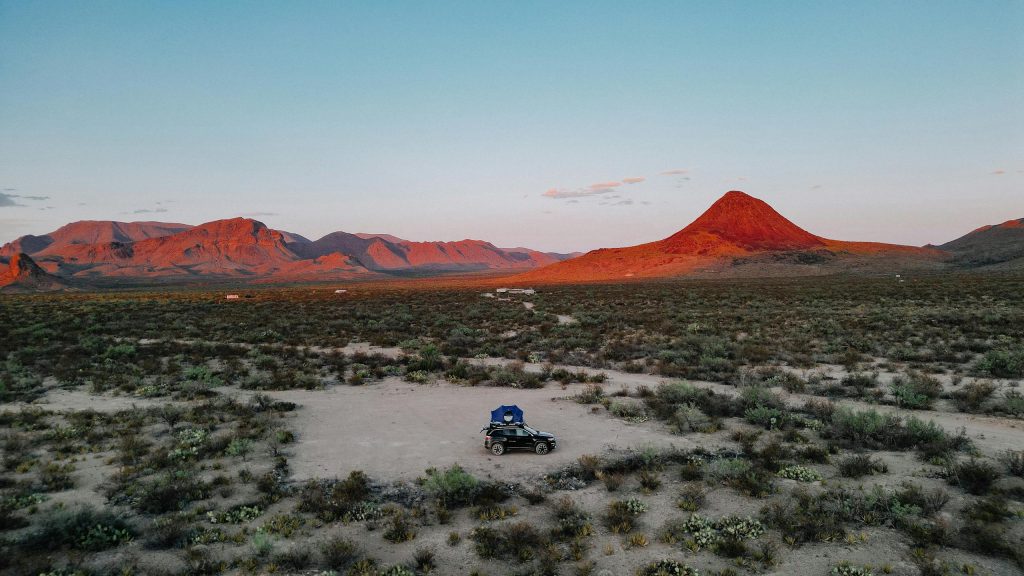
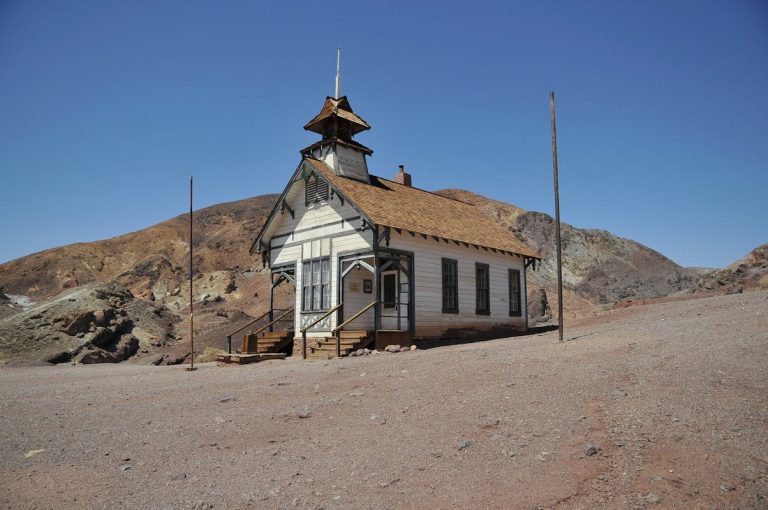
Geologists and desert historians frequently cite Terlingua as the quintessential example of an outskirt community that has retained its soul. Situated on the edge of Big Bend National Park, this former mercury mining town is now a world-famous ghost town that serves as a sanctuary for artists and desert dwellers. According to regional tourism experts, the lack of modern infrastructure like chain hotels and paved parking lots preserves the stark, quiet beauty of the Chihuahuan Desert. The crumbling stone ruins of the mining era provide a dramatic foreground for the distant Chisos Mountains, creating a visual narrative of resilience.
Local guides and outfitters note that Terlingua offers a degree of freedom rarely found inside park boundaries. The town is famous for its sunset views from the local porch, where the community gathers to watch the light change over the desert floor. Culinary experts also highlight the local food scene, which focuses on hearty, spice-forward dishes that reflect the borderland culture. It is a place where the air is dry, the stars are incredibly bright, and the primary demand is simply to appreciate the vastness of the West Texas landscape.
Mariposa, California
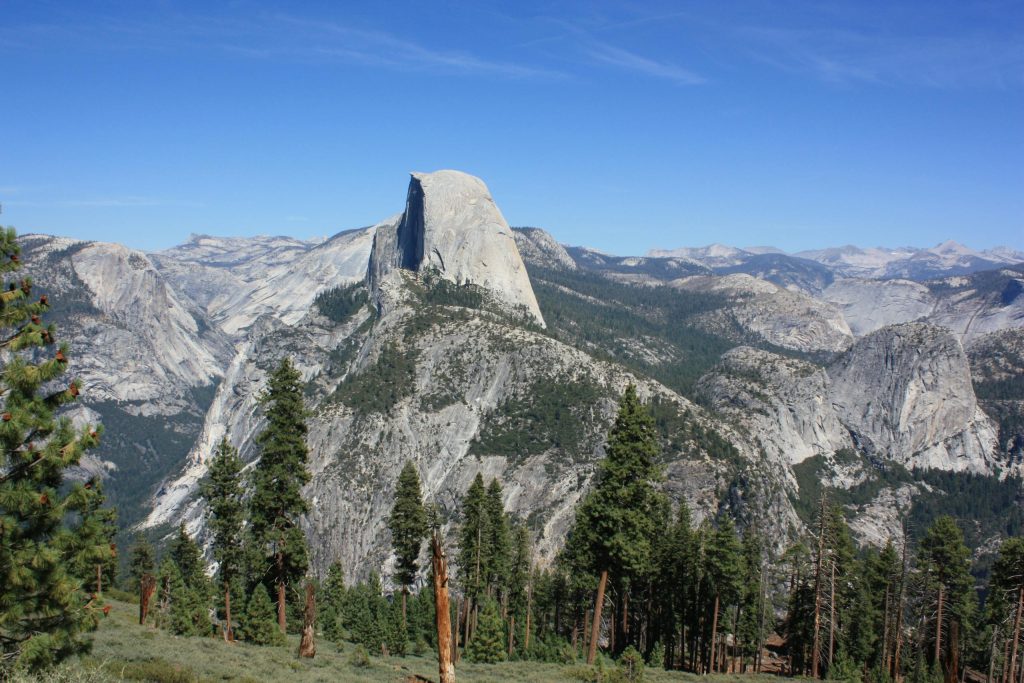
Forestry experts and California historians often recommend Mariposa as a balanced alternative to the high-density lodging found inside Yosemite National Park. Located in the foothills of the Sierra Nevada, Mariposa maintains its Gold Rush heritage through its well-preserved downtown and historic courthouse. According to urban planners, the town’s layout encourages slow exploration of its local shops and museums, providing a cultural context that enriches a trip to the nearby granite peaks. The seasonal shift in the foothills brings a lush greenness in the spring and a crisp, quiet atmosphere in the winter months.
Regional travel consultants explain that staying in Mariposa allows for a more flexible itinerary, as the town provides easy access to the park’s Arch Rock entrance while offering a wider variety of dining and social spaces. The local residents take great pride in their history, and visitors often find that the town’s museums offer a deeper understanding of the mining and logging industries that shaped the region. It is a haven for those who want to see the famous waterfalls of Yosemite but prefer to return to a town with its own distinct, unhurried identity.
Medora, North Dakota

Wildlife biologists and Great Plains historians point to Medora as a vital gateway to the South Unit of Theodore Roosevelt National Park. Set within the rugged beauty of the North Dakota Badlands, the town is designed to evoke the spirit of the 1880s when Roosevelt himself ranched in the area. According to state tourism officials, the town’s commitment to historical accuracy and western hospitality creates a welcoming environment that feels isolated from the stresses of modern city life. The surrounding buttes and canyons provide a silent, powerful backdrop that invites contemplative walks.
Local experts often highlight the Medora Musical and the local steak fondue as cultural staples that celebrate the regional heritage. However, the true appeal of the town in the off-season or early morning is the profound silence of the prairie. The proximity to the park means that bison and wild horses are frequently seen near the town edges, blurring the lines between the community and the wild. Medora is a place where the history of conservation is tangible, offering a hype-free sanctuary for those who appreciate the stark elegance of the high plains.
Springdale, Utah
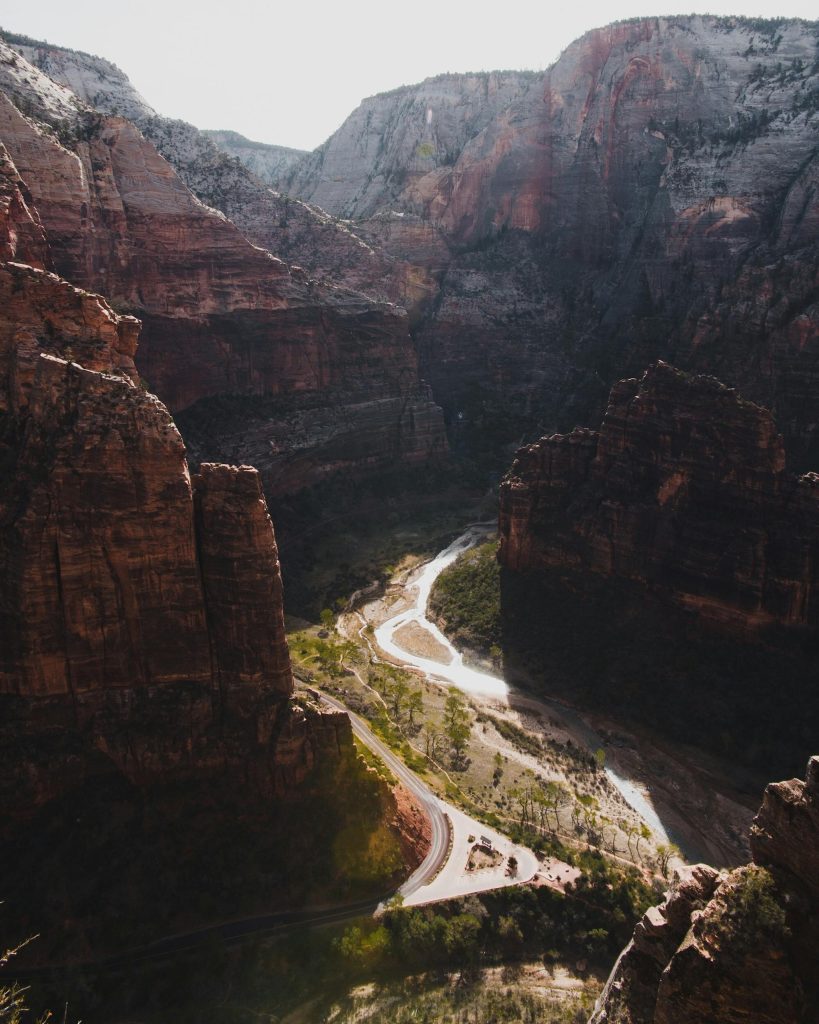
Geologists and park rangers often discuss Springdale as a unique example of a town that is physically hemmed in by the towering sandstone walls of Zion National Park. Because the town is located at the mouth of Zion Canyon, the landscape is inherently dramatic, with red rock formations visible from every street corner. According to environmental planners, Springdale has managed its growth carefully to maintain a pedestrian-friendly atmosphere that minimizes the impact of vehicle traffic. The local architecture often incorporates natural stone and desert tones, allowing the buildings to blend into the canyon walls.
Travel writers focusing on the Southwest note that Springdale’s culinary and art scenes are surprisingly sophisticated for such a small community. The town serves as a hub for photographers and hikers who appreciate the soft morning light on the Virgin River. While the park itself can be busy, the side streets and garden patios of Springdale offer pockets of tranquility. It is an ideal spot for those who want to be steps away from the world-famous trails of Zion while enjoying the comforts of a thoughtful, well-integrated community.
West Glacier, Montana

Ecologists and mountain guides describe West Glacier as a quiet, forested outpost that provides the most direct access to the Going-to-the-Sun Road in Glacier National Park. The town is nestled among towering hemlocks and cedars, creating a cool, shaded environment even in the height of summer. According to regional historians, the town’s origins as a railroad stop are still visible in its classic lodge-style architecture and the steady presence of the Great Northern Railway. The nearby waters of Lake McDonald offer a stunningly clear reflection of the surrounding peaks.
Professional outfitters in the area emphasize that West Glacier is the perfect staging ground for river rafting and backcountry expeditions. The community is small and focused on the outdoors, with a lack of the commercial sprawl found in larger gateway cities. During the winter, the town becomes even quieter, serving as a base for cross-country skiers and snowshoers who value the solitude of the northern Rockies. West Glacier provides a sense of being on the edge of a vast, untouched wilderness, making it a premier destination for serious nature lovers.
Gatlinburg, Tennessee

While parts of this town are known for being busy, regional historians and park experts suggest that the outskirts of Gatlinburg offer a very different experience of the Great Smoky Mountains. By moving away from the main strip and toward the historic Arts and Crafts Community, visitors find a world of quiet studios and woodsmoke-filled valleys. According to cultural researchers, this eight-mile loop is the largest independent artisan group in the country, offering a look at traditional Appalachian mountain crafts that predates the modern tourism boom.
Local park officials note that the proximity to the Roaring Fork Motor Nature Trail allows for easy access to old-growth forests and historic homesteads. The higher elevation outskirts of the town provide breathtaking views of the mist-covered peaks that give the Smokies their name. Staying in a cabin on the fringe of the town allows for a restful retreat where the sound of mountain streams replaces the noise of traffic. It is a location that offers both the convenience of a mountain resort and the profound peace of an ancient forest.
Grand Lake, Colorado
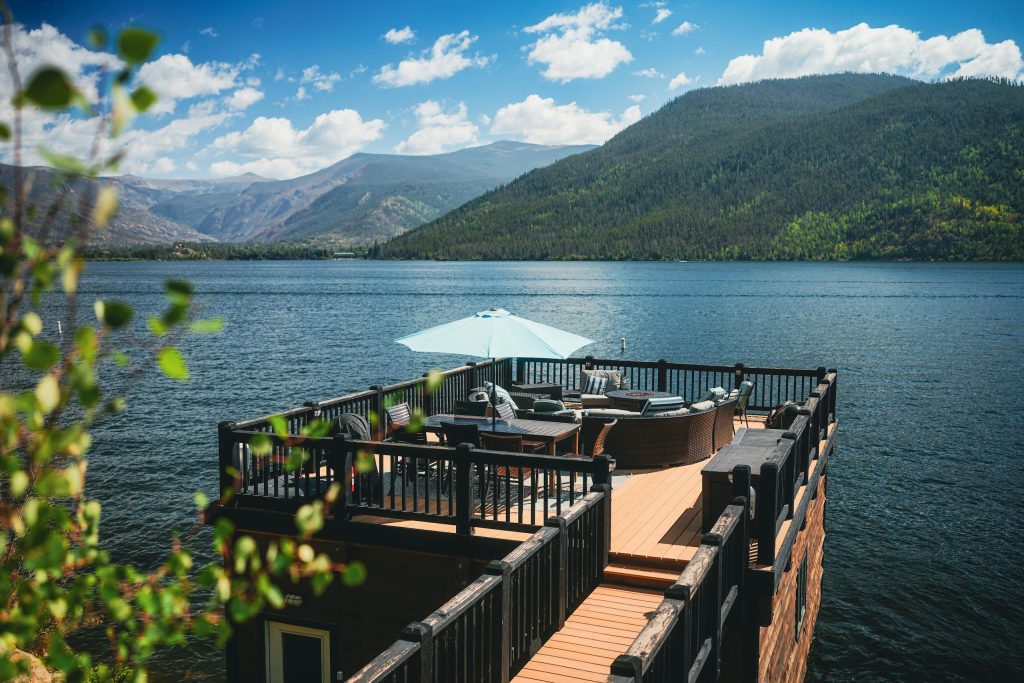
Hydrologists and Rocky Mountain experts often favor Grand Lake as a more serene alternative to the bustling eastern entrance of Rocky Mountain National Park. Located on the shores of the state’s deepest natural lake, the town offers a waterfront experience that is rare in the high mountains. According to park rangers, the western side of the park is often less crowded, providing a more intimate connection with the alpine tundra and the headwaters of the Colorado River. The town’s boardwalks and rustic cabins maintain a classic mountain feel that has remained largely unchanged for decades.
Local historians explain that Grand Lake has a long history as a summer retreat, but its winter identity is equally compelling as a hub for snowmobiling and ice fishing. The town is surrounded by public lands, offering endless opportunities for exploration outside of the park boundaries. The lack of major highway traffic through the town contributes to its quiet, secluded atmosphere. It is a haven for those who want the full grandeur of the Rockies without the high-energy pace of the more famous resort towns.
Bar Harbor, Maine

Maritime historians and coastal ecologists often highlight Bar Harbor as a town that perfectly balances its seafaring roots with its role as the gateway to Acadia National Park. While the town center can be lively, the outskirts near the rocky shorelines provide a sense of rugged isolation. According to regional tourism experts, the architectural heritage of the “Great Camps” and shingle-style cottages reflects a deep appreciation for the Maine landscape. The sight of lobster boats in the harbor and the smell of salt air create a sensory experience that is inherently grounding.
Professional guides in Acadia suggest that staying on the edges of Bar Harbor allows for easier access to the less-traveled parts of Mount Desert Island. The carriage roads and granite peaks are just a short distance away, offering world-class hiking and biking. In the shoulder seasons, the town returns to a quiet, local rhythm that is ideal for those who want to experience the Maine coast in its most authentic state. Bar Harbor is a place where the forest meets the sea, providing a diverse and hype-free environment for exploration.
Twentynine Palms, California

Desert ecologists and military historians often point to Twentynine Palms as a vital and unpretentious gateway to Joshua Tree National Park. Known for its murals and its proximity to the Marine Corps Air Ground Combat Center, the town has a sturdy, hardworking character that contrasts with the more stylized atmosphere of nearby desert communities. According to park officials, the North Entrance located here often sees fewer queues, providing a faster route into the heart of the Mojave. The town is famous for its namesake oasis, which has supported life in the desert for centuries.
Local artists and astronomers emphasize that Twentynine Palms offers some of the best stargazing in the region due to its commitment to dark sky preservation. The town’s inns and vacation rentals often feature expansive desert views and a sense of privacy that is perfect for a quiet retreat. The local culture is a blend of military discipline and creative freedom, resulting in a community that is both welcoming and respectful of personal space. It is an ideal spot for those who want to experience the surreal beauty of Joshua Tree without the festival crowds.
Port Angeles, Washington
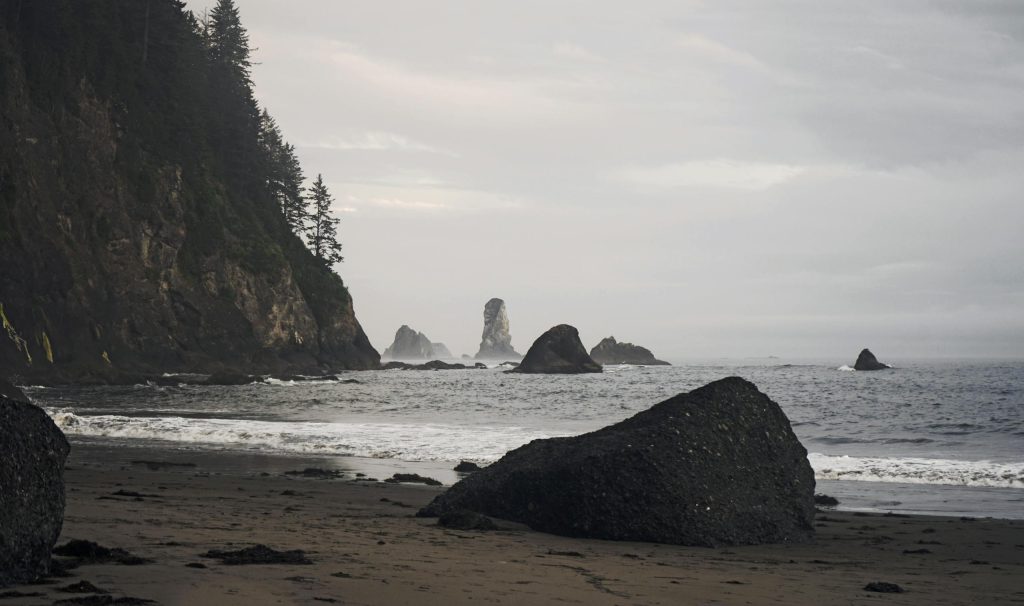
Naval historians and Pacific Northwest experts describe Port Angeles as a rugged, functional seaport that serves as the primary gateway to Olympic National Park. The town is uniquely positioned between the Strait of Juan de Fuca and the snow-capped Olympic Mountains. According to urban planners, the town’s waterfront and historic downtown offer a grounded, maritime atmosphere that reflects the regional industries of fishing and timber. The proximity to Hurricane Ridge allows visitors to travel from sea level to alpine meadows in a matter of minutes.
Local park rangers often recommend Port Angeles as a base for exploring the diverse ecosystems of the Olympic Peninsula, from the temperate rainforests to the rugged coastline. The town’s culinary scene highlights fresh seafood and local produce, providing a sophisticated but unpretentious dining experience. Because it is a working port, the town maintains a steady, year-round life that is not solely dependent on tourism. Port Angeles is a haven for those who appreciate the raw, misty beauty of the Northwest and want a base that feels authentic and capable.
Tusayan, Arizona
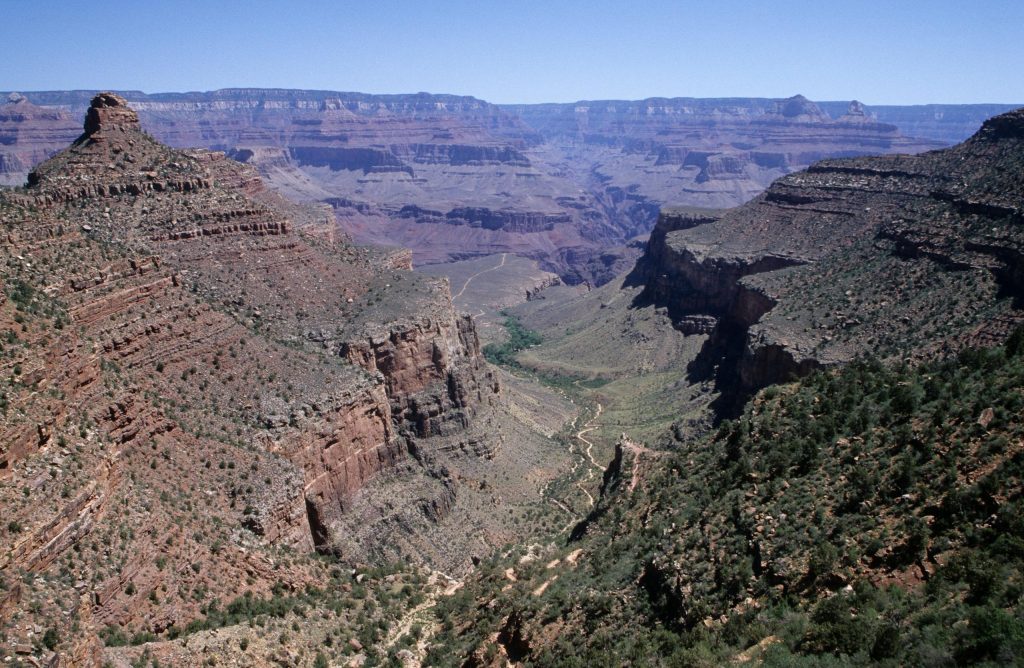
Aviation historians and park specialists often overlook Tusayan, but it serves as a critical and highly efficient outskirt to the South Rim of the Grand Canyon. Located just outside the park gates, this small community was built specifically to support the needs of canyon visitors. According to regional planners, the town’s compact layout and shuttle system help reduce the environmental impact on the canyon itself. The local airport has a long history of providing aerial tours, offering a unique perspective on one of the world’s most famous geological wonders.
Local experts point out that while Tusayan is focused on service, it also offers a sense of shared excitement among travelers from around the world. The town provides a variety of lodging and dining options that are often more accessible than those inside the park. Staying in Tusayan allows for early morning arrivals at the rim to catch the sunrise without the long drive from larger cities. It is a functional and hype-free gateway that prioritizes the canyon experience above all else, making it a strategic choice for serious explorers.