11 National Parks Charging Extra Fees for Non-U.S. Residents in 2026
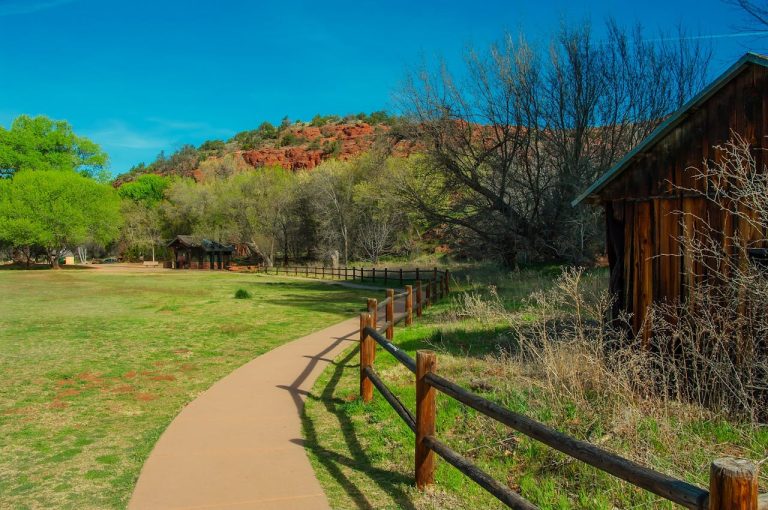
National parks across the United States continue to attract millions of travelers from around the world, offering landscapes that range from soaring mountains to deep canyons and lush forests. As international tourism rebounds, several parks are updating entrance fee policies to support infrastructure, maintain environmental protections, and manage the growing pressures placed on visitor services. Beginning in 2026, a group of parks will implement additional charges for non-U.S. residents, reflecting a broader effort to balance increasing global interest with rising operational costs. These adjustments are meant to preserve trails, expand essential facilities, and ensure that heavily visited ecosystems remain protected for future generations. While the policy changes may spark debate, they highlight the realities faced by park managers who must safeguard natural wonders while accommodating record-setting demand. Understanding which parks are adding fees and why these changes are occurring provides helpful insight into how conservation, tourism, and resource management continue to evolve in a dynamic travel landscape.
Yellowstone National Park
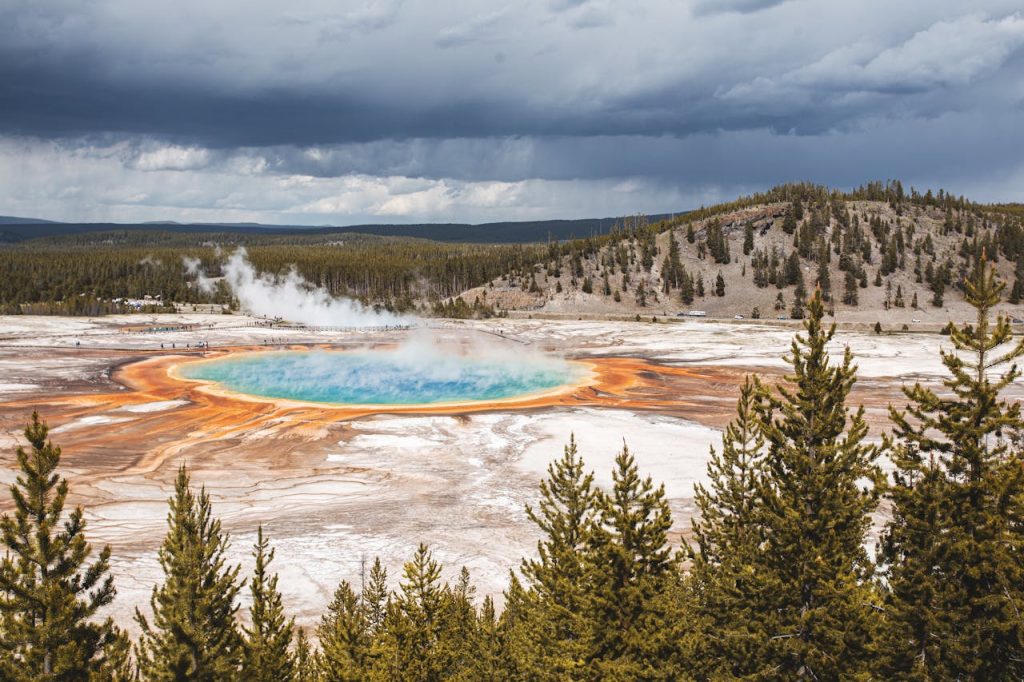
Yellowstone National Park will introduce an increased fee for non-U.S. residents in 2026 as part of an effort to manage record visitation and address maintenance backlogs across its vast geothermal landscapes. The park’s popularity with global travelers places significant demand on roads, boardwalks, and wildlife viewing areas that require ongoing care. Officials note that international tourism contributes heavily to seasonal congestion, prompting a reevaluation of how access fees can support operational costs. The updated structure aims to ensure tourists from abroad help fund trail repairs, facility upgrades, and habitat protections needed to preserve Yellowstone’s fragile ecosystems. While domestic fees will remain stable, the change reflects an effort to align visitor contributions with rising management expenses. As international interest continues to grow, this new policy will help Yellowstone maintain a balance between welcoming travelers and protecting the park’s unique natural features.
Grand Canyon National Park
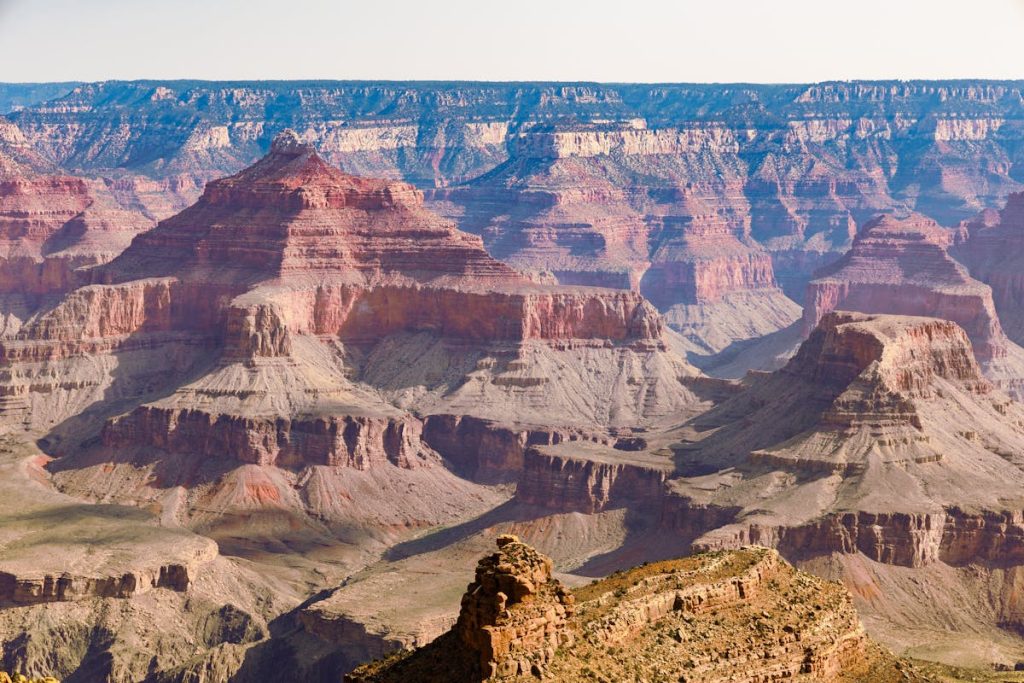
Grand Canyon National Park will add an extra charge for international visitors beginning in 2026 to help support preservation efforts along one of the most iconic landscapes in the country. With millions of travelers arriving annually, the canyon’s viewpoints, shuttle routes, lodging areas, and backcountry zones experience constant wear that requires ongoing restoration. Park officials have stated that increased resource use by global tourists warrants a fee structure that reflects the cost of maintaining trails, stabilizing erosion-prone areas, and improving visitor services. The adjustment also assists long-term planning for transportation systems designed to reduce crowding at peak sites. The new charge recognizes the global draw of the Grand Canyon while helping fund conservation work essential to sustaining the vast geological formations that captivate visitors from every continent.
Yosemite National Park
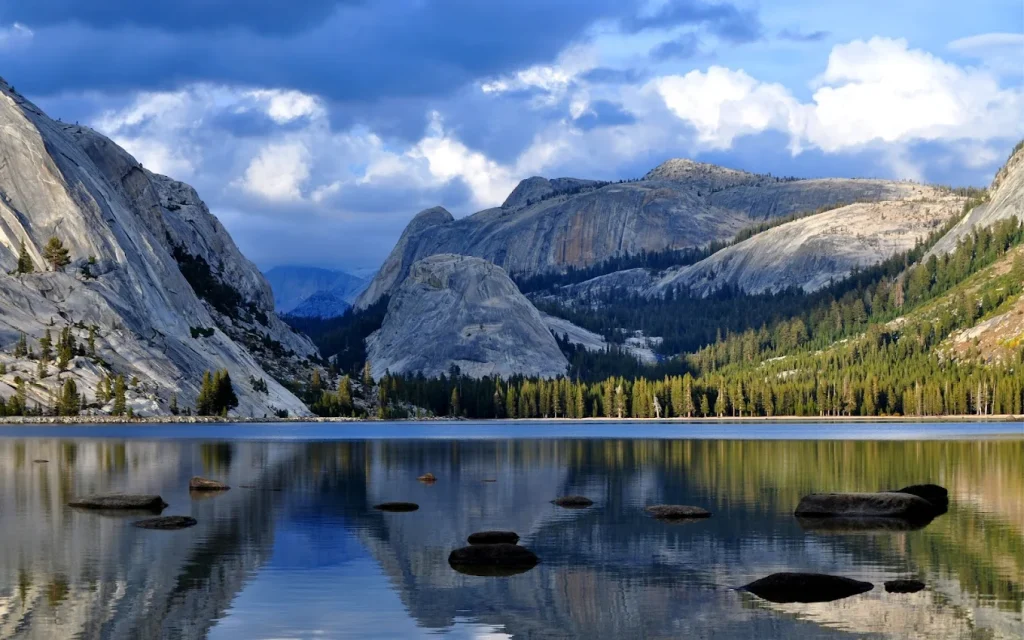
Yosemite National Park will introduce additional fees for nonresidents to support infrastructure improvements across its high-traffic valleys, waterfalls, and granite cliffs. The park’s international reputation draws steady visitation throughout the year, creating challenges for campground maintenance, roadway repairs, and shuttle operations. Park officials note that increased costs associated with managing rising international tourism require financial adjustments that help maintain natural resources while ensuring a safe and enjoyable experience for all. The added fee will contribute to trail maintenance around iconic landmarks such as Half Dome and Yosemite Falls, while also backing habitat restoration efforts affecting wildlife corridors throughout the park. Yosemite’s updated fee structure reflects a broader movement to strengthen conservation funding as visitor numbers continue to grow.
Zion National Park
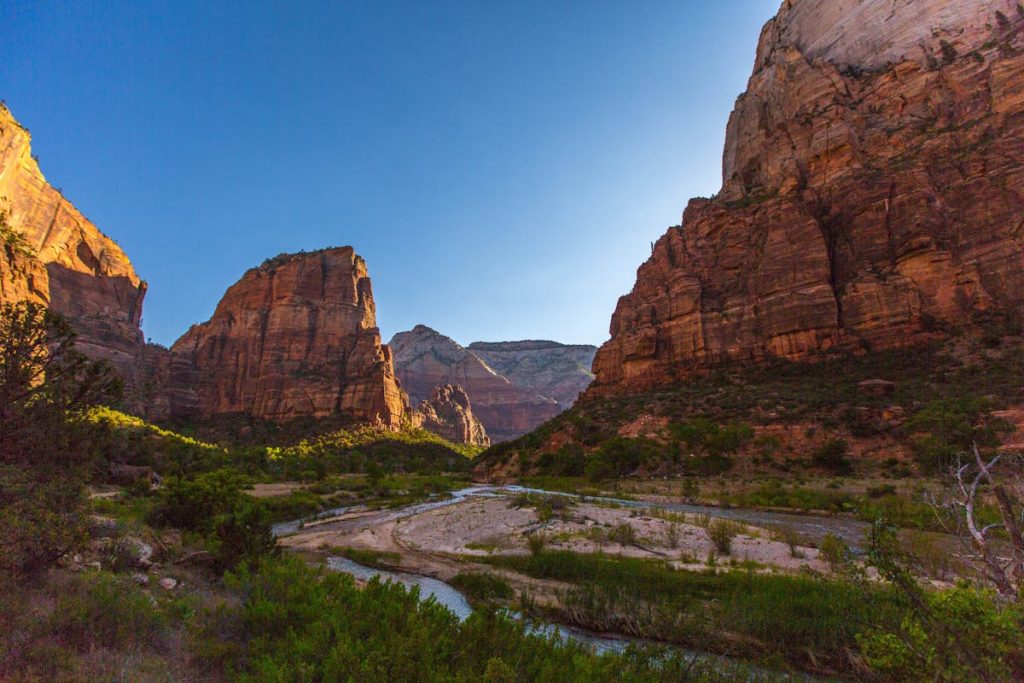
Zion National Park will implement an extra charge for international visitors as part of a plan to ease pressure on its narrow canyon trails and shuttle-dependent transportation system. The park has experienced rapid growth in global tourism, particularly along routes such as Angels Landing and the Narrows, where increased foot traffic contributes to soil erosion and strain on safety infrastructure. By adjusting fees for travelers arriving from abroad, Zion aims to secure additional funds for trail reinforcement, visitor education programs, and shuttle system efficiency. Officials emphasize that the policy is designed to improve overall visitor flow while protecting fragile sandstone formations susceptible to environmental stress. The updated fees will help ensure that future travelers can safely enjoy the park’s dramatic canyon landscapes.
Glacier National Park
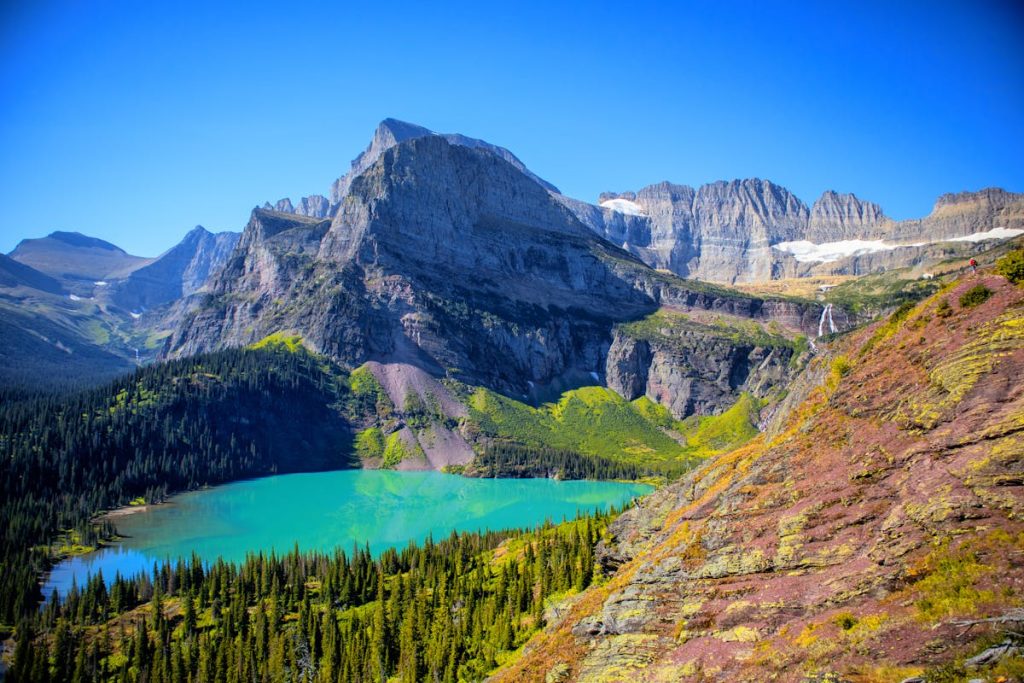
Glacier National Park will introduce higher nonresident fees in 2026 to help maintain critical areas affected by heavy international visitation, particularly during peak summer months. The park’s Going-to-the-Sun Road, historic chalets, and alpine lakes require ongoing repair as increased use accelerates natural wear on infrastructure. Global interest continues to rise as travelers seek access to Glacier’s retreating ice fields and scenic mountain terrain, placing added responsibility on maintenance teams. The new fee structure intends to support restoration projects, trail protection measures, and climate resilience efforts within the park. Glacier’s leadership views the policy shift as essential to safeguarding delicate ecosystems that face pressure from both environmental change and increased global tourism.
Acadia National Park
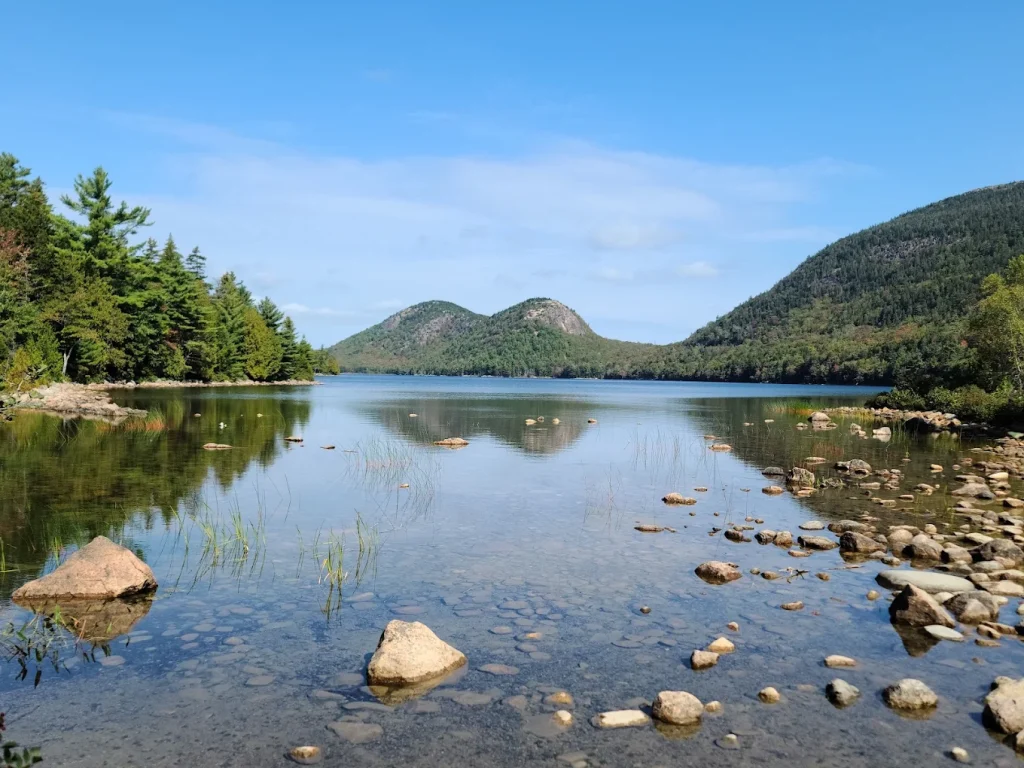
Acadia National Park will adjust its fee structure to include an additional charge for international visitors in 2026, helping to address the intense seasonal use that impacts its coastal trails, carriage roads, and mountain viewpoints. The park’s popularity with travelers from abroad has surged as global audiences discover its rocky shores, historic bridges, and vibrant fall foliage. The added revenue will assist with managing vehicle congestion around Cadillac Mountain, reinforcing frequently traveled hiking routes, and updating visitor facilities across Mount Desert Island. Acadia’s decision reflects efforts to ensure that increased international interest contributes to long-term preservation goals and supports sustainable tourism practices that protect the park’s unique maritime ecosystems.
Rocky Mountain National Park
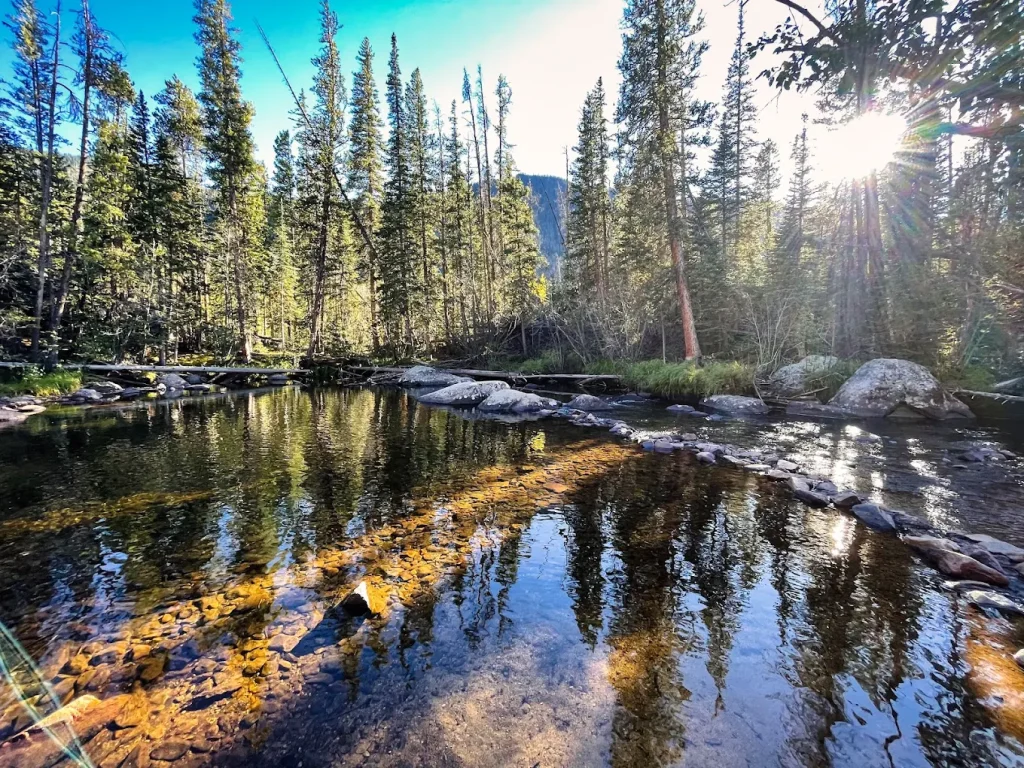
Rocky Mountain National Park will add an extra fee for non-U.S. residents beginning in 2026 to support maintenance and staffing needs associated with rising international visitation. The park’s high-altitude trails, wildlife viewing areas, and scenic drives attract millions of travelers each year, many from outside the United States. Heavy use affects trail surfaces, viewpoint structures, and backcountry zones that require constant upkeep. The updated fee system is intended to bolster funding for ranger operations, resource protection initiatives, and shuttle services that help manage peak-season congestion. By implementing the change, Rocky Mountain National Park aims to preserve its alpine landscapes while enhancing safety and accessibility for all visitors.
Great Smoky Mountains National Park
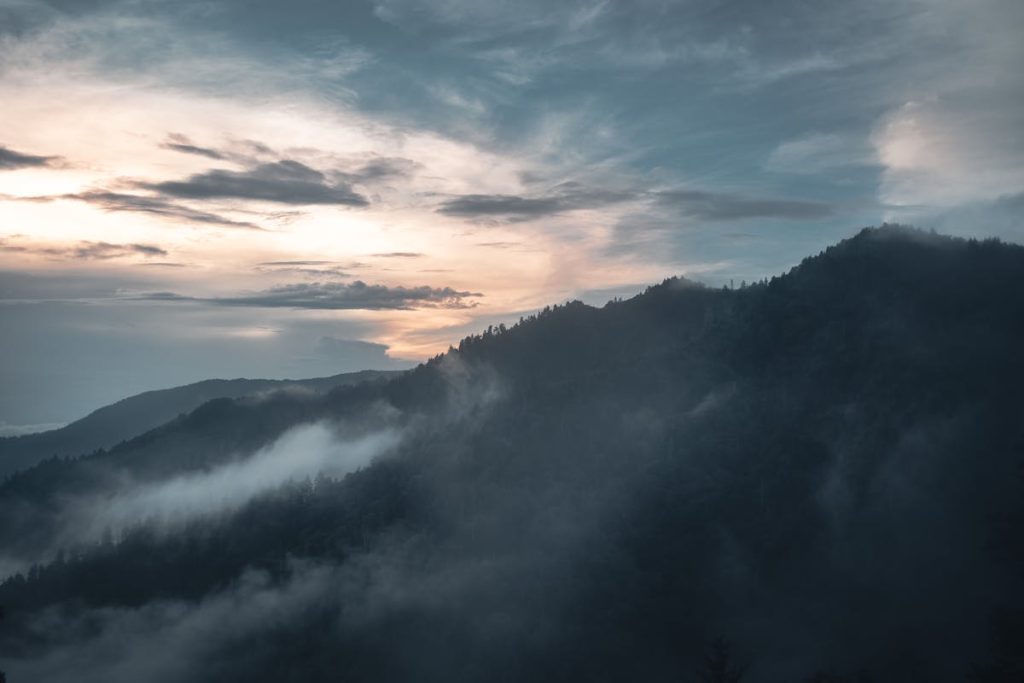
Great Smoky Mountains National Park, already the most visited national park in the country, will introduce new fees for international travelers to help address increased pressures on its extensive trail system and aging infrastructure. The park does not charge a traditional entrance fee, making rising global tourism particularly challenging for funding maintenance projects. Beginning in 2026, non-U.S. residents will pay a supplemental access charge that contributes to roadway repairs, historic building preservation, and trail stabilization throughout the region. The adjustment supports conservation goals in a park known for biodiversity and rich cultural history. Officials state that the new structure ensures visitors from abroad help sustain the resources that make the Smokies a cherished destination.
Olympic National Park

Olympic National Park will begin charging higher fees for nonresidents to support the preservation of its diverse ecosystems, which include alpine meadows, temperate rainforests, and rugged Pacific coastline. International visitors contribute significantly to overall traffic along key routes such as Hurricane Ridge and the Hoh Rain Forest, increasing demand for maintenance and restoration. The updated fee will assist with projects focused on protecting sensitive vegetation, repairing storm-damaged infrastructure, and improving visitor safety in areas prone to seasonal hazards. Park leadership notes that increased contributions from global tourists are necessary to maintain accessibility while ensuring that fragile environments remain healthy amid rising visitation.
Arches National Park

Arches National Park will introduce an added fee for international travelers in 2026 to help manage the growing number of visitors drawn to its sandstone arches and desert scenery. Heavy use around popular formations such as Delicate Arch and Double Arch places pressure on trails, parking areas, and surrounding habitats. The additional revenue from non-U.S. residents will support erosion control, improve crowd management systems, and strengthen efforts to preserve geological features affected by increased foot traffic. Arches officials emphasize that the adjustment reflects an effort to align visitor contributions with the level of resources required to protect a landscape that continues to see record attendance from travelers worldwide.
Bryce Canyon National Park

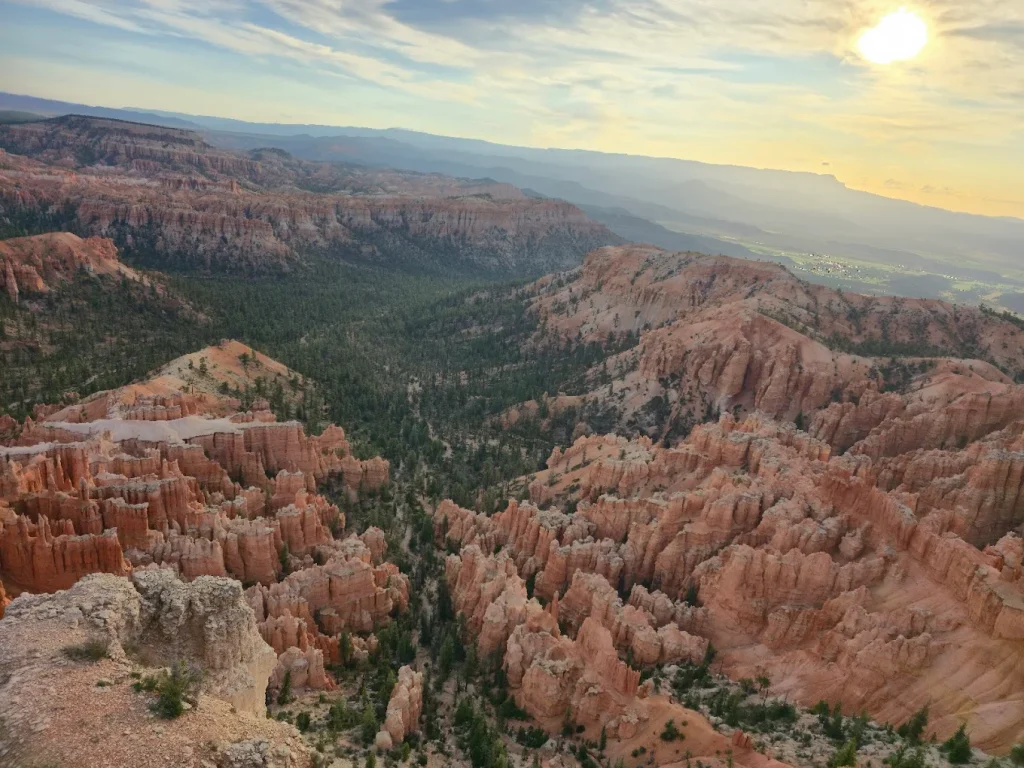
Bryce Canyon National Park will add an extra fee for travelers from abroad as part of a broader initiative to manage rising international interest and protect its distinctive amphitheaters and hoodoo formations. High visitation brings challenges in maintaining viewpoints, reinforcing fragile soil structures, and supporting shuttle and trail systems designed to manage crowd flow. The new fee structure ensures that international guests contribute more directly to the preservation and operational needs of the park. Officials state that the funds will help maintain the quality of visitor experiences while safeguarding the unique geological formations that define Bryce Canyon’s dramatic landscape. The change reflects a long-term approach to balancing global tourism with essential conservation efforts.