11 Off-Grid Campsites in the Western United States
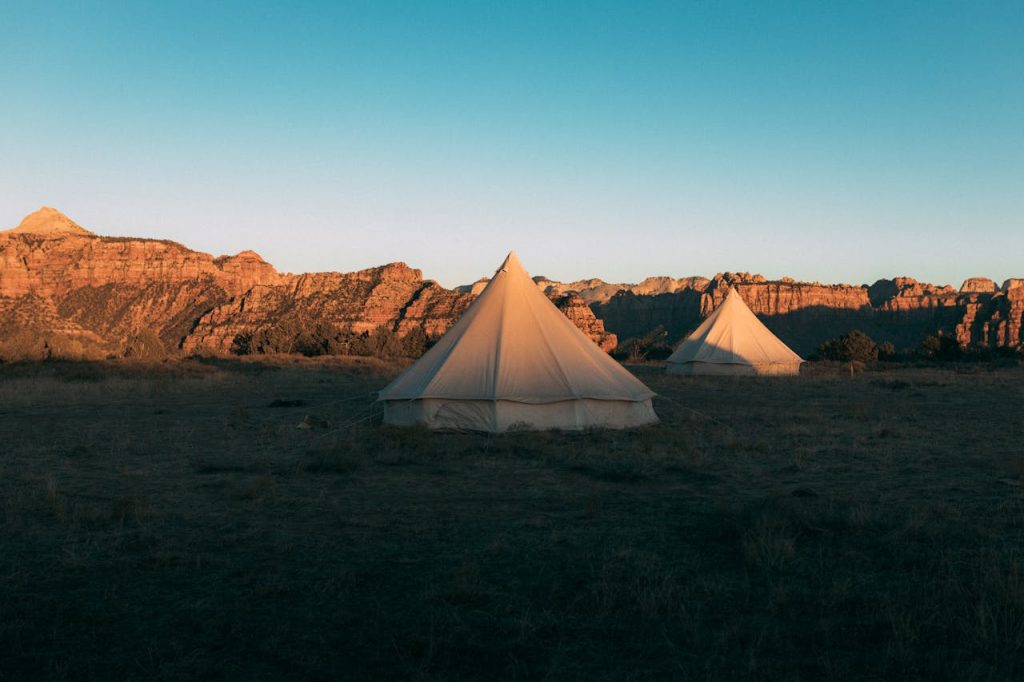
Bureau of Land Management officials and wilderness conservationists report a surging interest in dispersed camping as travelers seek to escape the congestion of developed campgrounds. These experts emphasize that true off-grid experiences require a high degree of self-sufficiency and a commitment to Leave No Trace principles. The shift toward remote public lands reflects a growing desire for solitude and a direct connection with raw landscapes that standard RV parks simply cannot provide.
Land management agencies and veteran overlanders note that the Western United States offers some of the most spectacular primitive camping opportunities in the world. From the high desert plateaus of Utah to the rugged coastlines of California, these sites demand preparation and often high-clearance vehicles. Rangers warn that the lack of amenities like water, electricity, and cell service is the defining feature of these locations, ensuring that only the most dedicated nature enthusiasts venture out to enjoy the silence and star-filled skies.
Alabama Hills In California

Bureau of Land Management stewardship coordinators frequently cite the Alabama Hills as a premier example of accessible yet otherworldly off-grid camping. Located at the base of the Eastern Sierra, this landscape of rounded granite boulders contrasts sharply with the jagged peaks of Mount Whitney rising in the background. Geologists explain that the unique rock formations are the result of millions of years of chemical weathering, creating a natural playground of arches and alcoves that offer privacy and wind protection for tents and vehicles.
Film historians and local guides note that this area has served as a backdrop for hundreds of movies, from classic westerns to modern blockbusters, due to its rugged aesthetic. Conservationists urge visitors to camp only in established dispersed sites to protect the fragile desert vegetation. The absence of designated facilities means campers must pack out all waste, a small price to pay for waking up to the alpenglow illuminating the highest summit in the contiguous United States.
Valley Of The Gods In Utah
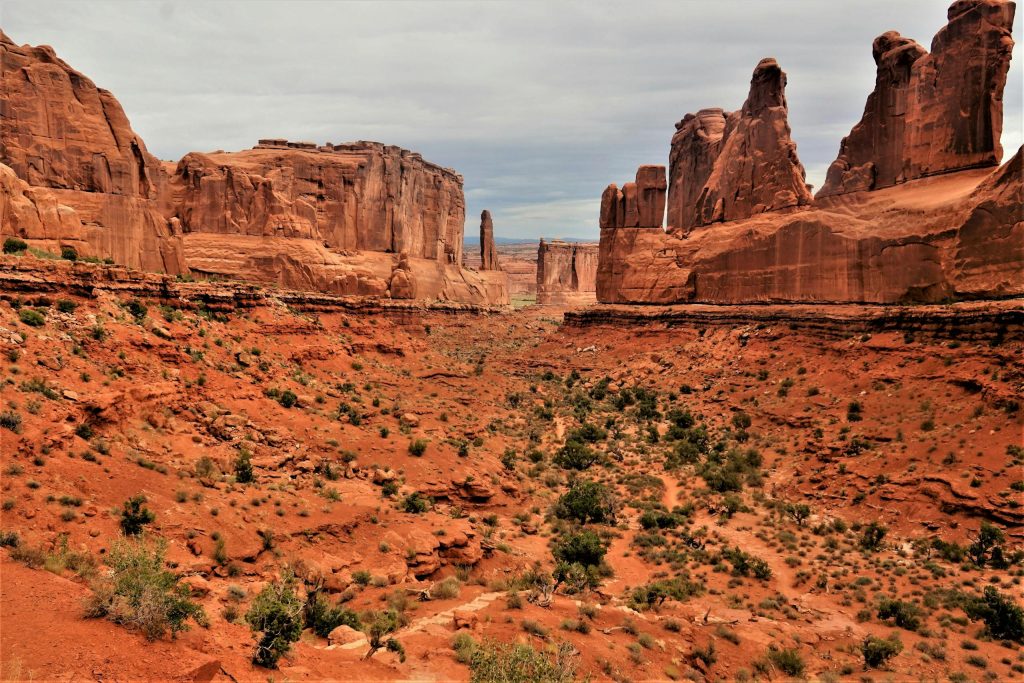
Land managers in San Juan County describe this area as a miniature Monument Valley without the crowds or restrictions. The landscape is defined by massive red sandstone buttes and towering pinnacles that rise abruptly from the valley floor. Geological experts note that these formations are remnants of an ancient landscape eroded by wind and water over eons, leaving behind statuesque monoliths that turn a fiery orange at sunset.
The seventeen-mile unpaved loop road winding through the valley offers numerous pullouts for dispersed camping on Bureau of Land Management land. Experienced overlanders advise that the road can become impassable during heavy rains due to flash floods in the washes. For those who visit during dry conditions, the silence is absolute and the lack of light pollution provides a view of the Milky Way that astronomers rate among the best in the region.
Alstrom Point In Utah

National Park Service rangers at the Glen Canyon National Recreation Area identify Alstrom Point as one of the most spectacular vantage points in the entire park system. Perched on the edge of a cliff high above Lake Powell, this dispersed camping area offers a panoramic view of Gunsight Bay and the towering Navajo Mountain. Landscape photographers flock to this location to capture the interplay of light and shadow on the water and the labyrinth of canyons stretching to the horizon.
Reaching this remote promontory requires navigating a rough dirt road that demands a high-clearance vehicle and significant patience. Safety officials warn that the final few miles are particularly technical and should not be attempted by inexperienced drivers. The reward for the journey is a campsite perched on the rim of the world where the sunrise paints the canyon walls in vibrant shades of pink and purple.
The Lost Coast In California
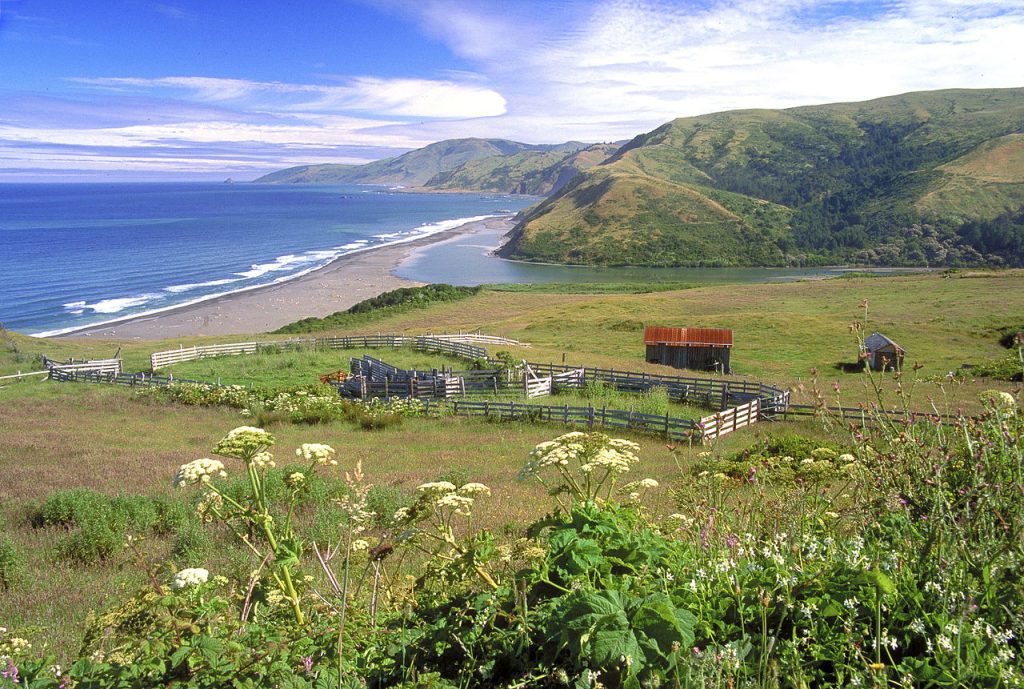
Bureau of Land Management field officers highlight the Mattole Campground and the surrounding King Range National Conservation Area as one of the few places in California where coastal wilderness remains truly untamed. The steep terrain of the King Range forced the Pacific Coast Highway to detour inland, leaving this stretch of shoreline undeveloped and accessible only by narrow, winding roads. Marine biologists note that the intertidal zones here are teeming with life, undisturbed by the heavy foot traffic found on more accessible beaches.
The campground itself is primitive and often battered by coastal winds, requiring sturdy gear and a resilient mindset. Hikers use this spot as the northern trailhead for the famous Lost Coast Trail, but car campers find equal solace in the isolation. The constant roar of the Pacific Ocean and the rolling coastal fog create a moody, atmospheric setting that feels thousands of miles removed from civilization.
Alvord Desert In Oregon

Land management specialists in the Steens Mountain Cooperative Management Area describe the Alvord Desert as a surreal, expansive playa that offers a unique camping experience. This vast dry lakebed sits in the rain shadow of Steens Mountain, creating a flat, cracked surface that stretches for miles. Geographers explain that the playa is one of the largest in the state and allows campers to drive out and pitch a tent anywhere on the hard-packed silt.
The experience of sleeping on the playa is often compared to camping on the moon due to the stark, featureless horizon and the silence. Local ranchers and recreation planners remind visitors to watch the weather closely, as rain can instantly turn the playa into sticky mud that traps vehicles. When conditions are dry, land sailors and stargazers utilize the endless flat space for recreation that is impossible in cluttered environments.
Sawtooth National Recreation Area In Idaho

Forest Service rangers in the Sawtooth National Forest manage a wealth of dispersed camping options along the forest service roads branching off from the main highway. The area is renowned for its jagged granite peaks that resemble the teeth of a saw, reflected in pristine alpine lakes. Wildlife biologists note that this region is a critical habitat for gray wolves, black bears, and elk, requiring campers to practice diligent food storage and bear awareness.
Hydrologists value the headwaters of the Salmon River which flow through this valley, offering cold, clear water for intrepid swimmers. The dispersed sites often feature established fire rings and breathtaking views of the mountains without the noise of neighbors found in developed campgrounds. Visitors here are immersed in a high-alpine ecosystem where the air is thin and the nights are refreshingly cool even in the height of summer.
Cathedral Valley In Utah

National Park Service officials at Capitol Reef National Park regard Cathedral Valley as the rugged backcountry jewel of the park. The Cathedral Valley Campground is a primitive, no-fee site located halfway along a remote driving loop that traverses the northern fold of the park. Geologists point to the Temples of the Sun and Moon, massive monoliths rising from the desert floor, as the defining features of this isolated district.
Accessing this site requires crossing the Fremont River, a ford that can be deep and treacherous depending on recent rainfall. Rangers strictly advise high-clearance, four-wheel-drive vehicles for this journey. The remoteness ensures that campers rarely share the site with more than one or two other parties, allowing for a profound connection with the silence and scale of the geologic formations.
Leslie Gulch In Oregon

Bureau of Land Management geologists describe Leslie Gulch as Oregon’s answer to the red rock canyons of the Southwest. Located in the Owyhee Canyonlands, this remote gorge features towering volcanic tuff formations in shades of honey, cream, and rust. Botanists value the area for its unique soil composition which supports rare endemic plant species found nowhere else in the world.
The primitive campground located at the bottom of the gulch offers no water or services, demanding total self-reliance. Safety experts warn that the road in is steep and gravel, prone to washing out during storms. The isolation of the canyon means that cell service is non-existent, forcing a digital detox that allows visitors to focus entirely on the dramatic cliffs and the bighorn sheep that frequently scale them.
Cosmic Campground In New Mexico

Astronomers and Gila National Forest rangers celebrate Cosmic Campground for being the first International Dark Sky Sanctuary in North America. This designation recognizes the exceptional quality of the night skies, which remain free from artificial light pollution due to the site’s extreme remoteness. The campground offers basic amenities but maintains a strict lighting policy to preserve the viewing conditions for telescopes and naked-eye observation.
The surrounding Gila Wilderness offers a rugged backdrop of pine forests and mountains. Forest service personnel note that the site is designed specifically for observation, with concrete pads provided for setting up sensitive optical equipment. Visitors here are united by a shared reverence for the cosmos, often observing strict silence after dark to maintain the atmosphere of awe and discovery.
Kofa National Wildlife Refuge In Arizona
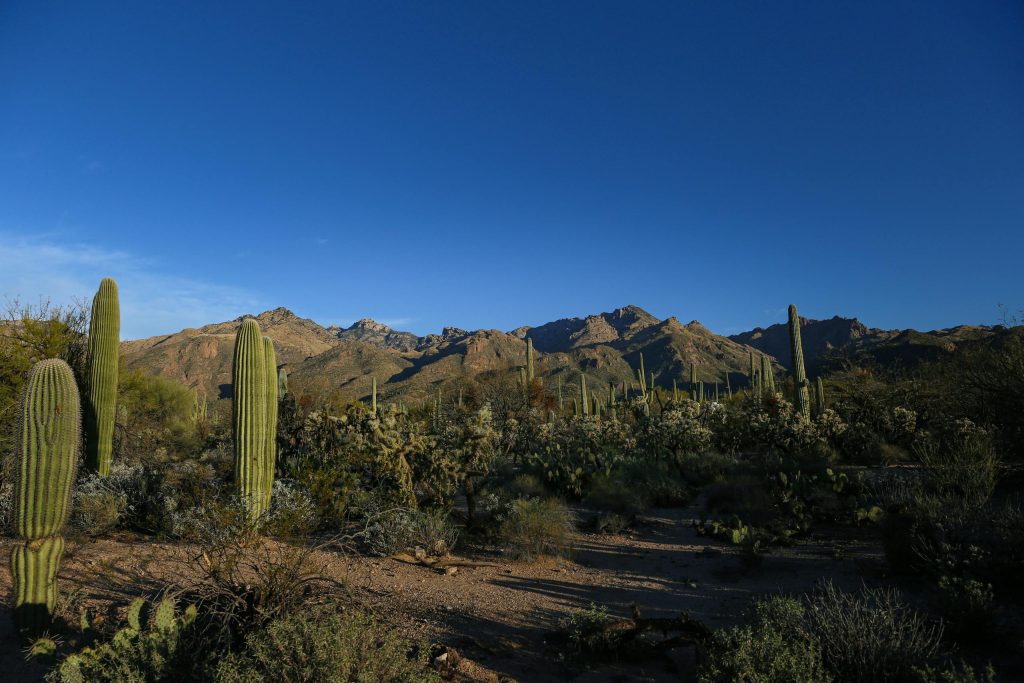
Wildlife refuge managers in southwestern Arizona oversee a vast expanse of Sonoran Desert wilderness known for its population of desert bighorn sheep. The landscape is dominated by jagged volcanic mountain ranges including the Kofa Mountains which hold the hidden Palm Canyon. Botanists highlight this canyon as the home of the only native palm trees in Arizona, a relict population surviving in a deep, shaded cleft.
Dispersed camping is permitted throughout much of the refuge, allowing visitors to find complete solitude among the saguaro cacti and ocotillo. Desert survival instructors emphasize the need to carry ample water, as the refuge is arid and unforgiving. The sunsets here are legendary, painting the stark mountains in brilliant hues of violet and red before giving way to a silence so profound it can be felt.
Pawnee National Grassland In Colorado

Forest Service grassland managers describe the Pawnee Buttes area as a striking geologic anomaly rising from the high plains. The two massive buttes are the eroded remnants of a higher landscape that once covered the region. Paleontologists note that this area is rich in fossils, offering a window into the prehistoric life that once roamed these plains.
Dispersed camping near the trailhead offers sweeping views of the shortgrass prairie and the distant Rocky Mountains. Birdwatchers flock to this location to spot raptors like the ferruginous hawk and the golden eagle nesting on the cliffs. The open nature of the terrain means that wind is a constant companion, but the unobstructed view of the horizon provides a sense of scale and freedom that is unique to the Great Plains.