11 Places Americans Regret Visiting More Than Expected
Travel regret rarely comes from a place being bad. It usually comes from mismatch: a destination sold as effortless meets queues, timed entries, heat, fees, and local rules that were easy to miss while booking. For many Americans, disappointment starts when logistics steal time they expected to spend exploring.
Recent policy shifts across hotspots have made planning more technical than it looks on social media. These places can still be memorable and meaningful, but they reward travelers who budget for friction, read local guidance carefully, and build slower itineraries that can absorb surprises without turning the whole trip into stress.
Venice, Italy
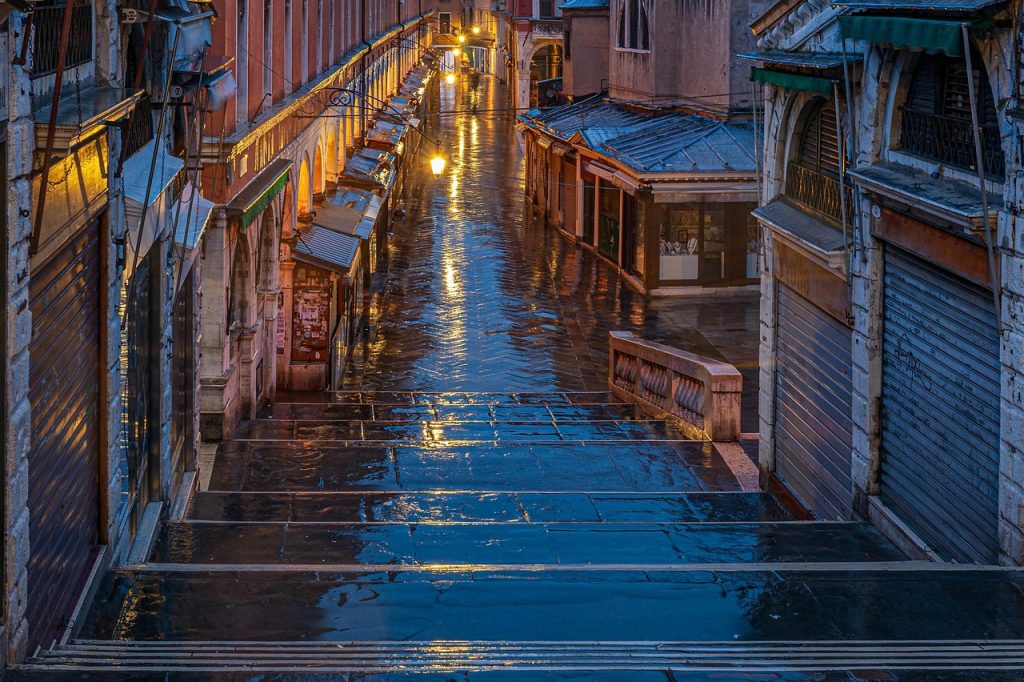
Venice still feels magical at sunrise, but day-trippers now face a formal Access Fee system on designated 2026 dates, published through the city platform. The policy is meant to manage crowd pressure in the historic center, and entry compliance is checked through digital confirmation rather than casual honor systems at arrival points.
Regret usually shows up when travelers expect a spontaneous stop and discover that timing, registration, and peak-day flow all matter. The canals remain extraordinary, yet the visit can feel administrative if planning starts too late, especially on high-demand weekends when the city is at its busiest pace.
Barcelona, Spain
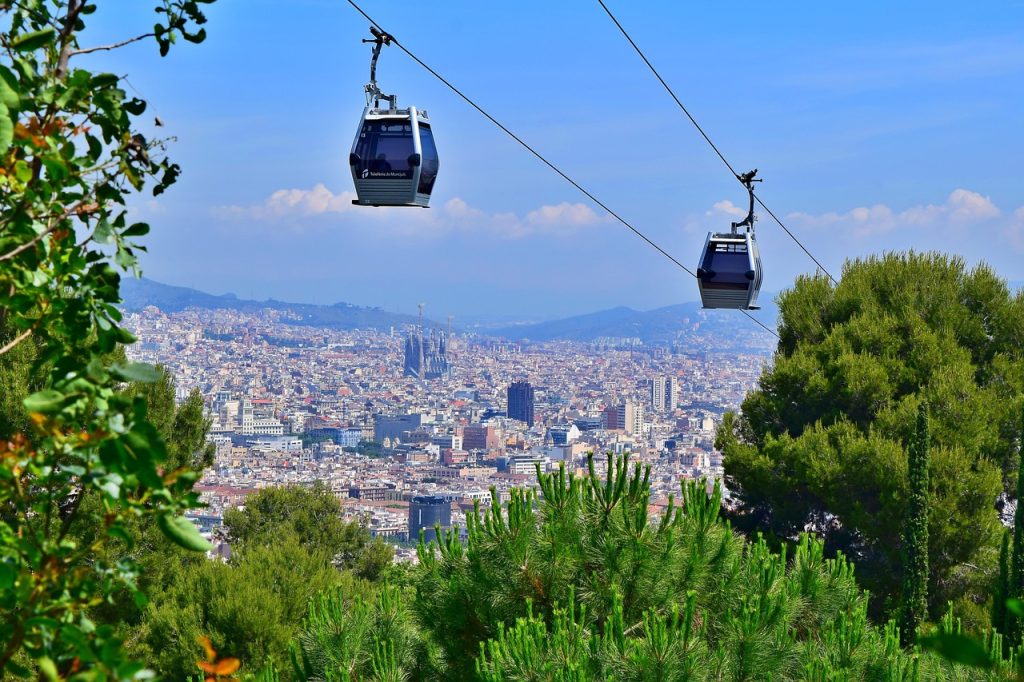
Barcelona offers world-class design, food, and waterfront energy, yet many visitors now encounter a city actively recalibrating tourism pressure. Reuters reported regional moves to raise tourist taxes and reserve a share of revenue for housing relief, while city leaders continue tightening short-stay lodging policy in core areas.
That context changes the visitor experience in subtle ways: higher nightly costs, denser public space, and a local mood that can feel less patient during peak periods. Travelers who regret the trip often did not account for how policy shifts and crowd concentration can reshape comfort, pace, and perceived value.
Santorini, Greece

Santorini delivers iconic caldera views, but overtourism pressure has become a central part of the experience in peak season. Reuters documented local calls for visitor caps and national plans for a cruise levy aimed at heavily visited islands, showing how infrastructure strain now sits beside postcard beauty.
Regret tends to come from timing mismatch. Travelers arrive expecting quiet, cinematic evenings and meet bottlenecks at viewpoints, packed transfers, and long midday queues. The island is still special, but it rewards off-peak windows, fewer daily moves, and realistic assumptions about how many people share the same narrow spaces.
Bali, Indonesia
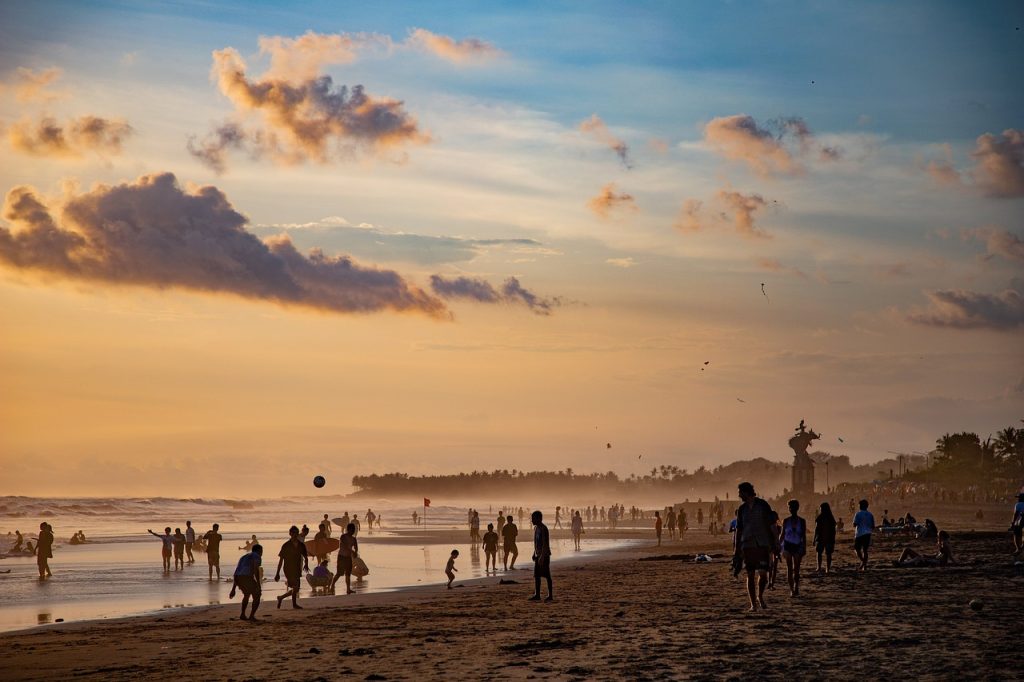
Bali remains one of the most loved island destinations in Asia, but arrival now includes a formal foreign tourist levy of IDR 150,000, processed through the official Love Bali system. The fee is small in isolation, yet it signals a broader shift toward managed tourism and sustainability-linked administration.
Regret often appears when visitors underestimate transit drag and overbuild daily plans across distant zones. On paper, stops look close; on roads, transfer time can dominate the day. Bali still shines when itineraries stay regional, leave breathing room between activities, and treat movement time as a core budget item, not a footnote.
Mount Fuji, Japan
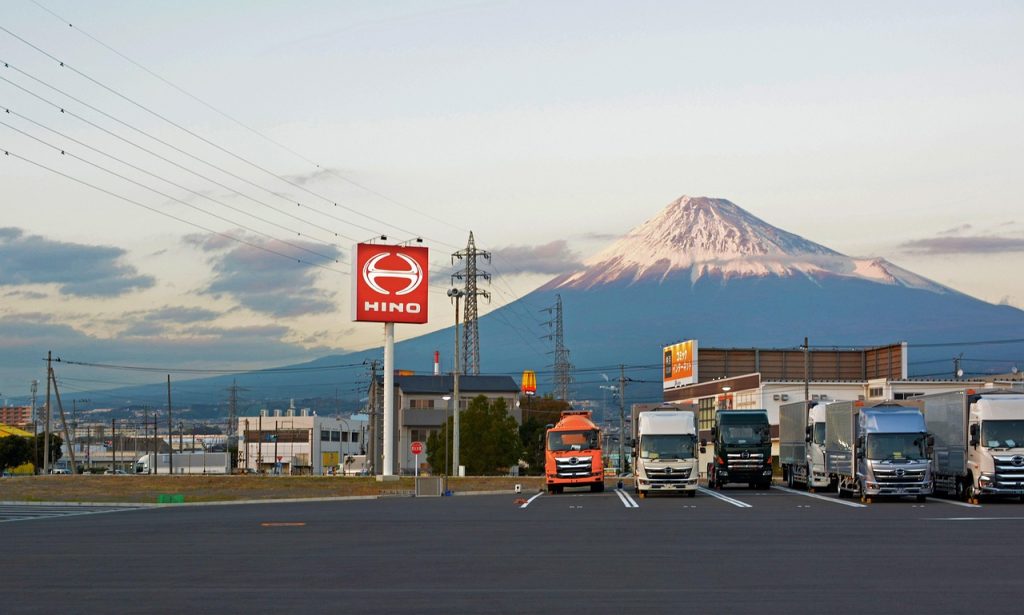
Mount Fuji remains a life-list climb, but current rules are stricter than many first-time hikers expect. Official guidance for recent seasons includes a mandatory 4,000-yen hiking fee, advance registration requirements, and nighttime entry restrictions for people without mountain-hut reservations on key routes.
Most regret stories are not about the mountain itself. They come from arriving underprepared, missing rule updates, or assuming older access norms still apply. Fuji is deeply rewarding when logistics are handled early, gear is chosen seriously, and ascent timing is built around the control system rather than old internet assumptions.
Machu Picchu, Peru

Machu Picchu is no longer a free-form wander through ruins. Peru’s Ministry of Culture now operates three official circuits with defined routes, in effect since June 1, 2024, and ticket type determines what can be seen on-site. That structure protects the sanctuary, but it reduces day-of flexibility.
Regret usually comes from booking errors, not from the citadel itself. Travelers choose the wrong circuit, miss transport buffers, or assume they can improvise once inside. The experience is still extraordinary, yet it rewards precise planning: correct route selection, realistic transfer timing, and clear expectations before arrival day begins.
Arches National Park, Utah
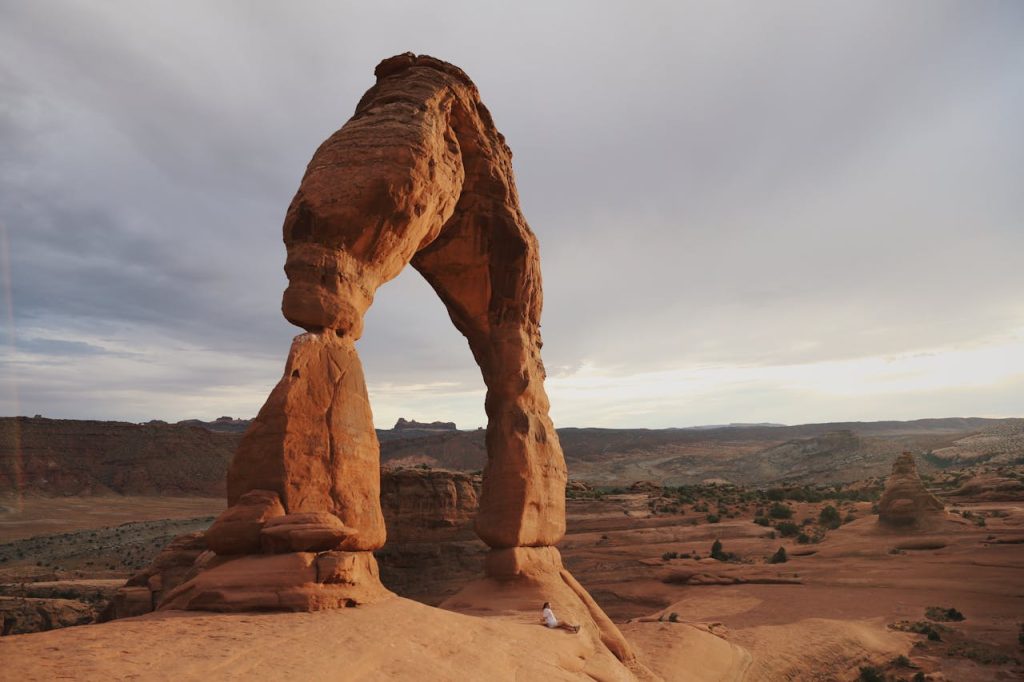
Arches National Park still stuns with red-rock scale, yet access during high-use periods depends on timed-entry tickets. The park states that reservations are required for entry between set daytime hours, with a non-refundable processing fee, and that rule catches many visitors who expected open-flow arrival.
Regret often starts in the parking lot, not on the trail. Late booking can force awkward entry windows, compress hikes into hotter hours, or push plans into the next day. The park remains worth the effort, but success depends on treating reservation logistics as part of the trip, not an optional extra to handle later.
Yellowstone National Park, Wyoming, Montana, and Idaho
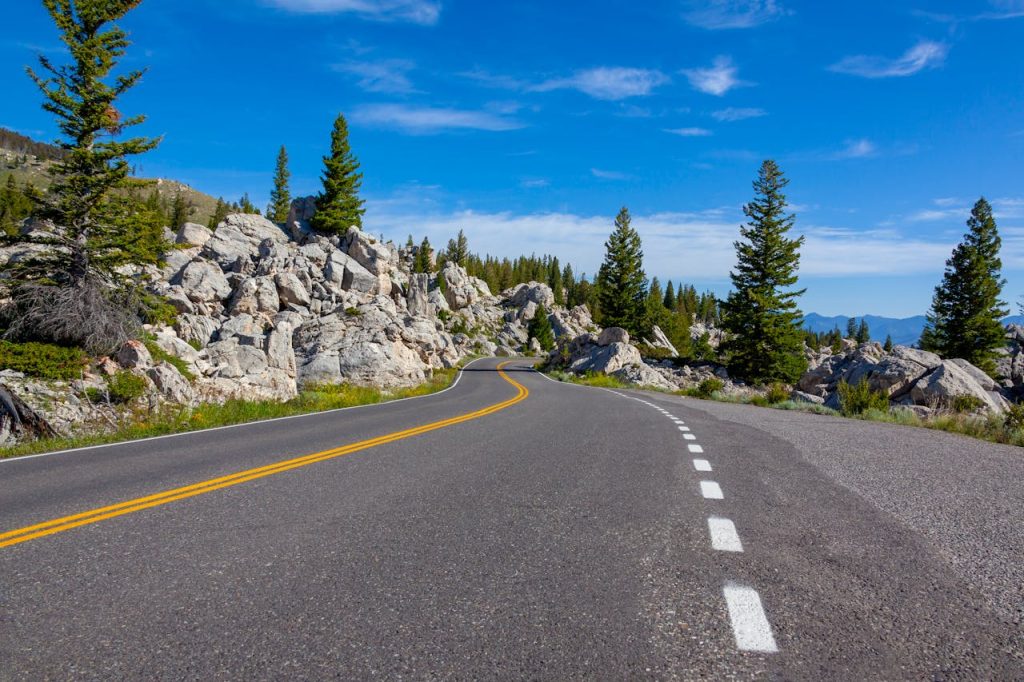
Yellowstone’s scale is part of its wonder, and also part of why some travelers leave frustrated. National Park Service updates show summer visitation still reaching very high monthly totals, with August 2025 above 880,000 recreation visits and July near 975,000, keeping key zones consistently busy.
Regret usually comes from itinerary optimism. Distances are large, wildlife slowdowns are common, and one traffic pause can reshape an entire day. Travelers who report better outcomes plan fewer marquee stops, longer dwell time, and flexible routing. In Yellowstone, pace is not a compromise; it is the difference between strain and joy.
Amsterdam, Netherlands
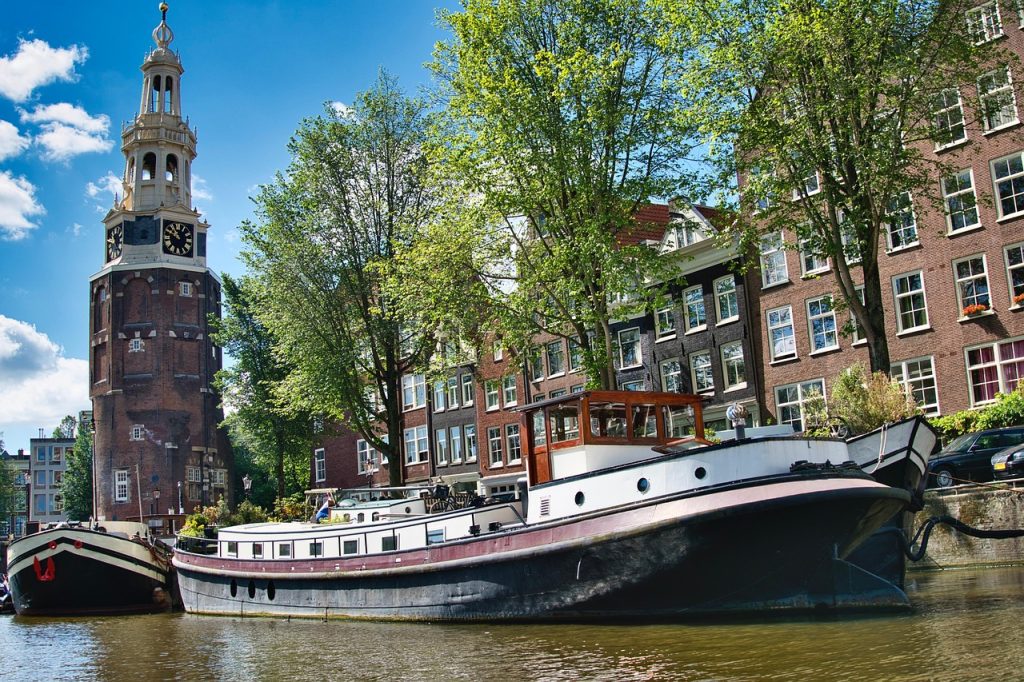
Amsterdam rewards walkers and museum lovers, but overnight costs now include a high city tourist tax. The municipality lists a 12.5% tax on overnight accommodation prices and a separate day tourist tax for cruise passengers, which can materially change total trip math for short stays.
Regret often appears after checkout, when visitors compare expected and final spend across lodging, attractions, and local transport. The city remains rich in culture and easy to enjoy, yet value-focused travelers do better when they model full per-night cost early and choose neighborhoods with calmer pricing pressure and easier daily flow.
Dubrovnik, Croatia
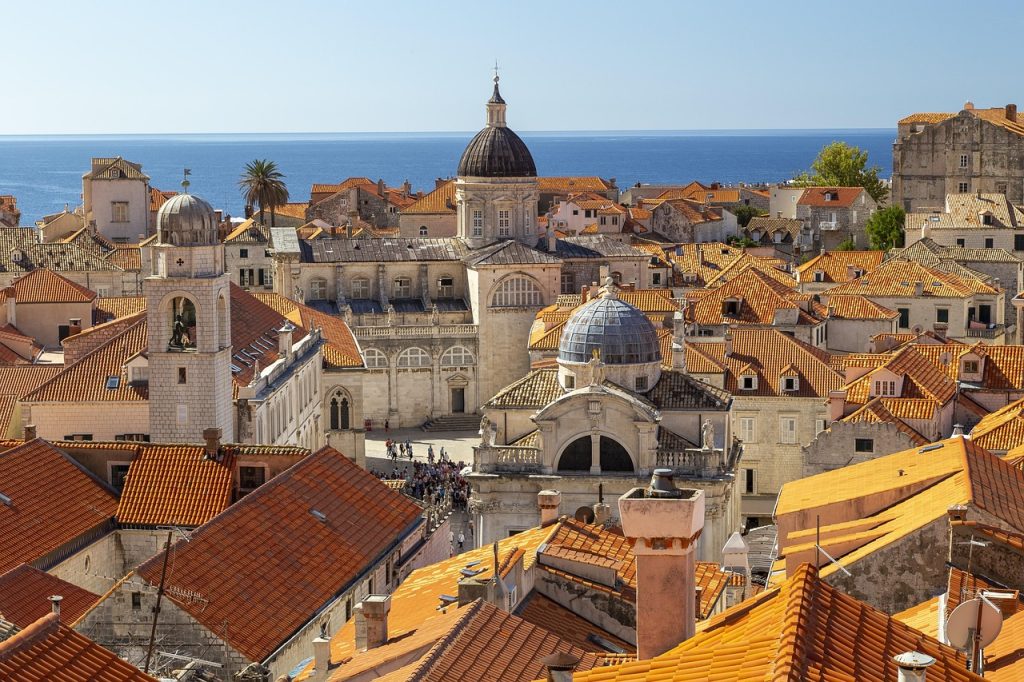
Dubrovnik’s old town is visually unforgettable, but crowd controls are now part of the destination story. The EU Smart Tourism profile notes city practices that limit cruise pressure, including caps on daily cruise visitors and vessel volume at one time, aimed at protecting heritage fabric and resident life.
Regret usually stems from cruise-day timing. Travelers arrive when gates and lanes are saturated, then rush through a place that needs unhurried hours. Dubrovnik still rewards curiosity and slower walking, but the best experiences come from careful scheduling around ship patterns and choosing shoulder-hour entries over noon peaks.
Dubai, UAE
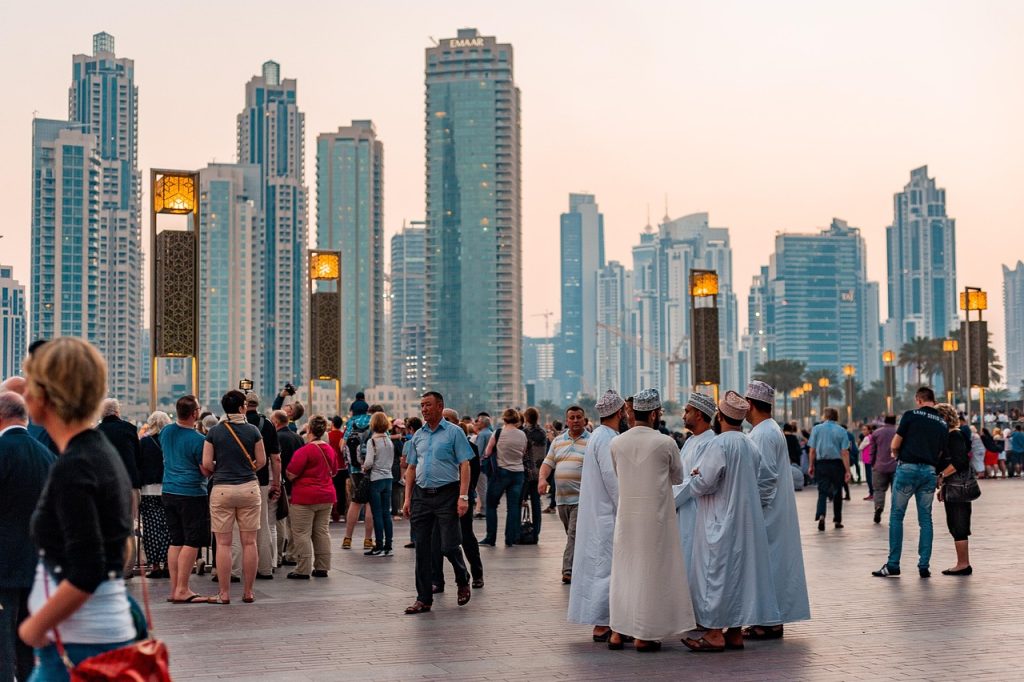
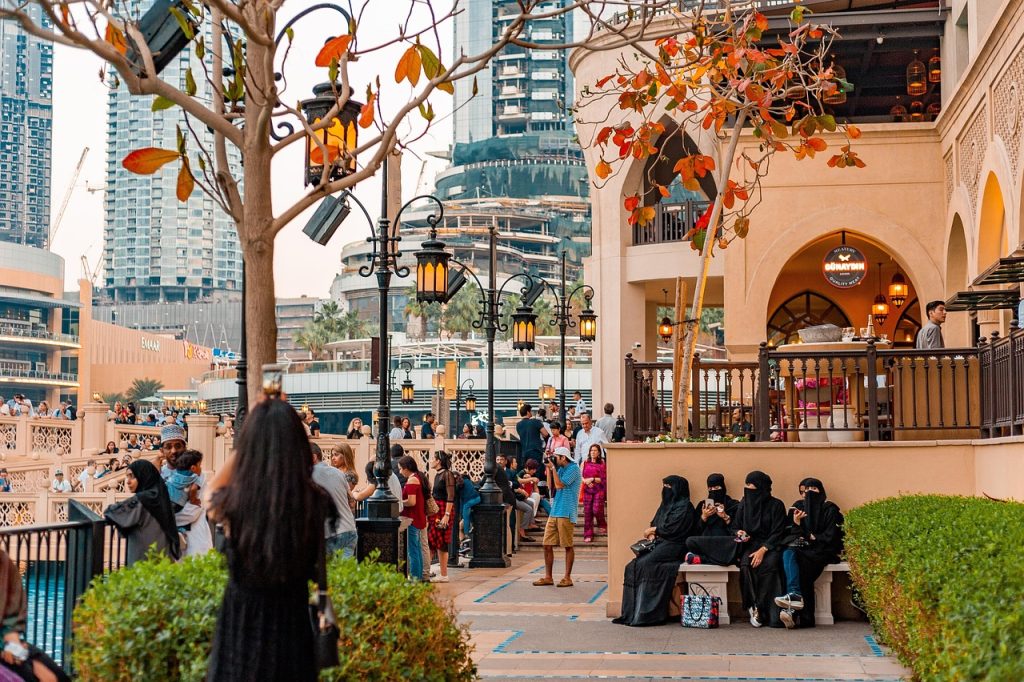
Dubai can feel effortless in winter, but seasonal contrast is sharp. The official city weather guide highlights very hot summer conditions, and Reuters has reported major drainage investments after exceptional rainfall in 2024, underscoring how climate realities shape movement, comfort, and day planning.
Regret typically follows a budget-first summer booking that ignores heat load on outdoor plans. Visitors expect full-day exploration and end up retreating indoors between short bursts outside. Dubai remains compelling and polished, yet timing is everything: cooler months expand options, while hot months demand a slower, indoor rhythm.