11 Places Where Back-to-School Travel Feels Stress-Free
Back to school season quietly changes how travel feels across many destinations. Crowds thin, prices stabilize, and daily rhythms become easier to navigate. Airports calm, attractions feel manageable, and accommodations regain availability. Families settle into routines, leaving behind a slower, more predictable atmosphere. Weather often remains pleasant, supporting outdoor exploration without peak season pressure. This moment between summer rush and holiday travel creates breathing room. In certain places, the shift feels especially noticeable. These eleven locations stand out for offering relaxed movement, lighter crowds, and smoother experiences once school schedules resume, making travel feel simpler, and refreshingly unhurried.
Lisbon
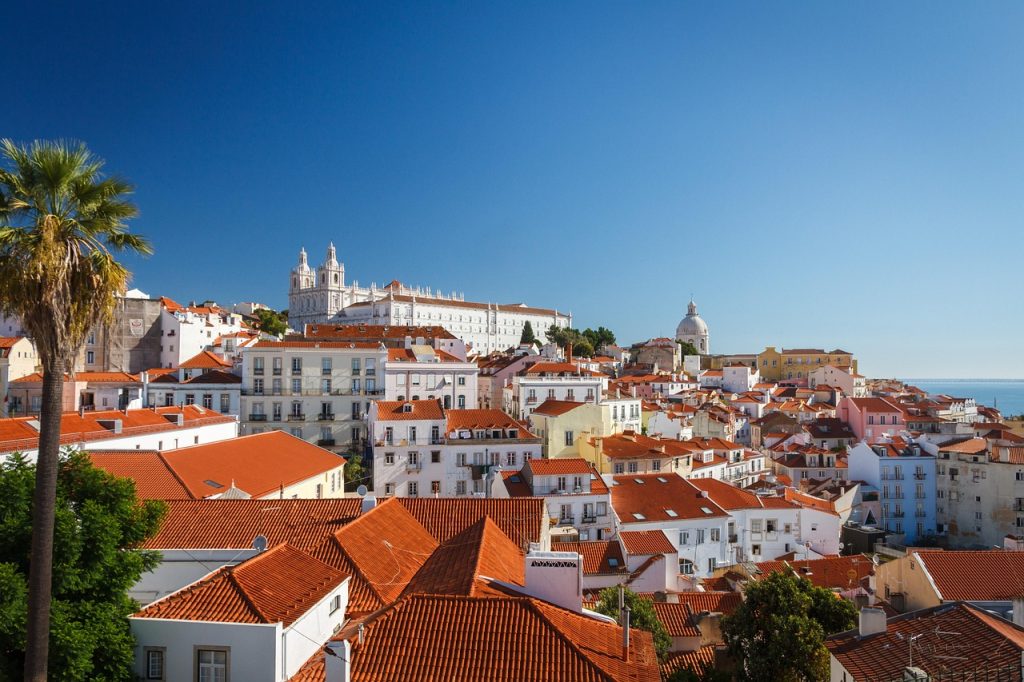
Lisbon becomes noticeably calmer once back to school season begins in Portugal. Summer cruise crowds thin along the Tagus River. Tram rides through Alfama feel less congested. Viewpoints open up for unhurried visits. Locals return to routines, restoring neighborhood rhythms. Warm weather lingers without intense heat. Restaurants and cafes seat guests more easily. Public transit operates smoothly. The city retains energy while shedding summer pressure. Lisbon during this period feels balanced and approachable, allowing travelers to explore historic streets, waterfront promenades, and cultural sites without stress, long waits, or overwhelming foot traffic dominating daily movement throughout the city comfortably and consistently.
Vancouver
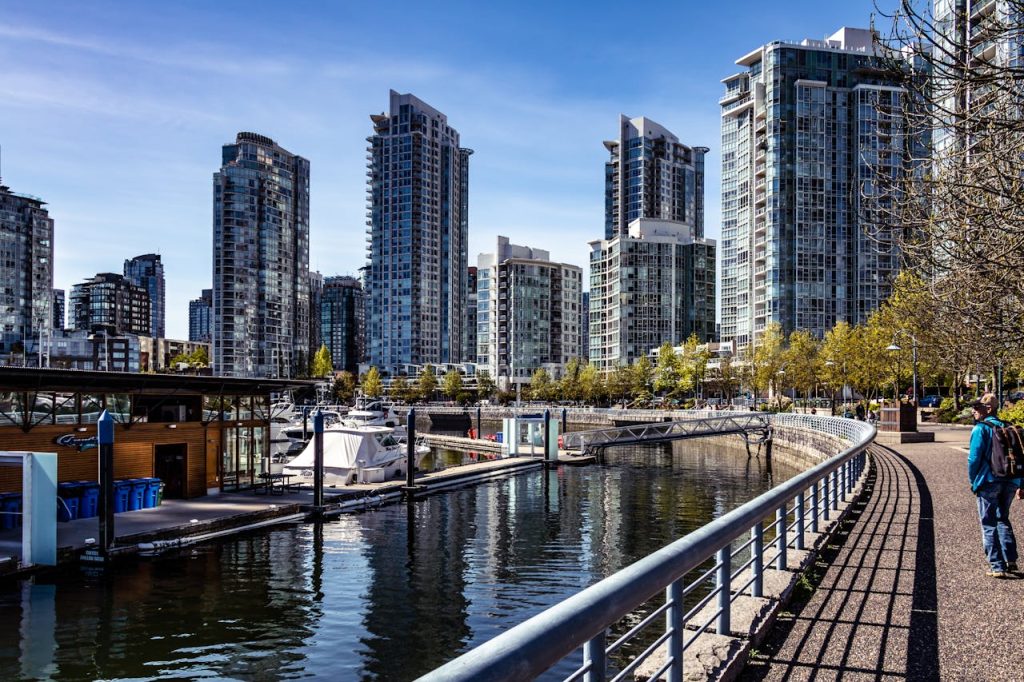
Vancouver offers a relaxed travel experience after schools reopen. Summer tourism tapers off, easing pressure on parks and waterfront paths. Stanley Park feels spacious again. Ferry terminals move efficiently. Mild early fall weather supports outdoor activities. Hotel availability improves across the city. Neighborhoods regain local flow. Traffic patterns normalize during weekdays. Cultural attractions remain open without peak congestion. Vancouver natural setting feels more accessible and calm. The transition creates a stress free environment where visitors enjoy mountains, coastline, and urban life together without crowd related delays or scheduling challenges common during peak summer months for travelers.
Copenhagen
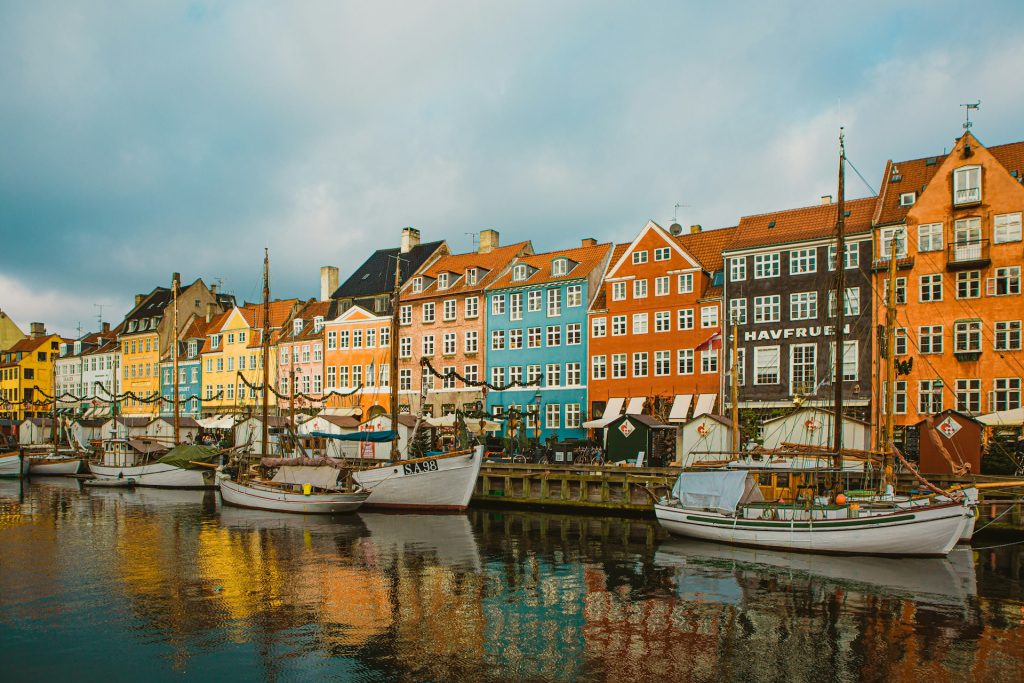
The areas of Copenhagen feels especially manageable once Danish schools resume. Summer tourism eases across the city. Bicycle traffic remains steady but organized. Attractions like Nyhavn and Tivoli Gardens feel calmer. Cafes return to serving regulars. Public transit operates efficiently without vacation surges. Weather stays mild, supporting walking and cycling. Streets regain daily rhythm. The city emphasis on order and design becomes more apparent. Copenhagen during this time offers smooth movement and low stress exploration, allowing visitors to experience everyday urban life, waterfront districts, and cultural spaces without crowd pressure or seasonal overload shaping each outing anymore.
Kyoto
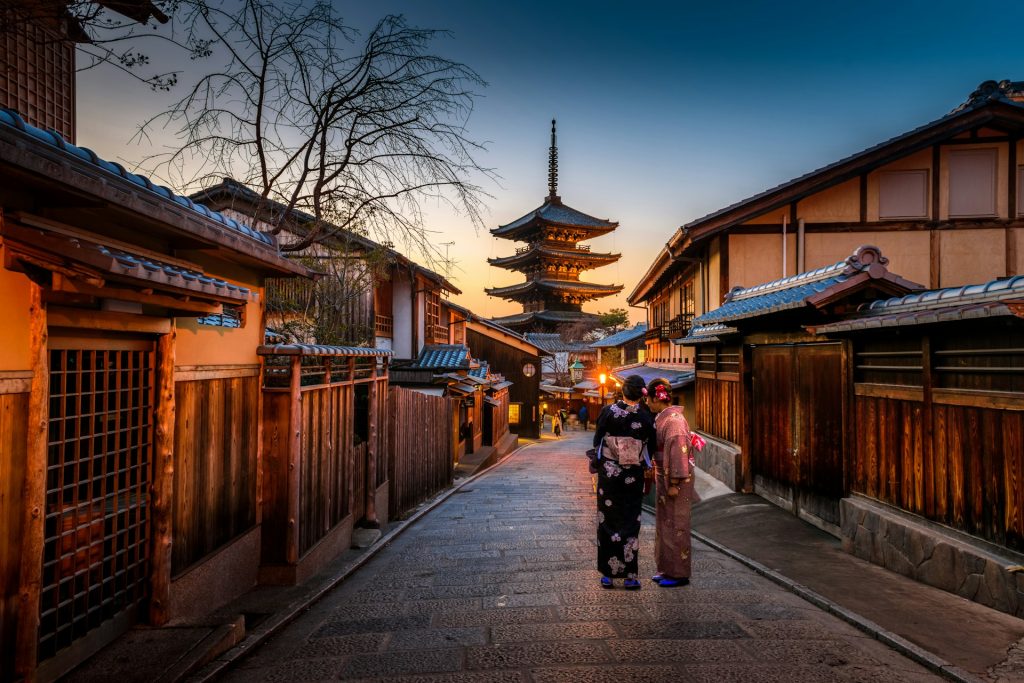
Kyoto grows quieter after school terms restart in Japan. Domestic travel declines following summer holidays. Temple grounds feel less crowded. Walking routes through historic districts become more peaceful. Early fall weather improves comfort. Public transportation feels predictable. Local routines return. Cultural sites remain active without congestion. The atmosphere shifts toward reflection rather than endurance. Kyoto during this period supports slower exploration of shrines, gardens, and neighborhoods. Stress free travel emerges from manageable crowds and favorable climate, allowing visitors to focus on scenery, history, and daily life rhythms rather than navigating peak season logistics constantly anymore.
Reykjavik
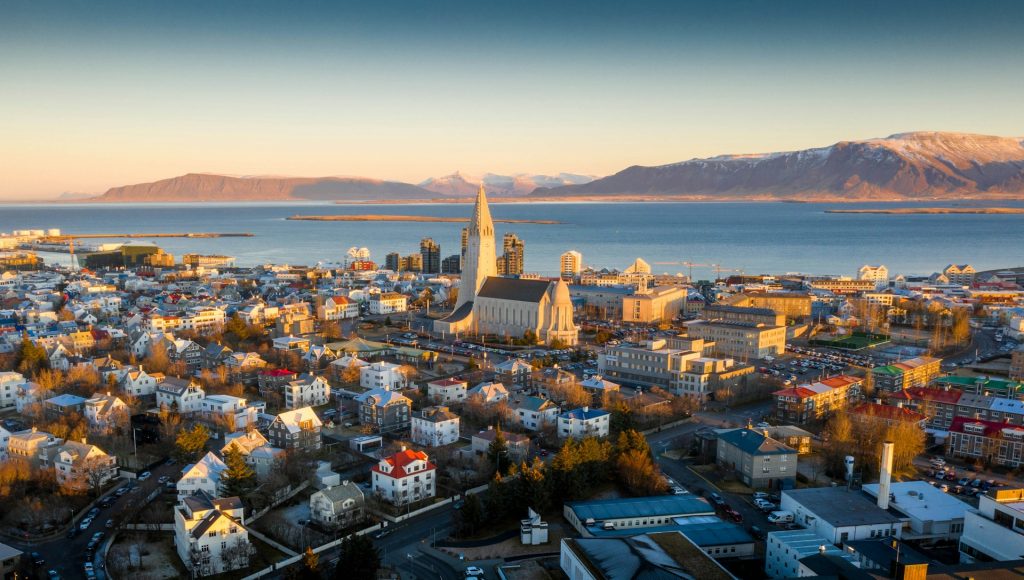
Reykjavik becomes easier to navigate once summer travel slows. Back to school season reduces family tourism. and roaming within the city streets feel open. Popular excursions operate with fewer passengers. Restaurants and cafes accommodate guests easily. Early fall weather remains suitable for sightseeing. Hotel availability improves. The city compact layout feels even more accessible. Reykjavik calm atmosphere allows relaxed exploration of museums, waterfront areas, and nearby landscapes. Travel stress drops as schedules simplify and crowd density decreases, creating a smoother experience for those seeking Iceland scenery and culture without summer peak demand shaping every decision anymore.
Edinburgh
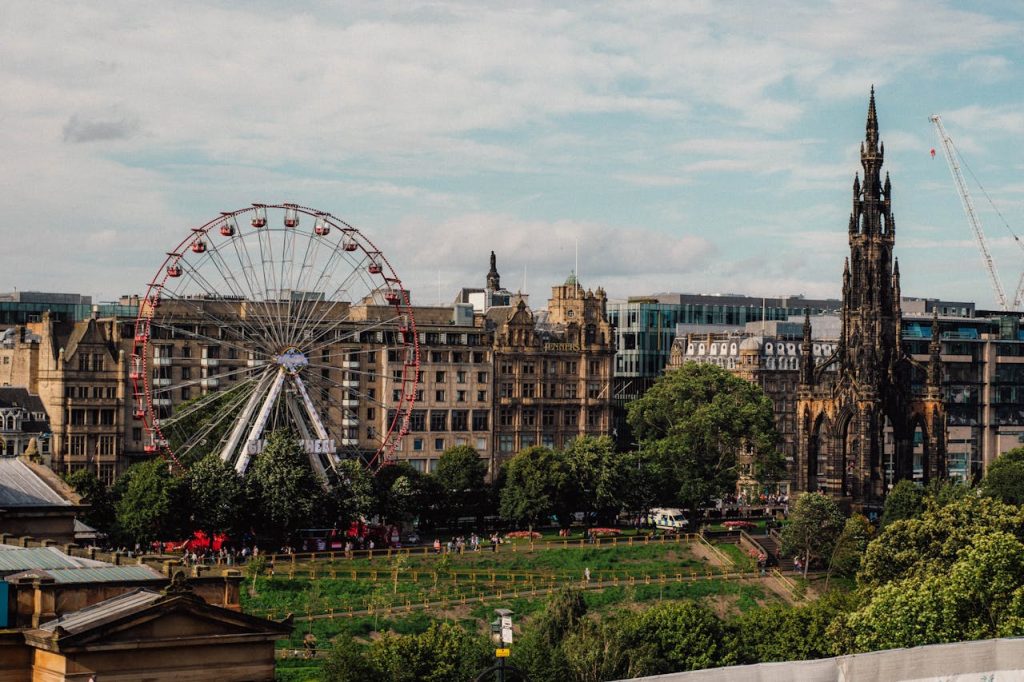
Edinburgh feels more balanced after Scottish schools reopen. Festival season concludes, reducing visitor volume dramatically. Streets clear around the Royal Mile. Castle access becomes easier. Public transport flows normally. Weather remains cool and comfortable. The city historic layout feels navigable again. Local life regains prominence. Cultural attractions operate without overload. Edinburgh during this period offers stress free movement through neighborhoods, viewpoints, and historic sites. The calmer pace allows appreciation of architecture, landscapes, and daily routines without the congestion and logistical strain that define late summer travel in the city for many visitors.
Amsterdam

Amsterdam settles into a calmer rhythm once back to school season begins. Summer crowds ease along canals and cycle paths. Museum lines shorten noticeably. Neighborhood cafes regain local regulars. Public transportation feels manageable. Early fall weather supports walking and cycling. Hotel availability improves. The compact city layout becomes less demanding. Amsterdam during this period allows stress free exploration of historic districts, waterways, and cultural sites. Travel feels smoother as crowd pressure lifts, creating space for spontaneous movement and relaxed observation without constant competition for access, reservations, or transit during peak tourism months anymore.
Munich
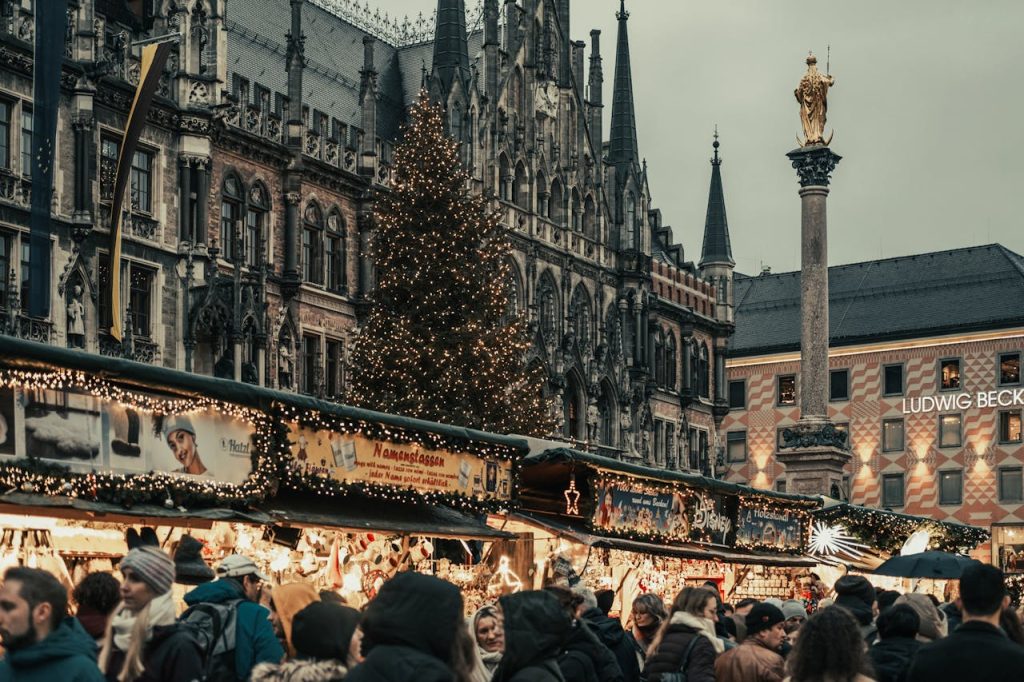
Munich becomes more relaxed as summer holidays end in Germany. Tourist numbers decrease across the city. Public spaces feel open. Parks regain calm. Museums and beer halls operate at steady pace. Transportation runs smoothly. Early fall weather supports walking. Neighborhood routines return. The city structured design enhances ease of navigation. Munich during this period feels organized and accessible, allowing stress free travel through historic squares, cultural venues, and surrounding landscapes without peak season congestion shaping daily plans or overwhelming the experience for visitors overall. This seasonal calm benefits planning, mobility, accommodations, dining, museums, neighborhoods.
Lake Bled
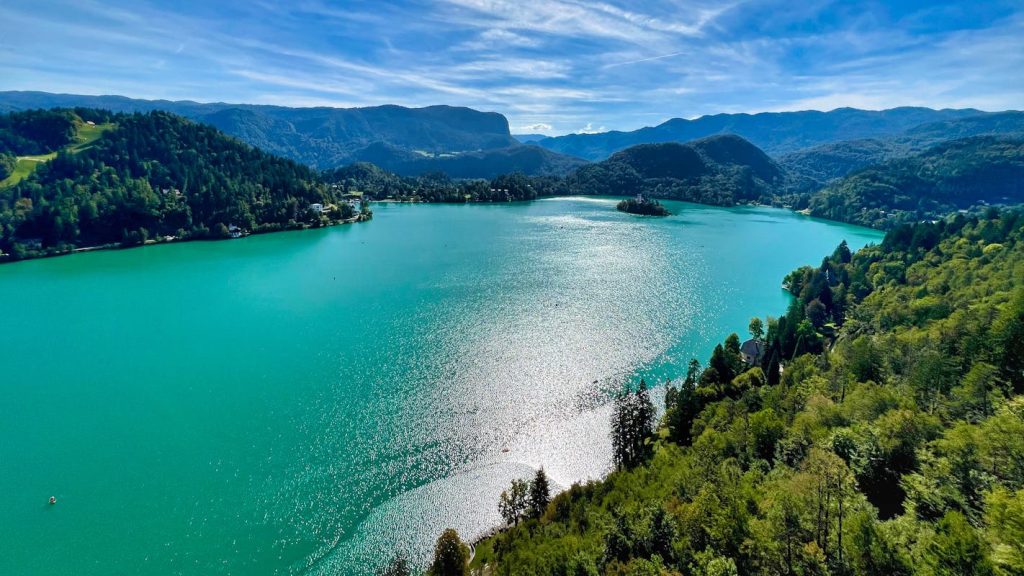
Lake Bled shifts into a quieter phase once schools reopen across Europe. Summer tour buses thin. Lakeside paths feel open. Boat crossings operate without long queues. Early fall weather remains pleasant. Hotels and restaurants accommodate guests easily. The surrounding countryside feels peaceful. Scenic viewpoints allow unhurried visits. Lake Bled during this period offers stress free travel defined by calm movement and manageable crowds. The destination becomes more reflective, allowing visitors to enjoy natural scenery and small town rhythms without the pressure and density typical of midsummer tourism during most visits. Visitors notice improved access, quieter mornings, flexible schedules, relaxed evenings.
Santa Fe
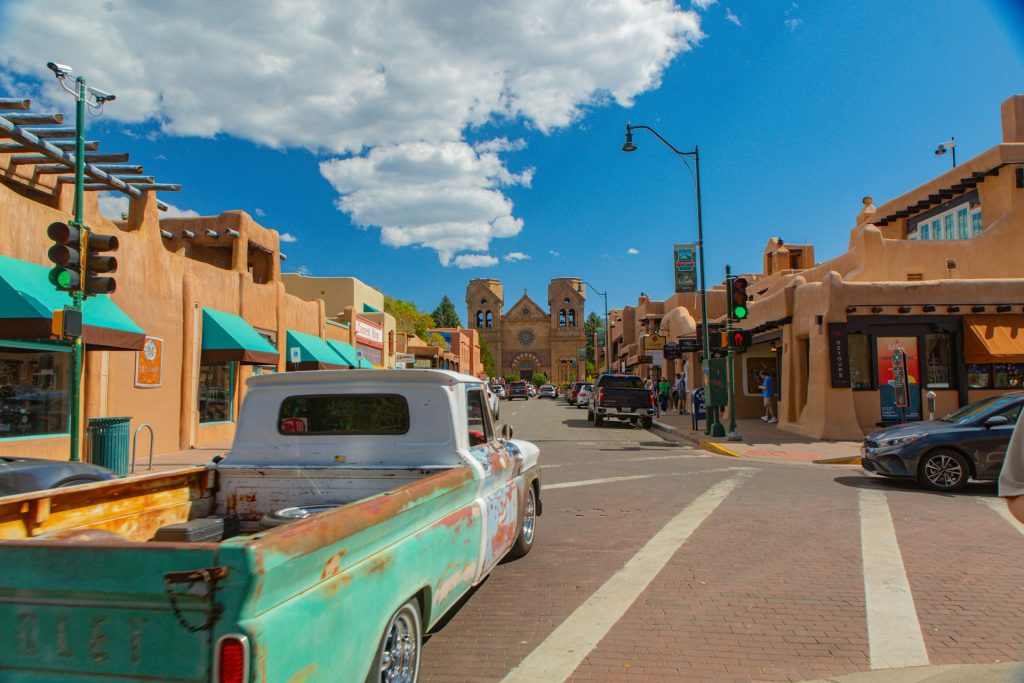
Santa Fe feels calmer after back to school season begins. Summer tourism eases across the region. Historic districts become less crowded. Galleries and museums feel spacious. Outdoor exploration benefits from cooler temperatures. Restaurants seat guests more easily. The city artistic rhythm returns. Traffic patterns normalize. Santa Fe during this time supports stress free travel focused on culture, history, and landscape. The slower pace allows visitors to experience adobe architecture, local traditions, and surrounding desert scenery without peak season intensity or scheduling challenges dominating daily plans or decisions anymore. This timing encourages thoughtful itineraries, gallery browsing, hiking, dining, reflection.
Portland
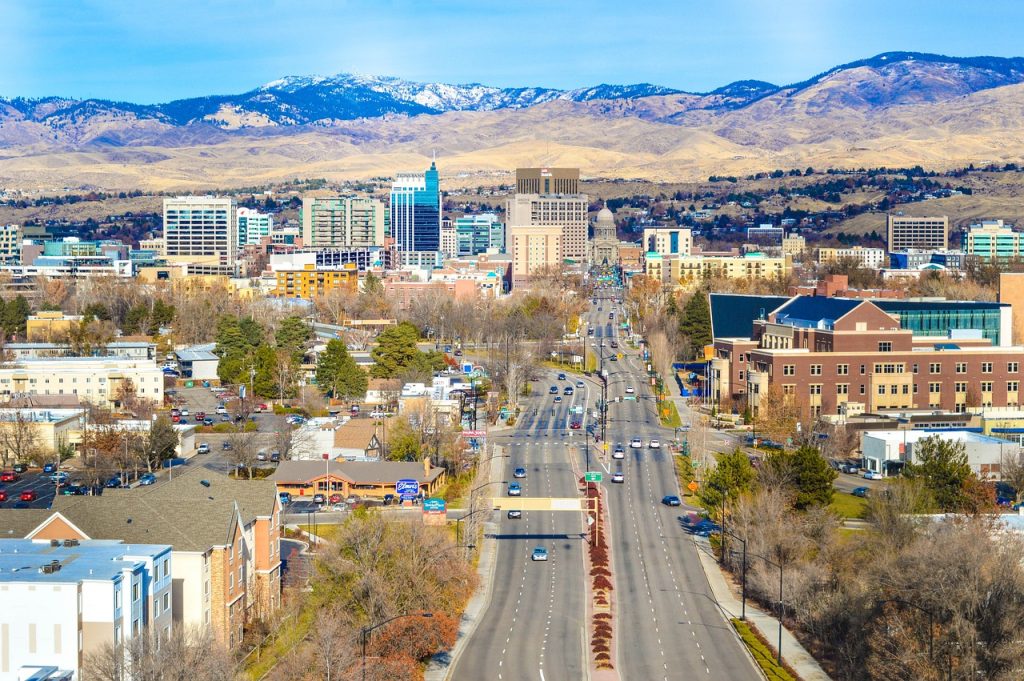
Portland offers a smoother travel experience once schools resume. Summer crowds fade from parks and neighborhoods. Food scenes remain active without long waits. Early fall weather stays comfortable. Outdoor spaces feel accessible. Local routines return. Public transit runs predictably. The city relaxed culture becomes more apparent. Portland during this period supports stress free exploration of neighborhoods, natural areas, and cultural spots. Reduced crowd pressure allows visitors to move easily, enjoy daily life, and experience the city without the congestion and unpredictability common during peak summer travel seasons for most people. The shift supports easy navigation, spontaneous plans, shorter waits, pacing.