11 Places Where Christmas Is More About Family Than Tourism
Some places treat Christmas like a public show. Others keep it close, turning the holiday into something domestic, neighborly, and quietly intense. In these destinations, the season is not built around markets, tours, or photo ops. It lives in kitchens, church aisles, living rooms, and long drives to relatives’ homes. Streets still glow, but the energy points inward, shaped by routines locals repeat every year. Travelers who arrive during this window notice a different tone: fewer performances for outsiders, more small moments that belong to families first.
San Juan, Puerto Rico
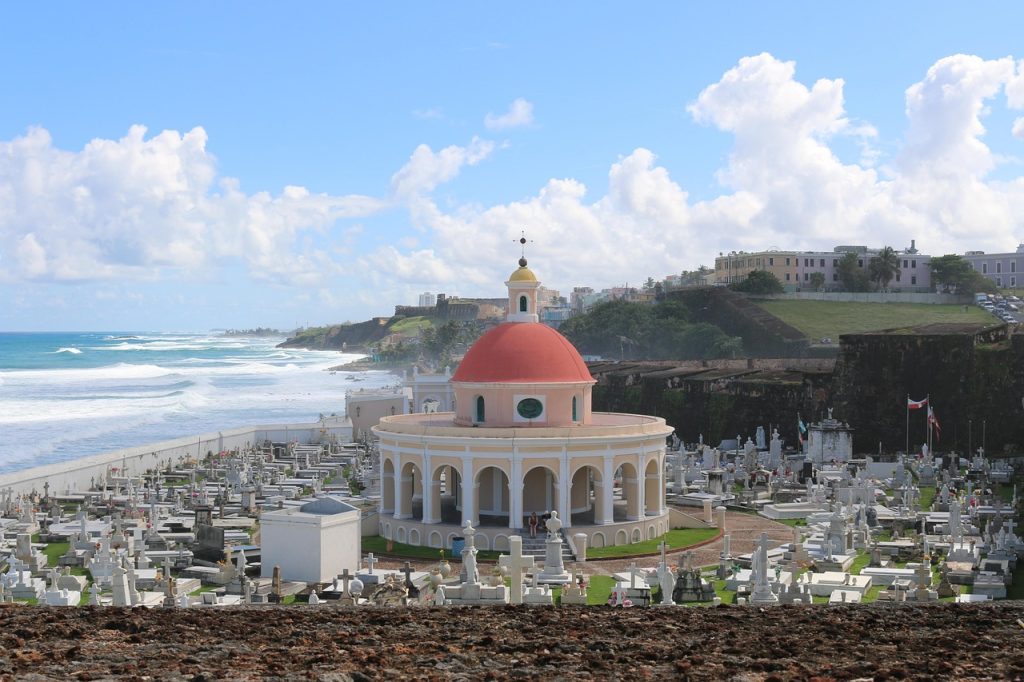
Christmas in Puerto Rico runs long and deep, and in San Juan the strongest moments usually happen at home. Neighborhoods come alive with parrandas, shared meals, and music that moves house to house, not in a way that waits for tourists, but in a way that assumes everyone already belongs. Lechón, arroz con gandules, and coquito appear as signals that relatives have arrived and the kitchen is in command. Church traditions and late-night visits keep the season anchored in community. Visitors still find color and sound everywhere, yet it reads as lived-in, with locals celebrating for each other rather than staging a spectacle.
Oaxaca City, Mexico

In Oaxaca, Christmas leans into family and neighborhood life, shaped by faith, food, and the habit of gathering. Posadas bring processions, candlelight, and songs that move through streets toward homes and churches, while markets fill with ingredients for tamales, ponche, and chocolate prepared for late-night meals. The city can look festive, but the focus is not selling an experience. It is keeping traditions intact, from communal prayers to shared plates that pass down family recipes. Even in busy plazas, the holiday mood feels personal, with families moving together, children carrying small candles, and evenings built around reunion.
Manila, Philippines
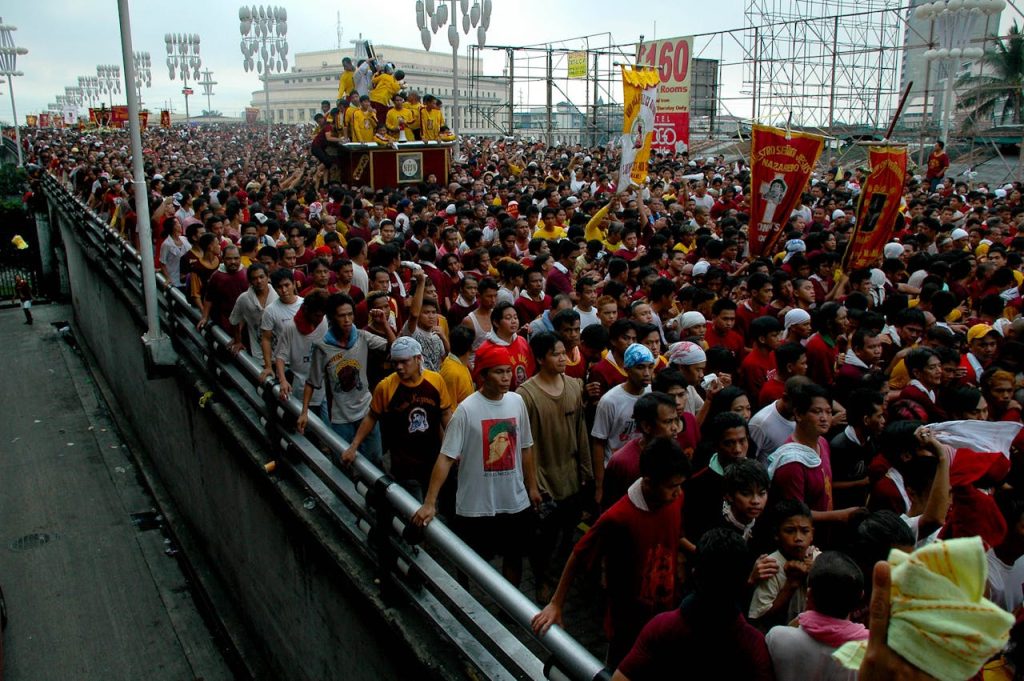
In Manila, Christmas stretches across weeks, and its center of gravity is family return. Decorations are loud, but the purpose is intimate: reunions, homecoming travel, and church life, especially Simbang Gabi dawn masses that pull households into early mornings together. Noche buena tables are set for extended relatives, and neighbors often drift in and out, turning food into a language of belonging. The city’s public sparkle can be intense, yet the holiday is less about impressing strangers than making sure relatives show up. The season is measured in visits, shared stories, and the quiet relief of ending the year surrounded by familiar faces.
Naples, Italy
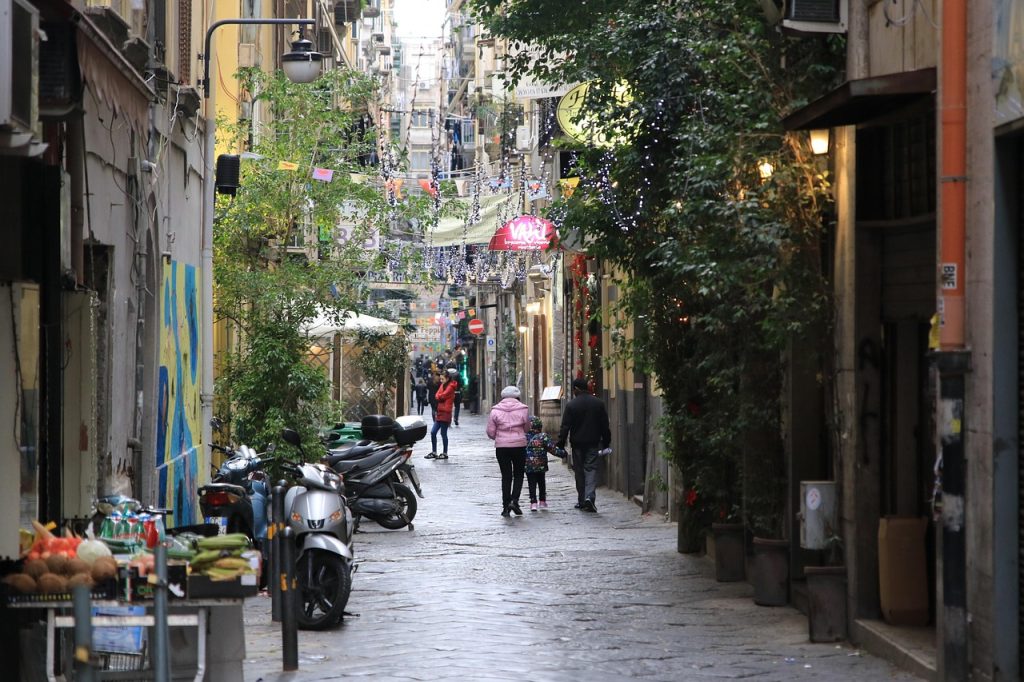
Naples treats Christmas as something rooted in home and neighborhood, not as a packaged event. The presepe tradition is visible in workshops and on famous streets, but for locals it belongs in family houses, where figurines appear gradually and everyone debates where each piece should go. Christmas Eve meals stretch long, often centered on seafood and sweets, and church visits give the season structure. Streets stay animated, yet the emotional center remains domestic: grandmothers directing plates, cousins arriving with food, and children watching adults turn routine into ritual. Even the public glow feels like an extension of home life rather than a performance for outsiders.
Kraków, Poland
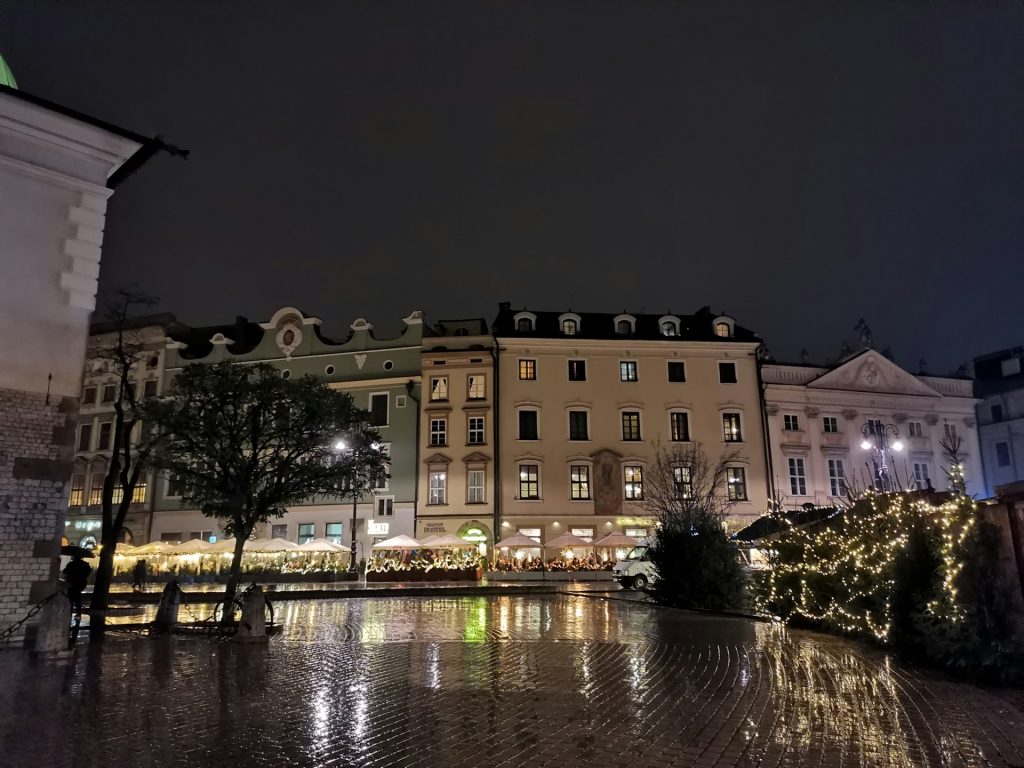
Kraków can look like a postcard in December, but the holiday’s weight sits inside homes. Wigilia, the Christmas Eve supper, is a family ritual built around shared dishes, an extra place set at the table, and the careful exchange of wishes before dinner begins. Carols and church traditions fold into the evening, and the city’s winter beauty becomes background to a private timeline families follow closely. Even when the main square is lit, people head home early, carrying pastries and bread rather than souvenirs. The celebration is quiet, structured, and personal, with warmth coming from repetition and from the idea that Christmas is something a household builds together, not something a city sells.
Québec City, Canada
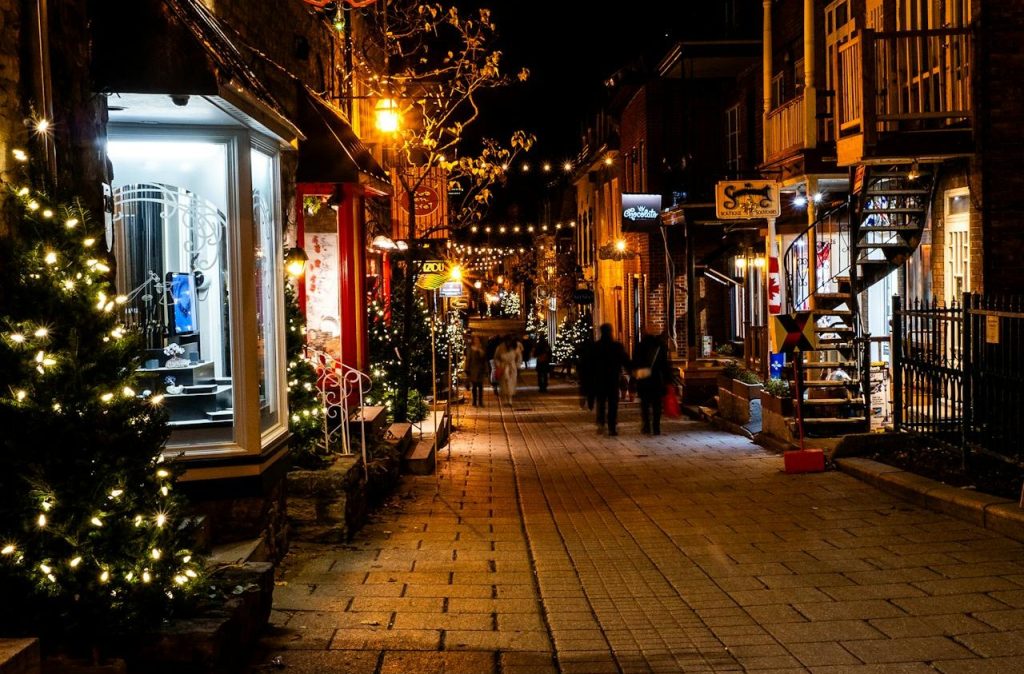
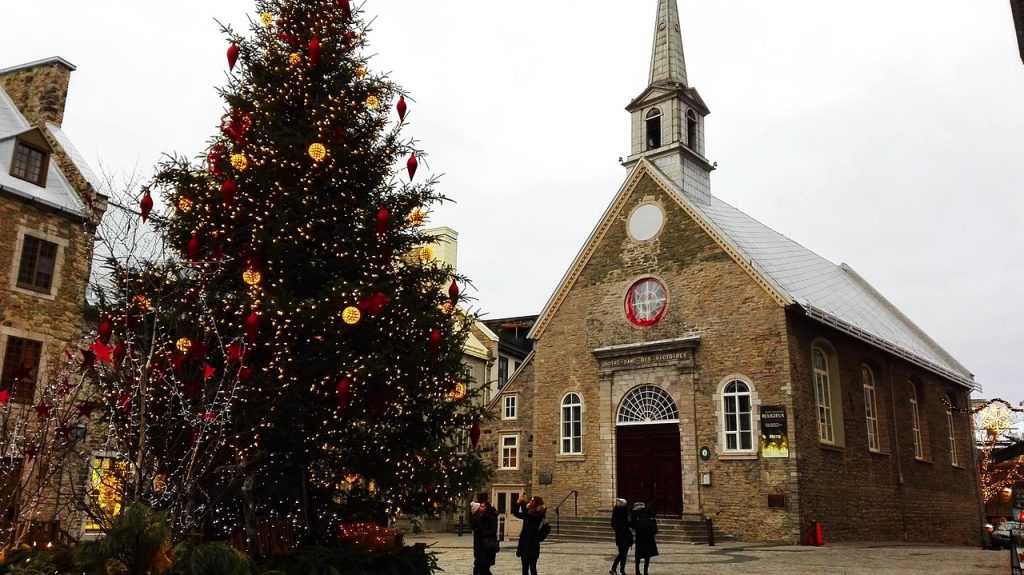
In Québec City, Christmas has public charm, but its deeper tone is family-centered and practical. Tourtière, maple sweets, and warm breads show up as signals of gatherings, and winter streets feel calmer than famous market cities because residents turn inward once the day is done. Churches, small concerts, and home kitchens carry the weight, with visits timed around snow, early darkness, and the comfort of being indoors together. Even the old city’s lights feel more like seasonal reassurance than a tourist show. The rhythm is intimate: early nights, warm homes, and conversations that stretch while the cold stays outside, turning the holiday into a shelter built from food, routine, and company.
Kerala’s Backwaters, India
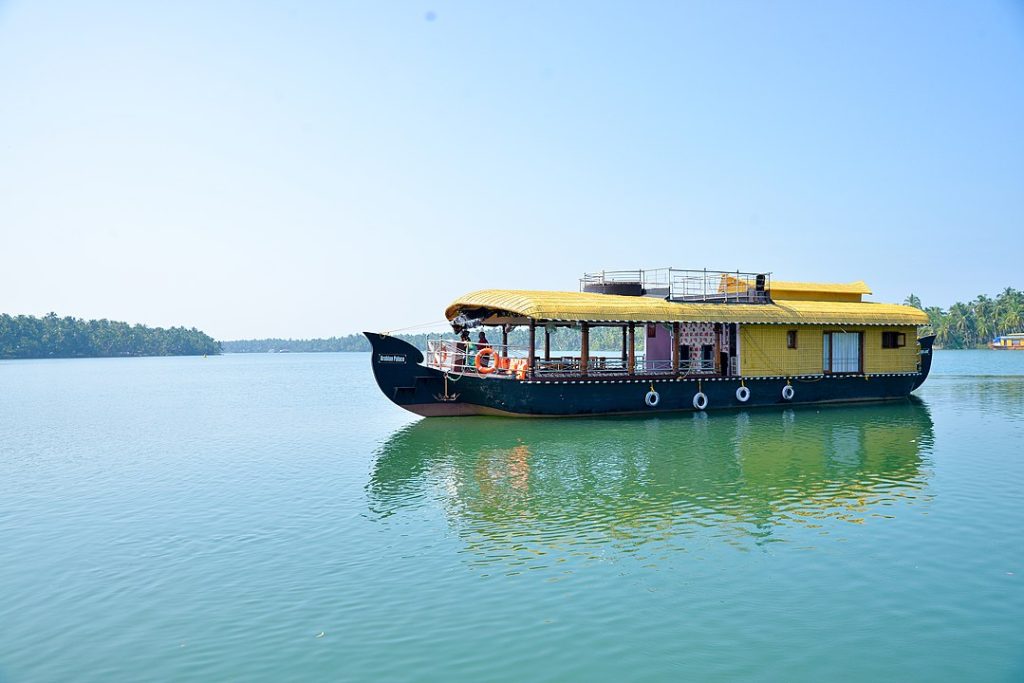
In Kerala’s Christian communities, Christmas often feels centered on church, family, and neighbor exchange rather than on spectacle. In backwater towns and village lanes, homes brighten with stars and lights, but the strongest moments are personal: midnight mass, relatives arriving by boat or road, and long lunches that stretch into evening with sweets passed across tables. The season blends faith traditions with coastal food and local calm, and celebrations tend to follow community rhythm instead of tourist schedules. Visitors can still feel welcome, yet the holiday does not pivot around them. It moves on its own timeline, with church bells, family visits, and shared plates doing most of the work.
Bethlehem, West Bank

Bethlehem is known around the world, yet for many local Christian families the season is still built around church life, relatives, and the practical work of hosting. Public ceremonies exist, but daily Christmas feeling often lives in homes, where meals, visits, and worship shape the calendar. The holiday carries a seriousness alongside warmth, reflecting a place where faith and daily life sit close together. Beyond the busiest squares, families move between services and gatherings, and the celebration feels less like entertainment and more like continuity. The focus stays on keeping traditions intact, showing up for one another, and holding onto routine even when outside attention is intense.
Galway, Ireland
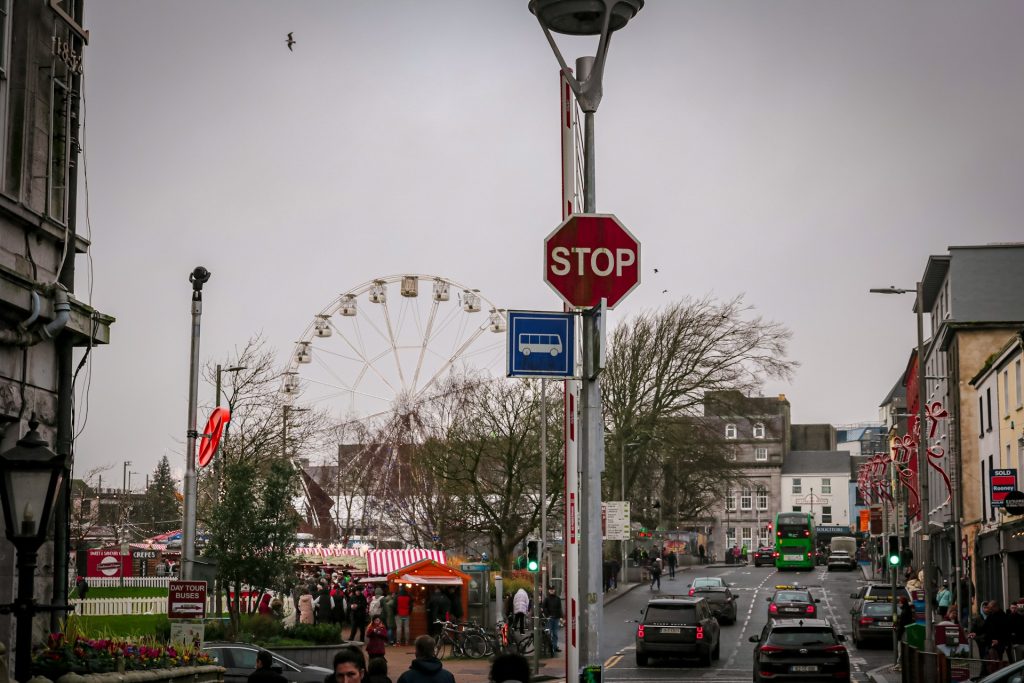
Galway can feel lively in December, but Christmas remains a home holiday first. The real movement is families returning, kitchens filling, and the steady rhythm of visiting relatives across town and countryside. Pubs glow and music is never far, yet the season’s center is the table: roast dinners, tea, late talks, and the quiet logistics of who is sleeping where. Irish Christmas often has its own structure, shaped by school breaks, long drives, and church services that bookend the week. Galway’s charm works because it does not strain to entertain. The holiday feels like a town taking care of its own people, with visitors simply witnessing the warmth.
Cusco, Peru

Cusco’s Christmas blends Catholic tradition with Andean community life, and much of it centers on families and parish routines rather than tourist programming. Nativity scenes, midnight services, and Christmas Eve meals pull households together, while local markets support community exchange more than spectacle. Streets can be festive, yet the emotional center is local: families dressing children for church, preparing special foods, and gathering across generations in the thin high-altitude night. Artisan traditions remain visible, but they feel connected to everyday life, not staged for cameras. The season reads as something residents keep for themselves, with visitors observing from the edges and learning through patience, not through a schedule.
The U.S. Midwest Small-Town Belt

Across many Midwestern small towns, Christmas still looks like a family homecoming, not a tourist season. Main streets may host tree lightings or modest parades, but the real calendar is built around church services, potlucks, and long drives on cold highways to reach parents, cousins, and grandparents. The holiday is practical: casseroles in ovens, boots drying by the door, and living rooms filling with people who know each other’s stories. It feels authentic because it is not staged. It is a town turning inward, making room for reunions, and measuring the season by who shows up at the door, not by what outsiders come to see.