11 Places Where Fall Travel Deals Appear Without Warning
Fall pricing can feel like weather. One week looks expensive, then a quiet shift in calendars opens a pocket of value that disappears as quickly as it arrived. After summer demand fades, hotels adjust inventory, airlines reshuffle seats, and destinations that were packed in July suddenly compete for attention in Sept. and Oct. The best part is that conditions often stay excellent: warm water in coastal places, crisp hiking air inland, and restaurants that feel welcoming instead of overwhelmed. These are the places where discounts tend to surface quietly, without a big sale banner.
Lisbon, Portugal
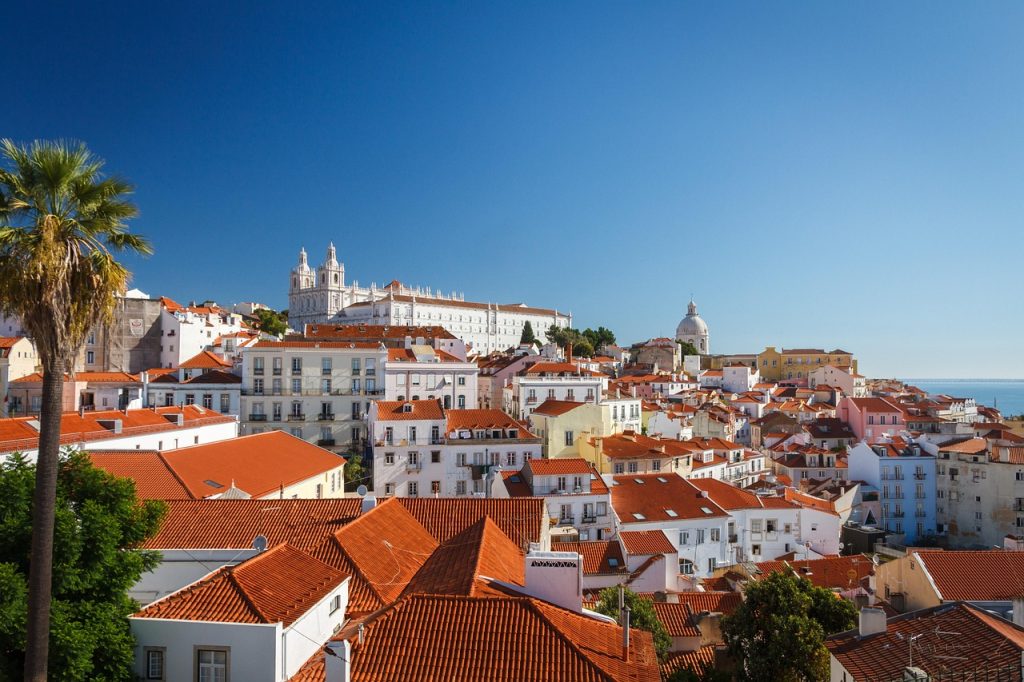
Lisbon’s deals often appear in early fall when European school holidays end and occupancy drops for a few calm weeks, even though the city stays bright and comfortably warm. Hotels in Baixa, Chiado, and near Avenida da Liberdade sometimes release brief rate dips to fill midweek gaps, and flights can soften as airlines shift to shoulder-season schedules. The value is real because the experience improves at the same time: trams feel less packed, miradouros feel calmer at sunset, and day trips to Sintra or Cascais stop feeling like a timed race. When a good price shows up, it is usually tied to a quiet week and can vanish quickly once conferences and weekend breaks return.
Charleston, South Carolina
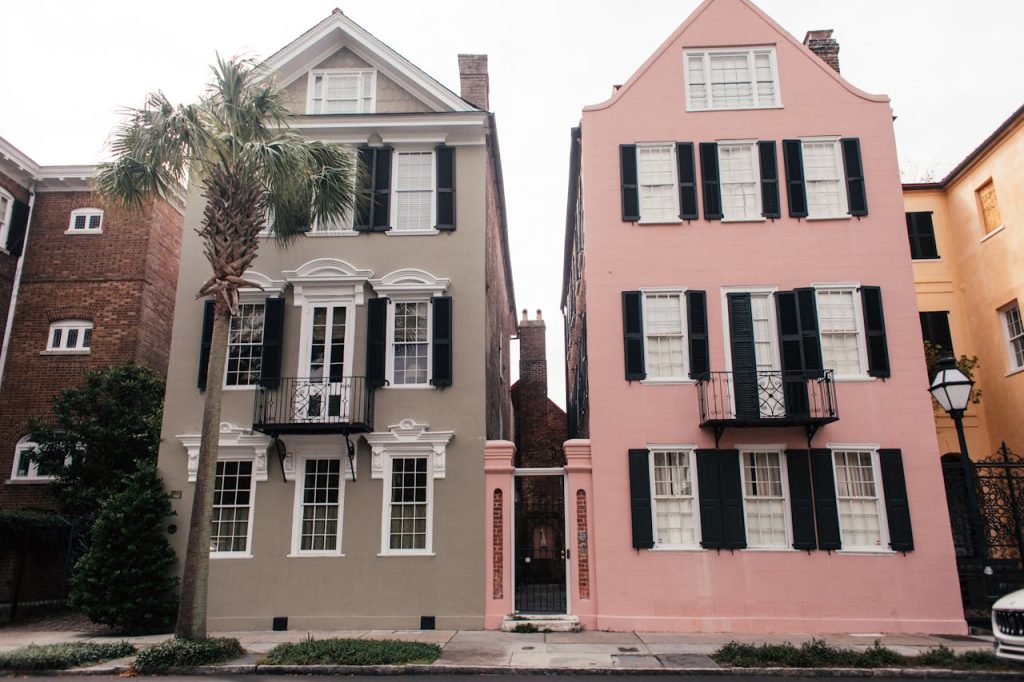
Charleston’s surprise deals often show up when humidity breaks and back-to-school travel fades, leaving a city that still feels lively but no longer booked solid. Inns and hotels sometimes adjust rates in short bursts between event weekends, and airfare can soften in early fall when demand resets. The payoff is immediate: walking the historic district becomes comfortable, dining reservations open up, and nearby beaches keep their late-season warmth. Pricing shifts here are often gap-driven rather than seasonal-wide, so a random Tuesday-to-Thursday window can cost far less than the surrounding dates. When festivals, weddings, or weekend getaways reappear on the calendar, those openings close fast.
Quebec City, Canada
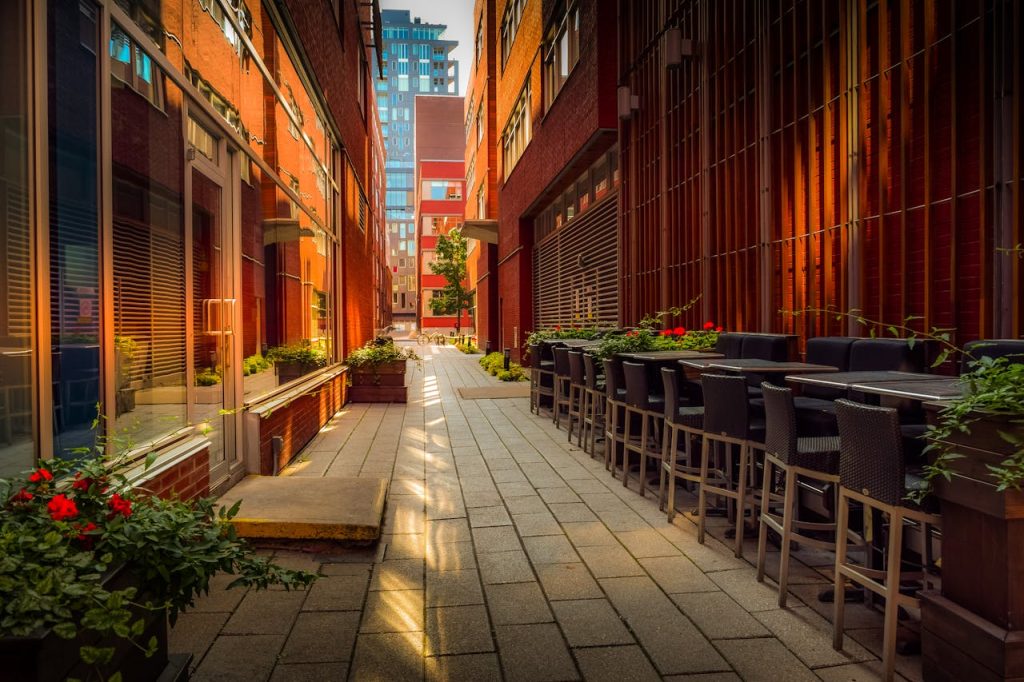
Quebec City can deliver fall value that feels almost accidental. Summer crowds ease, cruise volume slows, and hotel rates sometimes dip just as leaves begin turning and the old city becomes more walkable. Deals often appear midweek or in short stretches between Canadian and U.S. holiday travel, especially when the weather stays crisp but not severe. Restaurants, bakeries, and museums remain in full swing, yet the pace is calmer, and views along the St. Lawrence sharpen in cool air. The discounts tend to come from inventory tweaks, not loud promotions, so they can be easy to miss unless dates remain flexible and booking happens quickly.
Prague, Czech Republic
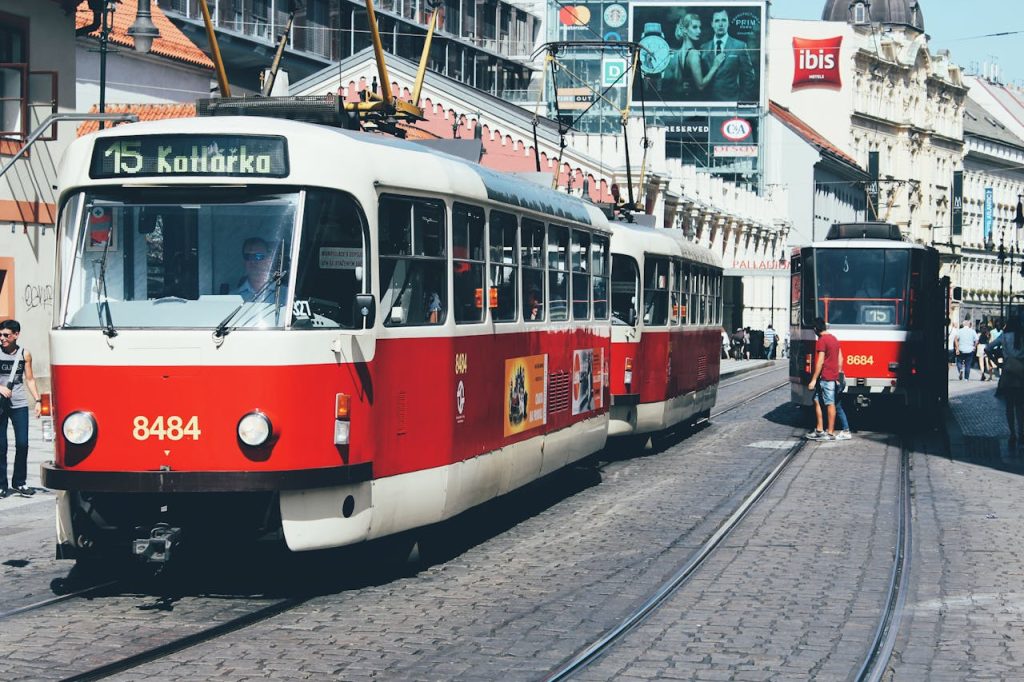
Prague’s fall deals surface when peak tour groups thin, but the city stays magnetic, with golden light on bridges and cooler air for long walks. Hotels and flights can dip unexpectedly in Sept. and Oct. when conference schedules and holiday weekends do not fill the calendar evenly, creating sudden pockets of availability. That uneven demand is what produces the bargains. Evening river views feel calmer, café tables open up, and day trips to ?eský Krumlov or Kutná Hora become easier to arrange without high-season pressure. Pricing can swing sharply, so a good rate often signals a short-lived lull that disappears once a group block booking lands or a festival weekend draws crowds back in.
Cancún And The Riviera Maya, Mexico
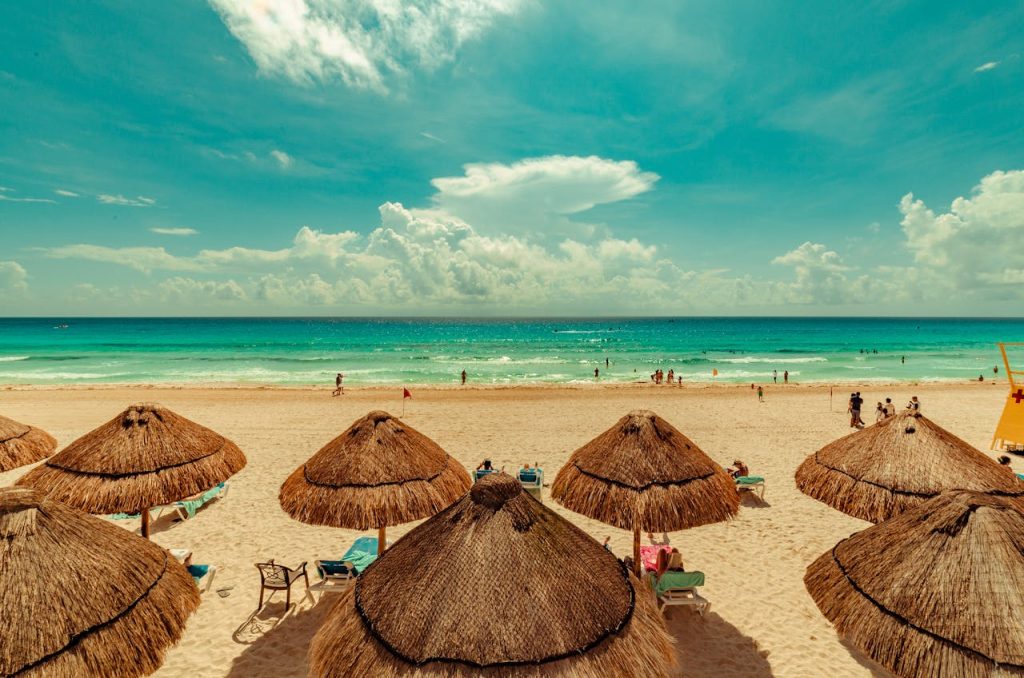
In the Riviera Maya, deals can appear fast because pricing is shaped by seasonality, storm perception, and quick inventory adjustments more than by steady demand. Resorts lower rates when late-summer crowds fade, and short booking windows can pop up in Sept. and Oct., especially outside major holiday weeks. When weather cooperates, the value feels outsized: warm water, quieter beaches, and easier access to cenotes and ruins without the high-season crush. These discounts often look sudden because they are reactive, designed to fill rooms rather than to run a planned sale. Once occupancy rebounds, rates snap back, sometimes within days, leaving only a narrow window for flexible travelers to catch.
Crete, Greece
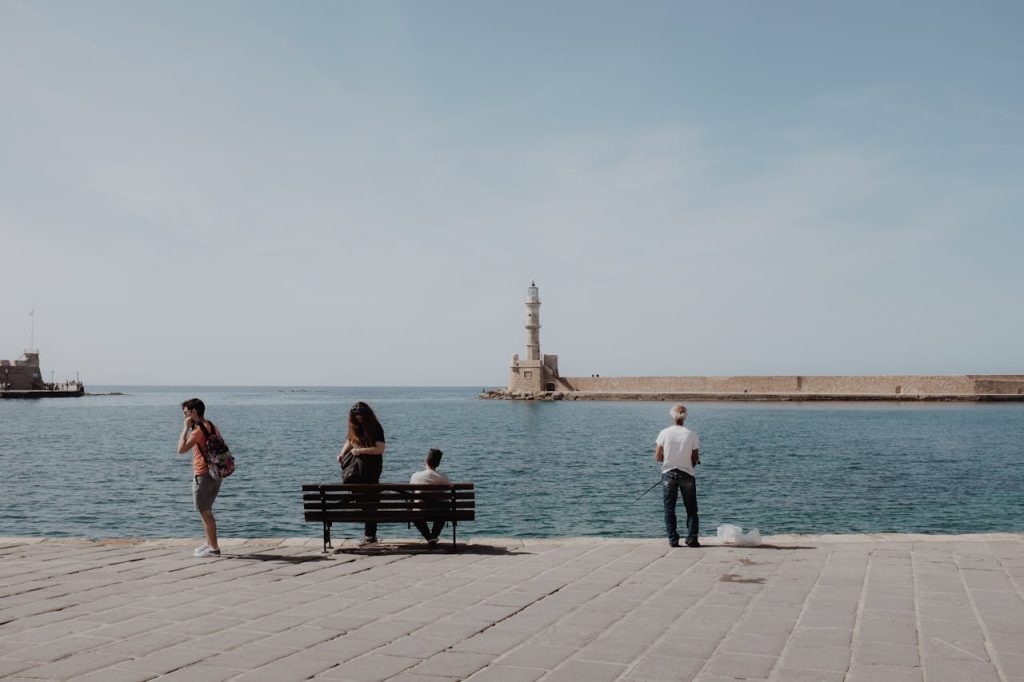
Crete’s fall pricing can shift overnight because the island runs on a seasonal rhythm: flights thin, hotels adjust, and many places quietly compete for the last strong weeks before winter. Sept. can feel like peak conditions with shoulder-season costs, and deals often appear when a lull hits between European holiday waves. The sea stays warm, evenings stay long, and tavernas remain open, but crowds soften and roads feel calmer. When a good rate appears, it is often linked to a specific village or a midweek block that did not sell, not a broad discount across the island. That is why the best values feel like surprises and tend to disappear once the calendar fills with late-season trips.
Banff, Alberta
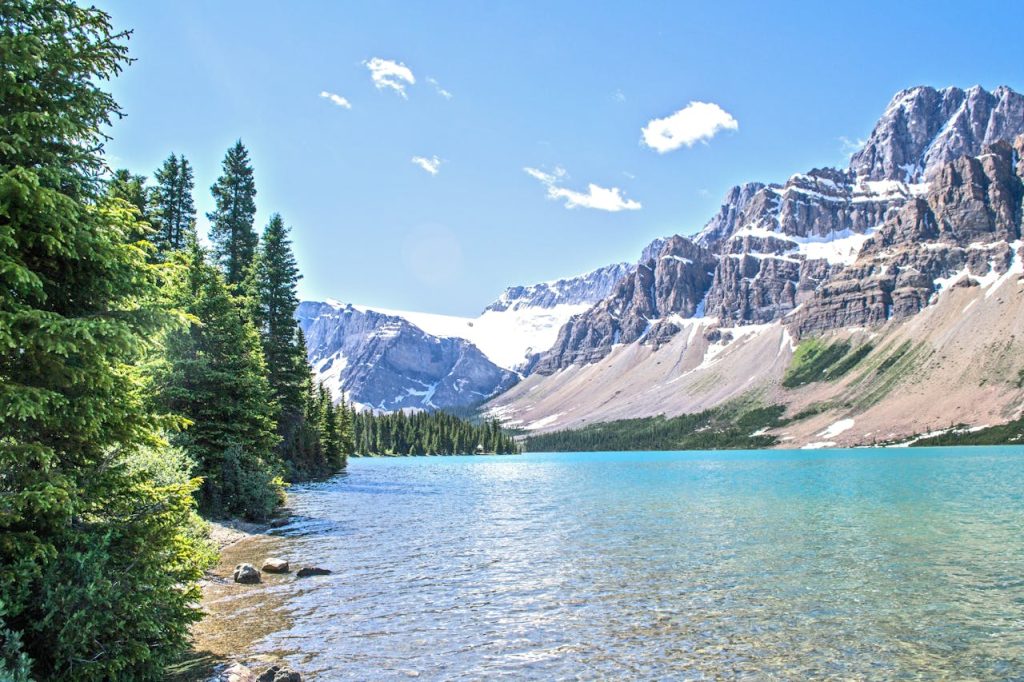
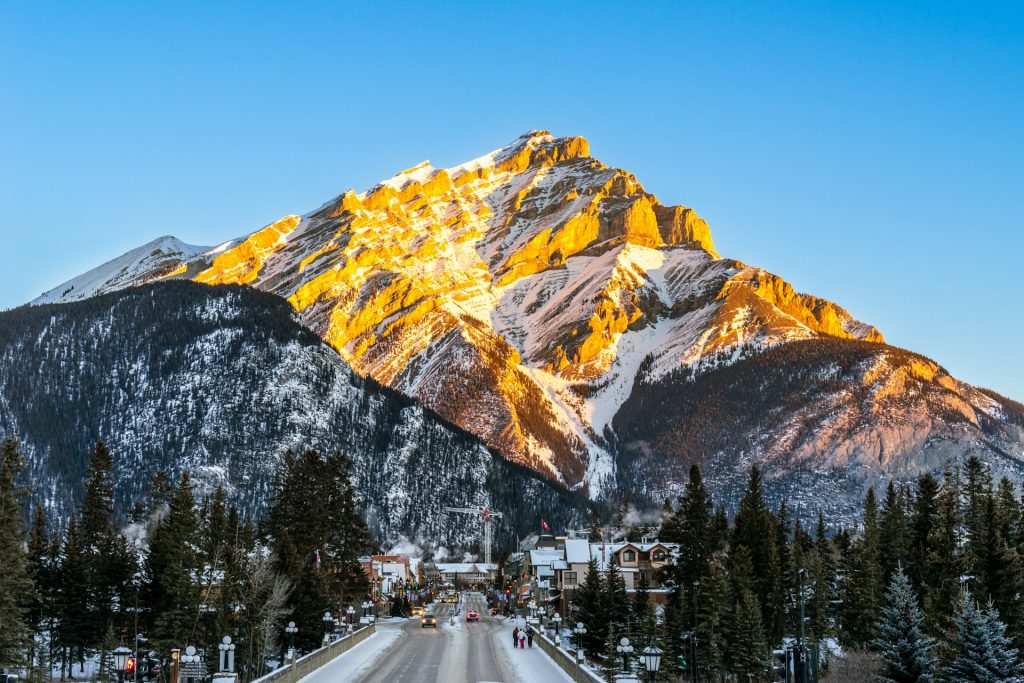
Banff deals show up in fall because demand is uneven. Summer families depart, but winter ski travel has not fully arrived, and that gap can create short periods where rates soften without much warning. It is not guaranteed, because weekends can spike, but midweek pricing sometimes drops sharply when bookings lag. The timing is ideal: crisp air for hikes, clear lakes, and fewer packed sidewalks in town. Trailheads and shuttles feel easier, and wildlife activity can be more visible in quiet mornings. When discounts appear, they often reflect a sudden vacancy in a hotel’s schedule rather than a general seasonal markdown, which is why they can vanish as quickly as they appear.
Tokyo, Japan

Tokyo’s fall deals tend to show up in the spaces between big travel surges. After summer, there are weeks where demand dips before peak leaf-viewing travel builds, and airlines and hotels sometimes adjust quickly to fill seats and rooms. The city remains energetic year-round, but fall improves comfort: less humidity, clearer skies, and better walking weather for neighborhoods like Asakusa, Yanaka, and Shimokitazawa. Deals often cluster around specific weekday patterns, then disappear when conferences, school breaks, or holiday travel reshuffle occupancy. Tokyo rewards flexibility because pricing responds to events and capacity, so a calm week can quietly become a bargain week before anyone has time to label it as one.
San Juan, Puerto Rico
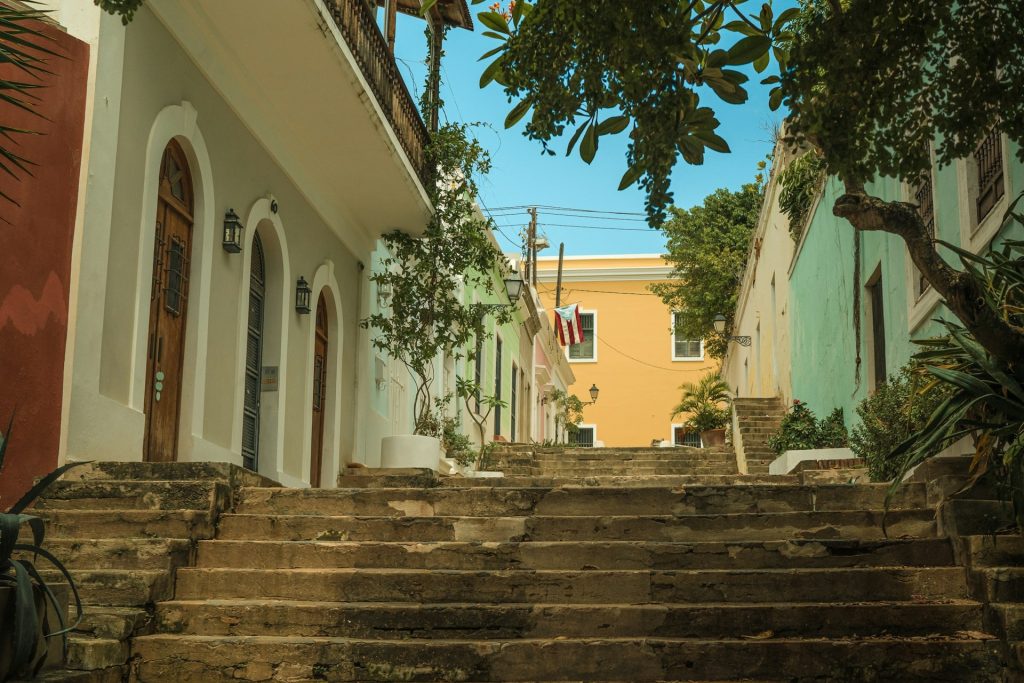
San Juan’s fall bargains can feel sudden because shoulder season arrives while the island often stays beach-friendly. As summer travel fades and before winter demand ramps up, hotels and flights sometimes dip in short bursts, especially midweek. Old San Juan feels calmer, sunset walks near the forts become less crowded, and day trips to El Yunque or nearby beaches are easier to time without heavy traffic. These deals often reflect a brief gap in bookings rather than a planned discount campaign, which is why they can appear quietly and vanish once weekend trips, cruise schedules, or a stretch of good weather refocus demand. The sweet spot is usually a small window when conditions stay strong but attention shifts elsewhere.
Sedona, Arizona
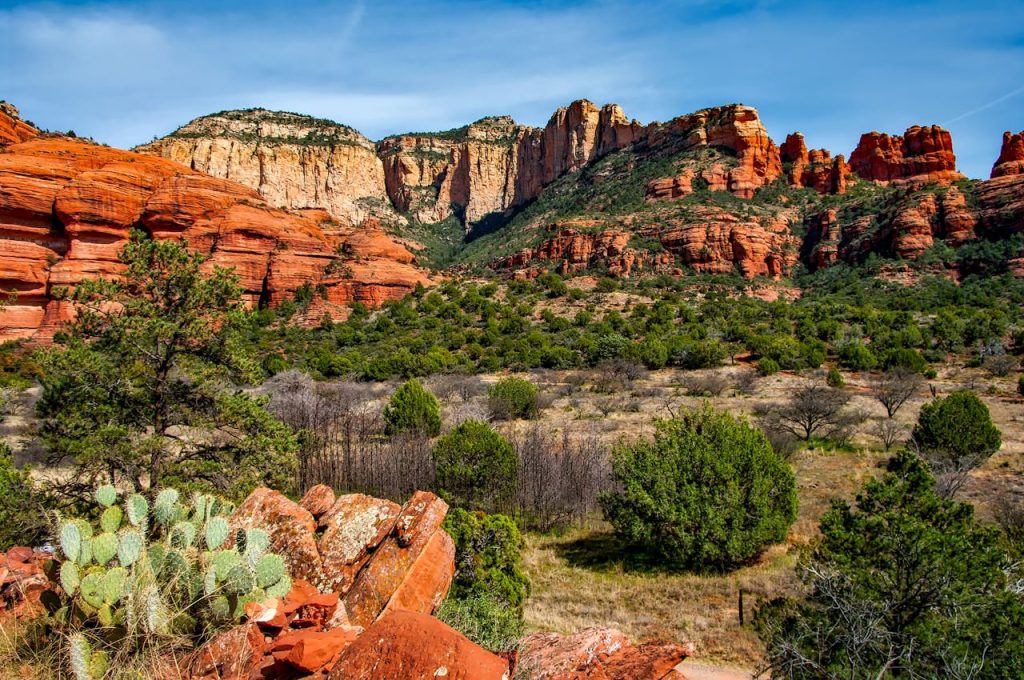
Sedona’s fall deals show up in transition weeks, when early fall heat is easing but the cool-weather rush has not fully arrived. Hotels sometimes release short-term discounts when occupancy wobbles, and weekday rates can shift quickly before weekends fill again. The timing can be perfect: clearer skies, cooler mornings, and trails that feel less busy than spring, with enough daylight for long hikes and late lunches. Pricing here is sensitive to forecasts and event weekends, so a calm week on the calendar can unlock value without warning. Once temperatures hit the sweet spot, demand rises fast and the bargain window closes, often as quickly as it opened.
Marrakech, Morocco
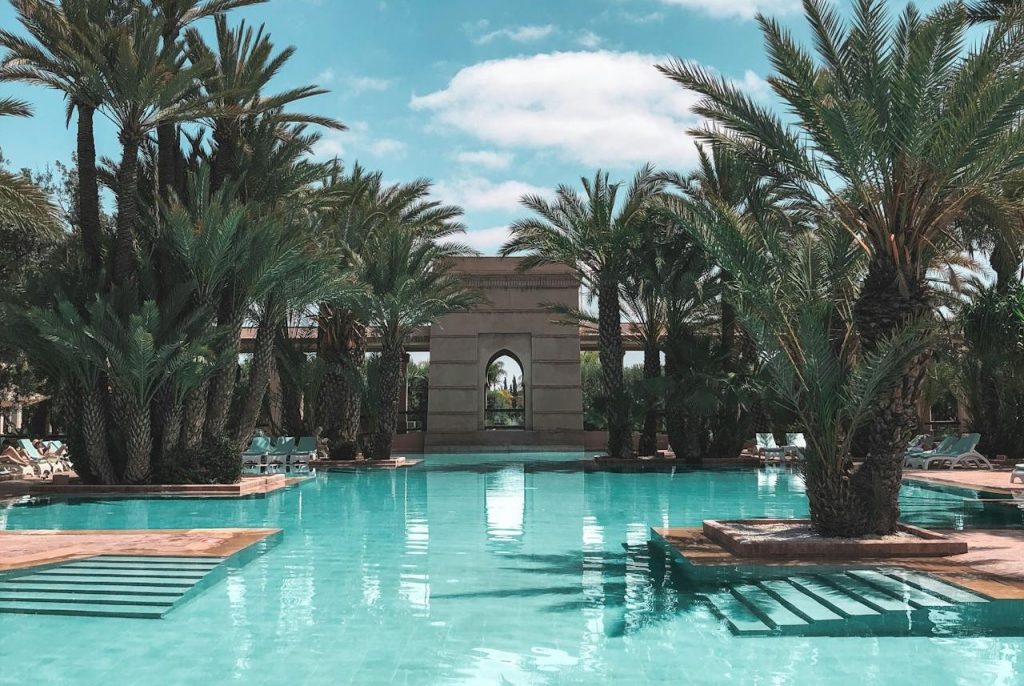
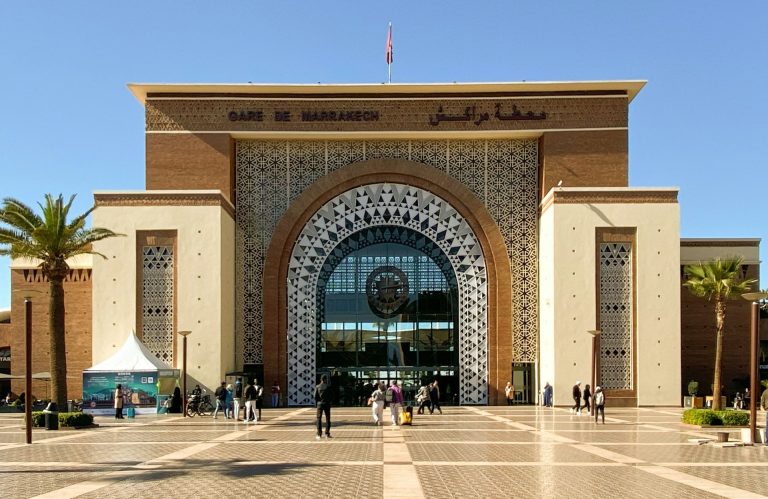
Marrakech often produces fall value because the city becomes more comfortable right as summer intensity fades, and riads compete for travelers arriving before peak winter demand. Rates can dip unexpectedly in Sept. and Oct., especially when flight schedules shift or when a lull opens between group tours. The city feels better at the same time: manageable heat, longer evenings in cafés, and medina walks that do not require constant breaks. Day trips into the Atlas region become practical again, and some riads quietly offer upgrades or reduced rates to fill rooms. These deals rarely announce themselves loudly, which is why they reward quick action when a good price appears.