11 Places Where Local Events Now Dominate Visitor Calendars
Travel itineraries used to leave room for long lunches and accidental detours. Now, in many places, the most important question is not where to go, but when. Local festivals, sports weekends, and cultural seasons have grown into the main reason people arrive, and the calendar quietly dictates prices, reservations, and daily movement. That shift can feel thrilling, like stepping into a shared story already in progress. It can also feel demanding, because missing one key event can make the whole trip feel off-tempo.
Edinburgh, Scotland (Festival Fringe)
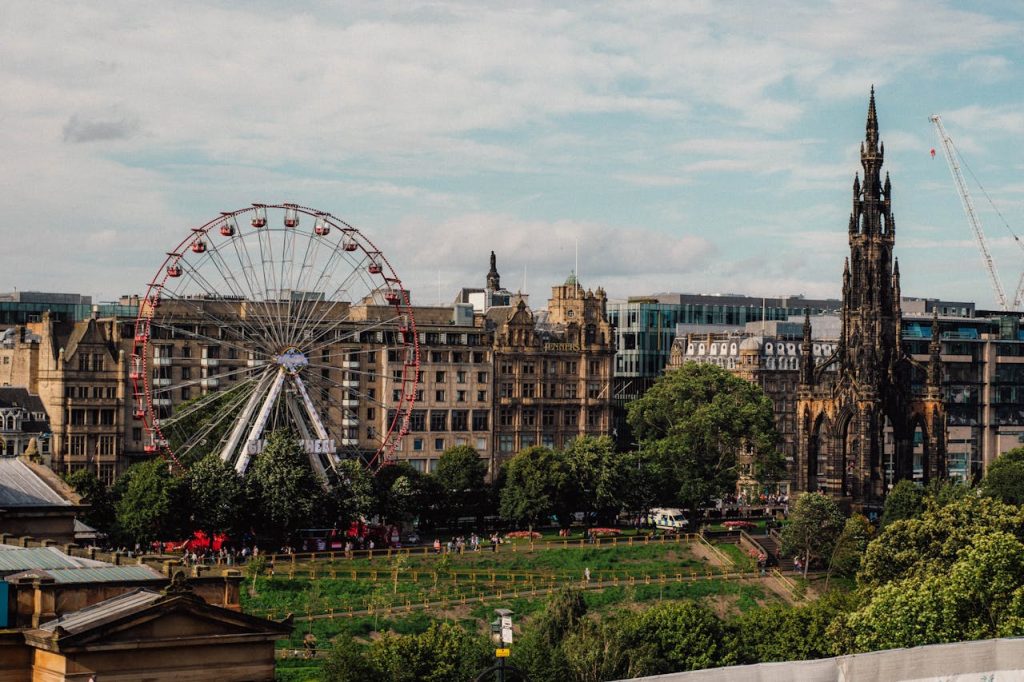
Edinburgh’s late-summer identity now revolves around the Fringe, when performances spill into pubs, church halls, basements, and grand theaters. Visitor days get built from show times, venue hops, and the small gamble of choosing between a sure thing and an unknown act. Hotels, meals, and even quick errands revolve around curtain calls, while the Royal Mile and the castle become pauses between matinees and late-night sets, and ticket pickup times quietly shape the whole day. The city turns into a walkable menu of choices, and visitors start budgeting time the way they budget cash, saving energy for one more show at 11:00 p.m. It runs late too.
Austin, Texas (SXSW)

During SXSW, Austin turns into a city of badges and start times, where panels, premieres, and showcases keep shifting the plan by the hour. Meals get timed to session breaks, rides get chosen by which venue might still have space, and downtown blocks replace the usual sightseeing map. Barbecue joints and river trails still matter, but many visitors treat them as breathers squeezed between check-ins, door cutoffs, and late-night sets that run long. The result is a trip measured in slots and wristbands, where a missed line can mean losing the moment that everyone talks about the next day. It rewards planning; spontaneity shrinks to minutes often.
New Orleans, Louisiana (Mardi Gras)
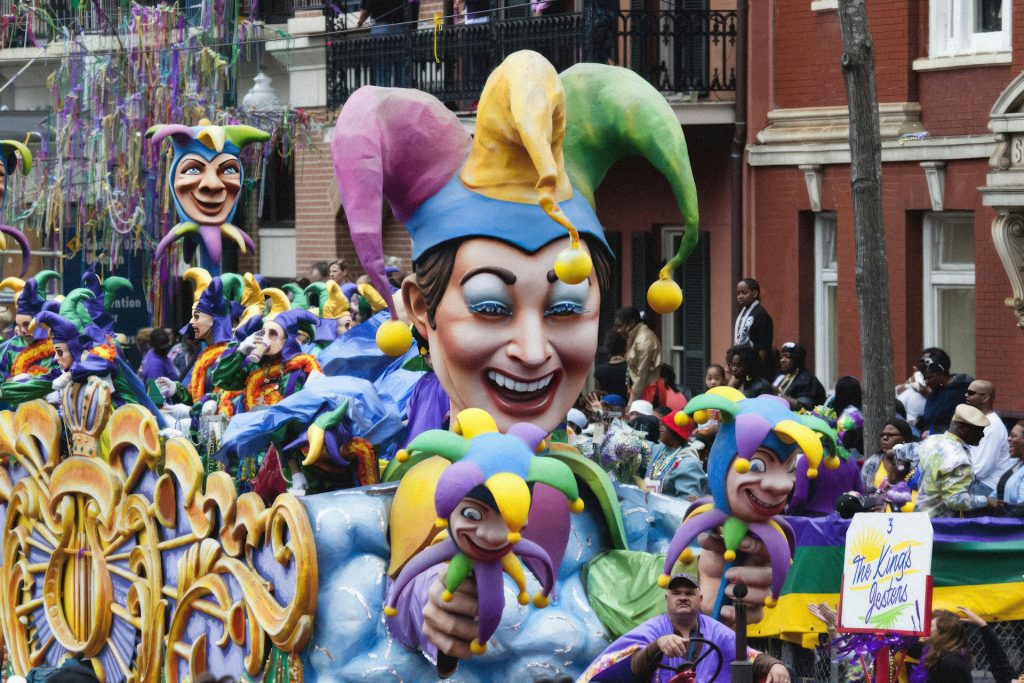
Carnival season reshapes New Orleans so completely that parade routes matter more than street names. Visitors plan mornings around barricades, afternoons around which krewe rolls next, and evenings around how to get home when streets close. Museums and garden walks still happen, but they fill the hours between parades, while meals become strategic stops picked for walkability and quick exits when the bands arrive. Side streets become lifelines, and the best advice is usually about timing, when to cross, when to wait, and when to stay put and enjoy the music rolling by. The payoff is joy, but plans depend on where the next float turns each day,.
Rio de Janeiro, Brazil (Carnival)
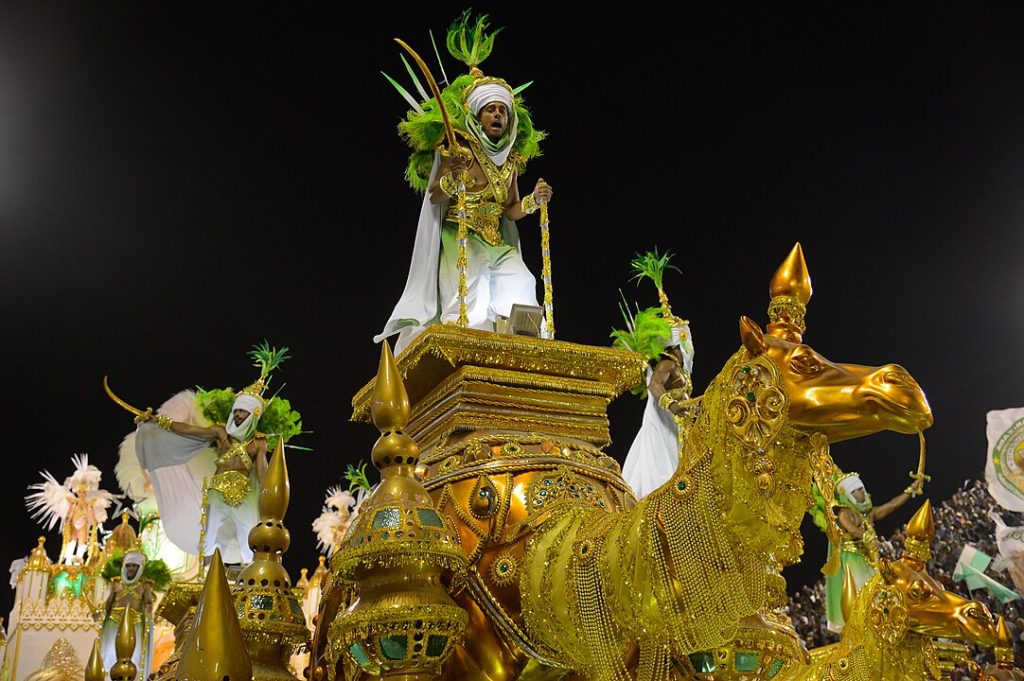
Rio’s Carnival turns the city into a moving schedule of music, costumes, and late nights, and visitors learn fast that plans are suggestions. Days lock onto bloco calendars and parade evenings, with beaches serving as the quiet reset between loud hours. A simple morning museum plan can vanish when a street band rounds the corner, so restaurants, transit, and sleep get arranged around where the next surge of sound is headed. Locals share tips like a live feed, and visitors learn to carry water, keep plans light, and accept that the best route is the one that can bend without stress. It helps to pick one bloco then let the rest unfold by walking.
Munich, Germany (Oktoberfest)
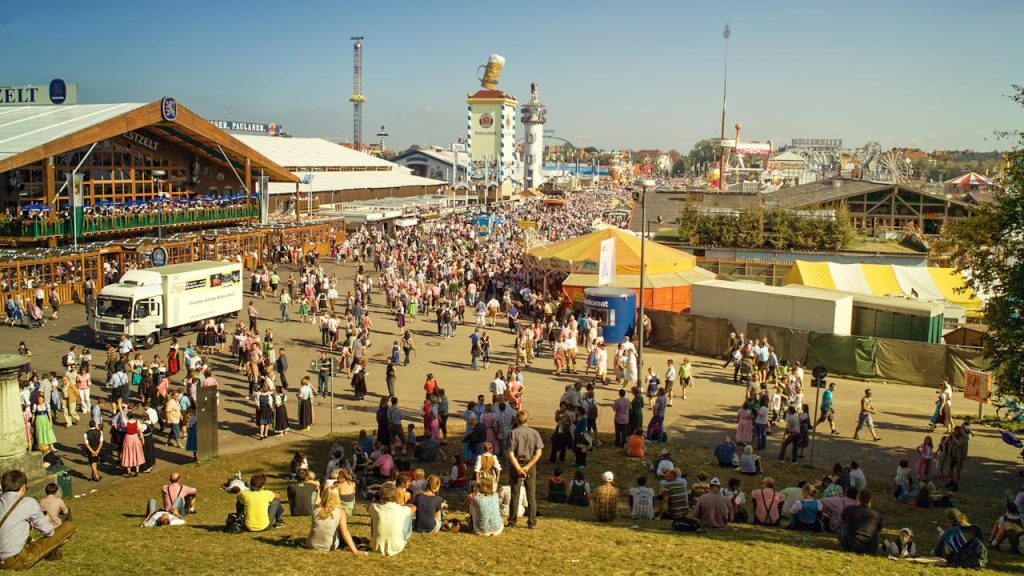
Oktoberfest is not a side stop in Munich; it becomes the framework for the entire visit. Travelers time arrivals around tent reservations, opening rituals, and the daily swing from family-friendly afternoons to packed evening crowds. Museums and parks still shine, but many days end up orbiting the Theresienwiese, with meals, transit, and meetups planned around table times and the moment tents hit capacity. People learn quickly that the day is won by pacing, early choices, and knowing when to step away for a quieter walk before the crowds peak again. A quiet hour and an early dinner can feel like luxury, because the tents call again soon, daily.
Albuquerque, New Mexico (International Balloon Fiesta)
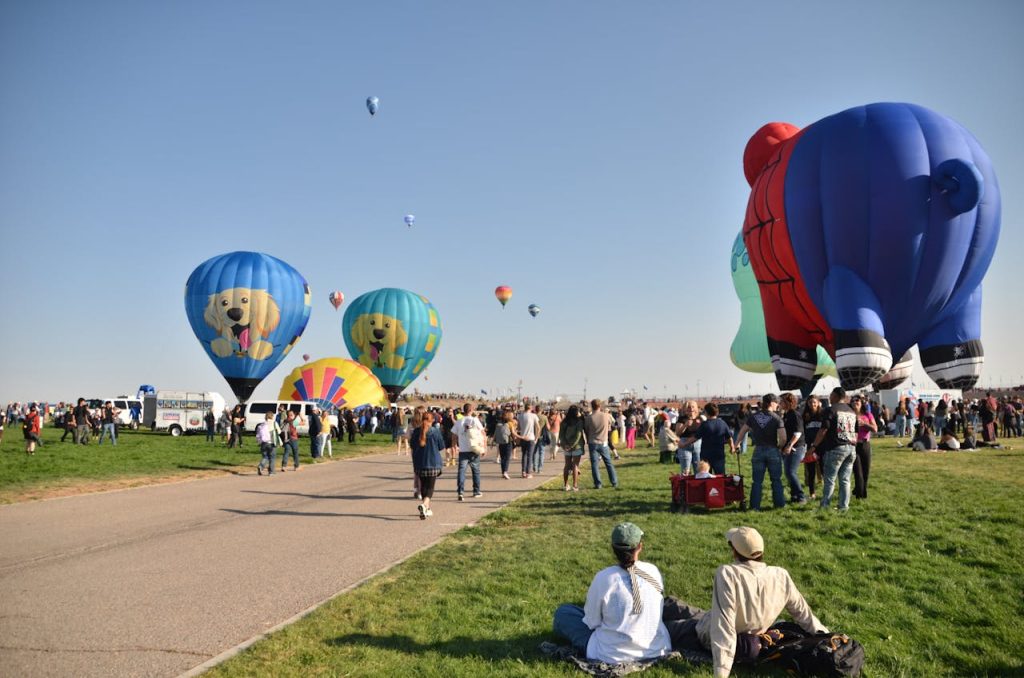
Balloon Fiesta week flips Albuquerque’s routine, because the best moments happen at dawn and the weather decides if they happen at all. Visitors build days around sunrise launches, evening glows, and quick calls that can rewrite plans in minutes. Early nights, earlier mornings, and midday naps become strategy, while museums, food stops, and scenic drives get stitched into the quiet gaps between flight windows. When the wind cooperates, the payoff is pure wonder, yet most visitors still plan everything around those few lift-off hours that feel almost sacred. Traffic and parking get planned early, because arrival at 05:30 a.m. changes everything.
Kyoto, Japan (Gion Matsuri)
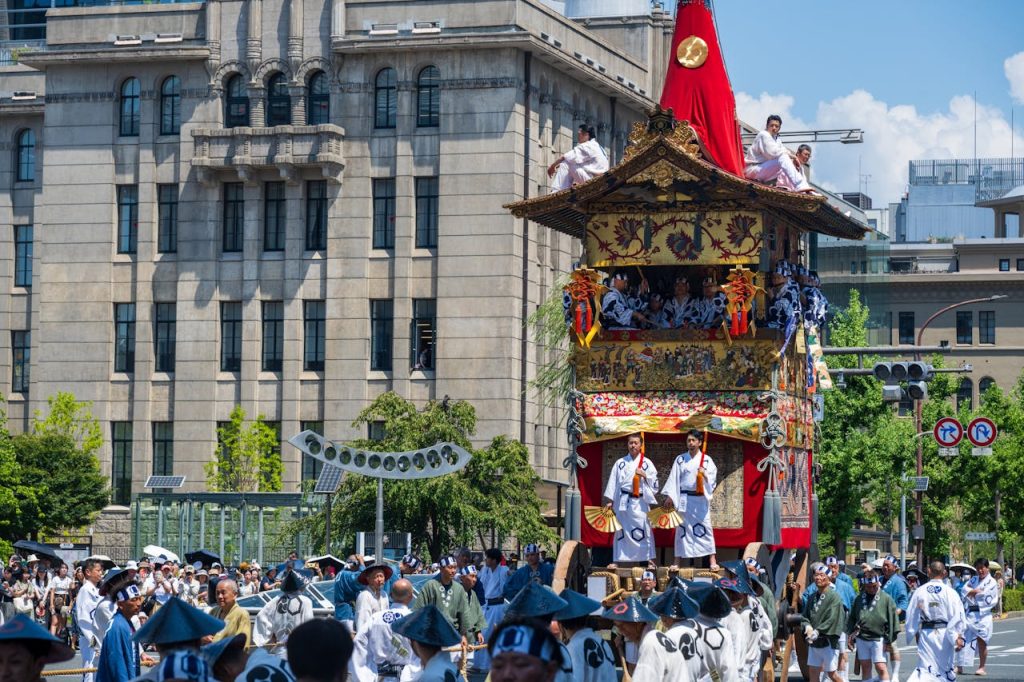
In July, Kyoto’s mood is guided by Gion Matsuri, a long sequence of rituals and parade nights that takes over lodging demand and dinner plans. Visitors time arrivals around key evenings when lantern-lit streets fill with stalls, then shape daytime routes around float corridors and peak strolling hours. Temples remain serene, yet many outings get chosen by how they fit the festival’s pulse, and the city’s best atmosphere arrives after sunset, when the streets glow. Many end up measuring the trip by evening strolls and street food, because that is when the festival’s mood feels most complete, gentle, and communal. It makes July feel shared again.
Pamplona, Spain (San Fermín)
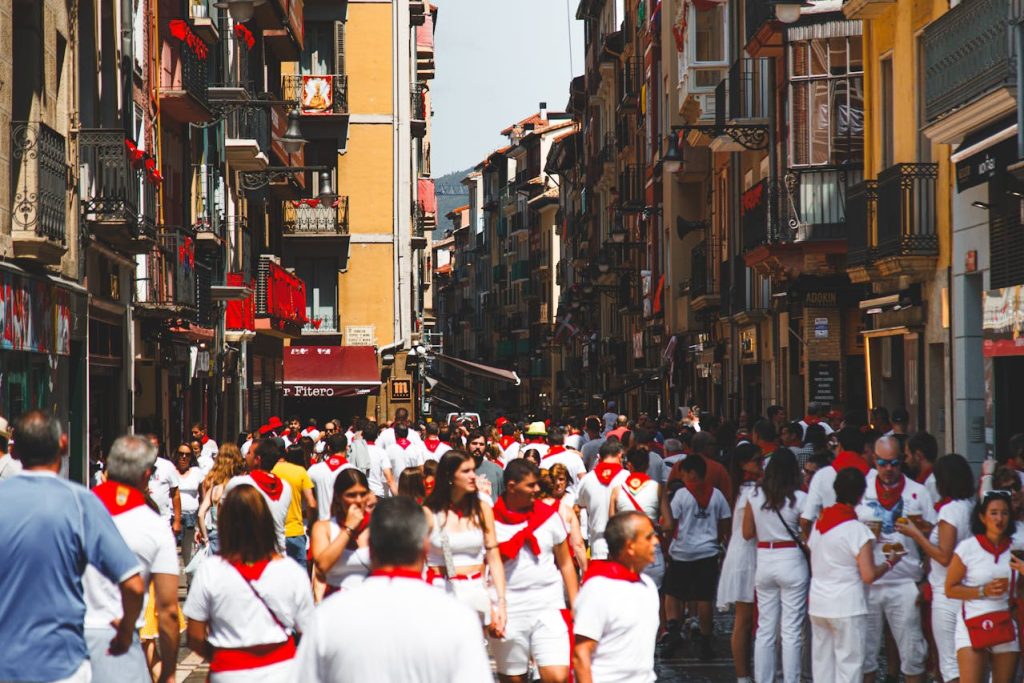
San Fermín turns Pamplona into a tightly programmed week of ceremonies, music, and plazas that rarely rest. Visitors book beds far ahead, then plan days around opening moments, daytime performances, and nights that run late across the old town. Meals become quick refueling stops, nearby day trips get postponed, and even first-time guests start speaking in dates and start times because the festival sets every rhythm. The town’s normal pace returns only in small gaps, so visitors grab calm moments early, then let the day be carried by the crowd’s energy. After a few days, visitors stop resisting the pace and start matching it, nap included daily.
Cannes, France (Festival de Cannes)
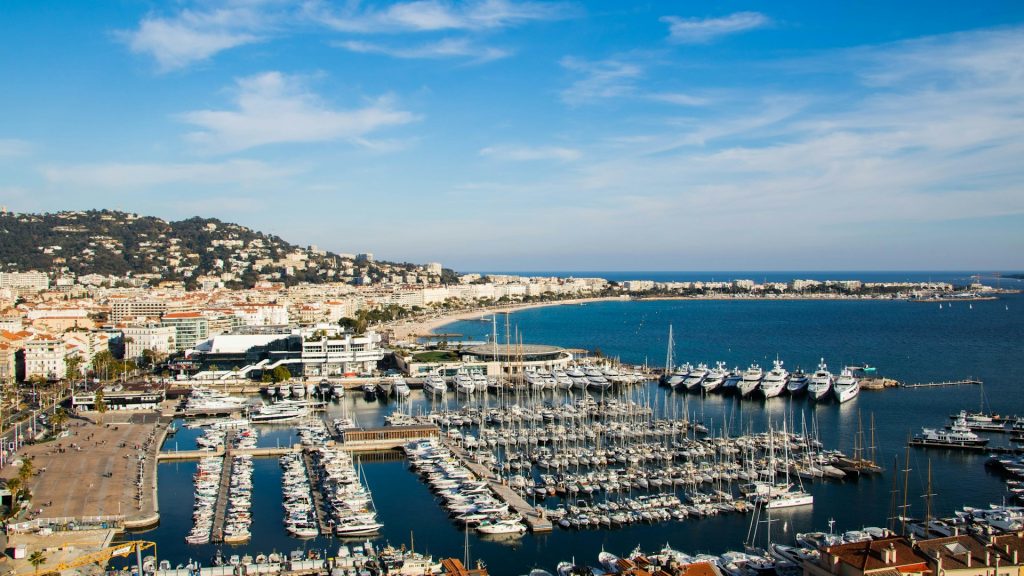
In May, Cannes feels directed by screening times and red-carpet evenings, because the festival’s rhythm is visible on the street. Days align with premieres, waterfront crowds, and the hours when the Croisette becomes a moving stage for arrivals and photos. Restaurants and beach clubs adjust their energy to match the schedule, and even casual strolls get timed to the busiest moments, since that is when the town feels most alive. Visitors may come for the sea, yet they often stay near the action, because the festival’s most memorable scenes happen in public, on a schedule. A quiet breakfast feels rare, because the sidewalk schedule starts early.
Park City, Utah (Sundance Film Festival)
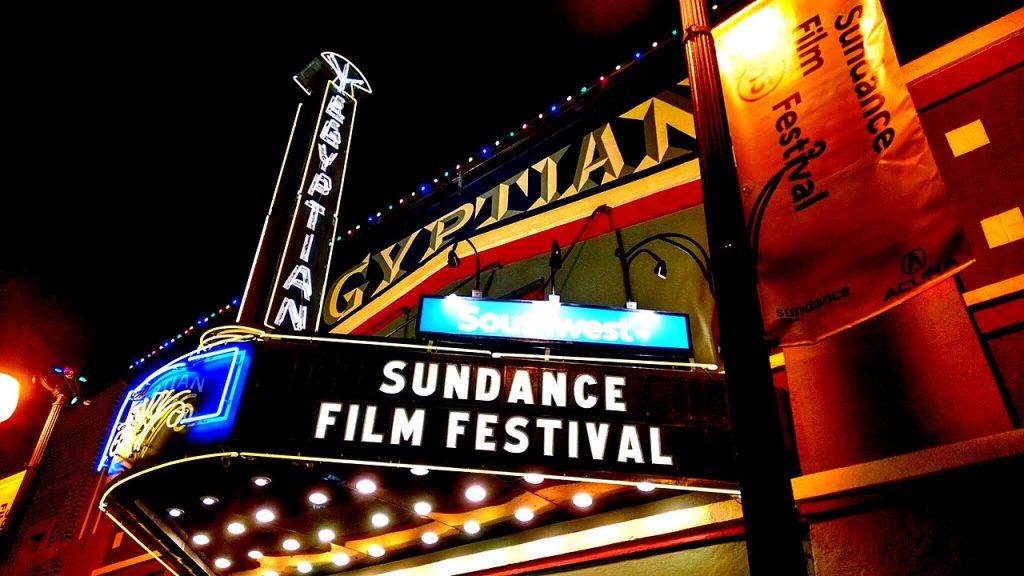
Sundance turns Park City into a network of timed stops, where snow, screenings, and conversations blend into a carefully managed routine. Visitors juggle ticket drops, shuttle routes, and door cutoffs, shaping each day around what can realistically be reached on time. Restaurants double as debate halls, lobbies become meeting points, and ski hours shrink into narrow windows, because the festival’s calendar keeps pulling everyone back downtown. The reward is the buzz of discovery, but it comes with constant clock-checking and tough choices about what to skip. Snowy sidewalks feel like hallways, and errands get timed to screenings and departures.
Calgary, Alberta (Calgary Stampede)

During Stampede, Calgary’s social center shifts to one welcoming celebration that runs from morning into late night. Visitors build trips around parade day, rodeo events, concerts, and the constant pull of the grounds, where food stands and pop-up shows keep attention moving. Hotels and flights fill early, and casual sightseeing often gets traded for shared moments downtown, because the city’s calendar is written by the event during those days. Even travelers who expected a simple weekend find their schedules packed, because the energy is hard to ignore once it starts. Cowboy boots show up everywhere, and hours bend to Stampede time.