11 Places Where Regulation Changed Tourism

Regulation can remake a destination faster than a new hotel. When fees rise, entry windows tighten, rentals get capped, or ships are limited, tourism rarely disappears. It shifts.
Trips become more planned, sometimes pricier, often calmer, and the local mood changes when streets, trails, and water systems get a chance to breathe.
Some rules add light friction, like a booking step. Others are hard guardrails after years of strain. These eleven places show how policy redraws the visitor experience, and what that feels like on the ground.
Venice, Italy
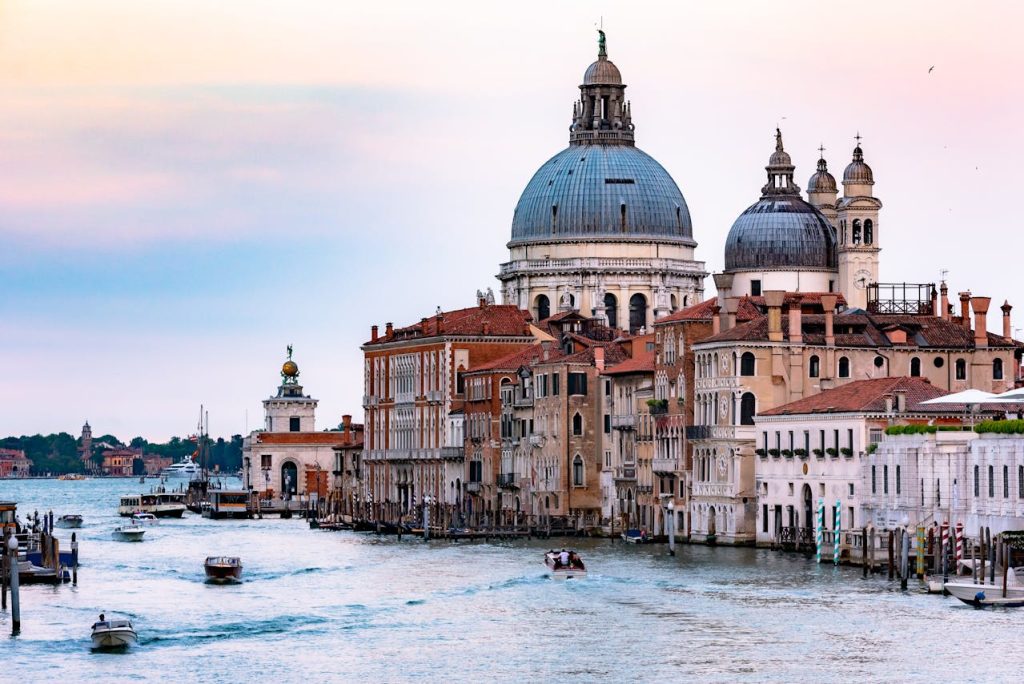
Venice introduced a day-visitor access fee on certain peak dates and tied it to online registration, which turns arrival into a choice instead of a reflex. The small hurdle matters most on crowded weekends, when bridges, alleyways, and vaporetto platforms feel like single-file corridors.
Overnight stays are usually handled through lodging taxes, so the policy quietly favors travelers who slow down and sleep in the city. Tourism still flows, but Venice gained a dial it can turn when pressure spikes, and it signals that the lagoon is a living place, not an endless open-air museum for quick drop-ins on a whim each spring and summer.
Barcelona, Spain
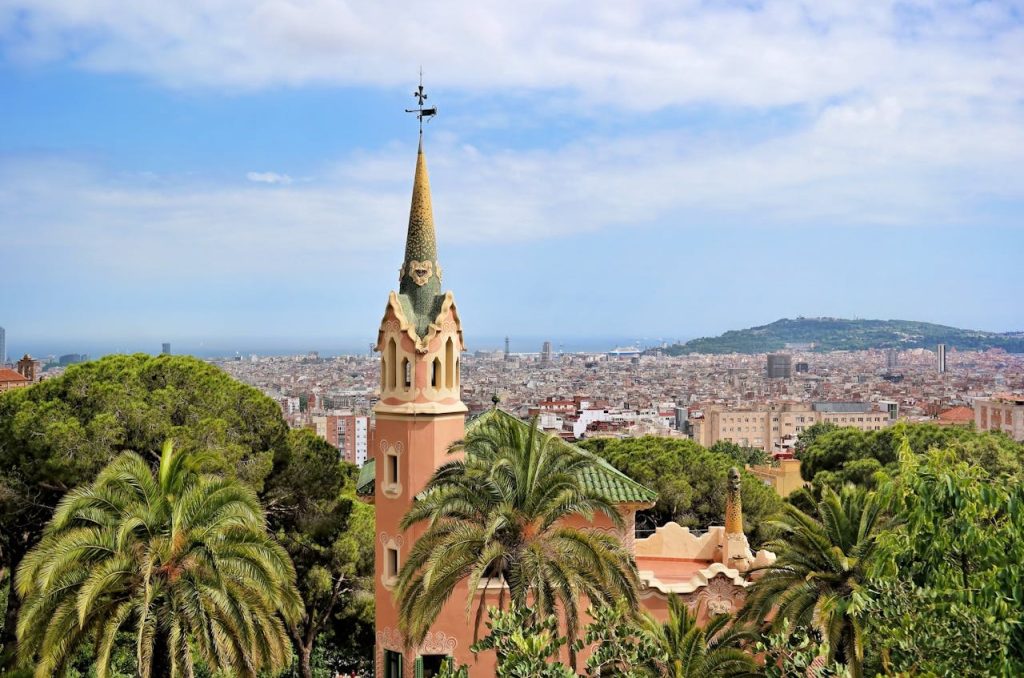
Barcelona decided to phase out licensed short-term tourist apartments by 2028, tying tourism policy directly to housing pressure. The change reshapes where visitors sleep, because the easiest, most central flats become scarcer, and the market can no longer expand building by building.
Hotels, regulated rentals, and nearby towns absorb more demand, which nudges itineraries outward from the Gothic Quarter and Eixample. Travelers feel it in higher competition for peak weekends and more advance planning. For residents, fewer revolving keys can mean quieter stairwells and steadier neighbors, even while the city stays a major magnet.
Amsterdam, Netherlands
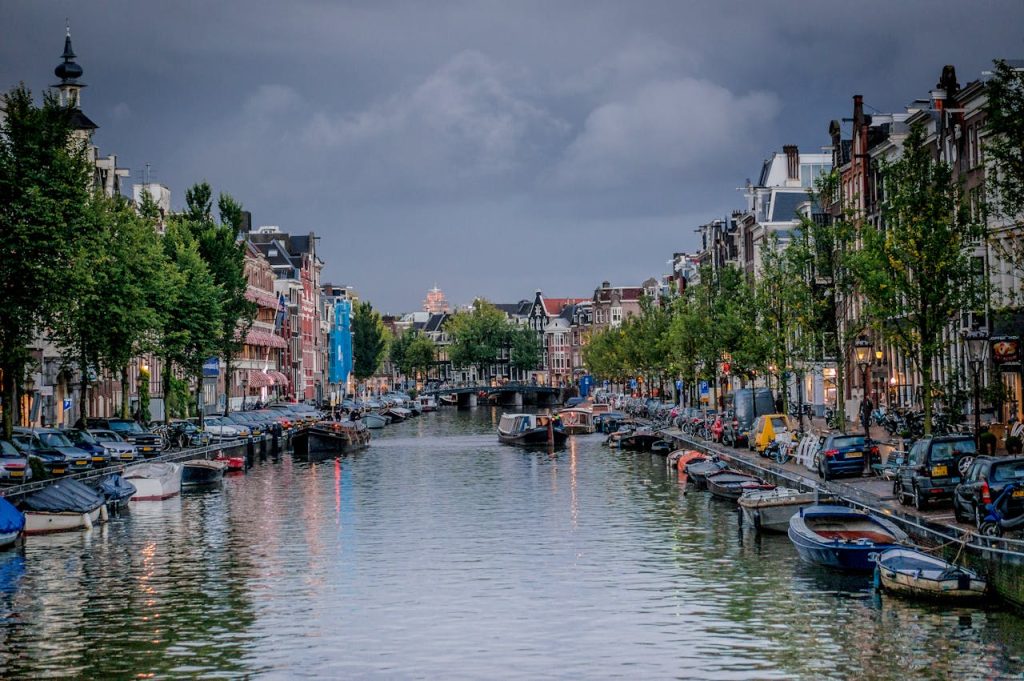
Amsterdam began treating mass tourism like city infrastructure, using regulation to blunt the biggest crowd spikes. Cutting back on ocean-cruise calls and pushing port activity away from the historic core reduces sudden passenger waves that can clog bridges, trash bins, and tram stops in minutes.
The city also tightened controls around hotel growth and nuisance-heavy nightlife zones, aiming to protect daily life in central neighborhoods. Visitors still come in huge numbers, but the flow becomes less compressed, and the canal ring feels more like a lived-in city than a permanent festival route on summer nights. And busy weekends.
Dubrovnik, Croatia
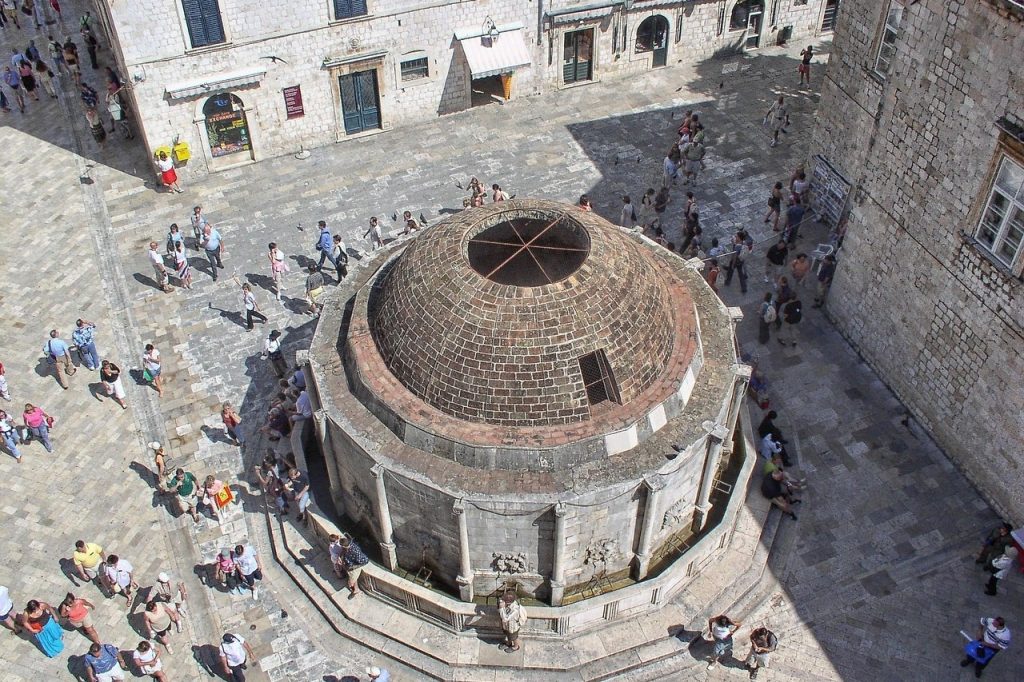
Dubrovnik’s walled Old Town has medieval streets and modern demand, a mismatch that turns into gridlock when cruise arrivals stack up. Limits on daily ship scheduling and passenger surges aim to match the port calendar to what the city can actually absorb without turning gates and stairways into slow lines.
For visitors, timing becomes part of the experience: fewer simultaneous dockings, steadier walking routes, and less shoulder-to-shoulder pressure at viewpoints. For residents, it means errands can happen without the center freezing at noon. Tourism stays central, but capacity is treated like a real operating rule. In July.
Santorini, Greece
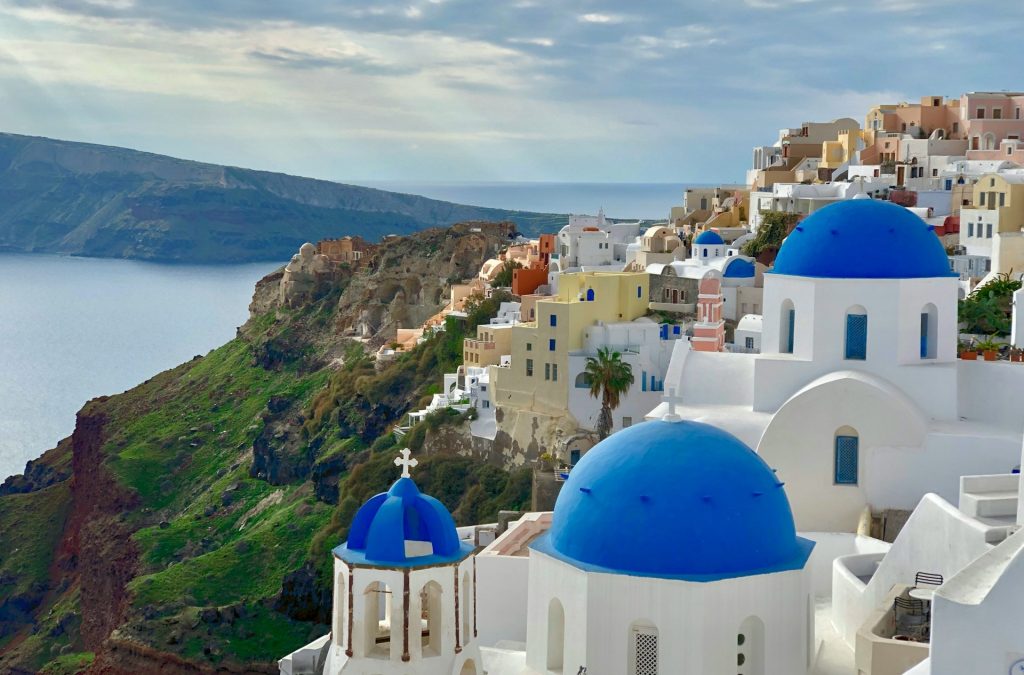
Santorini’s strain is less about total visitors than about how tightly they arrive, especially from cruise tenders. Passenger caps, tighter port coordination, and added per-passenger costs are designed to spread arrivals across the day, easing pressure on buses, water systems, and the narrow lanes that funnel crowds into Fira.
Travelers feel it in shorter tender queues, tours that start on time, and fewer moments when the main ridge road becomes a standstill. When arrivals are spaced, the island can keep trash pickup, water use, and emergency access from tipping into chaos. The caldera view stays, but the day breathes. A bit.
Maya Bay, Thailand
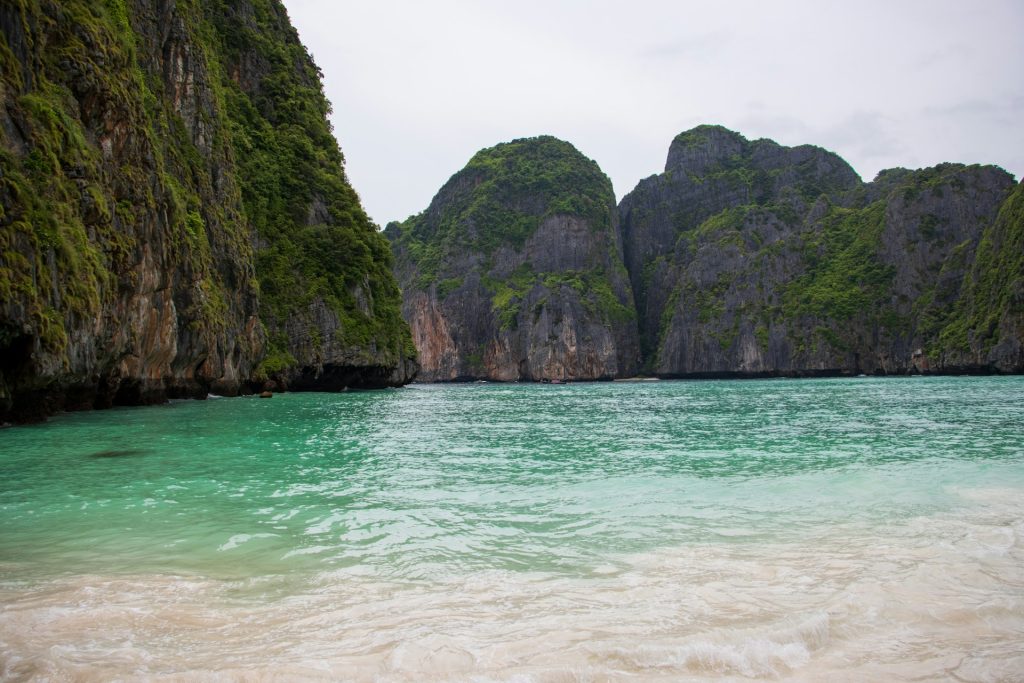
Maya Bay became a symbol of what viral fame can do to a fragile place, so reopening came with rules that change the visit’s shape. Timed entry slots, controlled boat access, and strict boundaries reduce trampling and keep traffic off the most sensitive water, even when demand surges.
Visitors still get the turquoise cove and limestone cliffs, but the stop is guided, quieter, and often shorter. Swimming restrictions and defined paths trade freedom for recovery, and the beach feels less like an amusement stop. Regulation turns the bay into a managed sanctuary, where the ecosystem gets room to reset between waves of arrivals.
Boracay, Philippines
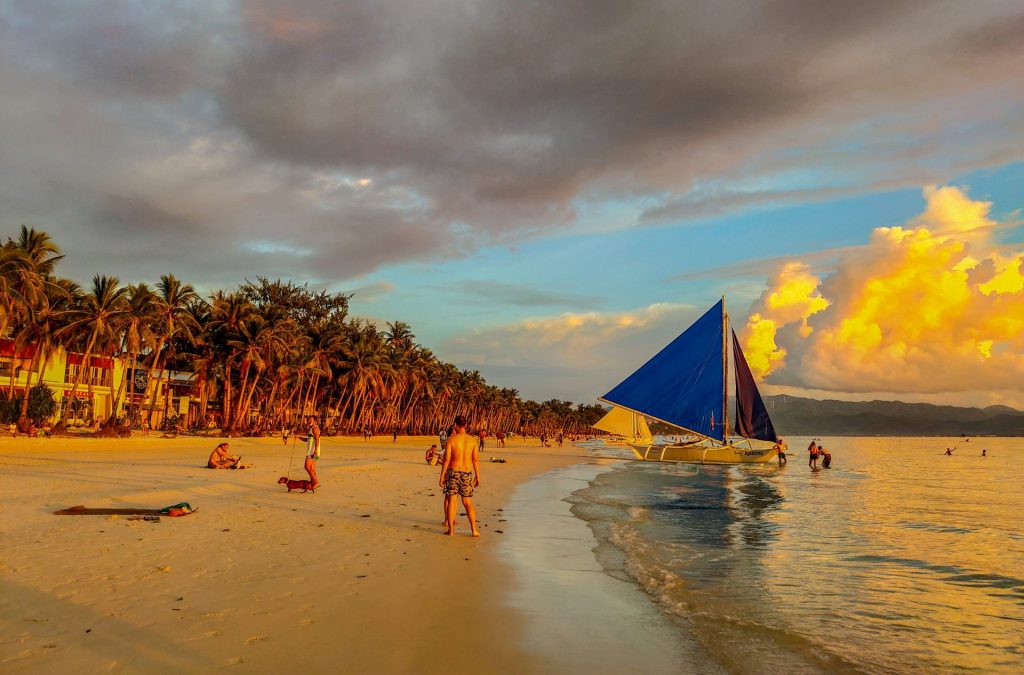
Boracay’s shutdown was a blunt reset after pollution and overbuilding strained sewage systems and shoreline health. Reopening brought stricter compliance checks for businesses, clearer limits on operators, and stronger expectations for keeping the beach clean, shifting the island away from anything-goes growth.
Travelers notice the change in a more structured beach scene: rules are visible, enforcement is real, and some rowdy behavior faces tighter controls. The goal is not to chase visitors away, but to keep water quality and shared space from sliding back. Regulation made popularity something the island can manage, not just absorb.
Machu Picchu, Peru
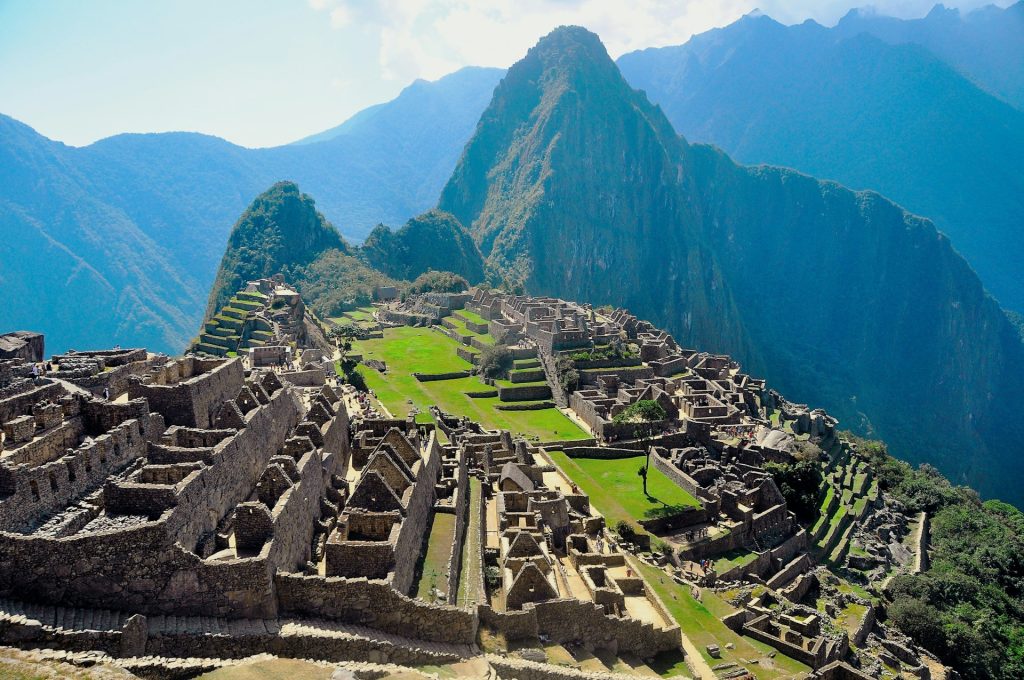
Machu Picchu moved from freeform wandering to timed entry and defined circuits, with daily caps meant to protect stonework and manage flow. Tickets are tied to entry windows, routes can be one-way, and staff keep people from pooling at chokepoints where terraces and steps take the most wear.
Visitors feel the difference in planning: popular slots sell out, and late arrivals can miss their window. The upside is a calmer pace inside, with fewer jams at viewpoints and less milling that turns awe into frustration. Regulation trades spontaneity for preservation, and it rewards travelers who treat the visit like an appointment, not a walk-in.
Bhutan
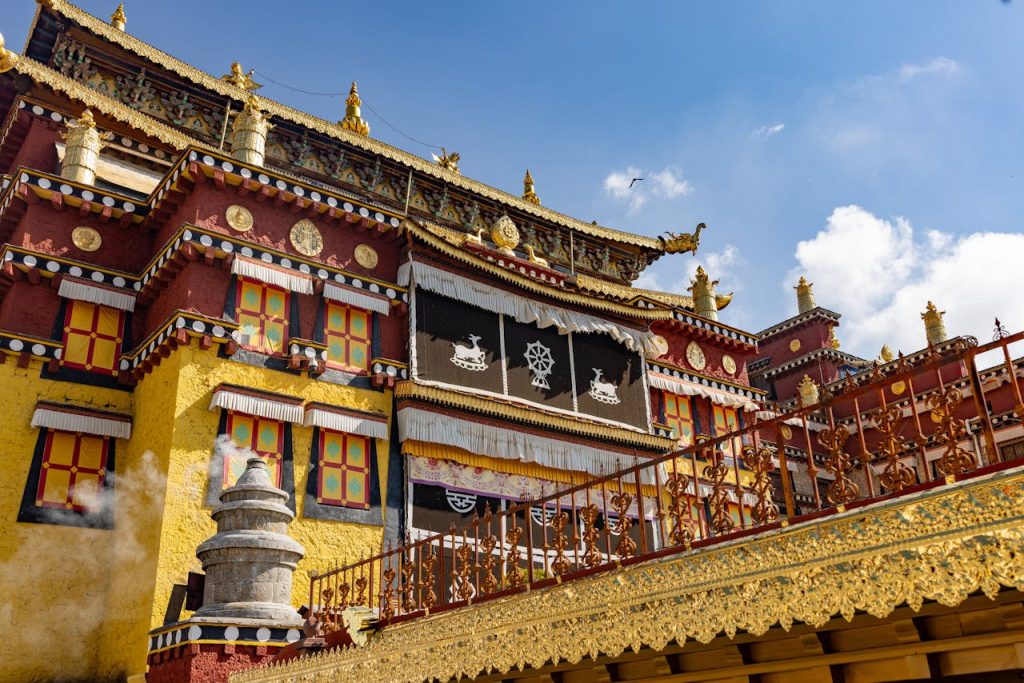
Bhutan regulates tourism through pricing and permits, using the Sustainable Development Fee to shape demand by night, not by hype. The cost is explicit, which filters out rushed bargain hopping and favors travelers who intend to stay longer and move slower, with guides and planned routes common.
That changes the feel on the ground. Itineraries become deliberate, smaller groups are more typical, and cultural sites face less pressure from sheer volume. Visitors still see monasteries, valleys, and festivals, but the journey is designed to fit local rhythm rather than overwhelm it. Regulation makes tourism a choice with weight, not a checkbox.
Galápagos Islands, Ecuador

The Galápagos treat tourism as a controlled privilege, with park fees, entry steps, and strict wildlife rules that set expectations before any boat ride. Guided visits, regulated routes, and limits at sensitive sites keep encounters from turning into crowd scenes that stress animals and habitats.
Visitors feel the structure in paperwork, costs, and firm boundaries on behavior, including distance rules that are enforced, not suggested. In return, the islands stay closer to wild than staged, and conservation has funding and authority to manage pressure. Regulation protects rarity, so a sea lion on a dock still feels like a gift, not routine.
New Zealand
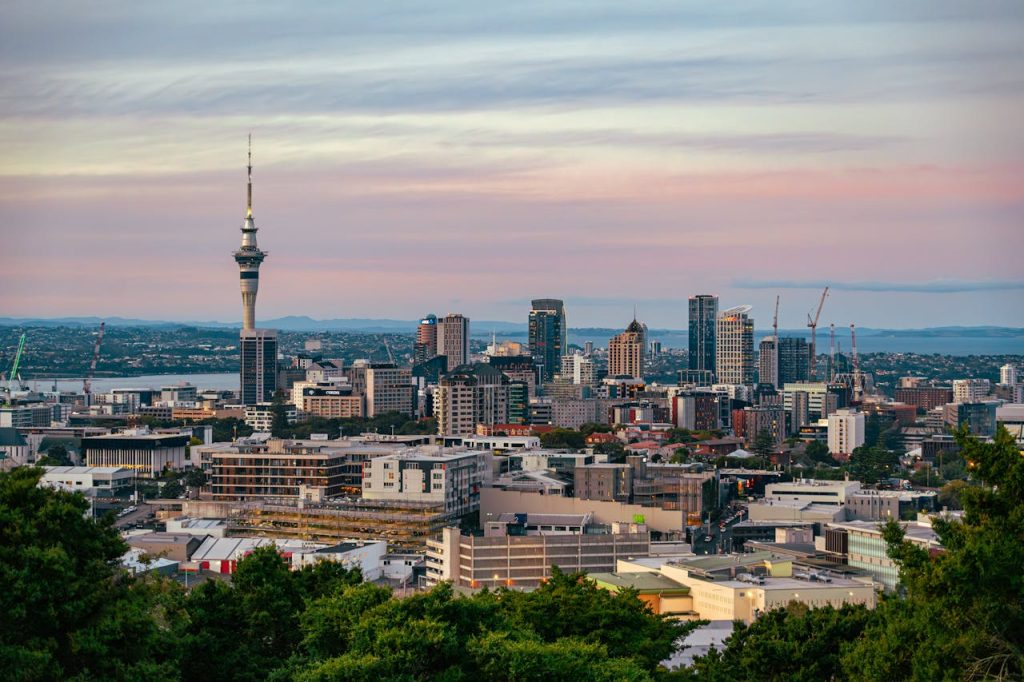
New Zealand tied tourism to conservation funding through a mandatory visitor levy collected with many visas and electronic travel authorizations. It turns entry into a small contribution, linking travelers to trails, parks, and infrastructure that absorb heavy use, from popular hikes to crowded viewpoints.
The rule does not change the landscape, but it changes the framing of arrival. Visitors budget for stewardship upfront, and agencies gain steadier funding for maintenance, repairs, and resilience after storms. Regulation is quiet, yet it signals that access has a real cost and that responsibility begins at the border, not at the trailhead.