11 Places Where Travel Feels Mismanaged
Christmas travel often exposes cracks in infrastructure, planning, and seasonal coordination. Crowds swell faster than services adapt, creating delays, closures, and confusion. Transportation strains, accommodation shortages, and inconsistent schedules frustrate visitors and locals alike. Festive demand collides with limited capacity, weather challenges, and holiday shutdowns. What appears charming online can feel chaotic in reality. Each destination offers beauty and tradition, yet December reveals logistical weaknesses that shape movement, access, and daily life. Understanding these challenges helps explain why holiday travel in these locations often feels disorganized, overwhelming, and harder to navigate despite strong appeal.
New York City
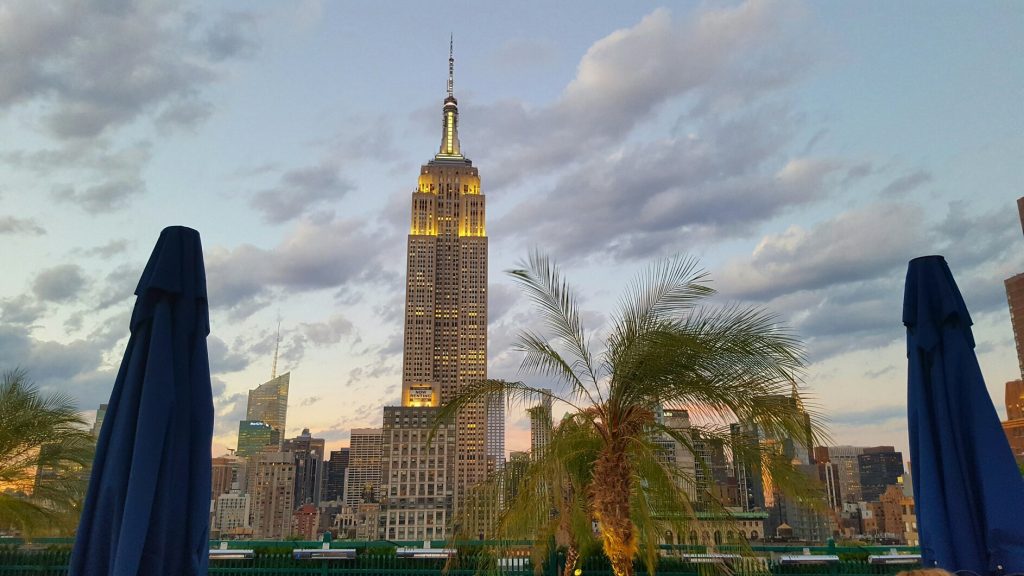
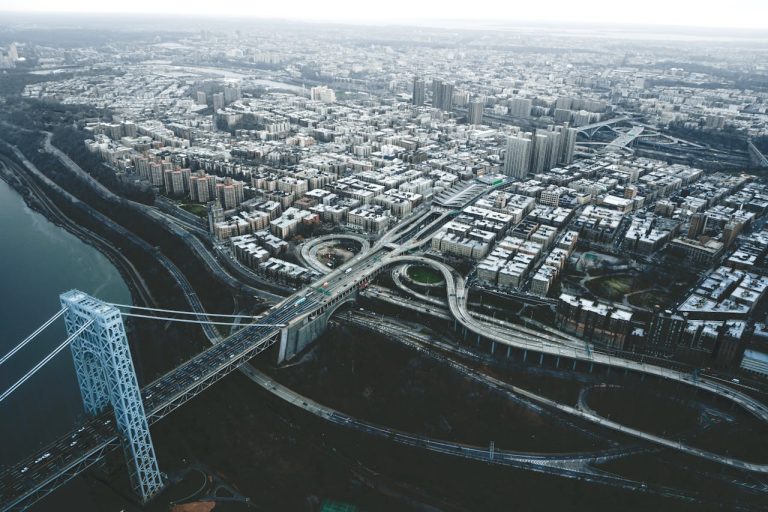
New York City feels mismanaged during Christmas due to extreme demand concentration. Midtown sidewalks overflow nightly. Subway platforms crowd beyond comfort. Traffic gridlock intensifies. Hotel prices spike sharply. Seasonal attractions compress movement into narrow zones. Weather disruptions amplify delays. Residents alter routines to avoid central areas. Visitors underestimate transit strain. Despite strong infrastructure, holiday volume overwhelms capacity. The city’s scale works against it. Christmas crowds arrive faster than services expand, creating bottlenecks that affect dining, lodging, and transportation. For many travelers, navigating New York in late December feels exhausting rather than festive.
London
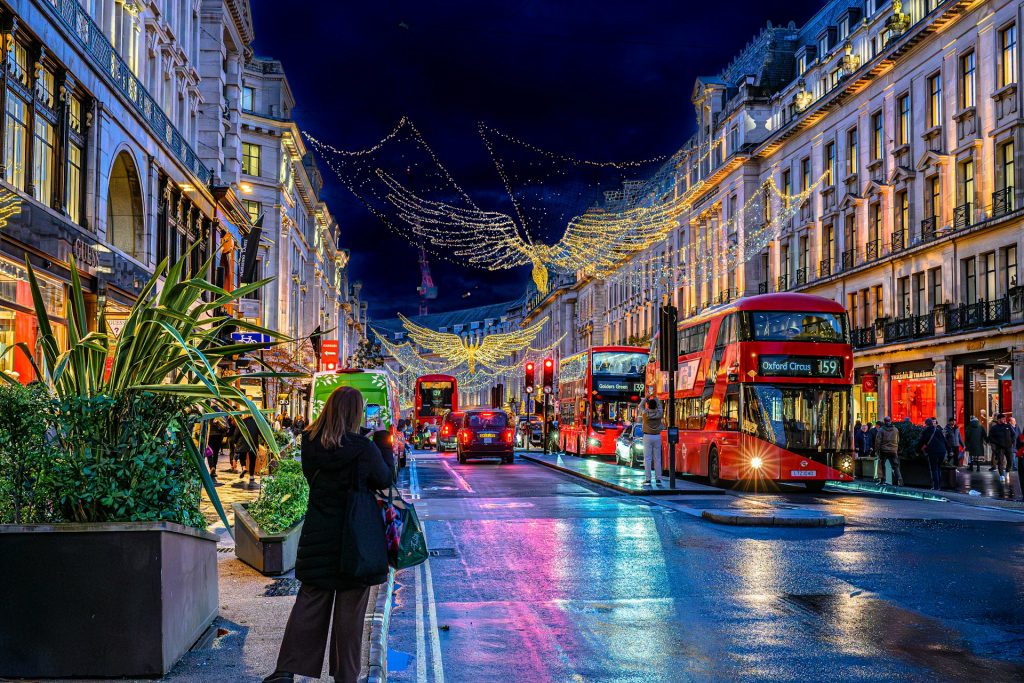
London struggles during Christmas as shutdowns intersect with visitor peaks. Public transport halts entirely on Christmas Day. Reduced schedules complicate surrounding dates. Tourists underestimate closures. Shopping districts crowd heavily before holidays. Restaurants close unpredictably. Residents plan carefully or stay home. Visitors face limited mobility. Despite decorations, movement feels restricted. London’s holiday traditions prioritize rest over access. The mismatch between visitor expectations and operational reality makes Christmas travel feel poorly coordinated, with infrastructure pauses colliding directly with peak international tourism demand across central districts and transportation networks.
Paris
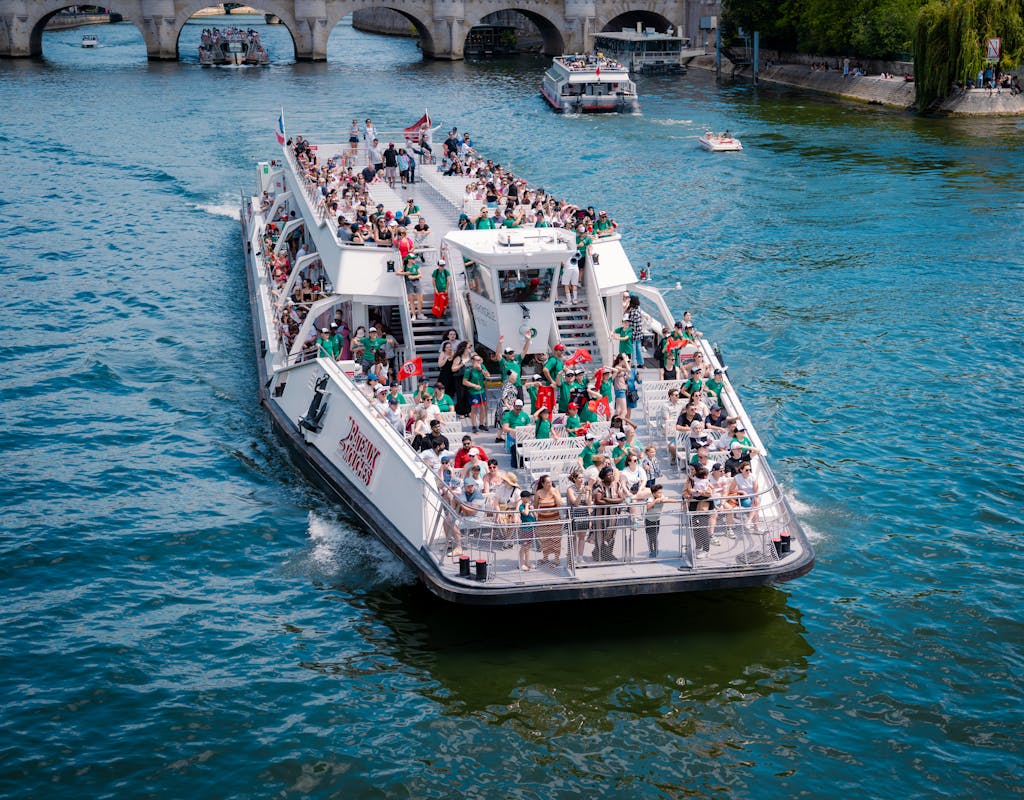
Paris feels disjointed at Christmas due to service inconsistency. Metro schedules reduce unexpectedly. Strikes occur frequently. Museums close selectively. Restaurants shut for holidays without notice. Tourist zones crowd while neighborhoods quiet completely. Short daylight complicates planning. Visitors expect seamless romance but encounter logistical friction. Locals avoid central areas. Transportation unpredictability dominates experience. Despite cultural richness, coordination falters. Christmas emphasizes tradition over visitor flow. For travelers, the lack of unified scheduling and clear communication makes navigating Paris during the holidays feel confusing, fragmented, and less accessible than anticipated.
Rome
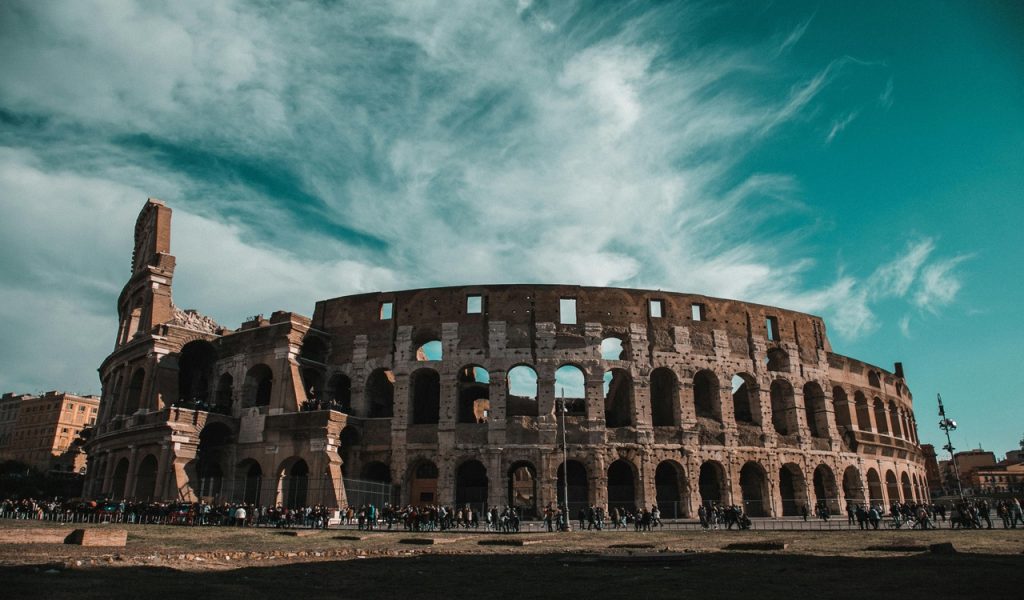
Rome experiences Christmas strain as religious events overwhelm infrastructure. Vatican gatherings draw massive crowds. Streets near churches congest early. Museums limit hours. Public transit reduces frequency. Restaurants close for family observance. Hotel demand spikes sharply. Winter rain complicates movement. Locals adjust routines to avoid the center. Visitors expecting flexibility face rigid timetables. The city prioritizes ceremony over access. While culturally significant, Rome’s Christmas logistics feel misaligned with tourist needs, creating congestion, closures, and planning challenges that make short visits stressful and navigation difficult throughout historic districts.
Barcelona

Barcelona feels unevenly managed during Christmas as closures and crowds overlap. Domestic travel increases sharply. Attractions reduce hours. Restaurants close selectively. Shopping streets overcrowd. Public transit alters schedules. Mild weather draws visitors expecting calm. Residents avoid central districts. Planning becomes essential. Visitors encounter inconsistent availability. Despite festive appeal, coordination feels lacking. The city balances local holidays with tourism poorly. Christmas travel reveals friction between community rhythms and visitor demand, resulting in unpredictable dining, transport, and access that often frustrate travelers unfamiliar with Spain’s holiday patterns.
Venice
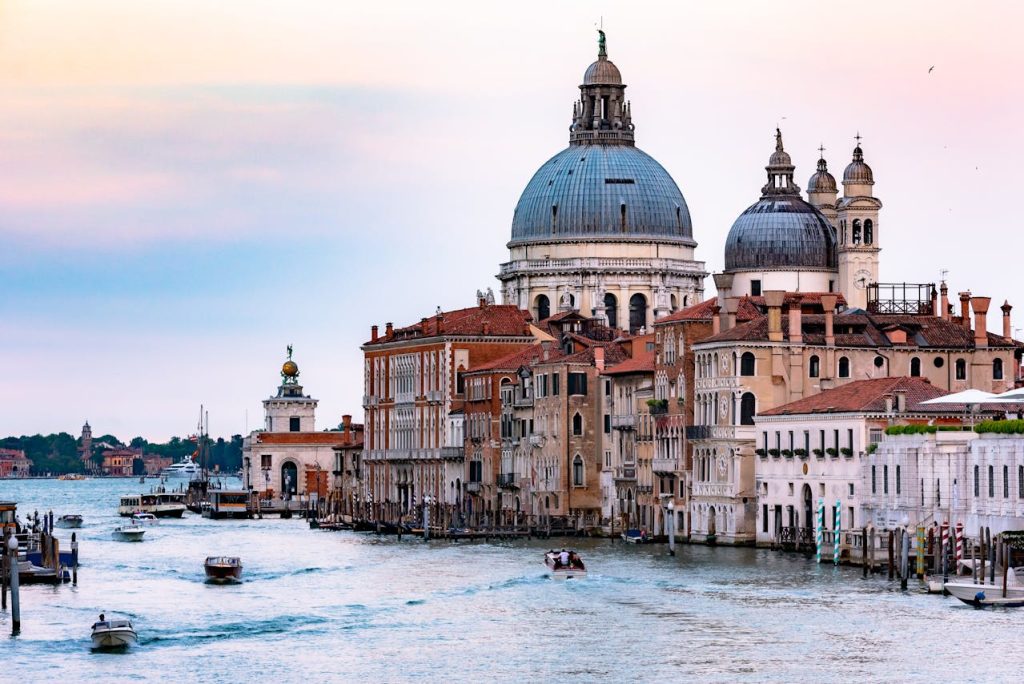
Venice struggles at Christmas due to fragile capacity and seasonal shutdowns. Narrow streets trap crowds quickly. Vaporetto services feel overloaded. Fog delays transport. Restaurants close for holidays. Accommodation prices rise sharply. Basic errands slow dramatically. Residents avoid historic routes. Visitors underestimate congestion. Despite fewer tourists than summer, limited infrastructure magnifies pressure. Christmas demand concentrates movement into small spaces. The city’s delicate layout cannot absorb holiday surges smoothly, making navigation, dining, and transport feel inefficient and exhausting during late December. This reality surprises many travelers during peak holiday periods worldwide each year.
Amsterdam
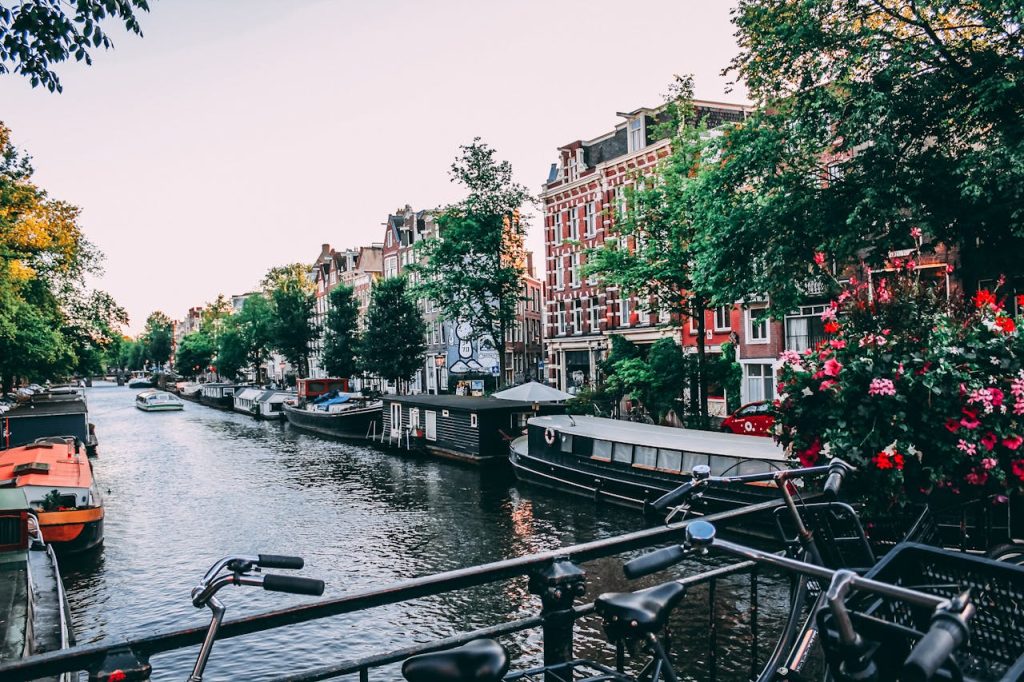
Amsterdam feels mismanaged during Christmas because of compact scale and high demand. Narrow streets crowd easily. Museums reach capacity early. Hotel availability tightens. Flights face winter delays. Bike traffic conflicts with pedestrians. Seasonal markets concentrate visitors. Residents adjust routes or stay home. Visitors underestimate density. Evening movement slows. Despite charm, logistics strain daily life. The city’s limited space amplifies holiday congestion, making simple movement, reservations, and sightseeing harder than expected for travelers unfamiliar with Amsterdam’s capacity constraints. This reality surprises many travelers during peak holiday periods worldwide each year.
Reykjavik
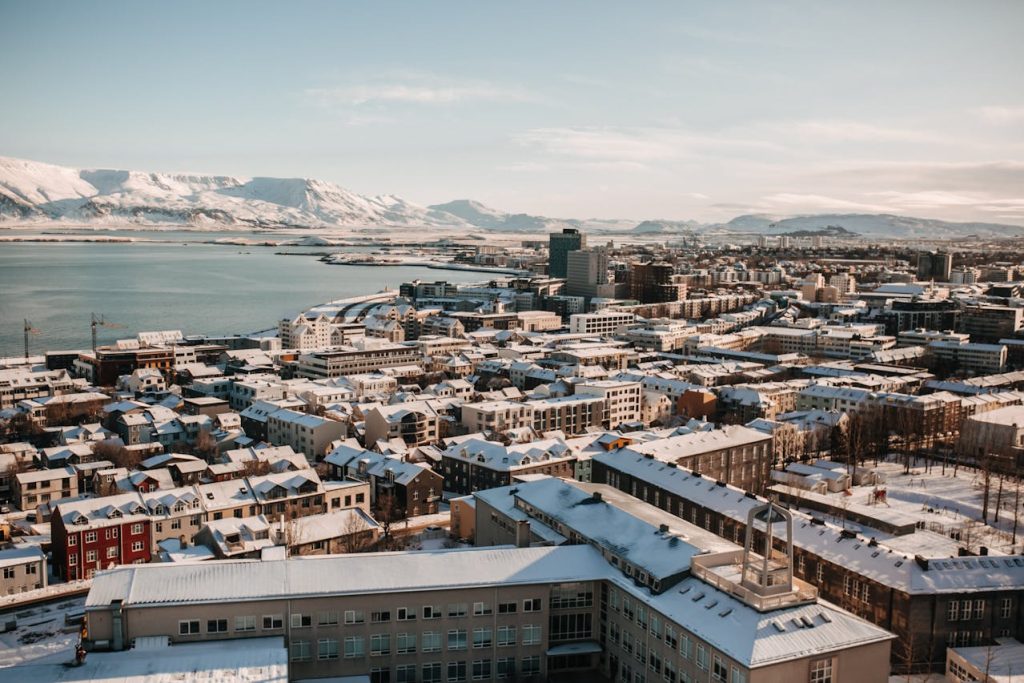
Reykjavik faces Christmas challenges driven by weather and limited daylight. Snowstorms disrupt flights frequently. Roads close unexpectedly. Daylight shrinks to hours. Tours cancel often. Restaurants close for holidays. Grocery hours shorten. Visitors expect festivity but find quiet streets. Transportation options reduce. Prices remain high. Locals prioritize family time. Weather and closures dominate planning. Christmas travel feels unpredictable, with environmental conditions and seasonal schedules combining to restrict flexibility and access across the city. This reality surprises many travelers during peak holiday periods worldwide each year. Winter conditions demand patience, adaptability, and careful itinerary planning.
Prague
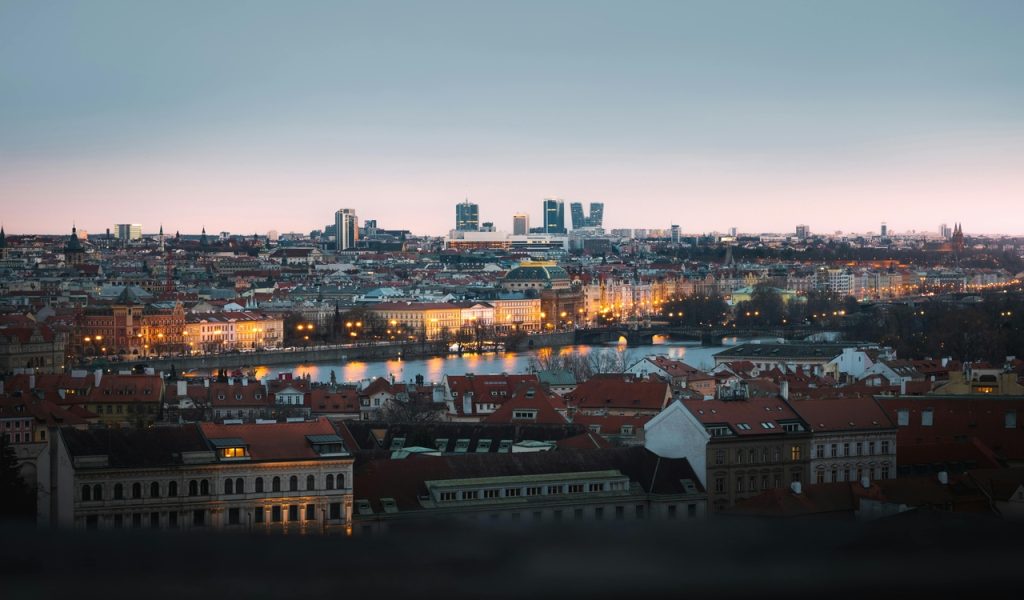
Prague becomes difficult at Christmas as markets overwhelm the historic core. Narrow streets fill quickly. Public transport crowds intensify. Hotel prices climb. Cold weather limits lingering. Restaurants book out early. Museums operate reduced hours. Locals avoid Old Town. Visitors underestimate density. Despite picturesque settings, movement feels constrained. The concentration of seasonal attractions into small areas strains infrastructure, making Christmas travel feel crowded, rushed, and less enjoyable than expected despite the city’s strong visual appeal. This reality surprises many travelers during peak holiday periods worldwide each year. Careful timing helps reduce frustration significantly.
Vienna
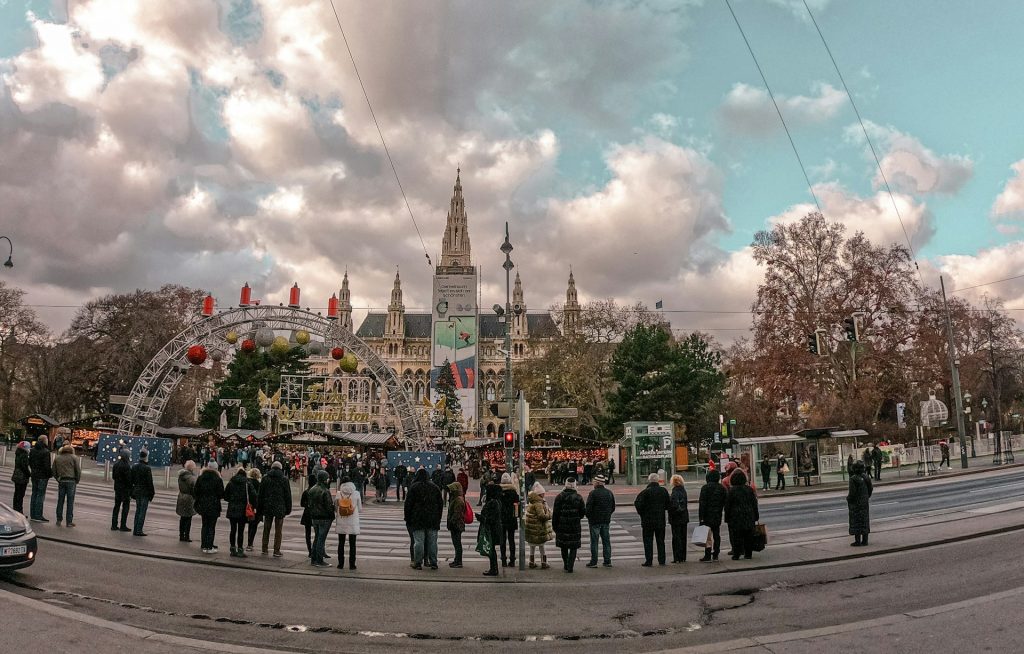
Vienna experiences Christmas congestion as traditional markets dominate central squares. Foot traffic funnels into limited routes. Public transport fills during evenings. Hotel availability tightens. Cold weather restricts movement. Restaurants book early. Museums close on holidays. Residents avoid tourist zones. Visitors underestimate scale. While elegant, the city’s structured layout becomes rigid under holiday pressure. Christmas travel feels orderly but constrained, with limited flexibility and high demand shaping access, timing, and comfort. This reality surprises many travelers during peak holiday periods worldwide each year. Advance planning becomes essential for navigating Vienna comfortably.
Munich
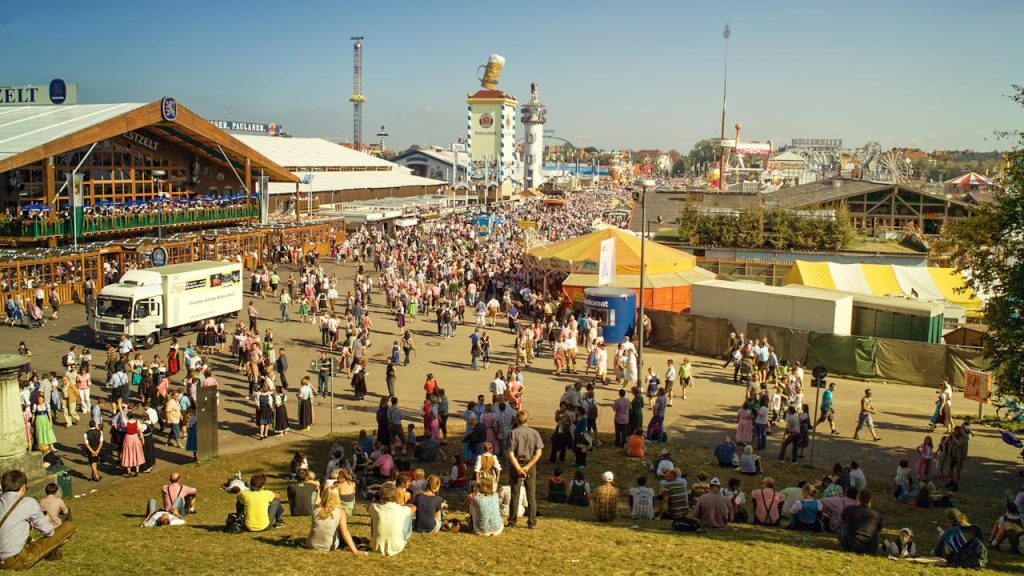
The Munich feels strained during Christmas as markets attract dense crowds. Central squares fill nightly. Transit capacity tightens. Hotels raise rates. Cold weather shortens outdoor tolerance. Restaurants book out. Locals adjust routines. Visitors cluster around festive zones. Despite strong organization, concentrated demand overwhelms public spaces. Christmas tourism funnels movement into predictable corridors, reducing ease of navigation. The city remains welcoming, yet holiday logistics feel compressed, making spontaneous travel and relaxed exploration difficult during peak December weeks. This reality surprises many travelers during peak holiday periods worldwide each year.