11 Regions Where Fall Travel Is Replacing Summer
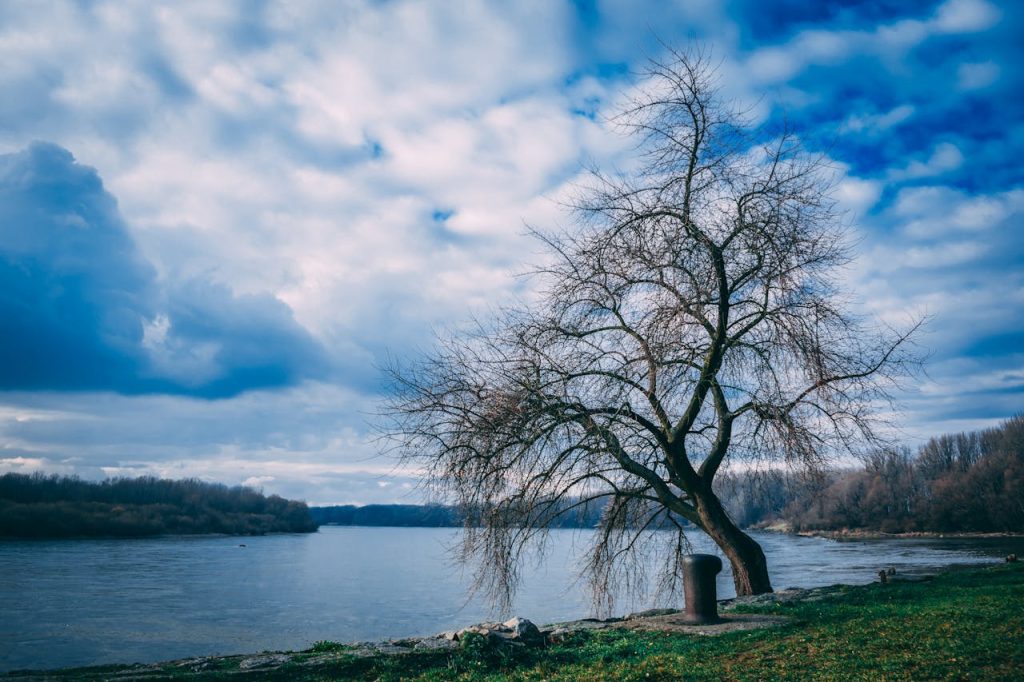
Fall travel is steadily replacing summer as travelers seek cooler weather, fewer crowds, and better overall value. Rising temperatures, overcrowding, and peak pricing increasingly define traditional summer trips, limiting comfort and access. In contrast, the fall offers milder conditions, thinner crowds, and more predictable logistics across many destinations. Cultural calendars resume, landscapes shift color, and daily life settles into steadier rhythms. Regions once dominated by summer tourism now experience their most balanced and rewarding travel season later in the year. These changes reflect evolving priorities and demonstrate why fall is becoming the preferred global travel window.
Southern Europe
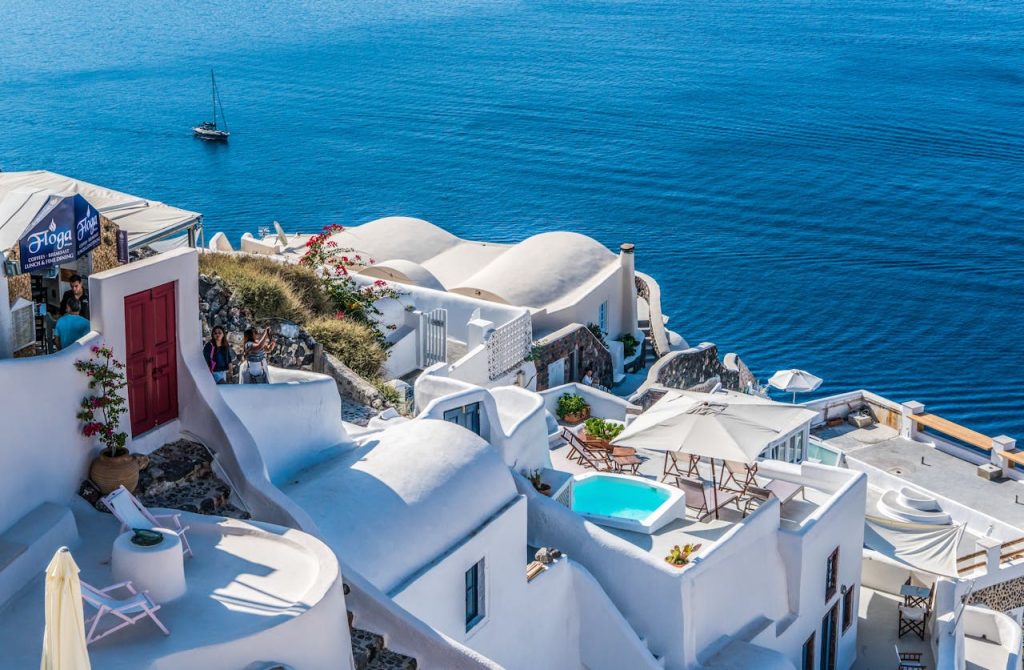
Southern Europe increasingly experiences fall as its primary travel season rather than summer. Intense heat across Italy, Spain, and Greece discourages extended sightseeing during peak months. Fall brings cooler temperatures that support walking, dining outdoors, and cultural exploration. Crowds thin significantly after August holidays end, easing congestion in historic centers. Airfare and hotel rates decline quickly, improving accessibility. Museums, landmarks, and transit systems remain fully operational. Harvest seasons add regional depth. Fall allows travelers to experience Southern Europe’s defining attractions with improved comfort, clearer access, and fewer seasonal pressures.
Japan
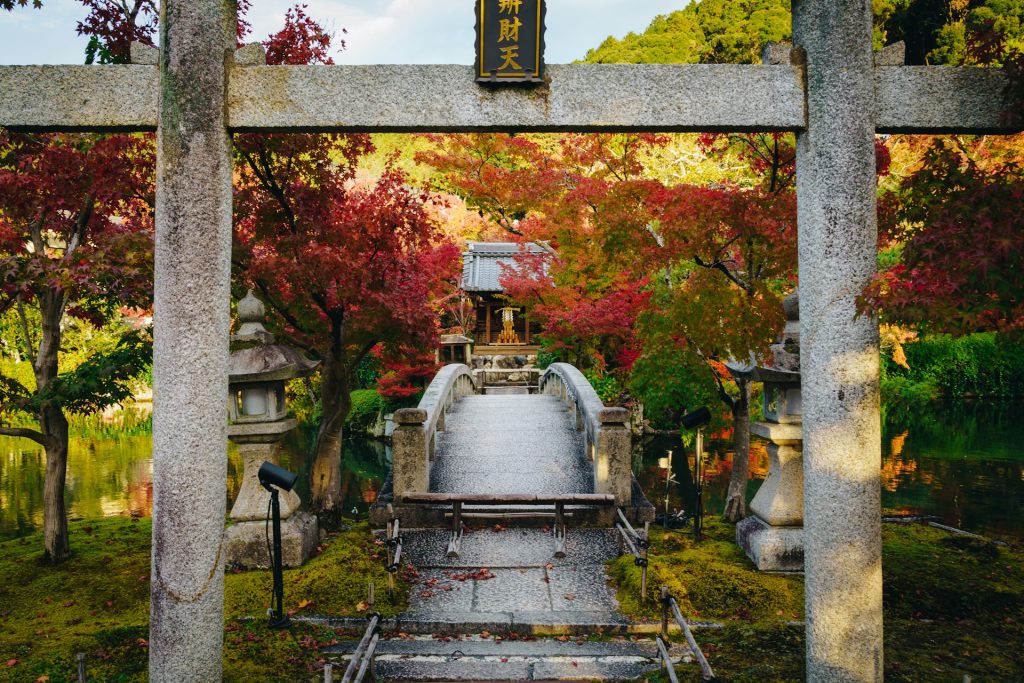
Japan’s fall season has overtaken summer as the most desirable time to visit. Summer heat and humidity restrict mobility and reduce comfort, especially in major cities. Fall introduces mild temperatures, clear skies, and seasonal scenery across urban and rural regions. Tourist numbers drop after school holidays conclude, easing pressure on transportation networks. Cultural festivals and local events continue without peak congestion. Accommodations become more available before foliage season reaches its height. Japan’s shift reflects growing preference for manageable conditions, balanced pacing, and reliable access over summer’s intensity and crowd driven limitations. Travel planning becomes easier, calmer, and more flexible nationwide.
The American Southwest
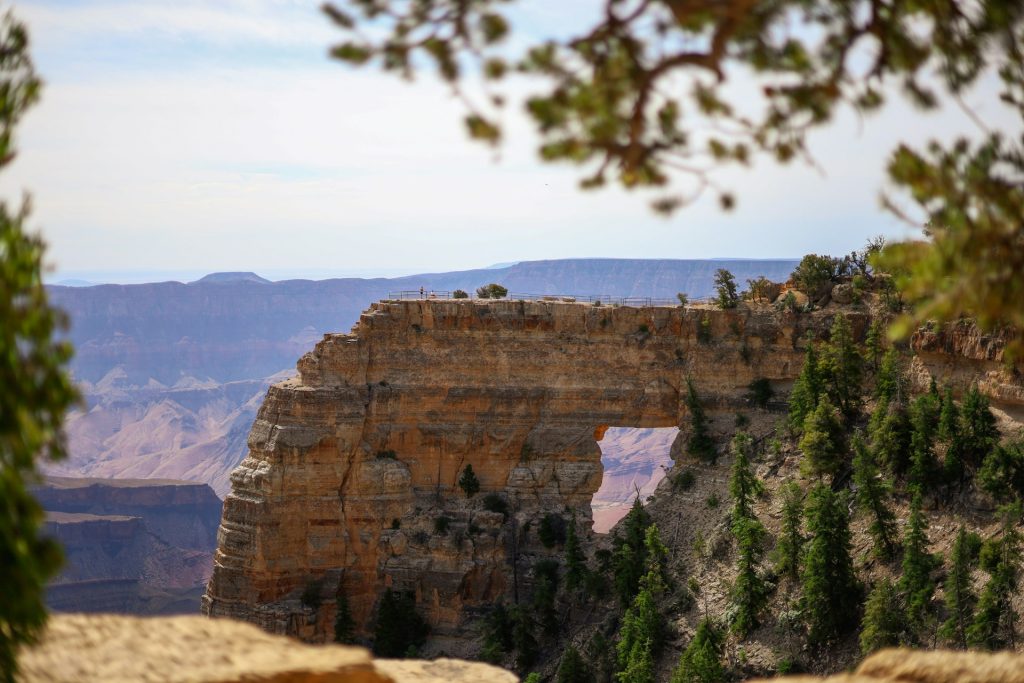
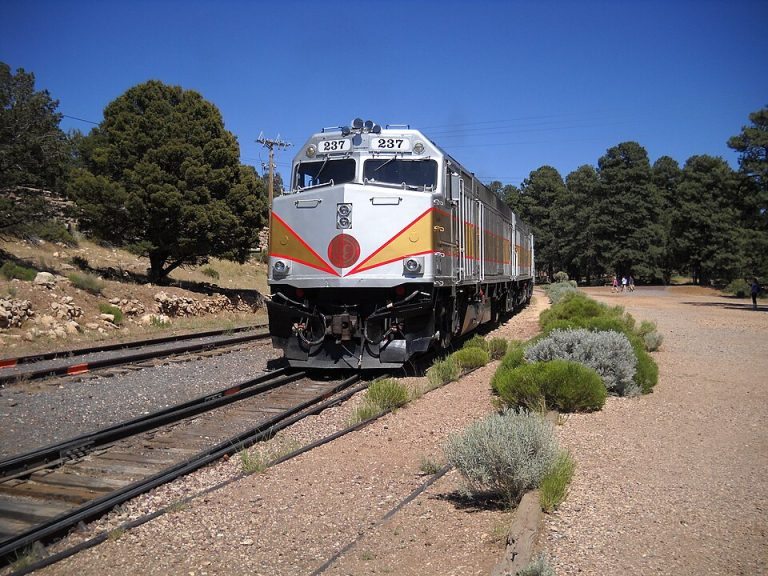
The American Southwest increasingly favors fall travel over summer because of extreme seasonal heat. Summer temperatures across Arizona, Utah, and Nevada limit outdoor activity and raise safety concerns. Fall delivers cooler days suitable for hiking, sightseeing, and scenic driving. National parks become more accessible as visitor numbers decline after school vacations end. Lodging availability improves, and pricing eases. Roads, viewpoints, and historic sites feel less strained. Fall now offers the safest and most comfortable opportunity to explore desert landscapes, canyon systems, and cultural landmarks throughout the region. Travelers experience greater safety, reduced crowds, and more enjoyable outdoor exploration overall.
Northern Italy
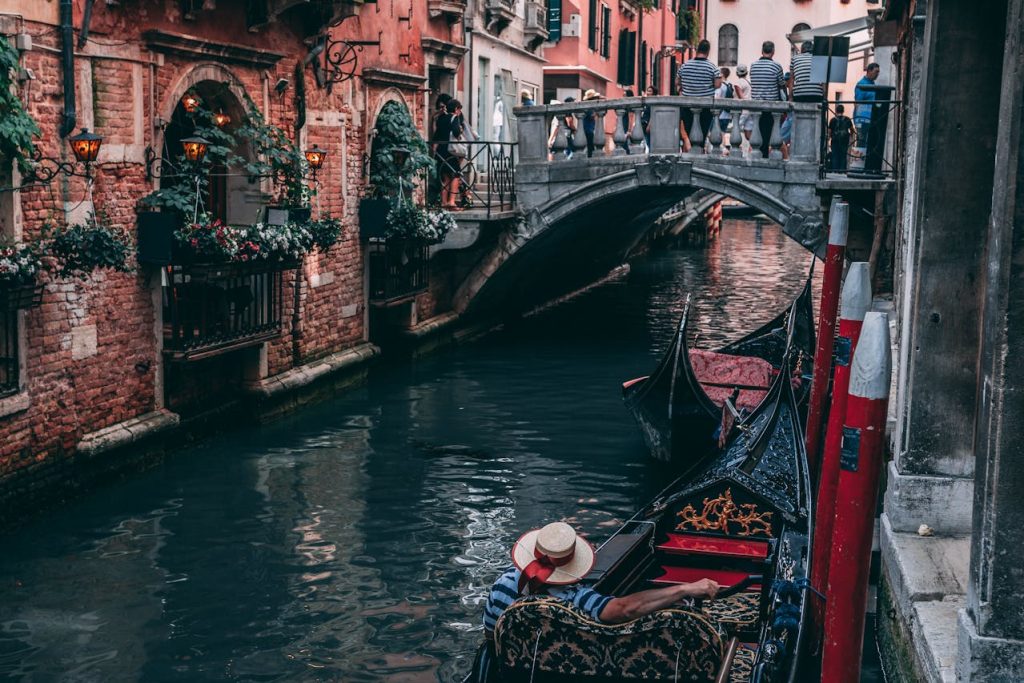
Northern Italy sees fall travel surpass summer due to climate conditions and congestion. Summer brings humidity, heat, and dense crowds to cities like Venice, Milan, and Florence. Fall introduces cooler air and calmer streets, improving walkability. Wine harvest season adds regional interest without increased demand. Transportation reliability improves, and hotel rates soften slightly. Local routines return. Visitors gain clearer access to historic centers, demonstrating how fall delivers the same cultural richness as summer with better pacing and practical conditions. Travelers benefit from reduced crowds, steadier pricing, comfortable weather, and more immersive daily experiences overall.
Southeast Asia
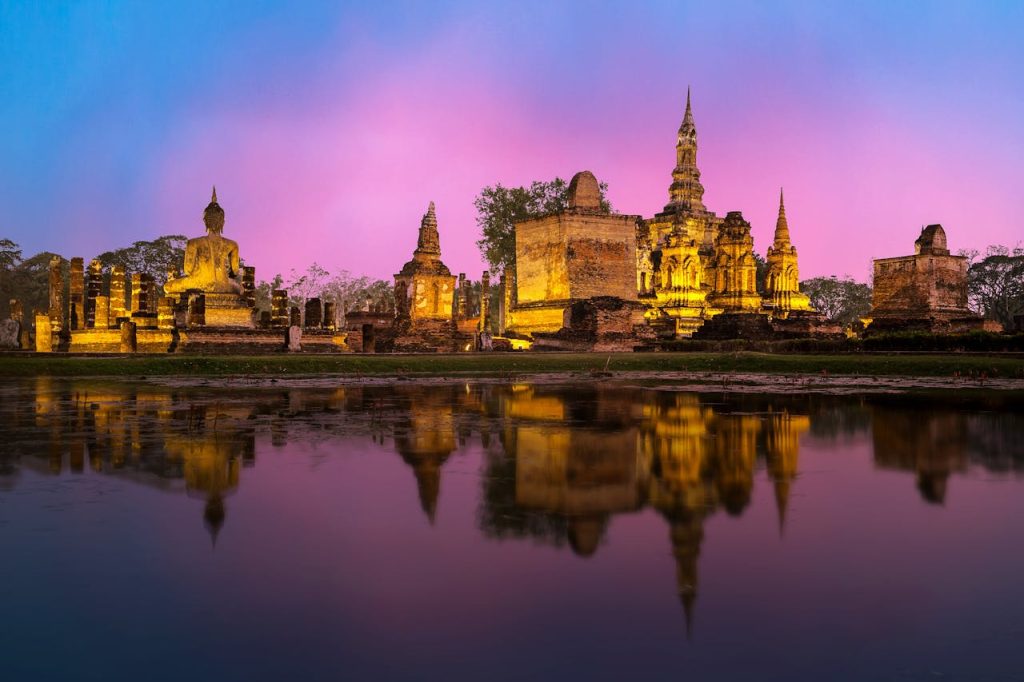
Southeast Asia increasingly sees fall replace summer as a preferred travel period. Summer heat and peak tourism strain infrastructure and raise costs. Fall aligns with shoulder season conditions, when rainfall often arrives in brief, manageable intervals. Hotel rates and airfare drop noticeably, while attractions remain open. Cultural life continues uninterrupted in major cities. Streets feel less congested, and transportation systems operate smoothly. For cost conscious travelers, fall offers improved affordability without reduced access. The region’s shift reflects growing demand for flexibility, comfort, and value over traditional summer peak travel periods. Travel planning becomes easier, calmer, and more adaptable overall.
The Canadian Rockies
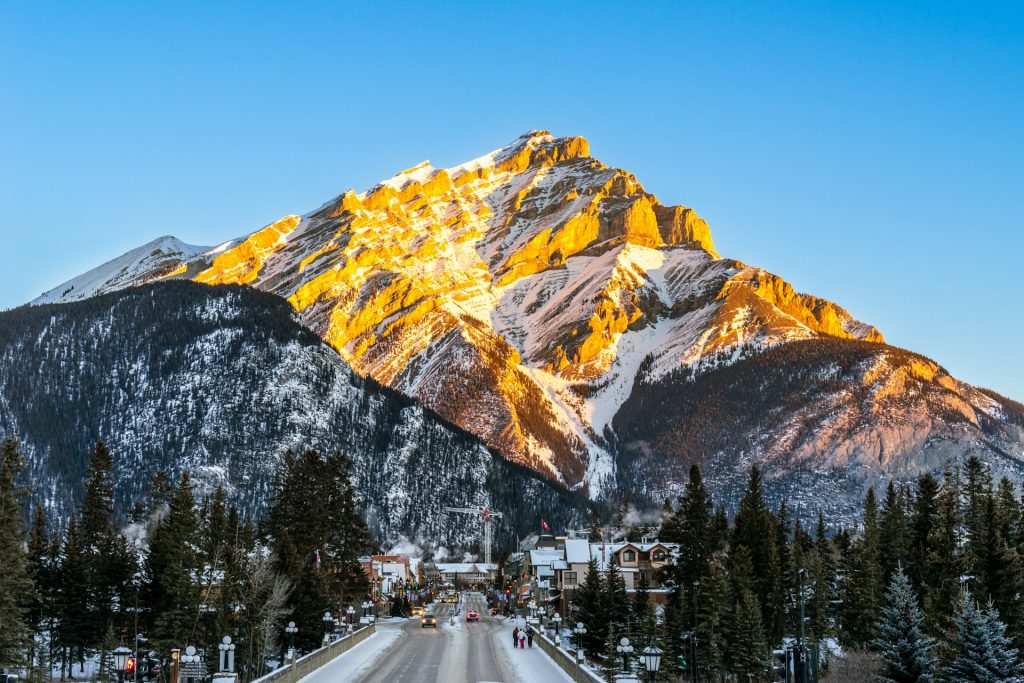
The Canadian Rockies now experience fall as a stronger travel season than summer. Summer crowds overwhelm national parks like Banff and Jasper, restricting access and raising prices. Fall brings cooler temperatures and reduced visitation, restoring balance. Accommodation availability rises, and rates soften. Hiking remains possible before winter conditions arrive. Autumn colors enhance landscapes. Transportation functions efficiently. For travelers seeking tranquility and access, fall offers a superior experience compared to crowded and costly summer months across the Rockies. Visitors gain improved flexibility, calmer environments, and more enjoyable park experiences overall.
Portugal
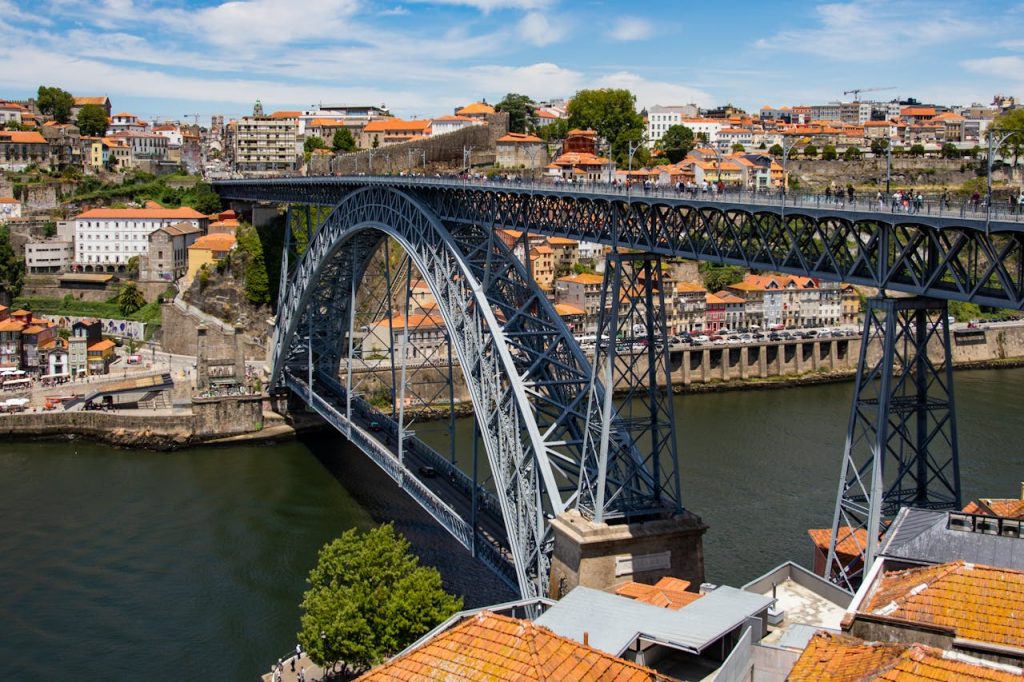
Portugal increasingly favors fall over summer for travel. Summer crowds strain Lisbon, Porto, and coastal regions, while high temperatures reduce walking comfort. Fall delivers warm but manageable weather, allowing cities and beaches to feel calmer. Hotel rates and flights decline after August, improving value. Cultural attractions remain fully operational. Wine harvest season adds inland interest. Public transportation runs smoothly. Visitors experience improved access to historic districts and coastal towns. Portugal’s shift reflects preference for comfort, authenticity, and affordability over peak summer congestion and pricing pressures. Travelers benefit from relaxed pacing, clearer access, and stronger local engagement overall.
The Andes
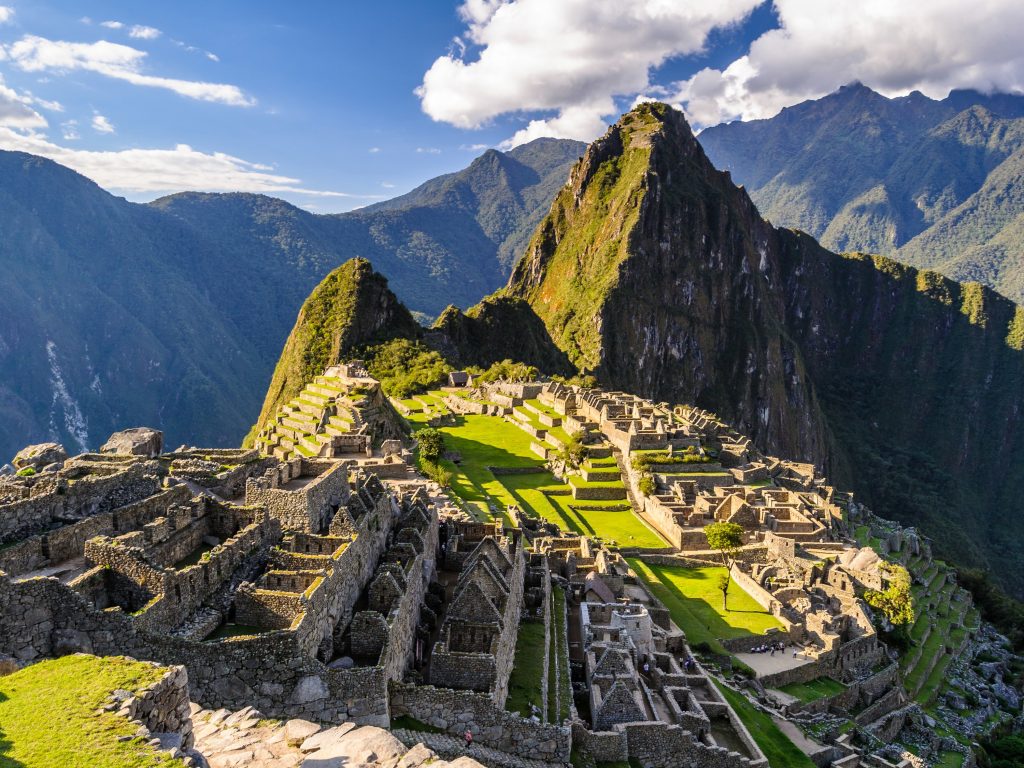
The Andes region increasingly sees fall replace summer as the optimal travel season. Summer rains disrupt trekking routes and transportation networks. Fall brings drier conditions, and improved visibility across high elevations. Tourist numbers decline after peak season, easing access to cultural sites . Accommodation availability improves, and temperatures stabilize. Transportation reliability increases between remote areas. For travelers focused on landscapes and heritage, fall offers safer predictable conditions. The Andes illustrate how climate patterns redirect travel demand toward fall’s stability. This seasonal shift encourages better planning, reduced risk, and broader access for responsible exploration regionally.
Scandinavia
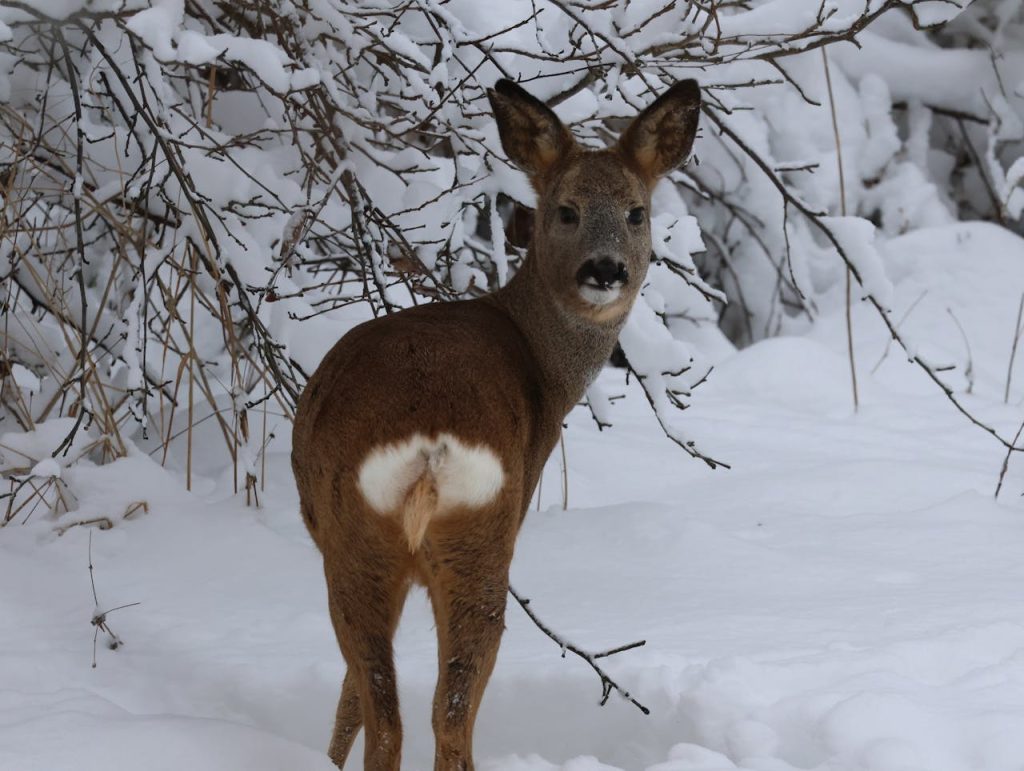
Scandinavia increasingly benefits from fall travel replacing summer. Summer crowds concentrate around limited daylight and compressed schedules. Fall brings cooler temperatures and fewer visitors, creating calmer conditions in cities like Stockholm and Copenhagen. Cultural institutions resume standard programming, and accommodation availability improves. Landscapes transition into autumn color. Transportation operates efficiently. Although daylight shortens, overall access improves. Travelers favor fall for balance and affordability. Scandinavia’s shift reflects demand for meaningful experiences without the pressure, congestion, and inflated pricing associated with peak summer tourism.
New England
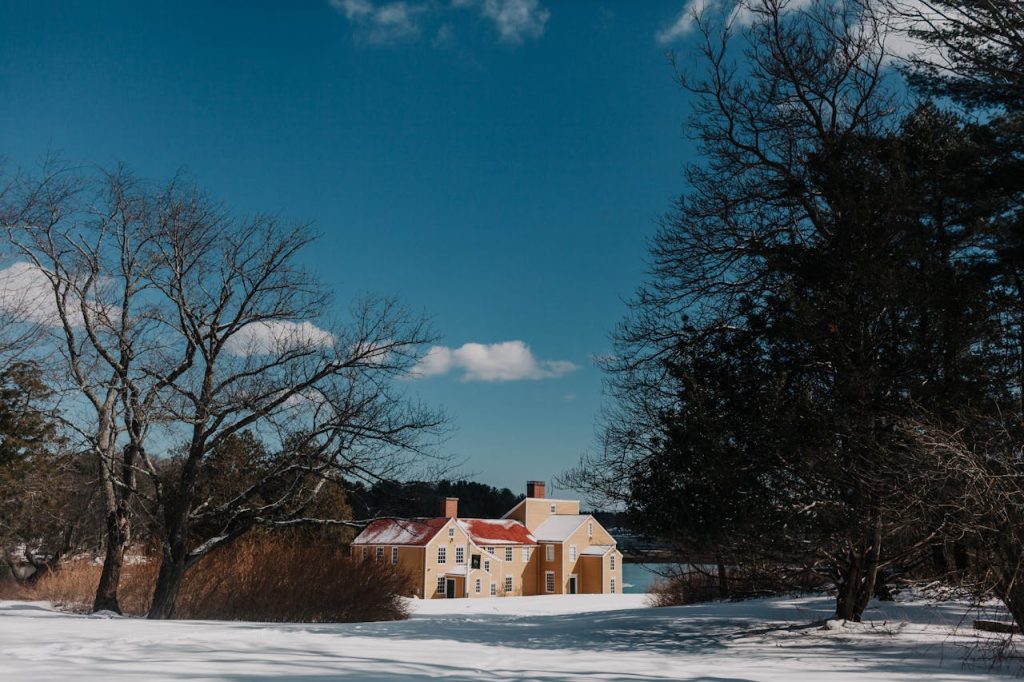
New England has seen fall firmly replace summer as its defining travel season. Summer crowds focus heavily on beaches and coastal towns. Fall introduces cooler weather and iconic foliage, drawing widespread interest across inland regions. Visitor numbers rise later but distribute more evenly. Cultural towns remain active, and accommodation planning becomes more predictable. Road travel turns scenic rather than congested. Local festivals align with harvest traditions. New England demonstrates how seasonal identity can move demand away from summer toward fall as the primary travel window. Travelers enjoy quieter towns, better rates, and deeper seasonal connections. This shift supports longer stays and more immersive regional experiences.
South Korea
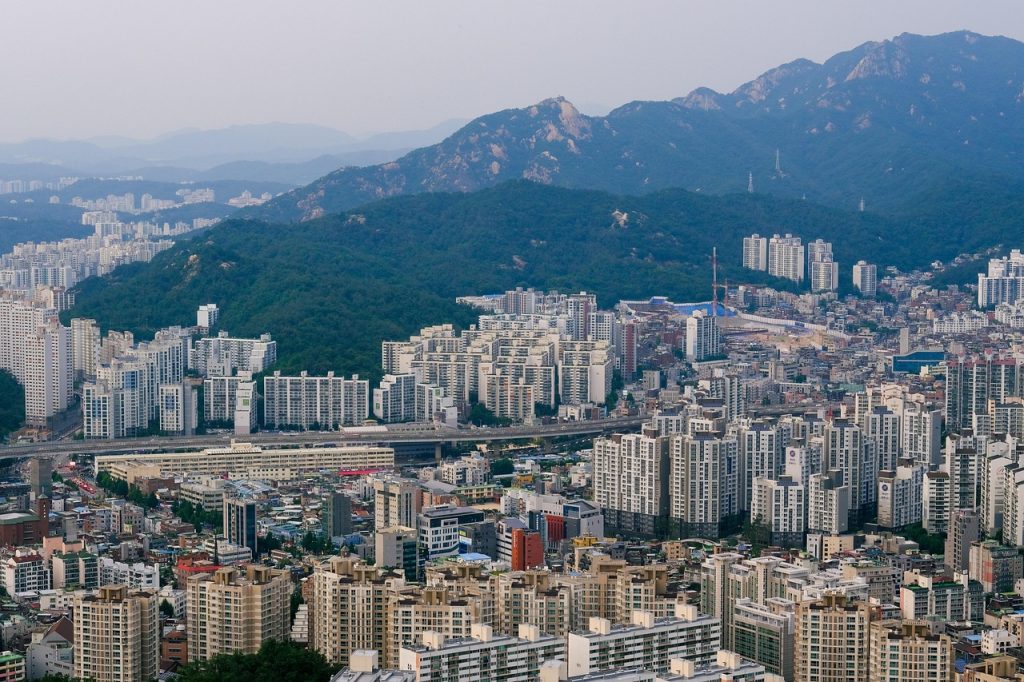
South Korea experiences fall overtaking summer as the preferred travel season. Summer heat and monsoon rains disrupt transportation and outdoor plans. Fall introduces dry weather and mild temperatures, making cities and countryside comfortable to explore. Tourist crowds decrease after school holidays. Cultural festivals continue across regions. Transportation systems function smoothly, and accommodation availability improves. Scenic areas display autumn colors. For domestic and international visitors, fall offers stronger value and comfort. South Korea’s shift reflects broader movement away from summer intensity toward fall’s balanced travel conditions. Travelers gain improved access, and cultural engagement regionwide.