11 Regions Where September Is the Real Off-Season
September is often pitched as the sweet spot, but in some regions it is the moment the switch flips. Schools restart, seasonal staff head home, and places built for peak summer suddenly breathe. What remains is quieter travel: open sidewalks, easier reservations, and landscapes that look just as good without the packed calendars. The trade is that services can thin, so the best plans lean on regions with enough year-round life to stay functional. These regions show where September behaves like the true off-season, not a gentle shoulder.
North Carolina’s Outer Banks
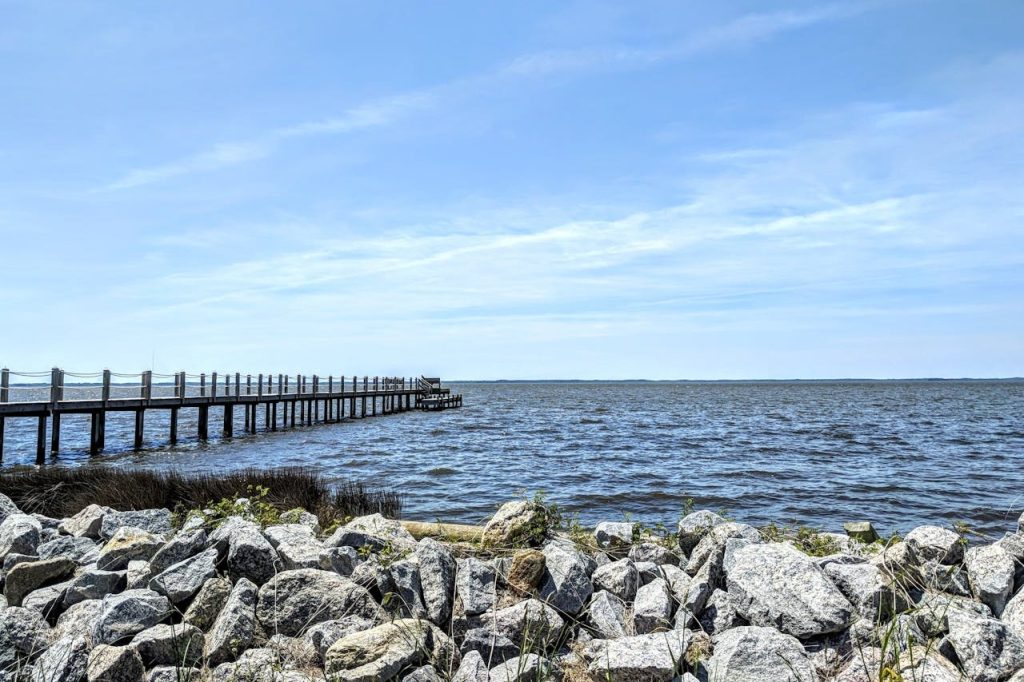
After Labor Day, the Outer Banks can feel like someone turned the volume down, even though the ocean often stays warm enough for a relaxed swim. Weekly rentals open up, restaurant waits ease, and beaches stretch out again, but staffing thins and hours tighten: some shops cut back, and a few tours run fewer days. September is when the region feels most local, from Hatteras to Duck, with sunrise walks on empty sand and sound-side evenings that last. Corolla horse country, lighthouse climbs, and seafood dinners become simpler to plan because traffic calms, parking opens up, and the day is shaped by light and tide instead of lines.
The Jersey Shore After Labor Day
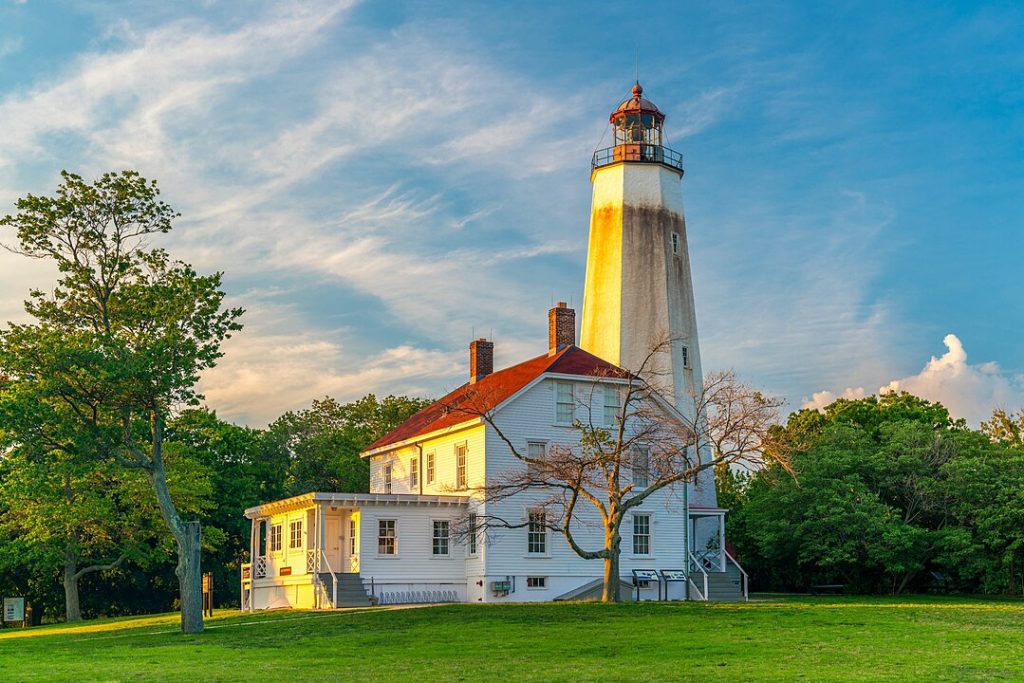
On the Jersey Shore, September is the real reset button. The summer swell recedes almost overnight, and the coast exhales, even on weekends. Boardwalk crowds thin, beach access gets simpler, and hotel pricing softens, yet the ocean can stay swimmable and the light turns golden in a way August rarely allows. Some attractions switch to weekend schedules and a few seasonal eateries close early, but the payoff is space: easier parking, long bike rides, calm mornings in Cape May County, and slower evenings in Asbury Park. The shore starts feeling like a community again, with porch breakfasts, quiet dunes, and sunsets that do not require planning around crowds.
Cape Cod and the Islands, Mid-September Calm
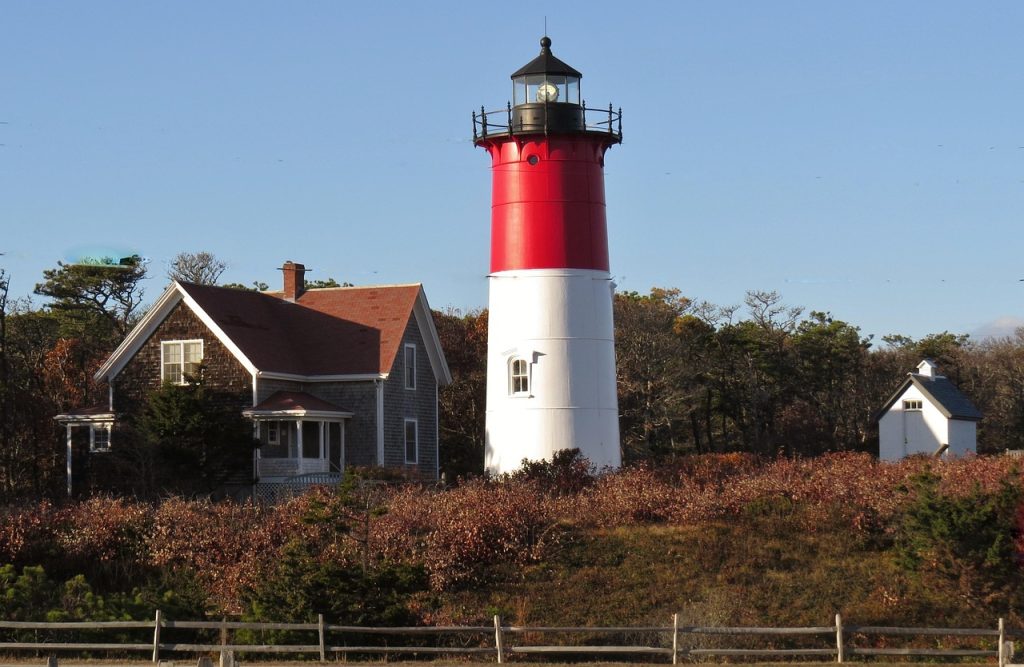
Cape Cod changes fast once school is back, and September becomes the month when the peninsula stops performing for the summer rush. Bridge traffic eases, beach parking stops feeling like a timed challenge, and restaurants become walk-in friendly again, even in towns that were slammed in August. The balance is that ferry frequencies and seasonal businesses can scale down on the Vineyard and Nantucket, so timing matters more. Still, September delivers warm afternoons, quieter National Seashore dunes, and harbor evenings in Chatham or Provincetown where the day can hold a bike ride, a seafood dinner, and a slow stroll without queues deciding the schedule.
Atlantic Canada’s Coastal Provinces After School Starts

In Atlantic Canada, September can feel like the true off-season along coastal Nova Scotia, Prince Edward Island, and parts of Newfoundland once the last summer rentals turn over. Festivals wrap, family beach weeks end, and many small-town businesses shift to shorter hours, even while weather often turns crisp and clear with bright, photo-ready skies. The quieter pace suits slow travel: seafood shacks without lines, lighthouses without tour buses, and scenic drives that feel unhurried. The Cabot Trail becomes more about views than traffic, and harvest markets, early-fall color, and easier accommodation choices replace the July scramble. It is calmer, but still very alive.
Florida’s Gulf Coast and the Keys, Late-Summer Lull
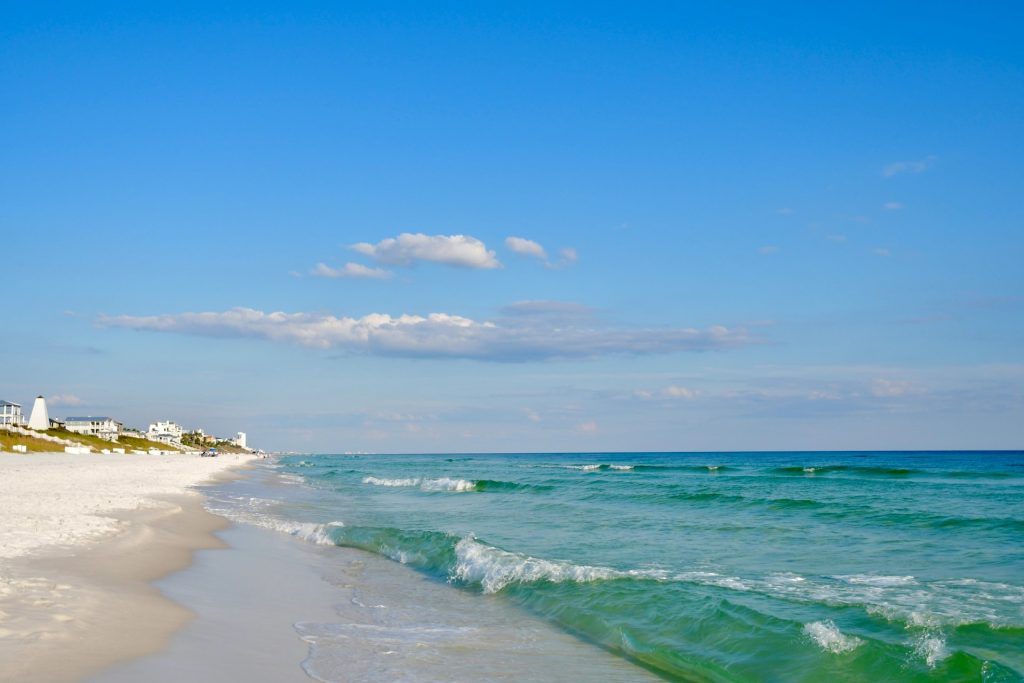
In Florida’s Gulf Coast towns and the Keys, September is often the quietest stretch of the year. School is back, summer rentals turn over, and the calendar can feel unusually open in places like Clearwater, Sanibel-area beaches, and Key West, while the water stays warm and sunsets stay dramatic. Heat and quick afternoon showers slow the pace, and some fishing and snorkel operators run fewer departures, but that is part of the off-season feel. The reward is easy tables, lighter traffic on bridges and causeways, and hotel deals that make a short, low-pressure escape realistic. Even familiar spots feel calmer, with room to linger instead of racing.
Mexico’s Caribbean Coast in Storm Season
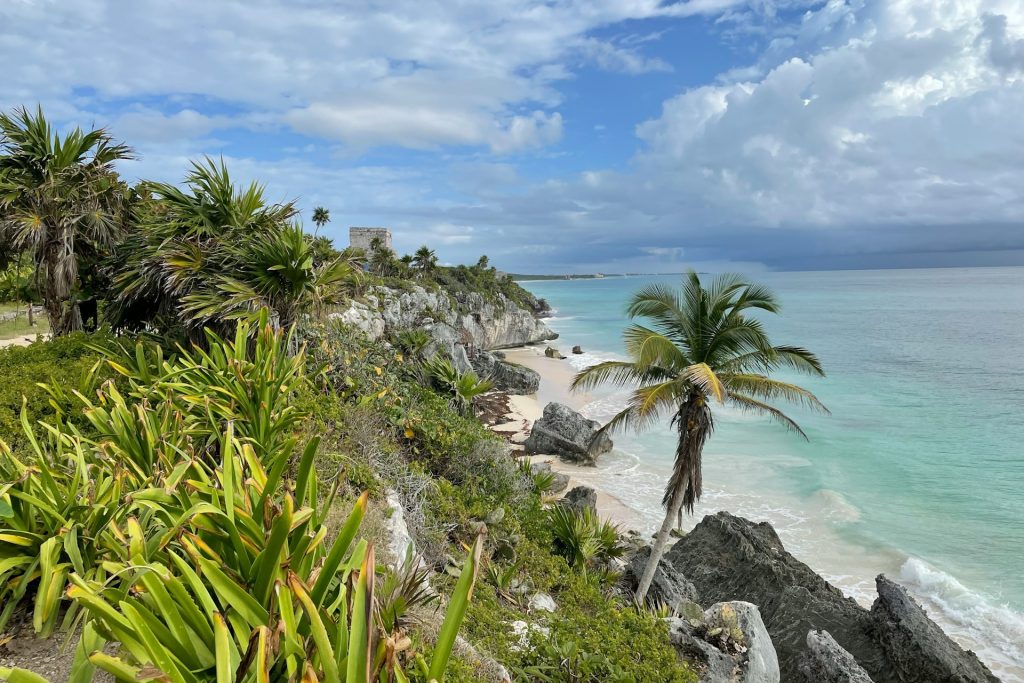
Along Mexico’s Caribbean coast, September often reads as the real lull between summer and winter. Fewer families travel, more rooms open up, and beach clubs feel noticeably calmer, even though the water stays warm and daylight stays long. Humidity runs high and rain can pass through quickly, and some tour operators reduce schedules, which keeps the pace slower than in December. It suits travelers who like flexibility: cenotes and ruins still deliver, dining is easier to book, and last-minute stays in Tulum, Playa del Carmen, or Puerto Morelos can be simpler to arrange. The smartest trips build in indoor backups and treat forecasts as a daily tool, not a mood killer.
Caribbean Islands in Storm Season
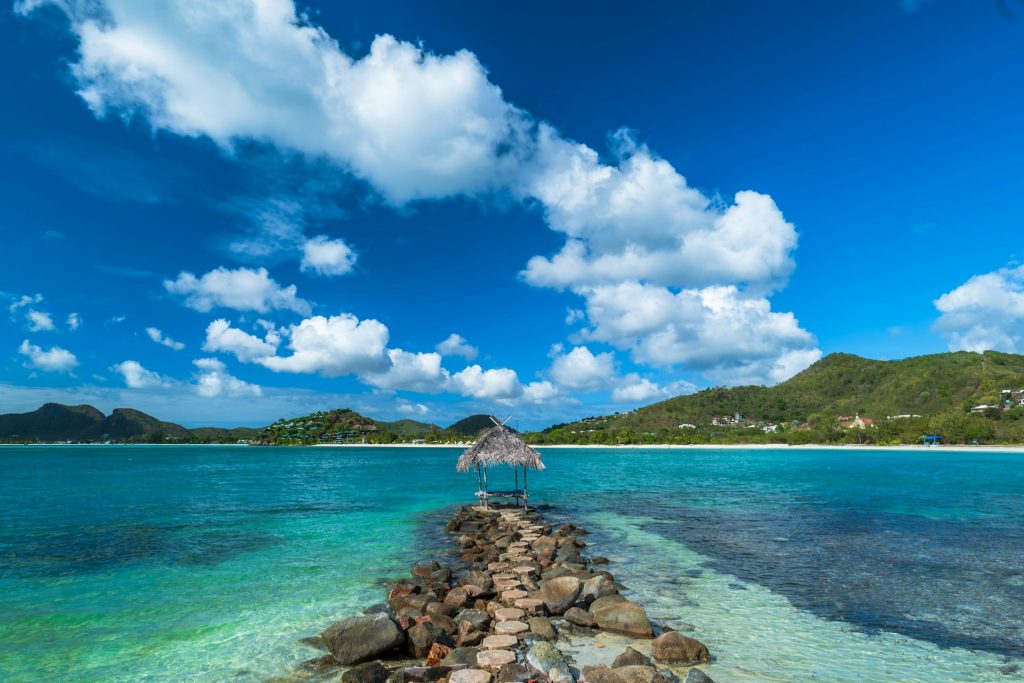
September is the quietest month across much of the Caribbean because it sits inside storm season and between school breaks. Resorts discount rooms, flights loosen up, and even famous beaches can feel almost empty at sunrise, with more locals than visitors on the sand. The trade is planning with slack: some excursions run fewer departures, ferry schedules can thin, and weather calls for flexibility. The upside is real calm, plus better access to what people come for, from snorkeling windows to long lunches without lines. The best stays pair beach time with backups like museums, cooking classes, rum tastings, and spa afternoons, keeping the trip enjoyable even if a forecast shifts.
The Greek Islands After European School Holidays
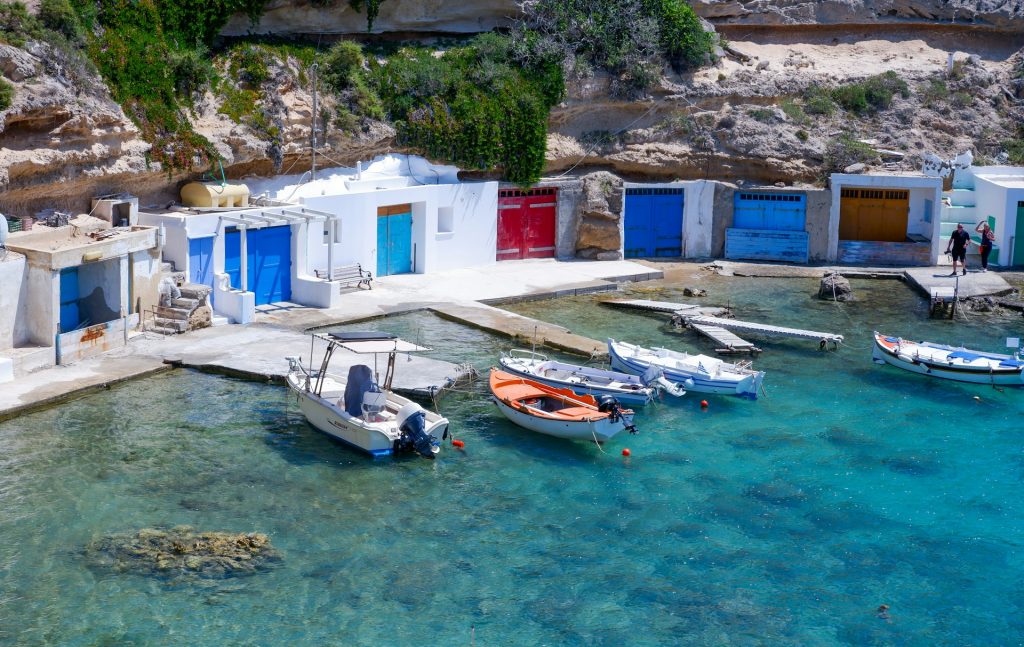
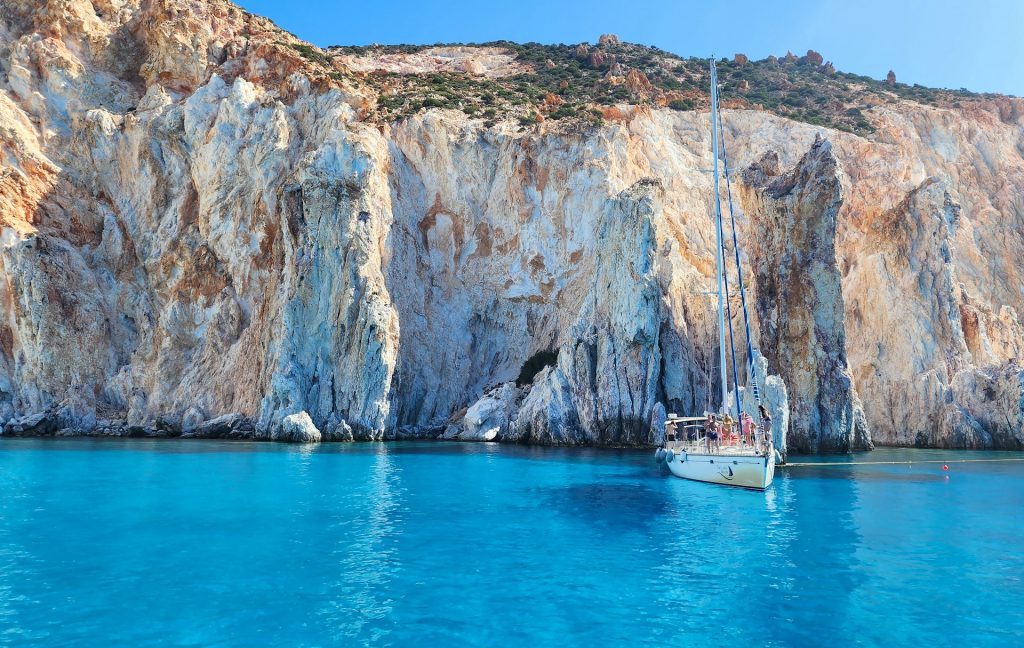
Across the Greek islands, September can feel like the real off-season because the biggest summer crowds are tied to European school breaks that fade out in late August. Flights and ferries still run, but pressure in Santorini and Mykonos eases, and islands like Naxos, Paros, Rhodes, and Symi suddenly feel easier, with less competition for beach chairs, rental cars, and dinner tables. Some beach clubs and nightlife calendars wind down, but warm water remains, mornings stay clear, and tavernas feel calmer. It becomes a month for long swims, inland village loops, and boat days planned around weather and appetite, not around crowds and reservations.
Spain’s Balearic Islands After the August Rush
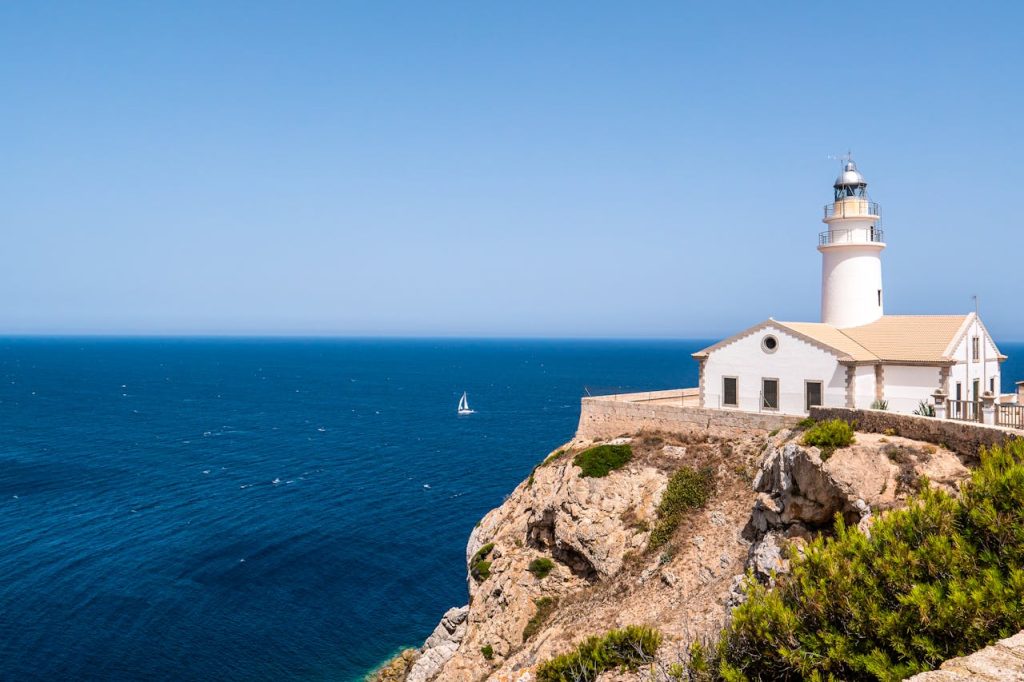
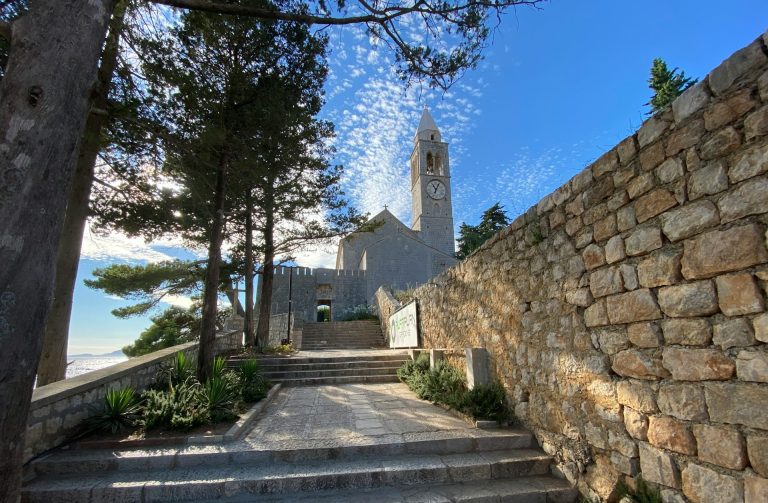
In the Balearics, September is when the loudest summer tempo fades and the islands start feeling like communities again. Mallorca, Menorca, and Ibiza keep warm water and sunny afternoons, but the end of European school holidays thins flights, reduces beach congestion, and opens restaurants that were fully booked in August. Some nightlife calendars ease, and that shift is the point: quieter coves, easier car rentals, and long lunches in inland villages where the rhythm feels local. Coastal walks turn comfortable, and the islands become more about swimming, food, and scenery than about fighting for a beach chair at noon. It is the same beauty with far less pressure.
Italy’s Adriatic Riviera, When Beach Culture Packs Up
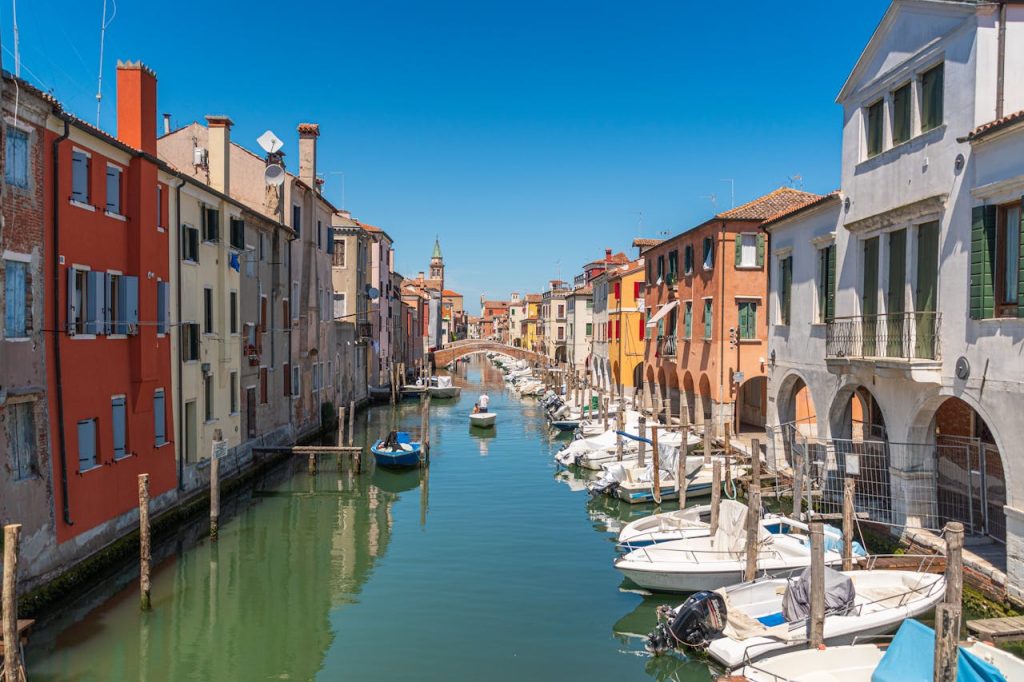
On Italy’s Adriatic Riviera, September is when the beach economy visibly starts packing up, especially around Rimini, Riccione, and smaller resort towns built for August crowds. Many lidos begin removing umbrellas and cabanas, entertainment schedules thin, and some hotels shift toward weekend energy, even while the sea can stay warm enough for a swim on clear afternoons. The upside is an easier, cheaper base for the wider region: Bologna’s markets, Ravenna’s mosaics, and San Marino’s views become simple day trips. Evenings feel calmer, with long dinners that do not require a reservation strategy, and beaches that look inviting without the tight rows and summer noise.
Coastal Alaska and the Inside Passage
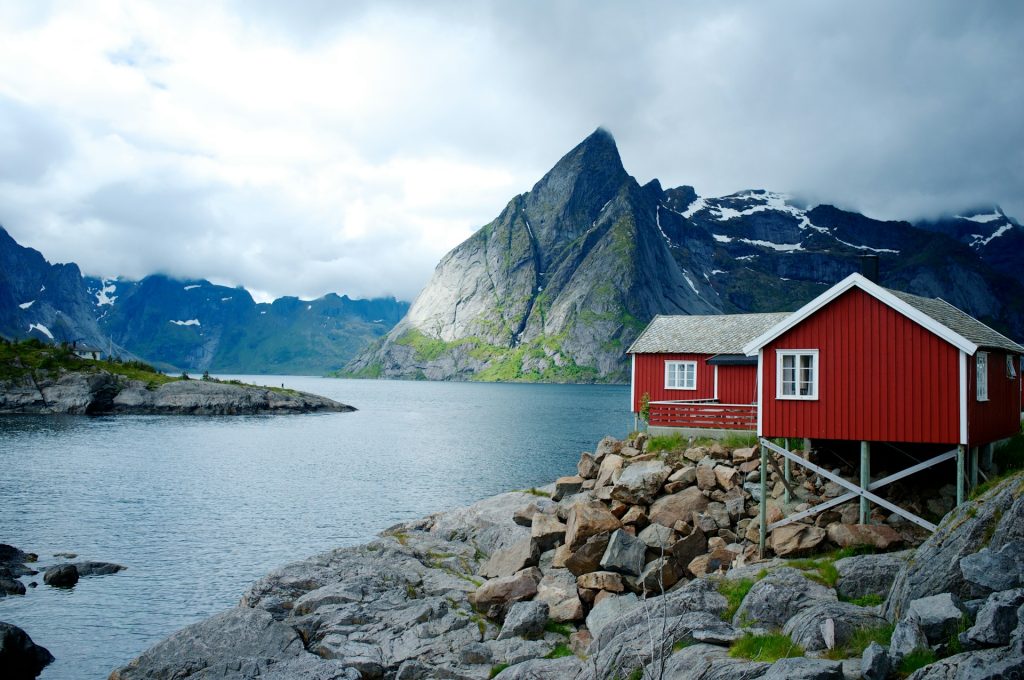
By September, Alaska’s summer machine starts powering down, especially along the Inside Passage and the coastal loop. Cruise departures drop, seasonal staff leave, and some lodges, shuttles, and day tours wrap early, so ports that felt packed in July can suddenly feel wide and quiet. That is the off-season reality, and it rewards travelers who plan carefully: double-check hours, book key rides, and pack warm layers. The upside is a calmer version of the same drama, with more space on trails, easier hotel bookings in places like Seward, Sitka, or Juneau, and wildlife experiences that feel less crowded. September trades volume for clarity, and the scenery still shows up.