11 Scenic U.S. Drives Women Take When Flying Feels Like Too Much

Psychologists and travel consultants note that the modern airport experience has become a primary source of stress for many travelers. Research into travel habits suggests that the slow travel movement is gaining significant traction among women who prioritize mental well-being over arrival speed. Experts say that the sense of autonomy and control provided by a personal vehicle acts as a powerful antidote to the anxiety produced by unpredictable flight schedules and cramped seating.
Transportation planners and environmental psychologists explain that the psychological benefits of a road trip begin with the visual engagement of the landscape. Unlike the detached perspective of air travel, the deliberate pace of a scenic drive allows for a gradual sensory transition. According to tourism analysts, these specific routes are selected because they offer a reliable blend of infrastructure and pristine nature, ensuring a secure environment for self-reflection and exploration.
Pacific Coast Highway In California
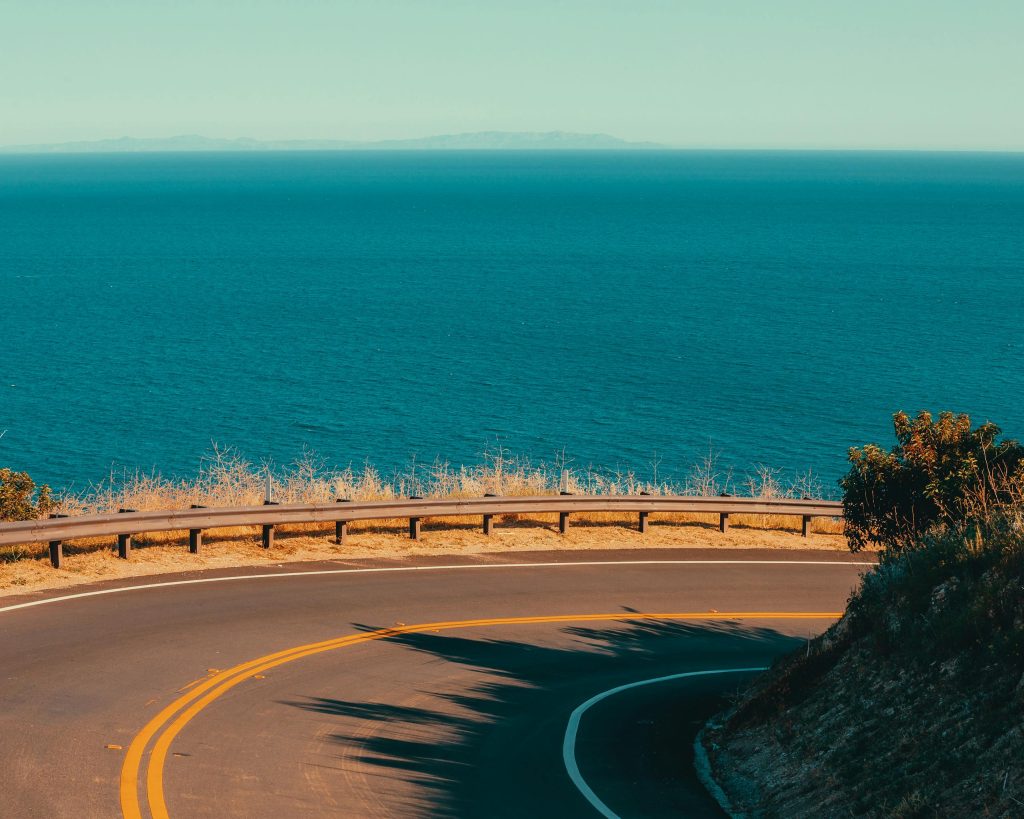
California State Parks rangers and coastal geologists identify the section of Highway 1 through Big Sur as a premier destination for those seeking profound solitude. Geologists explain that the dramatic cliffs were formed by intense tectonic activity along the San Andreas Fault, resulting in a vertical landscape that seems to drop directly into the Pacific Ocean. This route offers an immediate sense of scale that diminishes personal stressors, replacing them with the rhythmic sound of crashing waves and the sight of ancient redwood forests.
State wildlife officials emphasize that the journey provides opportunities to observe rare marine mammals such as sea otters and migrating whales from accessible turnouts. Professional guides suggest that the ideal way to experience this drive is during the shoulder seasons of spring and fall to avoid the heavier summer traffic. Maintaining a slow pace allows for the appreciation of the subtle changes in light and mist that define the central California coast, providing a therapeutic environment that air travel cannot replicate.
Blue Ridge Parkway In Virginia And North Carolina
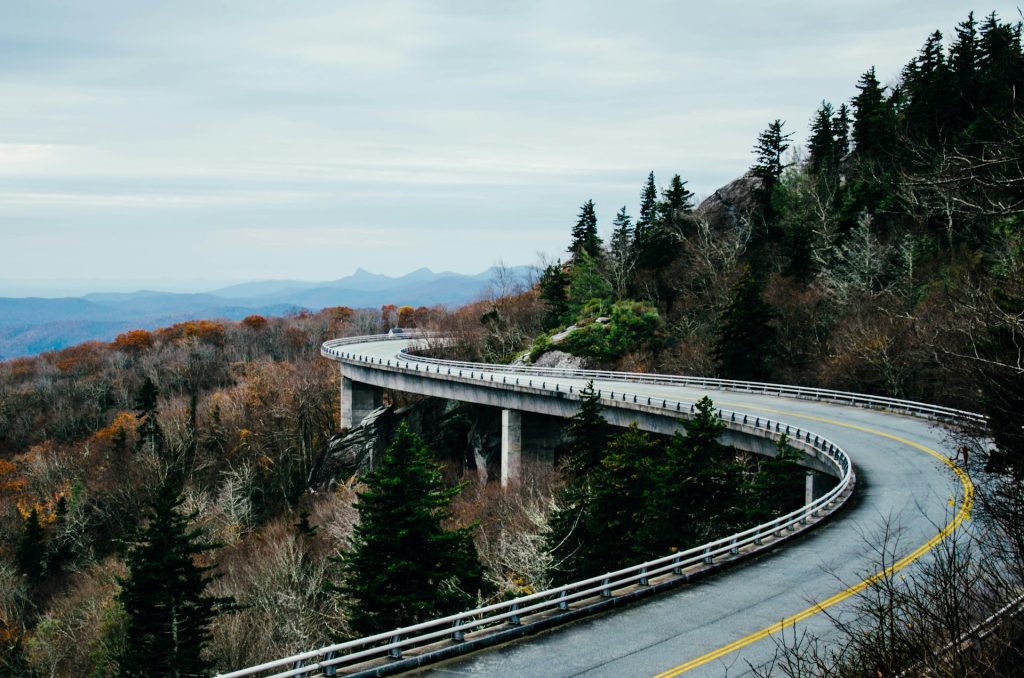
National Park Service historians and arborists describe the Blue Ridge Parkway as a slow road designed specifically for leisure and scenic enjoyment. Built during the Great Depression, the parkway bypasses commercial centers and advertising, offering an unbroken ribbon of pavement through the Appalachian Highlands. Arborists note that the incredible tree diversity, including oaks, maples, and hickories, creates a vibrant canopy that changes dramatically with the seasons, providing a colorful backdrop for mental decompression.
Park naturalists suggest that the numerous overlooks and short hiking trails encourage frequent breaks to breathe the mountain air. Experts say that the lack of steep grades and sharp turns makes this an accessible route for drivers who prefer a relaxed and predictable experience. Following the crest of the mountains allows for panoramic views of the Blue Ridge, where the blue-tinted haze produced by the forest creates a soft and calming visual field that aids in stress reduction.
Going-To-The-Sun Road In Montana

Glaciologists and park rangers at Glacier National Park recognize this fifty-mile route as a masterpiece of engineering that provides access to some of the most rugged terrain in the Rocky Mountains. The road crosses the Continental Divide at Logan Pass, offering views of massive glaciers and turquoise alpine lakes. Experts explain that the presence of these ancient ice masses creates a unique microclimate that keeps the air crisp and refreshing even during the peak of summer.
Wilderness survival instructors and park officials advise that the seasonal nature of the road, which is often closed due to snow until late June, adds to its exclusivity and allure. The physical sensation of climbing into the high alpine environment provides a literal and figurative escape from the pressures of everyday life. Observing mountain goats and bighorn sheep near the summit offers a connection to the natural world that fosters a sense of wonder and perspective.
Kancamagus Highway In New Hampshire
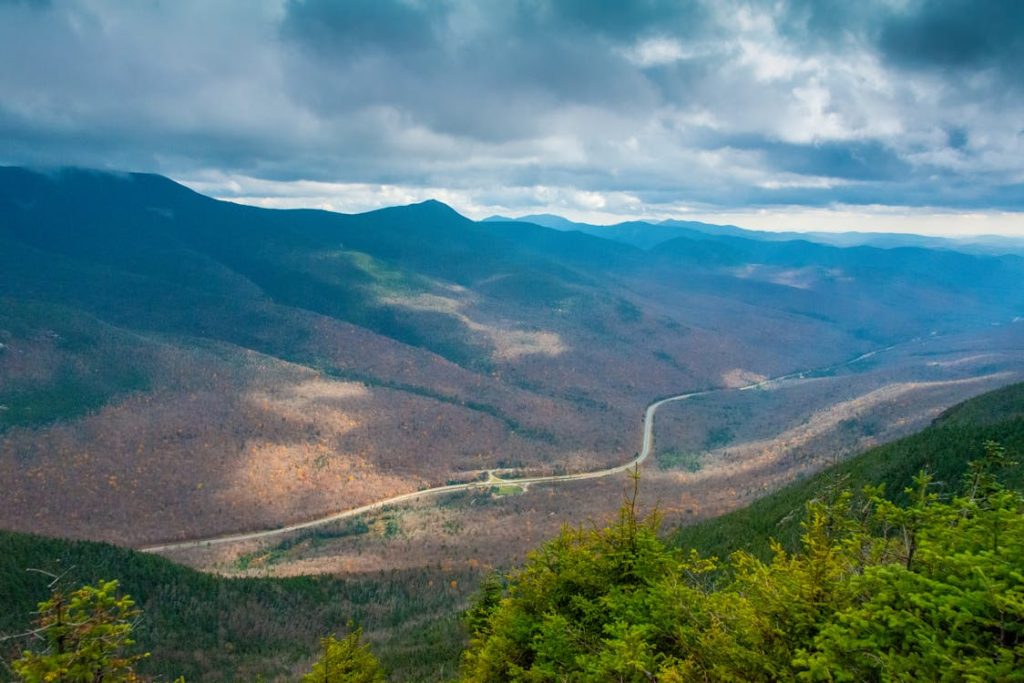
Forestry experts and seasonal foliage analysts identify this thirty-four-mile stretch of Route 112 as a vital corridor for experiencing the raw beauty of the White Mountains. The highway is notable for its lack of gas stations and restaurants, which experts say preserves a sense of wilderness and isolation. Forestry officials explain that the high concentration of deciduous trees produces some of the most intense autumn colors in the country, attracting those who find peace in the cyclical nature of the forest.
Hydrologists and park naturalists point to the numerous waterfalls and rocky gorges along the Swift River as ideal spots for quiet reflection. The road reaches an elevation of nearly three thousand feet at Kancamagus Pass, providing sweeping views of the surrounding peaks. Maintaining awareness of the weather is essential in this region, as the mountain climate can change rapidly, but the reward is an unhurried journey through a landscape that feels timeless and protected.
Million Dollar Highway In Colorado
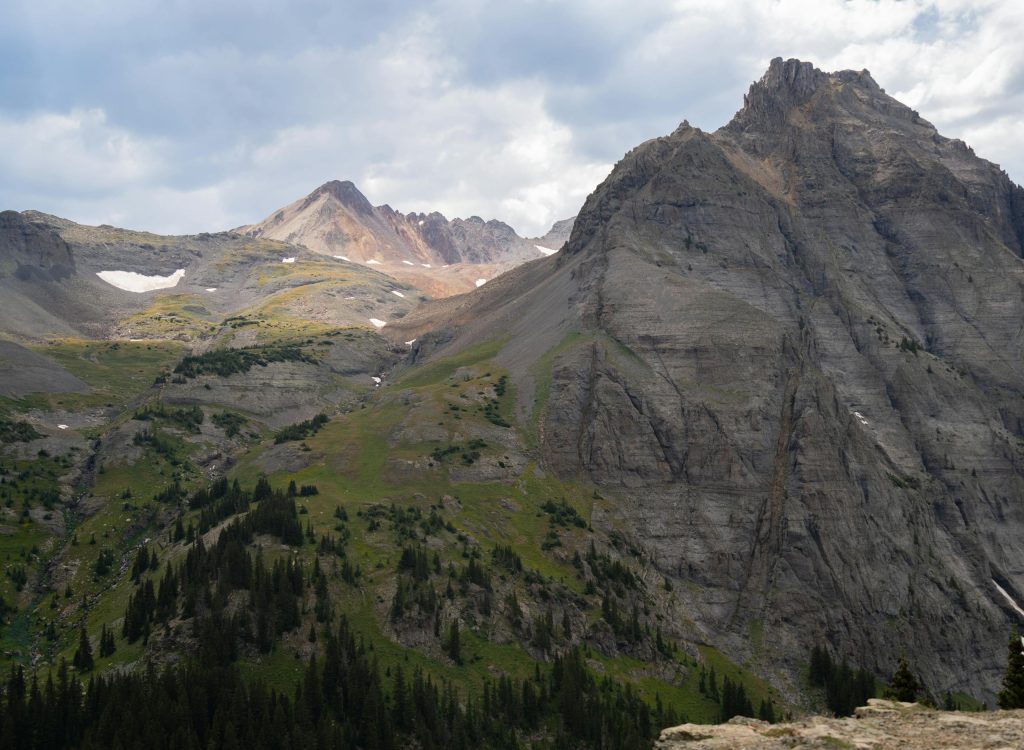
Mining historians and transportation safety experts describe the section of U.S. 550 between Ouray and Silverton as one of the most visually arresting drives in the San Juan Mountains. The road was originally constructed in the late nineteenth century to transport gold and silver ore, and geologists note that the mineral-rich slopes still display vibrant streaks of red and yellow. The sheer verticality of the canyon walls provides a visceral experience of the Earth’s geological history.
High-altitude driving instructors emphasize that the lack of guardrails in certain sections demands total focus, which paradoxically acts as a form of active meditation. Experts say that the absence of modern highway features forces a slower, more deliberate speed that allows for a deeper connection with the terrain. The transition from the dense pine forests of the valleys to the stark, windswept beauty of Red Mountain Pass offers a dramatic shift in perspective that clears the mind.
Overseas Highway In Florida
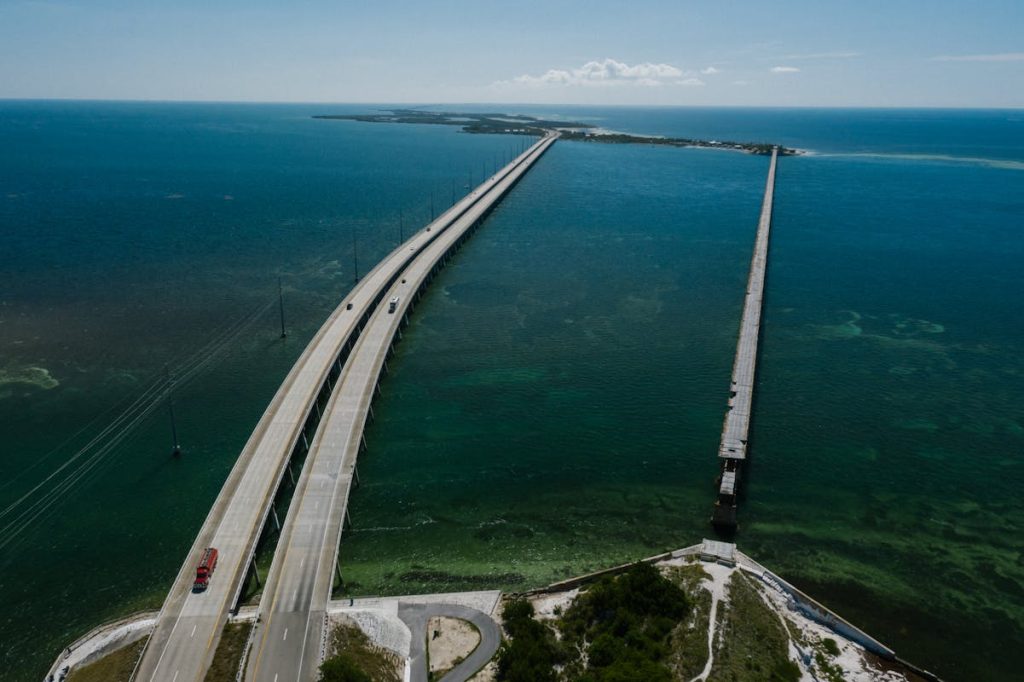
Marine ecologists and transportation engineers identify the one-hundred-thirteen-mile bridge system connecting the Florida Keys as a unique aquatic road trip. Coastal engineers explain that the construction of the Seven Mile Bridge required innovative solutions to withstand the corrosive marine environment, resulting in a drive that feels like floating over the ocean. This constant proximity to the water provides a sense of openness and tranquility that is highly effective for reducing anxiety.
State wildlife officials suggest stopping at the various state parks along the route to observe the delicate coral reef and mangrove ecosystems. Experts say that the transition from the bustling mainland to the relaxed atmosphere of the keys is facilitated by the expansive views of the turquoise Atlantic and the Gulf of Mexico. The steady sea breeze and the vibrant colors of the tropical landscape provide a sensory reset that encourages a slower, more mindful approach to travel.
Highway 12 In Utah
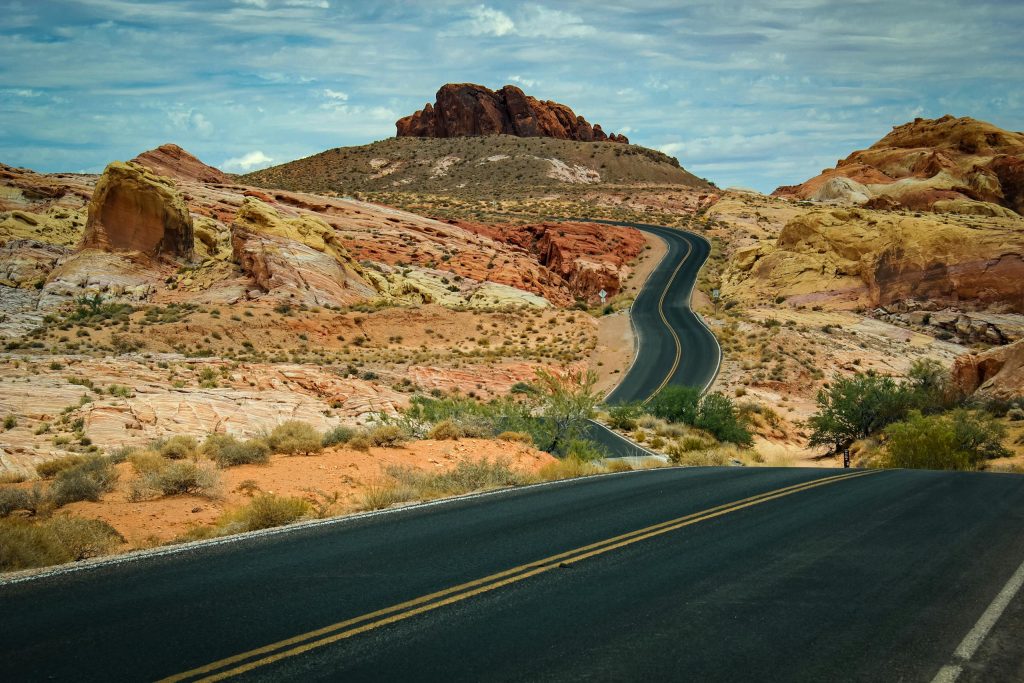
Geologists and Bureau of Land Management rangers describe Highway 12 as an All-American Road that traverses some of the most diverse red rock scenery in the Southwest. The route passes through the Grand Staircase-Escalante National Monument, where geologists note that millions of years of erosion have created intricate canyons and towering mesas. This stark, minimalist landscape provides a visual clarity that many travelers find mentally refreshing.
Park naturalists highlight the section known as the Hogsback, where the road follows a narrow ridge with steep drops on both sides, offering panoramic views of the desert floor. Experts say that the isolation of the region ensures a quiet experience with minimal light pollution, making it an ideal destination for stargazing. The physical act of moving through this ancient and unyielding landscape fosters a sense of resilience and calm that is difficult to find in more developed areas.
Skyline Drive In Virginia
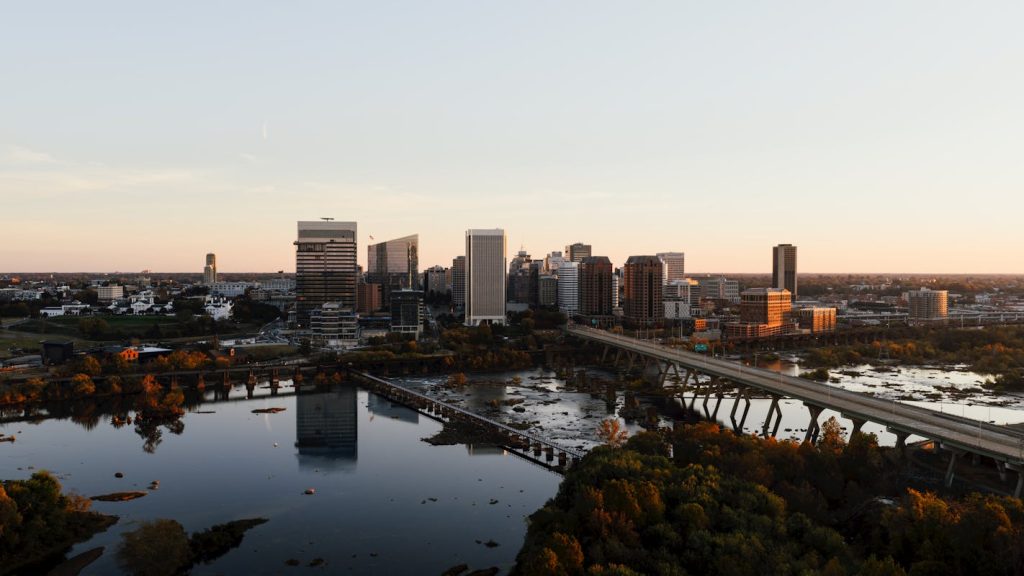
Wildlife biologists and park naturalists identify Skyline Drive as the primary artery through Shenandoah National Park, offering a high-altitude experience within easy reach of the Mid-Atlantic. The road follows the ridge of the Blue Ridge Mountains for over one hundred miles, providing constant views of the Piedmont valley to the east and the Shenandoah Valley to the west. Wildlife biologists note that the park is home to one of the highest concentrations of black bears in the eastern United States, often seen grazing in the meadows along the drive.
Park historians explain that the numerous stone overlooks were constructed by the Civilian Conservation Corps to provide framed vistas of the forest. Experts say that the speed limit of thirty-five miles per hour is strictly enforced to ensure a safe and unhurried experience for all visitors. This enforced pace allows for the observation of the changing forest types as the elevation fluctuates, providing a gentle and continuous engagement with the natural environment.
Olympic Peninsula Loop In Washington
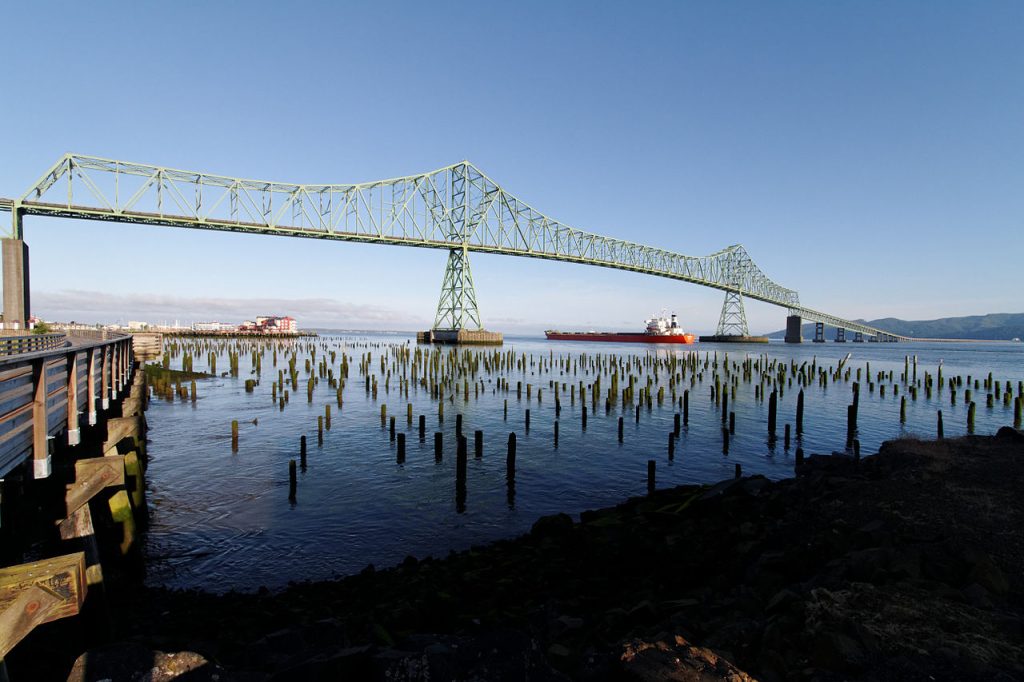
State wildlife officials and ecologists recognize the three-hundred-mile loop around the Olympic Peninsula as a journey through several distinct ecosystems, including temperate rainforests and rugged coastal beaches. Ecologists explain that the high annual rainfall in the Hoh Rainforest creates a lush, moss-covered environment that dampens sound and creates a profound sense of quiet. This acoustic tranquility is a significant factor in the restorative quality of the drive.
Marine biologists and coastal preservationists point to the jagged sea stacks and driftwood-strewn shores of the Pacific coast as ideal locations for quiet walks. Experts say that the variety of the landscape, from the snow-capped peaks of the Olympic Mountains to the misty shores of the Strait of Juan de Fuca, ensures a dynamic and engaging experience. The sense of being at the edge of the continent provides a powerful feeling of freedom and renewal for those seeking a break from the routine.
Acadia Park Loop Road In Maine
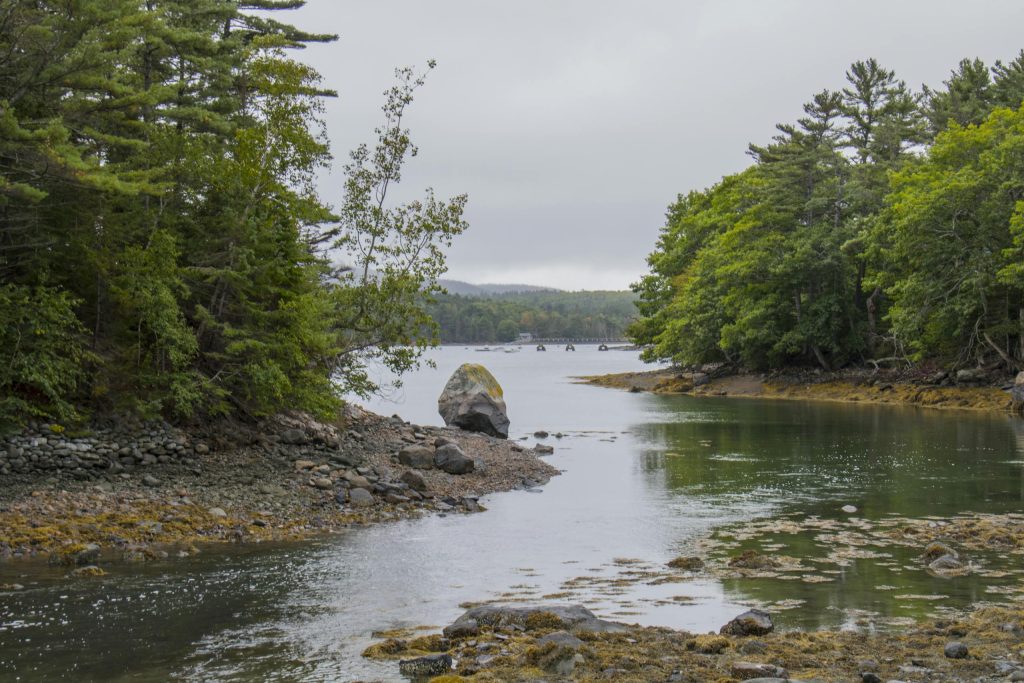
Marine biologists and coastal preservationists describe the twenty-seven-mile loop road in Acadia National Park as the premier way to experience the intersection of the granite mountains and the Atlantic Ocean. Geologists note that the pink granite cliffs of Mount Desert Island were shaped by ancient volcanic activity and subsequent glacial scouring, resulting in a jagged and beautiful coastline. This rugged environment provides a stark and invigorating contrast to the softness of inland landscapes.
Park naturalists suggest starting the drive early in the morning to witness the sunrise from the summit of Cadillac Mountain, the highest point on the North Atlantic seaboard. Experts say that the combination of the salt-tinged air and the sound of the ocean at Thunder Hole provides a sensory experience that is deeply grounding. The well-maintained system of carriage roads and trails allows for easy exploration away from the vehicle, fostering a sense of discovery and peace.
North Shore Drive In Minnesota
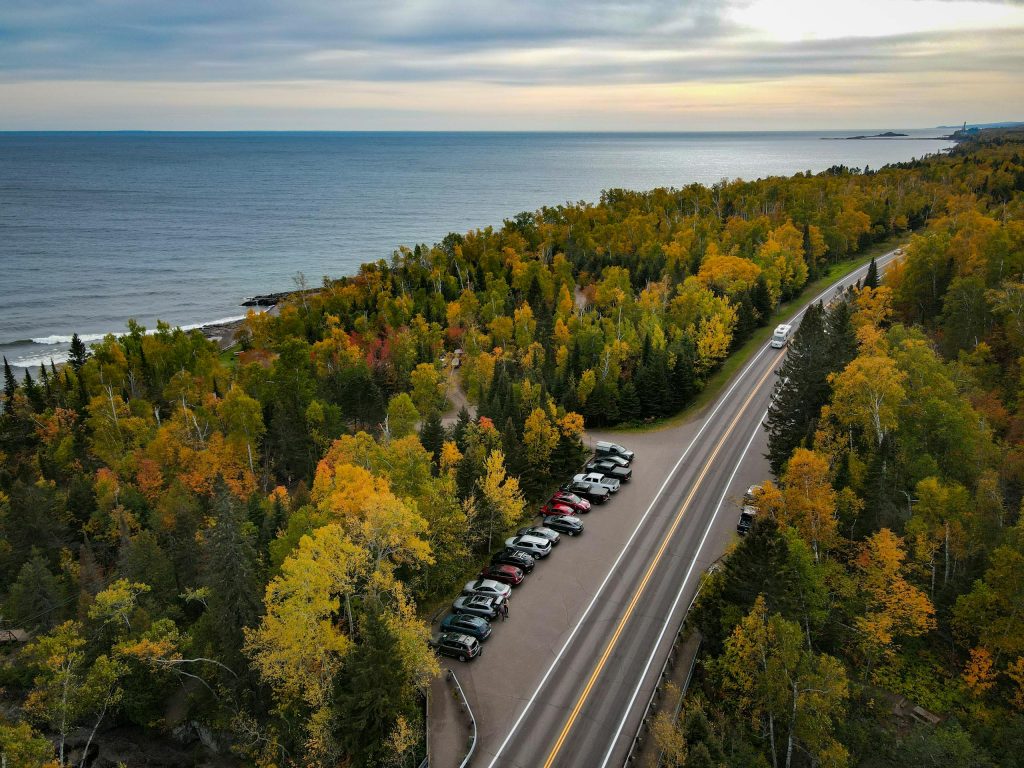
Limnologists and state park rangers identify Highway 61 along the north shore of Lake Superior as a vital route for experiencing the power of the largest freshwater lake in the world. Limnologists explain that the immense size of the lake creates its own weather patterns, resulting in dramatic waves and atmospheric mists that define the character of the drive. The constant presence of the lake provides a sense of vastness and continuity that is highly soothing.
State park officials highlight the numerous river gorges and waterfalls, such as those at Gooseberry Falls and Tettegouche State Park, as essential stops. Experts say that the rugged basalt cliffs and the dense pine forests of the Superior National Forest provide a resilient and protective environment for self-reflection. The sense of being deep within the northern wilderness, while still having access to well-maintained roads, ensures a secure and restorative journey for those seeking an alternative to the stress of air travel.