11 States With the Deadliest Winter Roads in 2026
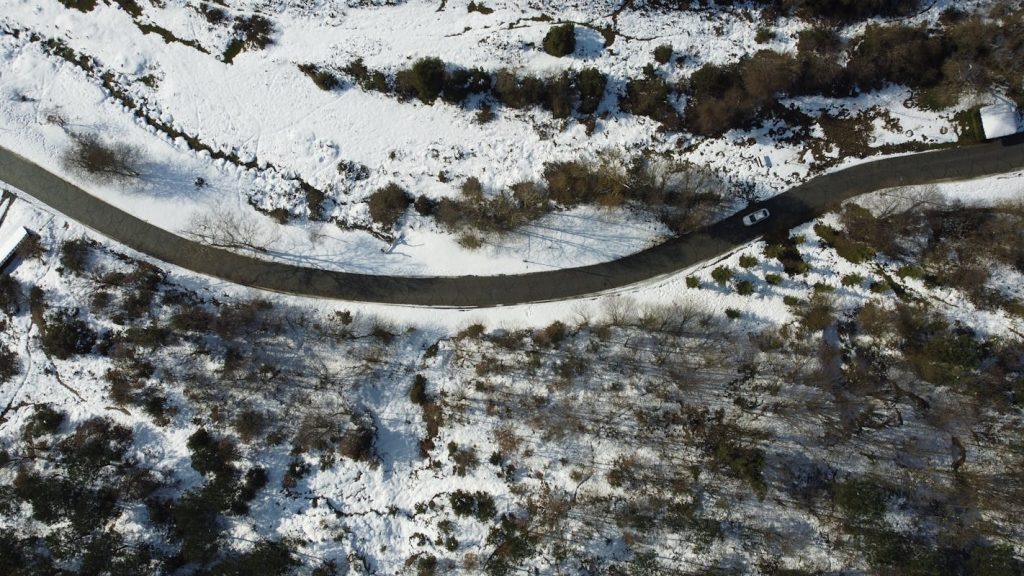
Winter driving varies dramatically across the United States, and some regions consistently face harsher conditions due to geography, weather patterns, and the frequency of storms that create slippery or limited-visibility roadways. States with extensive mountain passes, icy plains, and heavy lake-effect snow often experience unique challenges that make winter travel demanding for residents and visitors. These areas contend with fast-moving systems that transform roads within minutes, along with frigid temperatures that keep surfaces slick long after snowfall ends. Understanding how these states experience winter helps travelers appreciate the reality of seasonal hazards while recognizing how communities prepare and respond. The combination of freezing rain, blowing snow, steep terrain, and long rural stretches contributes to roads that test patience and skill throughout the colder months. Each of these states illustrates how climate and landscape shape driving experiences when winter arrives with full force.
Alaska
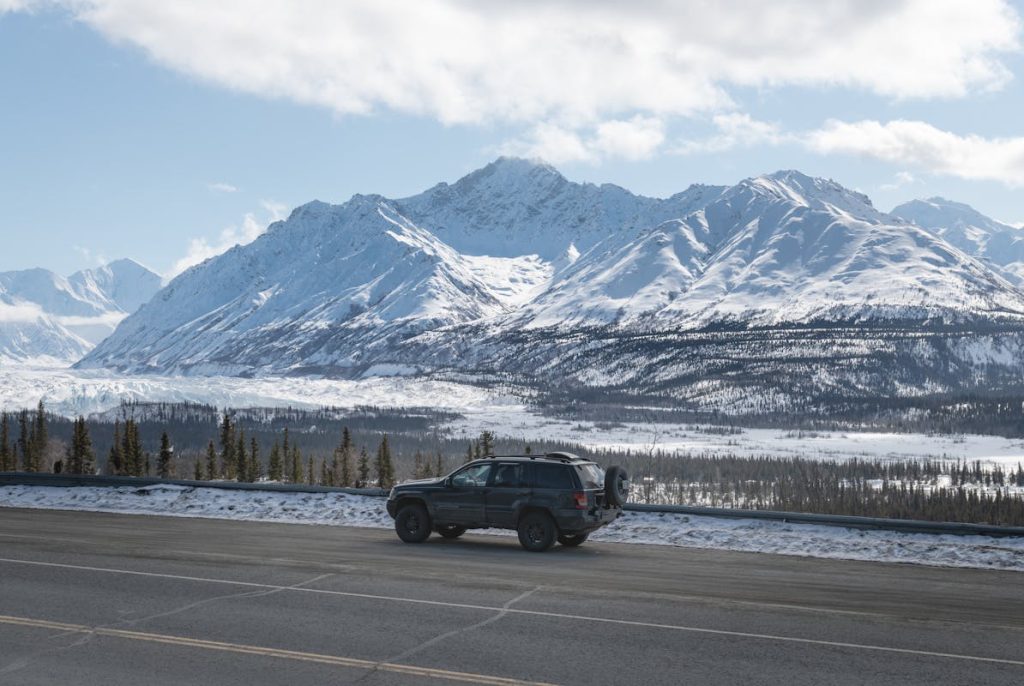
Alaska presents some of the most challenging winter driving conditions in the country because its long stretches of remote highways receive extended periods of snow, ice, and minimal daylight. Many roads remain isolated, with limited access to emergency services or plowing during severe storms. Temperatures routinely drop far below freezing, causing black ice to form quickly and persist throughout the day. Blowing snow from strong winds reduces visibility, especially along coastal routes and open tundra areas. Mountain passes add complexity as they experience rapid weather changes that can trap travelers between storms. The state’s vast size means maintenance crews prioritize key corridors, leaving secondary routes untreated longer. These combined factors create a winter environment where even experienced drivers face difficult conditions.
Michigan
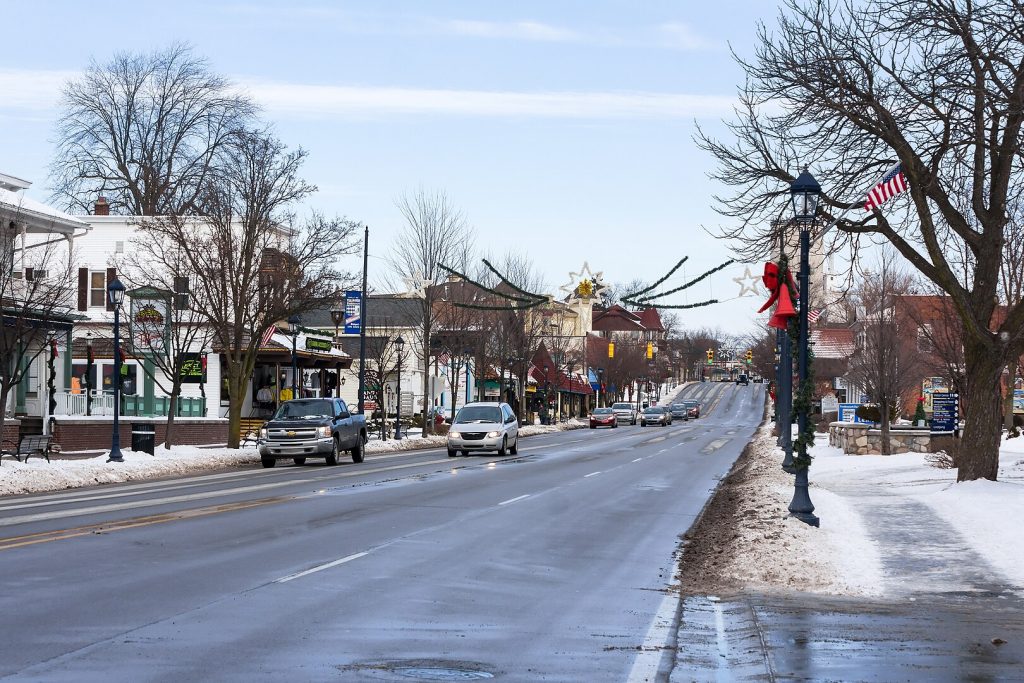
Michigan’s winter roads become notoriously difficult due to heavy lake-effect snow that forms when cold air passes over the Great Lakes, producing intense and often unpredictable snowfall. Western and northern regions receive frequent bursts that create deep drifts and sudden whiteout conditions. Icy surfaces remain common because temperatures fluctuate around the freezing point, causing repeated thawing and refreezing. Rural roads often stay snow-covered longer than busy highways, making travel inconsistent across the state. Urban areas such as Detroit face additional challenges from traffic congestion combined with rapidly accumulating snow. The state’s long winters mean crews work tirelessly, yet storms arrive often enough to overwhelm even well-equipped fleets. These factors create challenging conditions that define Michigan’s winter driving reputation.
Minnesota
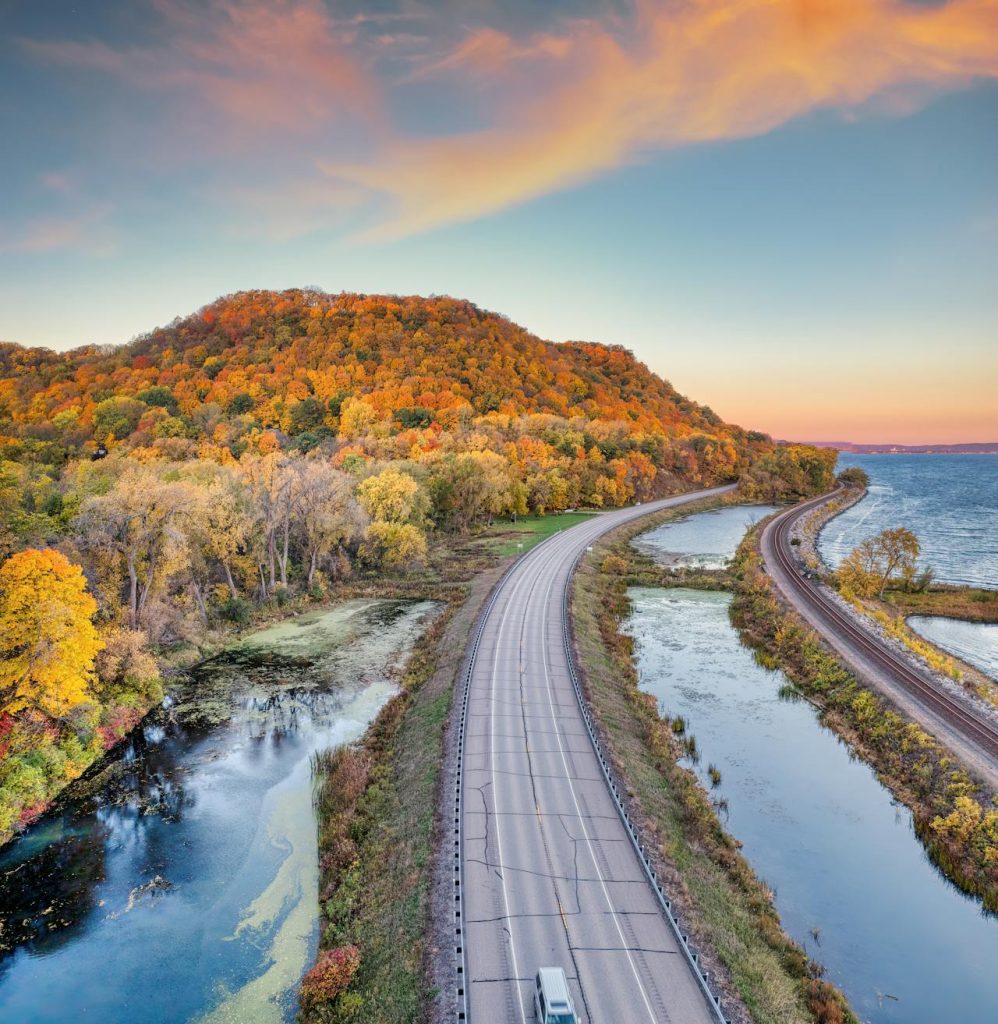
Minnesota’s cold climate and long winter season contribute to roads that remain icy and hazardous for months. Temperatures frequently stay below freezing, preventing snow and slush from melting between storms. Blowing and drifting snow across open farmland reduces visibility and quickly covers plowed surfaces. The state’s northern regions receive significant snowfall each year, while southern areas experience more freezing rain that creates slick surfaces difficult to treat. Black ice forms easily on bridges and shaded stretches, catching even cautious drivers off guard. The combination of frigid conditions, strong winds, and frequent storms creates a winter landscape where road crews remain constantly active. Minnesota’s reputation for tough winter roads stems from this persistent cycle of cold, moisture, and wind.
Wisconsin
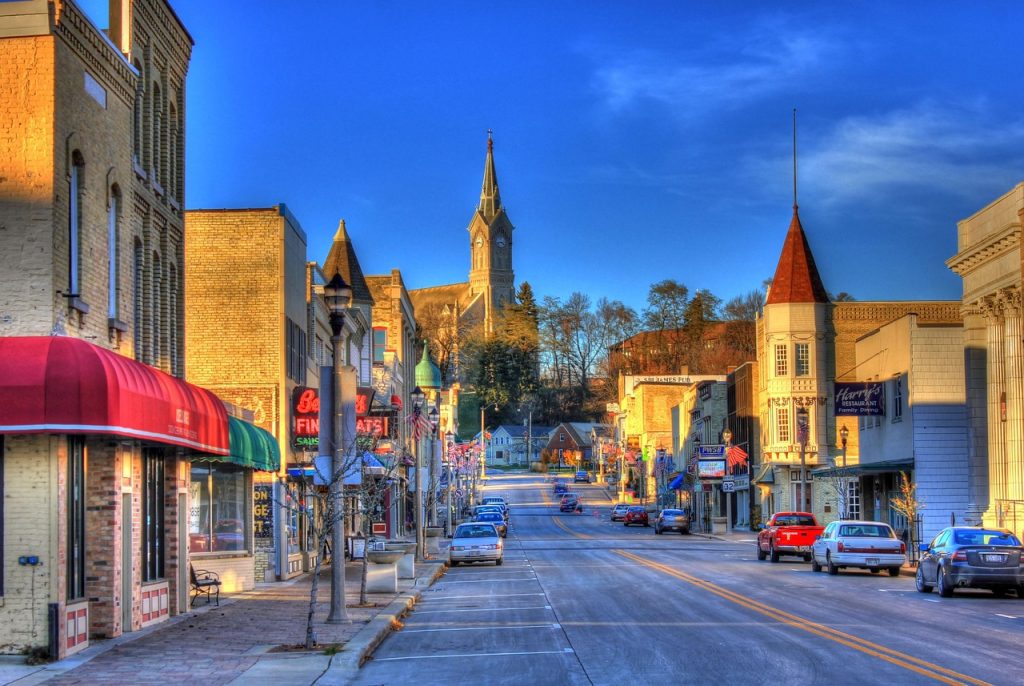
Wisconsin experiences a mix of lake-effect snow, freezing rain, and extended cold spells that contribute to consistently challenging winter roads. Areas near Lake Superior see heavy snowfall that accumulates quickly, while central and southern regions face ice-forming conditions during storms that begin with rain and end with snow. Temperatures vary widely, causing roads to transition rapidly between slush, ice, and powder. Rural counties, known for their scenic farmland, often have long stretches that remain untreated during peak snowfall, adding unpredictability to travel. Wind also plays a major role, pushing snow across highways and creating sudden drifts. These combined elements make Wisconsin winters demanding for drivers across urban and rural settings alike.
North Dakota
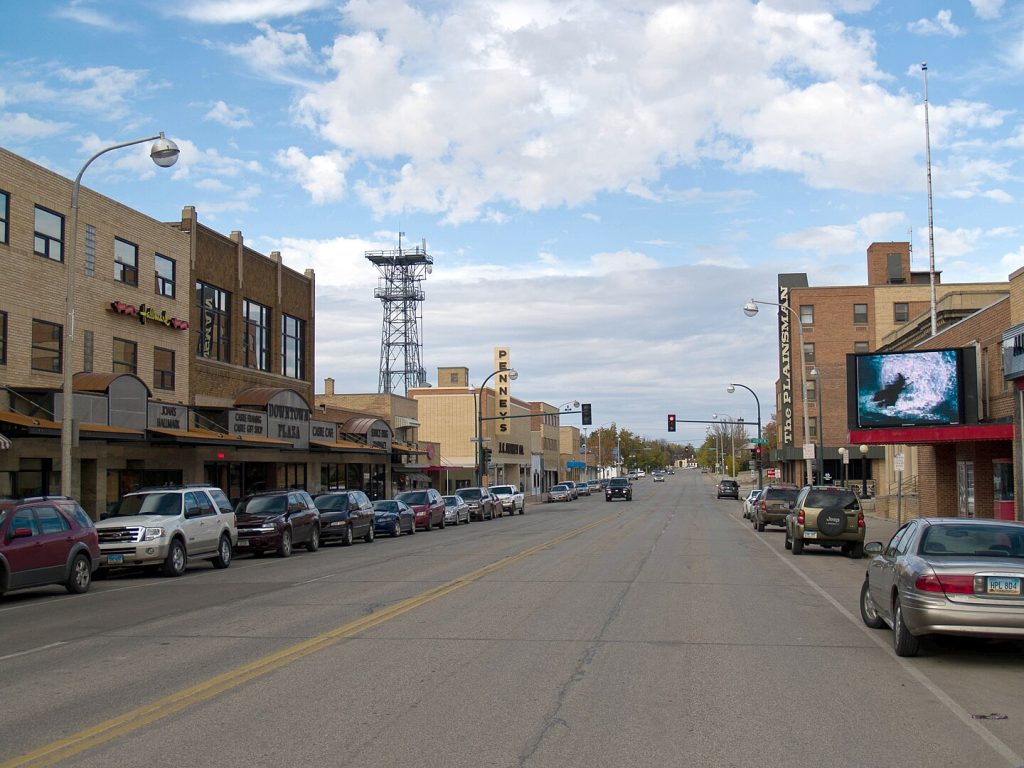
North Dakota experiences harsh winter road conditions because its flat plains allow strong winds to push snow across highways, creating deep drifts and near-constant blowing snow. Visibility becomes one of the state’s greatest challenges, especially during blizzards that can appear suddenly and reduce sightlines to just a few feet. Extremely cold temperatures cause snow to adhere to pavement and prevent salt from working efficiently, leaving roads icy for extended periods. Many state highways pass through remote areas with limited protection from the elements, making closures common during severe storms. This combination of cold, wind, and open terrain defines the state’s winter driving landscape and contributes to its reputation for tough winter roads.
South Dakota
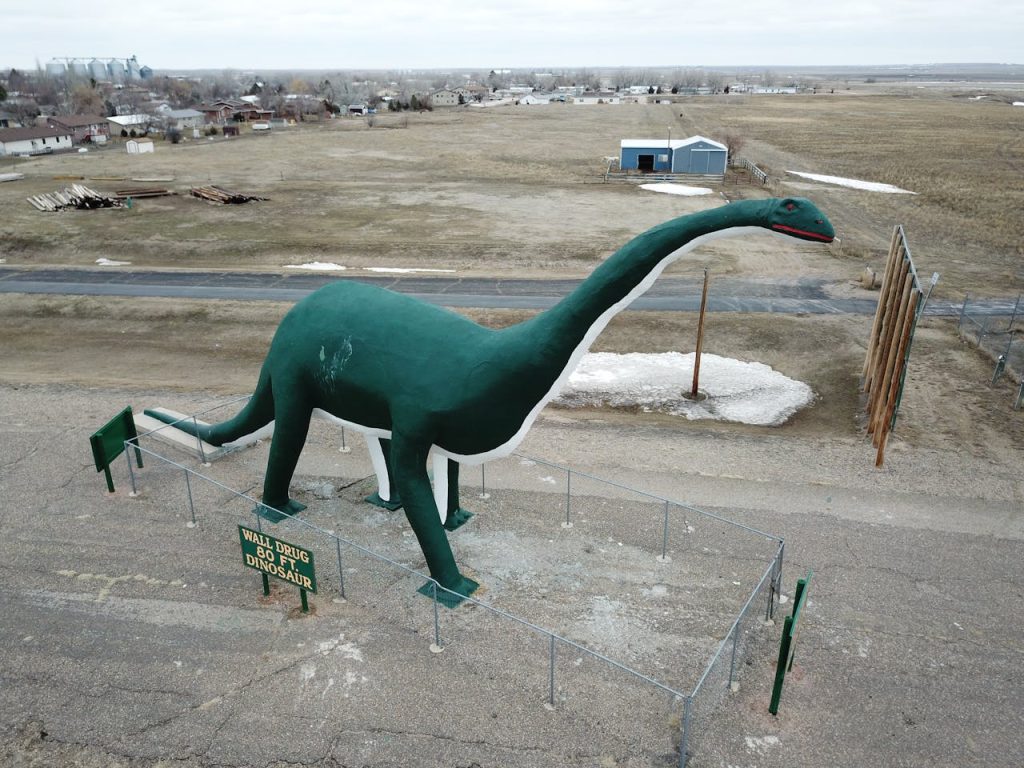
South Dakota’s winter roads become difficult due to frequent blizzards, high winds, and wide stretches of open prairie where snow accumulates rapidly. Interstate corridors such as I-90 experience long closures during extreme storms because drifting snow and ice create hazardous conditions that plows cannot keep up with. The state encounters sharp temperature drops that cause roads to flash-freeze after mild weather. Rural routes, which make up much of the state’s network, often have limited shelter from wind, allowing snow to blow repeatedly across the pavement even after plowing. These conditions create an environment where visibility, traction, and access can change quickly, making winter travel particularly unpredictable.
Colorado
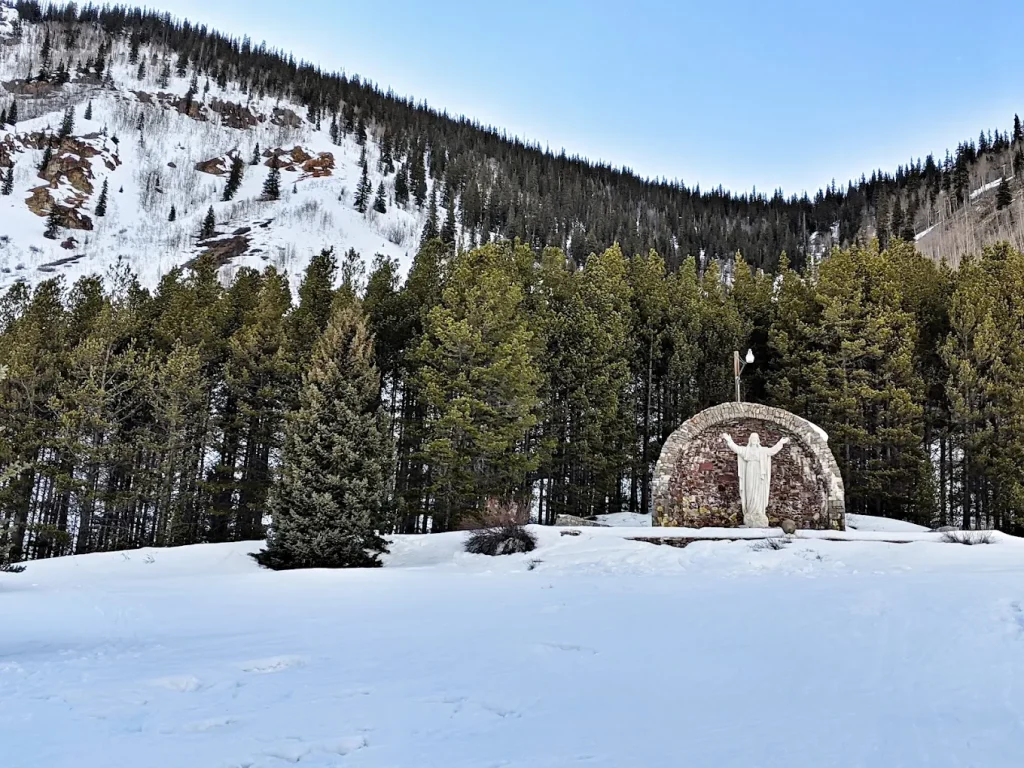
Colorado’s mountainous terrain creates some of the most variable winter road conditions in the West, with steep grades, winding curves, and high-altitude passes that experience heavy snowfall and sudden weather shifts. Major routes such as I-70 regularly contend with snow, ice, and wind that challenge even experienced drivers. Freezing temperatures persist at higher elevations, allowing dangerous ice patches to remain hidden beneath fresh snow. Avalanches also pose a hazard in certain corridors, prompting closures when conditions escalate. Lower-elevation cities may receive lighter snowfall, yet transitions to the mountains often mean encountering drastically different road surfaces within short distances. This sharp contrast contributes to Colorado’s reputation for demanding winter driving.
Wyoming
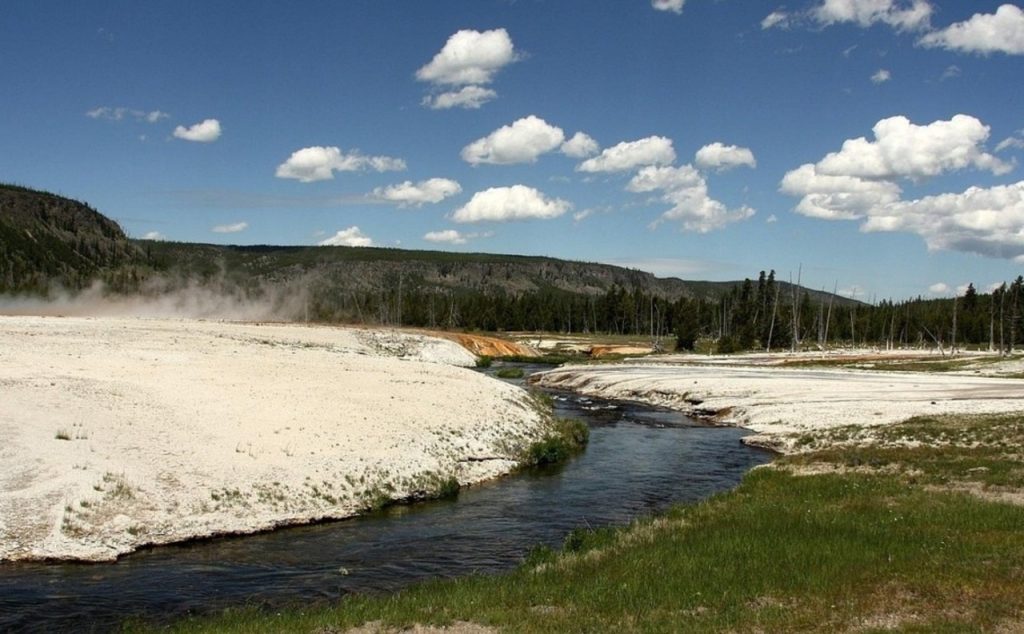
Wyoming faces intense winter conditions due to its high elevation, strong winds, and wide-open landscapes where snow drifts form quickly. Interstates such as I-80 frequently close during storms because blowing snow reduces visibility and creates icy surfaces that remain slick even after plowing. The state’s thin population density means long distances between towns and services, adding difficulty when weather deteriorates unexpectedly. Wind chills drop severely, contributing to frost formation on roads and equipment. Many highways cross exposed plains where nothing blocks sweeping gusts that push snow across lanes repeatedly. The combination of remote travel routes and powerful winter systems makes Wyoming one of the toughest states to navigate during the cold season.
Montana
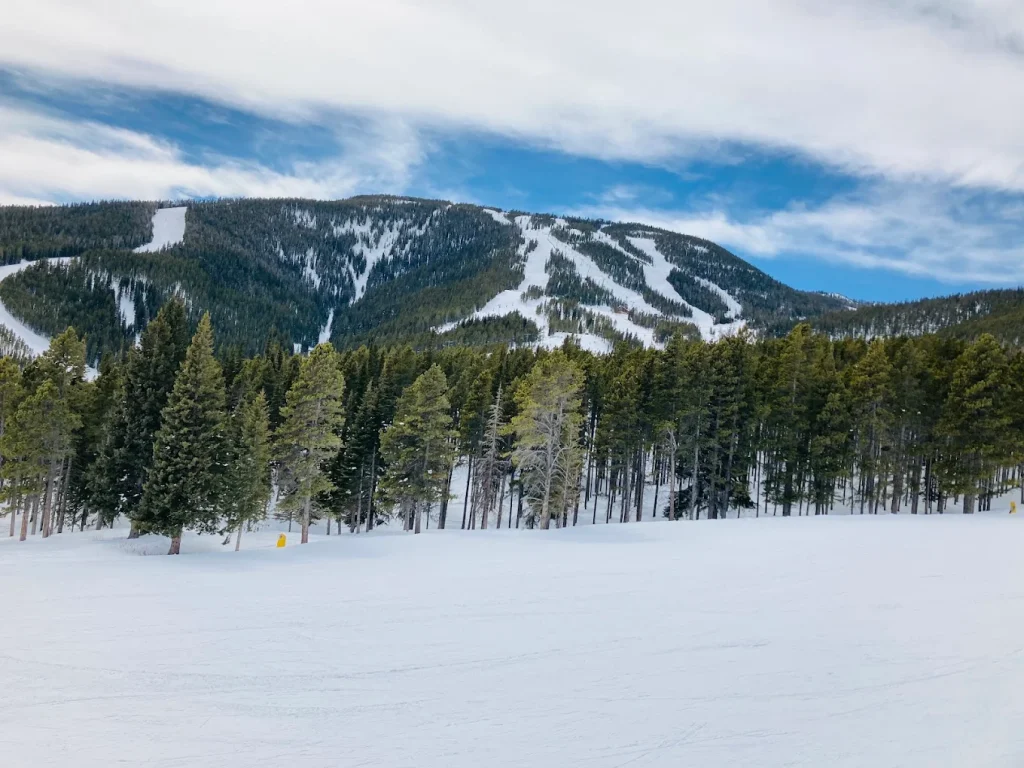
Montana’s mix of mountain ranges, high plains, and dramatic temperature swings contributes to winter road conditions that challenge drivers across the state. Mountain passes receive heavy snowfall and frequent ice formation, while open prairies experience strong winds that create blowing and drifting snow. Rural regions often face long distances between services, complicating travel during storms. Temperatures routinely drop well below freezing, causing persistent ice on shaded roads and bridges. Snowstorms can arrive quickly and vary in intensity from one valley to the next, making conditions unpredictable across relatively short drives. These environmental factors combine to give Montana a longstanding reputation for difficult winter travel.
Vermont
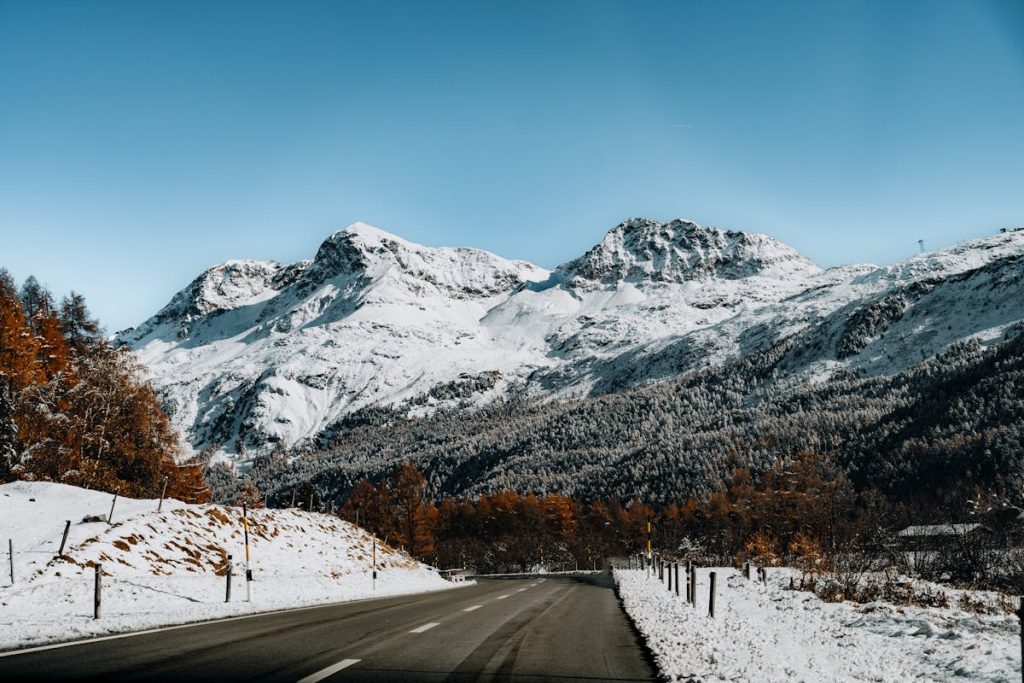
Vermont experiences significant winter challenges due to heavy snowfall, narrow rural roads, and hilly terrain that becomes slippery during freezing conditions. The state’s location in the northeastern United States positions it to receive nor’easters that bring large amounts of snow in short periods. Many roads wind through forested areas where limited sunlight delays melting, allowing ice to remain for days. Steep grades and sharp turns add complexity, especially during freeze-thaw cycles that create black ice. Rural highways are common throughout the state, and snowfall often exceeds plowing capacity during major storms. These traits make Vermont’s winter roads both scenic and demanding.
Maine
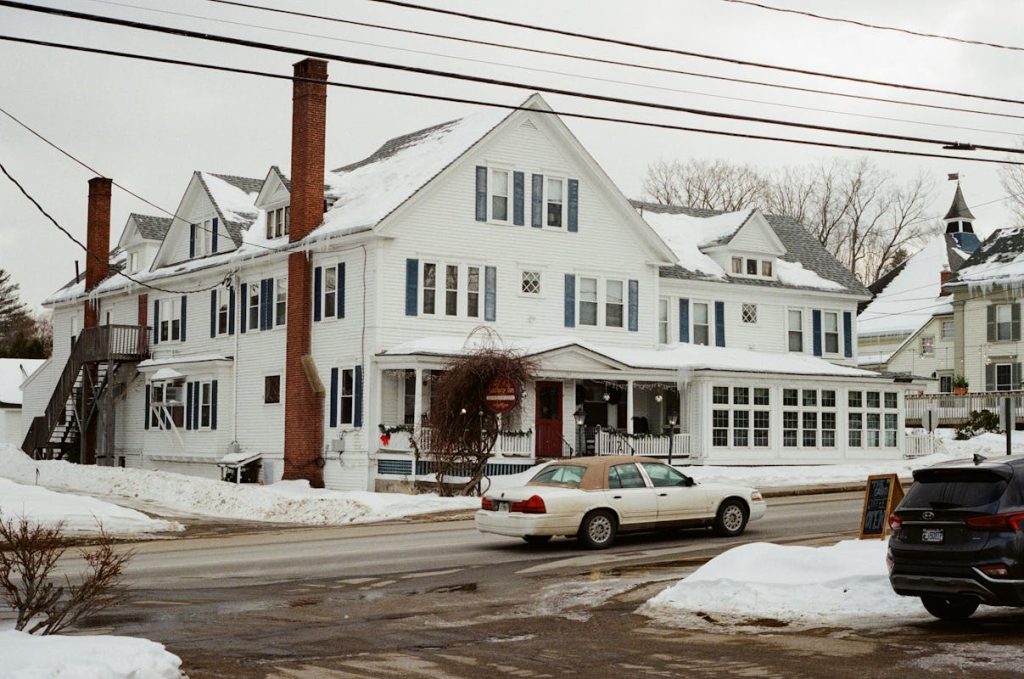
Maine’s winter road conditions become challenging due to heavy coastal storms, inland snowfall, and prolonged cold spells that keep surfaces icy for extended periods. Nor’easters frequently bring strong winds and blizzard-level snow that reduce visibility along both highways and rural roads. Inland areas face large snowfall totals that accumulate steadily throughout the season. Forested routes and long stretches of rural highways often remain shaded, preventing ice from melting between storms. The state’s rocky terrain and elevation changes add further difficulty by creating unpredictable patches of slush and frost. Maine’s combination of maritime weather patterns and northern climate contributes to consistently tough winter driving conditions.
New York
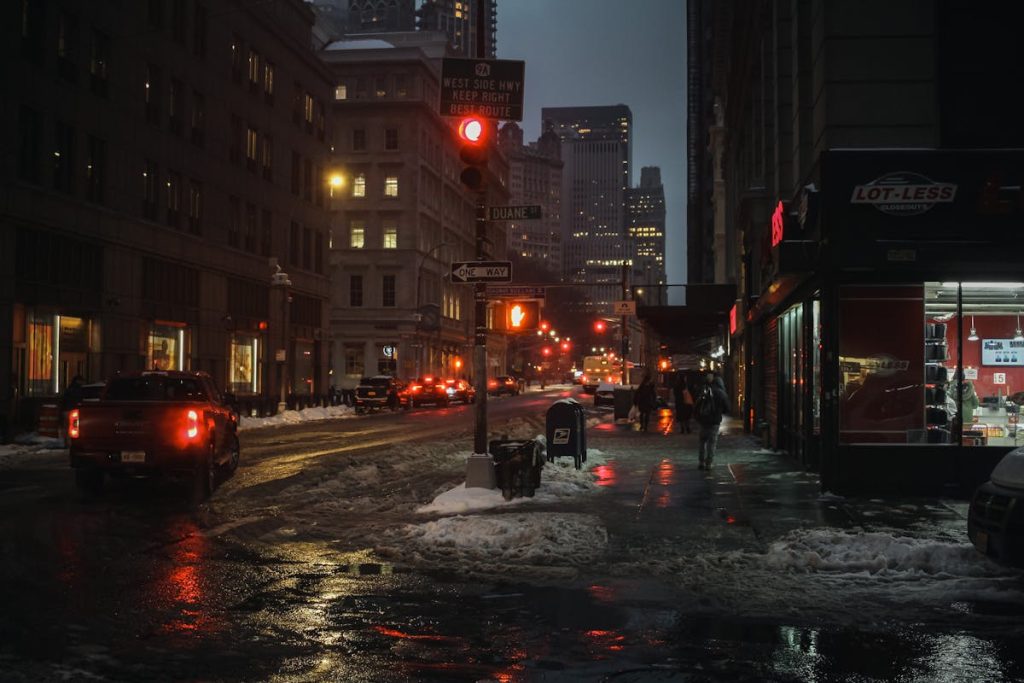
New York experiences widely varied winter road conditions, from heavy lake-effect snow near Buffalo and Watertown to freezing rain and icy surfaces in downstate regions. Lake Ontario and Lake Erie generate intense snow bands that create rapid accumulations and sudden whiteouts. The Adirondack and Catskill Mountains add elevation changes that produce icy curves and steep grades. Downstate areas often contend with freeze-thaw cycles that create slick black ice on highways and bridges. Urban congestion adds an additional layer of complexity as plows work to keep major arteries clear during large storms. These contrasting environments make New York one of the most diverse and challenging states for winter travel.
Pennsylvania
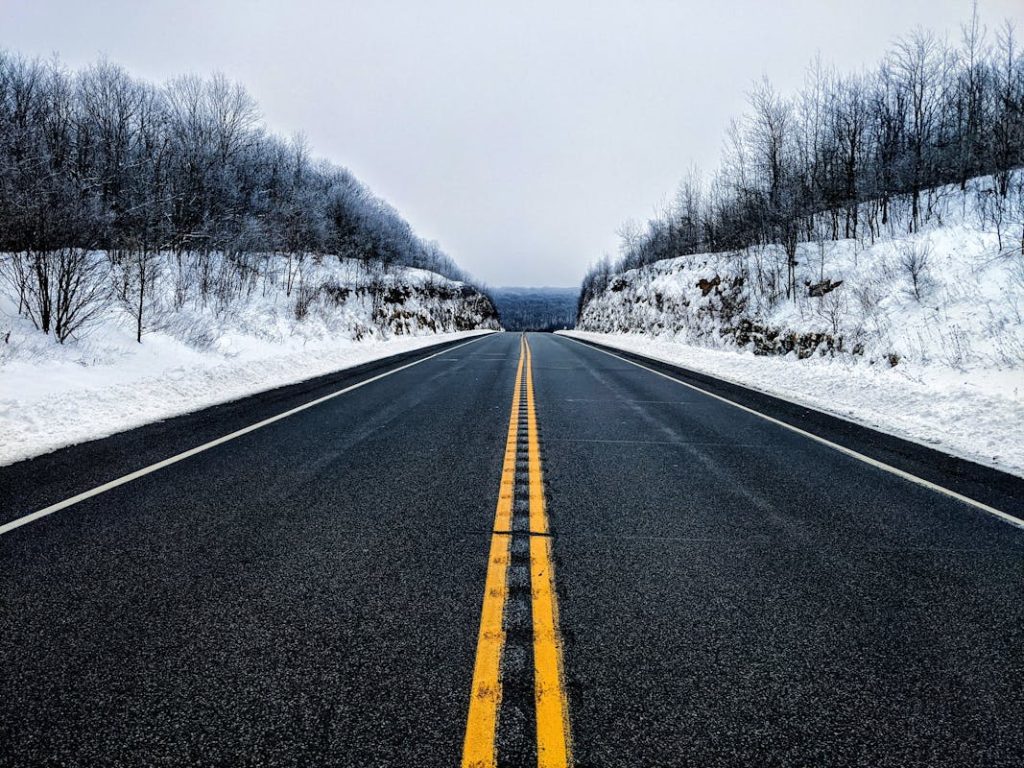
Pennsylvania’s winter conditions vary dramatically across the state, with mountainous regions receiving heavy snow and icy surfaces while lower elevations experience freezing rain and rapid temperature changes. Roads through the Allegheny Mountains often require caution due to sharp curves and steep climbs that become treacherous in snow. Rural highways and secondary roads may remain snow-covered longer after storms, especially in the central and northern parts of the state. Freeze-thaw cycles contribute to potholes and uneven surfaces that complicate traction. The combination of elevation shifts, mixed precipitation, and extended winter duration creates conditions that challenge drivers throughout the season.