11 Street Performer Circles Pickpocket Perfect
Security consultants and criminologists frequently identify street performance circles as some of the most vulnerable environments for pedestrians in urban centers. The psychology behind these thefts is rooted in the concept of attentional tunneling, where the brain prioritizes visual and auditory stimuli from the performer, effectively muting the tactile awareness of physical contact. Law enforcement officials note that skilled pickpockets operate in teams within these crowds, using the natural compression of the audience to mask the sensation of a hand slipping into a pocket or bag.
Travel safety analysts explain that the very nature of a busking circle creates the ideal conditions for theft. As the audience forms a tight ring around the entertainer, personal space evaporates, and the usual social boundaries regarding touch are suspended. Victims often mistake the jostling of a thief for the innocent movement of an enthusiastic crowd. By understanding how these specific environments are leveraged by criminals, travelers can better recognize the danger zones where entertainment serves as a high-stakes diversion.
Las Ramblas In Barcelona
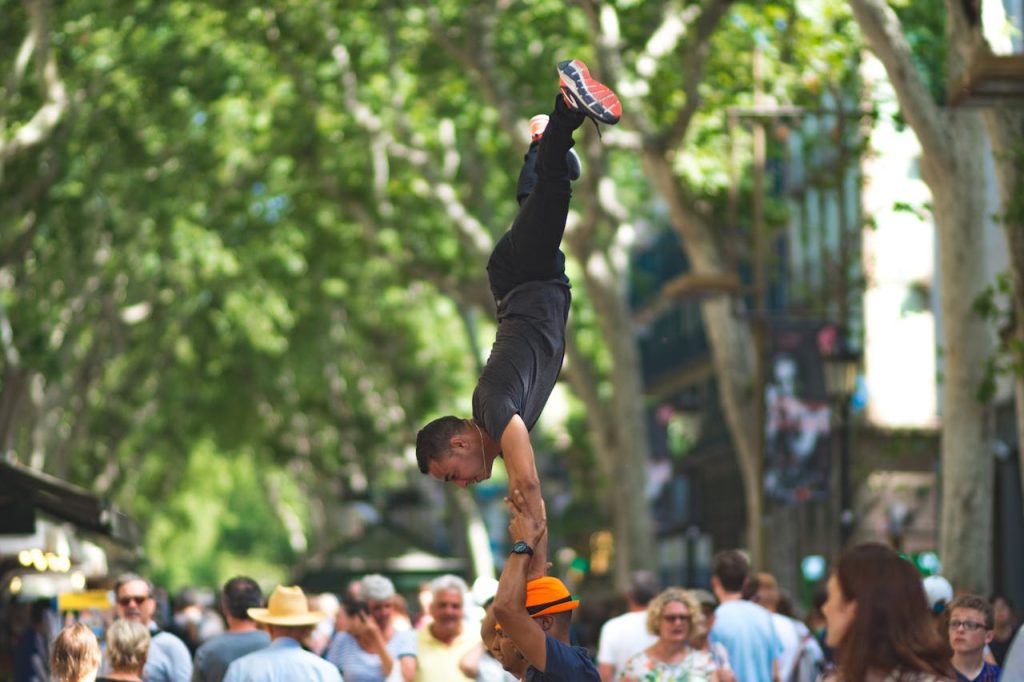
Local law enforcement and Spanish criminologists consistently rank this pedestrian boulevard as a premier operating ground for organized pickpocket teams. The famous living statues that line the street demand absolute stillness from the viewer, drawing the gaze inward and freezing the body in place. Security experts observe that when a tourist stops to photograph or admire the costume, their attention is entirely focused on the visual spectacle, leaving their peripheral awareness significantly diminished.
The layout of the crowd here is particularly advantageous for thieves. As people gather to watch the statues move, they form dense semi-circles that block the flow of the main walkway. Police reports indicate that pickpockets position themselves behind the captivated audience members, using the backs of other tourists as screens to hide their hand movements. The moment the statue moves and the crowd reacts is often the precise second the theft occurs.
Covent Garden In London
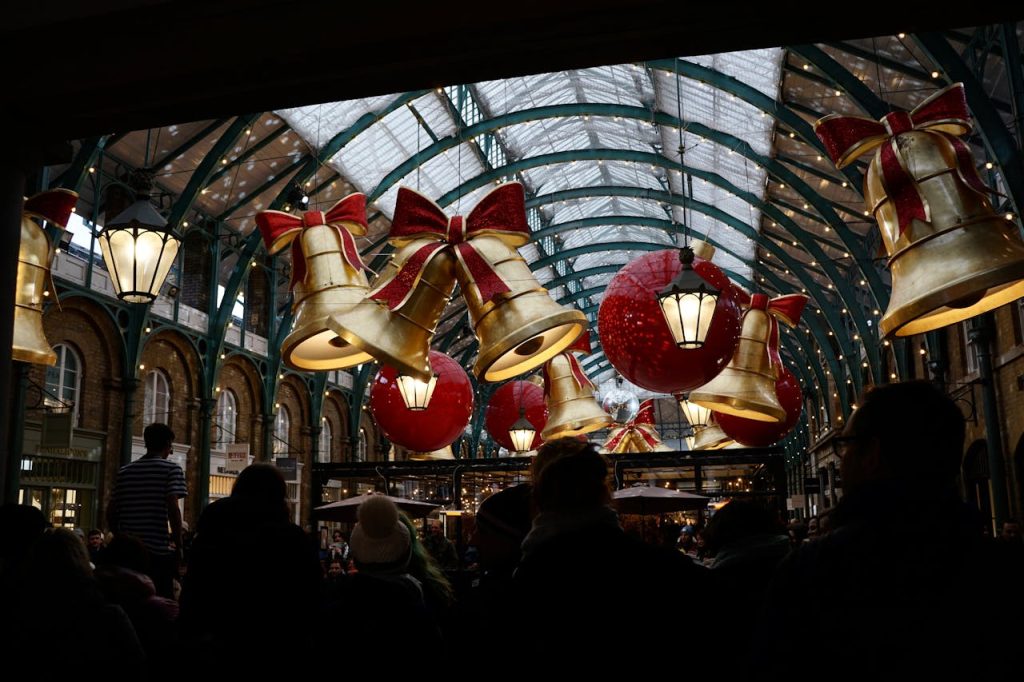
Scotland Yard data and urban safety specialists highlight the piazza at Covent Garden as a location where professional street acts inadvertently facilitate theft. The performers here draw massive crowds for shows that can last upwards of thirty minutes, keeping the audience stationary for extended periods. Security analysts point out that the cobblestone surface creates uneven footing, which naturally causes people to bump into one another, providing thieves with a plausible cover for physical contact.
The structural design of the market building creates natural bottlenecks where the audience is pressed tight against pillars and railings. Surveillance experts note that thieves often work the outer edges of the circle, targeting individuals who are straining to see over the heads of others. The loud applause and laughter generated by the comedians serve as an auditory mask that covers the sound of zippers opening or velcro detaching.
Times Square In New York City
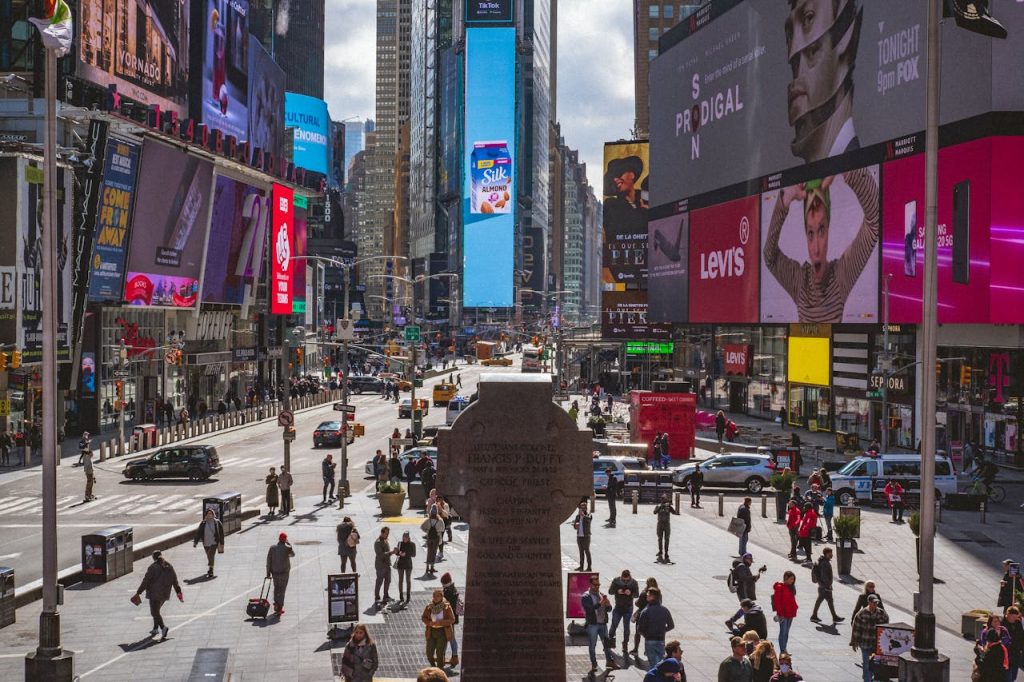
NYPD crime prevention officers and private security firms describe the intersection of Broadway and Seventh Avenue as a chaotic sensory environment that overwhelms defensive instincts. The area is populated by dozens of costumed characters and naked cowboys who aggressively compete for attention. Safety consultants explain that the sheer volume of visual noise makes it nearly impossible for a tourist to track their surroundings effectively.
The theft dynamic here often involves a coordinated distraction where one individual creates a scene or demands a photo while an accomplice targets the victim’s belongings. The density of the crowd is so high that physical contact is constant and expected. Researchers in crowd dynamics observe that the stop-and-go nature of the pedestrian flow allows thieves to target a victim, execute the lift, and disappear into a nearby subway entrance within seconds.
Charles Bridge In Prague
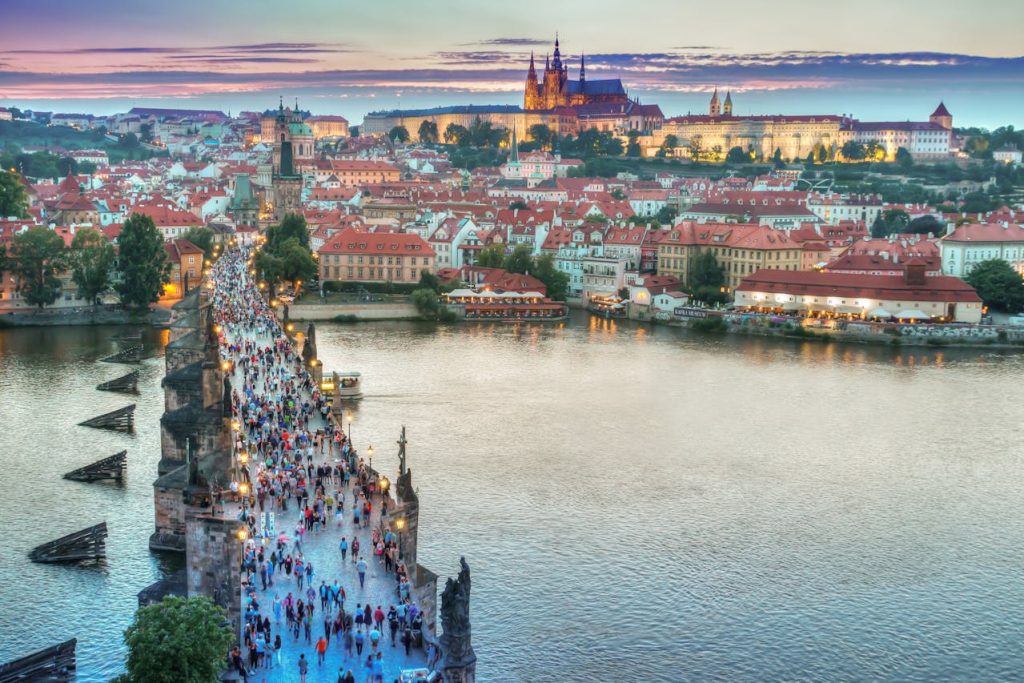
Travel risk analysts warn that the narrow width of this historic bridge combined with the popularity of its jazz bands creates a high-risk funnel for pedestrians. The musicians set up against the statues, forcing the passing crowd to squeeze through the remaining space. Czech police frequently patrol this area because the bottleneck forces tourists to slow down and shuffle, making them easy targets for pickpockets who blend in as fellow listeners.
The auditory distraction of the brass bands and string quartets is a key factor cited by safety experts. The music draws the ear and the eye, causing people to turn their heads away from their bags. Security professionals note that the bridge is often packed shoulder-to-shoulder, which neutralizes the body’s ability to sense a light touch on a backpack or purse.
Centre Pompidou In Paris
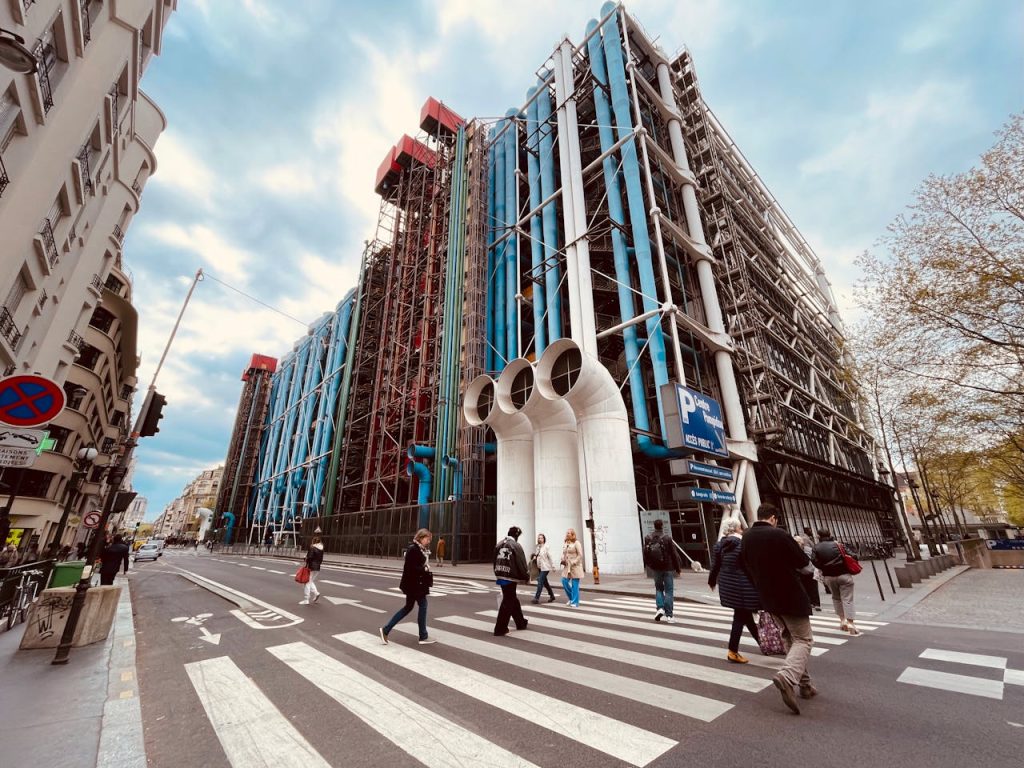
French security officials and urban planners identify the sloping plaza in front of the museum as a unique environment for theft. The crowd often sits on the ground to watch fire breathers or dancers, creating a relaxed posture where bags are placed on the pavement beside the owner. Criminologists explain that this seated position makes it difficult for a victim to react quickly if their property is snatched or manipulated.
The architecture of the plaza encourages people to look up at the building or the performance, lifting their chin and shifting their center of gravity. Theft prevention experts advise that this upward gaze creates a blind spot at waist level. Teams of thieves often move through the seated crowd, stepping over legs and bags, using the casual atmosphere to mask their predatory behavior.
Piazza Navona In Rome
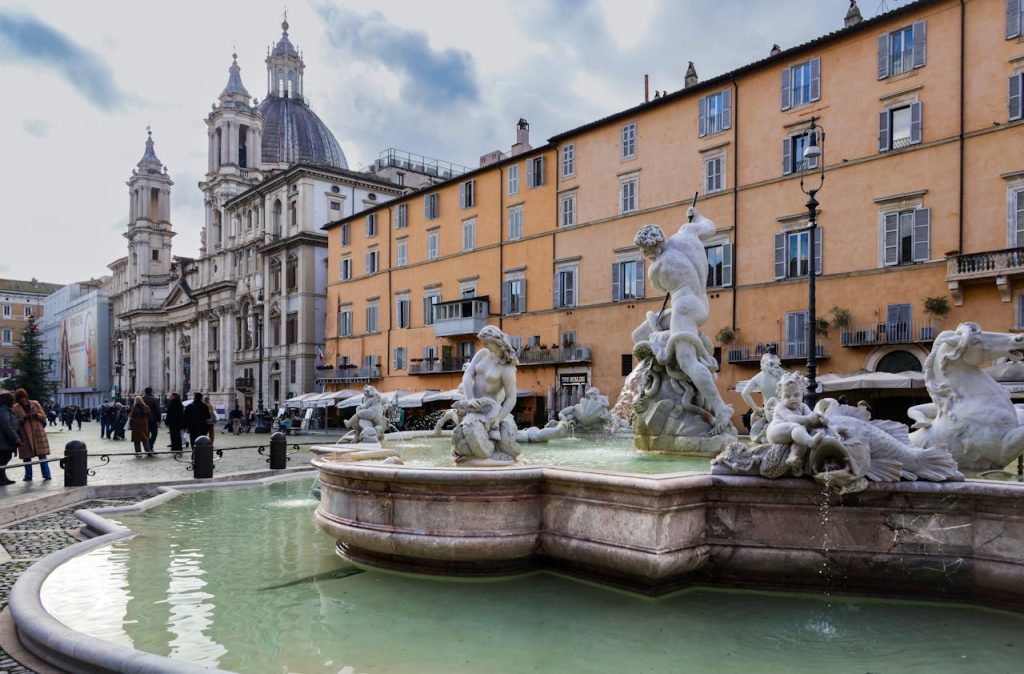
Italian police authorities have long identified this oval piazza as a hotspot for skilled theft rings. The street artists and painters set up their easels in the center, drawing tourists into tight clusters near the fountains. Security consultants note that the open nature of the square allows thieves to approach from any angle, making it difficult for a victim to secure their blind side.
The distraction here is often subtle, relying on the beauty of the artwork to mesmerize the viewer. Experts in Roman crime trends observe that thieves will stand next to a tourist, pretending to admire the same painting, before dipping into a pocket or bag. The noise of the fountains and the chatter of the crowd provide a consistent background hum that dampens the sound of a latch being lifted.
Hollywood Walk Of Fame In Los Angeles
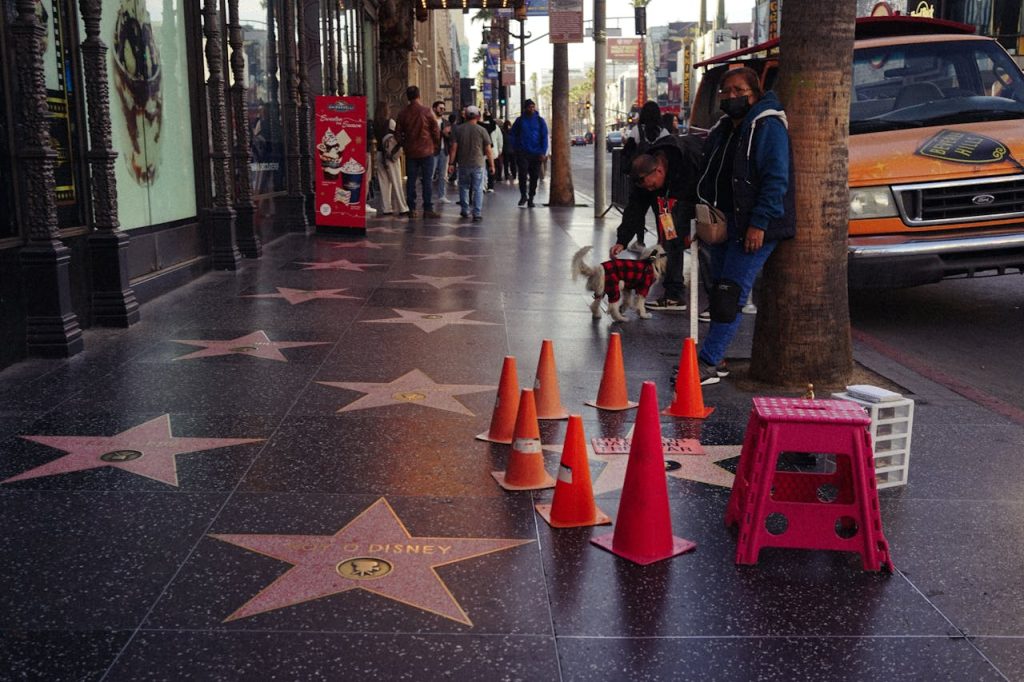
LAPD officers and tourism safety guides frequently deal with theft reports along this iconic stretch of sidewalk. The area is congested with breakdancers and buskers who take over large sections of the pavement, forcing pedestrians into narrow channels. Security analysts emphasize that tourists are already distracted by looking down at the stars on the ground, creating a posture that leaves backpacks and rear pockets vulnerable.
The chaotic energy of the boulevard serves as a perfect camouflage for pickpockets. Conflict resolution specialists note that the aggressive tipping demands from performers often fluster visitors, causing them to pull out wallets in the middle of a crush. Thieves watch for this moment, noting where the cash is stored and striking moments later when the victim’s attention returns to the show.
Jackson Square In New Orleans
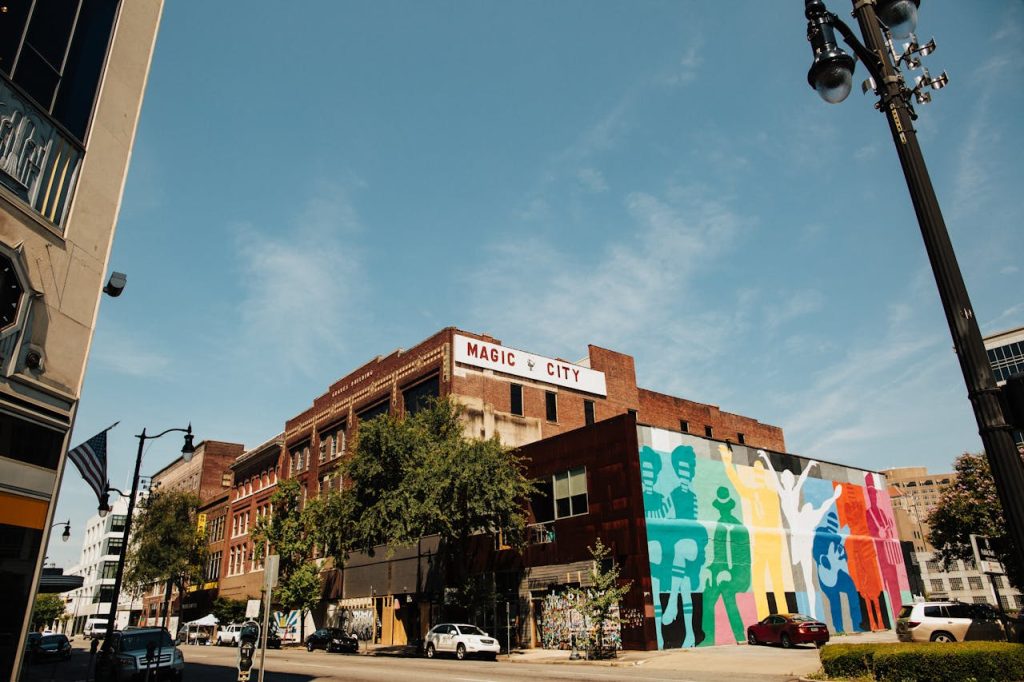
Hospitality safety directors in the French Quarter warn that the festive atmosphere of Jackson Square lowers the guard of many visitors. The area is filled with brass bands, magicians, and tarot readers who draw large, stationary crowds. Substance abuse counselors and police note that the prevalence of alcohol in the crowd significantly dulls the reaction time and spatial awareness of potential victims.
The historic cathedral provides a stunning backdrop that encourages tourists to lift their phones and cameras high above their heads to get the shot. Security experts explain that this pose exposes the midsection and leaves pockets undefended. The density of the crowd during a jazz performance creates a rhythmic swaying that masks the specific movement of a thief’s hand entering a pocket.
Mallory Square In Key West

Florida travel safety officials cite the daily Sunset Celebration as a prime example of a predictable high-risk environment. Every evening, thousands of people gather on the pier to watch jugglers and tightrope walkers as the sun goes down. The blinding light of the setting sun creates a natural visual impairment that thieves exploit, approaching victims from the shadowed side.
The layout of the pier offers limited exit routes, trapping the crowd in a confined space until the sun fully sets. Crowd control experts observe that the audience is often packed so tightly that movement is impossible. Thieves utilize this compression to press against victims without raising suspicion. The collective focus on the horizon means that almost no one is looking at the ground or their own waistline.
Faneuil Hall Marketplace In Boston

Boston police and urban security planners monitor the cobblestone circles around Quincy Market closely due to the high volume of professional street acts. The enclosed nature of the marketplace creates a false sense of security where visitors feel protected from the grit of the city streets. Safety consultants warn that this comfort leads to lax bag discipline, with purses often left unzipped or backpacks worn loosely on one shoulder.
The shows here are highly interactive, often pulling audience members into the center of the circle. This spectacle rivets the attention of the onlookers, creating a tunnel vision effect. Security data indicates that accomplices work the perimeter of the crowd, targeting those who are laughing or cheering the loudest, as their physical engagement with the show overrides their sensory warning systems.
Mauerpark In Berlin
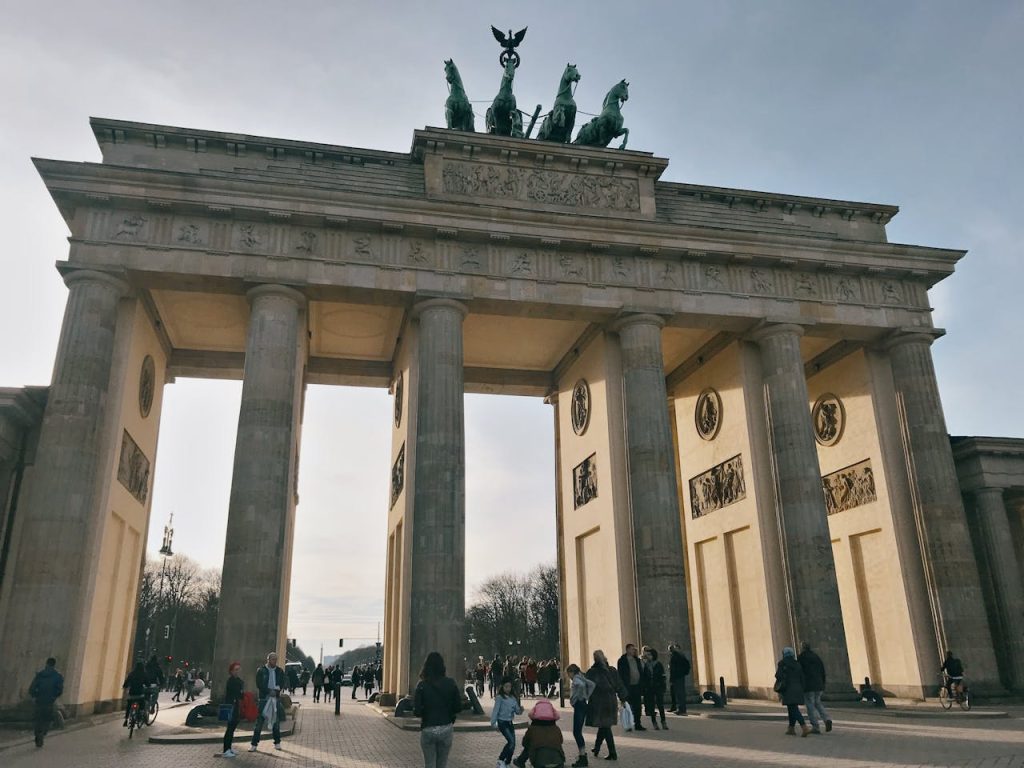
German police and travel guide authors frequently mention the Bearpit Karaoke sessions as a beloved but risky Sunday tradition. The amphitheater-style seating creates a stadium effect where thousands of people focus on a single singer in the center. Security experts note that the relaxed, bohemian vibe encourages people to sit with bags open and attention scattered.
The sheer density of the crowd on the concrete steps means that people are literally sitting on top of one another. Criminologists explain that this proximity makes it nearly impossible to distinguish between a neighbor adjusting their seat and a thief rifling through a bag. The roaring approval of the crowd provides a sonic shield that allows thieves to operate with impunity, knowing that any noise they make will be drowned out by the singing.