11 Tourist Spots That Now Ban Children Under a Certain Age
Travel policies at popular destinations continue evolving as operators respond to safety concerns, preservation goals, and changing visitor expectations. In recent years, several well known tourist spots introduced age restrictions that limit or fully prohibit entry for children under specific ages. These rules often aim to protect fragile environments, maintain quiet atmospheres, or address safety risks unsuitable for younger visitors. Families planning trips may be surprised to encounter these policies without advance notice. This guide outlines eleven tourist spots worldwide that now enforce age based entry restrictions, explaining where they apply and why these destinations chose to limit access for younger guests.
Blue Lagoon, Iceland
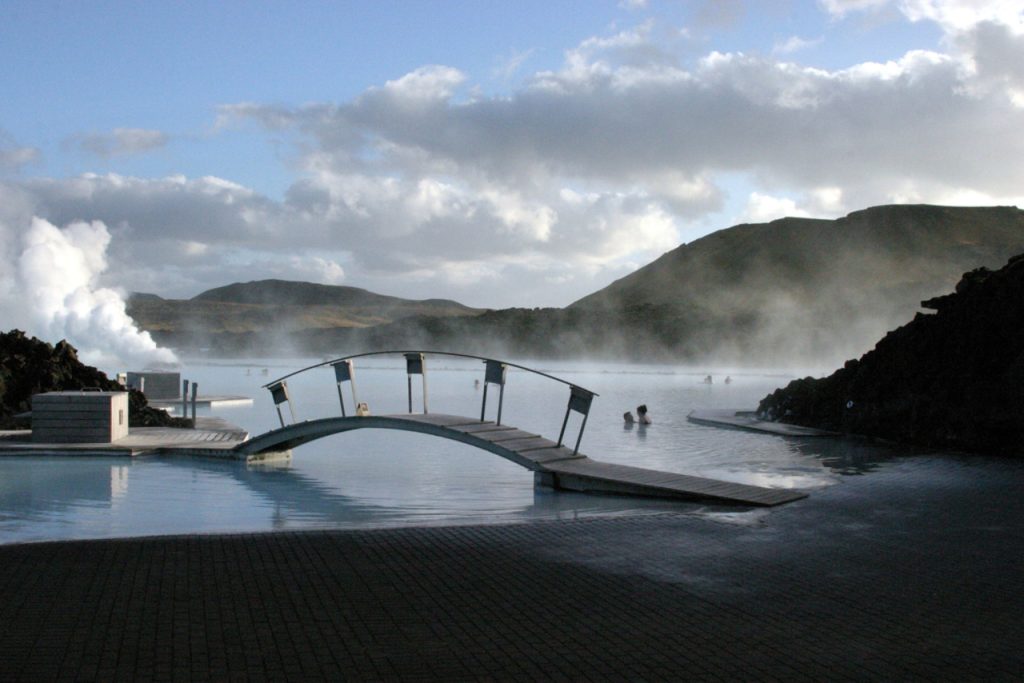
The Blue Lagoon in Iceland restricts entry for children under the age of two due to health and safety concerns. The geothermal spa’s high mineral content and water temperature can pose risks to infants. Children between ages two and thirteen must wear inflatable armbands at all times. Operators emphasize maintaining a calm environment and protecting vulnerable guests. The restriction reflects broader safety standards across Icelandic geothermal pools. The policy ensures health compliance while preserving the spa’s tranquil atmosphere for adult visitors seeking relaxation and wellness experiences. These age limits continue influencing family itineraries planning expectations worldwide today amid evolving tourism policies.
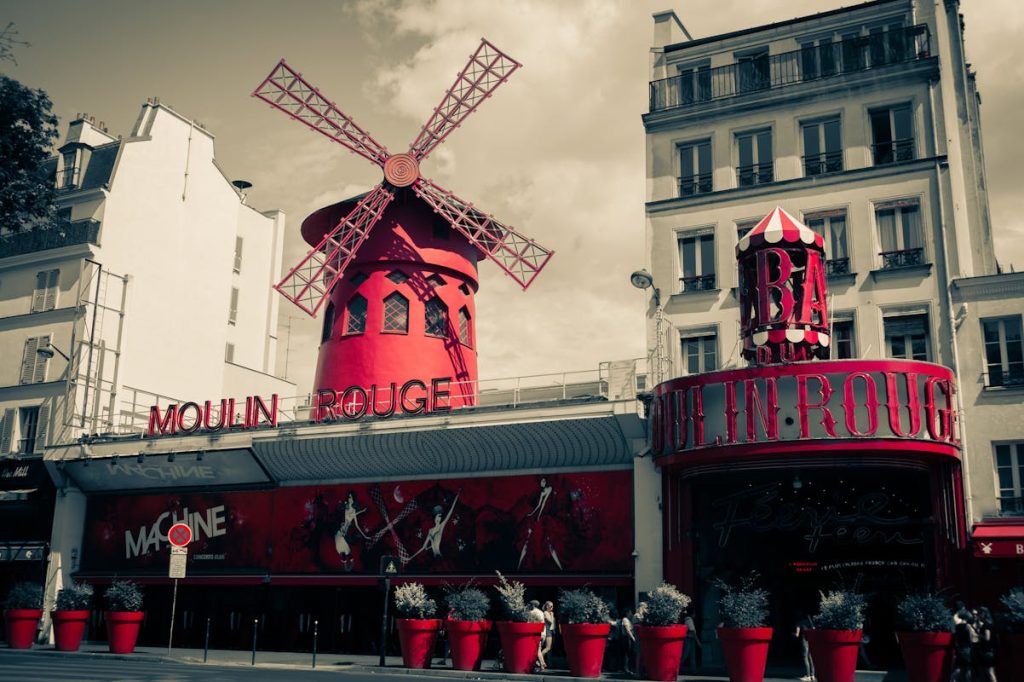
Moulin Rouge, Paris
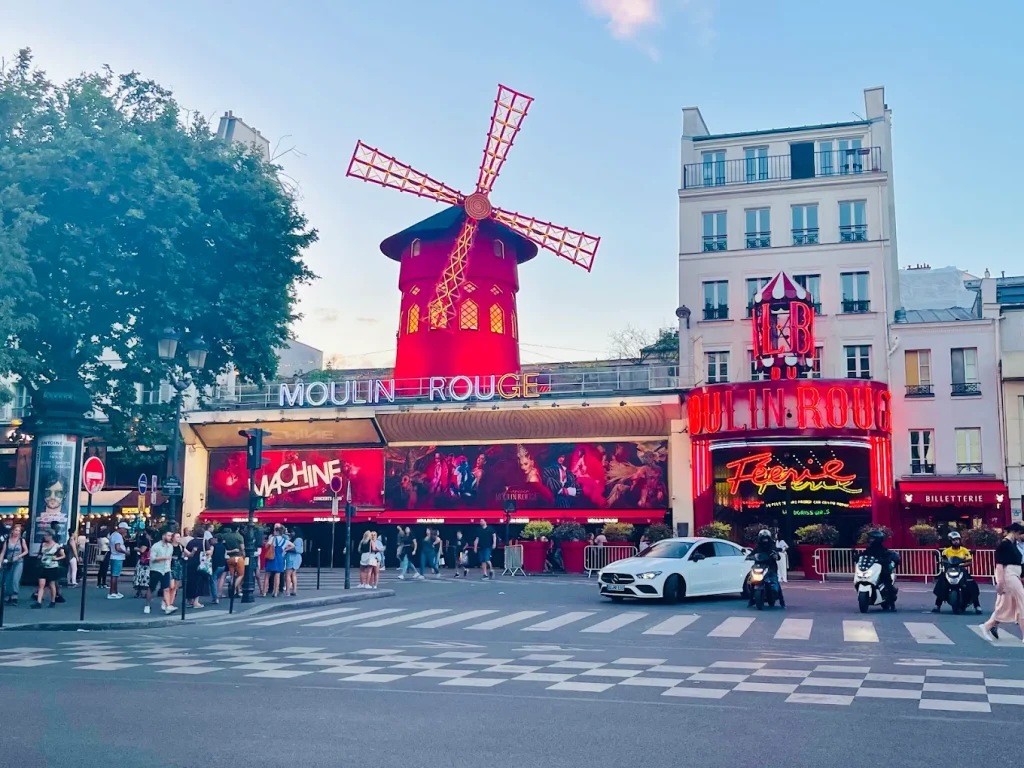
The Moulin Rouge in Paris prohibits entry for children under six years old due to mature themes and late evening performances. The iconic cabaret features choreography, costumes, and content unsuitable for young audiences. Evening showtimes also extend late into the night.Families visiting Montmartre should plan accordingly. The restriction helps preserve the traditional cabaret experience. Moulin Rouge remains one of Paris’s most visited attractions, yet its policies reinforce clear boundaries between family sightseeing and adult oriented cultural entertainment offerings within historic performance spaces. These age limits continue influencing family itineraries planning expectations worldwide today amid evolving tourism policies.
Borobudur Temple, Indonesia
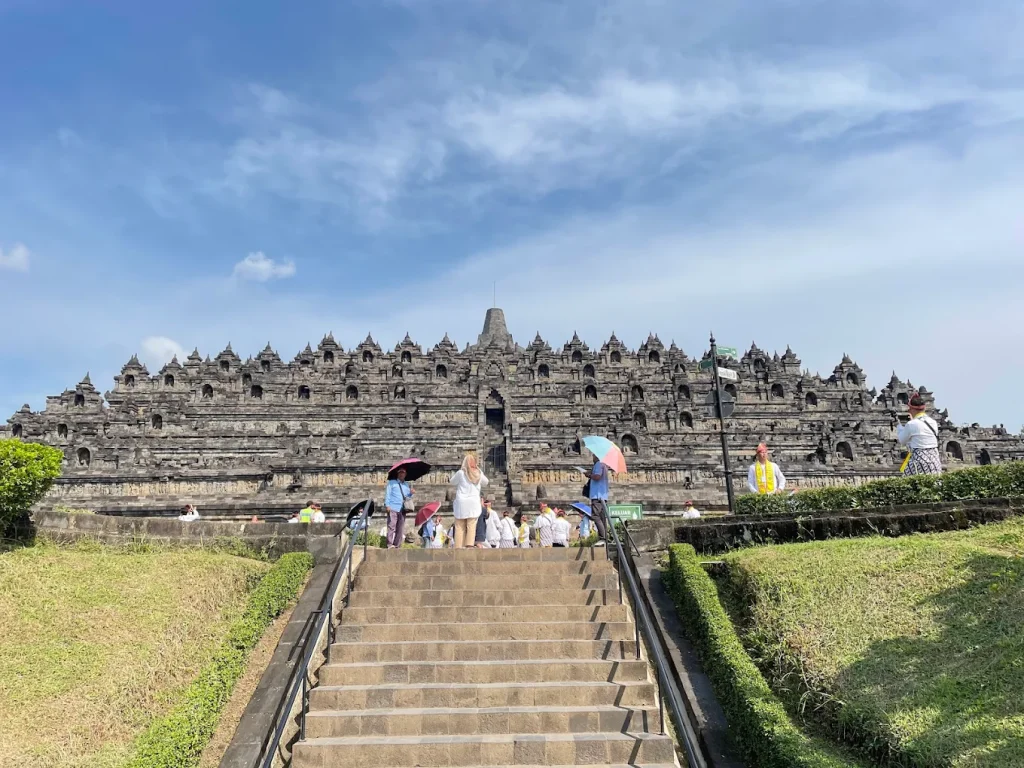
Borobudur Temple in Indonesia introduced age restrictions limiting access to children under twelve for certain climbing areas. The ancient Buddhist monument faces erosion and preservation challenges. Officials cited safety risks on steep stone steps and the need to protect fragile carvings. The policy aims to balance tourism with conservation. Families visiting Central Java often explore nearby cultural sites instead. Borobudur’s restrictions reflect Indonesia’s broader heritage preservation strategy while ensuring visitor safety at one of the world’s most significant archaeological landmarks. These age limits continue influencing family itineraries planning expectations worldwide today amid evolving tourism policies.
Cappadocia Hot Air Balloons, Turkey
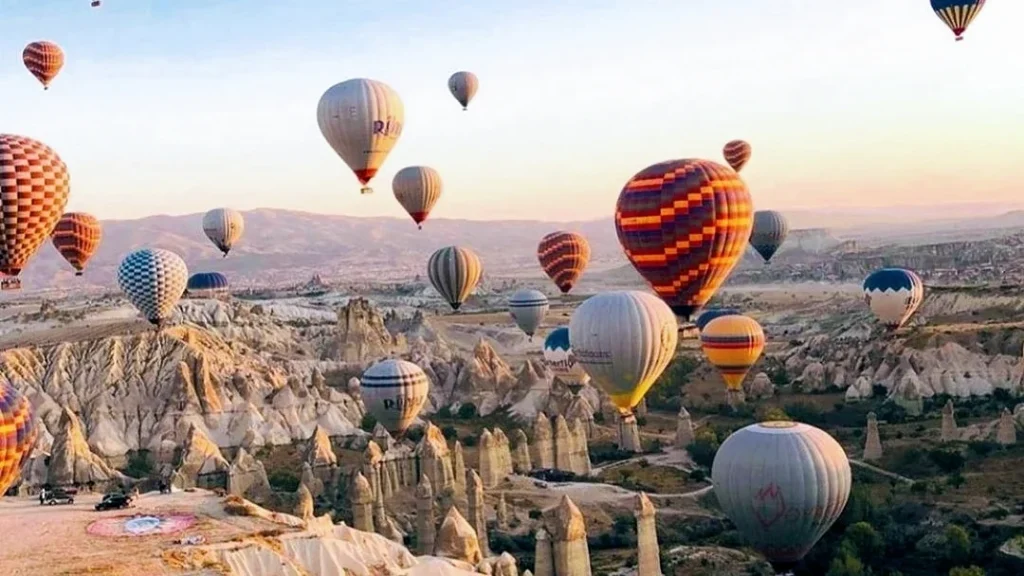
Hot air balloon operators in Cappadocia generally restrict participation for children under six years old. Safety regulations require passengers to stand securely during flight. Sudden altitude changes and landings present risks for small children. Families visiting the region still enjoy ground tours and scenic viewpoints. The restriction prioritizes passenger safety while maintaining operational standards. Cappadocia’s balloon flights remain a signature experience, but age limits ensure that only those capable of following safety instructions participate in this high altitude tourism activity. These age limits continue influencing family itineraries planning expectations worldwide today amid evolving tourism policies.
The Vatican, Necropolis
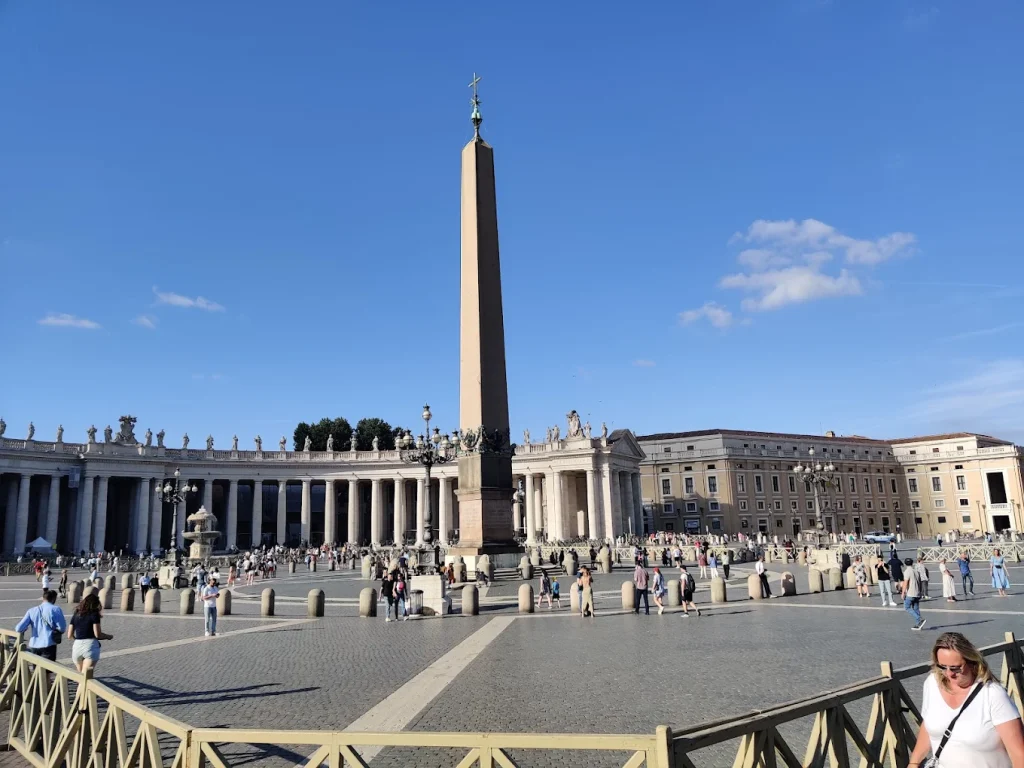
The Vatican Necropolis limits access to visitors under fifteen years old due to narrow passages and historical sensitivity. The underground site beneath St. Peter’s Basilica contains ancient tombs requiring quiet and controlled conditions. Tours involve confined spaces unsuitable for young children. Vatican authorities enforce strict guidelines. Families touring Vatican City often visit museums and basilicas instead. The age restriction helps preserve the sanctity of the site while ensuring safety and respectful behavior during guided visits through one of Christianity’s most significant archaeological locations. These age limits continue influencing family itineraries planning expectations worldwide today amid evolving tourism policies.
Antelope Canyon, Arizona

Guided tours of Antelope Canyon restrict entry for children under six due to safety regulations. Narrow passageways, uneven terrain, and flash flood risks contribute to the policy. Navajo Nation tour operators enforce age limits depending on route difficulty. Families may choose less restrictive scenic overlooks nearby. The rules prioritize visitor safety and operational compliance. Antelope Canyon’s popularity requires structured access. Age restrictions help manage risks while preserving the canyon’s natural formations, ensuring tours remain safe in a sensitive desert environment prone to sudden weather changes. These age limits continue influencing family itineraries planning expectations worldwide today amid evolving tourism policies.
Auschwitz Birkenau Memorial, Poland
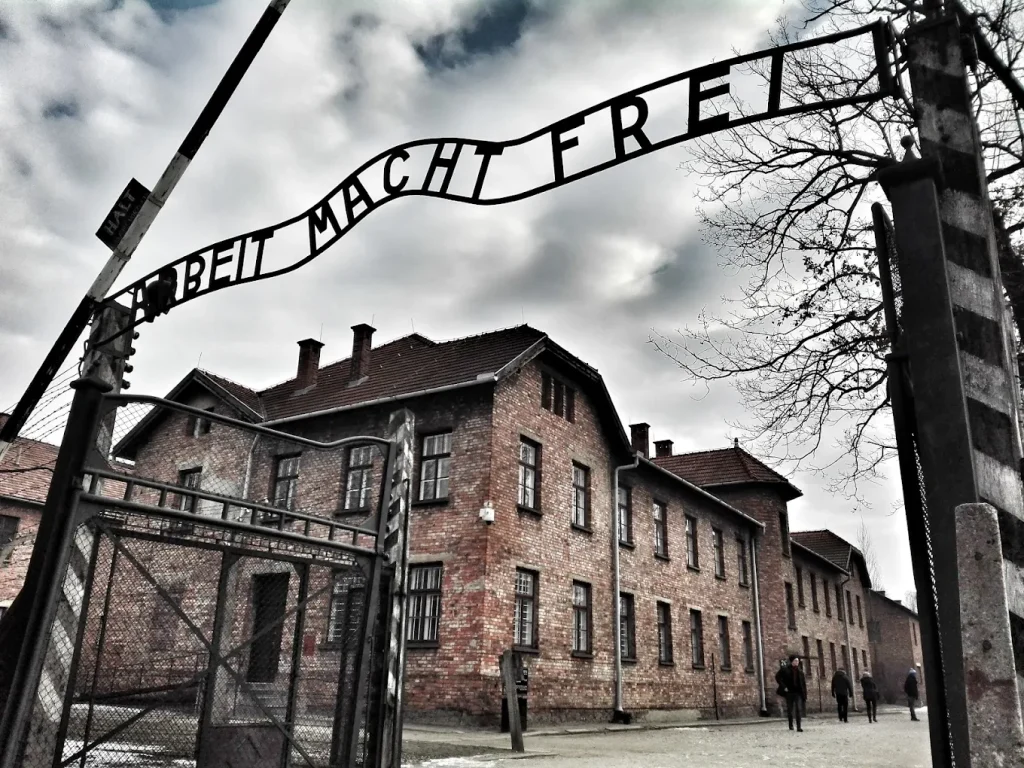
Auschwitz Birkenau Memorial recommends restricting visits for children under fourteen due to the site’s historical gravity. While not legally banned, officials strongly discourage young visitors. Exhibits depict graphic historical realities unsuitable for children. Many schools follow the guidance. Families visiting southern Poland often postpone visits until older ages. The policy reflects respect for victims and educational integrity. Auschwitz’s approach balances accessibility with sensitivity, emphasizing the importance of age appropriate engagement at one of the world’s most solemn historical memorials. These age limits continue influencing family itineraries planning expectations worldwide today amid evolving tourism policies.
Gion District, Kyoto
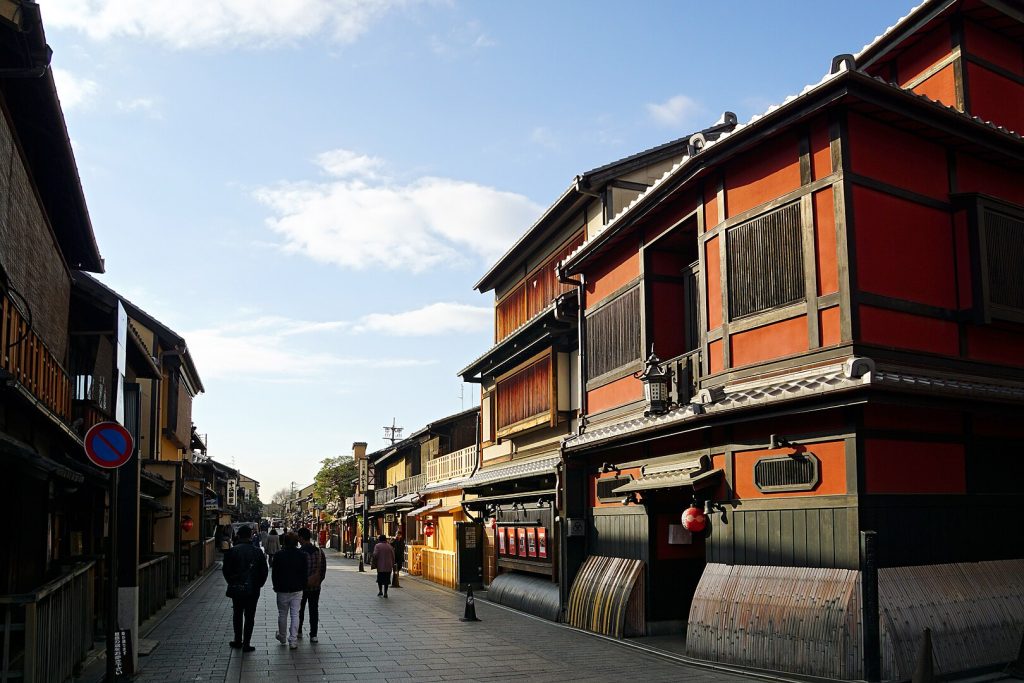
Kyoto’s Gion District restrict participation for children under twelve. Tea ceremonies and traditional performances require quiet observation and cultural etiquette. Operators cite preservation of atmosphere and respect for performers. While public streets remain accessible, guided experiences enforce age rules. Families exploring Kyoto may choose alternative attractions. The policy supports cultural authenticity. Gion’s restrictions highlight Japan’s emphasis on respectful tourism while protecting centuries old traditions from disruption in highly frequented historic neighborhoods. These age limits continue influencing family itineraries planning expectations worldwide today amid evolving tourism policies.
Icehotel, Sweden

The Icehotel in Jukkasjärvi restricts overnight stays for children under five due to extreme cold conditions. Temperatures inside rooms remain below freezing year round. Safety guidelines recommend older children only. Families may still visit exhibition areas during daytime tours. The restriction ensures health protection. Icehotel management emphasizes guest safety while offering unique Arctic experiences. Parents visiting northern Sweden often book nearby heated accommodations. The policy balances innovation in hospitality with responsible management of extreme environmental conditions for visitors. These age limits continue influencing family itineraries planning expectations worldwide today amid evolving tourism policies.
Galápagos Diving Sites, Ecuador
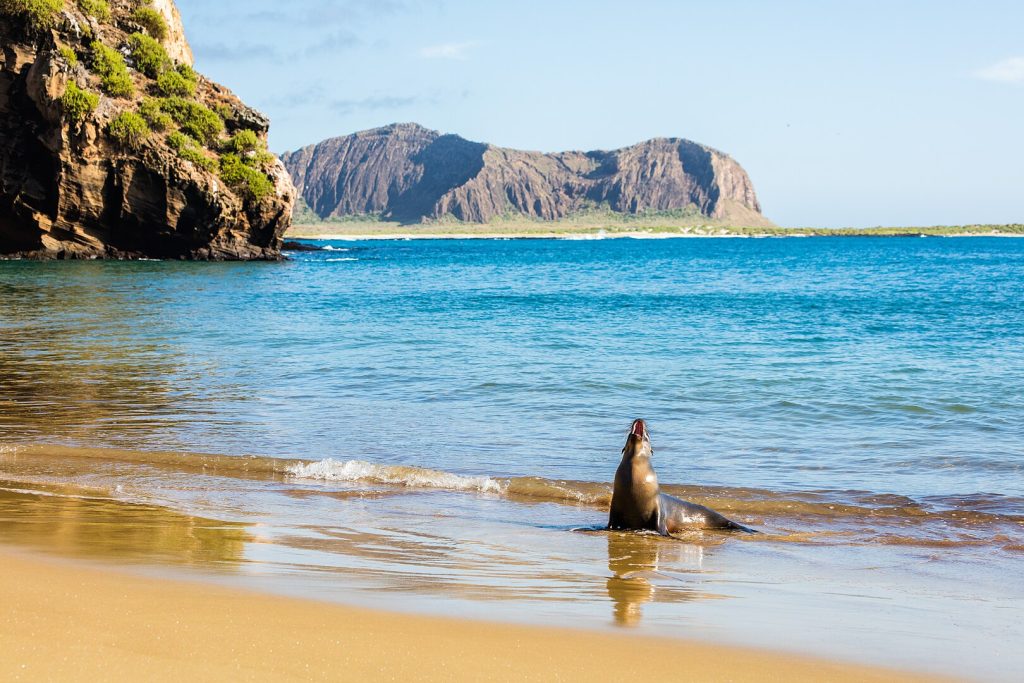
Many Galápagos diving operators restrict participation for children under twelve or fifteen depending on certification. Strong currents and advanced diving conditions require experience and physical strength. Ecuadorian regulations support age limits. Families visiting the islands enjoy snorkeling and wildlife tours instead. The restrictions protect marine ecosystems and diver safety. Galápagos tourism emphasizes controlled access. Age limits ensure activities align with skill requirements while preserving one of the planet’s most biodiverse marine environments from accidents and ecological damage. These age limits continue influencing family itineraries planning expectations worldwide today amid evolving tourism policies.
Cappella Sansevero, Naples
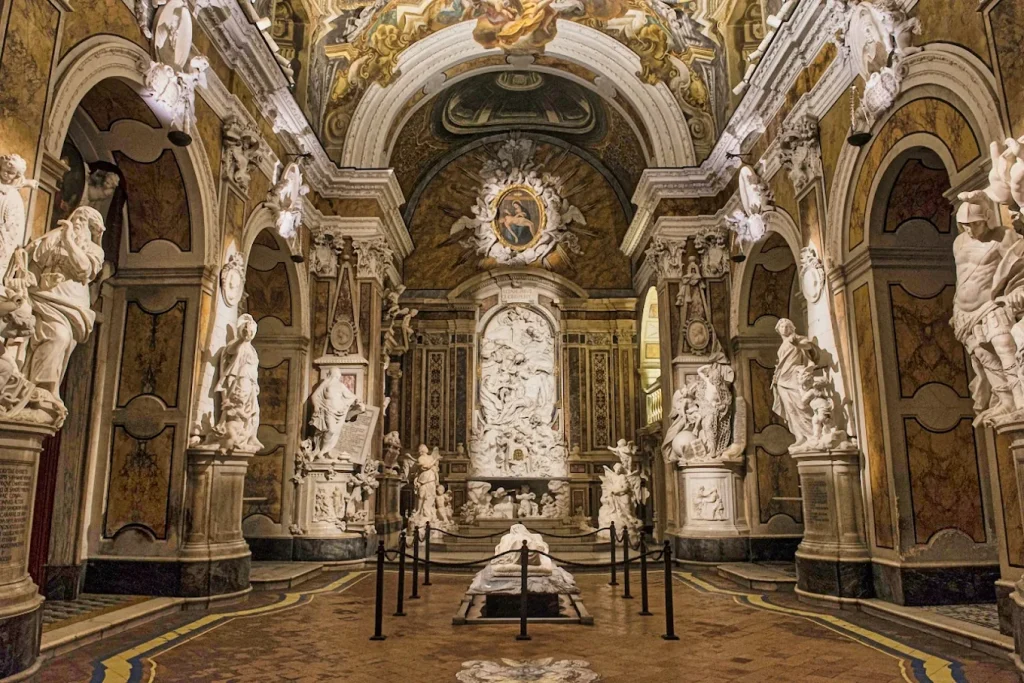
The Cappella Sansevero in Naples restricts entry for children under ten due to the fragility of artworks and museum environment. The chapel houses delicate sculptures, including the Veiled Christ. Narrow spaces require careful movement. Curators emphasize preservation and visitor behavior. Families touring Naples often visit larger museums. The age rule supports conservation efforts. Cappella Sansevero’s policy reflects broader museum practices aimed at protecting irreplaceable art while ensuring visitors engage respectfully within intimate historical settings. These age limits continue influencing family itineraries planning expectations worldwide today amid evolving tourism policies.