11 Tourist Trends That Older Travelers Don’t Understand

Travel has always had fads, but today’s trends move fast and often prioritize proof over peace. Older travelers who grew up with guidebooks, printed confirmations, and slow mornings can watch modern habits with real confusion. The goals look different now: speed over depth, content over comfort, and constant optimization over simple enjoyment. None of it is automatically bad, but the logic can feel upside down when a trip is meant to be restorative, reliable, and human. These are the patterns that most often leave older travelers quietly shaking their heads.
Booking Trips Around Social Media Momentum

Some travelers now pick destinations because a reel went viral, not because the season is pleasant or the timing is sensible. The algorithm hands over a checklist, the crowd arrives, and an overlook that once felt quiet is suddenly packed at 7 a.m., with everyone chasing the same angle and the same soundtrack. Older travelers often plan around comfort, weather, and logistics, so a trip built on shifting online buzz can feel like chasing a trend to catch, with spike pricing, sold-out reservations, and the nagging sense that the place is being visited for proof rather than pleasure, then moving on fast.
Standing In Line for One Signature Photo

It is common now to see tourists spend an hour waiting for one framed shot, repeating a pose that has already been rehearsed by the line ahead. Older travelers often wonder why a vacation becomes a queue when the surrounding streets, parks, and cafés are open and calm. The photo acts like proof more than memory, and once it is captured, many people leave immediately, trading real wandering and small conversation for a picture that looks like everyone else’s. To older travelers, the trade feels lopsided, because the wait becomes the main activity, while the surrounding neighborhood is reduced to a corridor leading back to the same marked spot.
Paying for Early Access and Priority Lanes
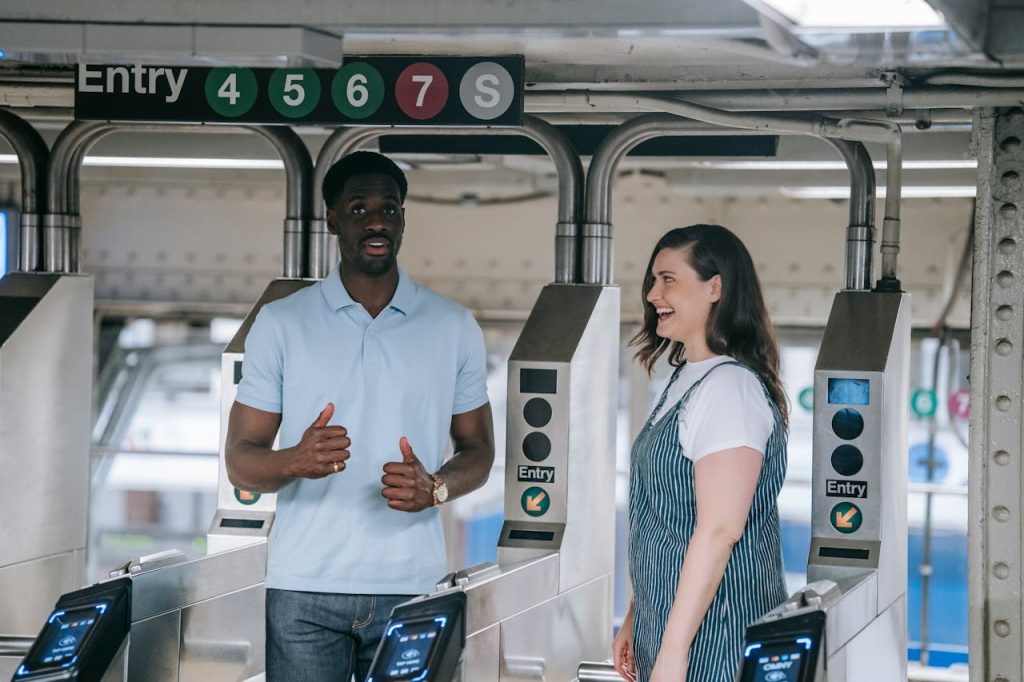
Many attractions now sell quiet as an add-on: early entry, priority lanes, timed upgrades, and other ways to pay for less crowding. Older travelers grew up expecting a ticket to mean the full experience, so tiered access can feel like a paywall around basic comfort and dignity. It also changes the rhythm of a day, replacing wandering with time windows and checkpoints, as if the visit is being managed rather than enjoyed. Once that mindset spreads, even basic visits start to feel like tiered products, and travelers who do not pay extra are left with the loudest hours and the longest lines, which can sour the whole day.
Treating Hotels Like a Content Set

Some travelers choose hotels for lighting, mirrors, and photogenic corners more than sleep quality, service, or location. Rooms become mini studios for outfit changes and staged breakfasts, and the lobby turns into a backdrop instead of a place to land and exhale. Older travelers often want quiet and convenience, so paying extra for camera-friendly design can feel backward, especially when rest becomes secondary to documenting it. It can even influence behavior, like keeping curtains open for light while noise climbs outside, or skipping the pool unless it matches the vibe, turning a stay into a shoot schedule instead of recovery.
Chasing Hidden Gems That Are Not Hidden
The phrase hidden gem now works like a flare: a beach, trail, or café gets tagged as secret online, then it is crowded within days. Older travelers tend to trust local advice, visitor centers, and simple curiosity, not mass discovery that arrives with traffic and noise. The contradiction is hard to miss, because a publicized secret stops being magical the moment it is optimized for clicks, and the place becomes less itself. Older travelers often ask a simple question: if everyone is rushing there for the same post, is it still a discovery, or just another crowded stop with a prettier caption than the reality.
Planning Trips Around Travel Challenges

There are trips built around stunts now, from racing through 10 countries in 7 days to turning meals and sleep into a dare for the camera. Older travelers may enjoy a good story, but they often value steady pacing and time to absorb a place without feeling tested by it. Challenge travel turns a vacation into a scoreboard, where the goal is endurance and proof, and the cost is often comfort, depth, and genuine ease. Older travelers often see the appeal of novelty, yet they struggle with the idea that rest has to be earned, and that the best moments are treated like content deadlines rather than time well spent.
Set-Jetting Over Traditional Sightseeing
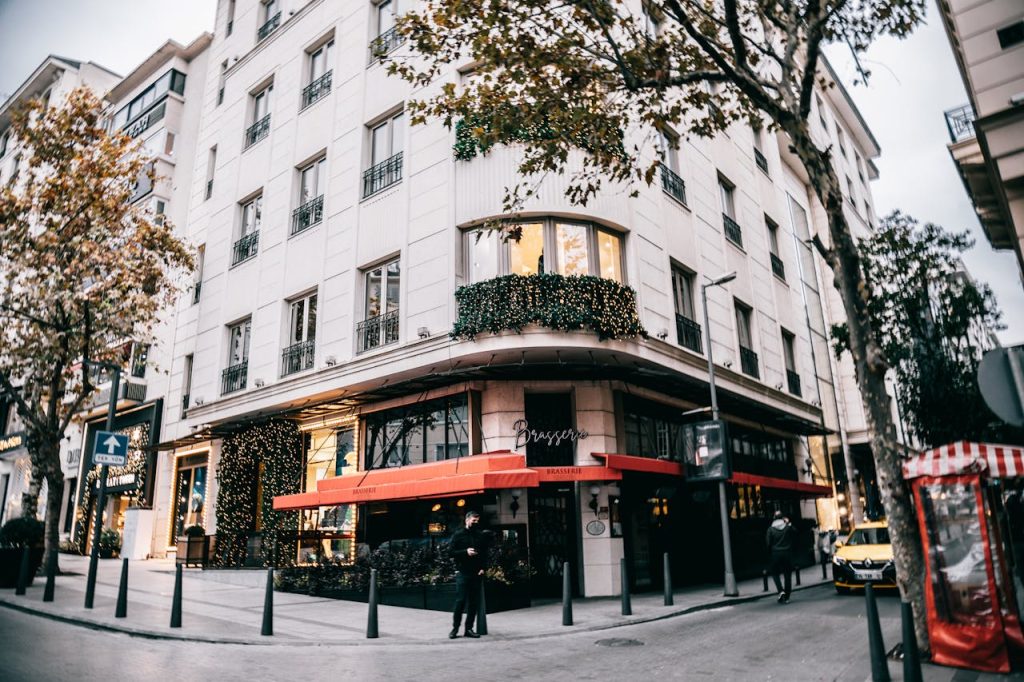
Many itineraries now revolve around film and TV locations, with travelers seeking a staircase, alley, or café corner made famous on screen. Older travelers may understand nostalgia, yet the intensity can feel puzzling when the real spot looks ordinary without cinematic framing. The destination becomes a stage for reenactment more than exploration, and quiet neighborhoods can get swarmed for a scene that lasts 12 seconds. For older travelers who lean toward museums, landscapes, and local history, set-jetting can feel like traveling far to borrow someone else’s story, then leaving before the real place has a chance to speak.
Letting Apps Decide Every Step

Modern travel can look like constant consulting, with apps ranking every restaurant, plotting every route, and second-guessing every choice in real time. Older travelers are used to planning, asking a person, and adjusting calmly, so the app-first style can feel anxious and exhausting. When every café is pre-scored and every corner is pre-labeled, wandering turns into a checklist, and the trip loses the small surprises that make it feel human. Older travelers often miss the old freedom of picking a place because it smells good, looks inviting, or comes recommended by the person behind the counter, not because it won a ranking score.
Turning Airports Into Shopping Stops
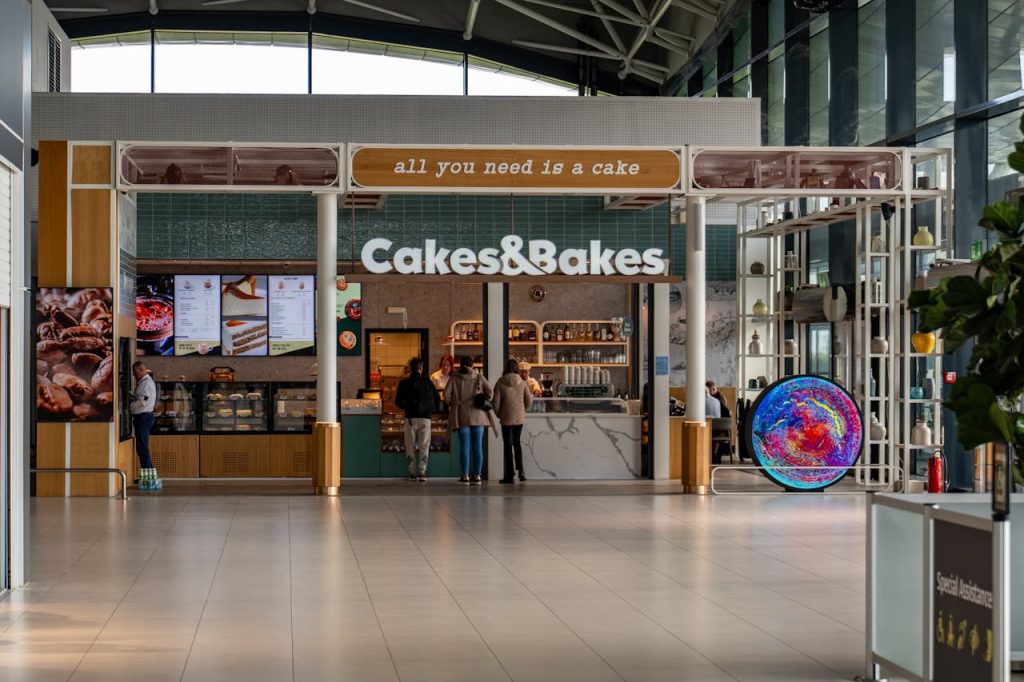
Some travelers arrive early to shop luxury brands, hunt limited-edition snacks, and film airport hauls as if the terminal is part of the vacation. Older travelers often see airports as a hurdle, not a destination, so the trend can feel like celebrating the most controlled and crowded part of the journey. Gate time becomes a retail event with inflated prices, and the day stretches longer just to claim an experience that is mostly consumption. Older travelers tend to prefer arriving at the gate calm, hydrated, and ready to board, so the idea of adding more wandering, bags, and spending to an already tiring day can feel unnecessary.
Accepting Micro-Fees as Normal

Travel now comes with a drip of add-ons: seat selection, carry-on space, early check-in, resort fees, and charges for small comforts that once felt standard. Older travelers remember clearer pricing, so being billed in fragments can feel like a bait-and-switch even when the fees are disclosed. The frustration is not only money, but the slow reveal, because it turns budgeting into guesswork and makes travel feel less welcoming and more like negotiating at every step. Older travelers can handle paying for value, but they dislike how the total appears in layers, as if the trip has to be unlocked one small fee at a time.
Traveling to Signal a Lifestyle

A growing slice of tourism is less about the place and more about the identity it signals, from rooftop pools to remote islands that look exclusive online. Older travelers often treat travel as a personal reward, not a public brand, so the lifestyle framing can feel performative and oddly tiring. When the trip is designed for an audience, the place risks becoming a prop, and even a sunset turns into a backdrop meant to prove taste, status, or productivity. Older travelers value privacy and presence, so they get confused when the focus shifts from being somewhere to being seen somewhere, even when the place itself is extraordinary.