11 Towns That Make Visitors Slow Down Without Realizing It
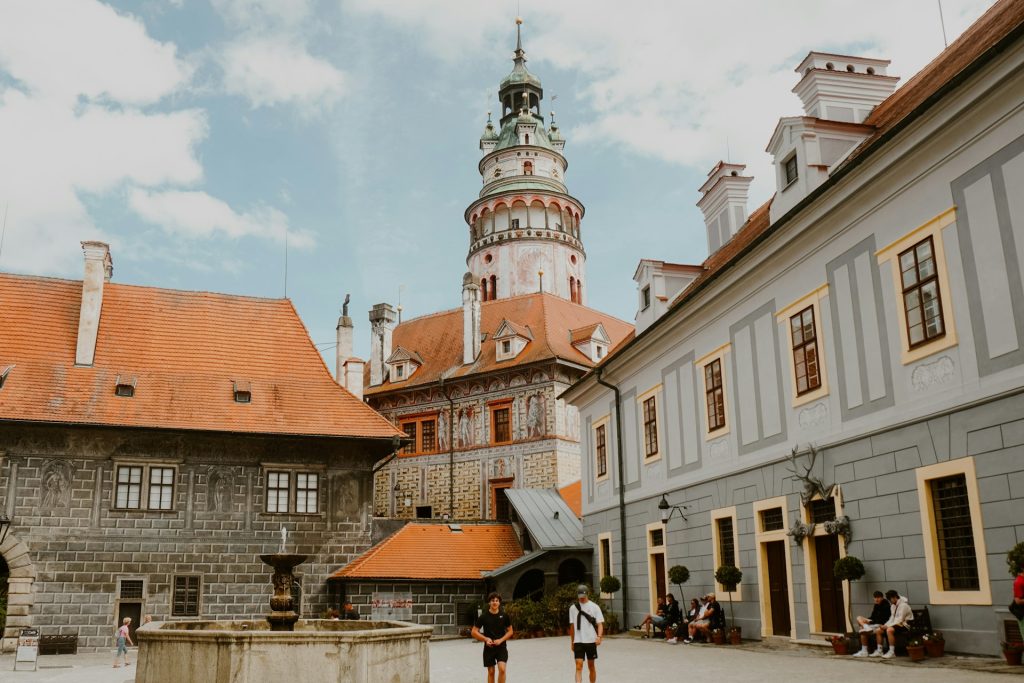
Some towns work on people without announcing it. The pace shifts in small ways first, with longer pauses at bakery windows, slower turns at corners, and fewer glances at a phone. Then the day starts to feel wider. In places shaped by plazas, harbors, canals, and old streets, the rhythm comes from the landscape itself.
These places are not frozen in time, which is why they hold attention. Markets open, boats leave, bells ring, and locals keep moving. Even so, the street design and local history keep urgency from taking over, and many visitors realize only later that the day unfolded at a gentler speed than planned. The change arrives quietly.
Mackinac Island, Michigan
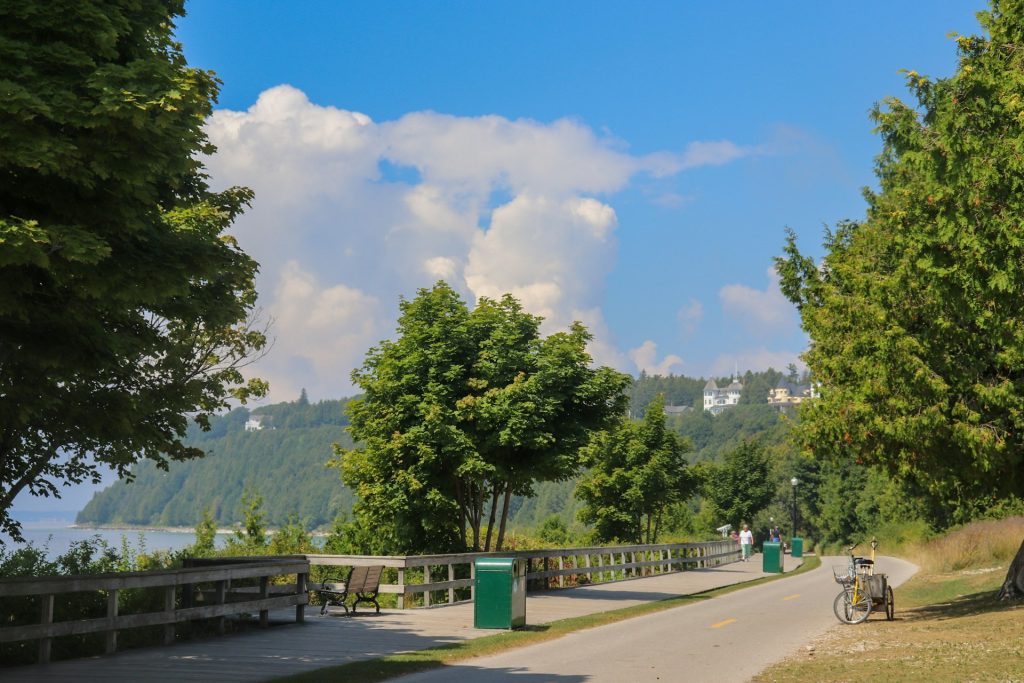
Mackinac Island slows down as soon as traffic noise drops away. Motor vehicles have been restricted there since the late 1890s, and the island still runs on walking, bicycles, and horses. The shift feels immediate around the waterfront, where movement stays steady but rarely rushed and the sound is mostly hooves, gulls, and wind off Lake Huron.
The island’s 8.2-mile perimeter route on M-185 turns travel into a long look instead of a quick transfer. People biking or walking the shoreline pass rock formations, historic sites, and open water views, and getting around becomes one of the main reasons the day feels calmer. It keeps all present.
Carmel-By-The-Sea, California
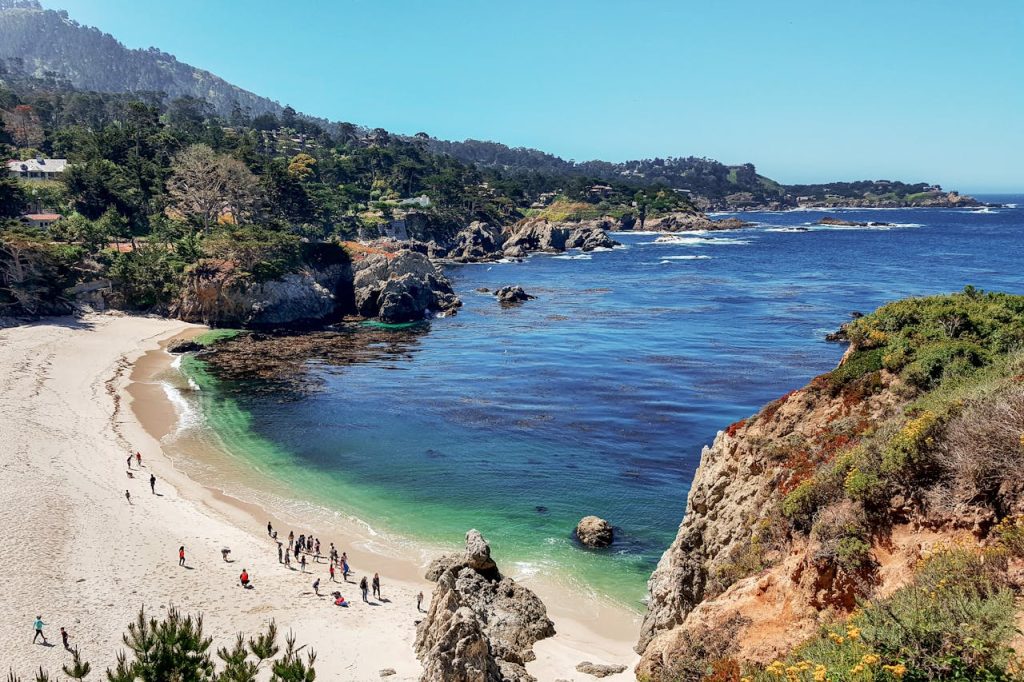
Carmel-by-the-Sea feels built for wandering. The town is only one square mile, and regional tourism guides note that restaurants, galleries, shops, and the beach sit close enough to reach on foot. That compact layout changes behavior fast. Cars get parked, conversations run longer, and afternoons disappear along short streets and courtyards.
The artistic history shapes the pace too. Carmel has long been known as an artist colony, and local tourism pages still describe a walkable gallery scene tied to visual and performing arts. With so much texture packed into a small center, visitors move slower, look longer, and catch details they would miss elsewhere.
Taos, New Mexico
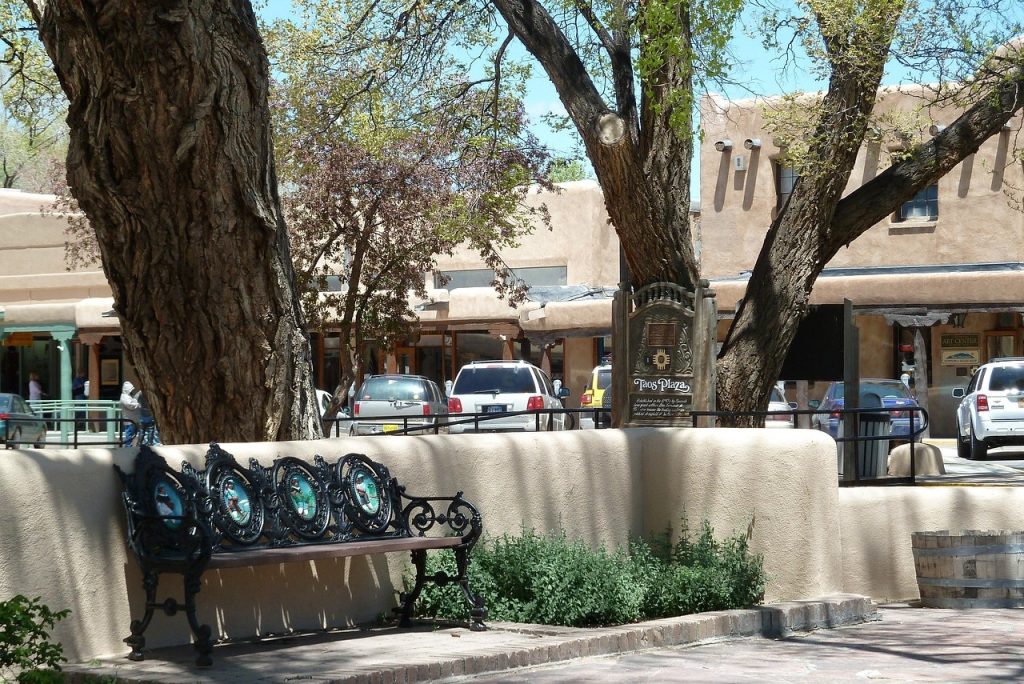
Taos carries two timelines at once, and that mix changes the pace quickly. Taos Plaza traces its roots to a 1796 Spanish land grant settlement, and the early plaza was built as a fortified village. Today it still works as a gathering place for music, markets, shops, and everyday life, which keeps downtown feeling lived in.
Just beyond the plaza, Taos Pueblo adds continuity. The Pueblo describes itself as a living Native American community with multi-storied adobe homes continuously inhabited for more than 1,000 years. That presence gives the town unusual emotional weight, and visitors often move through it with more attention and less hurry.
Beaufort, South Carolina
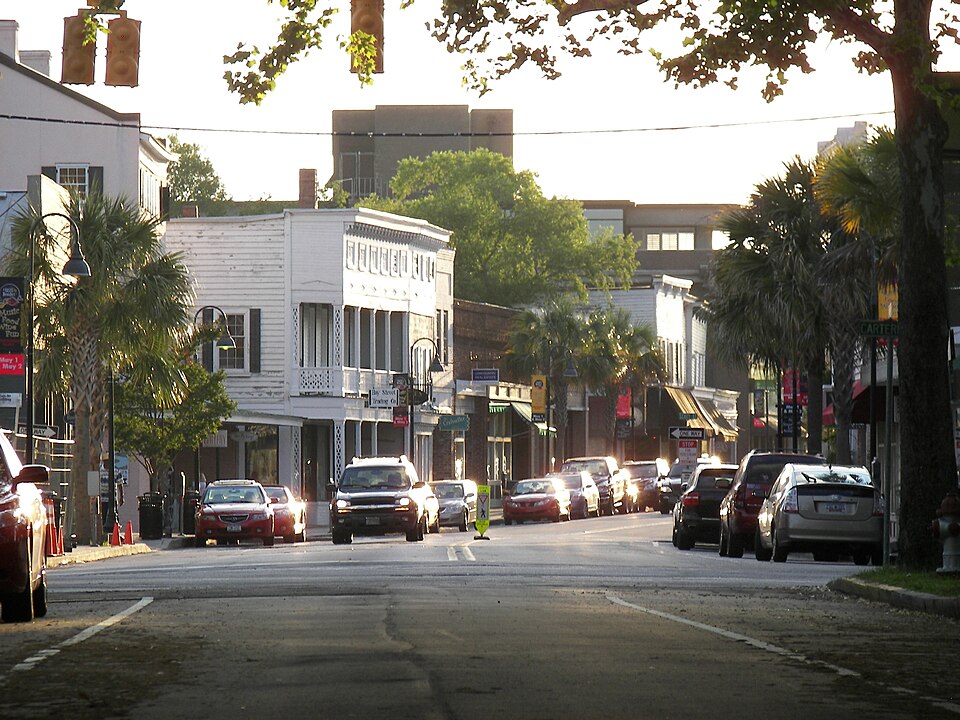
Beaufort settles a day quickly. Henry C. Chambers Waterfront Park anchors that feeling with views, benches, and easy access to Bay Street. The National Park Service calls it the social heart of downtown, and the phrase fits. People drift between the park, shops, and galleries without turning the walk into a checklist.
The slower mood also comes from local history. The National Park Service describes Beaufort County as a place that reflects core Reconstruction-era questions about freedom and citizenship after emancipation. That history is not loud in every moment, but it gives the town a steady depth that changes how visitors move through it.
Galena, Illinois
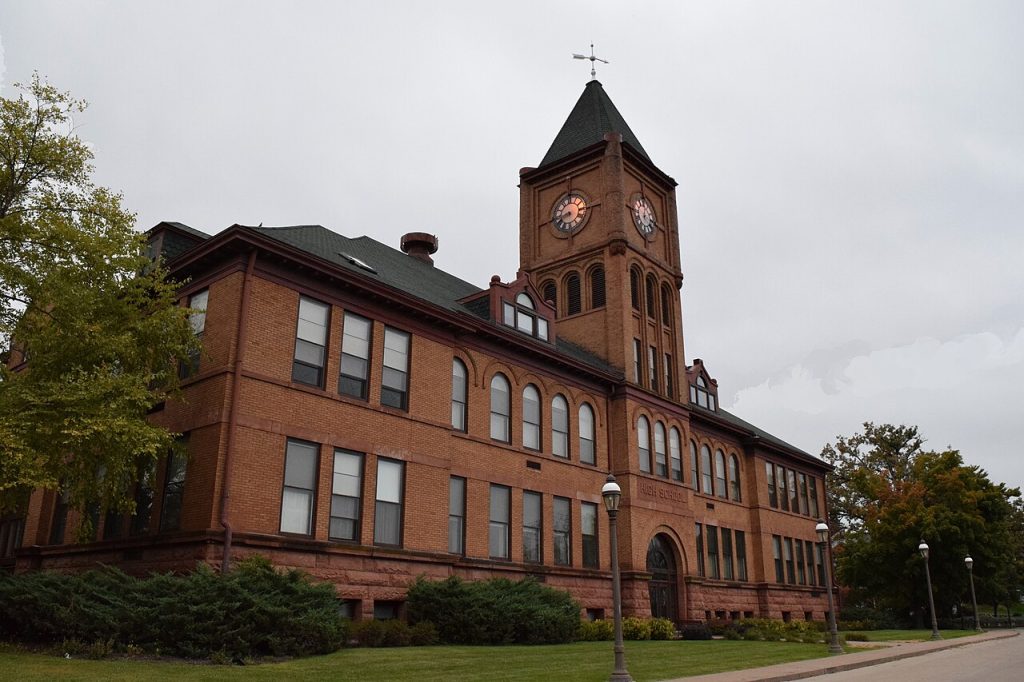
Galena makes slowing down feel practical, not precious. Its Historic Main Street packs more than 125 shops and restaurants into an easy walking stretch lined with 1800s buildings. Because so much sits door to door, visitors spend less time parking and replanning the day. The town removes friction, and the pace softens very easily on its own.
The architecture does the rest. Brick facades, upper-story windows, and old storefront details keep the eye busy block after block, while cafes, tasting rooms, and shops create natural stopping points. Galena’s downtown feels dense in the best way, variety to keep moving and enough character to reward lingering.
Giethoorn, Netherlands
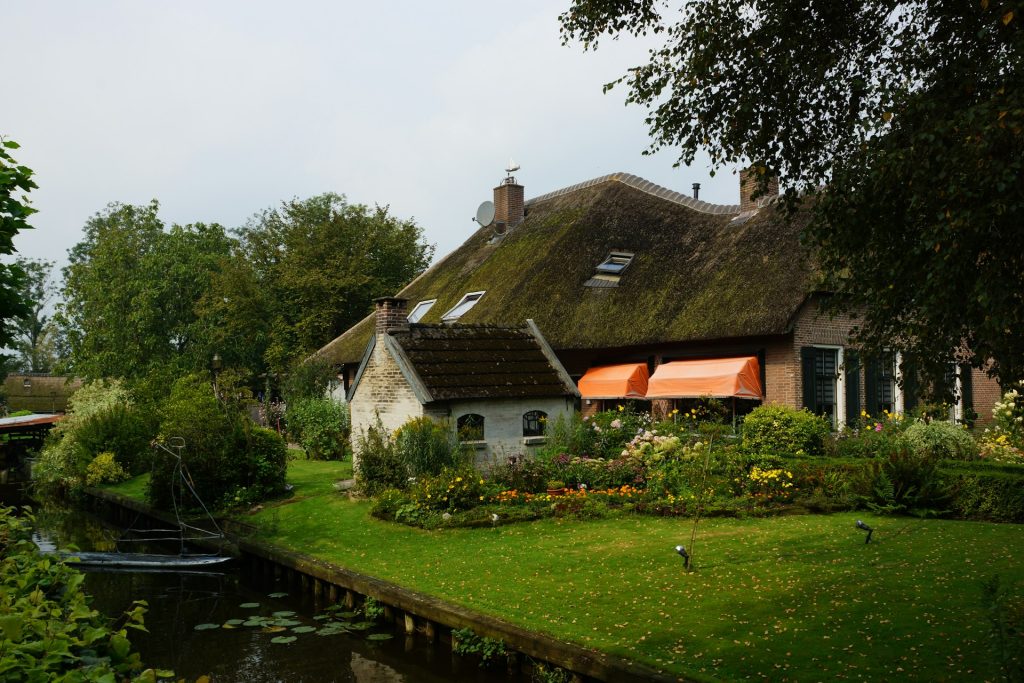
Giethoorn slows visitors before they even reach a normal street because the historic center has no roads. The village is built around canals, footpaths, and bridges, and movement happens by boat or on foot. Its tourism site calls it the water village of the Netherlands, and the layout changes how time is felt.
Boat traffic in Giethoorn is often quiet, especially with electric whisper boats moving past gardens and old houses. The village also sits beside Weerribben-Wieden National Park, a wetland of ponds, ditches, reed beds, and swamp forest. Together, the village and surrounding water create calm that feels built into the place, not staged.
Hallstatt, Austria
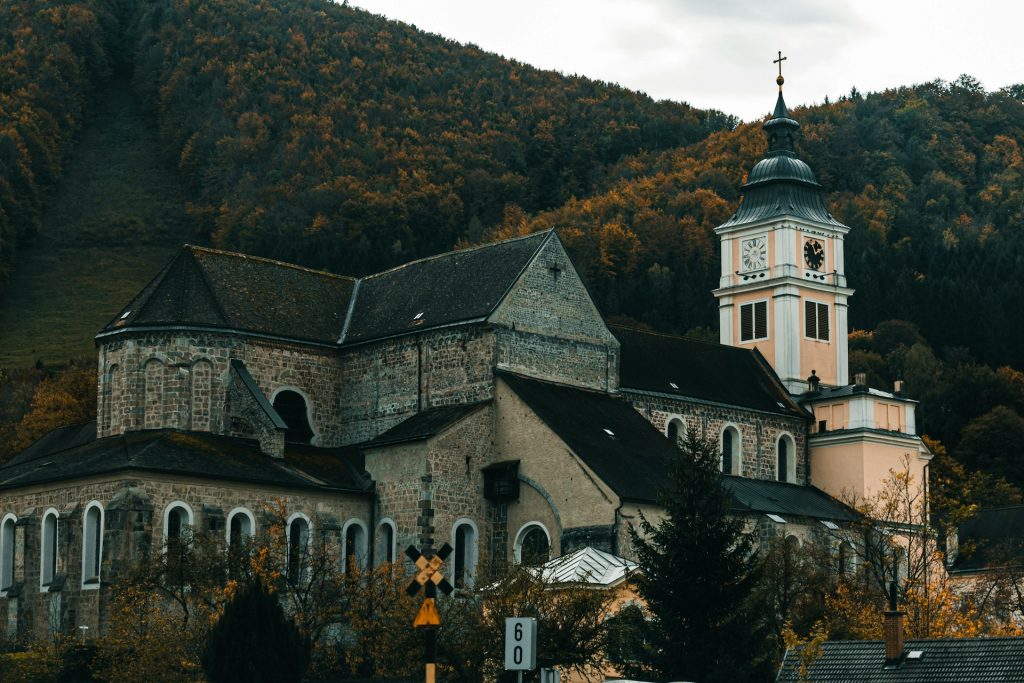
Hallstatt looks dramatic, but its deeper pull comes from old work and daily scale. UNESCO describes the Hallstatt-Dachstein-Salzkammergut landscape as a place shaped for millennia by salt extraction, where human activity and mountain terrain evolved together. That history keeps the village from feeling like a postcard.
Local Hallstatt tourism pages still point to the salt mine as the town’s defining thread, calling it the oldest salt mine in the world and tying the visit to a 7,000-year story. That link between village streets, lake views, and mountain labor gives the place a grounded pace, and people there often linger longer than expected.
Alberobello, Italy
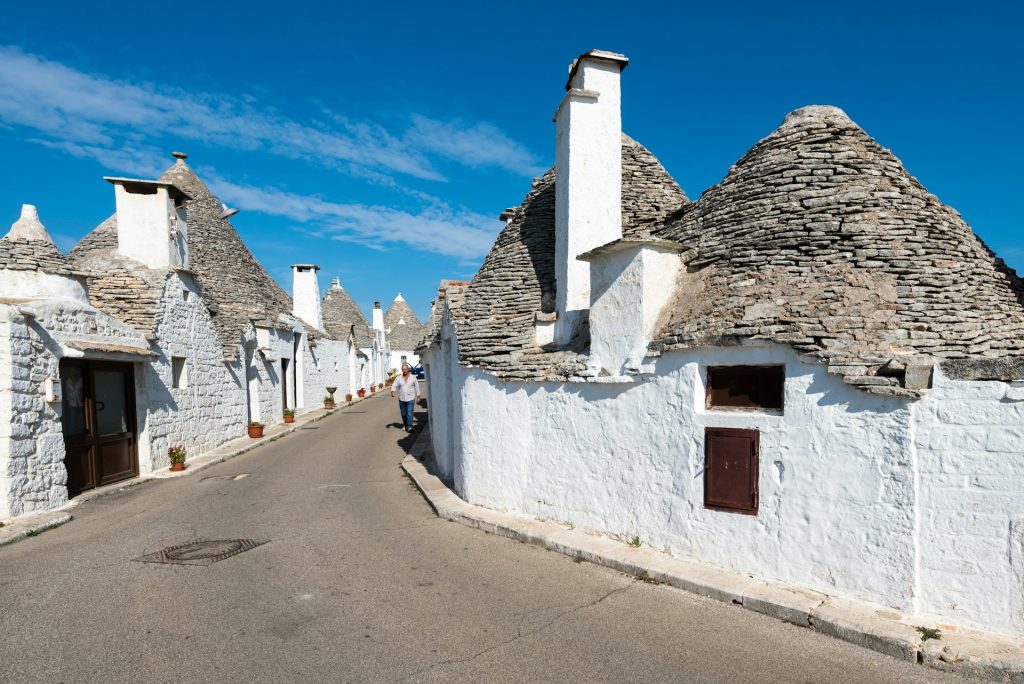
Alberobello changes the tempo through repetition. Trulli roofs appear one after another, each cone different, and walking through town becomes less about landmarks and more about pattern. UNESCO highlights the trulli as remarkable examples of dry-stone construction, and the effect feels handmade and absorbing.
The town also holds the highest concentration of these buildings, with UNESCO noting more than 1,500 structures in Alberobello. Local tourism pages call it the capital of the trulli, which feels accurate once the streets fold into one another. Visitors may start with photos, but the architecture usually pulls them into a slower, more observant pace.
Shirakawa-Go, Japan
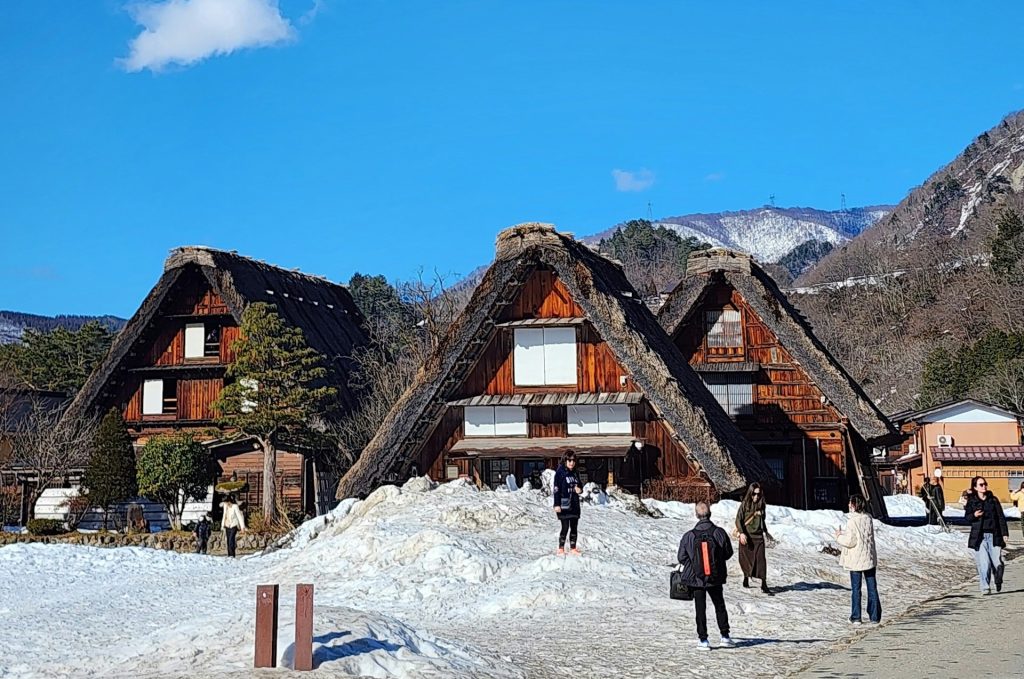
Shirakawa-go quiets people down because it feels lived in, not preserved behind glass. The local tourist association notes that more than 100 gassho-style buildings remain in Ogimachi, and residents still live there. That detail matters. The village looks beautiful from a distance, but daily life changes the pace on the ground.
The area joined the UNESCO World Heritage list in 1995, yet the strongest impression often comes from ordinary scenes: smoke in cold weather, narrow lanes, and wooden houses built for mountain winters. Even in busy periods, the village’s layout encourages slower walking and longer pauses between one view and the next.
Cesky Krumlov, Czech Republic
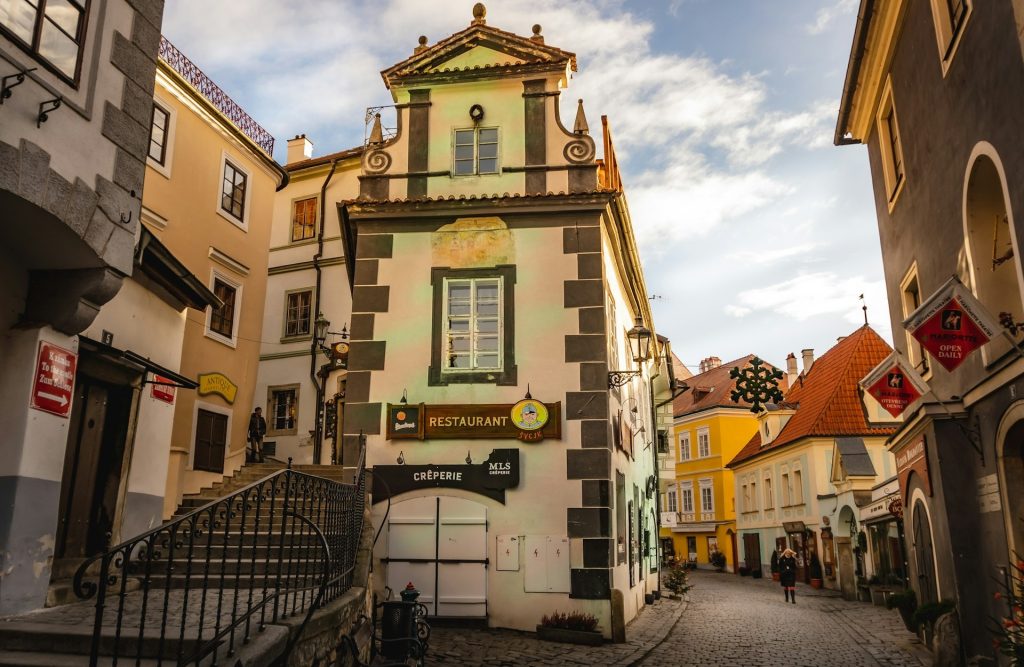
Cesky Krumlov slows visitors through its shape as much as its beauty. UNESCO describes an intact medieval town on the Vltava built around a 13th-century castle, with Gothic, Renaissance, and Baroque layers still visible. The river bend and castle hill organize movement naturally, so people tend to follow the town’s old rhythm.
That rhythm deepens inside the castle complex. The official castle site calls it the second largest castle and chateau complex in the Czech Republic, with courtyards, gardens, a tower, and a preserved Baroque theater. A visit often turns into a slow sequence of climbs, corners, and long looks across the red roofs below.
Hydra, Greece
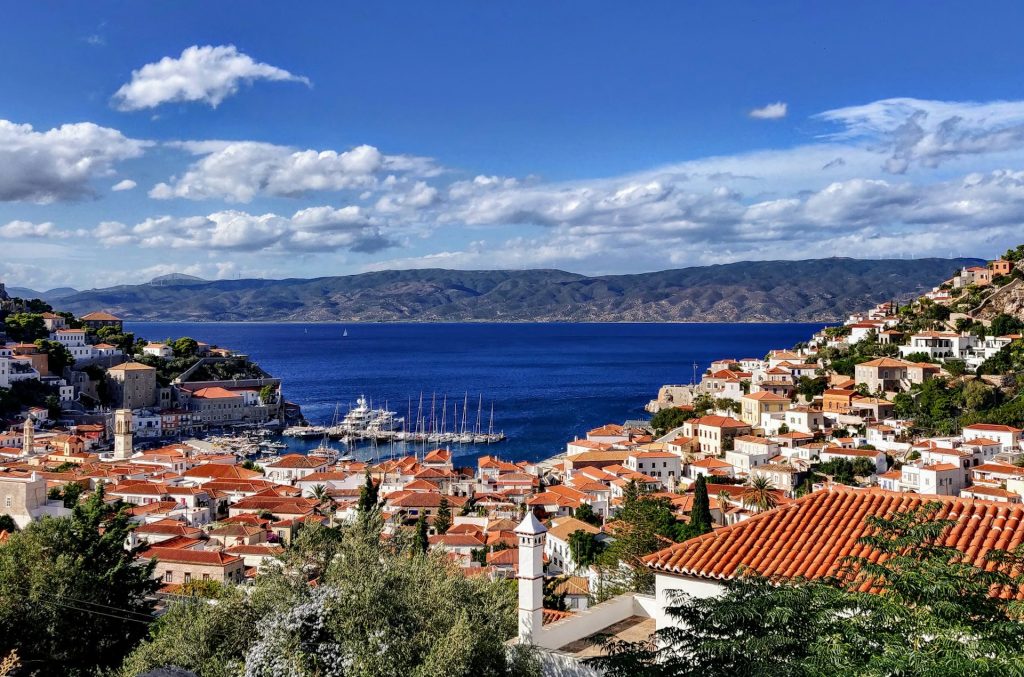
Hydra slows people down for a simple reason: the island is car-free. Greece’s official tourism page describes walking in Hydra as a true pleasure, and the harbor town is built for that pace. Stone lanes, waterfront steps, and tight rows of houses keep movement human. Even a short walk from the port feels quieter.
Its architecture strengthens that feeling. Visit Greece notes grand mansions built by Italian craftsmen, along with about 300 churches and six monasteries across the island. Those details create a strong sense of place without a packed schedule, so visitors spend more time circling the harbor, looking up at facades, and staying put.