11 Travel Ideas That Fit Real Schedules

Real schedules rarely leave room for a two-week escape. Most households are balancing deadlines, family logistics, and budgets, so trips need to fit dependable blocks: a weekend, a day trip, or a few nights that do not ripple into chaos at home. The smartest plans lean on direct routes, compact neighborhoods, and simple goals like fresh air, restorative food, or one excellent museum day. When travel is designed around limits instead of fighting them, it becomes easier to book, easier to enjoy, and easier to repeat. A small buffer for laundry, groceries, and sleep keeps Monday from feeling stolen.
Friday Night Departure, Sunday Lunch Return
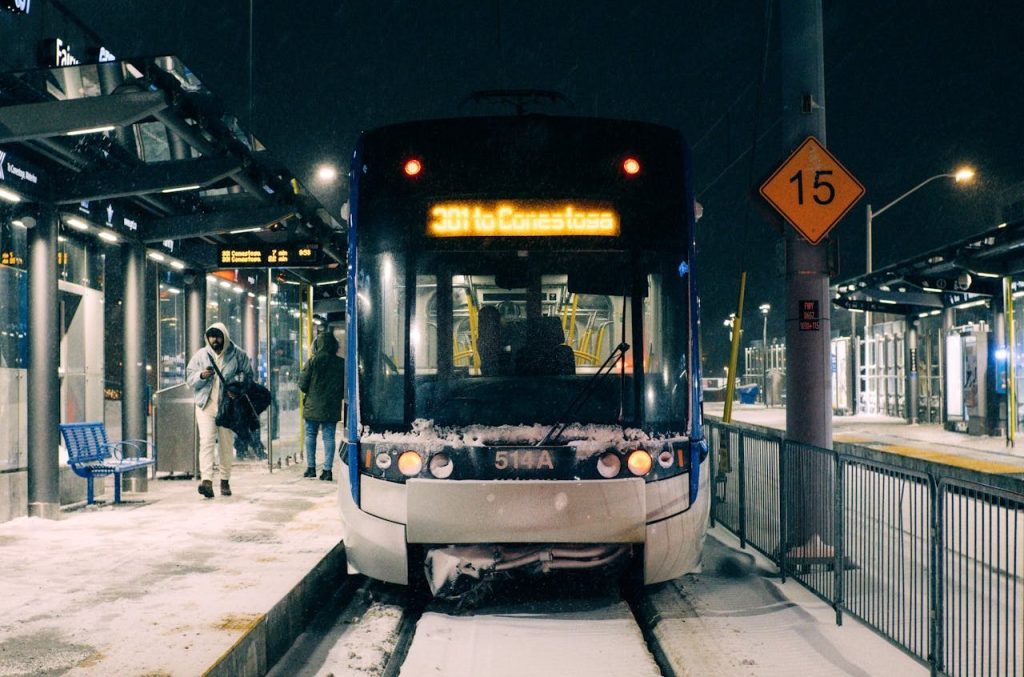
Weekend travel works best when the first move happens after work and the return is timed for Sunday lunch, not Sunday night, so Monday stays intact. Direct trains or short flights keep the window forgiving, and a small city with a walkable core removes car pickup lines, parking stress, and wasted hours. The plan stays clean: one hotel near the station, one dinner reservation, and one morning anchor like a market or museum, plus long gaps for coffee, a bookstore, and an unhurried loop back to bed. A late checkout, a single tote, and one simple Sunday meal on the way home keep reentry calm at home.
One-Night Hotel Reset In The Next Town

A one-night stay can deliver more relief than a rushed weekend when it is treated like a reset, not a tiny itinerary packed with movement. A nearby town with a good hotel, sauna, or quiet spa lets travelers check in early, shower slowly, eat one excellent meal, and sleep without household noise or chores. Morning becomes the payoff: a long café breakfast, a bookstore or museum hour, and one scenic walk before checkout, plus enough buffer to return by late afternoon with the week still under control. Packing stays minimal, and the only goal is feeling rested. No souvenirs required, just steady quiet.
Early-Morning Train For A Full Day Trip

A day trip fits a real schedule when departure is early enough to catch quiet streets and the return is planned before dinner, avoiding a late slump. High-frequency rail corridors make it easy to pick a neighbor city with a compact center, a market, and one signature attraction, no rental car needed. The rhythm stays simple: coffee on the platform, a museum or viewpoint, a long lunch, then a late afternoon park loop. A small tote with a layer, water, and a charger is enough, and an early train often means shorter lines and friendlier service. Dinner can still happen in the home kitchen before 8 p.m., with time to unwind.
Work-From-Elsewhere Midweek Microbreak

A midweek microbreak fits modern life by keeping work hours honest, then borrowing only the edges of the day for scenery and rest. A quiet coastal town or mountain base with reliable Wi-Fi can host normal calls in the morning, then offer a two-hour walk or gallery visit after 4 p.m. One lodging near food and transit keeps logistics minimal, and adding a single personal day off creates a clean four-day arc. The trip stays useful, because better sleep and a change of backdrop can make the next workday feel lighter. Evenings can be simple: one warm meal, a short stretch, and an early night that resets the body.
Stopover City Between Two Direct Flights

A stopover turns a necessary connection into a short trip when a major hub already sits on the route. Booking a layover that lasts 10 to 24 hours allows a proper meal, a shower, and one focused neighborhood instead of a rushed terminal shuffle. Airports linked by fast trains make it realistic to store luggage, walk a riverfront, see one landmark, and return with a generous buffer. The day registers as a real memory, and the next flight feels easier because the body has actually rested. A simple rule helps: one attraction, one long meal, and an early bedtime in a hotel near the train line. No sprinting required.
Two-Base Trip With A Single Scenic Day Tour

Trips feel manageable when nights stay stable, which usually means limiting bases and resisting the urge to add a new side trip every morning. A two-base plan keeps things settled: three nights in a city for food and culture, then one move to a quieter town for early walks and better sleep. One scenic day tour becomes the highlight, a lake loop, a wine road, or a national park shuttle, and because timing is handled in one block, the rest of the days can stay loose, with room for cafés, weather pivots, and an unplanned afternoon that becomes the favorite. Packing happens once mid-trip, and the brain stops tracking check-in times.
Shoulder-Season Weekend In A Crowded Favorite

Popular destinations fit real schedules when visited in shoulder season, when crowds thin, prices soften, and reservations stop feeling like a contest. Late Sept. or early Nov. often brings crisp air and quieter streets, and museums feel humane again, with shorter lines and staff who have time to help. Planning can stay light: one warm coat, comfortable shoes, and two indoor anchors plus one long walk, so the weekend has structure without rigidity. Cooler weather also makes long strolls easier, and restaurants are more likely to seat walk-ins without drama. Earlier sunsets help, because evenings turn into cozy meals instead of more rushing.
Food-First City Break With One Neighborhood Focus

A food-first break is efficient because it turns a city into short walks between meals, markets, and cafés, keeping transit simple and energy steady. Choosing one well-connected neighborhood reduces decision fatigue and makes repeats easy: the same bakery twice, the same wine bar once more, the same stall for breakfast, plus one late snack that becomes the story. One class or tasting adds structure without filling every hour, and a simple rule, two meals planned and one left to chance, keeps the schedule realistic while still delivering real flavor and local conversation. The trip ends feeling full, not scattered.
Cabin Weekend Within A Two-Hour Drive
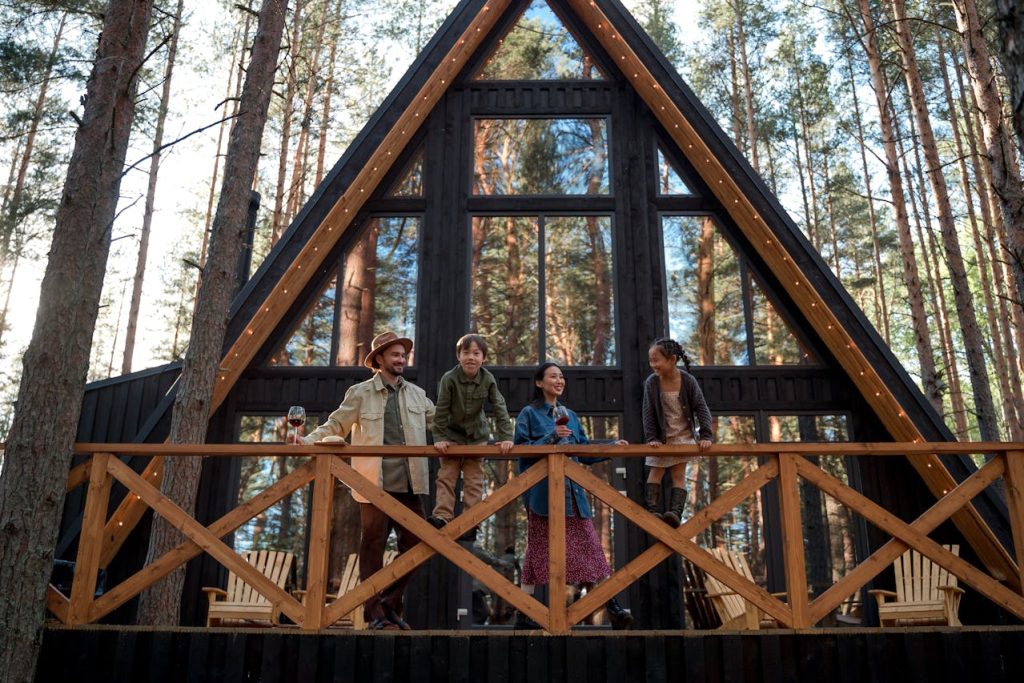
A cabin weekend fits tight calendars because it cuts transit friction and replaces planning with one clear aim: quiet time in nature. Within a two-hour drive, travelers can arrive before dark, cook something simple, and sleep early, then spend the next day on small loops, a forest trail, a lake edge, a lookout, and a long dinner that feels earned. Because the return drive is short, there is still time to unpack, reset groceries, and handle Sunday basics, and that practical landing is what makes the escape repeatable. A simple meal plan, like soup and bread, keeps it easy. Phones can stay quiet for a few hours.
Museum-And-Matinee Day In A Big City

A cultural day trip works when it follows a clean spine: one museum block, one long lunch, and one matinee or early concert that ends before late transit. Big cities make this realistic because trains run often, rideshares are available, and dining is easy off-peak, so timing stays predictable even if plans shift. By choosing one exhibition, one performance, and one slow walk between them, the day avoids scatter and still feels full, with time left for a final pastry and an easy ride home. The calm comes from fewer moves, not fewer pleasures. Timed tickets and reserved seats remove the biggest stress points.
Visiting Friends With A Planned Quiet Window

Seeing friends is often the most realistic travel, but it goes better when the schedule protects energy instead of spending it all at once. One social anchor per day, like dinner or brunch, plus an open block for a solo walk, a nap, or a café hour keeps moods steady and mornings usable. Hosts appreciate clear timing, visitors avoid late nights that flatten the next day, and the trip stays warm and personal while still leaving space for a museum stop or a quick errand. That balance keeps the goodbye easy, and it prevents the visit from feeling like a marathon. A small host gift and helping with dishes keeps the tone generous.