11 U.S. Cities Americans Say They’d Move Back To
People leave cities for all kinds of reasons, then quietly circle back. Work shifts. Family needs change. Priorities get clearer with age. That return move is rarely about hype and almost always about fit. Pew’s community research has long shown that family ties, familiarity, and quality of life are major reasons people stay or come back.
This list uses the best public signals that point to likely return appeal: city favorability (YouGov), resident stickiness and belonging (Gensler City Pulse), and real population gains (U.S. Census 2024 estimates). It is not a single one-question ranking, but a practical read of where attachment and momentum are showing up at the same time.
What this really means is simple. A city earns second chances when daily life feels workable, not just exciting. People come back to places where routines are easier, social roots feel intact, and opportunity is still within reach. The strongest cities in this conversation tend to pair identity with usability.
So instead of chasing postcard perfection, this piece focuses on return value. Where do people keep choosing again after they have seen other options? These eleven cities stand out for that exact reason, each in its own way.
Nashville, Tennessee

Nashville landed at the top of YouGov’s recent net favorability ranking among major U.S. cities, which tells you a lot about its broad emotional pull. People do not just visit and post about it. They tend to keep a real attachment to the place.
The city still feels alive in ways that matter after the honeymoon phase. Music is part of the identity, but so are neighborhoods where daily life feels grounded. That blend gives returners something better than novelty. It gives continuity.
There is also a practical side to Nashville’s appeal. Compared with bigger coastal hubs, many professionals still see a workable balance between career upside and lifestyle quality. That balance is often what draws former residents back when priorities shift.
When people say they would move back, they are usually describing memory plus momentum. Nashville offers both. It feels familiar enough to settle into quickly, yet active enough to feel like a step forward, not a retreat.
San Diego, California
San Diego ranks near the very top in city favorability and also appears in Gensler’s U.S. sticky-city framing, where residents report low intent to leave. That combination is rare and powerful. It signals satisfaction that survives real life, not just vacation impressions.
The city’s temperament is part of the story. People often talk about San Diego as calmer than Los Angeles but still full of opportunity. Neighborhood scale, shoreline access, and a generally outdoor rhythm make routines feel less heavy.
Return migration logic shows up clearly here. People who leave for bigger paychecks or different chapters often come back when they want steadier daily quality. The city can support ambition without requiring constant friction.
A place people return to is usually one where identity is easy to reclaim. San Diego offers that kind of re-entry. Former residents can recognize themselves here quickly, which lowers the psychological cost of moving back.
Colorado Springs, Colorado
Colorado Springs places high on YouGov’s city favorability list, especially for people who want access to nature without giving up city basics. It keeps showing up as a place people respect, not just admire from afar.
The city’s appeal is less about spectacle and more about rhythm. Commutes, weekends, and family life can feel manageable in a way many large metros struggle to offer. That predictability becomes valuable after someone has tried faster, pricier places.
For returners, the biggest advantage is usually friction reduction. A familiar city with clear routines and strong outdoor access can feel like an upgrade, even if the skyline is smaller. Lifestyle confidence often beats status signaling.
Colorado Springs also benefits from identity clarity. People know what they are choosing when they come back: space, scenery, and a community pace that is easier to sustain. That clarity keeps second moves from feeling risky.
Virginia Beach, Virginia

Virginia Beach also ranks among the most positively viewed U.S. cities in YouGov’s latest favorability snapshot. That speaks to broad trust in the place as somewhere livable, not merely visitable.
Its return appeal is rooted in steadiness. The city offers coastal access, military-linked economic stability, and neighborhoods that feel less transient than many tourist-adjacent markets. People can build long arcs of life here.
Many former residents who try larger hubs eventually reassess what they miss: proximity to water, less compressed day-to-day stress, and family-friendly logistics. Virginia Beach tends to score well on those practical dimensions.
Cities earn loyalty by reducing trade-offs. Virginia Beach does that quietly. It may not dominate national trend cycles, but it consistently gives people a reason to come back and stay.
Charlotte, North Carolina
Charlotte remains one of the higher-rated cities in YouGov’s favorability data and has also posted strong recent growth in Census estimates. Favorability plus expansion is a strong signal that people see a future there.
The city’s return strength often comes from career continuity. People can leave for a stint elsewhere and still find a credible landing zone when they come back, especially in finance, corporate services, and health-related sectors.
Neighborhood variety also helps. Charlotte gives returners options across urban, close-in, and suburban lifestyles without forcing a full identity reset. That flexibility makes second moves less disruptive for couples and families.
When a city keeps adding people and retaining goodwill, return migration becomes easier to understand. Charlotte offers a practical middle path that feels both ambitious and sustainable for the long run.
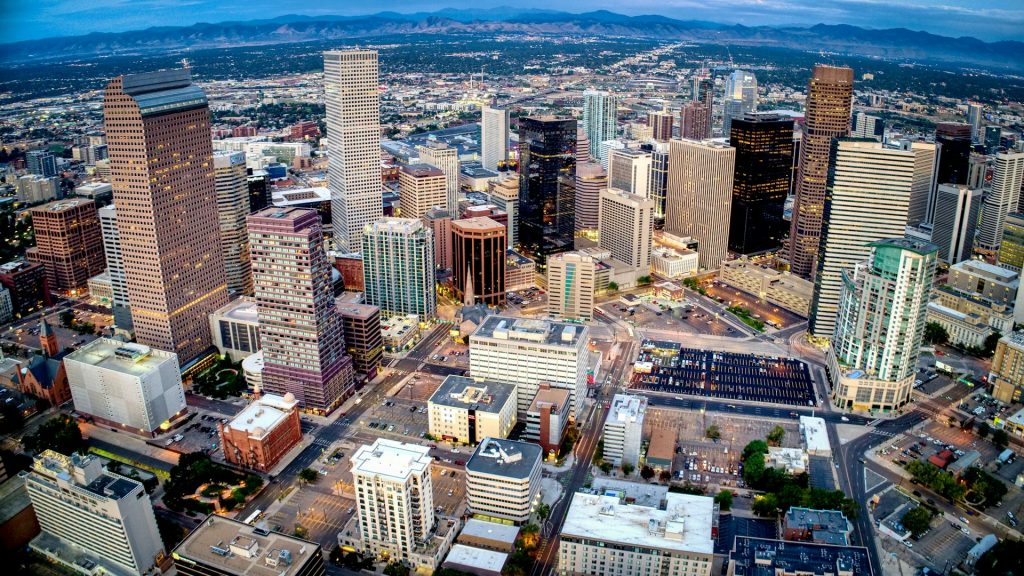
Denver, Colorado

Denver appears among the most positively viewed major cities in YouGov’s rankings, which aligns with its long-running reputation as a place people move to for life quality, not just work.
Its pull is rooted in structure plus access. Residents can keep professional momentum while staying close to trails, parks, and weekend escapes. That balance tends to matter more after people have experienced all-work metros.
Returners often describe Denver as a place where good habits are easier to maintain. Exercise, social plans, and outdoor time fit into ordinary weeks instead of requiring elaborate planning. That lived convenience builds attachment.
A second move back to Denver usually reflects maturity, not nostalgia. People return because the city supports the version of life they now want to protect, and that is a deeper kind of loyalty.
Raleigh, North Carolina
Raleigh ranks strongly in YouGov favorability and is explicitly named in Gensler’s sticky-city discussion, where residents report low likelihood of leaving. It is a clear case of perceived and experienced livability meeting in the middle.
The city’s academic and research backbone gives it a durable confidence. People see long-term pathways here, not just short-term booms. That matters for return decisions, especially for households thinking five to ten years ahead.
Raleigh also tends to feel coherent at the neighborhood level. Former residents can re-enter familiar social ecosystems without feeling stuck in the past. The city has changed, but not so fast that it becomes alien.
When people move back successfully, they usually need both emotional and practical fit. Raleigh provides that pairing. It feels stable enough to trust and dynamic enough to choose again.
San Antonio, Texas
San Antonio appears in YouGov’s top favorability group, is called out by Gensler as a sticky U.S. city, and posted one of the nation’s largest numeric population gains in the latest Census estimates. Few cities stack that many positive indicators at once.
Its return appeal comes from culture that stays visible in daily life. People are not buying a generic metro experience here. They are buying into a place with a recognizable civic identity and strong neighborhood texture.
Costs and pace also matter. While affordability pressures exist everywhere, San Antonio still reads as more workable than many peer metros for families trying to balance housing, childcare, and commute reality.
A city that grows while residents still express attachment usually has a resilient core. San Antonio’s core is exactly that. People leave, learn, and often realize what they had was harder to replace than expected.
Fort Worth, Texas
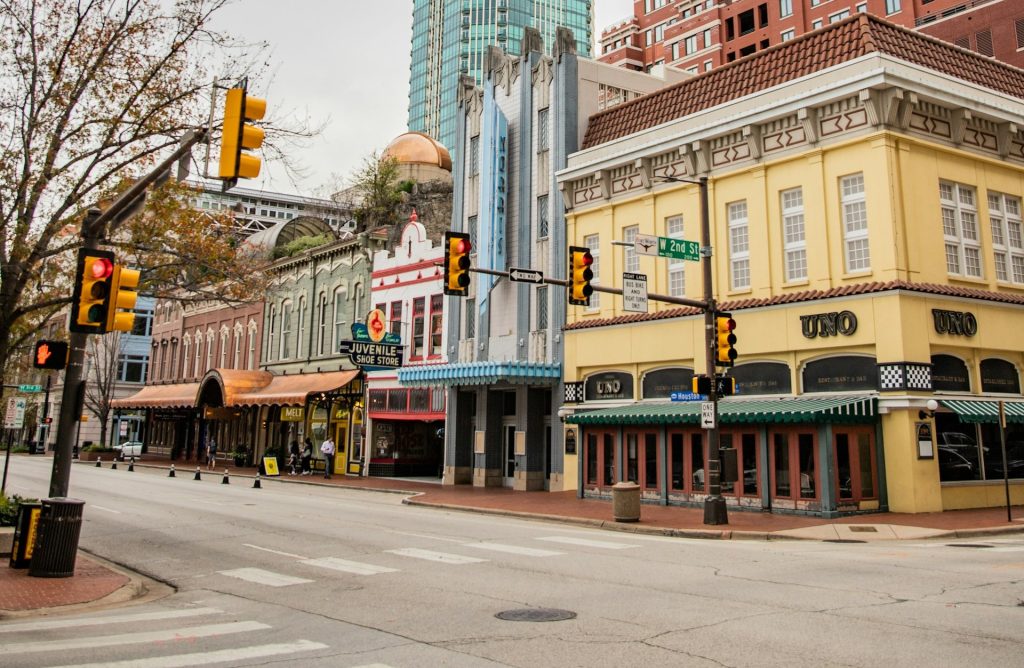
Fort Worth posted one of the largest numeric population gains in the country in the newest Census release, and YouGov data also shows strong favorability in key segments. That does not happen by accident.
The city’s appeal is its mix of scale and manageability. It offers major-metro access through the broader region while preserving a local identity that feels less anonymous than larger peers. Returners notice that quickly.
For people who left for speed and spectacle, coming back can feel like regaining control of ordinary life. Commutes, housing choices, and social networks tend to feel more navigable than in many high-pressure markets.
Fort Worth is often underestimated nationally, which is part of why former residents appreciate it more on the second pass. It delivers more daily value than its reputation suggests, and that is return fuel.
New York City, New York
New York recorded the largest numeric population gain in the latest Census city estimates, adding more residents than any other U.S. city in that cycle. That momentum suggests enduring pull even after years of volatility.
People who move back to New York are usually not doing it casually. They are choosing density, access, and professional concentration that few places can match. The city asks more, but it can also return more.
What keeps return migration alive is not just career upside. It is also the feeling that life can be re-accelerated here on demand. For many former residents, that sense of possibility is hard to duplicate elsewhere.
New York remains a high-friction, high-reward environment. Yet the data shows people still choose it at scale. That is one of the clearest signs of a city people are willing to come back to, even after leaving.
Houston, Texas
Houston ranked second nationwide for numeric population gains in the latest Census release, which points to strong continued attraction and retention in a competitive national landscape.
Its return logic is straightforward. The city offers major employment breadth, cultural diversity, and big-city function without requiring the same price point as several coastal giants. That equation stays compelling over time.
Former residents often come back when they want career range plus family practicality in the same market. Houston’s scale gives people room to pivot across industries and life stages without a complete geographic reset.
A return move to Houston is usually a decision about optionality. People value places where they can change jobs, neighborhoods, or routines without changing cities. Houston gives that flexibility, and that keeps the door open.
Sources
- YouGov: America’s Most Popular Cities in 2025
- U.S. Census Bureau: Vintage 2024 City Population Estimates
- Gensler: The Top 10 Cities People Don’t Want to Leave
- Pew Research Center: Americans’ Satisfaction With and Attachment to Their Communities