11 U.S. Cities Where Hotel Security Is Becoming a Concern
Hotel security has become a growing topic of discussion across several major American cities. Rising tourism, staffing shortages, and shifting urban conditions place added pressure on hotel operations. Many properties manage high guest volumes while balancing open access spaces and limited personnel. Lobbies, parking areas, and delivery zones remain difficult to monitor consistently. Technology helps, but gaps persist. Awareness does not suggest constant danger, yet it reflects evolving realities. These cities highlight where hotel security concerns receive more attention, shaped by local crime patterns, crowd density, event traffic, and the challenge of maintaining welcoming environments while protecting guests and staff effectively.
New York City
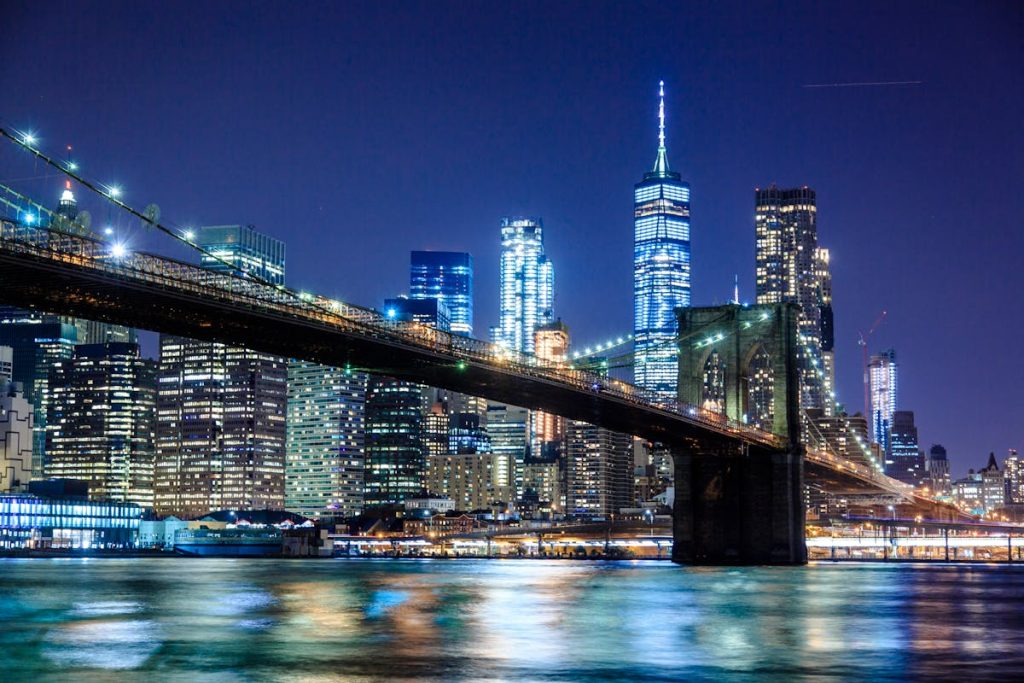
New York City hotels face security concerns tied to their scale and constant activity. Large properties handle thousands of guests daily, keeping lobbies busy around the clock. Staffing shortages affect monitoring consistency. Public access elevators create vulnerabilities. Package theft reports continue rising. High guest turnover complicates identity verification. Emergency coordination remains complex. Hotels rely heavily on cameras and key card systems. Guests report uneven enforcement of access policies. These challenges reflect the city’s nonstop pace, dense tourism corridors, and the difficulty of balancing openness with controlled access across Manhattan and surrounding borough hotel environments.
Los Angeles
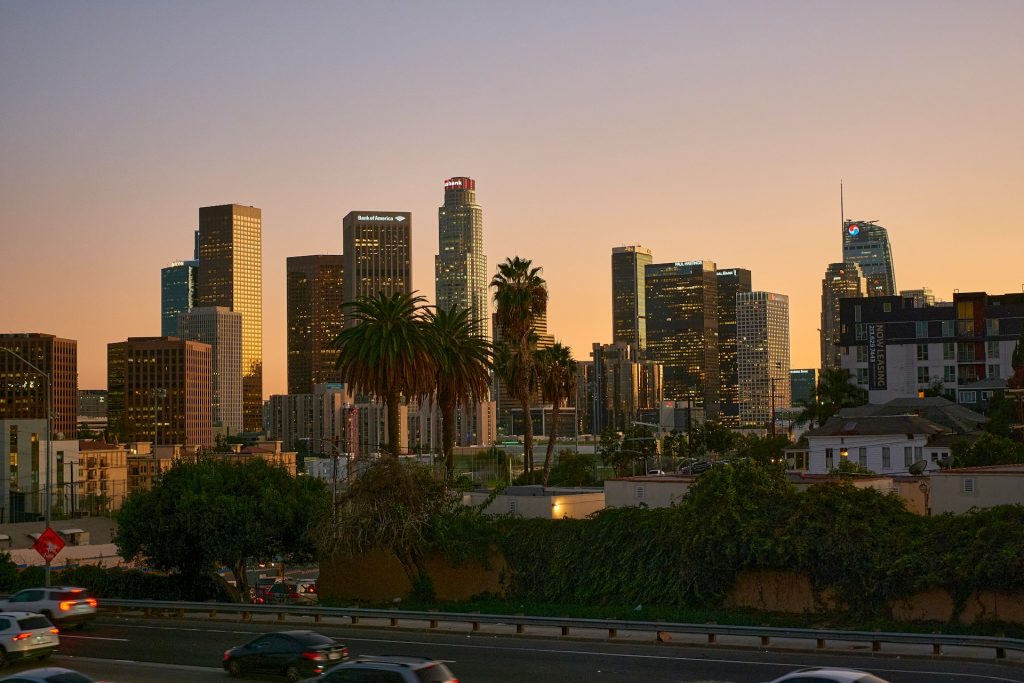
Los Angeles hotel security concerns reflect sprawling layouts and diverse neighborhoods. Many properties spread across multiple buildings with open air designs. Controlled entry points remain limited. Parking garages prove difficult to monitor. Staffing shortages affect overnight coverage. Event weekends increase non guest foot traffic. Celebrity culture attracts attention seekers. Package theft occurs frequently. Coordination with authorities varies by area. Guests report inconsistent enforcement of access rules. Security challenges mirror the city’s size, decentralized structure, and constant movement of visitors across entertainment districts, beaches, and downtown zones with differing safety profiles.
Chicago
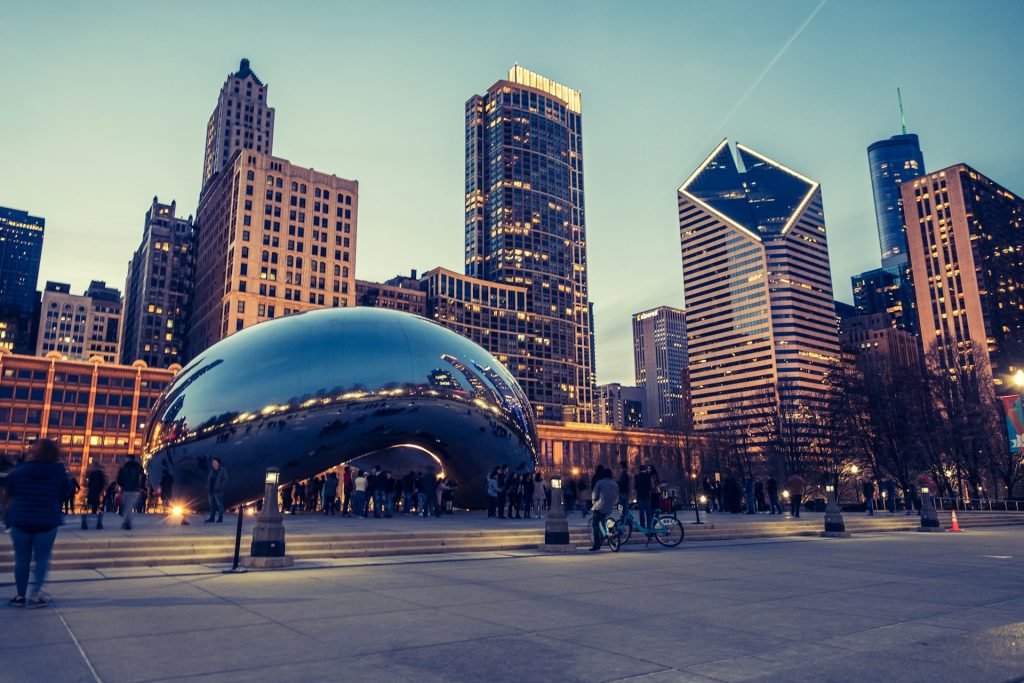
Chicago hotels experience security pressures linked to convention schedules and downtown density. Large events flood properties simultaneously, crowding lobbies. Temporary staffing reduces consistency. Public access spaces remain open long hours. Package theft incidents increase during busy periods. Parking structures require careful monitoring. Protests and gatherings affect operations. Weather pushes crowds indoors unexpectedly. Guests notice uneven ID checks. Hotels invest in surveillance and access controls. These concerns reflect the challenge of balancing event friendliness with controlled access across downtown and riverfront properties serving business travelers and large conferences year round.
San Francisco
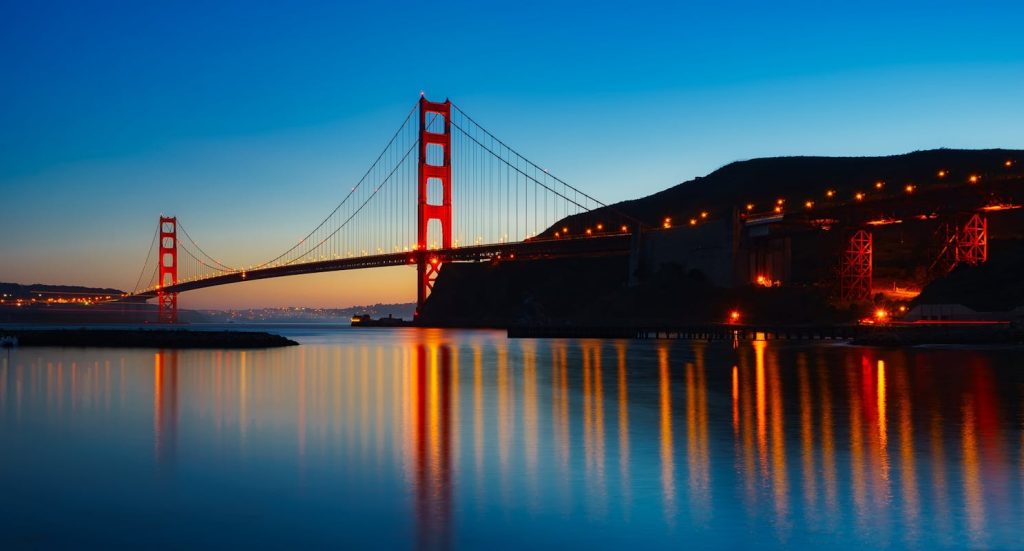
San Francisco hotel security challenges stem from surrounding street conditions and staffing limitations. Open lobbies allow public access throughout the day. Package theft incidents continue rising. Guests encounter non guest loitering. Parking garages face frequent break ins. Proximity to transit hubs increases foot traffic. Security policies vary widely by property. Hotels rely heavily on cameras and private guards. These concerns reflect broader urban issues, including property crime trends and the difficulty of maintaining secure environments in compact, transit oriented neighborhoods near downtown corridors. Local conditions continue evolving, demanding security strategies from hotel operators.
Las Vegas
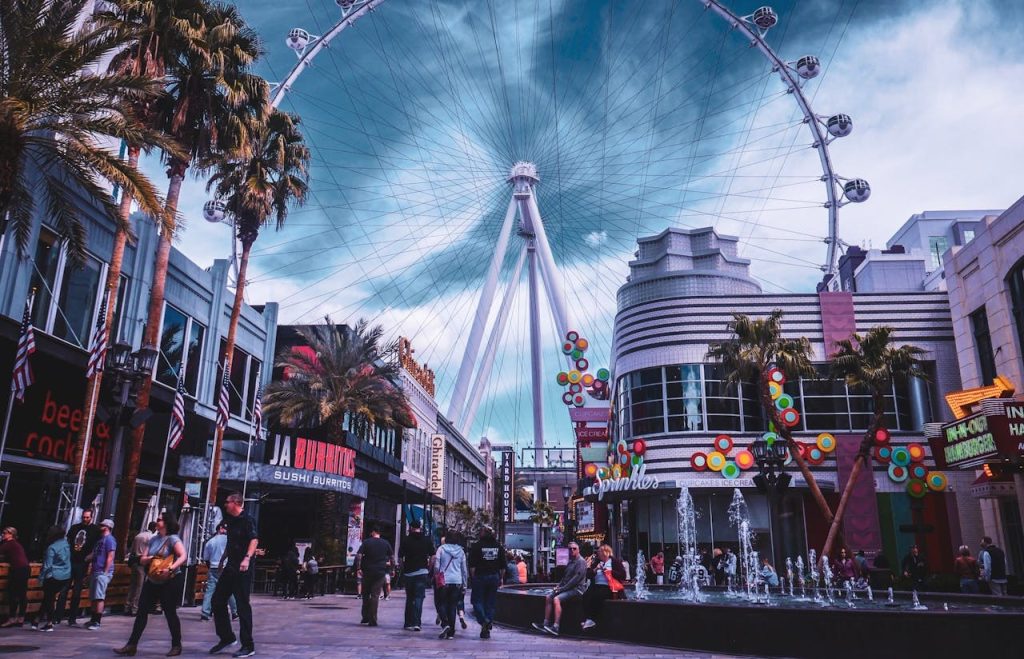
Las Vegas hotels face unique security demands driven by constant crowds and large resorts. Massive properties host thousands of guests simultaneously. Casinos operate continuously, increasing activity levels. Alcohol fueled environments complicate monitoring. Staffing shortages affect response times. Major events strain systems. Package deliveries add vulnerability. Hotels maintain visible security presence. Guests report uneven access enforcement. These concerns reflect the city’s entertainment focused model, where openness, crowd management, and safety must coexist across sprawling resort properties operating day and night. Local conditions continue evolving, demanding security strategies from hotel operators.
Miami

Miami hotel security concerns grow alongside tourism, nightlife, and seasonal surges. Beachfront properties allow open access. Cruise traffic increases transient movement. Staffing shortages reduce monitoring coverage. Pool and lobby areas remain active late. Package theft incidents rise. Parking garages present challenges. Event weekends strain security teams. Guests notice inconsistent ID checks. Hotels rely on cameras and wristbands. These issues reflect Miami’s party driven reputation and the difficulty of maintaining controlled access in resort environments designed for social interaction and constant guest movement. Local conditions continue evolving, demanding security strategies from hotel operators.
Atlanta
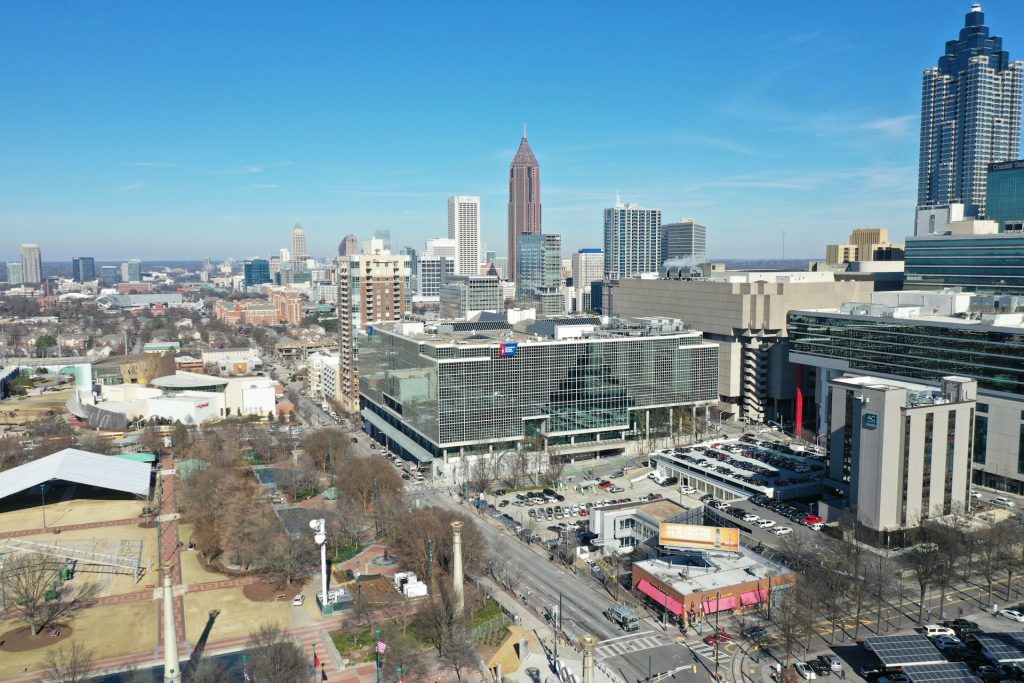
Atlanta hotels face security issues tied to convention traffic and downtown activity. Large events bring sudden crowd surges. Staffing shortages reduce overnight coverage. Public access lobbies remain open. Package theft incidents occur periodically. Parking decks require active monitoring. Proximity to transit hubs increases foot traffic. Guests report uneven enforcement of access policies. Hotels invest in surveillance and patrols. These challenges reflect balancing convention friendliness with controlled access, especially near event venues and business districts experiencing fluctuating activity levels throughout the year. Local conditions continue evolving, demanding security strategies from hotel operators.
New Orleans
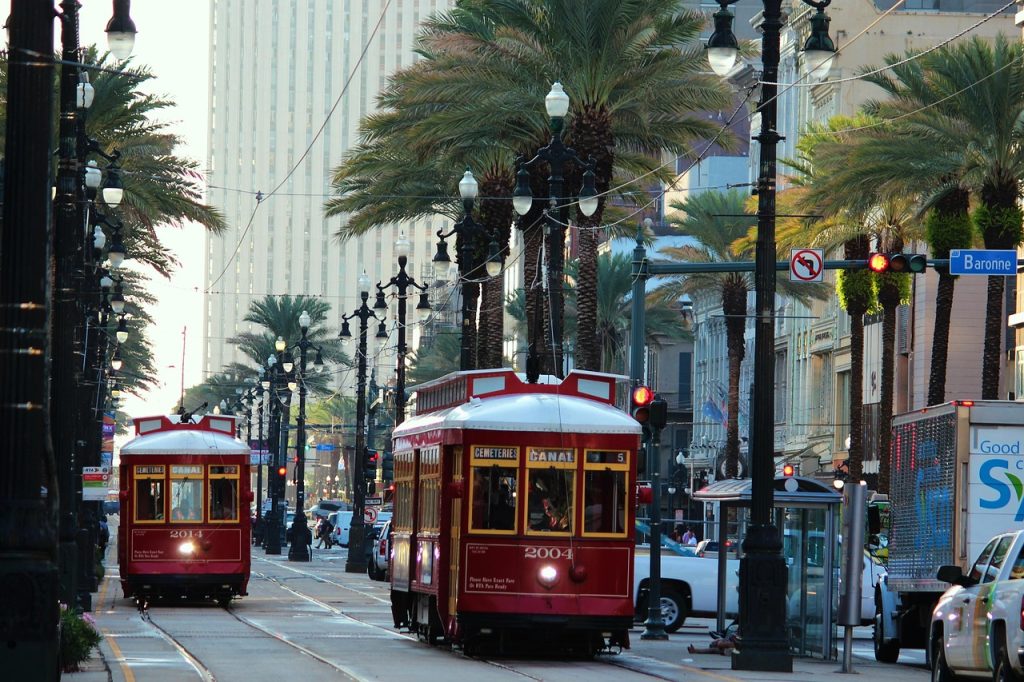
New Orleans hotel security concerns reflect nightlife proximity and event driven crowds. French Quarter properties face constant foot traffic. Staffing shortages affect monitoring. Open courtyards limit access control. Festival seasons strain resources. Package theft reports increase. Parking areas require attention. Guests notice uneven enforcement of policies. Hotels rely on private security teams. These challenges mirror the city’s celebratory atmosphere, where hospitality, music culture, and tourism volume complicate maintaining secure environments without diminishing guest experience in historic neighborhoods. Local conditions continue evolving, demanding security strategies from hotel operators.
Denver
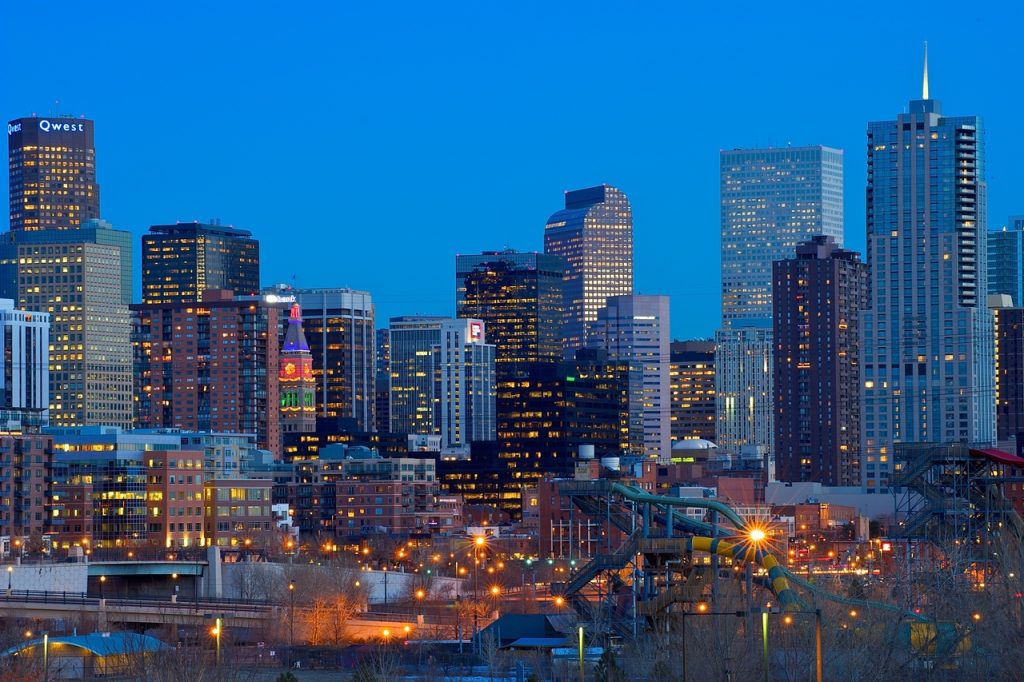
Denver hotels encounter security challenges linked to rapid urban growth. Downtown properties manage increased foot traffic. Staffing shortages affect monitoring consistency. Public access spaces remain open. Package theft incidents rise. Parking garages require oversight. Proximity to transit hubs increases activity. Guests report uneven enforcement of access rules. Hotels invest in cameras and key systems. These concerns reflect population growth, tourism expansion, and pressure placed on hospitality infrastructure adjusting to changing urban dynamics in central business and entertainment districts. Local conditions continue evolving, demanding security strategies from hotel operators.
Seattle
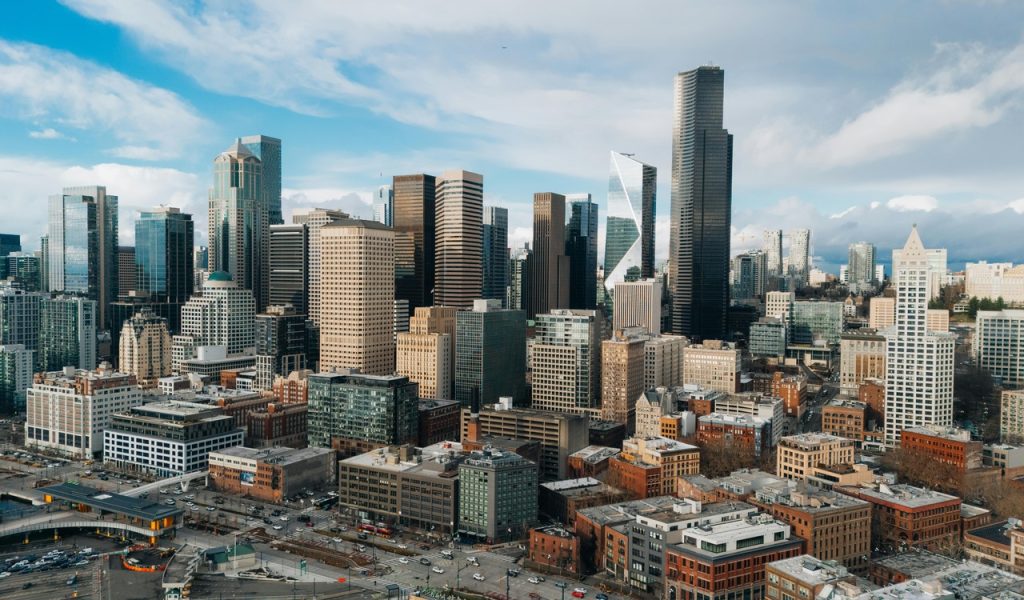
Seattle hotel security issues connect to surrounding street conditions and staffing constraints. Open lobbies invite public access. Package theft incidents continue increasing. Parking structures face break ins. Staffing shortages reduce overnight monitoring. Proximity to transit hubs increases foot traffic. Guests report inconsistent enforcement of access policies. Hotels rely on surveillance systems. These challenges reflect broader urban trends, including visible homelessness and property crime, complicating efforts to maintain secure yet welcoming hotel environments in central neighborhoods and tourist districts. Local conditions continue evolving, demanding security strategies from hotel operators.
Washington, D.C.
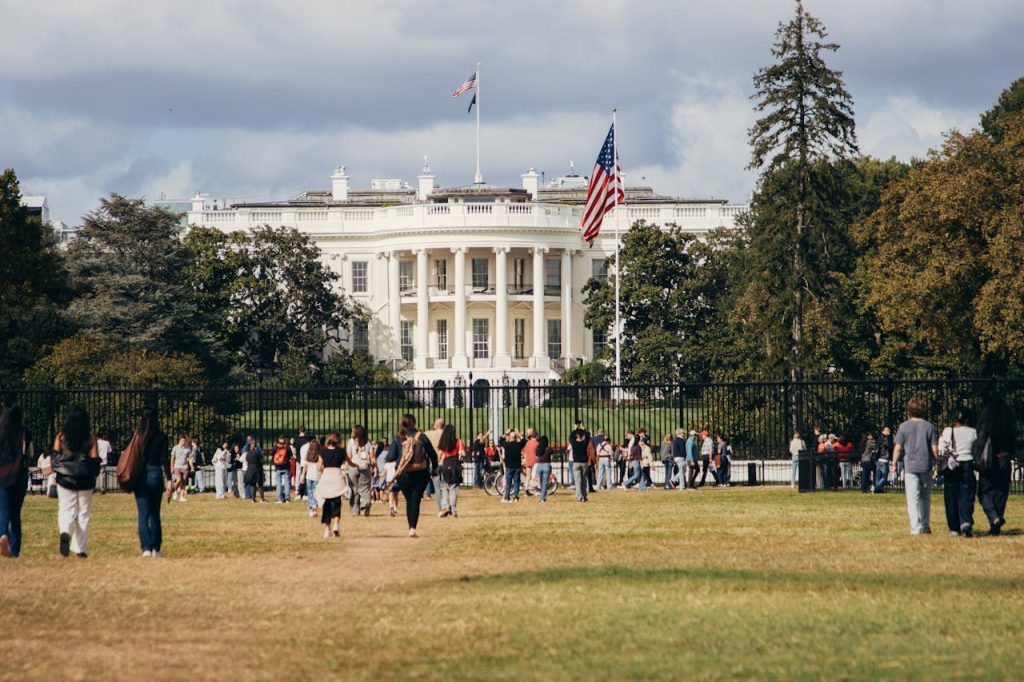
The Washington, D.C. hotels face security concerns tied to political activity and public events. Protests and demonstrations affect access. Large properties manage fluctuating crowds. Staffing shortages impact monitoring. Public access lobbies remain open. Package handling requires oversight. Coordination with authorities becomes routine. Guests notice heightened measures during events. Hotels balance openness with vigilance. These challenges reflect the city’s role as a political center, where tourism, government activity, and public demonstrations intersect near major hotel corridors daily. Local conditions continue evolving, demanding security strategies from hotel operators.