11 U.S. Cities With the Most Confusing Parking Enforcement
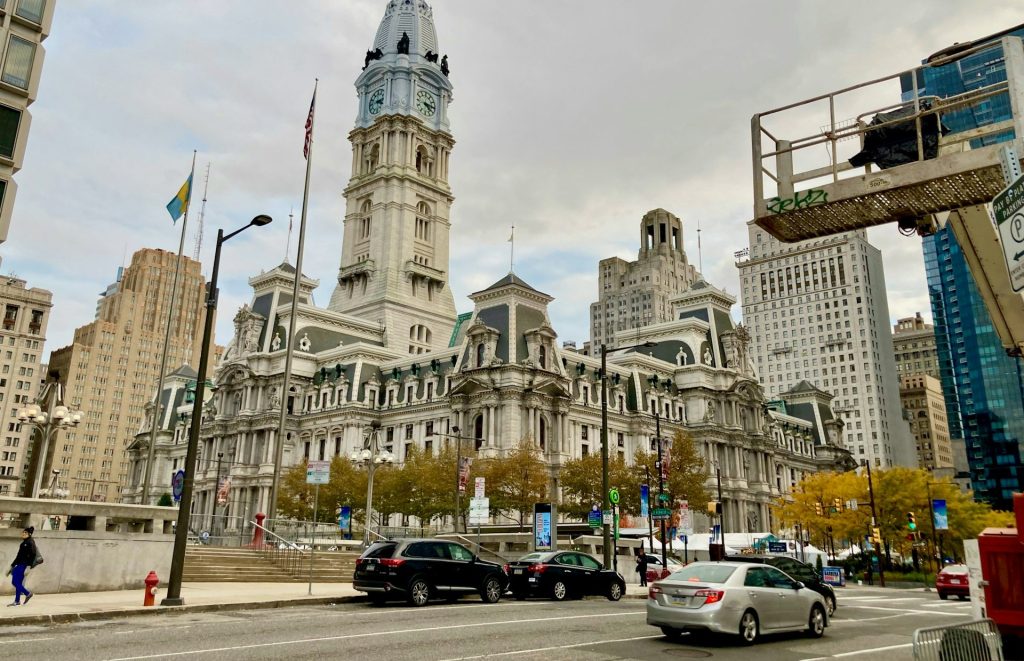
Parking enforcement in the United States is rarely simple, but some cities make it feel like decoding a crowded bulletin board. Rules change by block, hour, season, and neighborhood, and signs often stack arrows, exceptions, and payment instructions in one place. Add street cleaning, special events, resident permits, and rush-hour curb lanes, and even careful drivers can misread what applies right now. In the places below, confusion is less about one rule and more about overlapping ones that shift fast.
New York City, New York
New York City parking hinges on timing. Alternate Side Parking ties legality to street cleaning windows that vary by block and street side, so yesterday’s pattern can fail across one intersection. A single pole may combine meters, bus stop limits, school-day loading, and short No Standing rush-hour windows, with arrows that apply only to part of the curb. The confusing part is the handoff from one rule to the next: a space can be legal at 2:55 p.m., restricted at 3:00 p.m., then metered again later, without the curb looking any different. Confusion spikes near bridges and tunnels, where time windows flip while traffic moves for minutes there.
San Francisco, California
San Francisco changes rules in small distances. Curb colors, permit zones, and metered hours can shift from one block face to the next, and street sweeping adds a separate schedule that overrides everything during its window. Payment can also change, with a coin meter on one side and an app zone around the corner. Temporary No Parking postings for construction, moving activity, or permitted work can appear on top of the base rules, so a driver who reads one sign correctly may still miss a second layer that starts in the next few car lengths. Hills and tight lanes make a second pass risky, so a missed arrow can cost time, twice over. On hills.
Los Angeles, California
Los Angeles feels confusing because the same street can follow different calendars. Street sweeping windows vary by neighborhood and often run on repeating weekly or biweekly patterns, so the curb that worked last week may be restricted this week. Add colored curbs, school zones, loading rules, and peak-hour limits near beaches and venues, and the sign stack becomes dense. The city’s scale makes it worse: drivers learn habits in one area and assume they travel, then discover a different exception two streets away, enforced quickly because demand is high. Event postings and film permits add sudden bans, and nearby blocks run on new hours too..
Chicago, Illinois
Chicago’s hardest surprises arrive with the seasons. Winter rules can introduce overnight no-parking windows on key streets, while separate snow-route restrictions may activate under different triggers, and the signage is not always frequent. Daytime layers still apply, including meters, permits, and time limits that change by corridor. The confusion is timing, not visibility: a car can be parked legally late at night and become ticketable before morning because a seasonal window begins. Visitors also underestimate how far arterial restrictions extend beyond downtown. Overnight switches feel abrupt, and streets can be restricted early, often.
Boston, Massachusetts
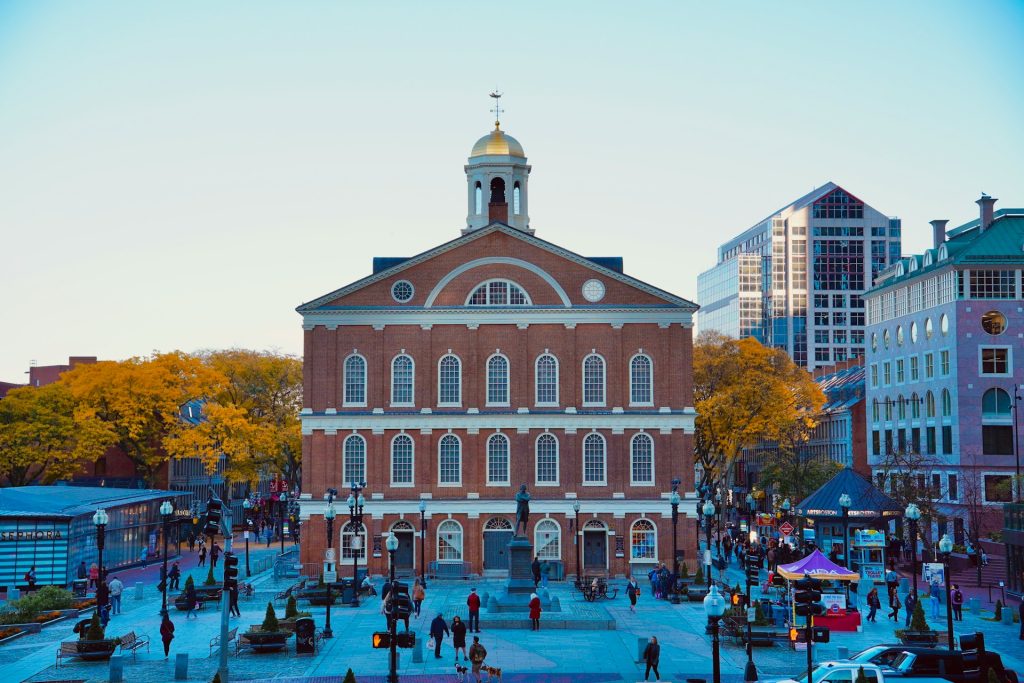
Boston stacks neighborhood rules on streets that already run narrow and irregular. Resident permit zones can be tied to small areas, and a permit that works on one block means nothing two blocks over. Street cleaning schedules vary by neighborhood and season, and signs often combine arrows, time ranges, and exceptions that require reading the entire pole. The street layout adds stress, because re-parking is slow and turnarounds are limited. A curb can look calm at lunch, then shift later when permit hours or evening restrictions begin, catching anyone who assumed continuity. Temporary postings for moves and repairs add bans that feel sudden..
Washington, D.C.
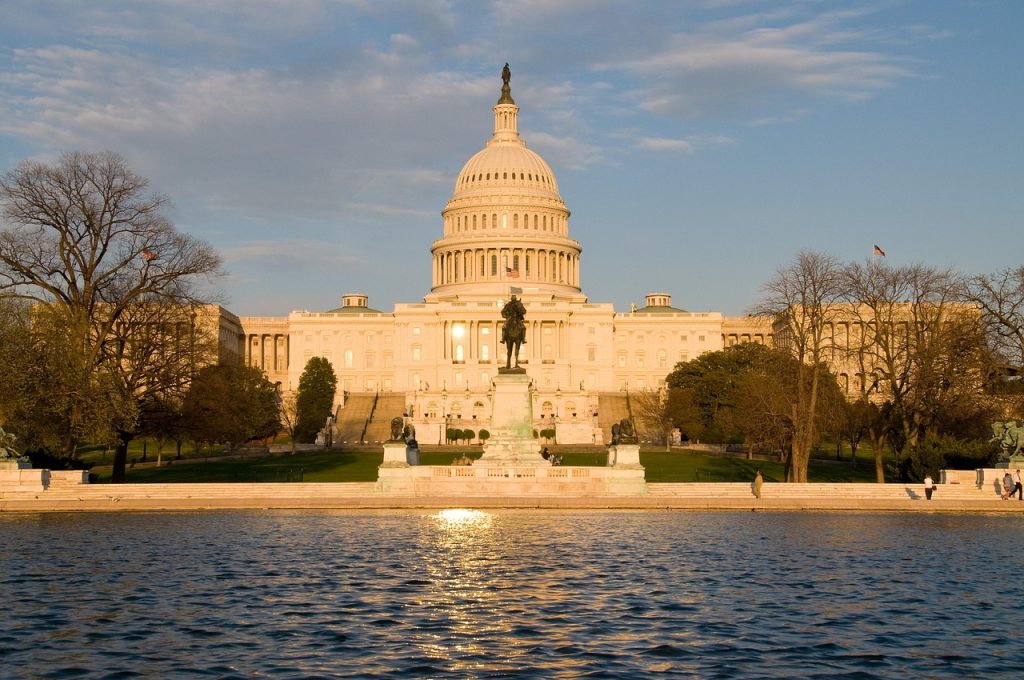
Washington, D.C., makes parking confusing through rush-hour conversions. A curb that looks like metered parking can turn into a tow-away lane during peak commute windows, then revert again after the rush. Meter hours vary by area, and resident-only zones and short loading allowances can sit on the same pole, creating a narrow slice of legal time. The city’s grid feels orderly, yet the rules change exactly where traffic is busiest: near offices, stations, and major avenues. Many drivers misread one line, then miss the second line that overrides it for two hours each weekday. A space can be legal after 6:30 p.m., yet tow-away during rush hours.
Seattle, Washington
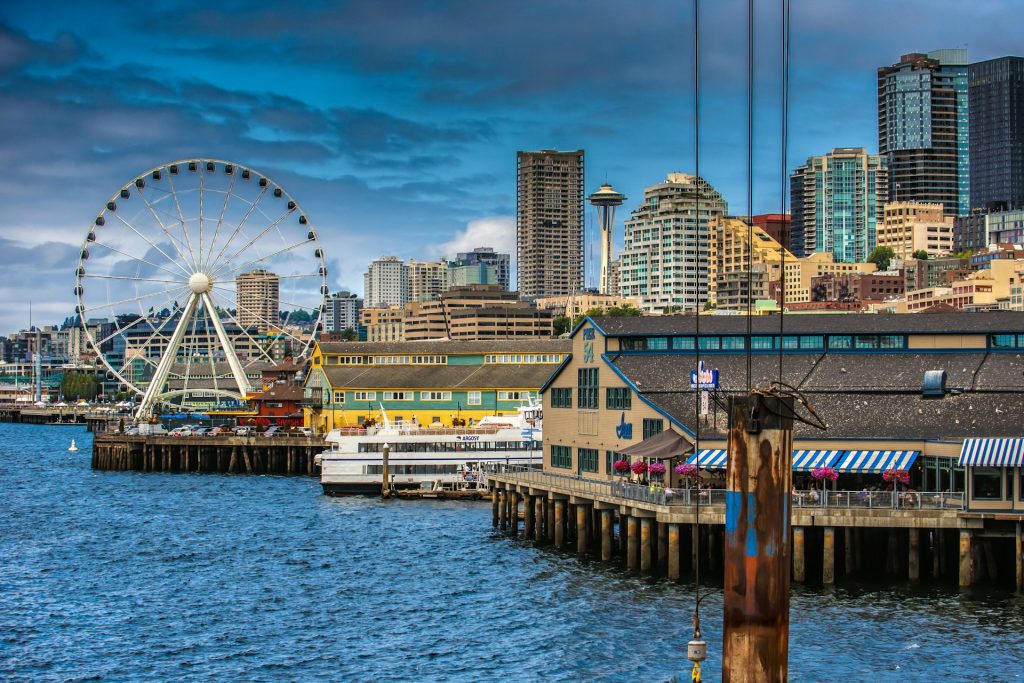
Seattle mixes paid parking, time limits, and Restricted Parking Zones in ways that feel block-specific. Non-permitted vehicles often face short posted limits, while permits extend time without guaranteeing a space, and longer stay caps still apply. Commute-hour restrictions can also appear on busy corridors, turning a normal curb into a no-parking lane during morning and evening peaks. Near campuses and transit stops, the rule can change after one turn, so a driver who understood the last sign may still be wrong on the next block. The calm street scene hides a strict clock. Paid limits vary by block, so assumptions fail after one turn often..
Philadelphia, Pennsylvania
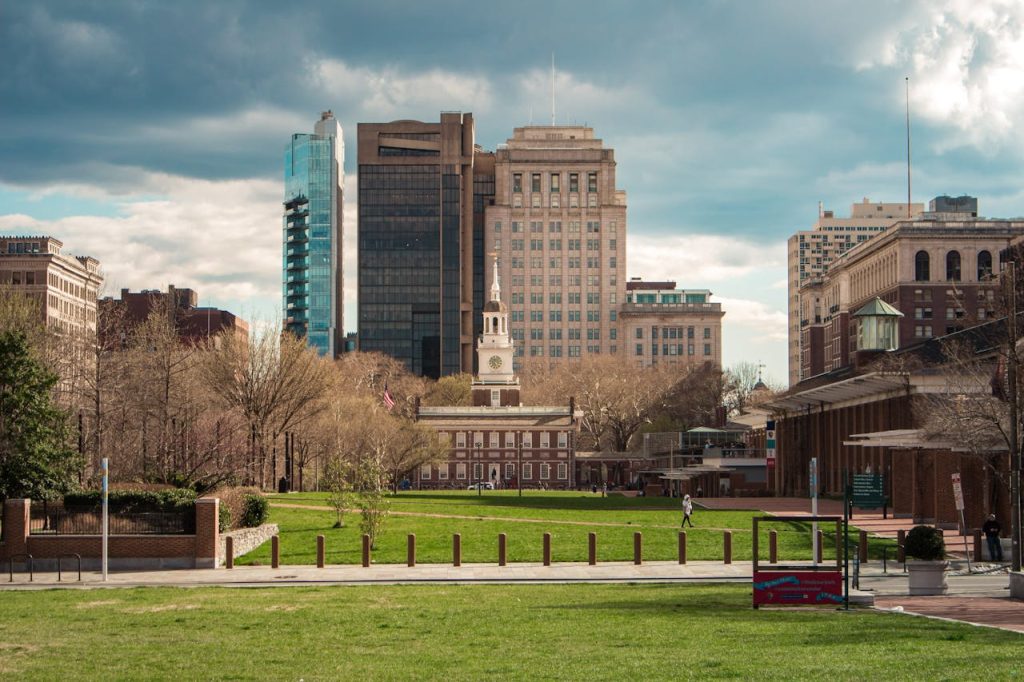
Philadelphia’s confusion comes from patchwork regulation that changes with land use. One corridor may be metered, the next permit-only, and the next limited by loading needs, all within a few intersections. Seasonal street cleaning applies only to selected areas, so two similar blocks can follow different schedules. Add school-day restrictions, event detours, and temporary postings, and enforcement becomes hard to predict without local knowledge. The trouble is that each rule makes sense alone, but together they create a stack that is easy to misread while driving. The penalty is time lost chasing clarity. Late-night rules can flip at 10 p.m.
New Orleans, Louisiana
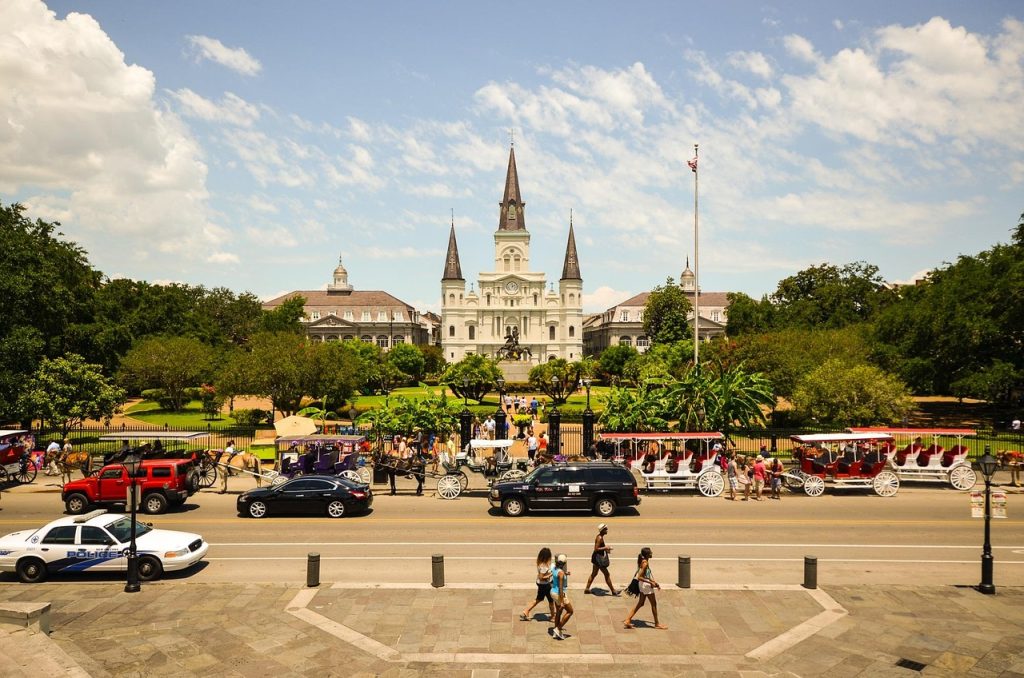
New Orleans parking becomes confusing when events reshape the street grid. Parade routes and festival corridors can trigger tow-away restrictions tied to start times and cleanup needs, so a curb that seems normal at noon may be restricted hours before crowds arrive. Temporary closures, bagged meters, and detours create spillover rules on nearby blocks, and the pattern can change across weekends. In older neighborhoods, sign spacing can be uneven, and visitors rely on intuition that does not match the event calendar. The result is a city where parking is governed as much by schedule as by signage. Parade windows can bag meters without warning.
Miami Beach, Florida
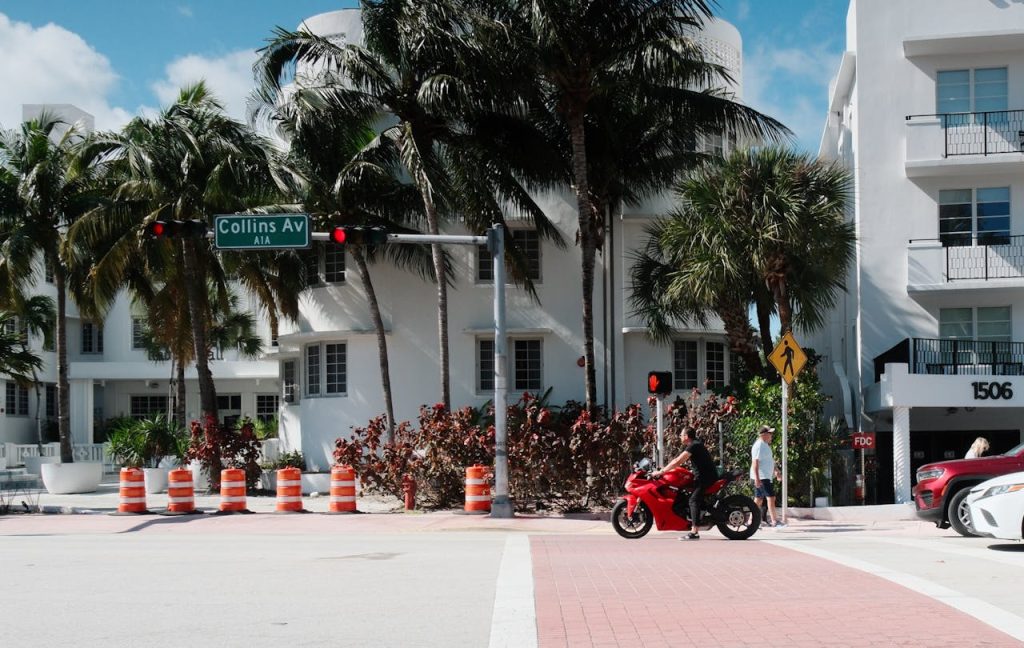
Miami Beach mixes meters, permits, and tow-away zones in a tight area where conditions shift with weekends and events. Dense resident zones sit beside visitor-heavy corridors, and time limits can change by block face, so two curbs that look identical may follow different rules. Beach traffic adds pressure, and signage can be hard to absorb at night when streets are crowded. The stakes also feel higher because towing and release fees can pile up quickly after a mistake. Confusion grows when local policies treat residents differently in certain situations, creating expectations that visitors do not share. Nightly glare makes signs easy to miss.
Denver, Colorado
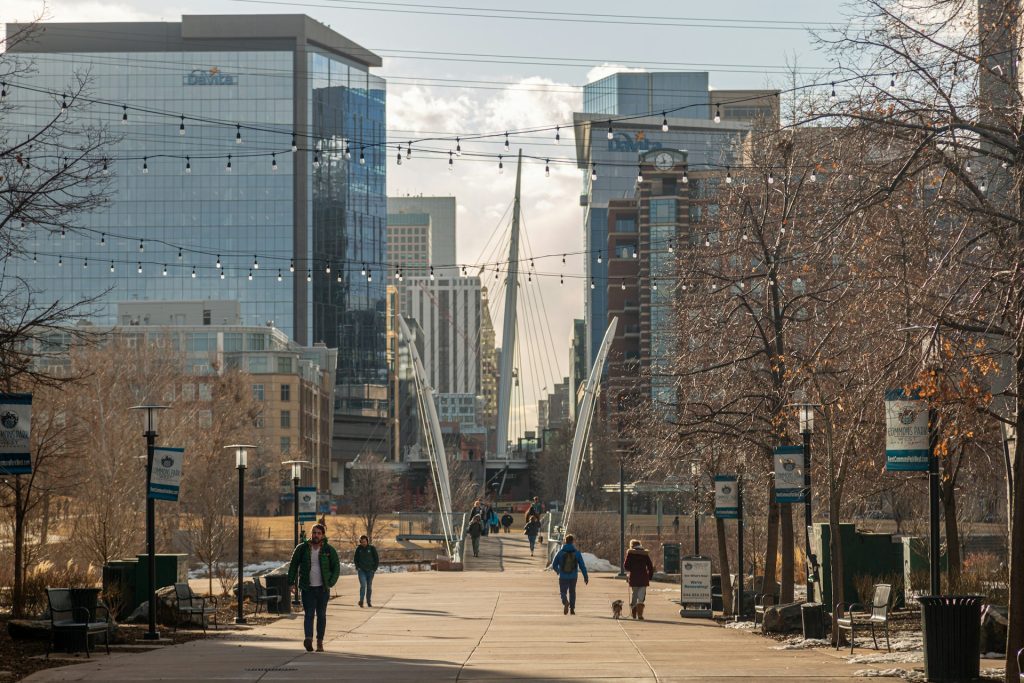
Denver confuses drivers with rules that sound broad but apply narrowly. Residential permits often exempt a vehicle from posted time limits only within a defined block or zone, not across a whole neighborhood, and boundaries can shift at corners. Street cleaning schedules, corridor changes, and new curbside plans can redraw restrictions in ways that are logical on a map but hard to spot from the driver’s seat. In busy districts, one side street may be permit-exempt while the next is not. A careful read of one sign can still leave a car out of bounds by a few lengths, because the zone line is invisible. Zone lines are invisible, so feet matter.