11 U.S. Destinations That Are Calm Mostly Because Few People Visit Anymore
Some American places feel quiet not because they are hidden, but because attention shifted elsewhere. Ferry schedules, long drives, and real distance do the filtering. What remains is the good kind of calm: wildlife that acts natural, trails that do not feel staged, and nights where darkness returns on its own terms. These destinations reward patience and simple planning, then pay it back in wide horizons, clean air, and a steadier pace. In shoulder seasons, the quiet deepens, and small details take over: dock lines creaking, wind in grass, and coffee sipped without hurry. Even familiar names feel new when there’s space to stop and listen up.
Gates of the Arctic National Park and Preserve, Alaska
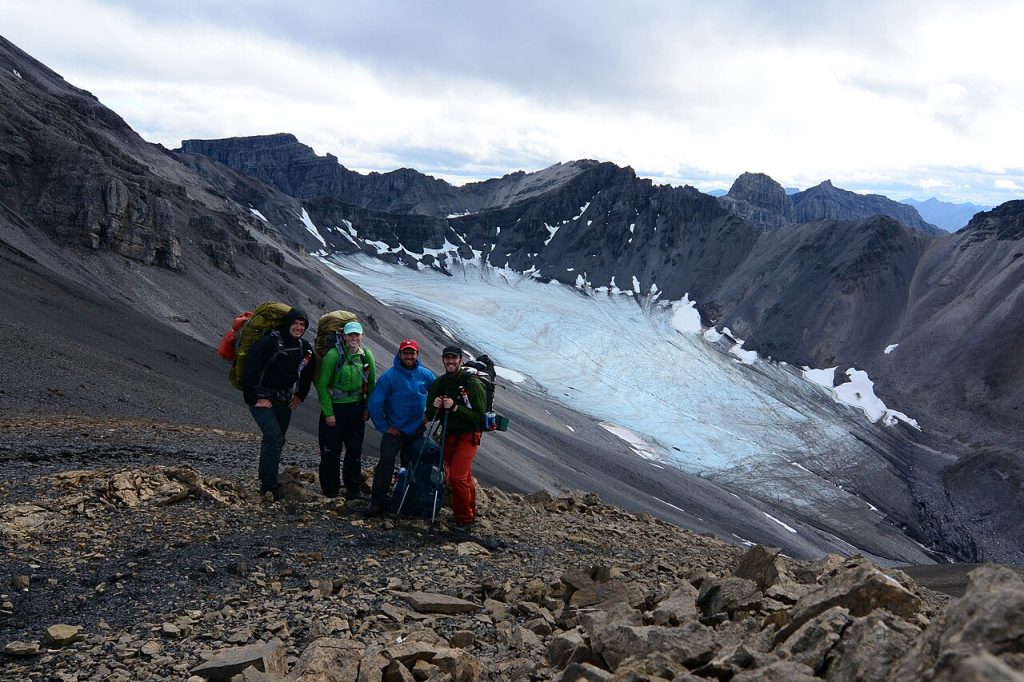
With no roads or marked trails, Gates of the Arctic rewards planning and calm decision-making. Most visitors fly into the Brooks Range, where braided rivers cut tundra and caribou tracks outnumber boot prints. The hush feels almost physical in late Aug., when light turns warm and the first fall colors creep across distant slopes. Numbers stay tiny, so the land sets the rhythm. Many base in Bettles or Coldfoot, then camp on gravel bars for days, letting weather, water levels, and daylight dictate the route instead of a rigid schedule. Even small sounds carry, from stove clicks to raven calls, and then fade.
Kobuk Valley National Park, Alaska
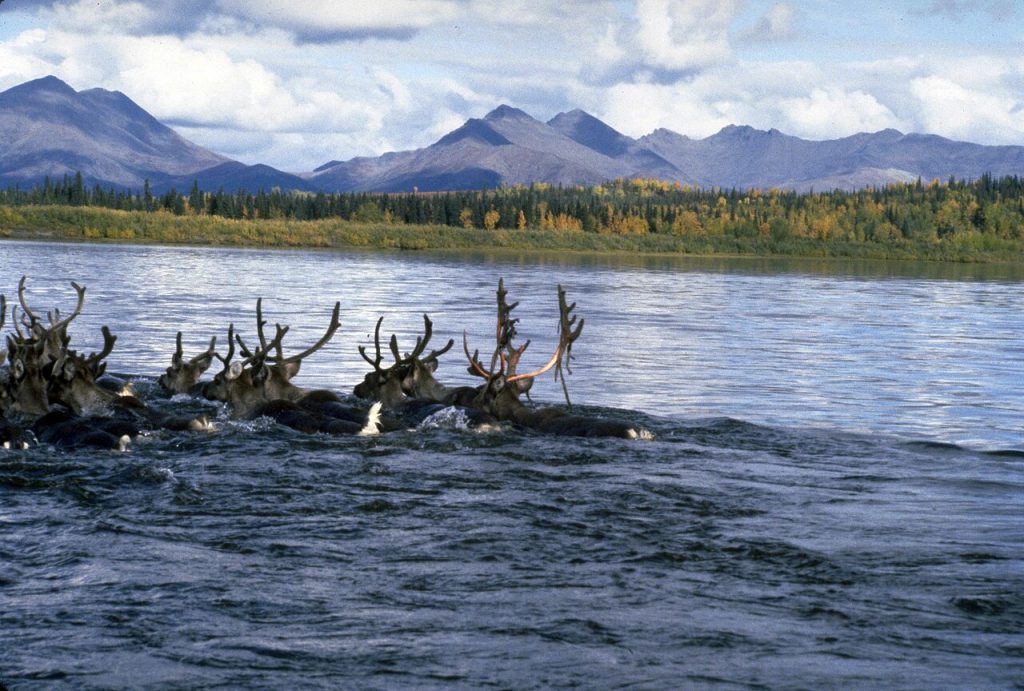
Kobuk Valley’s Great Kobuk Sand Dunes rise out of spruce forest like a mirage, and the work to reach them keeps the scene calm. Most people arrive by small aircraft, watch the forecast closely, and travel self-sufficient, which naturally limits traffic. In midsummer, the Kobuk River slides past willows under long light, and footsteps can make the sand give a faint squeak. By Sept., tundra turns rust and gold, and the empty space feels steady, not lonely. A short climb to a dune crest delivers wide, silent horizons, plus the rare pleasure of hearing nothing but wind. Cell coverage is patchy, so attention stays on the land.
Isle Royale National Park, Michigan
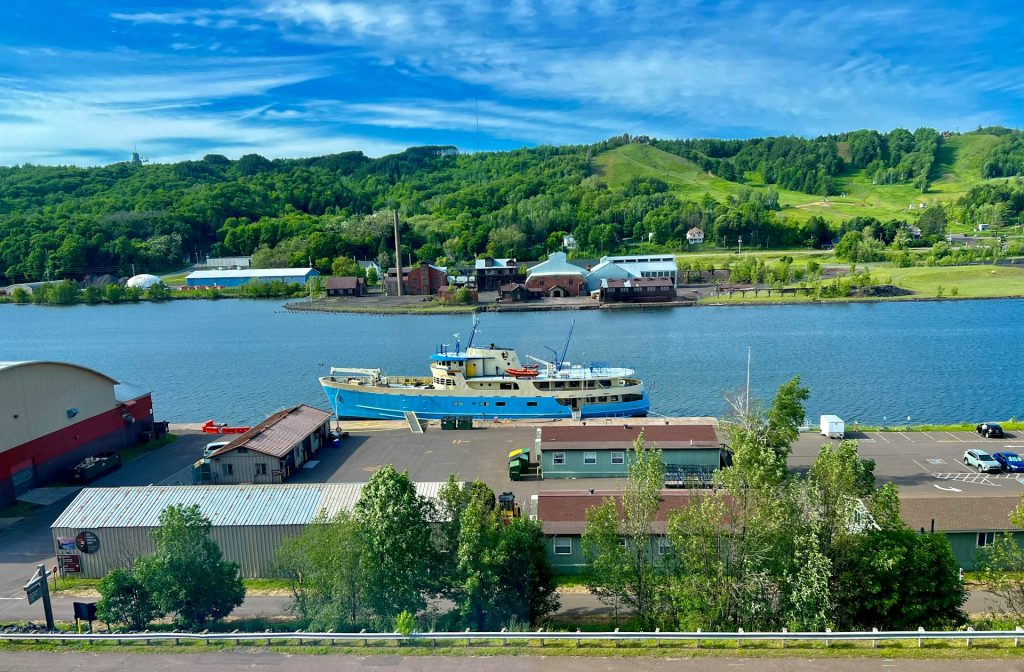
Isle Royale sits in Lake Superior, reachable only by boat or seaplane, and that extra step filters out crowds. The crossing resets expectations, and once on the island, ridgelines and coves spread hikers thin across the interior. Loons call over cold water, and the forest carries a hush that feels earned rather than curated. Campsites often feel like solitary clearings, with wolf and moose history hovering nearby. After dark, stars spill across the lake, and waves tap rock like a metronome. In late Sept., colors flare, ferries thin out, and the island slips back into its own quiet routine. Mornings arrive softly.
North Cascades National Park, Washington
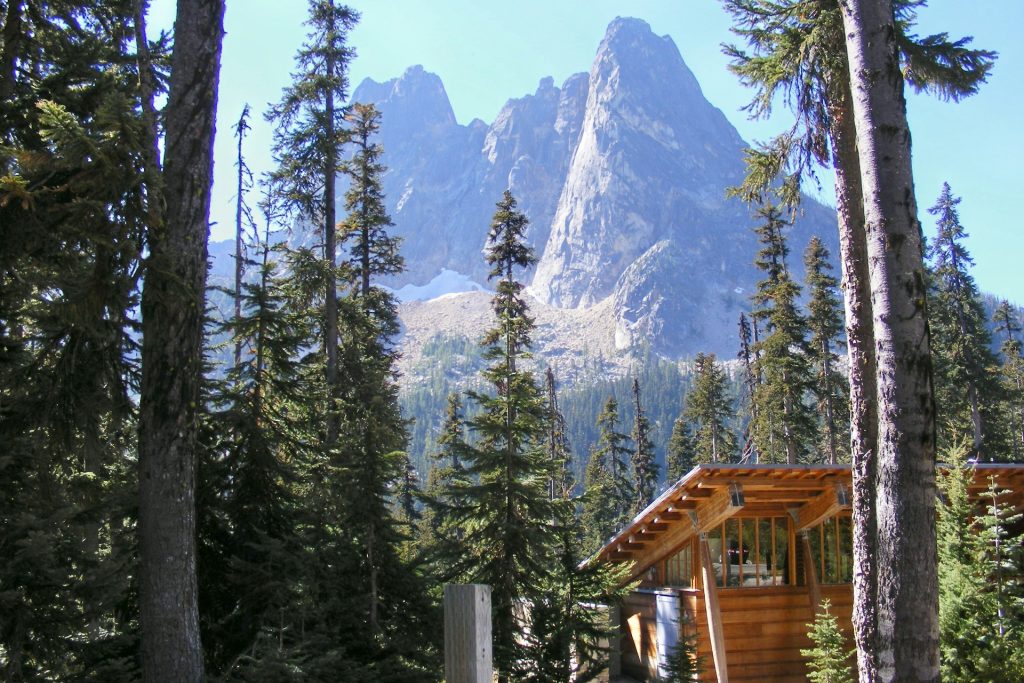
North Cascades has glaciers, sharp peaks, and bright reservoirs, yet it stays quiet because many visitors only drive Highway 20 for viewpoints. Step onto a trail and the mood changes fast, with side valleys and high passes that feel personal even in July. Short hikes can deliver waterfalls, wildflowers, and big mountain views without long waits for parking or permits. By Sept., mornings turn crisp, crowds drop, and the range settles into a steady hush broken mainly by water and wind. Even near Diablo Lake, a quick detour can lead to empty switchbacks, cold shade, and long stretches where the only sound is boots on gravel.
Lake Clark National Park and Preserve, Alaska
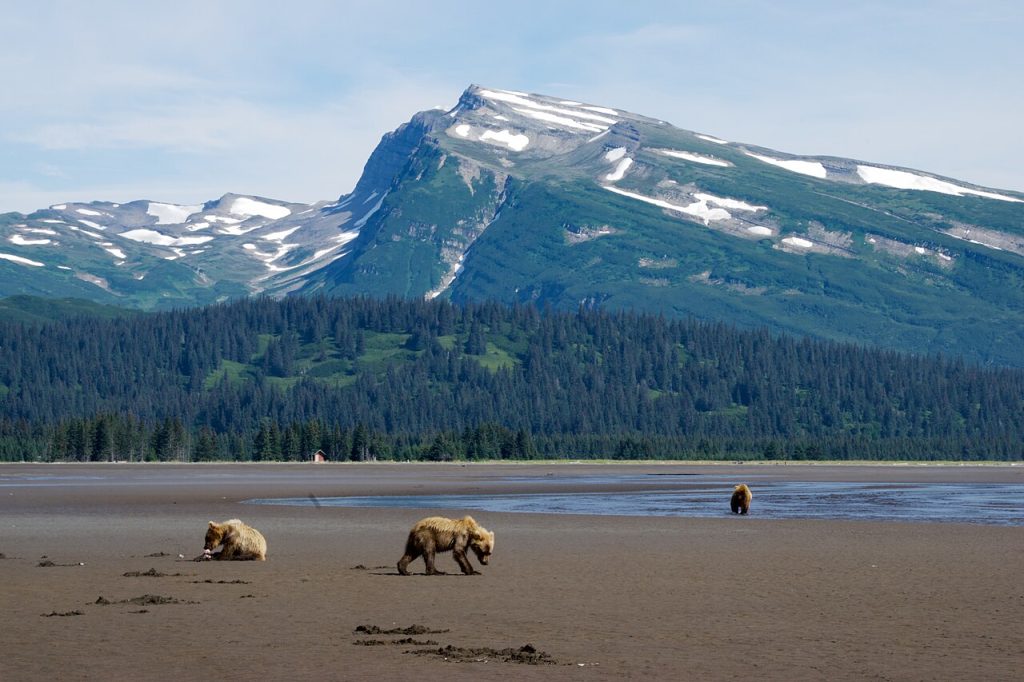
Lake Clark blends volcano views, salmon-rich rivers, and a shoreline that can flip from mirror calm to stormy in minutes. Access is the gatekeeper, with most visitors arriving by small aircraft from Anchorage and spreading out quickly once they land. Wildlife stays active in daylight, and the feeling is less spectacle than coexistence, shaped by tides and weather. A few lodges and guided trips exist, but the pace remains spacious, with long northern evenings that invite lingering. When clouds lift, mountains appear suddenly, like a curtain opening, and then the lake goes quiet again. Plans stay flexible here.
National Park of American Samoa
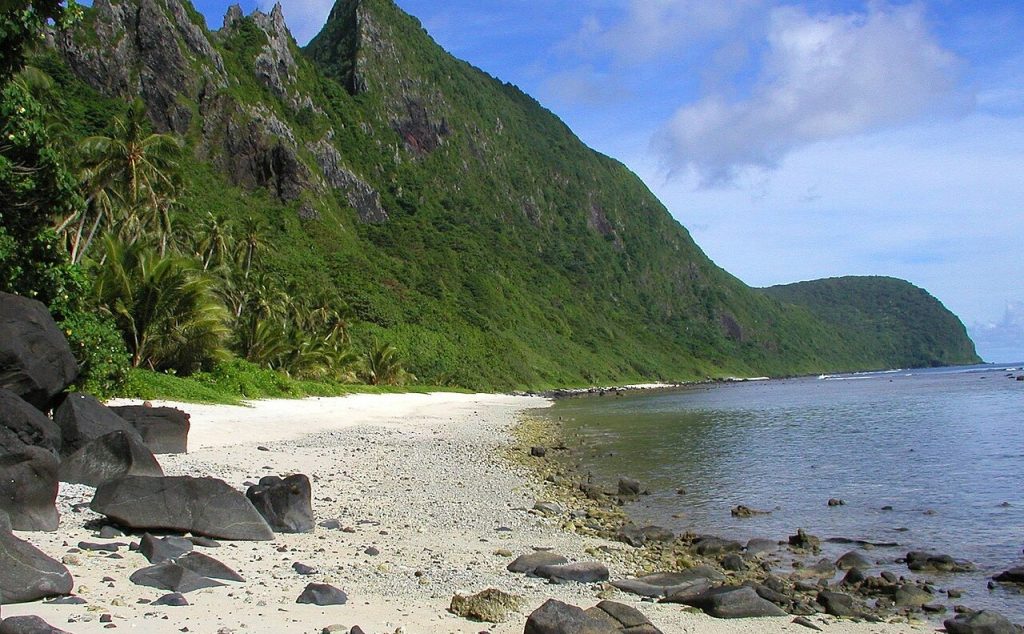
The National Park of American Samoa stays calm largely because getting there takes intention, not a quick weekend detour. Rainforest climbs steep ridges above villages, while reefs glow in clear lagoons just offshore. Trails pass banyan trees and breadfruit, then open to viewpoints where wind and seabirds fill the soundscape. The quiet is not emptiness; it is lived-in gentleness shaped by local stewardship and small-scale travel. On Ofu and Tutuila, beaches stay broad and unhurried, and evenings arrive with church songs and soft surf instead of nightlife. Even a short swim can feel like time slowing down.
Great Basin National Park, Nevada
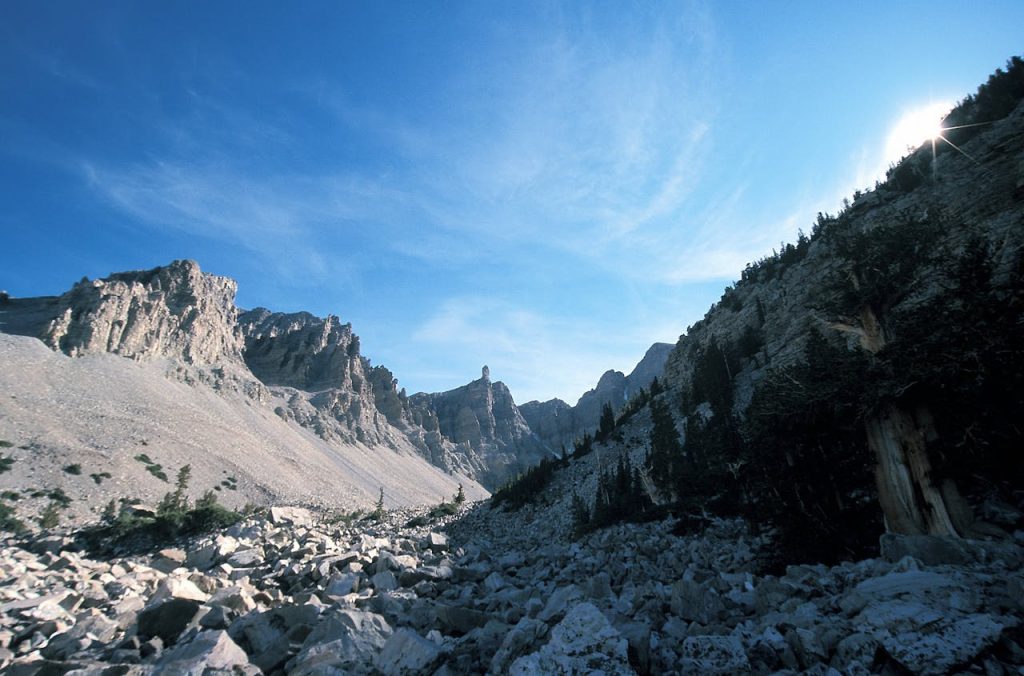
Great Basin rarely lands on a first-time road trip list, which is why it feels spacious even in summer. The high desert looks spare from afar, but up close it layers ancient bristlecone pines, alpine lakes, and Lehman Caves into one compact landscape. The road climbs toward Wheeler Peak, yet pullouts and side trails can still feel private, with no rush to move along. On clear nights, stars crowd the sky, helped by minimal nearby development and famously dark conditions. In early Oct., cool air arrives, aspens glow, and the silence feels almost alpine, with only wind and small night sounds for company.
Guadalupe Mountains National Park, Texas
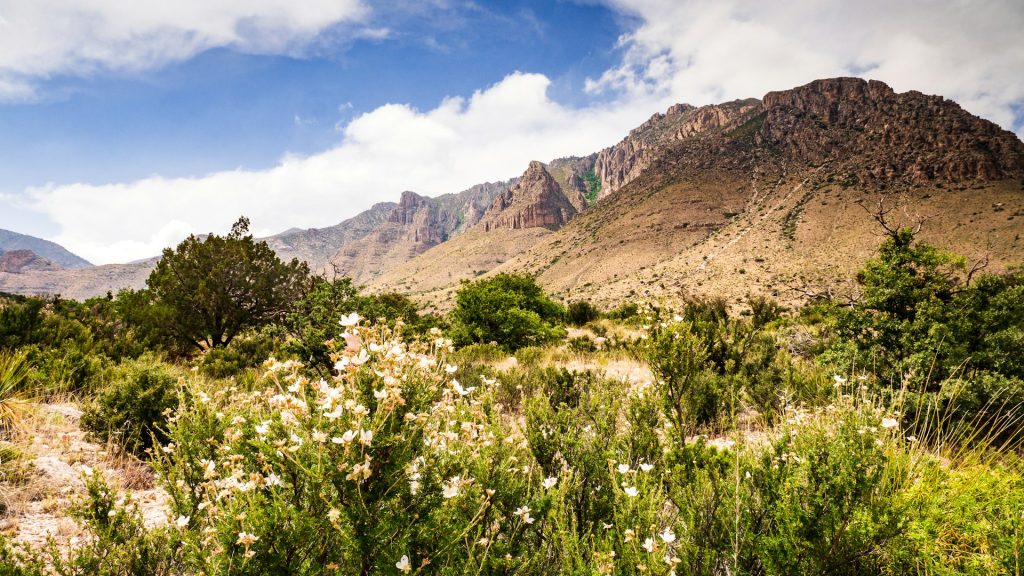
Guadalupe Mountains stays calm because it asks for effort: long drives, little shade, and trails that climb fast into sun and wind. That friction keeps many routes from feeling crowded, even on mild weekends when other parks feel packed. Limestone ribs, desert plants, and wide views stretch toward New Mexico with very little city glow to soften the night. Come late Oct., cooler days and clear light make the canyons feel carved and still. McKittrick Canyon’s fall color draws attention, but remoteness keeps the pace relaxed, and the quiet returns the moment hikers turn back. Early starts often mean having long ridgelines to oneself.
Dry Tortugas National Park, Florida
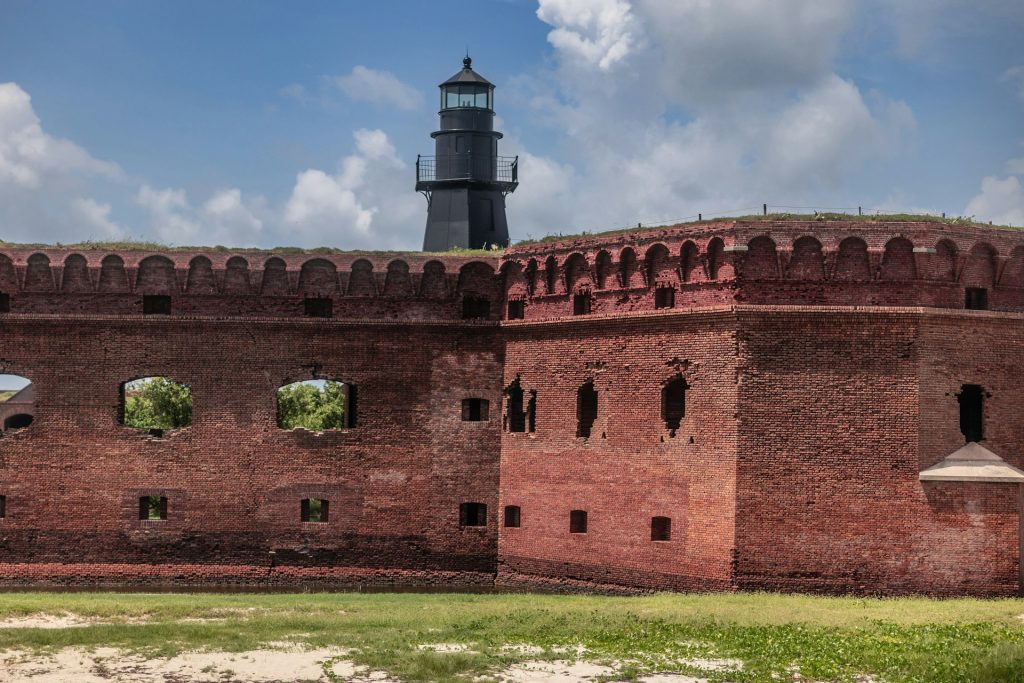
Dry Tortugas sits near Key West on a map, but ferry schedules and open-water crossings keep it from feeling busy. Fort Jefferson rises from the sea like a brick outpost, surrounded by water so clear it seems unreal. Most visitors stay only a few hours, which leaves early morning and late afternoon surprisingly quiet on the ramparts. Snorkeling reveals coral and bright fish, while the horizon stays empty in every direction but sky. When weather cancels boats, the calm deepens, as if the islands are taking the day back. Overnight campers are few, so nightfall arrives with starlight and gentle wave sound.
Cumberland Island National Seashore, Georgia
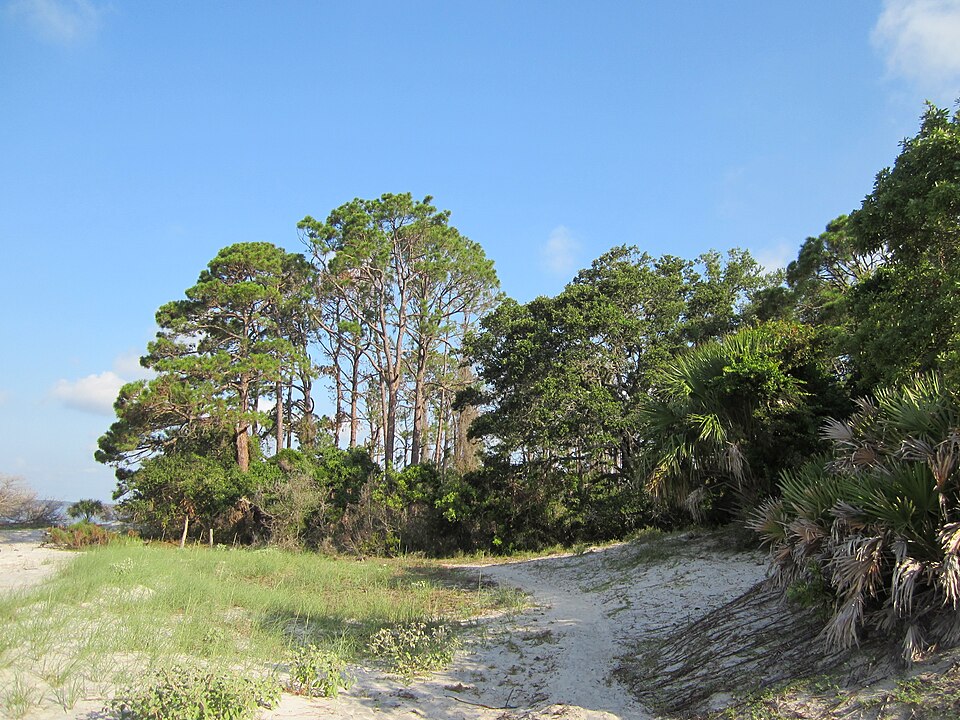
Cumberland Island stays quiet because it is harder to reach and lightly managed once visitors arrive. A ferry from St. Marys caps daily numbers, so the shoreline rarely feels crowded even on bright weekends. Wild horses wander near dunes and maritime forest, and weathered mansion ruins sit back from the beach like unfinished stories. Long walks invite slowness, not checklists, and the lack of traffic noise makes every ocean sound sharper. When the last boat leaves, quiet settles in and the sea takes over the soundscape. With no shops on the island, plans stay simple, and the pace naturally follows tide, light, and weather.
Pictured Rocks National Lakeshore, Michigan
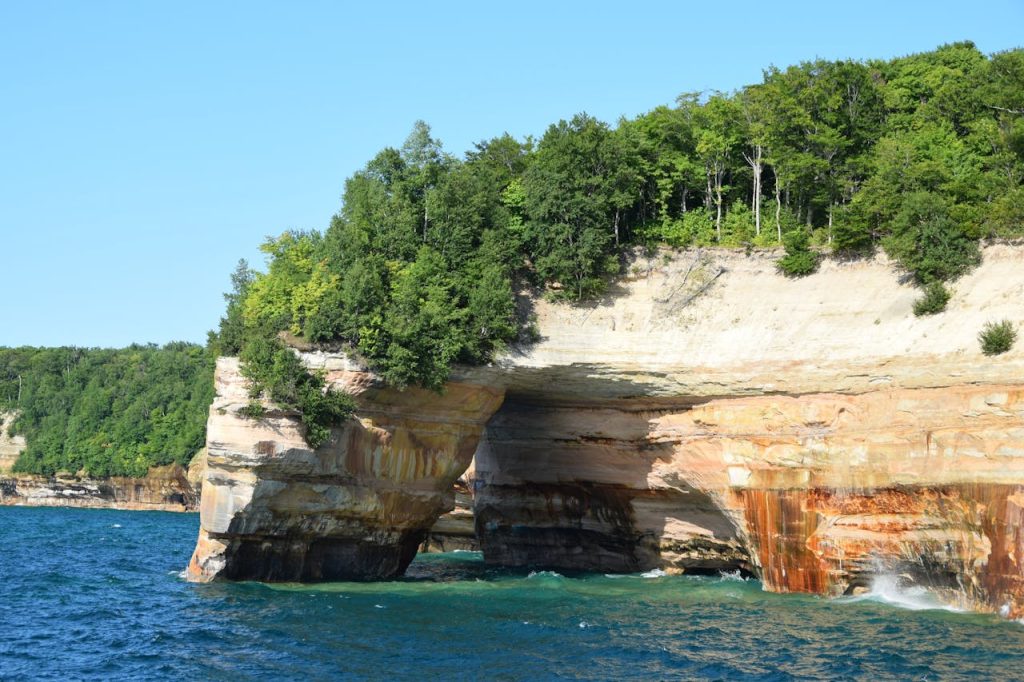
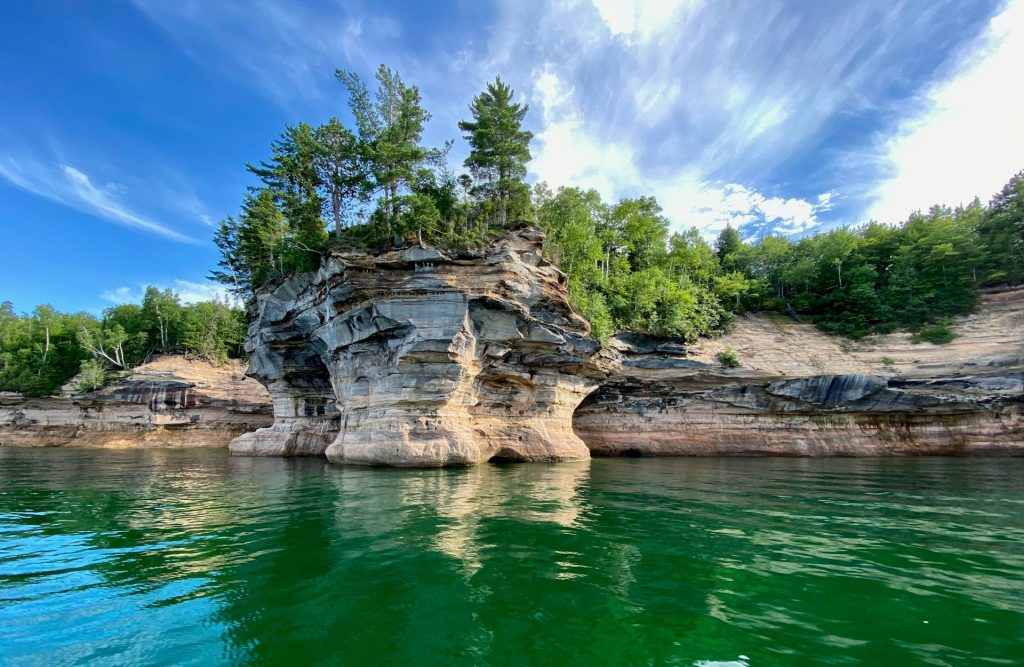
Pictured Rocks is well known, but many people come for an overlook or a summer boat ride and then move on quickly. Away from the busiest access points, cliffs and beaches open into quiet coves where waves echo off sandstone. The Chapel Loop and long shoreline stretches can feel empty on cool mornings, when mist softens the rock’s color and footsteps sound muted. Autumn brings fewer boats and a calmer soundscape as maples flare and Lake Superior steadies. The peace is earned by lingering and walking farther than the nearest parking lot, so the cliffs feel like they belong to wind, water, and time. Even midday can feel slow.