11 U.S. Destinations That Are Manageable With Kids — Not Fun

Parents often measure a trip by what goes wrong, not what looks exciting in photos. A manageable destination keeps walking distances reasonable, offers predictable transit, provides clean restrooms, and supports early bedtimes without constant friction. These places may not rank as thrill packed playgrounds, yet they reduce daily stress through short drives, stroller friendly routes, and plenty of low key breaks. Museums with open space, parks with shade, and compact downtowns can make a difference. Here are eleven U.S. destinations that tend to feel workable with kids, even when the fun stays understated.
Washington, D.C. National Mall Area

The National Mall area in Washington, D.C., supports families because many major Smithsonian museums offer free admission and sit within a walkable core. That setup reduces ticket lines and limits long drives between stops. The Mall also provides open lawns for breaks, and Metro access helps avoid parking stress. Many attractions keep predictable hours, which helps planning around naps and meals. Crowds can be heavy, yet the wide paths and frequent security presence create order. The focus often stays educational rather than playful, but the overall structure makes daily logistics easier.
Chicago Museum Campus And Lakefront
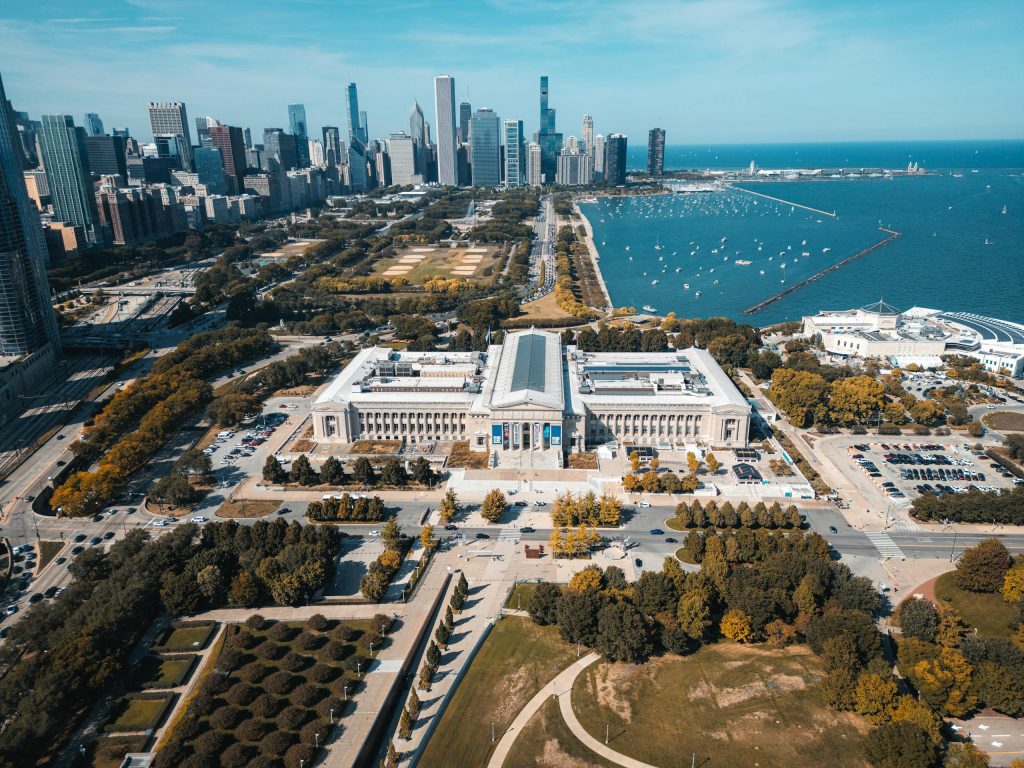
Chicago’s Museum Campus groups the Field Museum, Shedd Aquarium, and Adler Planetarium close together near Lake Michigan, which simplifies movement with kids. Families can pair indoor time with lakefront paths and nearby parks without crossing the entire city. Public transit, rideshare zones, and clear signage reduce confusion, and many restaurants offer family friendly seating. The area can feel busy, yet the shoreline provides space to reset between timed entries. While the museums lean toward learning and lines can be long, the clustered layout helps keep a day from unraveling.
San Diego Balboa Park Core

Balboa Park in San Diego concentrates museums, gardens, and the San Diego Zoo within one large, well marked district. That density limits car time and allows flexible pacing, including returning to the same shaded benches and plazas. The climate often stays mild, which helps with outdoor breaks and stroller walks. Parking can be tight, but the overall environment supports predictable routines with restrooms and food options nearby. Many experiences feel more calm than thrilling, especially inside museums, yet the park’s design and sidewalks keep family logistics manageable.
Boston Freedom Trail Neighborhoods
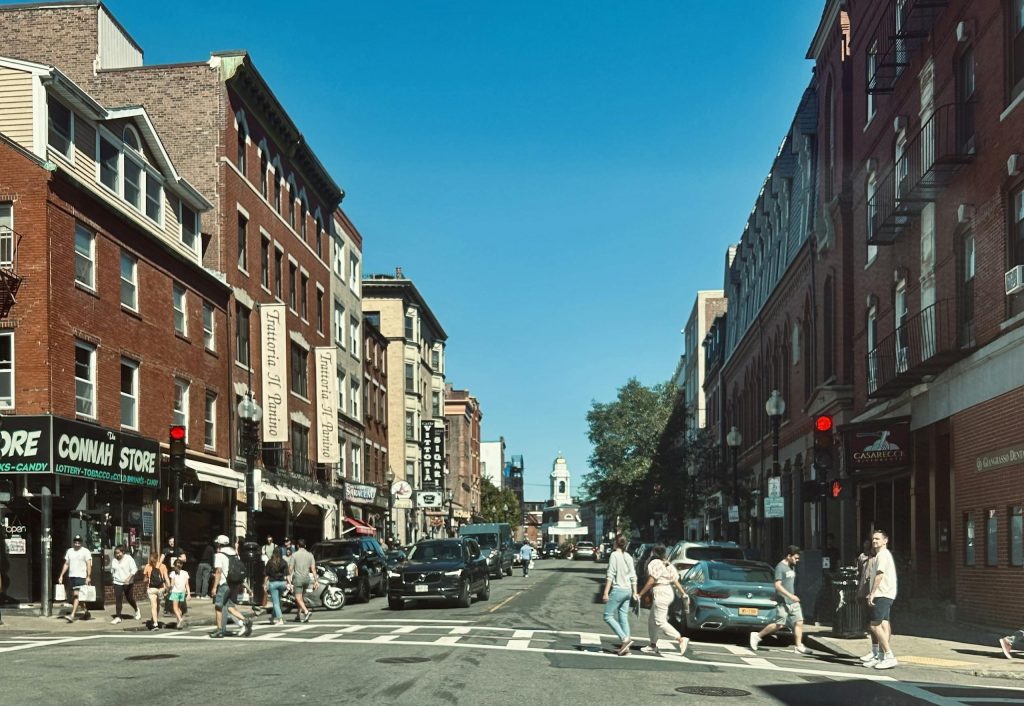
Boston’s Freedom Trail connects many historic sites through compact neighborhoods that support short walks and frequent stops. The route passes parks, cafés, and indoor attractions that can serve as backup when weather turns. Public transit access through the MBTA helps reduce dependence on a car, and many sidewalks handle strollers, though some areas include brick and uneven surfaces. The educational focus keeps the pace steady rather than high energy, and the story based stops can be brief. The payoff is a city layout that makes planning simpler across multiple days.
Williamsburg Virginia Historic Area

Colonial Williamsburg organizes its historic district with clear boundaries, pedestrian friendly streets, and reliable services that help families stay oriented. Many activities take place outdoors, which allows flexible timing and quick exits if attention spans fade. Nearby lodging and dining options reduce long drives, and the adjacent shopping area provides predictable food and restrooms. The content is structured and interpretive, so it may feel more like a living museum than a high energy attraction. Still, the calm pace and controlled environment often make days easier to manage with kids.
Minneapolis And St Paul Along The Mississippi

The Twin Cities offer family manageable travel because many key attractions sit near each other, and traffic often feels less intense than in larger coastal metros. Parks and riverfront trails provide easy outdoor breaks, and major museums and indoor options help when weather shifts. The light rail connects several areas, which reduces driving stress, though winter cold can limit outdoor time. The overall vibe leans practical rather than flashy, with steady options for meals and rest. For families prioritizing smooth routines over nonstop excitement, the region can feel comfortably workable.
Portland Maine Old Port And Waterfront

Portland, Maine, stays compact, and the Old Port waterfront area supports families with short blocks, walkable dining, and simple sightseeing. Many activities involve browsing shops, harbor views, and casual boat rides, which can be paced around snack stops and stroller naps. The city center remains manageable in scale, and nearby beaches or lighthouses can fit into half day outings. Weather can change quickly, yet cafés and indoor stops provide fallback. The destination often feels calm rather than thrilling, but the small footprint and straightforward layout can reduce daily friction.
Charleston Historic District

Charleston’s historic district offers a predictable rhythm for families because many sights sit close together, including parks, waterfront paths, and short tours. The area supports walking and carriage free routes, and many restaurants accommodate early dining. Summer heat and humidity can make midday difficult, so planning often centers on shade and indoor breaks. The appeal leans toward architecture and history, which may not feel exciting for every child. Still, a compact core, frequent public spaces, and clear landmarks help keep logistics under control during multi day stays.
Honolulu Waikiki And Ala Moana Area
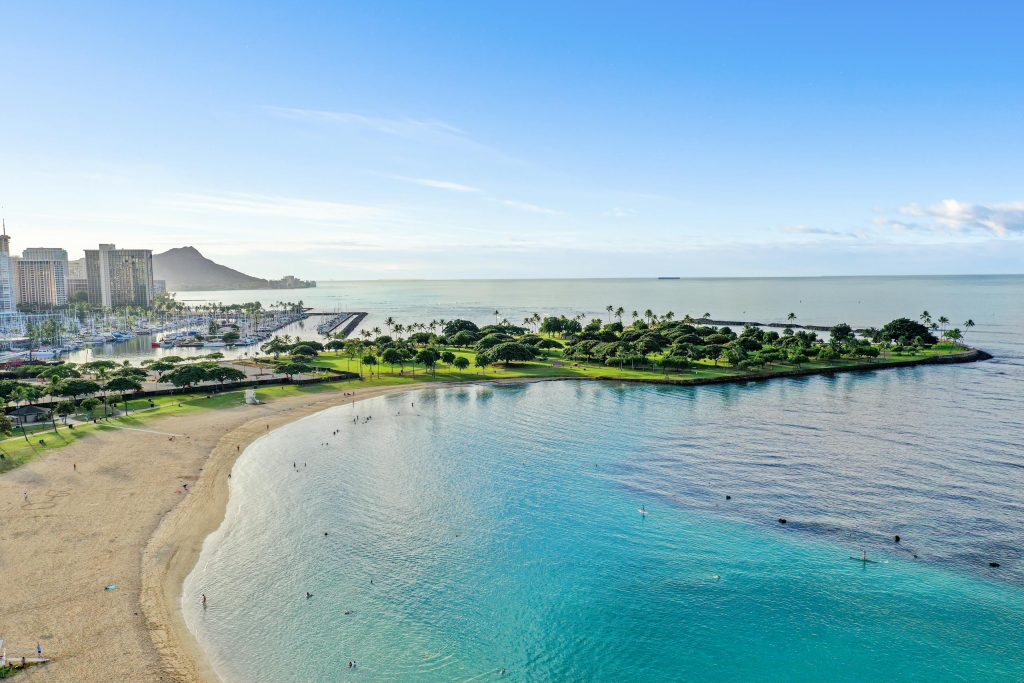
Honolulu’s Waikiki area can be manageable with kids because hotels, beaches, and basic services cluster tightly, reducing long drives. Calm shoreline sections and predictable lifeguard presence support low stress beach time, and nearby Ala Moana Center adds indoor options for meals and breaks. Public transit and short rideshare trips help with simple outings, though costs can be high and crowds can be dense. The trip can feel more routine than adventurous when staying in the core, yet the convenience of walkable access to essentials often helps families stay regulated.
Orlando Beyond The Theme Parks

Orlando can still feel manageable for families even when skipping major theme parks, because many resorts, pools, and casual attractions operate with kid centered routines. Wide roads, abundant dining, and familiar chain services reduce uncertainty, and many accommodations provide laundry and kitchenettes that support longer stays. The city spreads out, so driving remains common, yet signage and infrastructure cater to visitors. Without big park days, activities can feel subdued, focusing on simple nature centers, playgrounds, or hotel downtime. The benefit is a predictable environment that supports schedules and recovery time.
Denver Downtown And City Park Area

Denver’s downtown and City Park area offer manageable family travel thanks to a mix of museums, open green space, and clear transit options. City Park places the Denver Museum of Nature and Science and the Denver Zoo nearby, which reduces cross town travel. The region’s elevation can affect energy, so many families pace early days with slower walks and extra hydration. Weather can shift, yet indoor attractions provide backups. The tone often stays calm and educational rather than nonstop fun, but the combination of clustered sites and parks helps keep daily plans on track.