11 U.S. Destinations Where Tour Buses Are Now Restricted
Tour buses once moved like clockwork through America’s busiest sights, but many places have started drawing firmer lines. Narrow historic streets, crowded curb space, and neighborhood pushback have pushed cities and parks to steer big vehicles into permits, timed stops, and designated zones. Operators can still bring groups, yet the routine looks different: quick drop-offs, remote parking, and stricter routes that keep heavy traffic off fragile blocks. For travelers, the shift often shows up as a short walk or shuttle ride. For communities, it is breathing room.
Key West, Florida
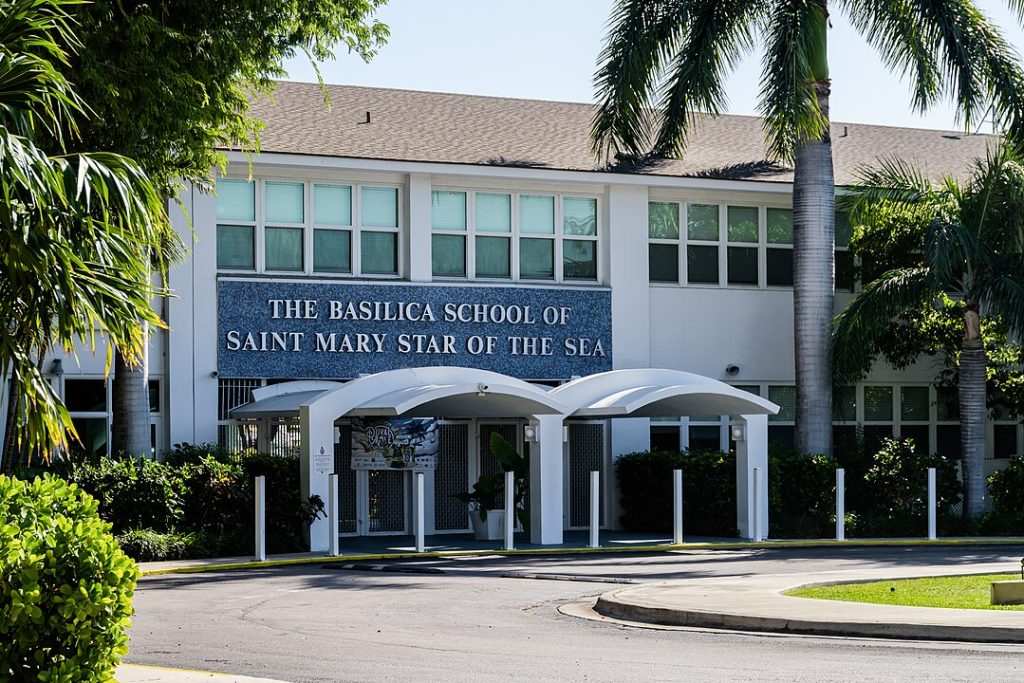
Key West protects Old Town by pushing motor coaches away from the tight downtown grid near Duval Street and the harbor. City guidance funnels large buses to a designated coach lot on Caroline Street, so operators can drop groups, park off the busiest blocks, and return on schedule instead of circling for curb space. The rule fits the island’s layout: narrow intersections, constant bike traffic, and porch-lined residential streets where one wide coach can stall everything behind it. The result is calmer curbside chaos in peak season, even if visitors walk a little farther from bus to bar, museum, or sunset view.
New Orleans, Louisiana
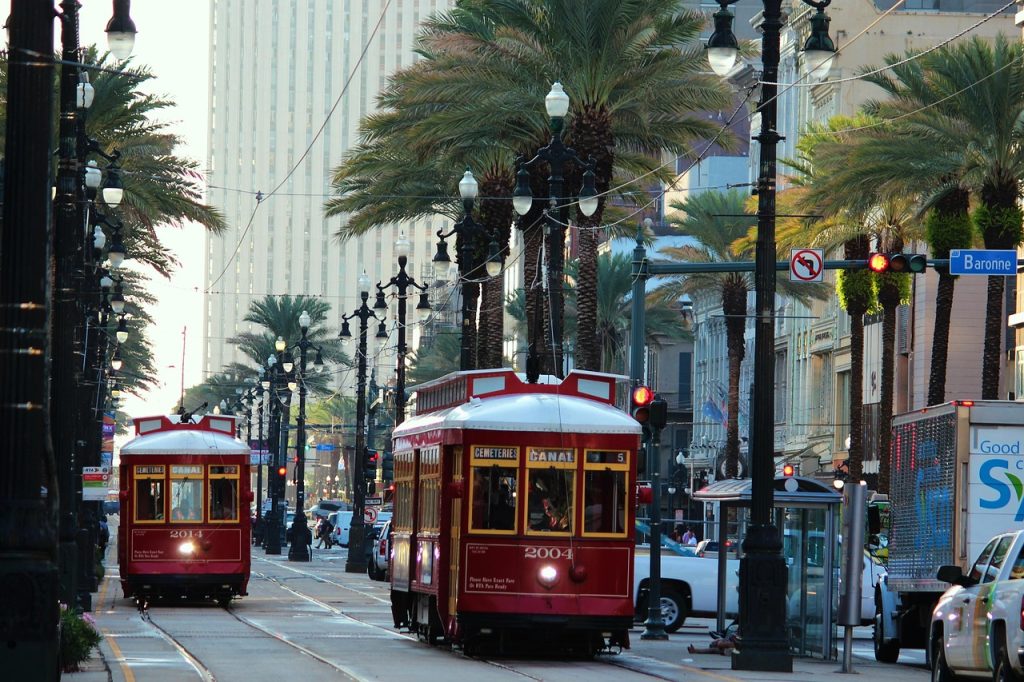
In New Orleans, the French Quarter’s beauty comes with strict street realities, and bus length matters. Guidance commonly draws a line around 31 feet, limiting longer coaches inside the Quarter and steering them toward perimeter approaches like Canal Street, with oversize permits required for certain approved movements. The goal is not to punish tours. It is to keep fragile corners, tight lanes, and heavy pedestrian flow from turning into a daily gridlock. Operators adapt with quick unloads, clearer meeting points, and less engine lingering on residential blocks, which helps the Quarter feel like a neighborhood with music, not a staging yard with idling buses.
Savannah, Georgia
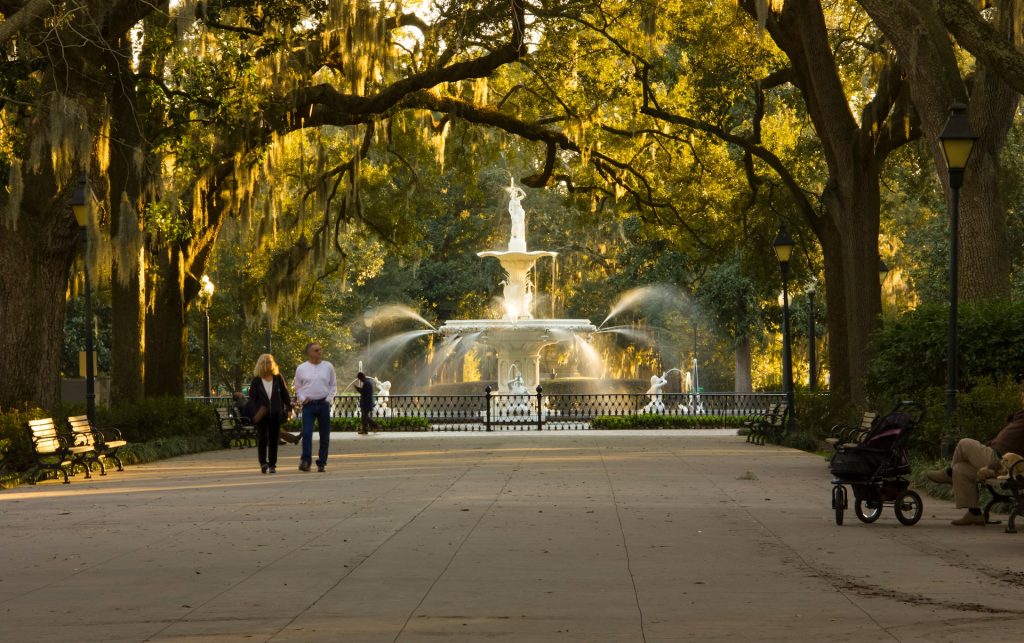
Savannah treats its Historic District like a carefully managed grid, and motor coaches have to follow permit rules that shape routing, staging, and turning choices. Coaches over 34 feet require a city permit to tour or even travel within the district, a filter that pushes big vehicles toward streets that can handle them and away from tighter lanes near the squares. The practical payoff is fewer sudden U-turns, cleaner hotel curbs, and less stop-and-go traffic around River Street and Forsyth Park when foot traffic is high. Visitors still get the story, but the streets do not get swallowed by coaches.
Washington, DC
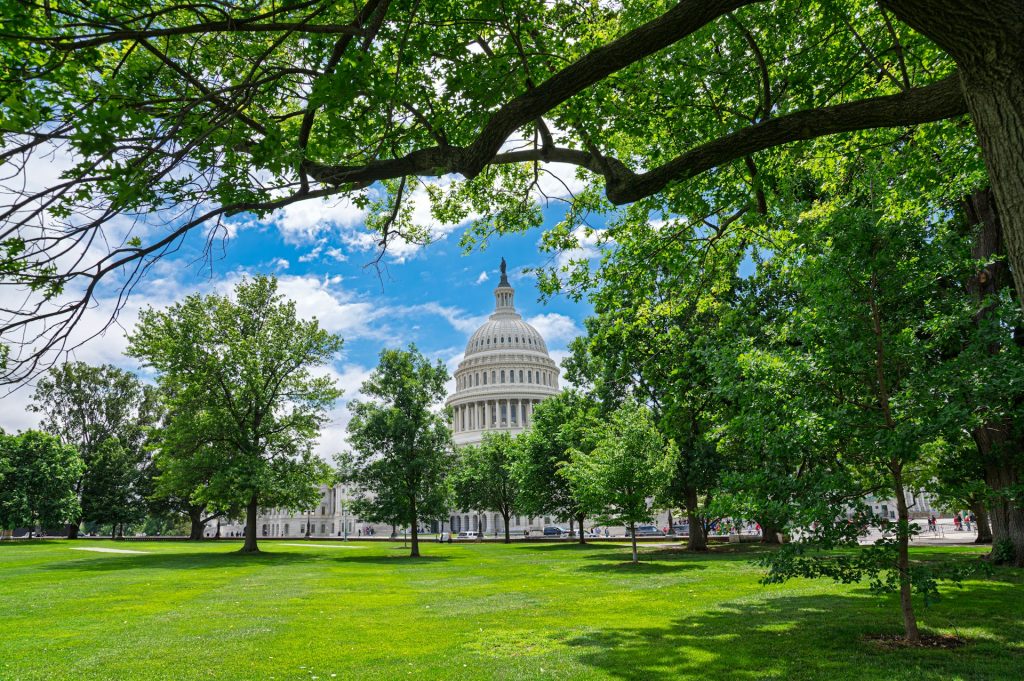
In Washington, DC, the tension is not tours. It is where a bus can wait without choking streets that already carry commuters, deliveries, and security traffic. The city identifies major attraction zones where bus parking is not allowed and relies on designated curbside loading areas with time limits, pushing long layovers to off-street lots. That changes how groups move: faster unloads, more specific meet-up points, and fewer buses idling for an hour near museums. For locals, it protects curb access and reduces bottlenecks. For visitors, it often means a short walk, but a smoother street scene around the landmarks.
Philadelphia, Pennsylvania
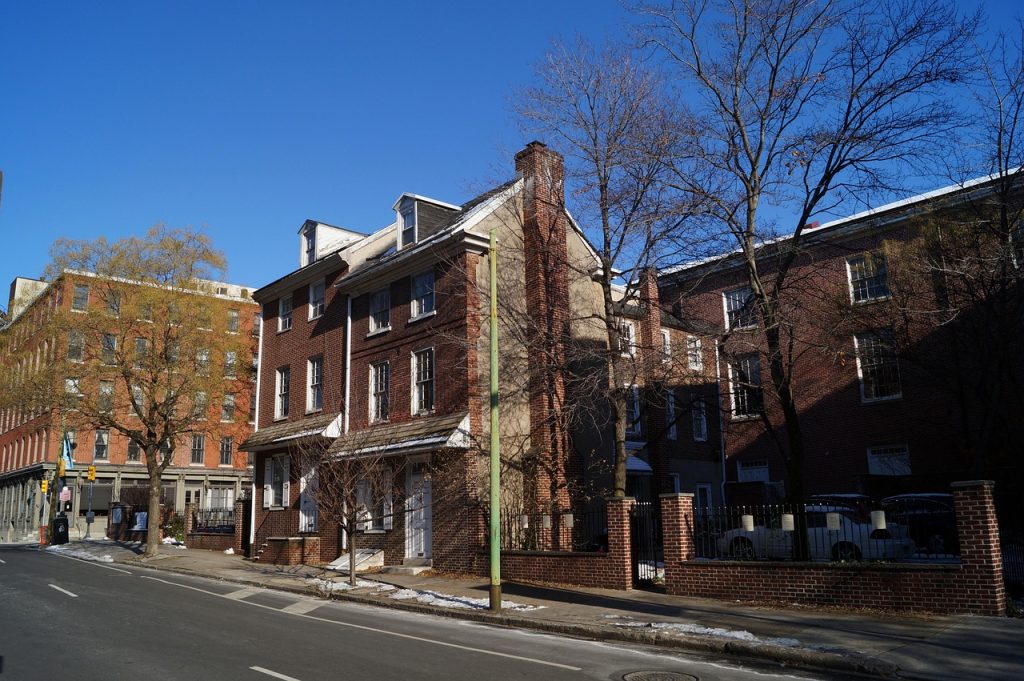
Philadelphia draws a clear line between loading and lingering, especially near historic stops that already struggle with congestion. Motorcoaches can use designated attraction locations for pick-up and drop-off, often under short loading limits, but street parking is generally restricted, so drivers shift to off-street facilities while groups tour. The difference shows up in timing. Schedules tighten, meeting points become more precise, and groups learn to move with purpose instead of drifting back to a bus that is waiting curbside. The upside is a less clogged Old City, where sidewalks, bikes, and local traffic still need to function while visitors move between Independence Mall and nearby blocks.
New York City, New York
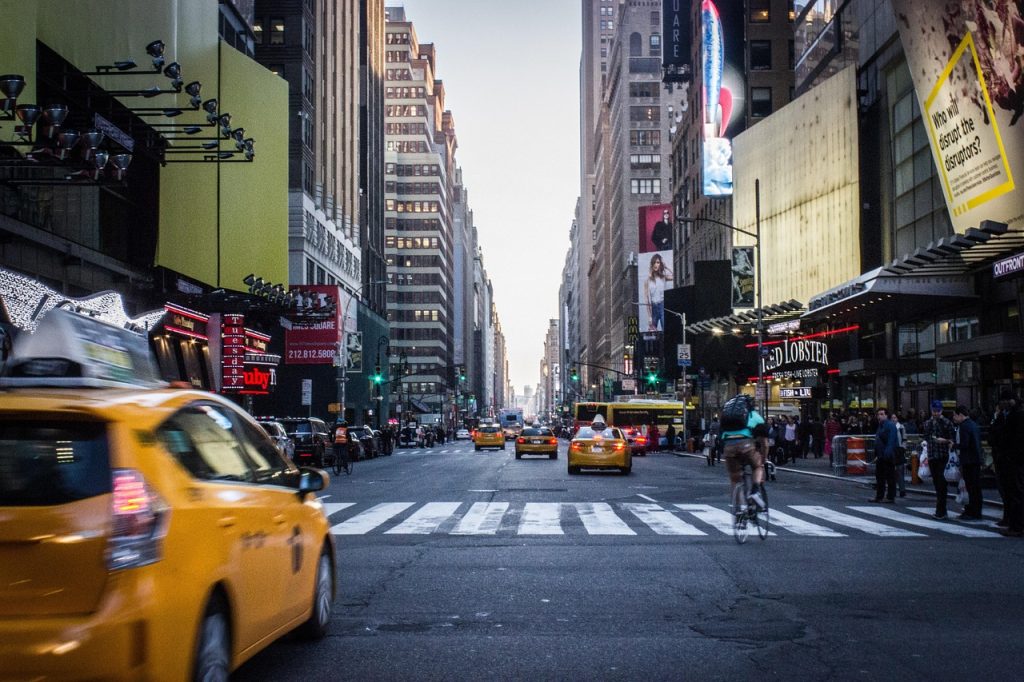
New York City’s curb space is a constant contest, so tour buses are pushed toward quick-turn behavior and strict standing discipline. Coaches load and unload in designated zones, avoid blocking lanes, and follow rules that limit where they can sit for long stretches, especially in Midtown near Times Square and Central Park. Anti-idling enforcement adds another layer, changing how buses wait between stops and encouraging staging away from the busiest blocks. Visitors may not notice the policy, but they feel the result: fewer coaches stacked outside museums, fewer surprise lane blockages, and a city that can keep moving even when tour demand is high.
Boston, Massachusetts
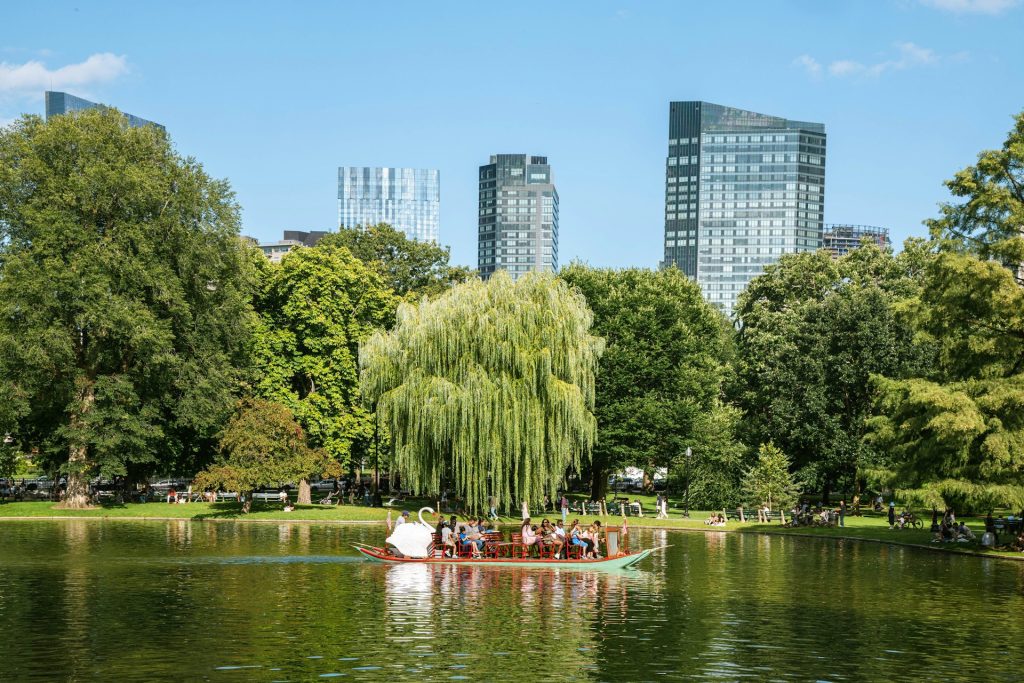
Boston’s old street map does not forgive big vehicles, so tour bus operations are often time-boxed and carefully placed. The city publishes specific drop-off and pick-up locations around dense areas like the North End and Waterfront, and many curb spaces carry a 15-minute limit meant to keep lanes turning over. That forces groups to step off with intention, keeps narrow intersections from clogging, and nudges coaches toward remote parking while passengers cover compact downtown on foot. The Freedom Trail still works for tours, but the bus becomes a support tool rather than a constant presence wedged into streets built centuries before motor traffic.
San Francisco, California
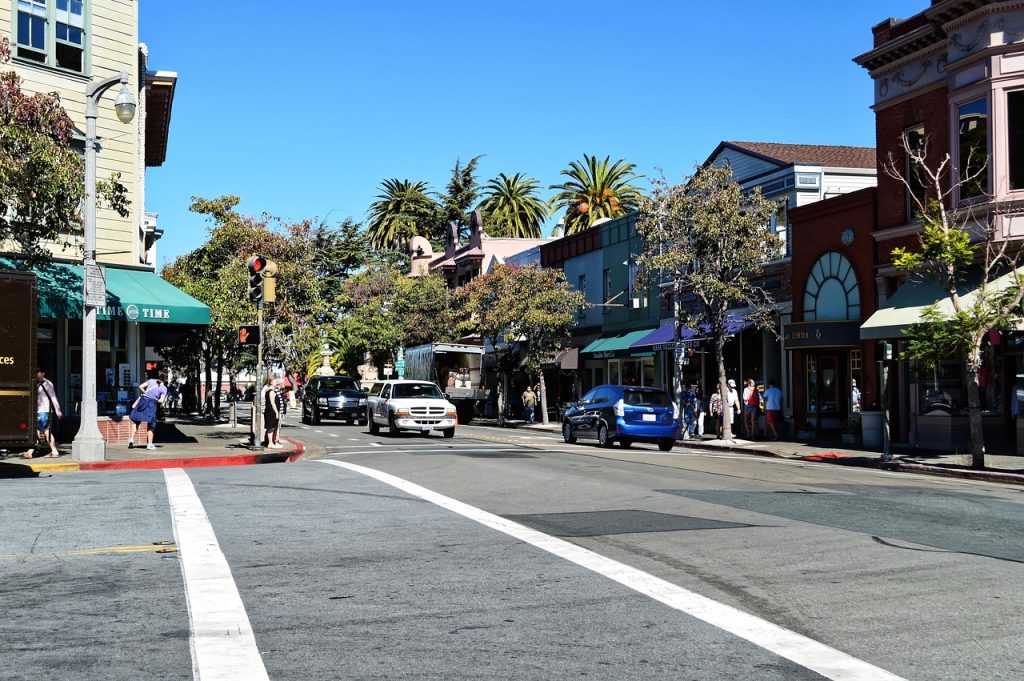
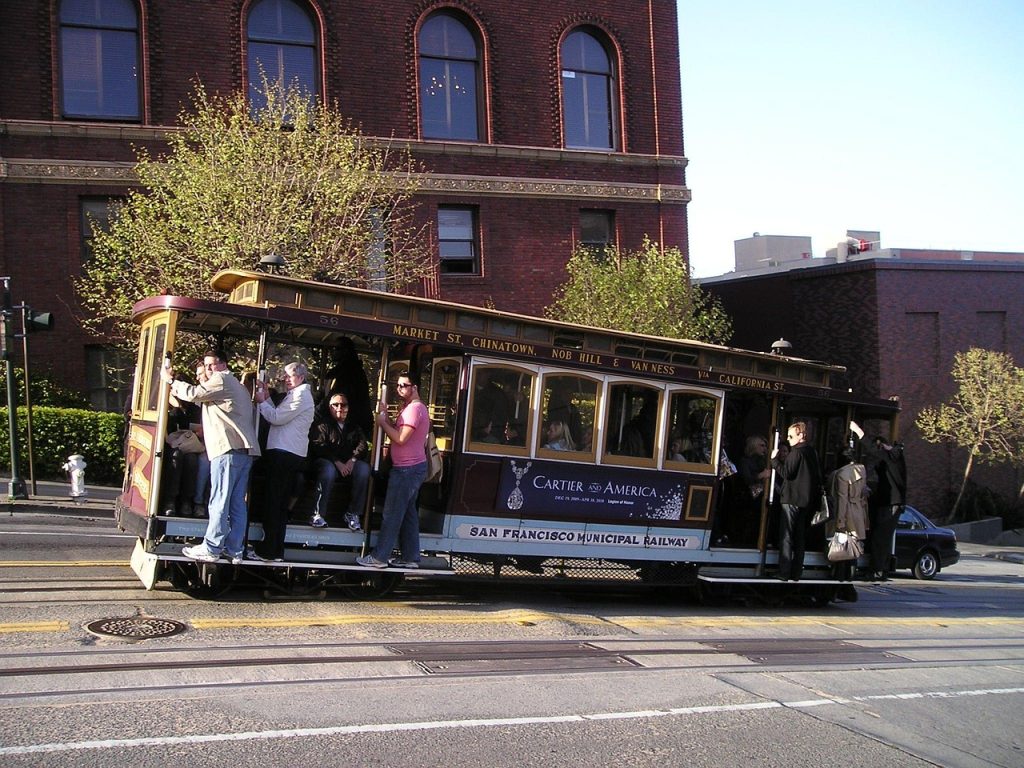
San Francisco restricts where large passenger vehicles can drive, and route planning matters because rules can change from one neighborhood to the next. The city maps restricted streets based on passenger capacity and vehicle weight, steering tour buses away from corridors that cannot handle big turns, steep grades, or tight residential blocks. It is a street-safety and livability choice: fewer oversized vehicles squeezing past Muni lanes, more predictable loading on bus-friendly arterials, and less surprise coach traffic on narrow hills where parked cars already pinch the roadway. Tours still run, but the city insists they move with the street grid instead of overpowering it.
Zion National Park, Utah
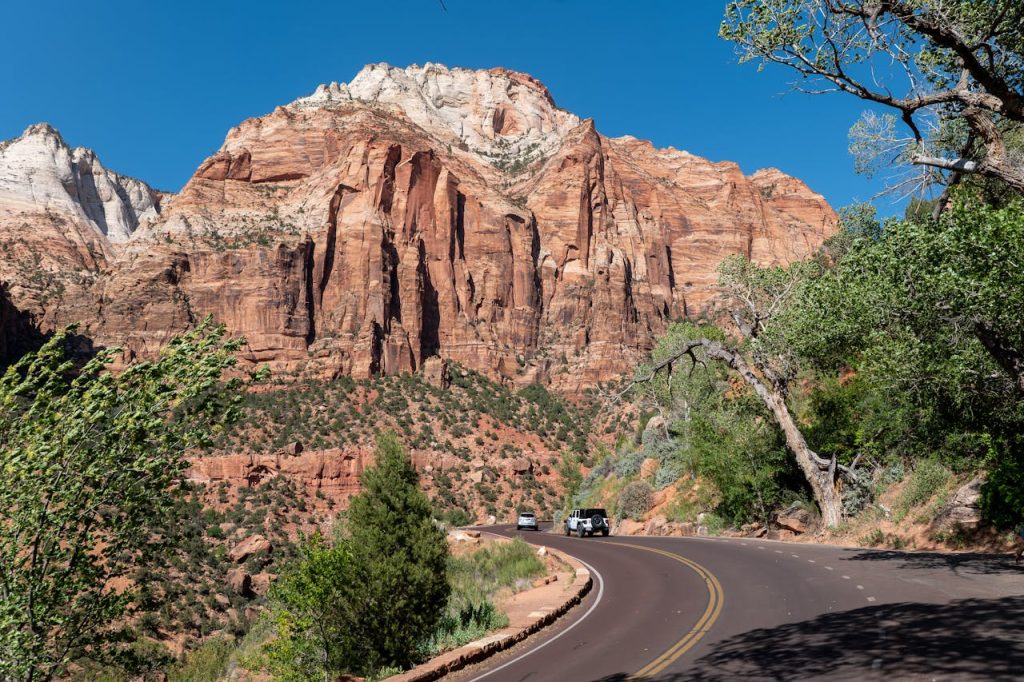
Zion is built around a narrow canyon road that cannot absorb endless private traffic, so access changes with the season and shuttle operations. When the shuttle is running, the Zion Canyon Scenic Drive closes to private vehicles, replacing stop-and-go crawling with predictable arrivals from the visitor center and Springdale staging areas to trailheads and viewpoints. Oversize vehicles also face added limits at the Zion-Mt. Carmel Tunnel, where width and height thresholds can require an escort and careful timing. Many tour groups adapt by using the shuttle system, staging outside the canyon, and relying on smaller vehicles for the tightest segments.
Glacier National Park, Montana
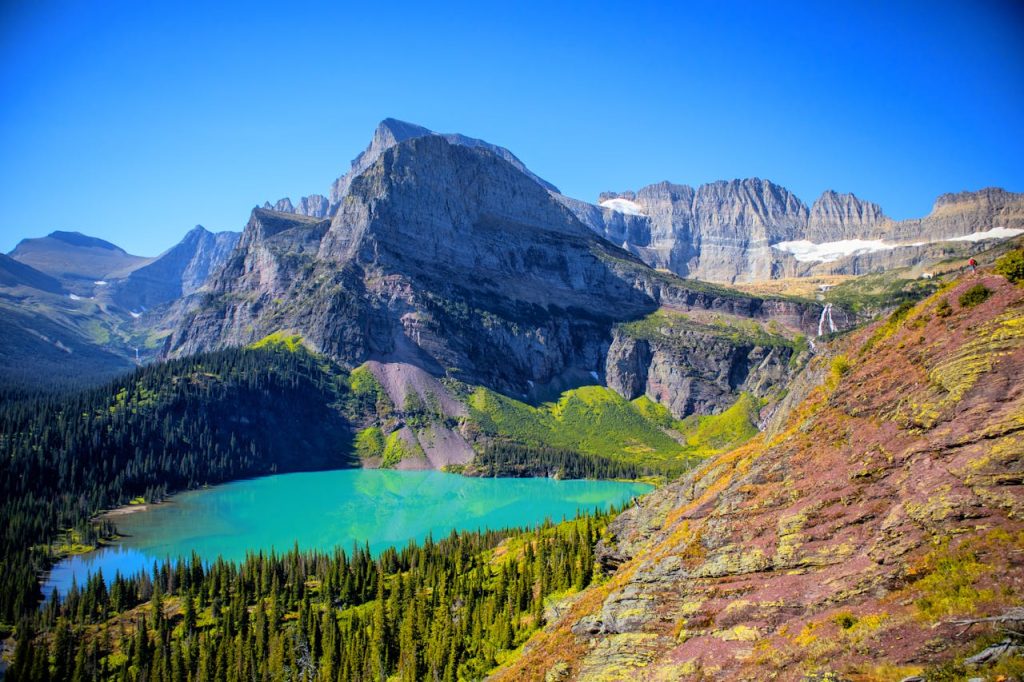
Going-to-the-Sun Road is iconic, but it is narrow, winding, and unforgiving for oversized vehicles that cannot pull aside easily. Glacier restricts vehicles and combinations longer than 21 feet or wider than 8 feet on key stretches between Avalanche Creek and Rising Sun, a rule that reshapes how tour operators plan their day. Groups that once rolled straight over Logan Pass may need smaller buses, split shuttles, or multiple meeting points. The restriction is simple logic: one stuck coach can block miles of traffic with few safe turnarounds. The limit keeps flow steadier and makes the drive safer for everyone.
Mackinac Island, Michigan
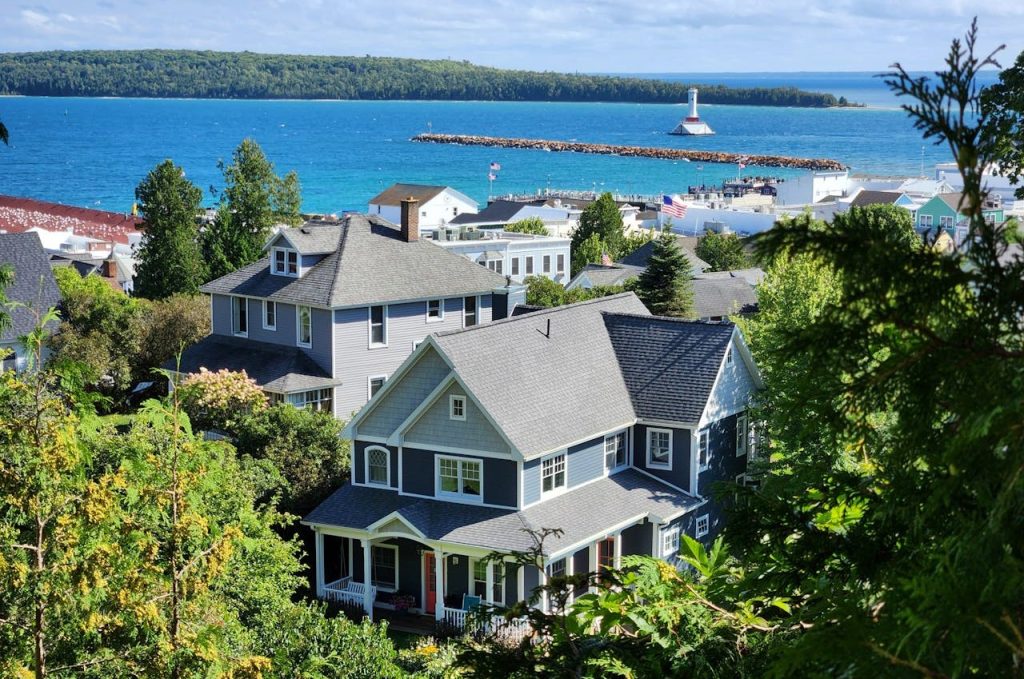
Mackinac Island takes restriction to its purest form: most motor vehicles are not part of daily life, by design. A long-standing automobile ban preserves streets meant for walking, bikes, and horse-drawn carriages, and even the state highway M-185 remains car-free, so tour buses stop on the mainland and groups arrive by ferry. The change is not only logistical. It is sensory. Streets feel quieter, crossings feel calmer, and downtown moves at human speed instead of curbside speed. Visitors still get guided experiences, but they happen on foot or by carriage, which protects the island’s atmosphere and keeps its small streets from becoming a traffic problem.