11 U.S. Destinations Where Visitors Feel Watched
Travelers often expect privacy while exploring new places, yet some destinations create a persistent sense of observation. Surveillance cameras, strict regulations, visible enforcement, and tightly knit communities contribute to that feeling. In certain cities and towns, safety measures, preservation rules, or social dynamics make visitors more aware of their behavior. While these environments are not necessarily unsafe or unwelcoming, they encourage mindfulness. These U.S. destinations illustrate how history, tourism pressure, and local priorities shape atmospheres where awareness replaces anonymity for many travelers. This heightened awareness can subtly influence how visitors move, speak, and photograph.
Washington, D.C.
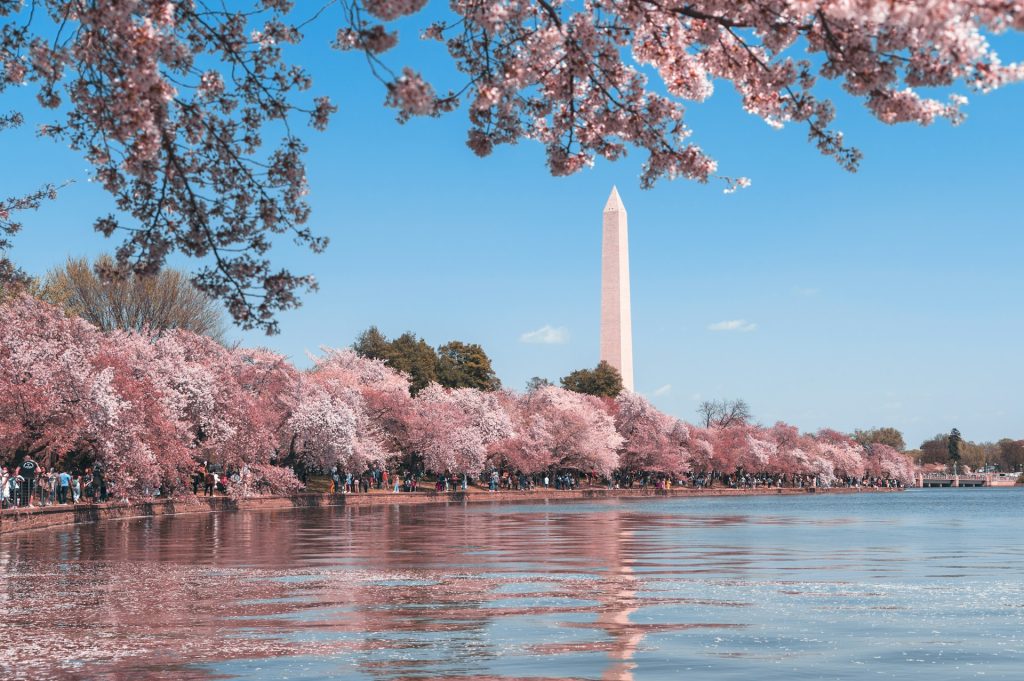
Washington, D.C. makes visitors feel watched through visible security and surveillance. Federal buildings dominate the landscape. Police presence remains constant near monuments. Restricted zones limit movement. Signage reminds visitors of regulations. The city’s political importance drives oversight. Tourists sense scrutiny while sightseeing. These measures prioritize national security. Visitors often feel conscious of behavior, realizing Washington balances public access with protection, creating an environment where observation feels routine rather than exceptional during everyday exploration. This atmosphere encourages cautious movement, compliance, and heightened awareness around symbolic and governmental landmarks.
New York City

New York City creates a watched feeling through sheer scale and monitoring. Cameras cover streets and transit hubs. Police presence remains visible. Transit rules enforce behavior. Private security guards monitor buildings. Crowds heighten awareness. Data collection accompanies ticketing systems. Neighborhood watch culture thrives. Locals notice unfamiliar behavior quickly. Public spaces feel regulated. The city prioritizes safety and order. Visitors often feel observed while navigating busy areas, recognizing that constant activity, technology, and enforcement combine to limit anonymity across Manhattan and surrounding boroughs daily. The density of people and systems leaves little sense of invisibility anywhere at peak hours.
Las Vegas, Nevada
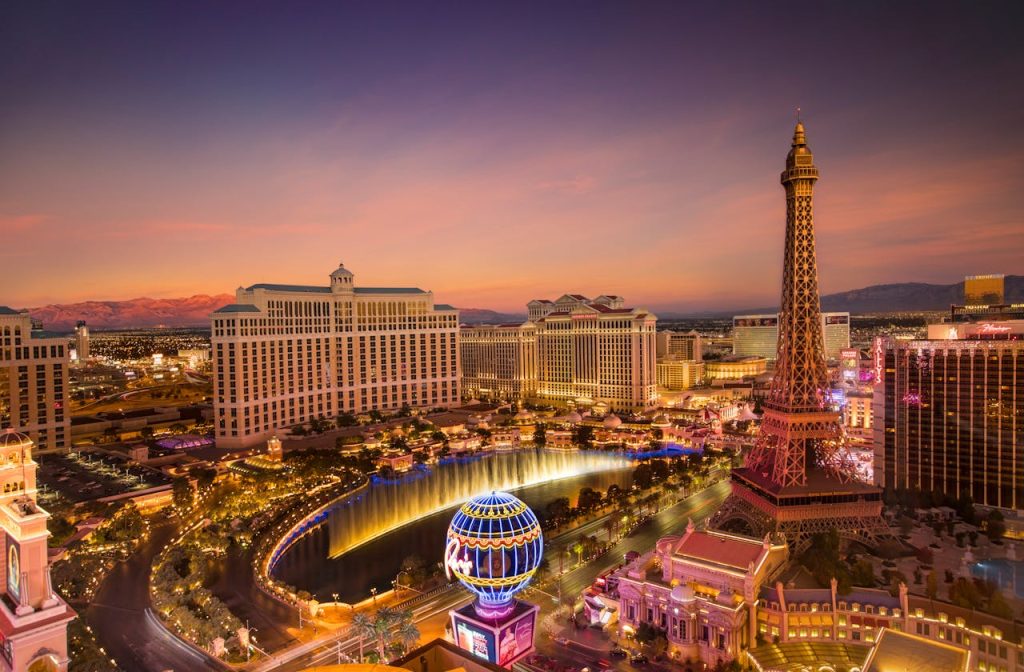
Las Vegas makes visitors feel watched through constant surveillance. Casinos monitor floors relentlessly. Cameras track gaming activity. Security personnel circulate continuously. Behavior draws quick attention. Facial recognition systems operate discreetly. Public intoxication enforcement appears swift. Rules protect revenue and safety. Even sidewalks feel supervised. Visitors sense oversight while enjoying entertainment. This environment prioritizes control. Travelers often realize that behind the city’s carefree image exists a tightly regulated system designed to observe, manage, and protect massive tourist flows around the clock. Entertainment thrives alongside an invisible framework of monitoring and risk management.
San Francisco, California
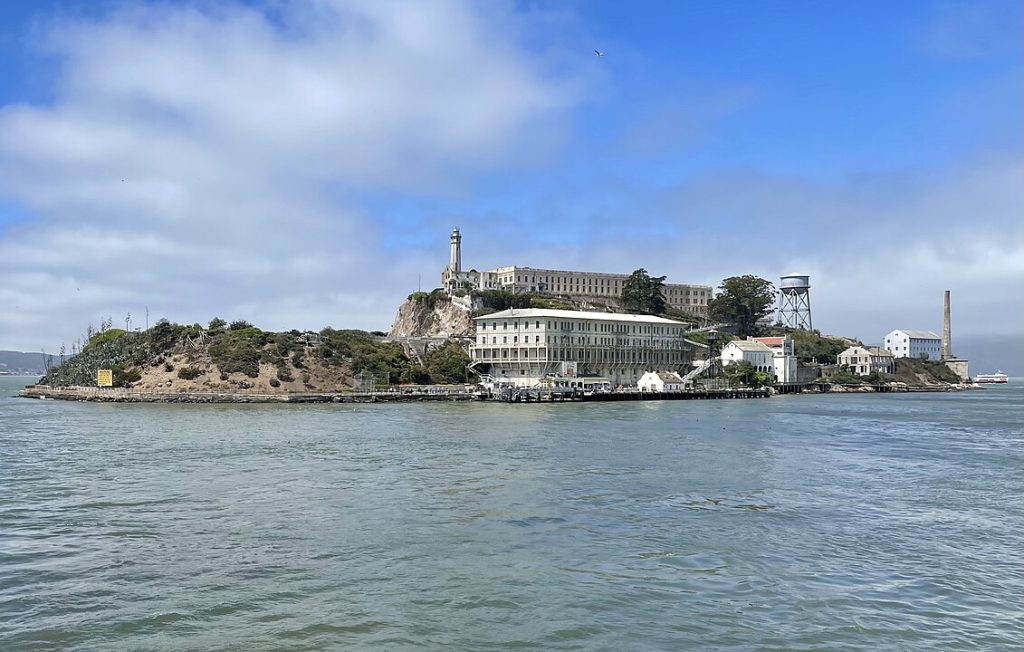
San Francisco creates a watched atmosphere through social awareness and monitoring. Cameras line downtown areas. Security guards patrol transit stations. Neighborhoods maintain vigilance. Retail theft prevention increases surveillance. Regulations shape public space use. Enforcement responds quickly to incidents. Technology startups influence monitoring culture. Visitors feel noticed while navigating crowded districts. The city balances openness with caution, resulting in an environment where observation feels routine, especially in high traffic neighborhoods and commercial corridors. This blend reflects urban challenges, innovation, and community driven oversight shaping daily experiences.
New Orleans, Louisiana
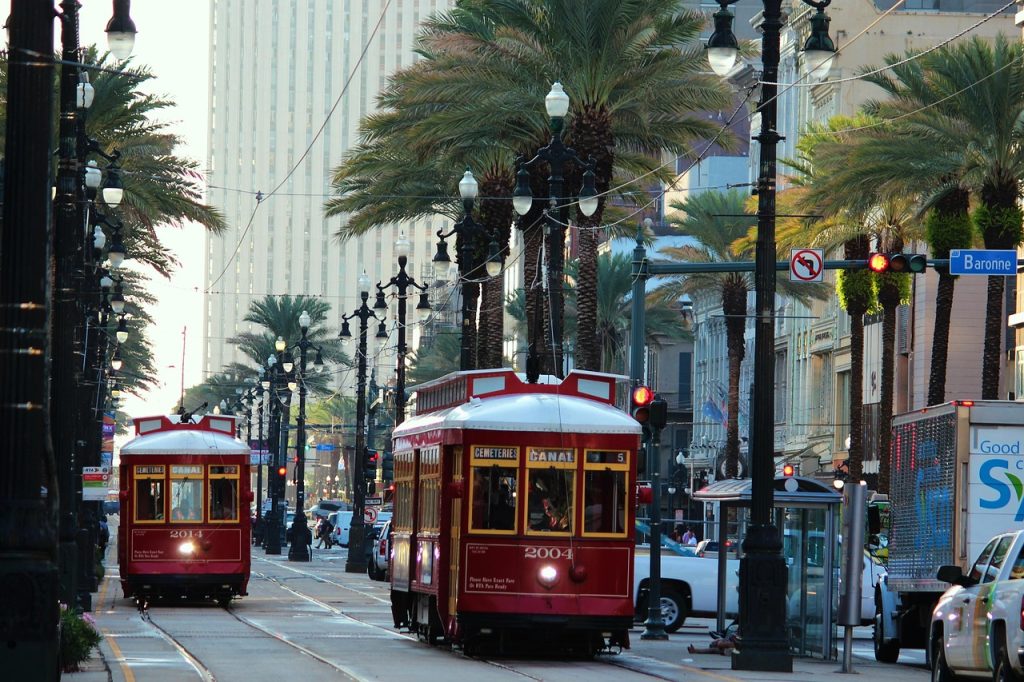
New Orleans makes visitors feel watched through visible policing and community awareness. Historic neighborhoods value order. Security increases during festivals. Cameras monitor tourist corridors. Local residents notice unfamiliar faces. Noise and conduct receive attention. Rules protect residential areas. Police presence rises at night. Surveillance follows event schedules. Visitors feel observed in popular districts. The city balances celebration with control. Travelers often sense that beneath the lively atmosphere exists a watchful system managing crowds, safety, and preservation throughout the year. Cultural pride reinforces expectations about respectful behavior in shared historic spaces.
Chicago, Illinois
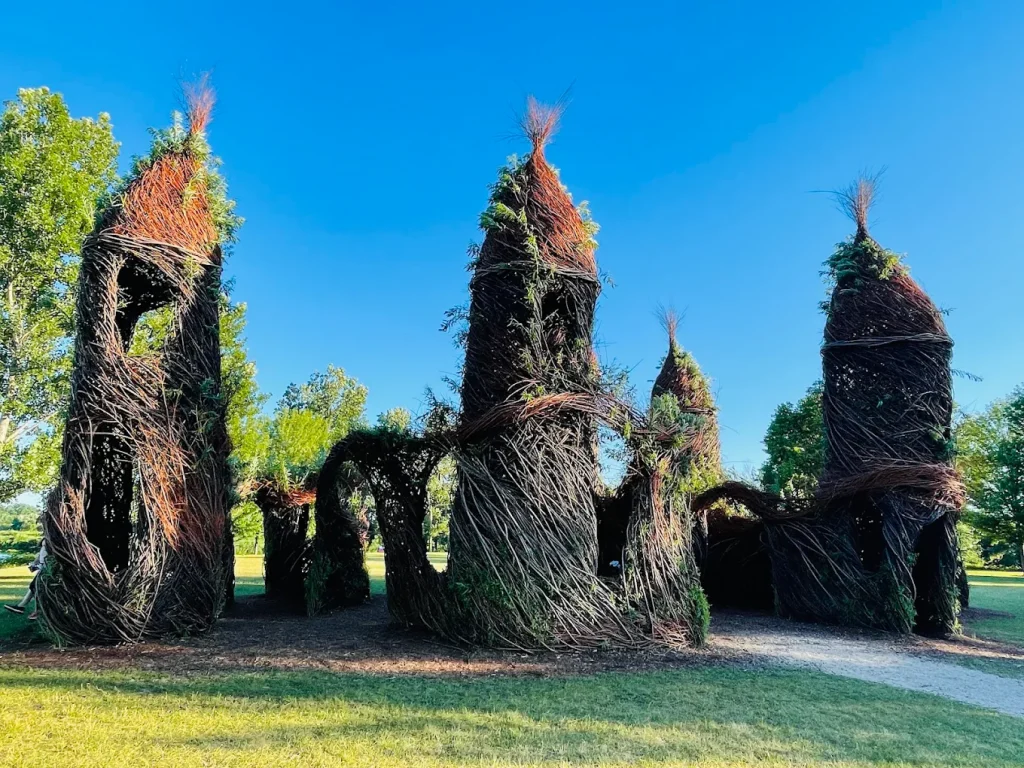
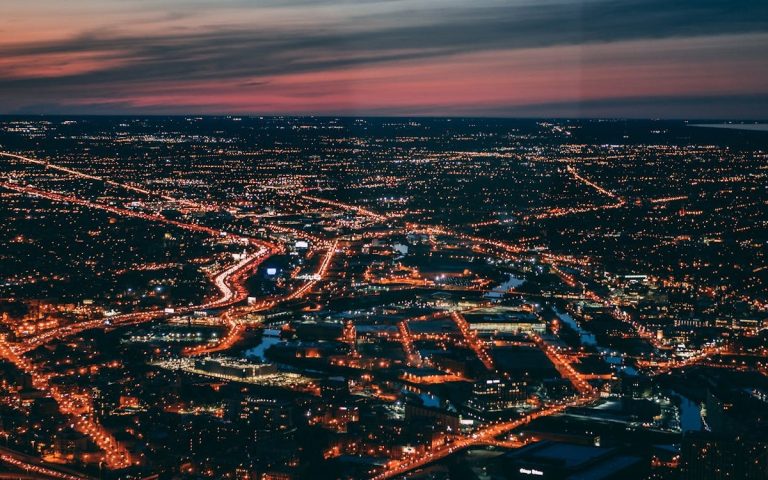
Chicago creates a watched feeling through structured enforcement and monitoring. Downtown features extensive camera networks. Police patrol transit hubs. Private security guards manage buildings. Neighborhoods remain alert. Rules govern public behavior. Event days increase surveillance. Data driven policing influences visibility. Visitors notice signage and oversight. Public spaces feel regulated. Safety initiatives remain prominent. Travelers often sense observation while navigating central districts, recognizing that Chicago emphasizes order and prevention alongside its bustling urban energy. Large crowds and infrastructure amplify the sense of constant oversight during busy periods.
Los Angeles, California
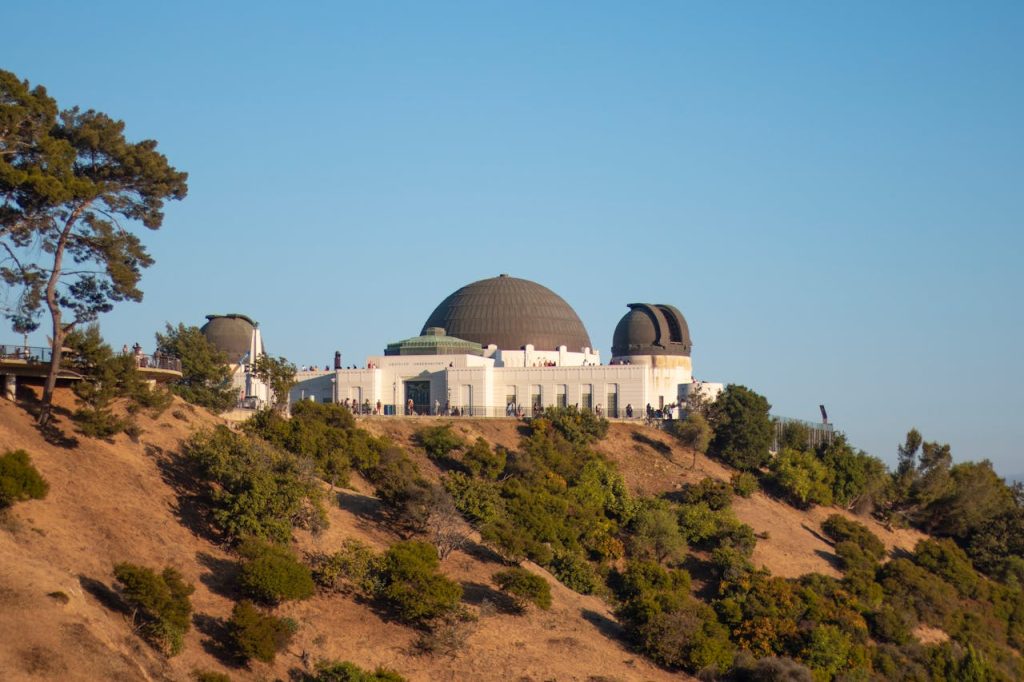
Los Angeles makes visitors feel watched through layered surveillance and private security. Hotels employ guards. Cameras cover parking areas. Residential neighborhoods monitor outsiders. Law enforcement presence varies but feels visible. Rules around filming exist. Celebrity culture heightens awareness. Traffic enforcement uses cameras. Business districts rely on private monitoring. Visitors feel observed in public spaces. The city blends openness with vigilance, leading travelers to sense that movement and behavior receive quiet attention across popular areas. Social visibility increases in entertainment zones where observation feels especially constant, particularly during high profile events and busy nightlife hours.
Honolulu, Hawaii
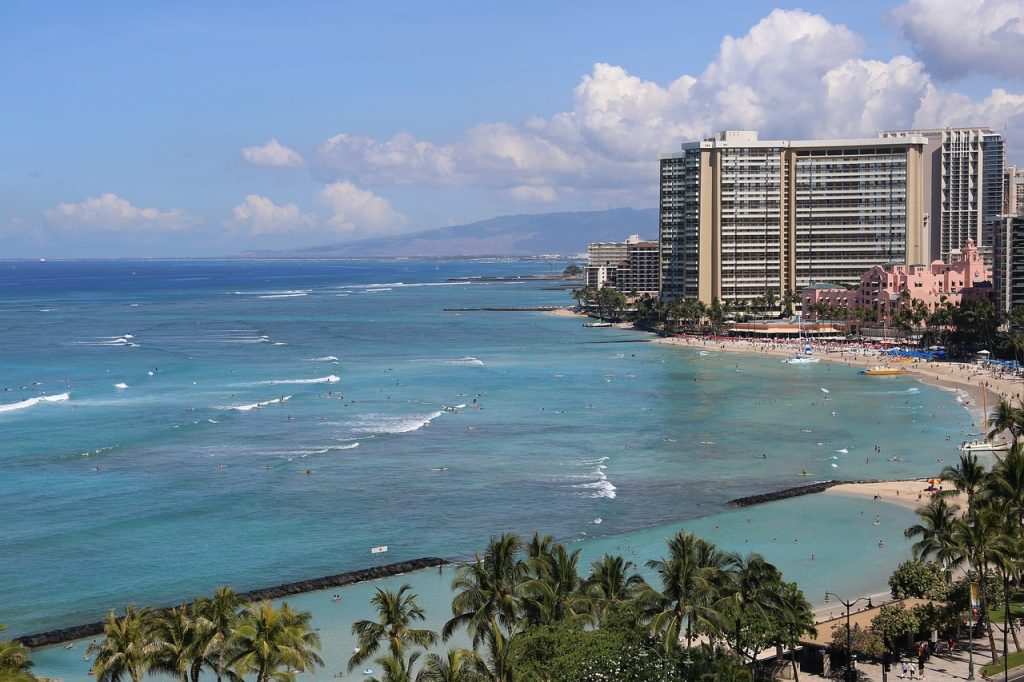
Honolulu creates a watched atmosphere through tourism management and community awareness. Cameras monitor Waikiki. Police presence remains steady. Hotel security tracks movement. Cultural respect expectations guide behavior. Beach rules enforce order. Locals notice tourist actions. Regulations protect resources. Enforcement appears friendly but firm. Visitors feel observed while sightseeing. The city balances hospitality with preservation, making travelers aware that behavior impacts both safety and cultural integrity throughout heavily visited coastal districts. Respectful conduct becomes part of the shared responsibility between visitors and residents, especially during peak travel seasons.
Boston, Massachusetts

Boston makes visitors feel watched through compact design and regulation. Cameras cover historic sites. Police patrol pedestrian zones. Universities add security presence. Neighborhoods monitor outsiders. Rules protect landmarks. Public transit enforces compliance and surveillance supports preservation. Visitors sense oversight while exploring. The city’s blend of history and modern security creates an environment where observation feels constant but purposeful across busy districts. Dense streets and academic institutions reinforce a culture of attentiveness and rule adherence, especially near campuses and historic corridors. Visitors often adjust behavior subconsciously when navigating closely monitored environments.
Savannah, Georgia
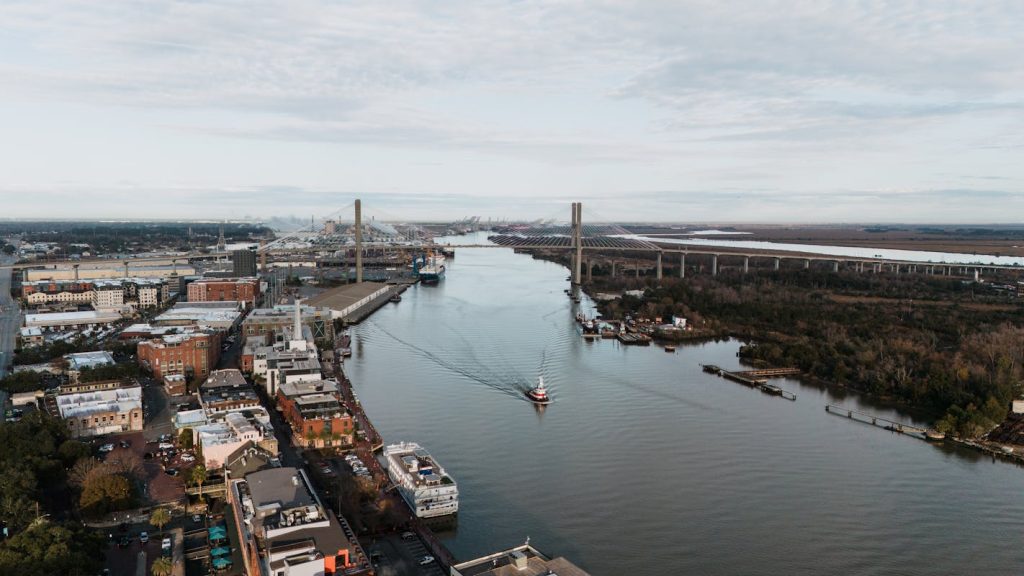
Savannah creates a watched feeling through preservation rules and close community ties. Historic districts enforce conduct standards. Cameras monitor squares. Police patrol tourist routes. Locals notice visitors quickly. Noise and behavior receive attention. Rules protect architecture. Public spaces feel curated. Visitors sense observation. The city prioritizes heritage preservation, leading travelers to feel guided and watched while moving through its carefully maintained historic environment. Community pride strengthens informal oversight alongside official enforcement measures, particularly during popular seasonal tourism events. Festivals and weekend crowds intensify awareness throughout Savannah each year.
Park City, Utah
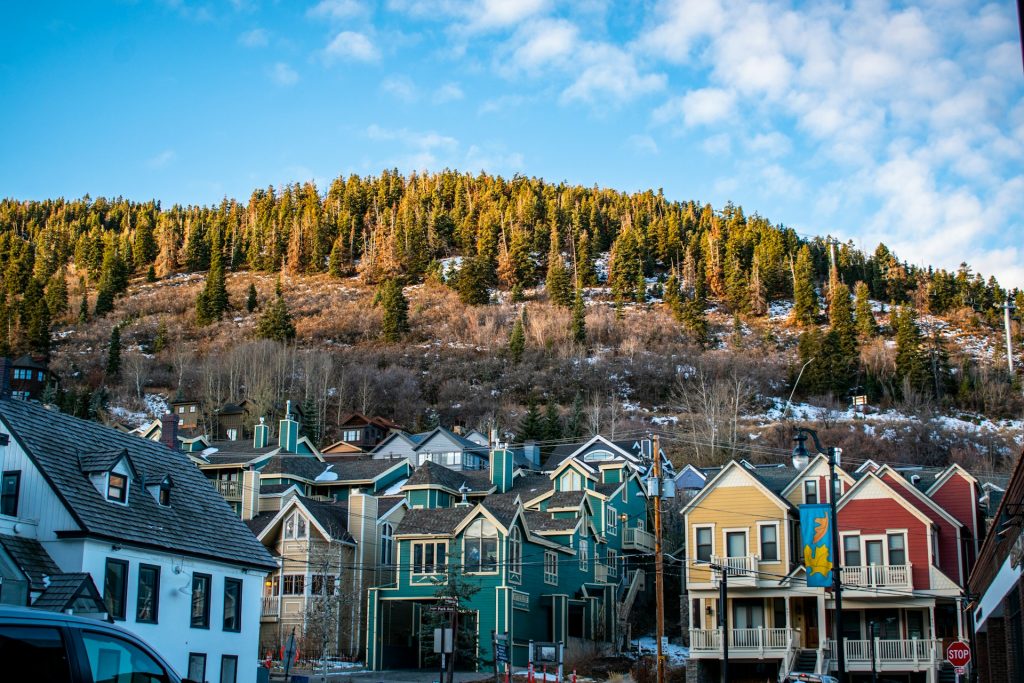
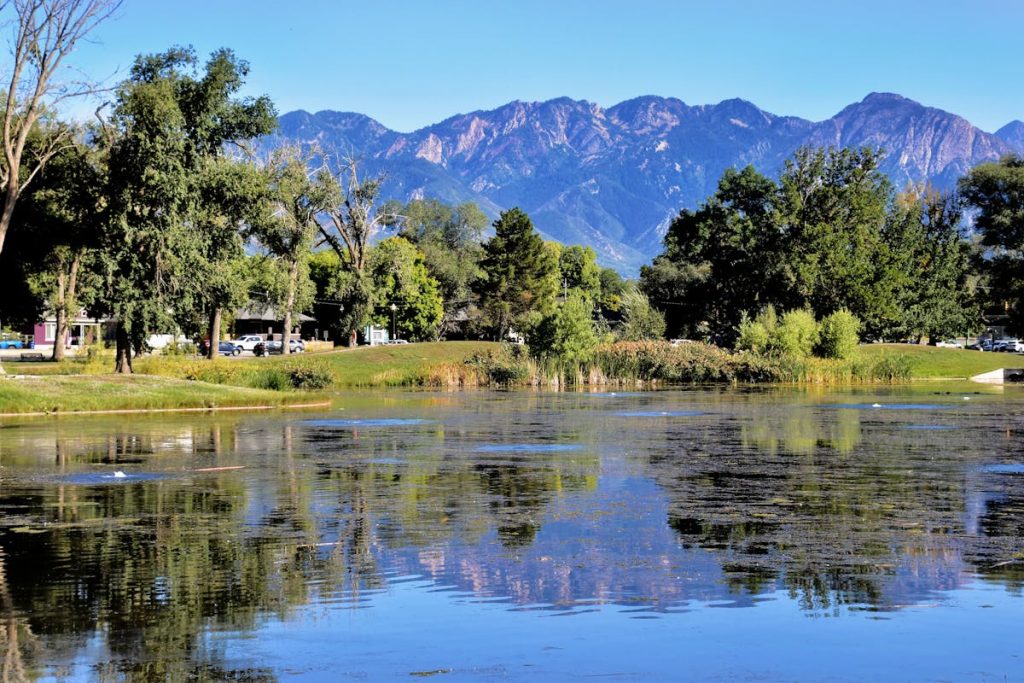
Park City makes visitors feel watched through resort oversight and local awareness. Cameras monitor ski areas. Security enforces rules. Locals notice unfamiliar behavior. Regulations govern outdoor use. Resort staff observe movement. Community standards feel strong. Events increase monitoring. Visitors sense supervision. The town balances tourism with order, creating an environment where safety, property protection, and community expectations shape a noticeable sense of observation year round. Seasonal crowds heighten awareness and reinforce structured behavior across shared recreational spaces and resort facilities. Peak ski seasons amplify supervision as visitor numbers rise dramatically.