11 U.S. Landscapes Where Wild Horses Still Roam Today
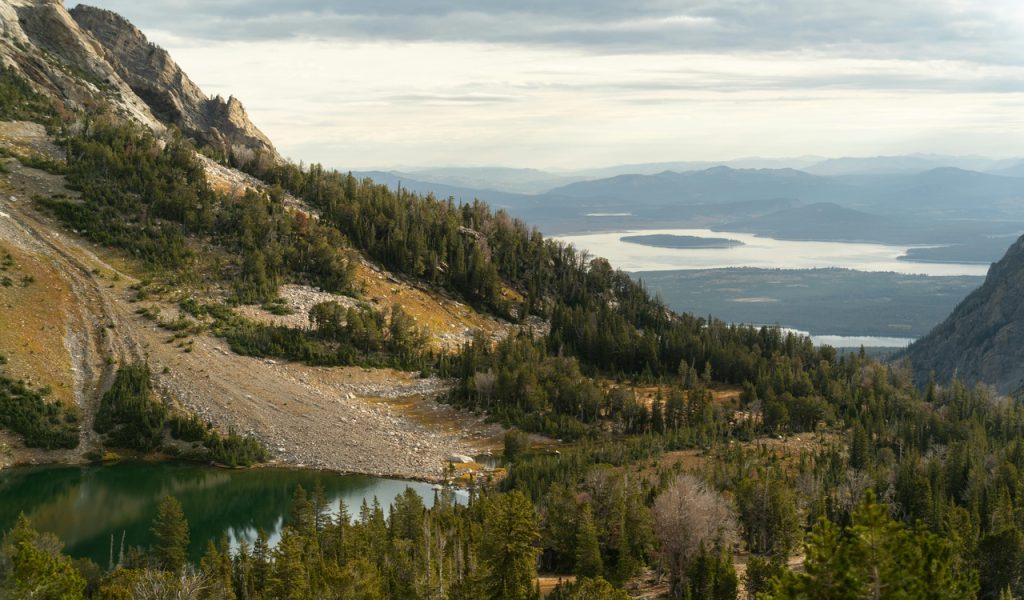
There’s something ancient and immediate in the vision of wild horses running, manes lifting, hooves pounding against open earth, a dust colored wind carrying with it a raw sense of freedom. Generations later, their descendants’ horses, brought over here centuries ago, still run wild across America’s most beautiful horizons and through life threatening areas. From sweeping deserts to coastal dunes, they remind us of a wilder past that endures. For travelers in search of untamed beauty, here are 11 American destinations that provide rare opportunities to witness nature’s unruly spirit.
Outer Banks, North Carolina
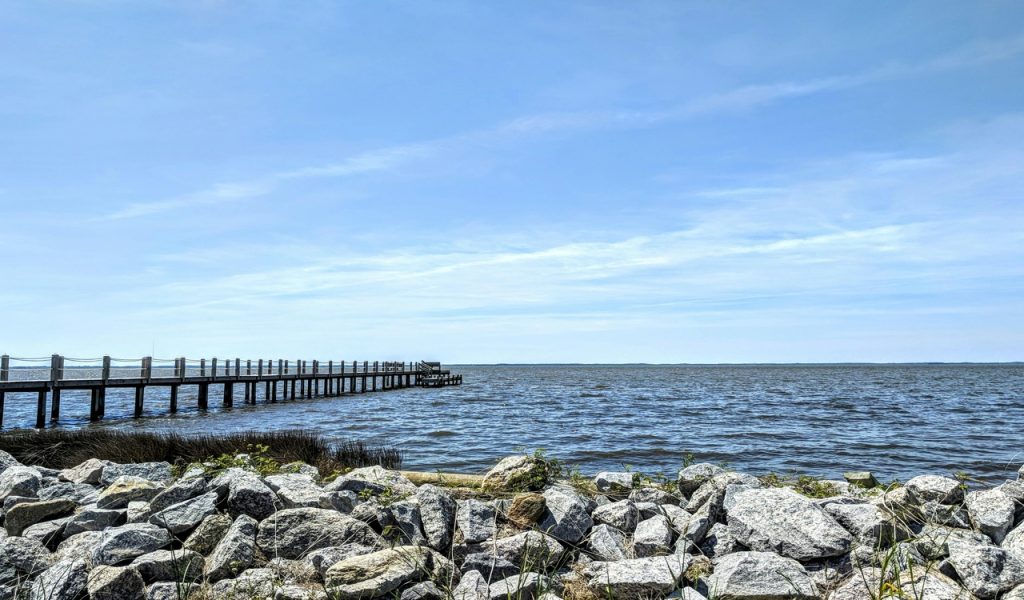
On the windswept beaches of North Carolina’s Outer Banks, wild horses have roamed for centuries. Thought to be descended from Spanish mustangs that survived shipwrecks, the horses roam Corolla and Shackleford Banks like wildlife. Visitors frequently see them browsing near the surf or walking through the sand at sunrise. It is that combination of sea air, open beach, and history that makes this among the most iconic wild horse habitats in the country.
Pryor Mountains, Montana and Wyoming
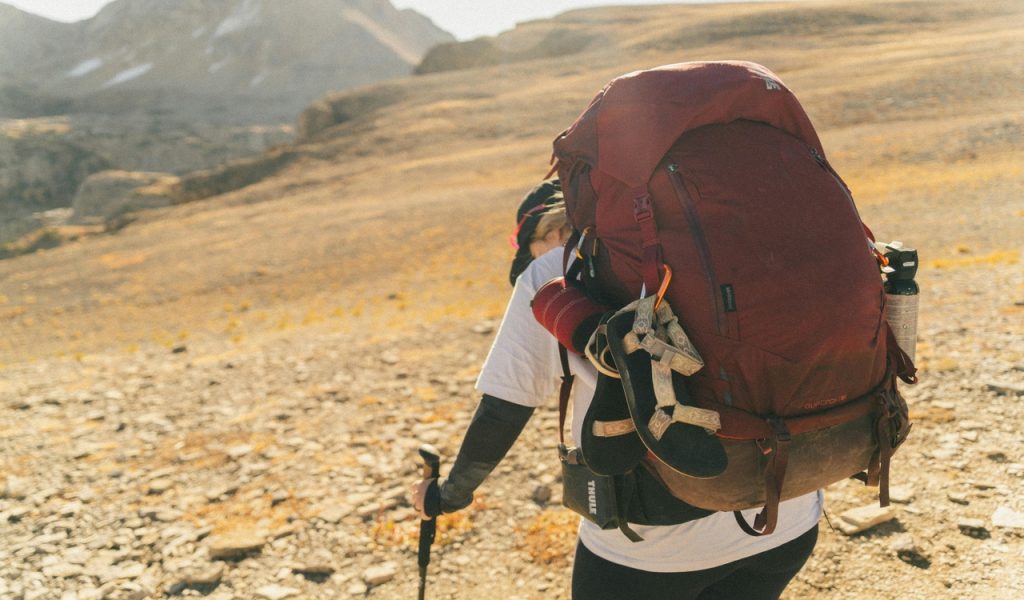
The Pryor Mountain Wild Horse Range on the Montana Wyoming border is home to some of the oldest wild horse herds in America. These hardy little horses effortlessly maintain their balance even on rocky cliffs and alpine meadows. Their lineage dates back to Spanish Colonial horses, and they have a unique appearance: small, muscular, and tough. As visitors drive through the range or hike its trails, they frequently spot herds of llamas grazing amid glorious mountain panoramas.
Assateague Island, Maryland, and Virginia
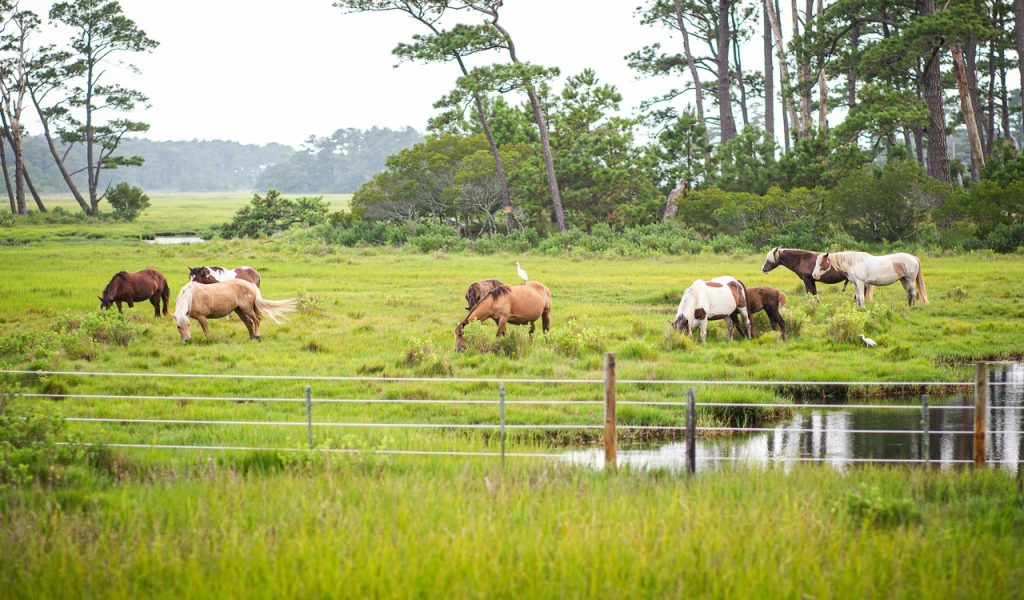
Assateague Island, a thin barrier island on the Atlantic coast, is known for its wild horses that roam among sandy dunes and salt marshes. They are often seen straying near campgrounds and soaking in shallow water. On the Virginia side, they are called the “Chincoteague Ponies,” and every summer locals pay tribute by staging a highly publicized pony swim. It’s one of the most cherished traditions of wild horses in the United States.
Onaqui Mountains, Utah
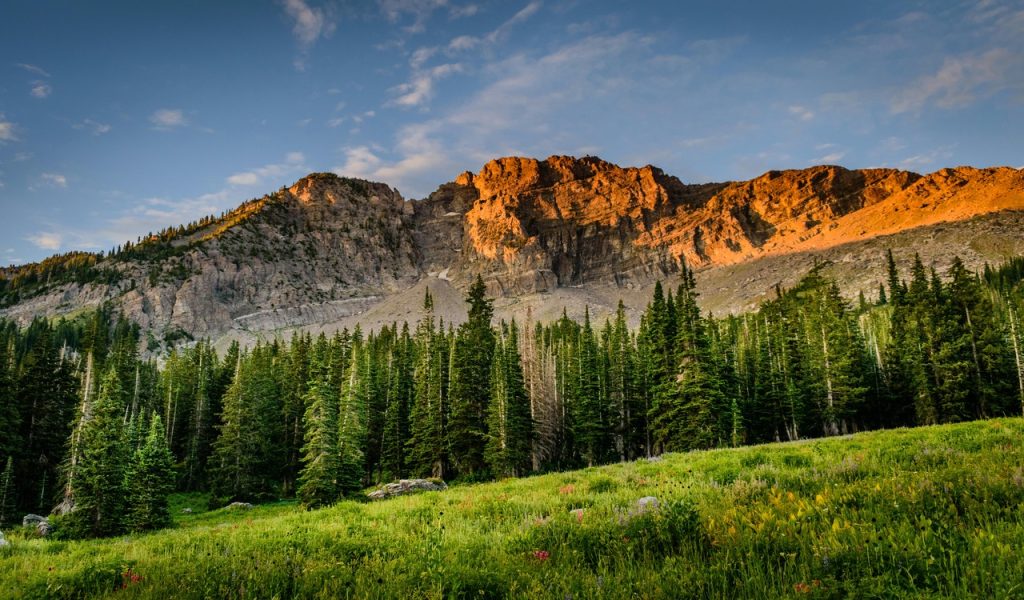
The Onaqui Mountain herd, just southwest of Salt Lake City, is one of the best photographed wild horse populations in the United States. The desert environment provides a romantic backdrop, and we are no strangers to horses silhouetted against orange sunsets or dusty steppes. It is prized amongst photographers and animal watchers for its variety of colors and peaceful temperament. Visitors are generally advised to watch but not touch and appreciate their beauty without interfering with their natural cycle.
Little Book Cliffs, Colorado
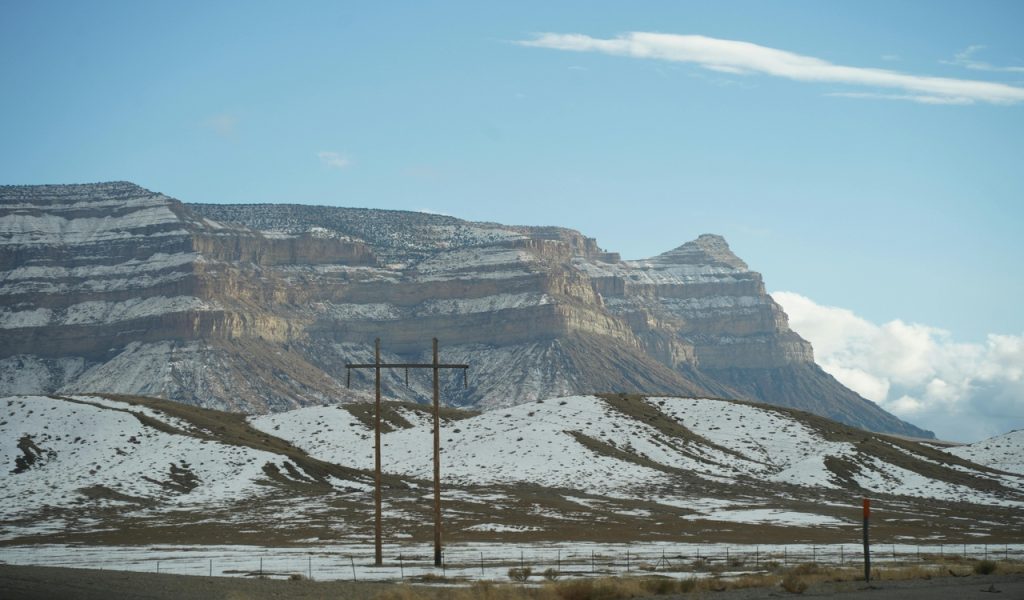
Outside Grand Junction, the Little Book Cliffs Wild Horse Area includes over 30,000 acres of rough and tumble canyons and plateaus. It’s one of only a handful of locations in the country that are legislatively protected for the express purpose of protecting wild horses. The terrain is rugged but pretty, with red rock cliffs and wild sagebrush stretching into the horizon. Visitors frequently explore the area on horseback or on foot, witnessing small herds grazing in the open under Colorado’s vast blue skies.
Sand Wash Basin, Colorado
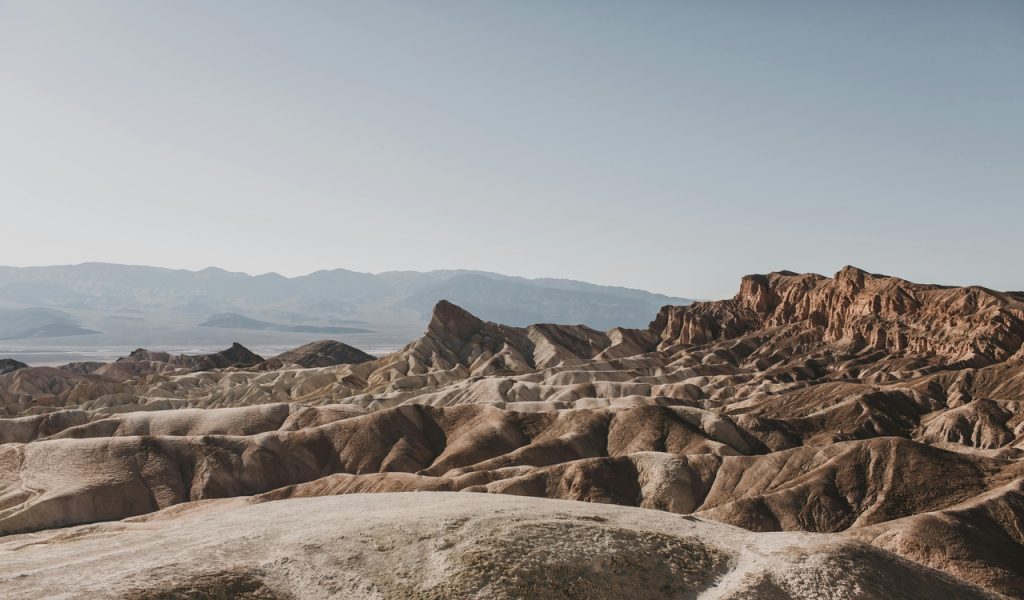
Colorado’s Sand Wash Basin is a high desert region with colorful herds of horses and sprawling open desert. The wild horses here are robust, free spirited, and very photogenic on dusty trails and sagebrush valleys. Every horse appears to have a story of its own, a lift here, a stamping foot there, with bold contrasting markings and soft eyes that reflect the calm strength of the land. Sunset drives through the basin are frequently rewarded with once in a lifetime views of these wild beauties.
Theodore Roosevelt National Park, North Dakota
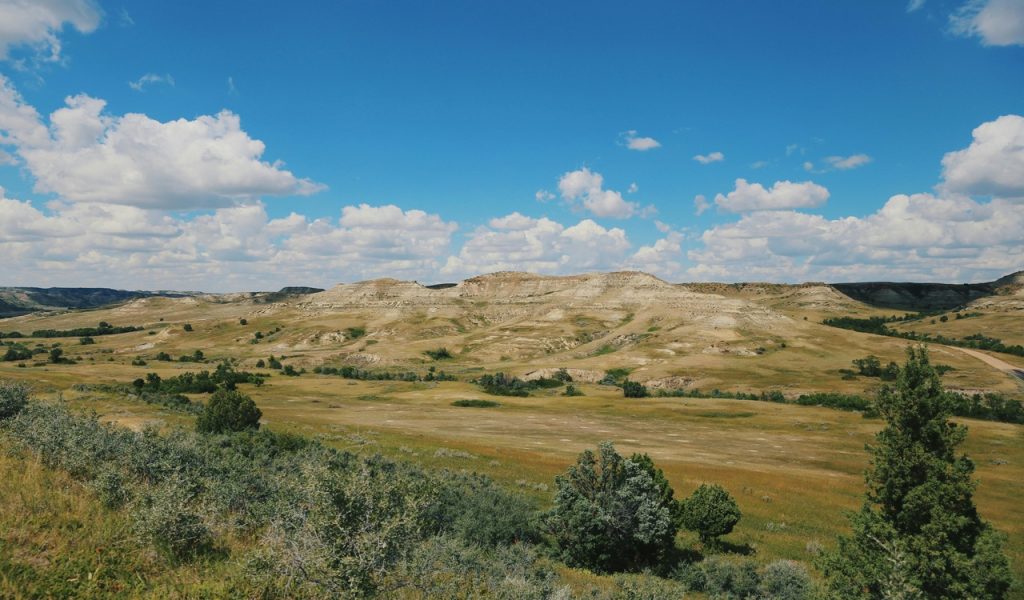
A herd of wild horses, along with bison, elk, and prairie dogs, roams the rugged badlands of North Dakota in Theodore Roosevelt National Park. These horses bring an air of wild romance to the park’s broad, windswept vistas. Their sight grays out river valleys, silhouettes on spectacular hunks of rock, rockthe timeless spirit of the American frontier. Those elements deliver a blend of history, wildlife, and vast open landscape that makes nearly every sighting feel almost magical.
Virginia Range, Nevada
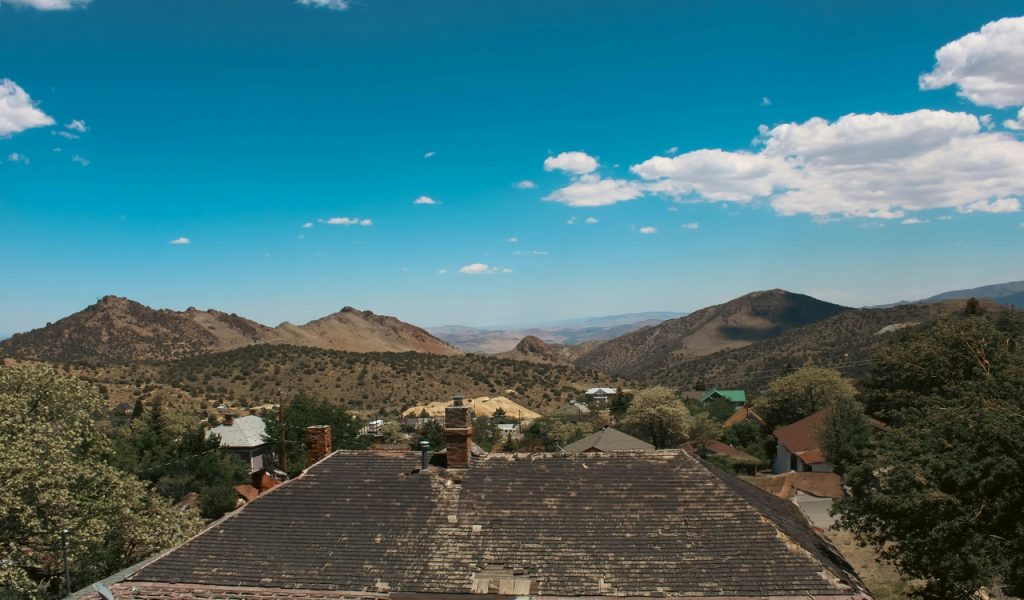
One of the state’s largest wild horse populations is in western Nevada, on the Virginia Range. These horses wander the foothills and high desert outside of Reno and Virginia City, and sometimes walk right up to small towns. Residents see them as a proud emblem of Nevada’s history, and volunteer groups work hard to keep them free. To see them lumbering across those dry hills, you can’t help but feel a connection to the old spirit of the West.
McCullough Peaks, Wyoming
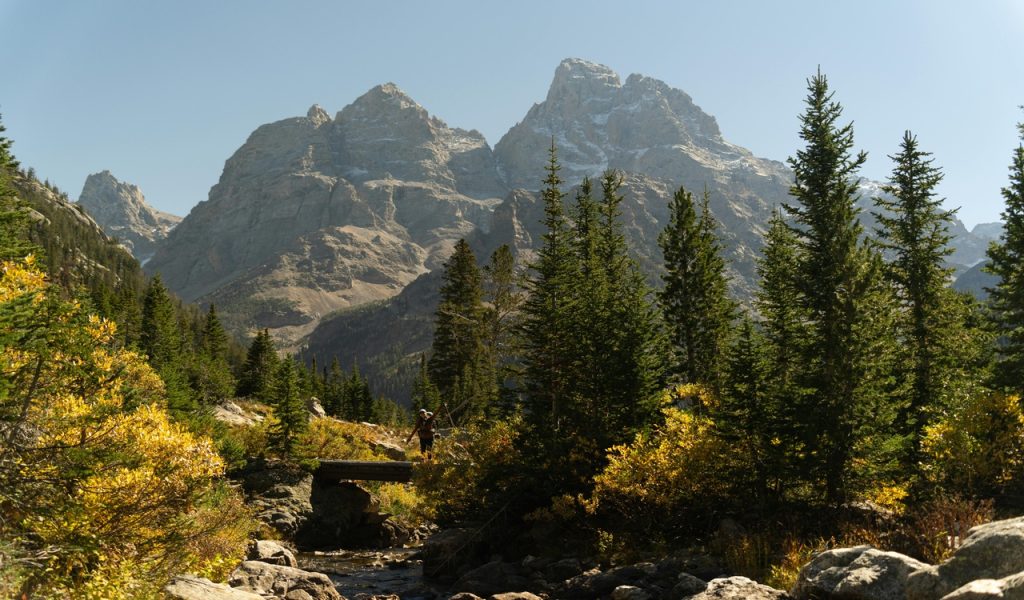
Wyoming’s McCullough Peaks herd is in a range that could have been created for a Western movie vast, open prairie dotted with red rock formations and endless skies. The horses here come in a variety of vibrant colors and are extremely well built, able to withstand the harsh environment year round. Visitors can view the herd from designated viewing areas on a driving tour or take group tours to learn more about the herd’s history. Watching them run on the plains is a reminder that amid all of America’s glitz, wild beauty lives at its core.
Salt River, Arizona
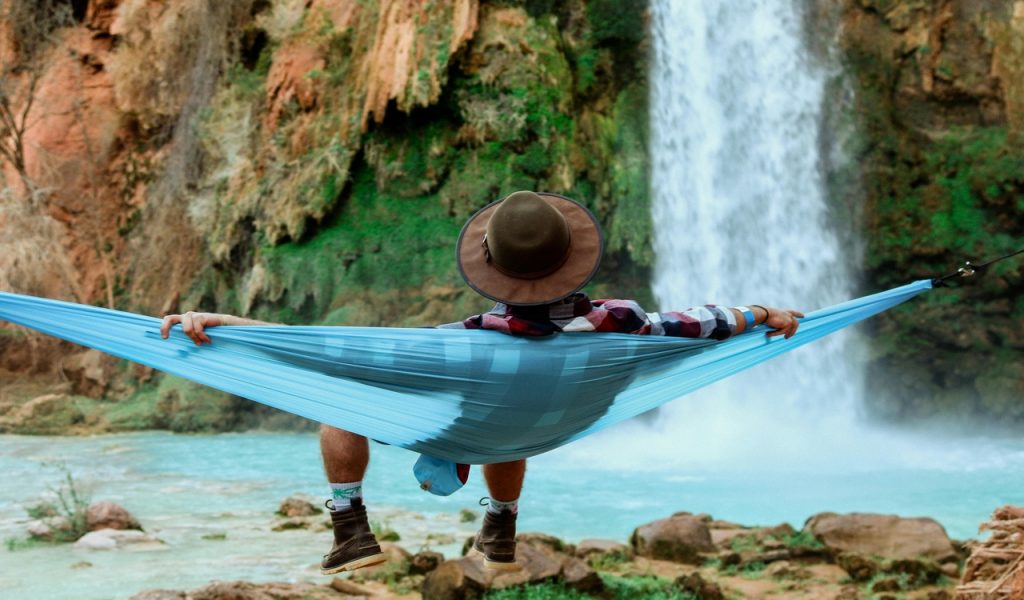
Wild horses are a common sight on the banks of the Salt River just outside Phoenix, cooling off in its waters or grazing in the desert heat. Their presence can surprise many visitors, who do not expect to find free roaming horses so close to a metropolis. Residents have come to love and protect the herds, and sunrise is typically the best time to spot them near the water. The juxtaposition of green riverbanks against dusty desert makes every sighting feel like a balsam secret from the Old West.
Cumberland Island, Georgia
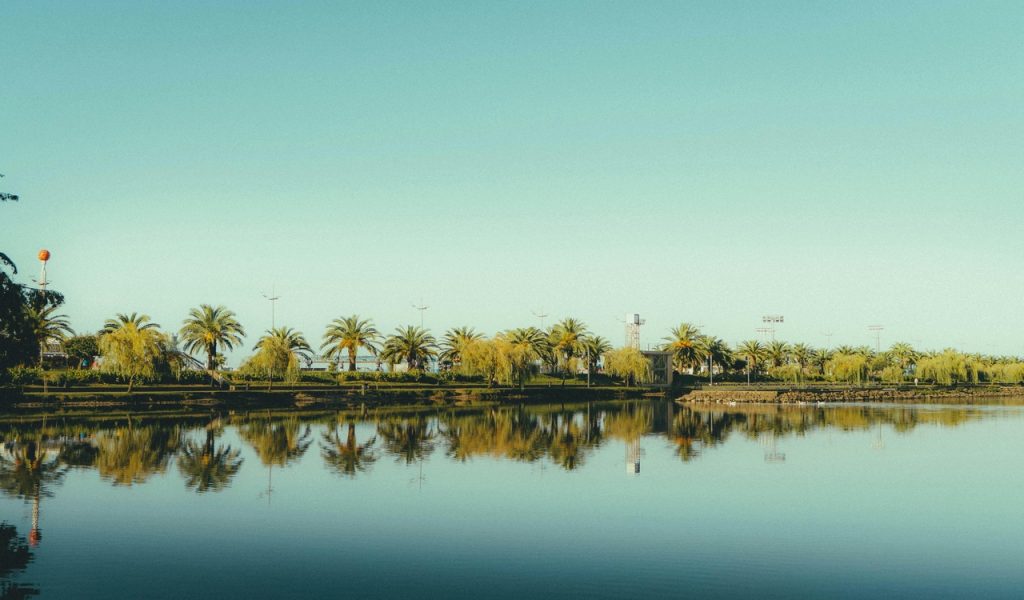
Cumberland Island, Georgia’s largest barrier island, is inhabited by a herd of wild horses that wander through live oak forests and along unspoiled beaches. Without the cars and the throngs of people, it’s easy to imagine that the entire island is frozen in time. Horses can often be spotted grazing near ancient ruins or frolicking by the water’s edge. Part coastal beauty, part peaceful wilderness, Cumberland is one of the most tranquil places to observe wild horses still living freely in their natural world.