11 U.S. Small Towns That Feel Less Demanding like Eureka Springs, AR’s Foggy Trails
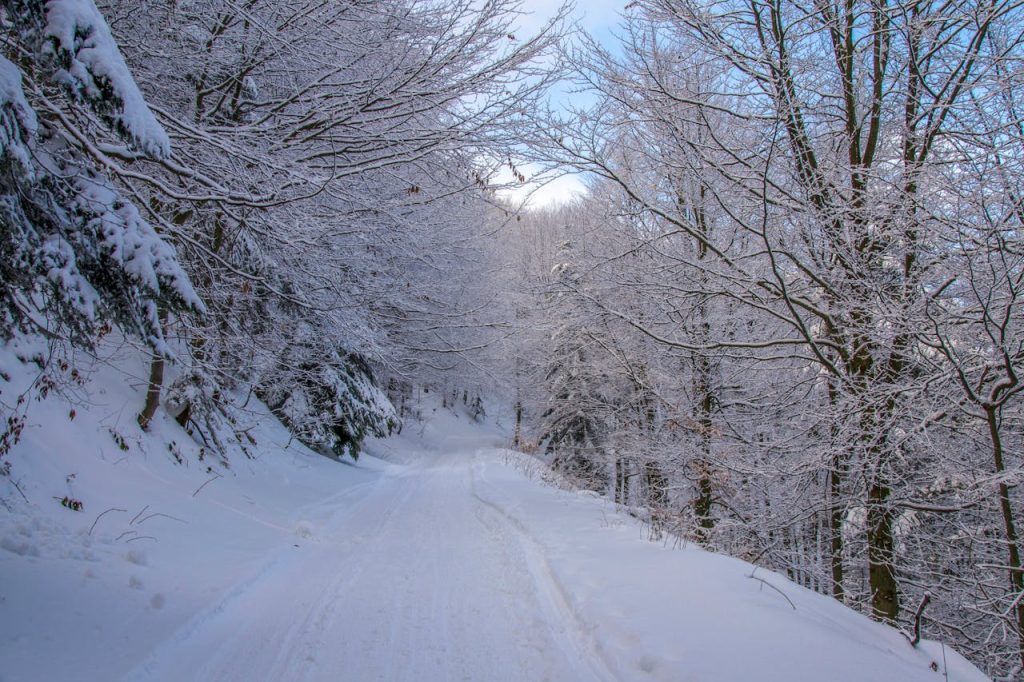
Travel experts and regional historians often observe that the American landscape undergoes a profound shift once the holiday rush subsides. January brings a specific kind of stillness to certain small towns, offering a reprieve from the high-pressure pace of modern life. These locations provide an atmosphere where the environment itself encourages a slower tempo, characterized by quiet streets and a lack of crowded itineraries.
According to hospitality professionals and seasonal researchers, the psychological benefit of these “low-demand” destinations lies in their reduced sensory input. Instead of the bright lights and loud festivities of December, these towns lean into the natural rhythms of winter. The focus shifts toward misty mornings, frozen lakefronts, and the simple reliable warmth of local hearths. Choosing a destination that prioritizes serenity over spectacle allows for a genuine reset.
Selecting the right town requires looking for places where the local culture embraces the cold rather than fighting it. State tourism officials frequently highlight spots that maintain a steady, unhurried charm during the year’s first month. These eleven locations exemplify the art of the quiet winter, providing spaces where the primary objective is simply to exist within a peaceful, well-preserved setting.
Eureka Springs, Arkansas
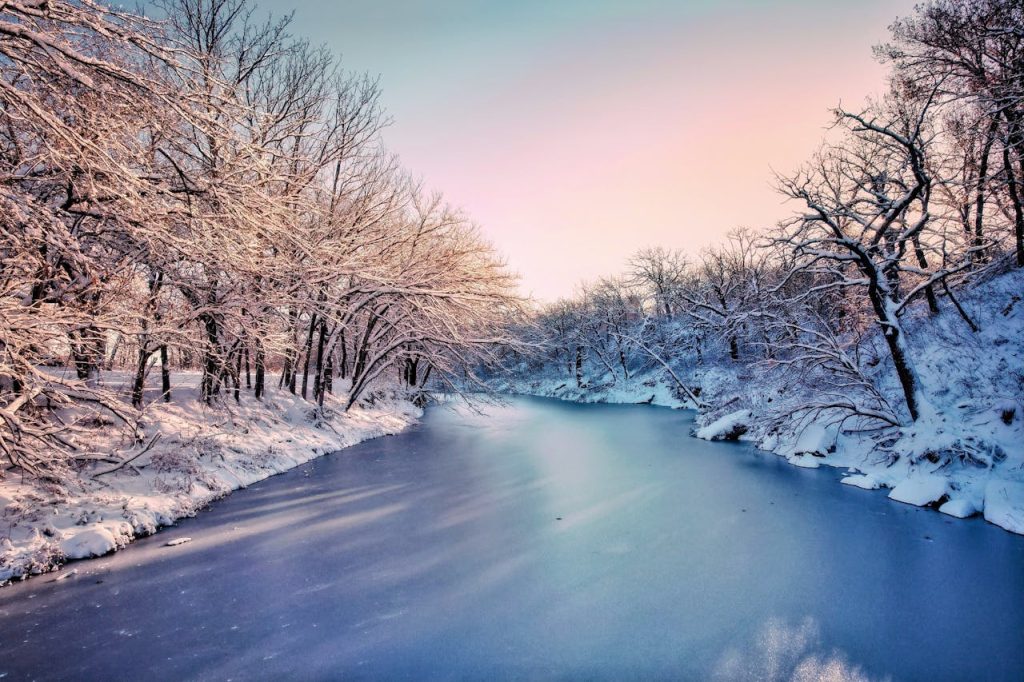
Professional guides in the Ozarks frequently recommend Eureka Springs during the mid-winter months for its unique atmospheric qualities. The town is famous for its winding, narrow streets and Victorian architecture, which take on a ghostly beauty when draped in the thick fog common to January. Because the town is built around natural springs and steep limestone bluffs, the landscape creates a natural sense of enclosure and privacy that feels far removed from the frantic energy of nearby metropolitan hubs.
Local historians note that the lack of summer crowds allows the true character of the town to emerge. Visitors find that the limestone trails and wooden stairways are often empty, providing a meditative space for walking. The local economy in January moves at a gentle crawl, with shopkeepers and cafe owners often taking the time for long conversations. This seasonal slowdown transforms the entire community into a sanctuary where the only schedule is dictated by the rising sun and the occasional clearing of the mist.
Galena, Illinois
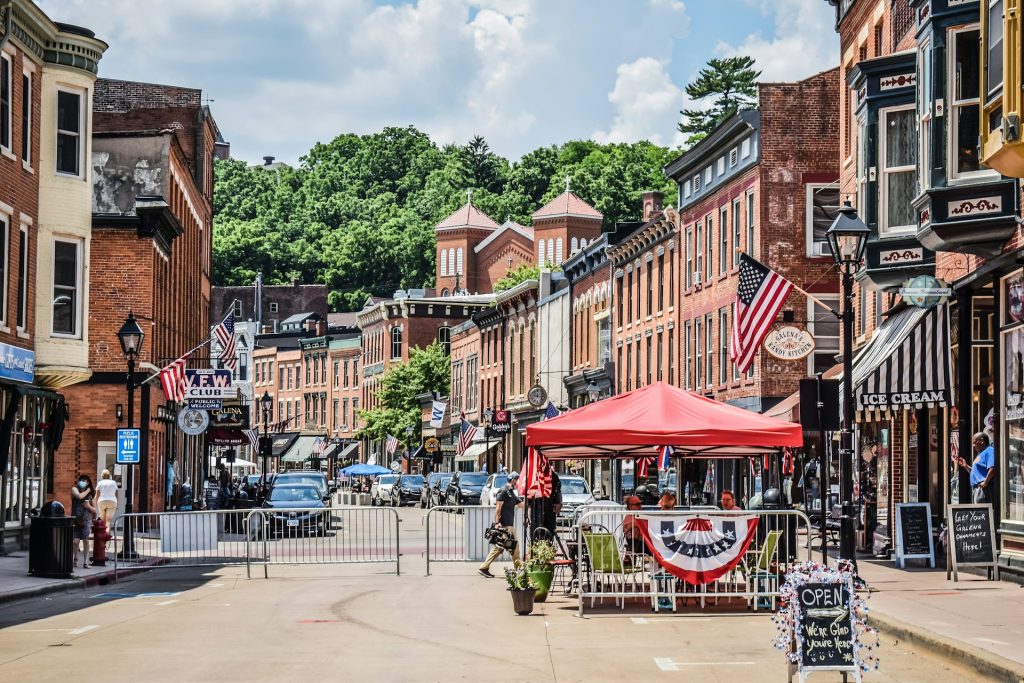
Regional planners and historic preservationists often point to Galena as a premier example of a town that feels perfectly scaled for a quiet winter. Perched above the Galena River, the Main Street is lined with 19th-century buildings that look particularly striking against a backdrop of fresh snow. In January, the heavy tourist traffic of the autumn foliage season disappears, leaving behind a community that feels settled and undisturbed. The surrounding rolling hills provide a soft, white horizon that limits visual distractions and encourages a focus on the immediate surroundings.
Designers who study historic interiors often appreciate Galena for its abundance of cozy, well-maintained spaces that prioritize comfort over flair. The town offers a variety of reading nooks, stone fireplaces, and quiet dining rooms where the clatter of a busy kitchen is replaced by the soft hum of low-volume music. It is a place where the primary activity is often nothing more strenuous than watching the snowfall from a window or taking a short, brisk walk through the historic district.
Carmel-by-the-Sea, California
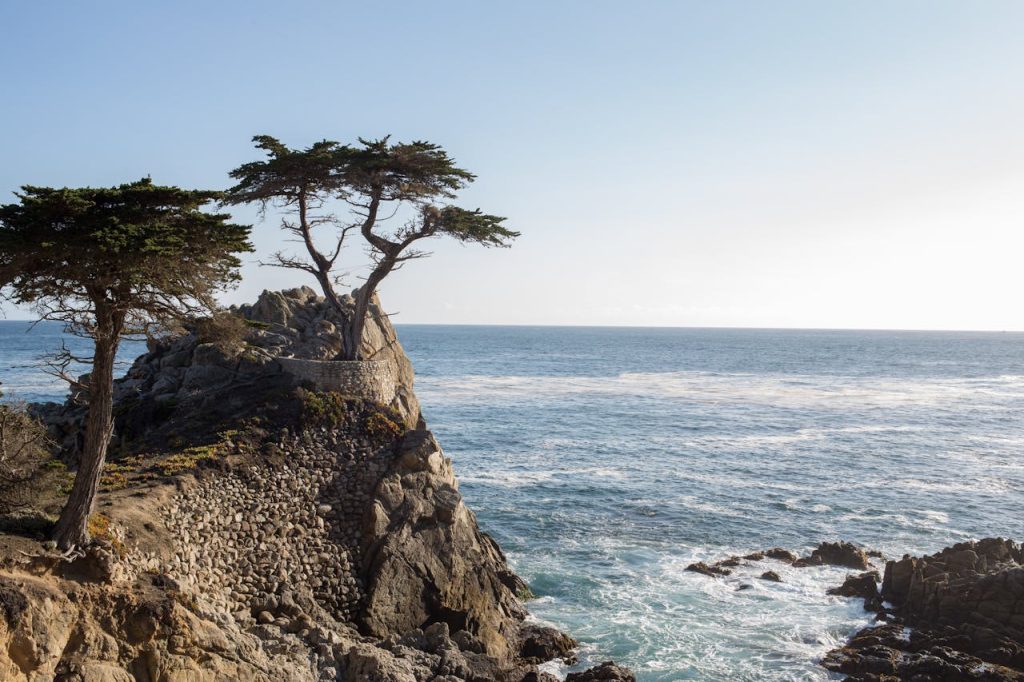
Coastal ecologists and California travel specialists suggest that the central coast gains a distinct sense of gravity in January. While many associate the state with constant sunshine, Carmel-by-the-Sea often experiences cool, moody weather during this period that keeps the beach crowds at bay. The twisted cypress trees and white sand beaches become a backdrop for solitary reflection rather than social gatherings. The sound of the Pacific Ocean becomes the dominant acoustic feature of the town, washing out the noise of daily life.
Art curators who frequent the local galleries observe that the town’s creative spirit feels more accessible when the sidewalks are clear. The absence of the summer heat and the arrival of the winter rains bring a lushness to the hidden courtyards and secret passageways that define the village layout. This environment allows for a slow-motion exploration of the local architecture and gardens, where the primary demand on one’s time is simply to notice the subtle shift in the coastal light.
Camden, Maine
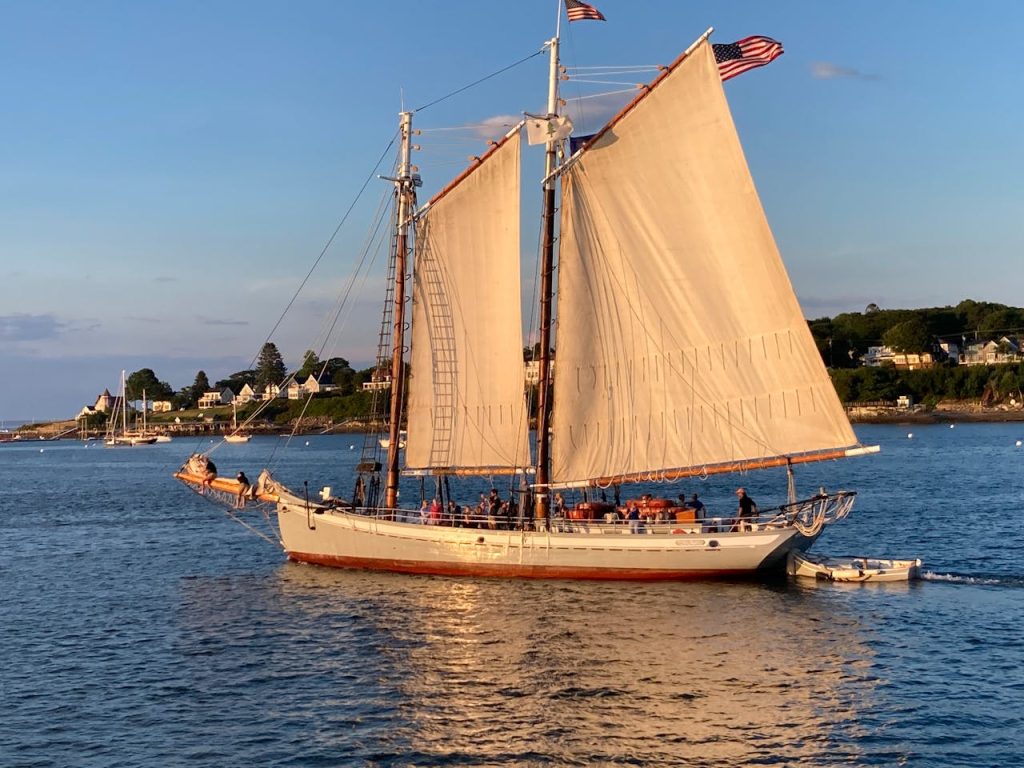
Maritime experts and New England locals understand that the Maine coast in January is a place for the hardy and the mindful. Camden, with its harbor full of resting schooners, offers a stark and beautiful contrast to its bustling summer identity. The Atlantic waters turn a deep, cold blue, and the surrounding mountains of Camden Hills State Park provide a silent, snow-covered guard over the town. This is a season where the community retreats inward, focusing on the warmth of local libraries and the steady rhythm of a working waterfront.
Sociologists studying small-town dynamics often note that January in Camden fosters a sense of shared quietude. The pressure to participate in outdoor recreation is replaced by the simple pleasure of a warm meal by a window overlooking the icy harbor. The town does not try to entertain its visitors with artificial spectacles; instead, it offers the raw, unvarnished beauty of a northern winter. It is an ideal setting for those who find the typical vacation schedule to be a burden rather than a break.
Highlands, North Carolina
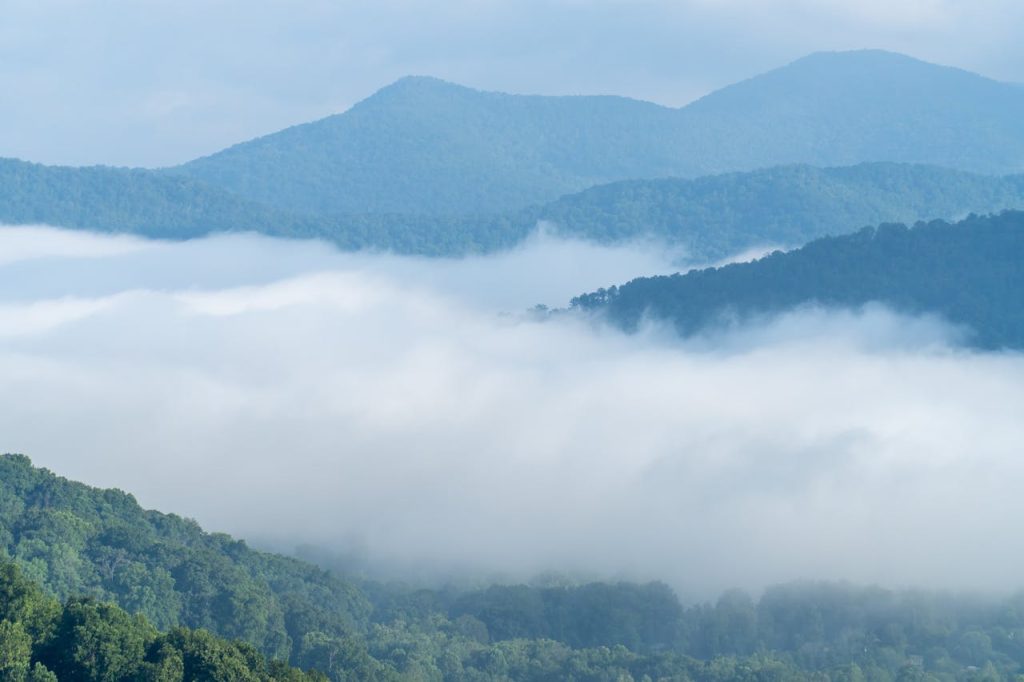
Horticulturists and mountain guides often praise the Southern Blue Ridge Mountains for their understated winter elegance. Located at a high elevation, Highlands frequently sees a dusting of snow and ice that coats the rhododendrons and hemlocks, creating a crystalline landscape. In January, the waterfalls that surround the town often freeze into intricate ice sculptures, providing a visual reward for those who venture out for short, quiet hikes. The town itself slows to a whisper, with many of the upscale boutiques and eateries providing a more personal and relaxed service.
Architects who specialize in mountain retreats often highlight the way Highlands integrates with its natural surroundings. The heavy timber frames and stone chimneys of the local buildings provide a sense of permanence and security against the mountain chill. During this month, the town feels less like a destination and more like a refuge. The lack of through-traffic and the muffling effect of the mountain air create a sanctuary where the passage of time seems to lose its typical urgency.
Port Townsend, Washington
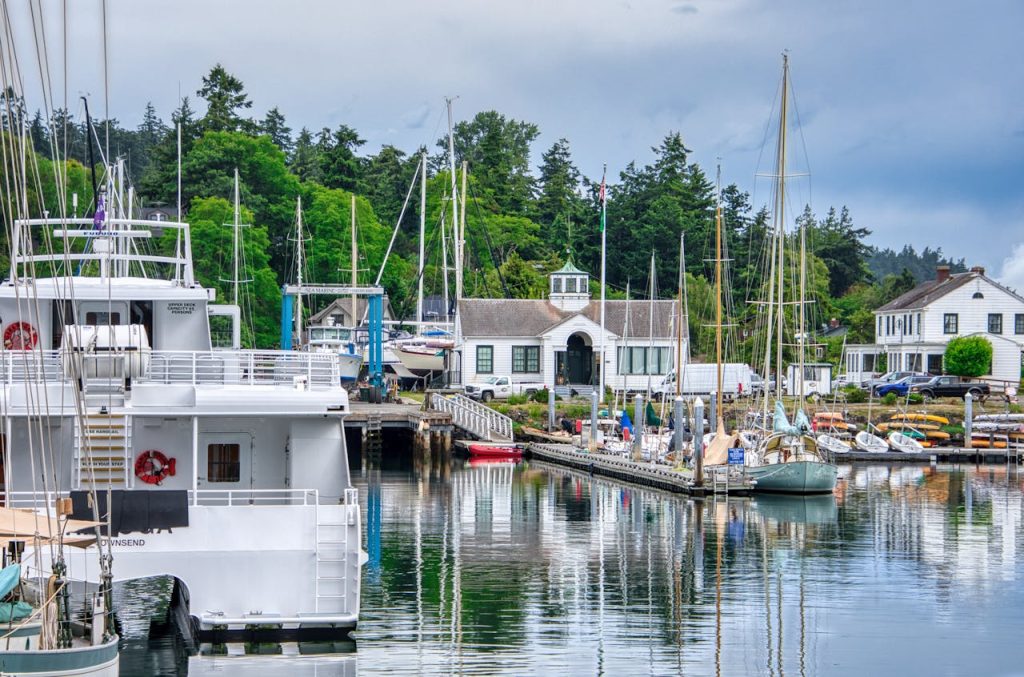
Naval historians and Pacific Northwest enthusiasts often find Port Townsend to be at its most authentic during the rainy month of January. This Victorian seaport, located on the edge of the Olympic Peninsula, is characterized by its grand brick buildings and views of the Salish Sea. The winter weather brings a grey, soft light that highlights the textures of the old architecture and the mossy forests nearby. It is a season for exploring the maritime heritage of the region without the distraction of festival crowds or summer boaters.
Environmental psychologists note that the sound of rain on the metal roofs and the sight of the mist rolling over the Puget Sound can have a profound grounding effect. Port Townsend’s community of artisans and boatbuilders continues their work at a steady, unhurried pace, providing a glimpse into a lifestyle that prioritizes craft over consumption. The town’s bookstores and coffee shops become the centers of social life, offering warm, quiet spaces to spend an afternoon without any expectation of productivity.
Stockbridge, Massachusetts
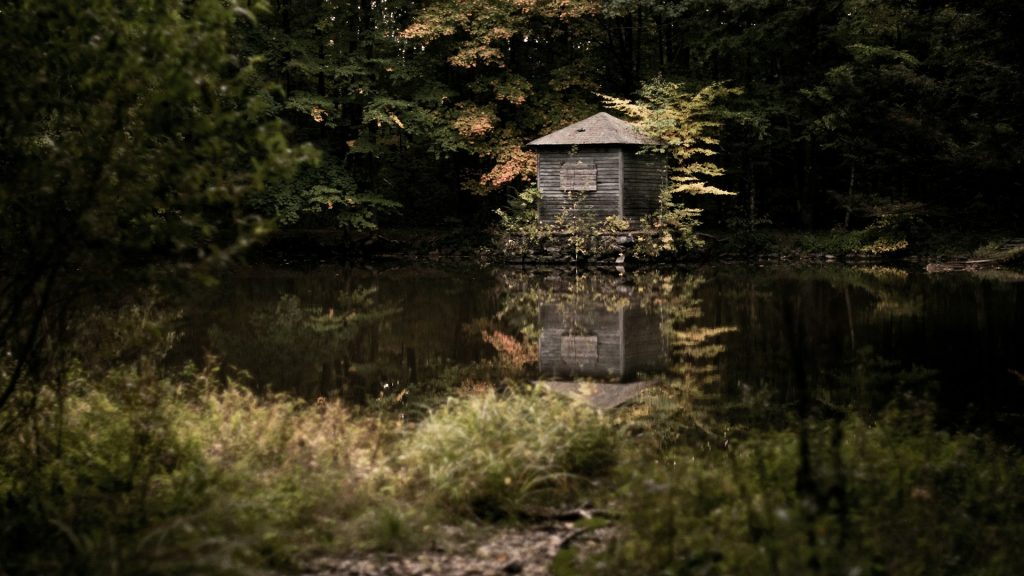
Museum curators and cultural historians often associate Stockbridge with the classic American winter scenes depicted in 20th-century art. In January, the town lives up to this reputation, offering a landscape that feels frozen in a more peaceful era. The wide Main Street and the historic inns provide a sense of space and order that is deeply comforting. With the Berkshire hills covered in snow, the town becomes a quiet hub for those looking to distance themselves from the complexities of modern life.
Travel writers focusing on the Northeast emphasize that the beauty of Stockbridge in January is its predictability. There are no high-stakes events or crowded venues to navigate. Instead, the days are filled with the sight of smoke rising from chimneys and the sound of boots crunching on frozen sidewalks. The local cultural institutions offer a quiet, contemplative atmosphere where one can engage with history and art at a personal, leisurely pace, free from the pressure of a ticking clock.
Beaufort, South Carolina
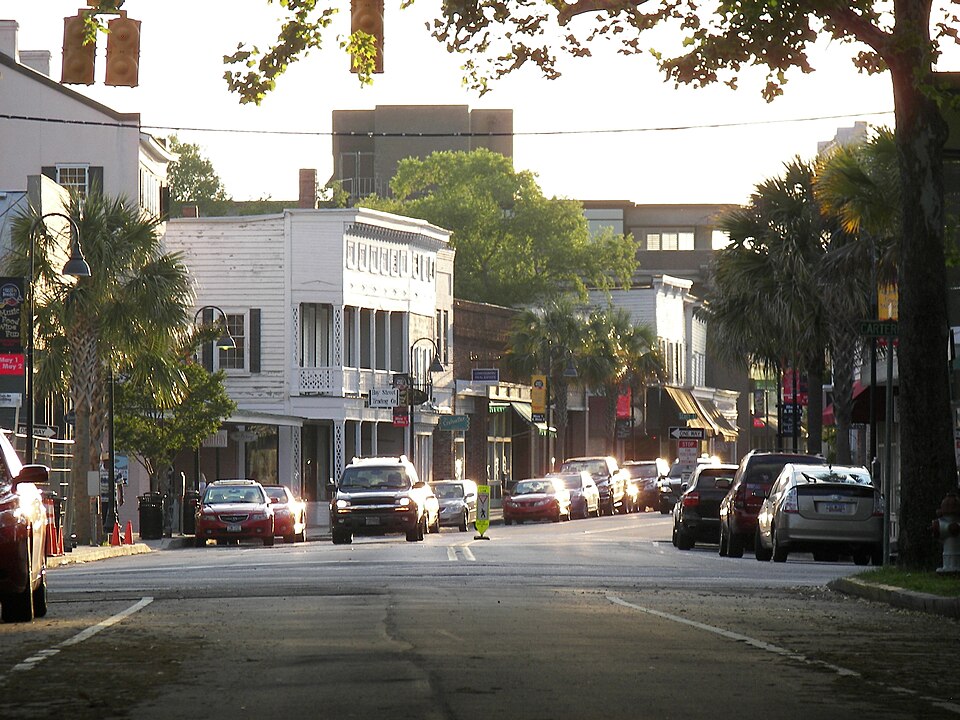
Southern historians and coastal naturalists often point to Beaufort as a place where time seems to move differently, especially in the heart of winter. While much of the country is dealing with harsh conditions, the South Carolina Lowcountry enjoys a mild, brisk January that is perfect for outdoor wandering. The Spanish moss hanging from the ancient live oaks sways in the cool breeze, and the historic salt marshes take on a golden hue. The town’s Antebellum architecture provides a majestic, silent backdrop for slow walks along the waterfront battery.
Local ecologists observe that the birdlife in the marshes remains active, providing a quiet form of entertainment for those who enjoy nature. The lack of humidity and the absence of insects make January one of the most comfortable times to explore the outdoors in this region. Beaufort does not demand much from its guests; it simply invites them to sit on a porch or stroll through the historic district, soaking in the salt air and the deep, cultural silence of the coastal south.
Stillwater, Minnesota
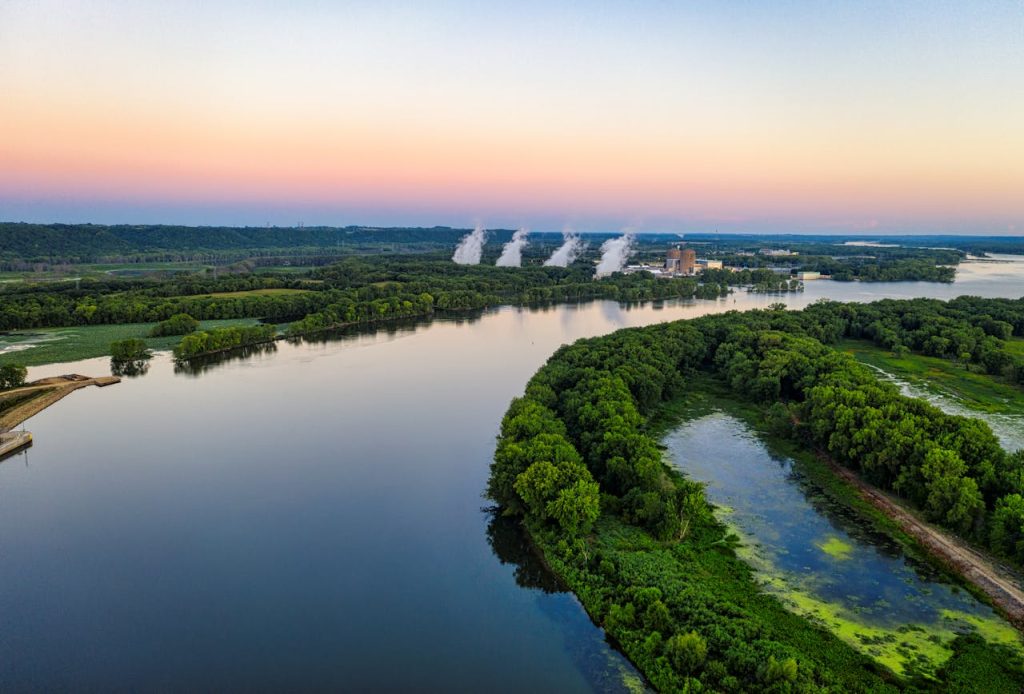
Urban planners and residents of the Midwest often look to Stillwater as a model for a “winter-friendly” town. Located on the banks of the St. Croix River, the town is known for its steep hills and historic lift bridge. In January, the river often freezes, and the town is blanketed in a reliable layer of white snow. This environment fosters a culture of “hygge,” or cozy contentment, where the focus is on creating warm, inviting interior spaces that contrast with the cold beauty outside.
Social researchers find that the residents of Stillwater embrace the winter with a sense of calm resilience. The town’s antique shops and independent bookstores offer a labyrinth of quiet aisles to explore. There is a communal understanding that January is a time for rest and recuperation after the long year. This shared mindset makes the town feel welcoming but undemanding, allowing visitors to slip into the local rhythm without any need for formal plans or high-energy activities.
Lewisburg, West Virginia
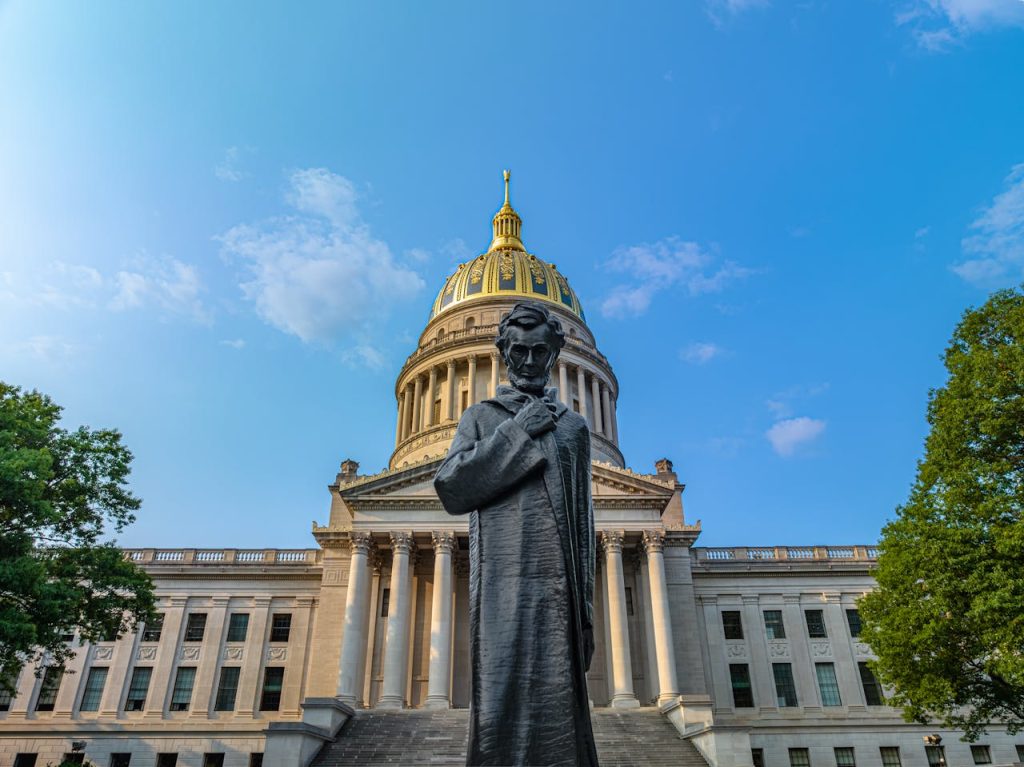
Geologists and Appalachian trail experts often recommend Lewisburg for its scenic beauty and its grounded, unpretentious atmosphere. Set in the heart of the Greenbrier Valley, the town is surrounded by rolling farmland and limestone plateaus that look stunning under a winter sky. January brings a crispness to the air that clarifies the views of the distant mountains. The town’s historic district, featuring buildings that date back to the 18th century, offers a sense of historical continuity that is inherently soothing.
Cultural experts in the region note that Lewisburg has a way of making people feel at home almost immediately. The local pace of life is naturally slow, and in the winter, it decelerates even further. The absence of major highways or large-scale commercial developments keeps the noise levels low and the air clean. It is a place where one can spend hours browsing local craft shops or sitting in a quiet cafe, feeling no pressure to do anything more than enjoy the stillness of the Appalachian winter.
Sitka, Alaska
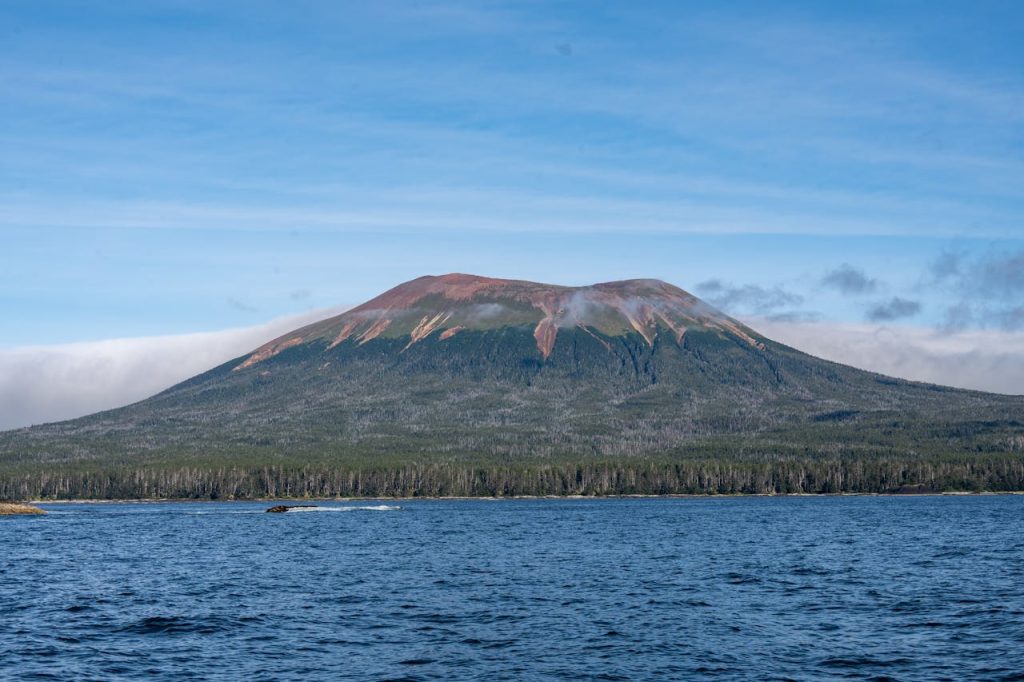
Wildlife biologists and Alaskan travel experts consider Sitka to be one of the most serene locations in the Pacific Northwest during the winter. Unlike the interior of the state, Sitka’s coastal location keeps temperatures relatively moderate, though the surrounding peaks are heavily capped with snow. In January, the town is shrouded in the deep greens of the Tongass National Forest and the slate blues of the Pacific Ocean. The short daylight hours create a natural limit on the day’s activities, encouraging early evenings and a focus on indoor comforts.
Those who study the local culture highlight the deep connection between the town and its natural environment. With the fishing fleet largely in port and the summer cruise ships long gone, Sitka returns to its residents. This transition creates a space where visitors can witness the true heart of the community. The sound of bald eagles and the distant crash of the waves are often the only breaks in the silence, making it a premier destination for those seeking a total departure from the demands of a busy life.