11 U.S. Towns That Are Actively Trying to Discourage Tourists

Some towns reach a point where popularity stops feeling flattering and starts feeling heavy. Parking fills before breakfast, short stays squeeze housing, and local errands take twice as long. Instead of leaning on slogans, more communities are using practical levers: cruise caps, resident-only permits, stricter short-term rental rules, and shuttles that replace car lines with predictable access. The aim is not to erase travel. It is to protect a livable rhythm so visitors arrive to a place that still feels like itself.
Bar Harbor, Maine
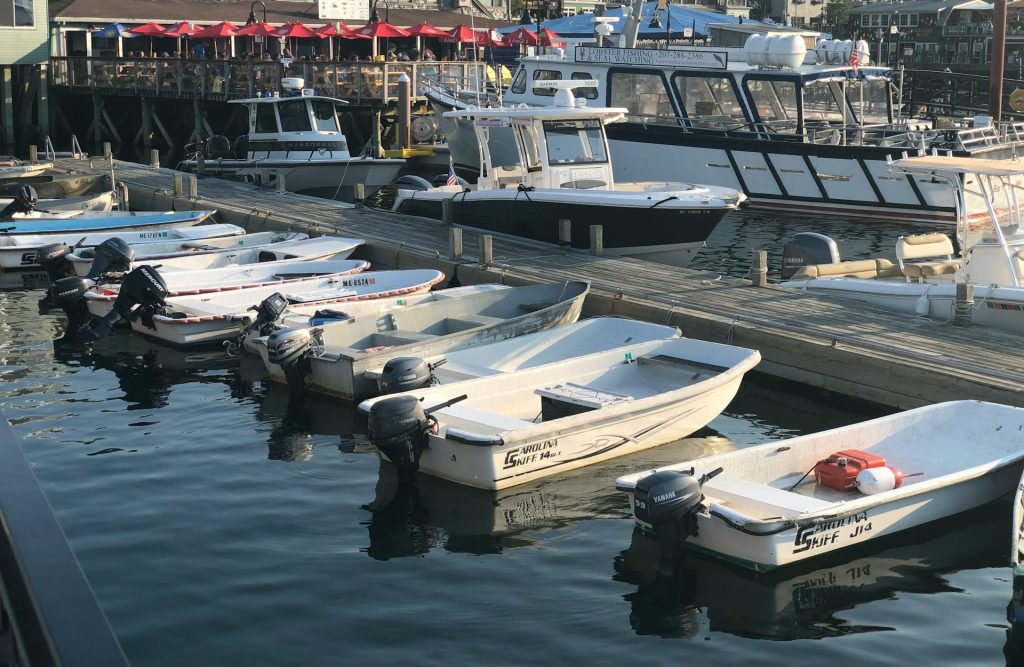
Bar Harbor treated cruise crowds as a civic issue, so voters backed a daily limit on how many cruise passengers can disembark. The point is to prevent a sudden tender rush from flooding a compact waterfront all at once. That kind of cap changes the feeling of a summer day in small ways that add up: shorter lines, fewer traffic knots near the pier, and less strain on restrooms and crosswalks. Businesses still get visitors, but the town is choosing steadier flow over the highest possible volume.
Juneau, Alaska
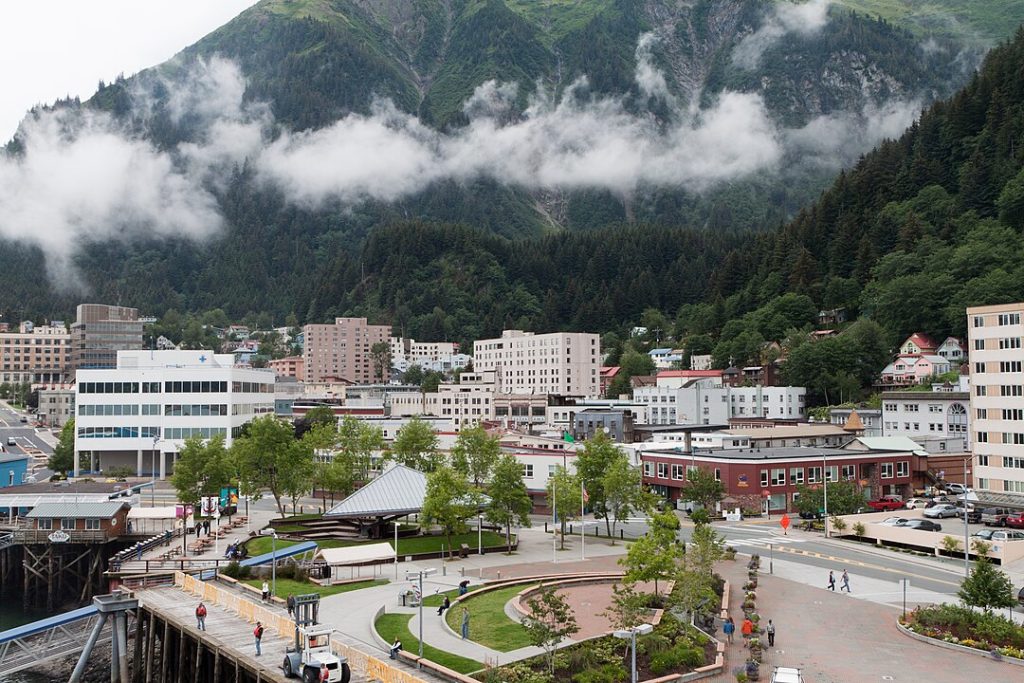
Juneau’s downtown can turn into a bottleneck when multiple cruise ships arrive together, so the city has pushed for limits that spread arrivals across the week. It has used a ship-per-day approach and negotiated passenger caps meant to reduce the most intense peak days. The goal is not to end cruising, but to stop the street-level crush that makes ordinary life feel impossible for locals trying to commute, pick up groceries, or reach trailheads. The result is a slower tempo, with fewer moments where the city feels like a hallway.
Sedona, Arizona
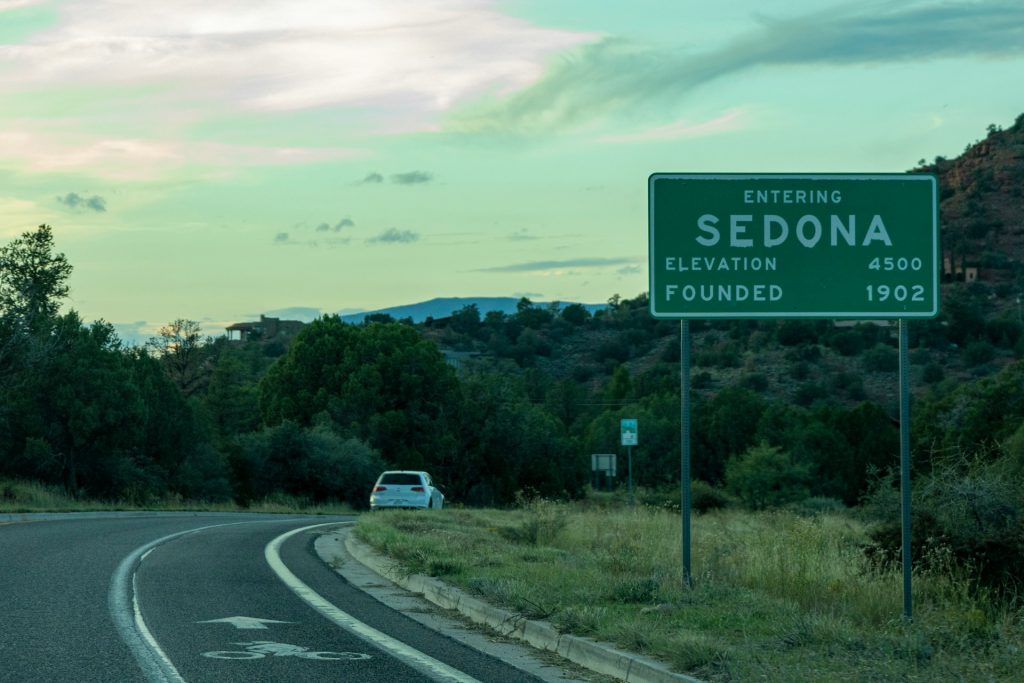
Sedona has been steering visitors away from the simplest habit: driving straight to a trailhead and expecting parking to appear. Shuttle routes and park-and-ride access shift cars away from narrow neighborhood roads where shoulder parking can block driveways and emergency lanes. When the shuttle network is running, restrictions at popular trailheads push people to use transit instead of circling for a spot. The red rocks remain open, but the town is making car-based access less convenient so crowd pressure spreads out and safety improves.
Bolinas, California
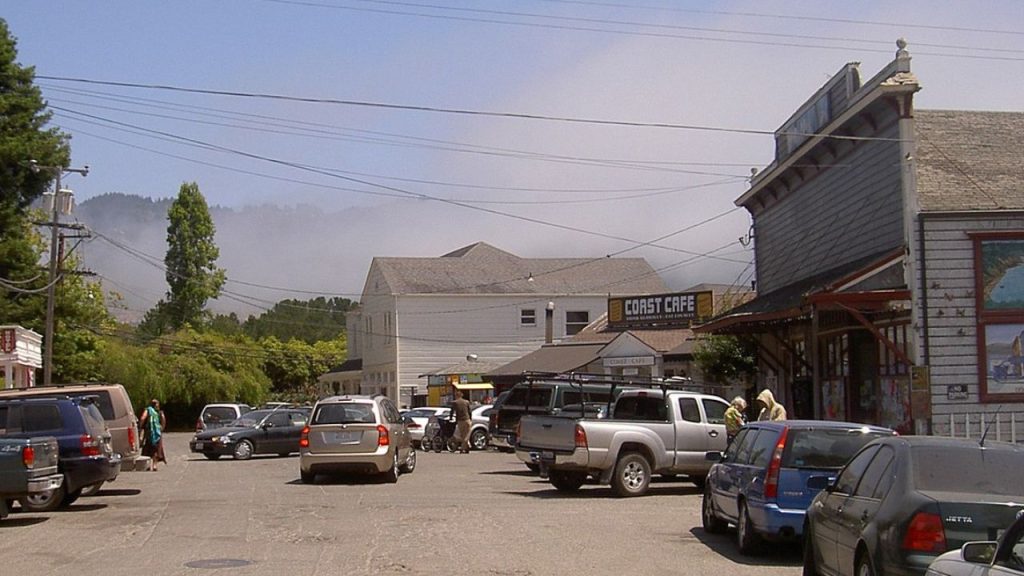
Bolinas has long resisted becoming a beach parking lot, and recent steps have focused on overnight vehicles. Resident-permit rules and time-based parking restrictions near beach access points make it harder to treat neighborhood streets like free lodging. By removing the easy option of leaving a car overnight near the sand, the town discourages vehicle camping and reduces the churn of late arrivals searching for any shoulder they can fit into. The shoreline stays public, but the path to it is designed to be less effortless.
Sausalito, California
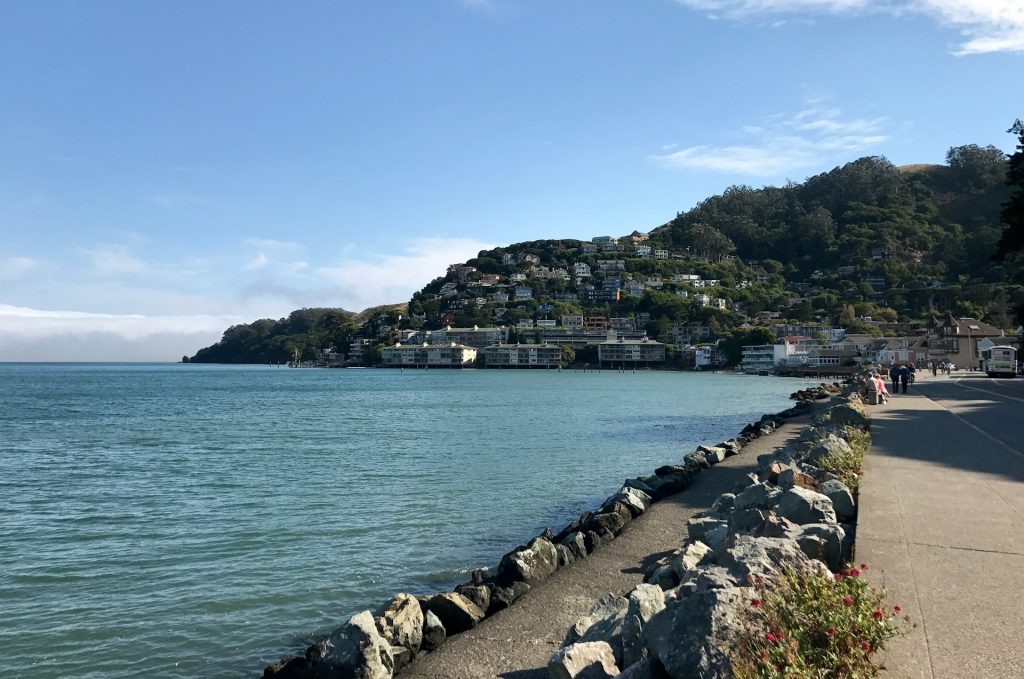
Sausalito has taken a hard line on short-term rentals, and the enforcement approach is designed to cut off the problem at the source: advertising. If listings for stays under 30 days are not allowed, the city can penalize the act of posting the rental online, not just the stay itself. That makes the rule easier to enforce and raises the cost of treating a home like a weekend asset. The practical effect is fewer casual listings, less turnover, and a stronger signal that housing is meant to serve residents first.
Wellfleet, Massachusetts
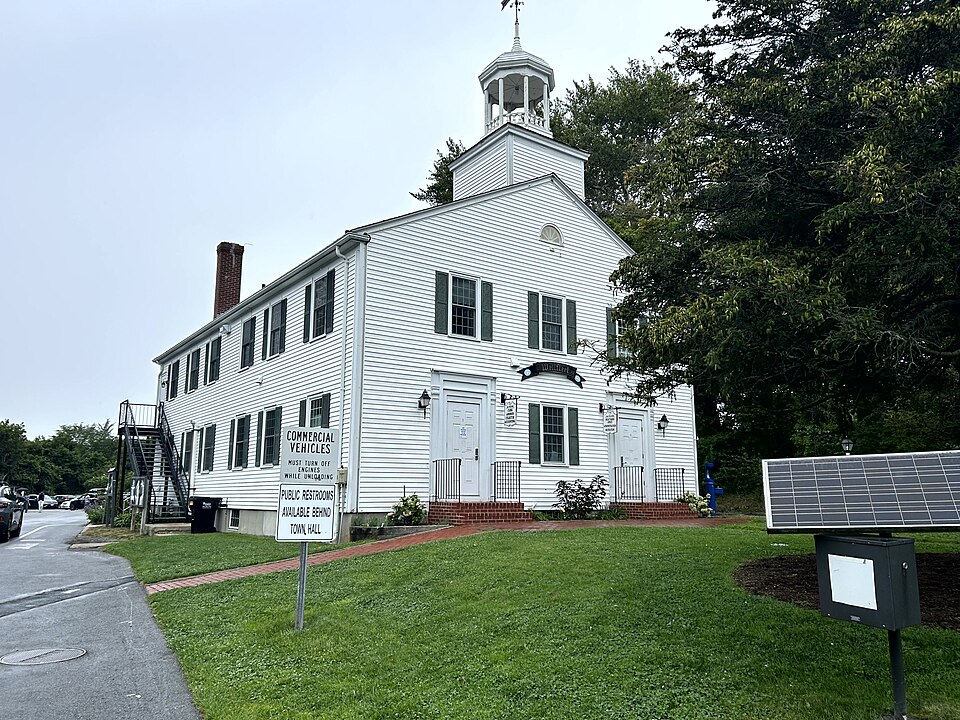
Wellfleet manages crowd pressure with a system that quietly shapes access through permits and eligibility. Beach sticker rules and limited parking options mean not everyone can roll in daily with the same ease, especially during peak summer weeks when Cape roads are already strained. The beach remains open, but the town’s parking framework reduces constant turnover in lots that were never built for endless traffic. It discourages impulsive day trips and helps protect dunes, neighborhood streets, and the small-town feel that draws people in the first place.
Southampton Town, New York
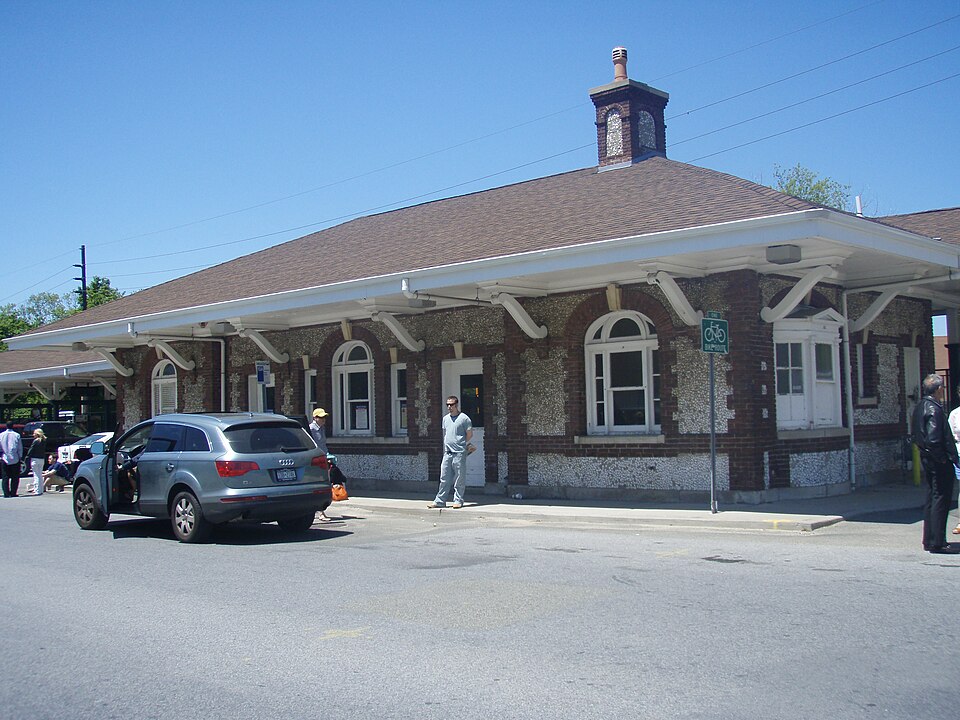
In Southampton Town, the barrier is rarely a gate; it is a permit paired with pricing that nudges behavior toward planning. Seasonal rules require beach parking permits during the main summer period, and non-resident pricing can be high enough to deter casual repeat visits. That system lowers the odds that a beach neighborhood becomes an all-day parking queue, especially on high-demand weekends. Locals still share the shoreline, but the town is using permits to keep access from turning into a daily scramble that overwhelms roads and lots.
Hermosa Beach, California
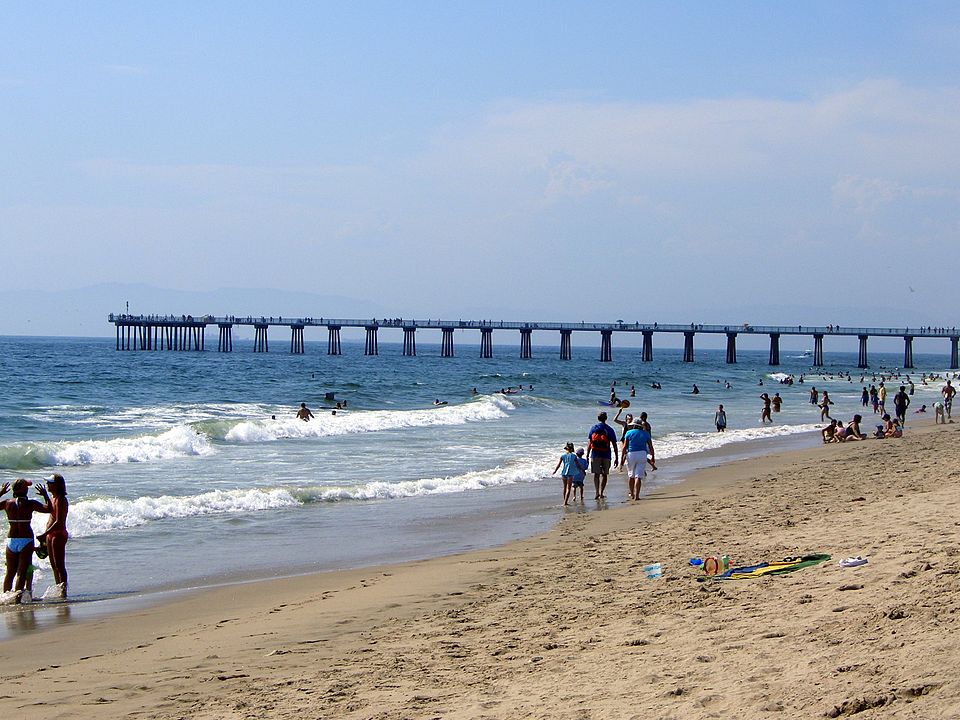
Hermosa Beach protects its residential blocks with parking permits that prioritize households over visitor demand. When street parking near the sand is limited and permits are capped, the easiest curb space stays tied to people who live there, not people arriving for a few hours. That reduces circling traffic, keeps side streets calmer, and prevents the spillover problem where beachgoers push deeper into neighborhoods searching for any open spot. Visitors can still come, but the town is making car convenience less automatic, especially during busy weekends.
Town of Sevastopol, Wisconsin
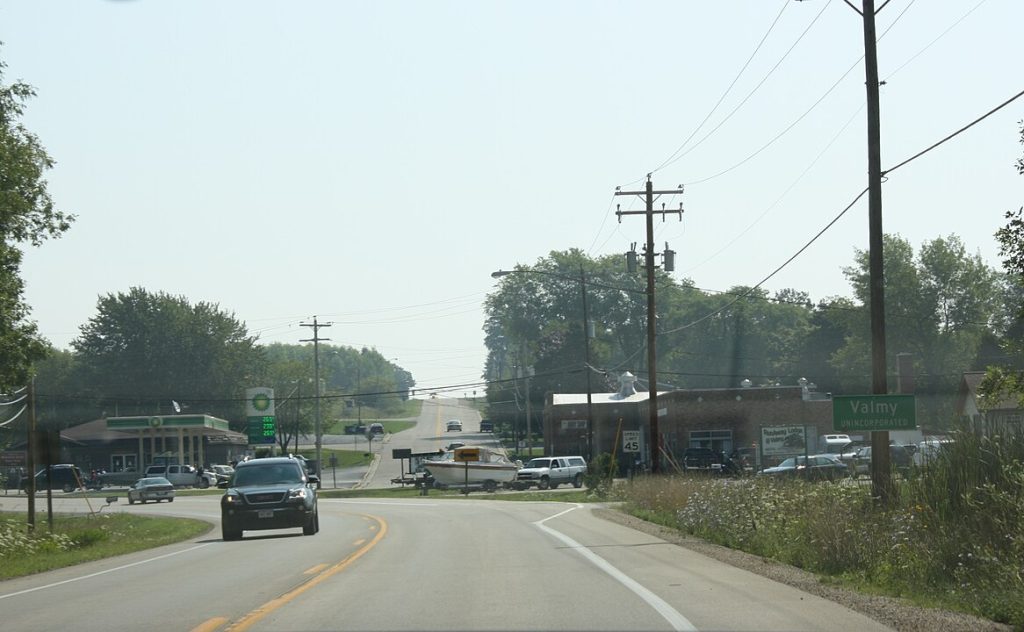
Sevastopol, in Door County, uses short-term rental rules that reduce weekend churn by requiring longer stays for new rentals unless the owner is on-site. That detail matters because quick turnovers create the most friction: more cars, more check-ins, more noise complaints, and more wear on small residential roads. Longer minimums encourage visitors who settle in rather than rotate through, and they discourage operators who want high-frequency weekend volume. It is a way to keep tourism present without letting it dominate the pace of neighborhood life.
East Haven, Connecticut
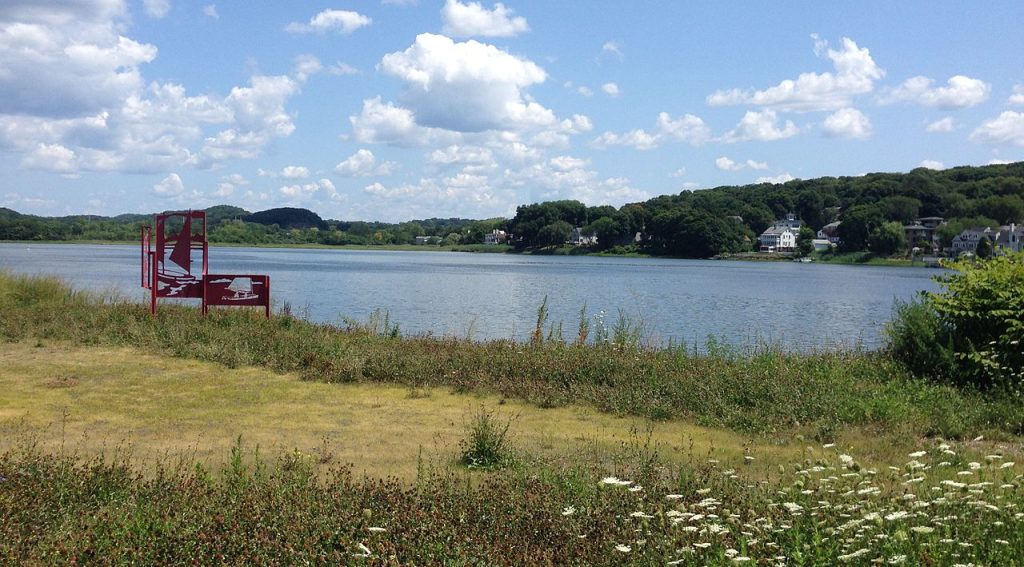
East Haven has moved toward stricter short-term rental rules that tie eligibility to real residency, not a mailbox. Requirements around permits, limits on how often a property can be rented, and caps on total rental days are designed to prevent shoreline blocks from shifting into rotating lodging zones. The town’s approach reflects a clear priority: neighborhoods should still feel like neighborhoods, even in summer. Visitors can still stay, but the rules make it harder to run constant short stays that strain parking, noise tolerance, and year-round housing supply.
Niskayuna, New York
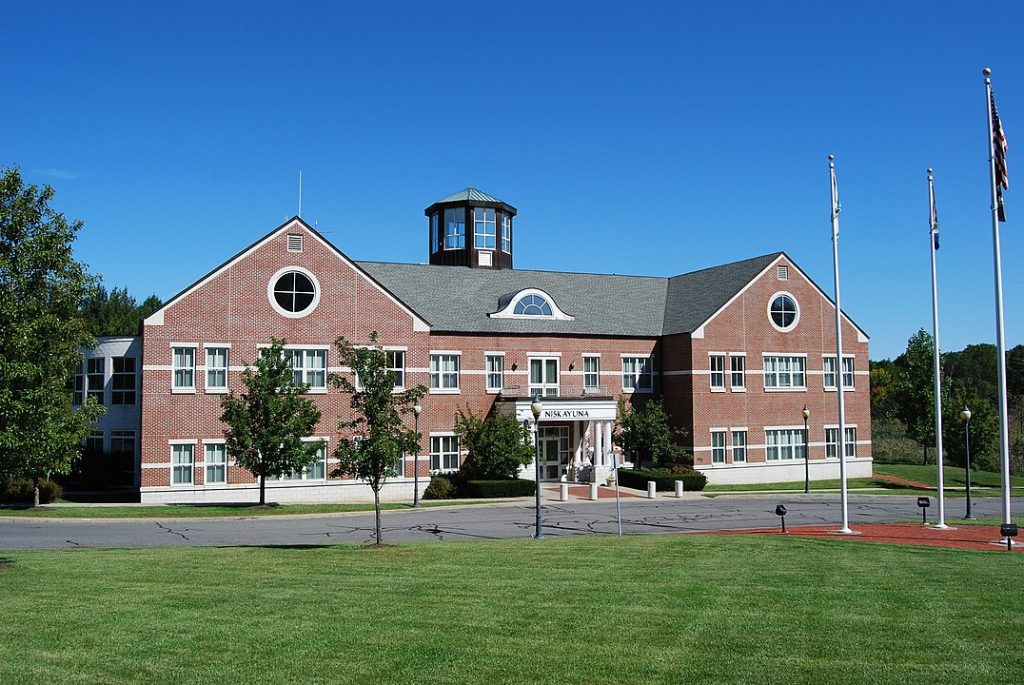
Niskayuna tightened short-term rental rules with a focus on supervision, occupancy, and parking, targeting the conditions that tend to upset neighbors first. Requirements that the host be present, limits based on bedroom count, and caps on vehicles keep rentals from functioning like large, unsupervised gathering spaces. That discourages high-volume weekend use and makes the typical stay smaller and calmer. The town is not trying to erase visitors; it is trying to stop a pattern where a single house changes the feel of a street through constant turnover and spillover cars.