11 US Destinations That Feel Honest Once the Season Stops Trying

Travel can change completely when peak season ends and a place stops performing for visitors, and the experience feels more like belonging than browsing. Streets quiet down, restaurants settle into local rhythms, and the small details become easier to notice without a packed itinerary. Shoulder season and off-season trips often feel honest because daily life shows through, from morning commutes to neighborhood markets and unhurried waterfront walks. Some attractions run shorter hours, but that tradeoff can create a calmer pace and more meaningful conversations, especially with locals who have time to chat. These eleven destinations tend to feel less staged once the rush eases, offering scenery, culture, and community without constant spectacle.
Lisbon, Portugal
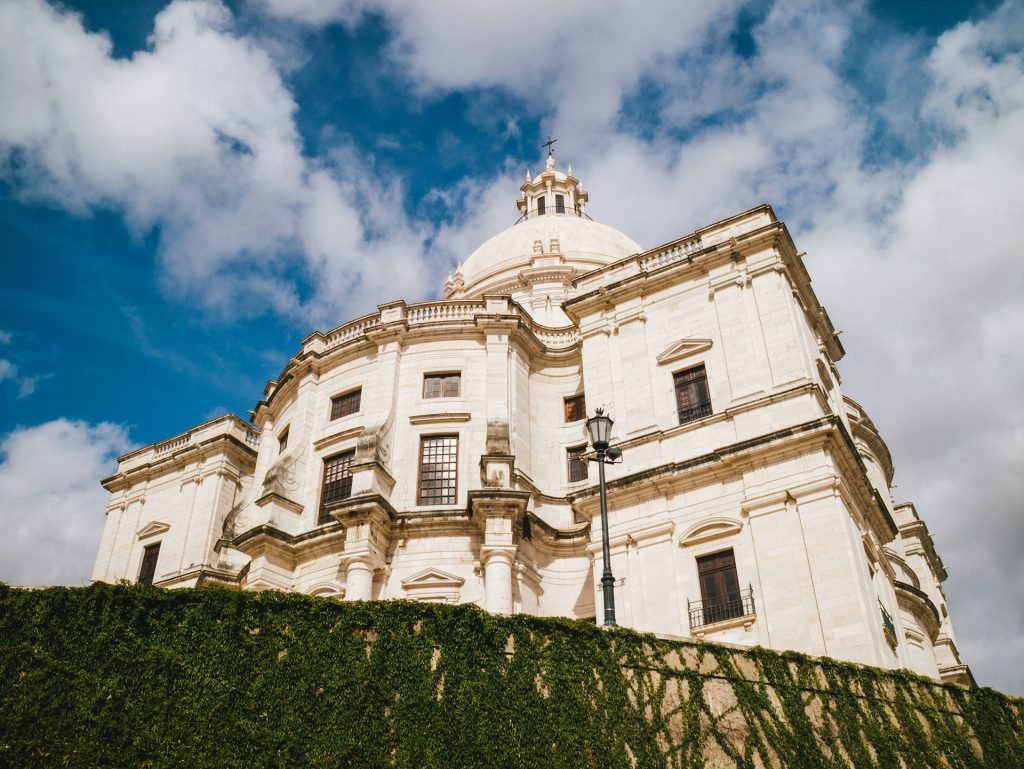
Lisbon often feels most authentic after summer crowds thin and the hills belong to residents again, and neighborhoods regain their everyday tempo. Cooler months bring softer light across tiled facades, and miradouros feel less like photo lines and more like neighborhood viewpoints. Cafes and bakeries keep their steady rhythms, and tram rides feel less squeezed, with more room to look out and linger. Rain can arrive, yet the city’s compact layout still supports long walks through Alfama and Baixa when streets clear. Cultural life continues through museums, fado houses, and local theaters, which can feel more intimate off-season. The overall experience shifts toward everyday Lisbon, where routine and history share the stage.
Venice, Italy
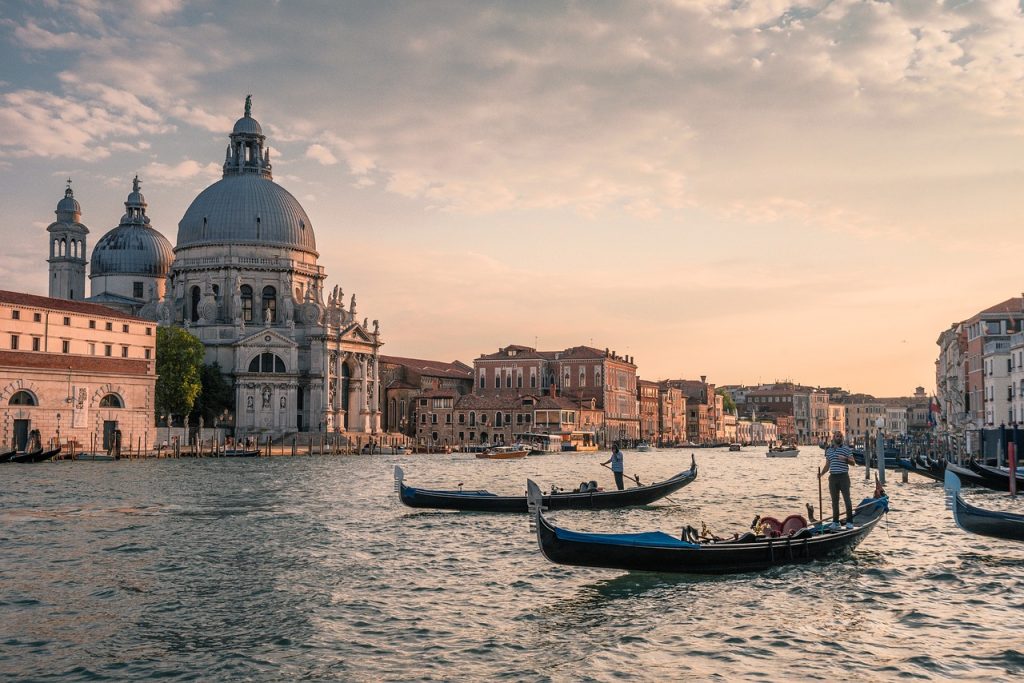
Venice can feel strikingly different once summer day-trippers ease and the lagoon city returns to a quieter tempo, and the soundscape shifts to water and footsteps. Cooler air makes walking along canals more comfortable, and vaporetto rides feel less crowded, which changes the mood of simple commutes. Many iconic sights remain, but the city’s residential details stand out more, from laundry lines to small groceries that serve locals. Winter acqua alta can occur, and the city uses raised walkways during higher water events, yet life continues, with shops adapting and neighbors helping each other. With fewer tour groups, Venice’s beauty feels less like a set piece and more like a functioning, lived-in place.
New Orleans, Louisiana
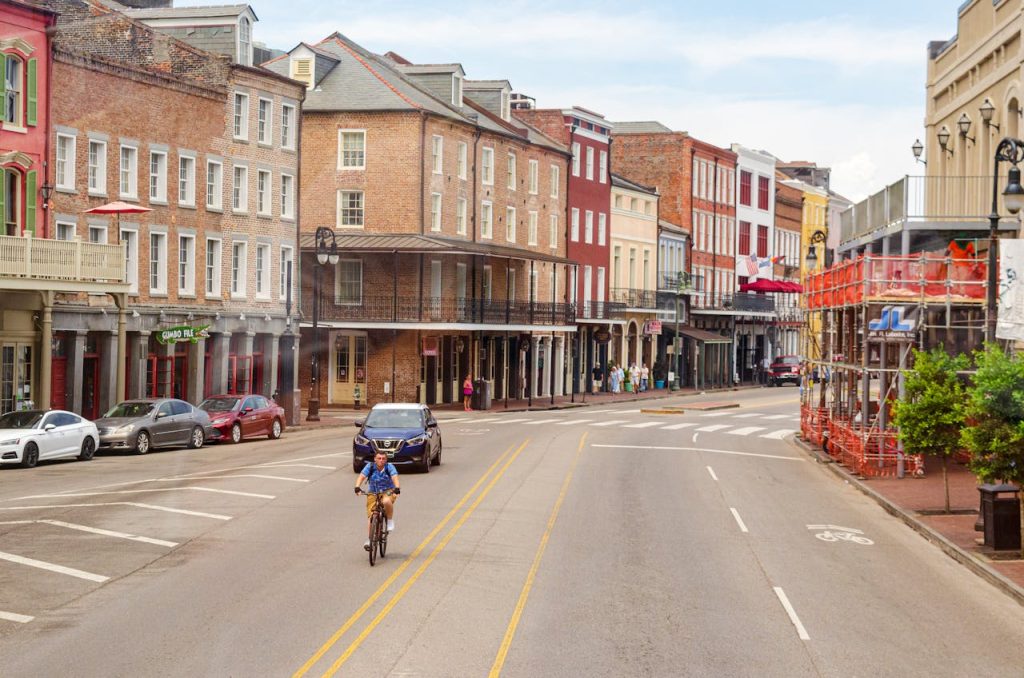
New Orleans often feels more grounded when the hottest months pass and the city settles into its everyday cadence, with locals reclaiming familiar corners. Cooler weather makes long walks through the French Quarter, Marigny, and the Garden District more comfortable, and conversations linger longer on porches and in cafes. Festivals still appear across the calendar, yet the tone can feel less frantic than peak tourist stretches, allowing smaller events to feel more personal. Live music continues in clubs and neighborhood bars, and local food traditions stay steady year-round. When crowds thin, New Orleans reveals more of its neighborhood texture, where history, resilience, and community shape the experience.
Savannah, Georgia
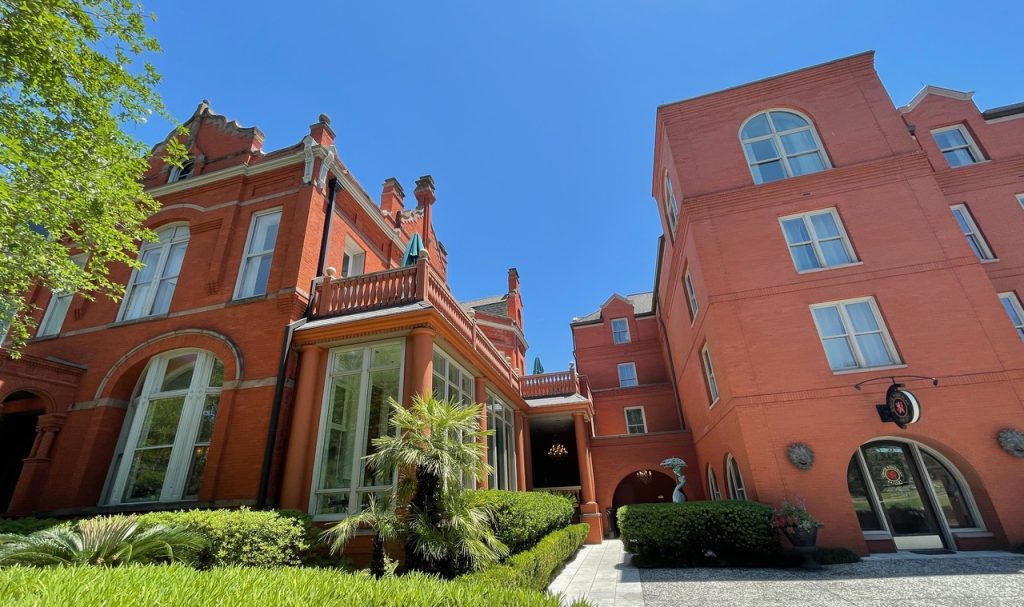
Savannah’s charm can feel calmer once summer humidity fades and the squares become more about locals than tours, and the city breathes a little easier. Mild temperatures make it easier to wander under live oaks and Spanish moss, and the city’s slow pace becomes the main attraction. Off-season evenings often feel quieter, which highlights porch culture, small galleries, and neighborhood restaurants. Historic architecture remains the backdrop, but without constant group schedules, the details land differently, from ironwork to garden courtyards. Coastal weather can still shift quickly, yet the city stays walkable, especially with a light jacket and comfortable shoes. Savannah’s honesty shows in daily routines that unfold around its public squares.
Barcelona, Spain

Barcelona often feels less performative once summer beach crowds disperse and residents reclaim neighborhood streets, especially in the early evenings. Cooler days suit long strolls through Eixample and Gracia, while the city’s food markets regain their everyday rhythm. Lines for major landmarks can shorten, but the bigger change is atmosphere, since plazas feel more like community spaces than staging areas. Cultural life remains lively with museums, concerts, and football season energy, and the city’s transit makes exploring easy without a tight plan. Rain is possible, yet the Mediterranean climate stays relatively mild. Off-season Barcelona highlights local routines alongside architectural drama.
Reykjavík, Iceland

Travelling to Reykjavík can feel especially honest outside summer, when daylight shortens and the city leans into cozy routines. The capital stays compact, and cafes, pools, and libraries become natural gathering points during darker months. Winter weather can turn quickly, and road conditions outside the city require care, yet local life continues with a steady practicality. Northern Lights season draws visitors, but the city still feels like a working place, with commuters and school schedules shaping mornings. Museums and music venues keep evenings active, and geothermal heat keeps interiors welcoming. Reykjavík’s off-season appeal comes from calm resilience and a strong sense of everyday comfort.
Kyoto, Japan

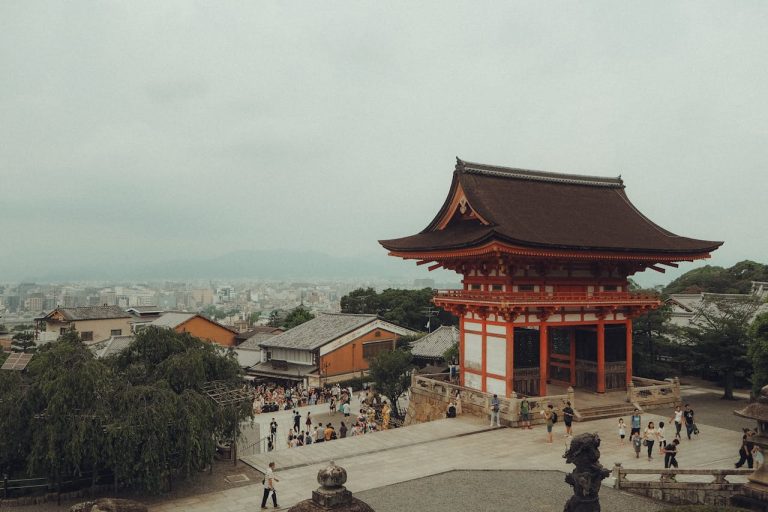
Kyoto often feels more reflective once peak cherry blossom and autumn foliage surges pass, and the city quiets into itself. Temples and gardens remain beautiful year-round, yet quieter pathways allow the city’s daily rhythms to surface, from morning deliveries to neighborhood shrines tucked off main routes. Winter brings crisp air and occasional snow, which can make wooden streets and stone steps feel atmospheric, though some days turn cold and damp. Seasonal foods shift, and small restaurants feel less hurried, with more time for conversation. Public transit stays reliable, and walking remains rewarding. In the off-season, Kyoto’s cultural weight feels less like a checklist and more like a lived tradition woven into ordinary life.
Santa Fe, New Mexico
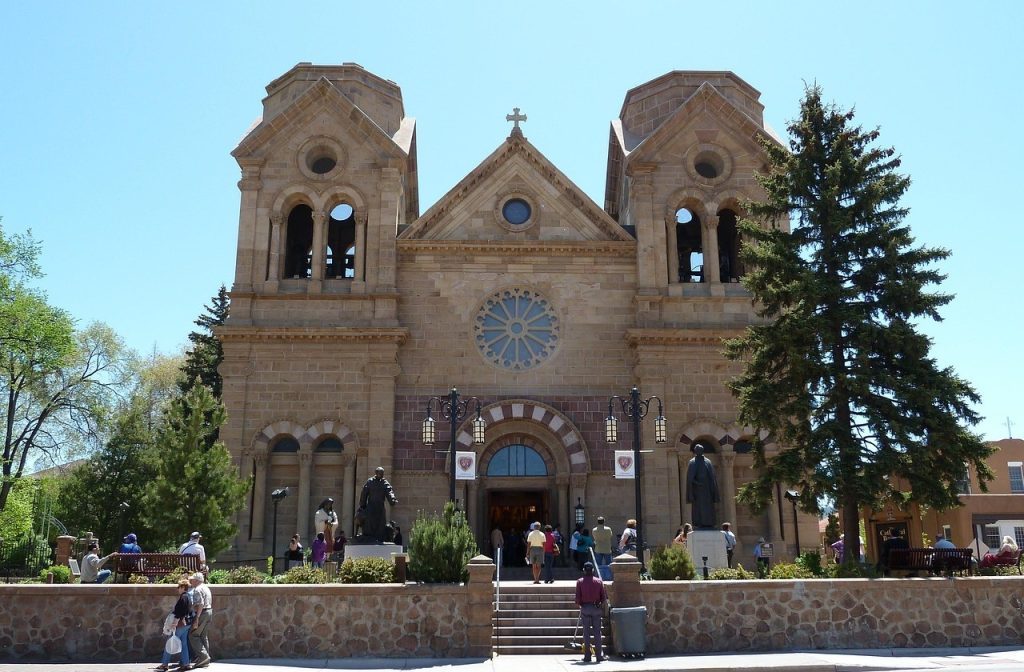
Santa Fe can feel most straightforward once summer arts travel slows and the city returns to its regular high-desert pace, with fewer lines and calmer streets. Cooler temperatures make downtown walks more comfortable, and the light across adobe architecture feels clear and steady. Galleries and museums remain active, but conversations often feel less transactional when crowds thin, and staff have time to talk. Nights turn cold at altitude, and winter can bring snow, yet sunny days still arrive, supporting outdoor time on trails and in plazas. Local food traditions and markets continue on their usual schedules. Without peak-season buzz, Santa Fe’s mix of Indigenous, Hispanic, and regional cultures reads as daily life, not a performance.
Amsterdam, Netherlands

Amsterdam often feels more like a hometown once summer tourism eases and residents set the rhythm again, especially along quieter residential canals. Cooler months bring quieter canals, and cycling culture becomes easier to observe without navigating dense crowds. Museums still draw visitors, but timed entries can feel less competitive, and neighborhood cafes regain their relaxed pace, with more open tables. Rain and wind are common, yet the city’s compact layout and transit options keep it navigable. Markets, bookstores, and brown cafes feel especially inviting when evenings arrive early. Off-season Amsterdam highlights everyday routines, from school runs to grocery stops, and that normality can make the city feel more honest.
Charleston, South Carolina
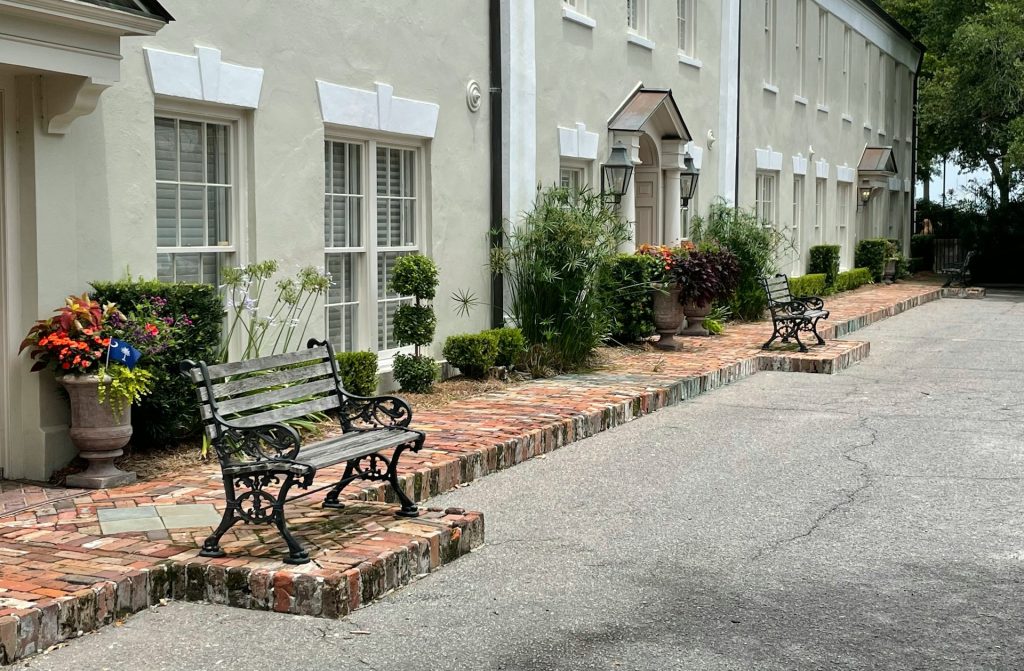
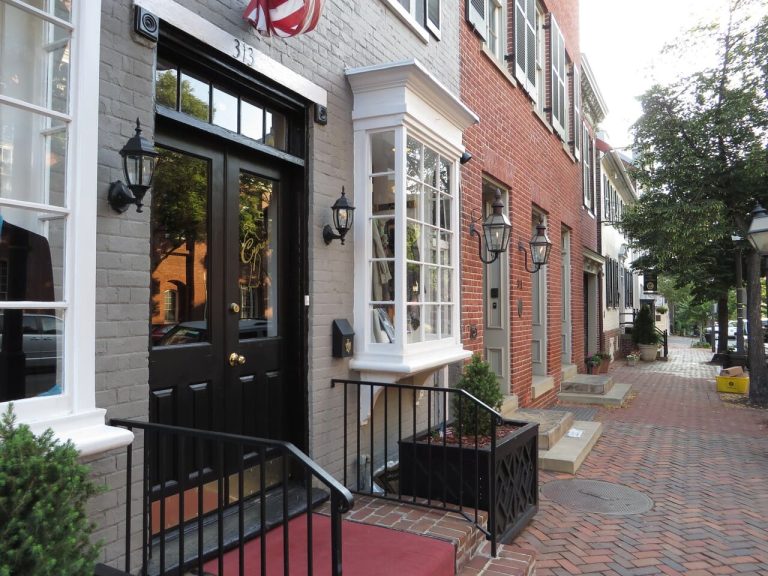
Charleston can feel gentler after summer heat breaks and the city’s historic streets carry less tourist pressure, especially on early weekday mornings. Milder weather suits long walks along the Battery and through residential neighborhoods where daily life continues behind pastel facades. Restaurant scenes remain lively, yet reservations can become less stressful when the seasonal rush fades, and staff can chat more. Coastal storms and rain can still appear, but cool breezes often make outdoor time pleasant. Local history reads differently in quieter moments, when carriage traffic and large groups thin. In the off-season, Charleston’s charm leans more on neighborhood routines, small shops, and waterfront calm than on spectacle.
Lake Tahoe, California And Nevada
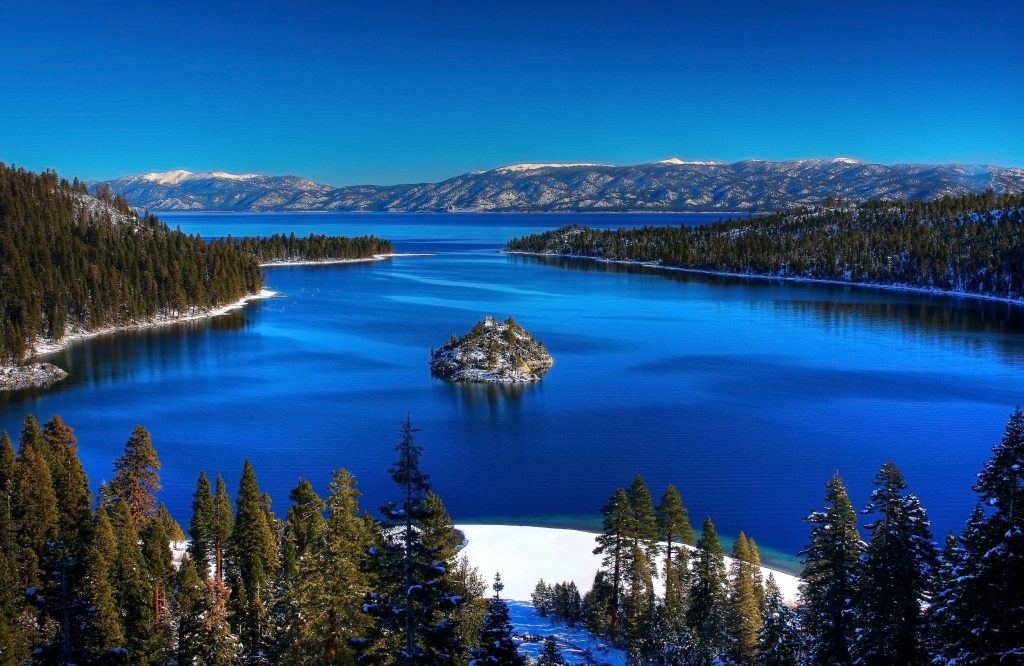
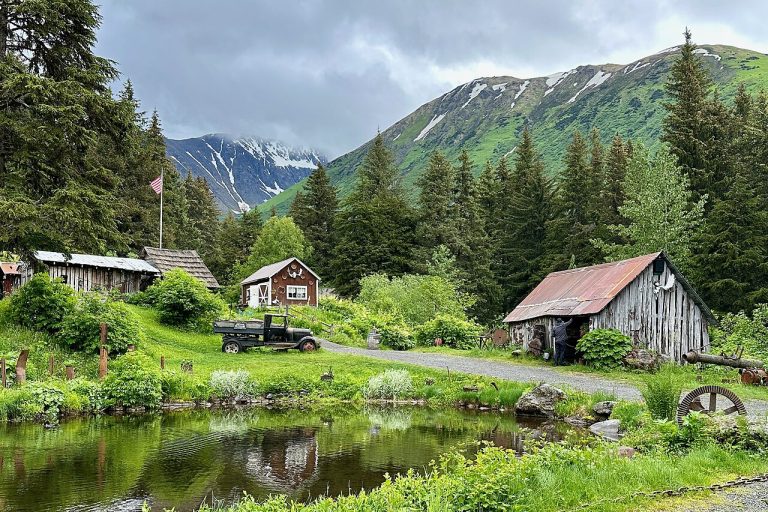
Lake Tahoe often feels most real once the summer beach rush ends and the region shifts into shoulder season or winter rhythms, when locals reclaim the shoreline and sunsets feel quieter. Towns like South Lake Tahoe and Tahoe City move from crowded marinas to practical routines, shaped by weather and road conditions. Fall can bring crisp hikes and quieter trails, while winter draws skiers and riders, yet the area still feels less performative than summer peak weekends. Snowstorms can affect travel, and chain controls are common during heavy weather, so planning matters, especially for mountain passes. With fewer crowds, the lake’s clarity and mountain backdrop feel like the main story, not the scene around it.