11 Ways U.S. Women’s Travel Habits Changed After the Pandemic

After the pandemic, women across the U.S. did not simply return to travel; they rebuilt it around clearer priorities and firmer limits. Trips became less about cramming maximum activity into a short break and more about coming home with energy, focus, and calm still intact.
Safety prep, smarter timing, and value-first spending moved from optional habits to everyday practice. Solo plans and smaller groups felt easier to manage, while travel itself became a way to recover autonomy and perspective. That reset still shapes how bookings are made, and why this steadier rhythm now holds across seasons, budgets, and life stages, with clearer judgment.
1. Solo Travel Became a Default Choice
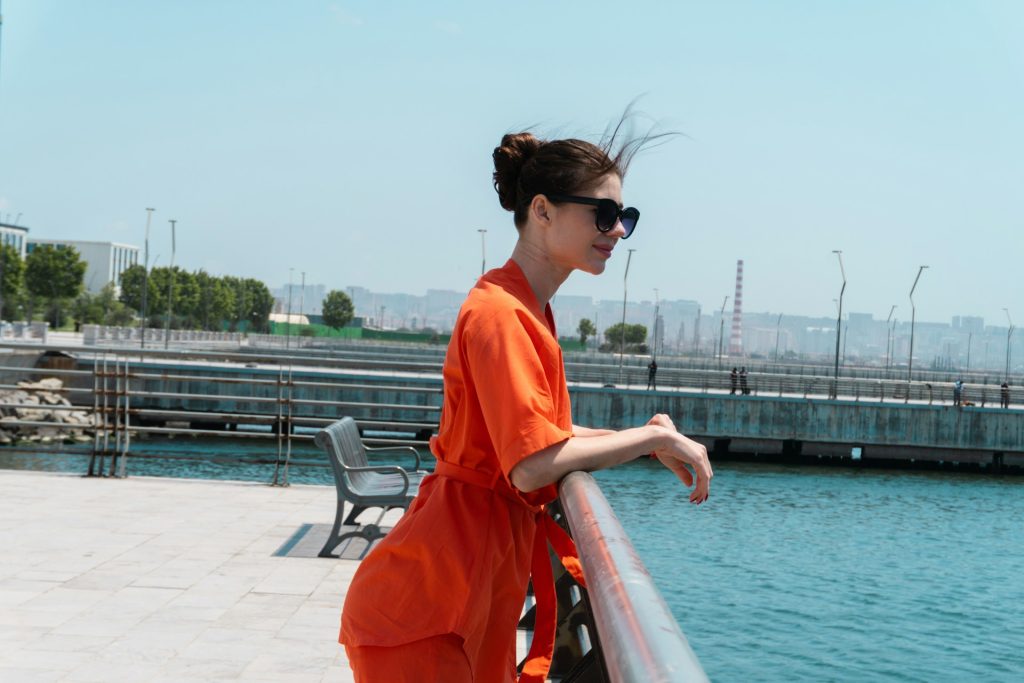
After the pandemic, many women in the U.S. stopped waiting for perfect group timing and started booking around real life. Solo travel shifted from a bold exception to a practical rhythm tied to career pauses, birthdays, caregiving breaks, and personal recovery. The language around it changed too, from brave to normal.
Planning followed that emotional shift. They picked walkable neighborhoods, arrival times that felt calm, and hotels known for reliable service. Days were designed with slower pacing, better sleep, and room to think. Independence came to mean control, not isolation, and that definition continues to shape itineraries nationwide.
2. Safety Planning Turned Into Routine
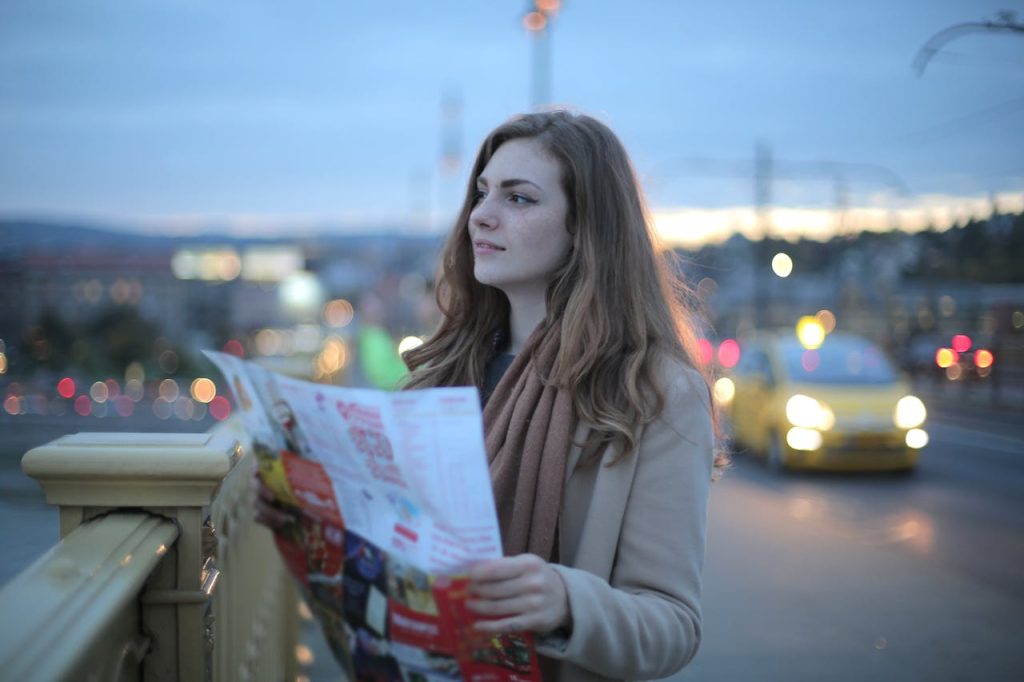
Pandemic uncertainty taught people to plan for disruptions, and many women carried that discipline straight into travel. Safety prep began early, before booking, with attention to landing time, transfer reliability, neighborhood comfort after dark, and how quickly support could be reached if plans moved.
That process did not reduce joy. It reduced friction. Women shared itineraries with trusted contacts, kept key documents accessible, and selected stays with dependable staffing and strong reviews for late check ins. Preparation became a quiet confidence practice that protects spontaneity instead of replacing it, on nearly every trip now too.
3. Group Trips Became Smaller and Clearer
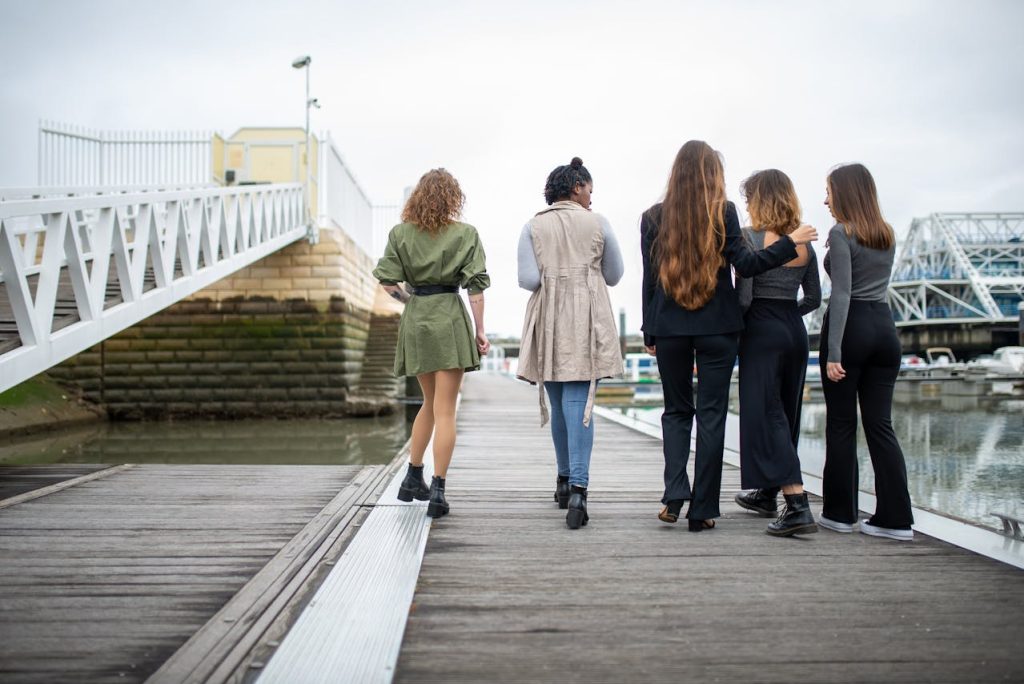
Group trips changed in tone after lockdown years. Many women moved away from oversized crews and toward smaller circles with matched budgets, sleep preferences, and expectations around pace. Fewer personalities often meant better conversations, cleaner decisions, and fewer tense moments about where to eat or when to move.
Planning also got clearer. Friends discussed money limits, room setups, and downtime before anyone paid a deposit. Those early conversations removed guesswork, protected relationships, and kept energy steady across the trip. Social travel stayed important, but structure turned it from stressful coordination into shared ease
4. Spending Focused on Value, Not Volume
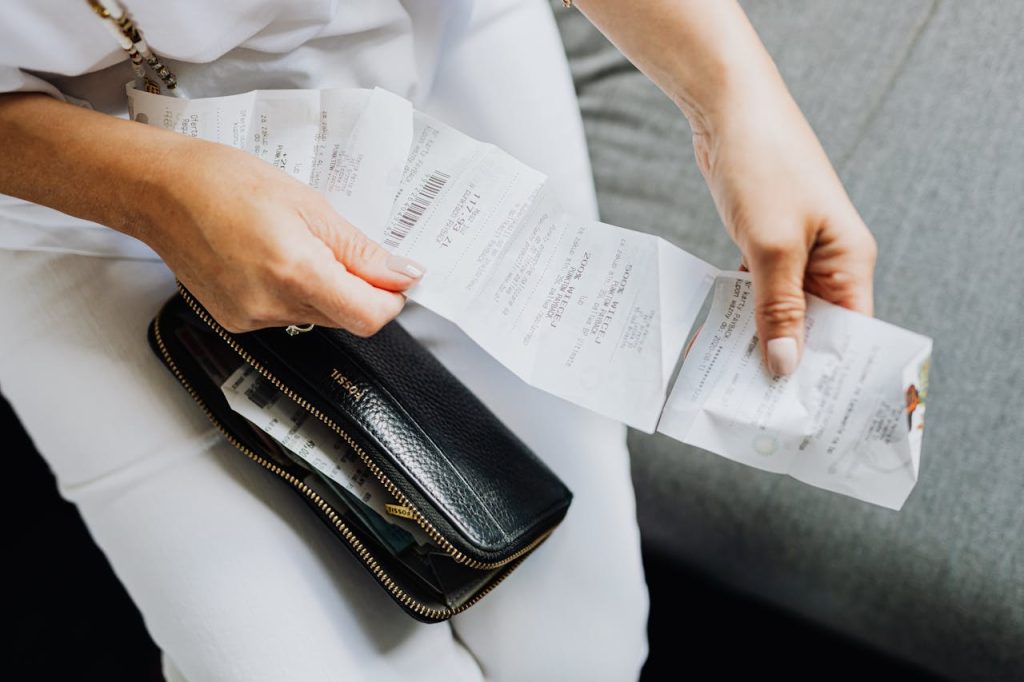
Travel spending became more selective after years of uncertainty. Many women kept traveling but stopped rewarding overloaded schedules that looked exciting online and felt draining in real time. They began favoring one well built trip with space to breathe over multiple rushed breaks filled with transfers and tight turnarounds.
This changed how money was allocated. Flexible terms, location quality, and sleep friendly logistics started to matter as much as headline price. Extras that added stress were trimmed first, while details that improved comfort stayed. The result was not smaller ambition, but better value per dollar and per day overall
5. Shoulder-Season Travel Became a Core Move
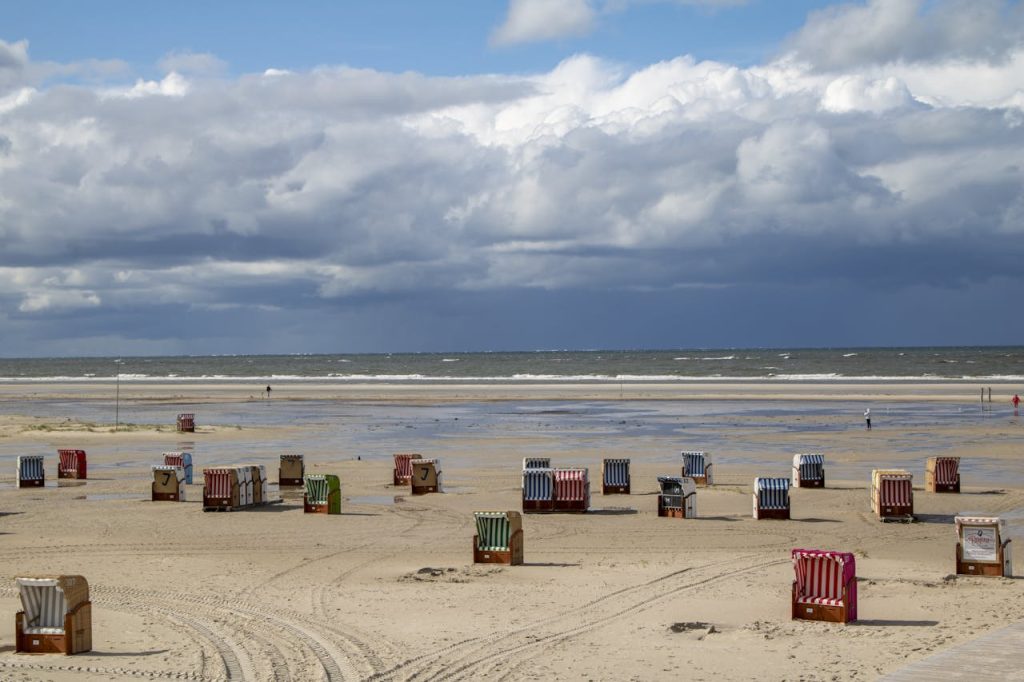
Peak season stopped being the automatic target for many women in the U.S. After the pandemic, shoulder months became more attractive because they offered calmer streets, easier reservations, and less crowd pressure. The benefit was not only cost control. It was emotional breathing room across the whole itinerary.
Timing became an intentional tool, not a leftover decision made after flights were gone. Women chose dates around weather comfort, energy cycles, and local event load, then built plans with fewer bottlenecks. That shift improved mornings, reduced transit strain, and made spontaneous choices easier to enjoy once on ground each year..
6. Nature Trips Took on New Emotional Weight
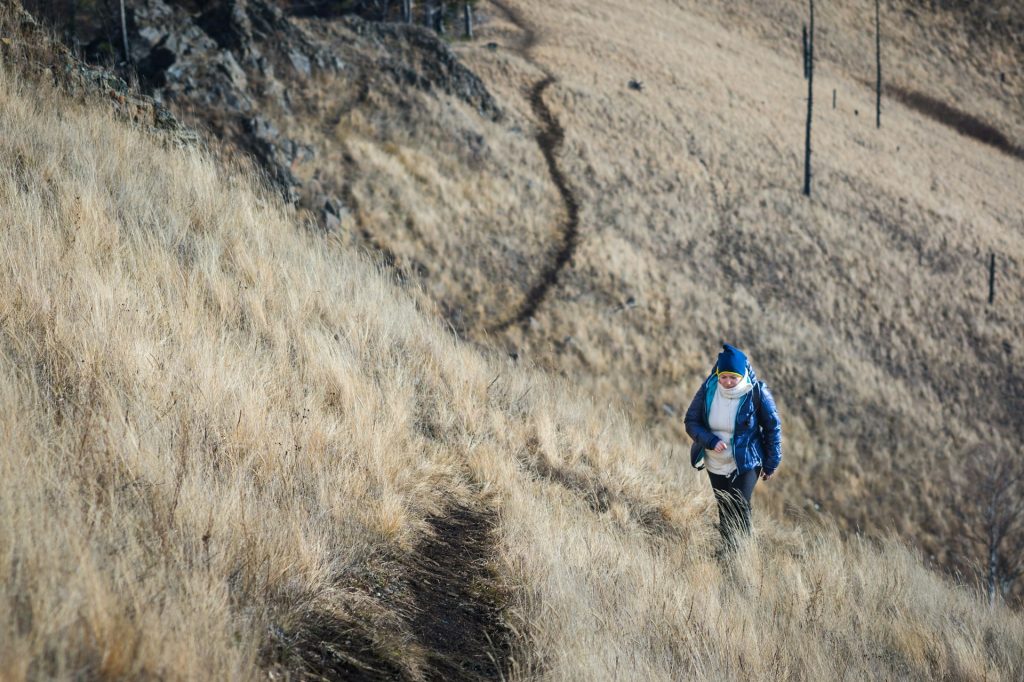
Nature forward travel gained new weight once everyday life sped up again. Many women started choosing itineraries with open air, trails, water views, and quieter evenings because those settings helped reset attention and mood. Outdoor time shifted from optional scenery to a core part of how recovery was planned.
Trip design reflected that priority. Instead of stacking every attraction into one schedule, they balanced one anchor activity with unclaimed time, local meals, and earlier nights. The goal was a steadier nervous system, not constant stimulation. Travel still felt exciting, but it stopped feeling like a performance test for many now.
7. Regional and Road Trips Stayed Strong
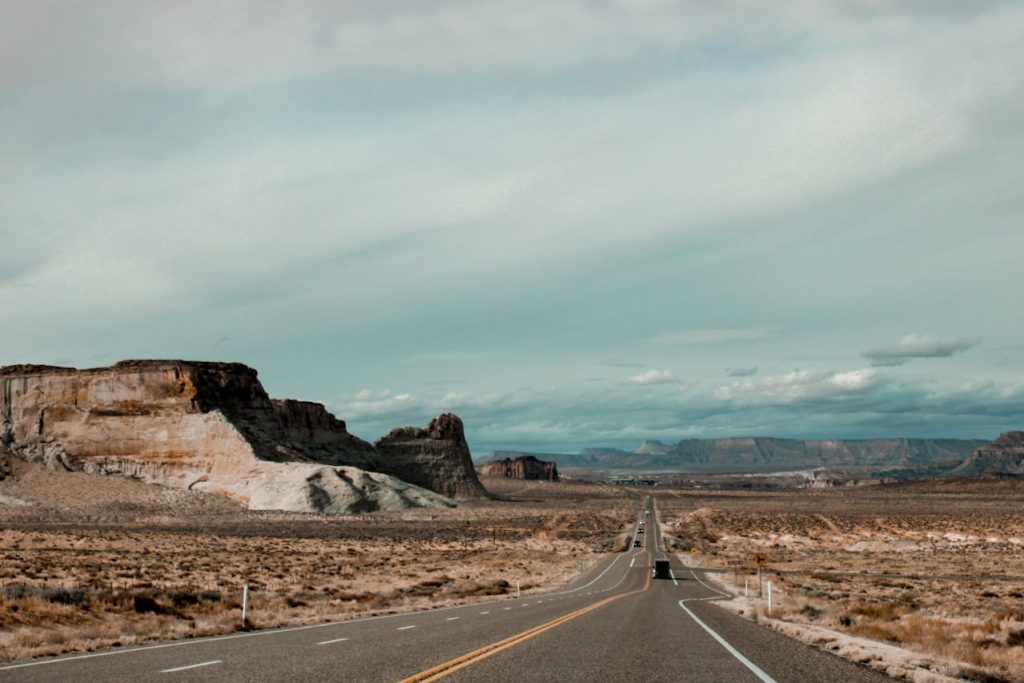
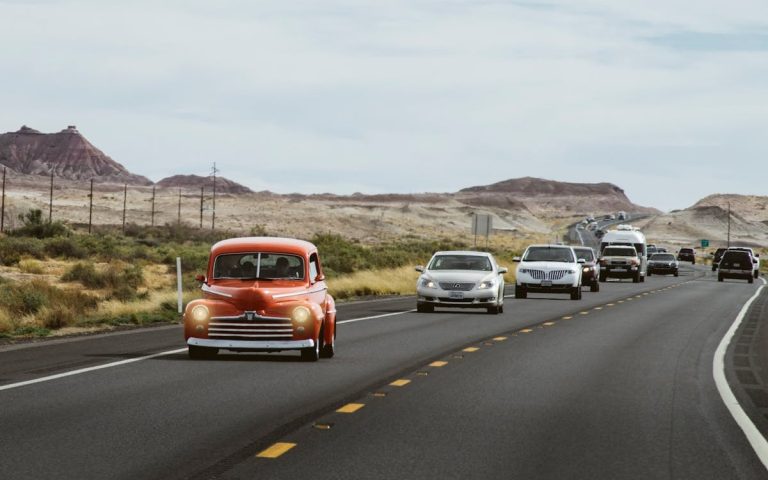
Road trips and regional escapes remained strong even after long distance travel reopened. Many women kept choosing drivable plans because they allowed easier packing, flexible departure times, and simple course corrections when work or family schedules changed at the last minute. Control made these trips feel realistic.
They also made repeat travel more accessible across the year. A weekend route could include favorite food stops, scenic pauses, and a reliable overnight base without the pressure of rigid flight windows. That practical rhythm supported consistency, not just novelty. Regional travel stayed in rotation because it fit real life.
8. Work and Leisure Started Blending Naturally
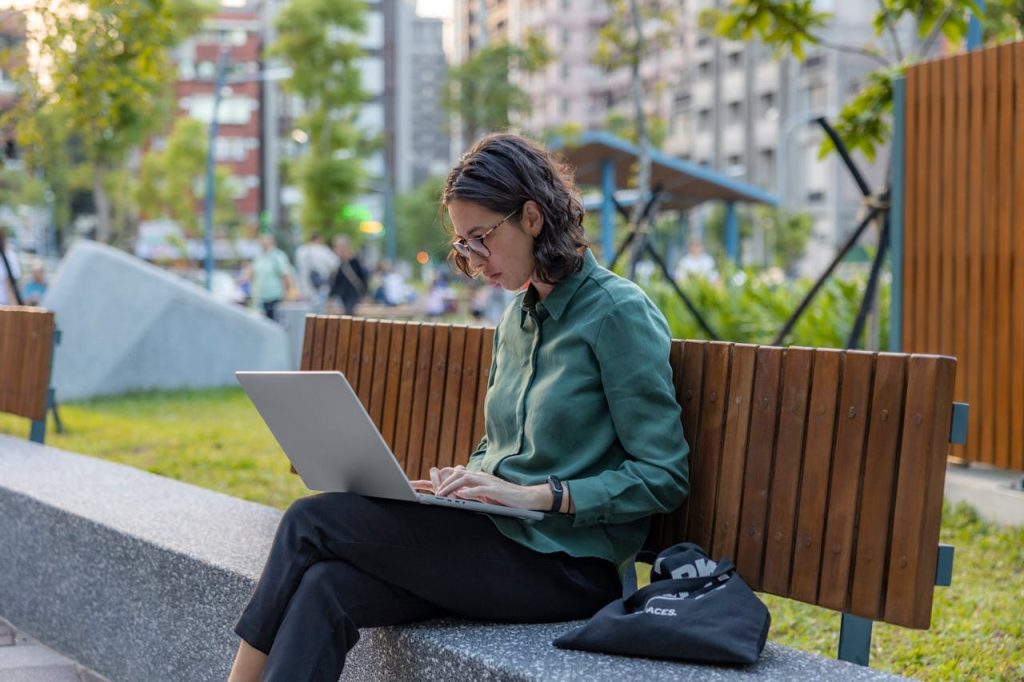
As hybrid work settled in, many women began blending professional and personal travel more deliberately. A conference could include one recovery day, while a short remote work block could connect to a nearby weekend plan. The objective was not constant movement. It was better use of one travel window.
This approach reduced all or nothing pressure around time off. Women could meet career obligations and still protect space for rest, local culture, or personal connection in the same trip. With clearer boundaries, blended travel felt less exhausting than separate back to back commitments. Efficiency and well being started to align better daily.
9. Planning Became Digital and More Selective
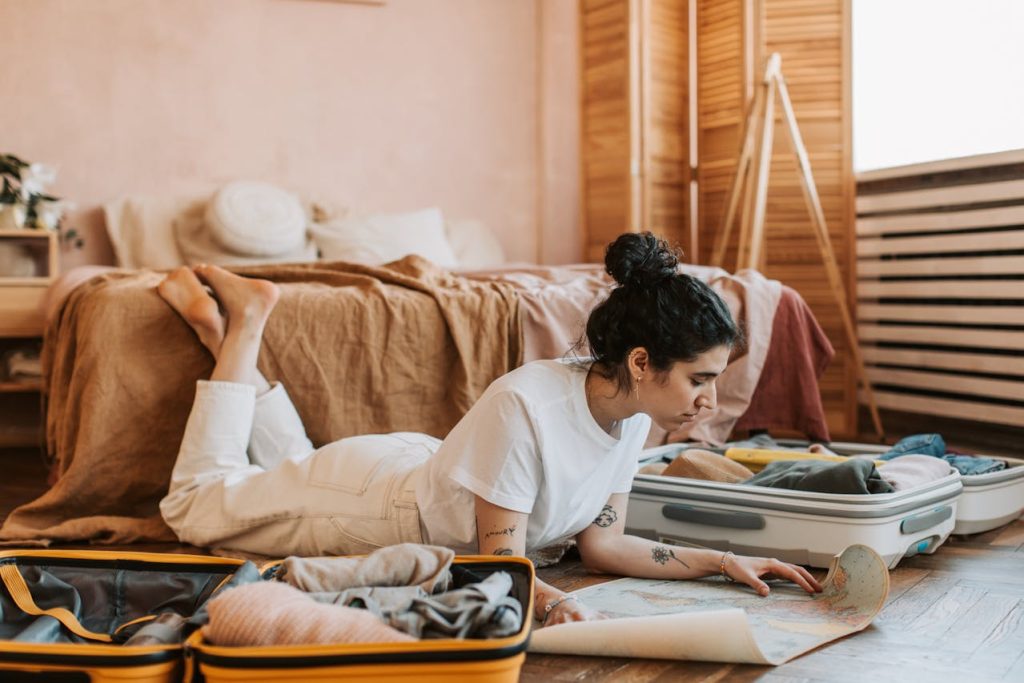
Planning became more digital, but also more selective, in the post pandemic period. Many women now compare creator posts, map layers, recent reviews, and policy pages before paying, rather than trusting a single source. Inspiration still matters, yet verification now drives the final decision.
This method improves confidence and lowers avoidable surprises. They save options in shared notes, rank tradeoffs in advance, and keep backup picks ready when conditions shift. Better information does not remove spontaneity once the trip begins. It protects it by reducing uncertainty, so time on the ground can feel lighter and clearer every time today.
10. Local Spending Became More Intentional
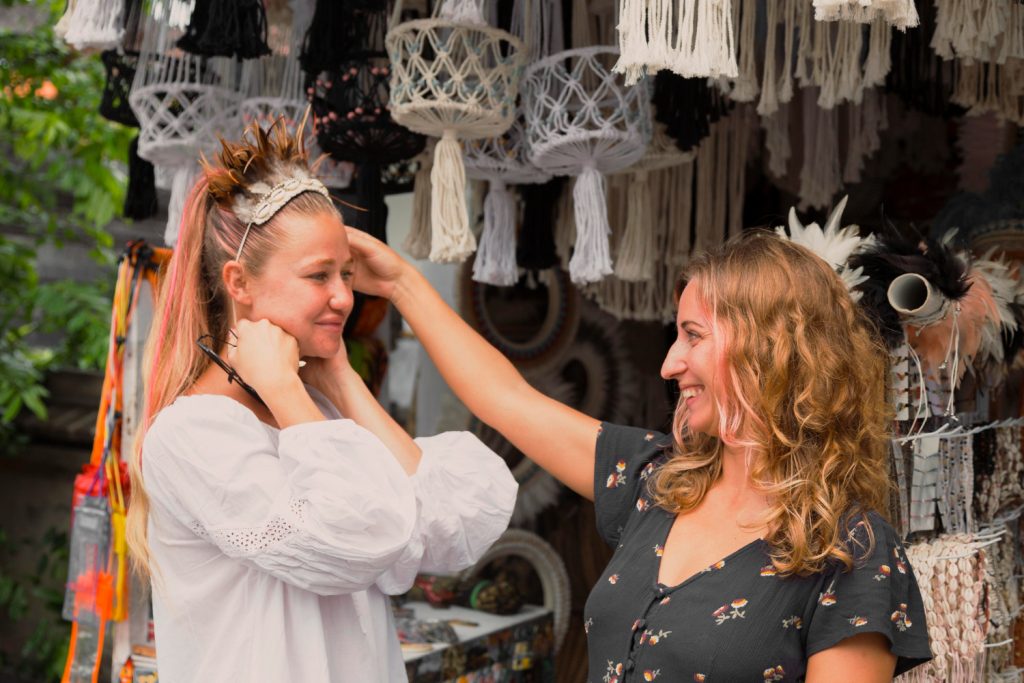
Travel spending increasingly moved toward local businesses and place specific experiences after the pandemic. Many women chose neighborhood cafés, independent shops, and small tours run by residents because those choices created stronger memory and context than generic purchases. Money became part of the story, not just a receipt trail.
This shift also improved trip texture. Local recommendations opened food, more grounded conversation, and a clearer sense of how each destination actually lives day to day. Women often bought fewer things but took home richer details through people, taste and atmosphere. Spending became a tool for connection.
11. Travel Returned, but With Better Boundaries
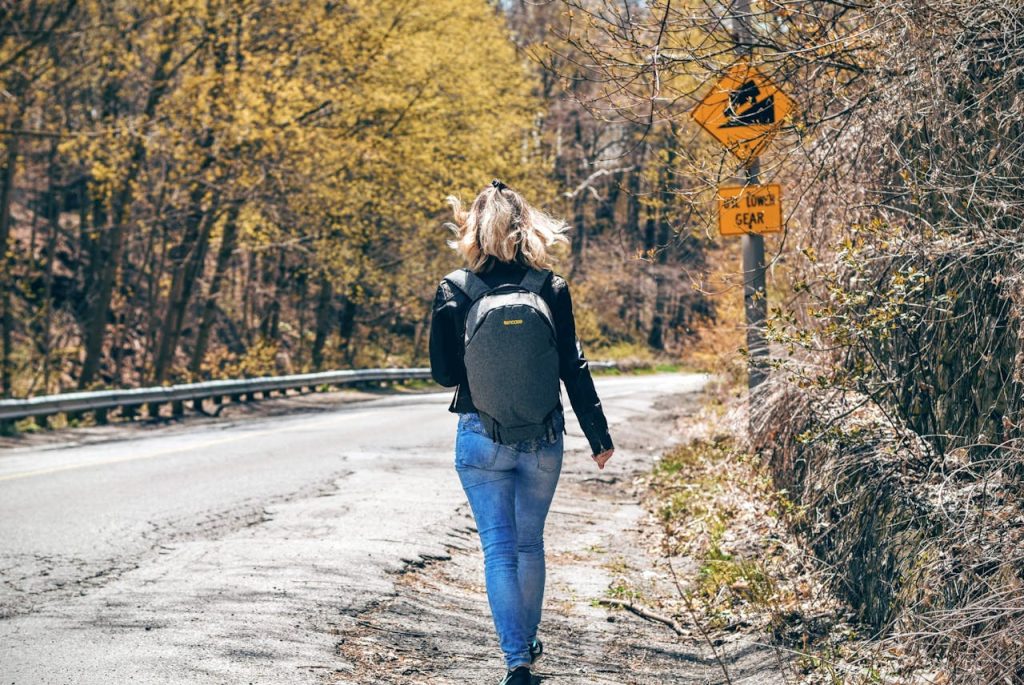
Travel demand returned, but women in the U.S. came back with firmer boundaries around time, energy, and emotional bandwidth. The old pressure to do everything in one trip lost force. In its place came clearer decisions about what fits a season of life and what is better saved for later.
That selectivity is the core post pandemic shift. Trips are now planned to support well being before departure, during the stay, and after returning home. Joy remains central, yet it sits beside practicality, recovery, and honest pacing. The result is travel that feels both expansive and sustainable, with fewer regrets afterward, and steadier routines today..