12 American Cities That Feel Tense After Tourism Season Ends
When tourism season ends, some American destinations do not simply get quieter. They get sharper. Seasonal jobs vanish, hours shorten, and streets that once felt welcoming can start to feel watched, as locals reclaim space and businesses brace for slow months. Prices often stay high even as the energy drops, and that mismatch can show up in shorter greetings, darker storefronts, and fewer easy options after 6 p.m. None of these places lose their beauty. They just reveal the strain of being built around visitors, then asked to carry on without them. In the lull, every empty patio can feel louder than it should.
Juneau, Alaska
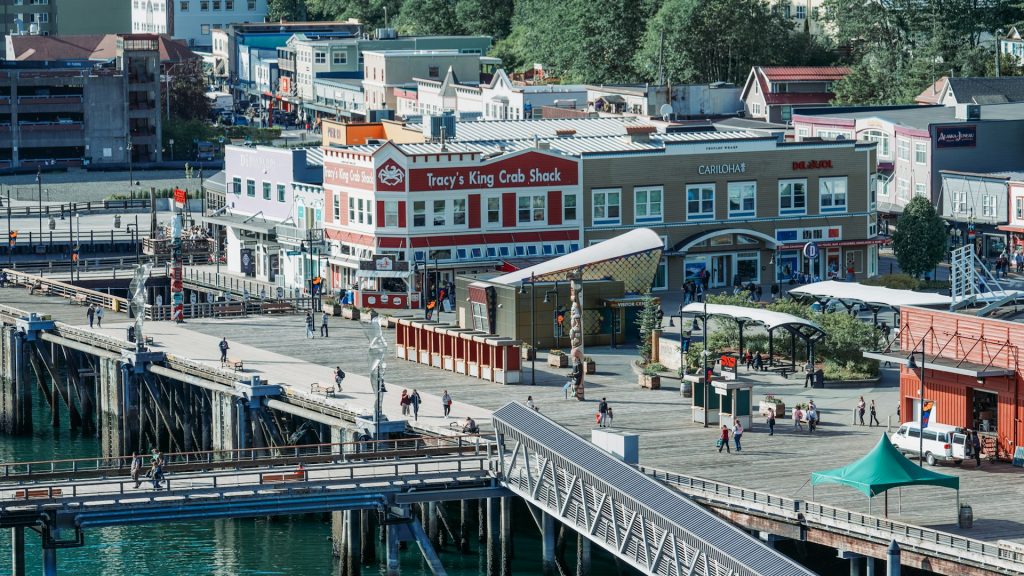
After cruise season ends, Juneau quiets quickly, and the waterfront can feel like a stage after the audience leaves. Tour kiosks close, shop windows go dark earlier, and the docks suddenly look spacious, even on clear days. The city shifts back to routines shaped by rain, limited daylight, and the reality that access is by boat or plane, not by highway. The tension is economic as much as emotional: summer crowds bring tips and hours, then the off-season tightens everything while costs remain. Downtown feels more local and more guarded, with fewer open doors, fewer events, and a slower rhythm that can read as chilly to visitors.
Bar Harbor, Maine
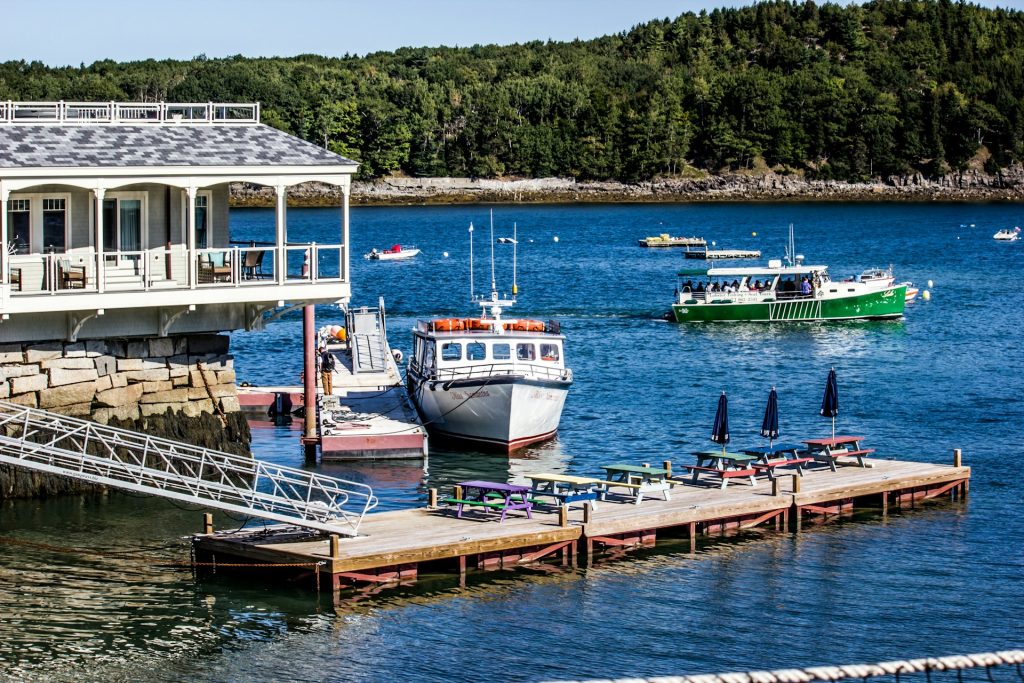
When Acadia-bound crowds fade, Bar Harbor changes from busy to hushed almost overnight. Patios empty, some seasonal businesses close, and the main streets feel wider without trolleys and tour groups. Off-season life becomes more practical, shaped by storms, ferry schedules, deliveries, and what stays open after 6 p.m. The tension comes from the gap between peak demand and winter reality: housing stays expensive, service jobs shrink, and the town feels like it is saving its sparkle for July while trying to stay livable through January. Visitors can sense the reset, where locals protect their routines and businesses watch the calendar carefully.
Key West, Florida
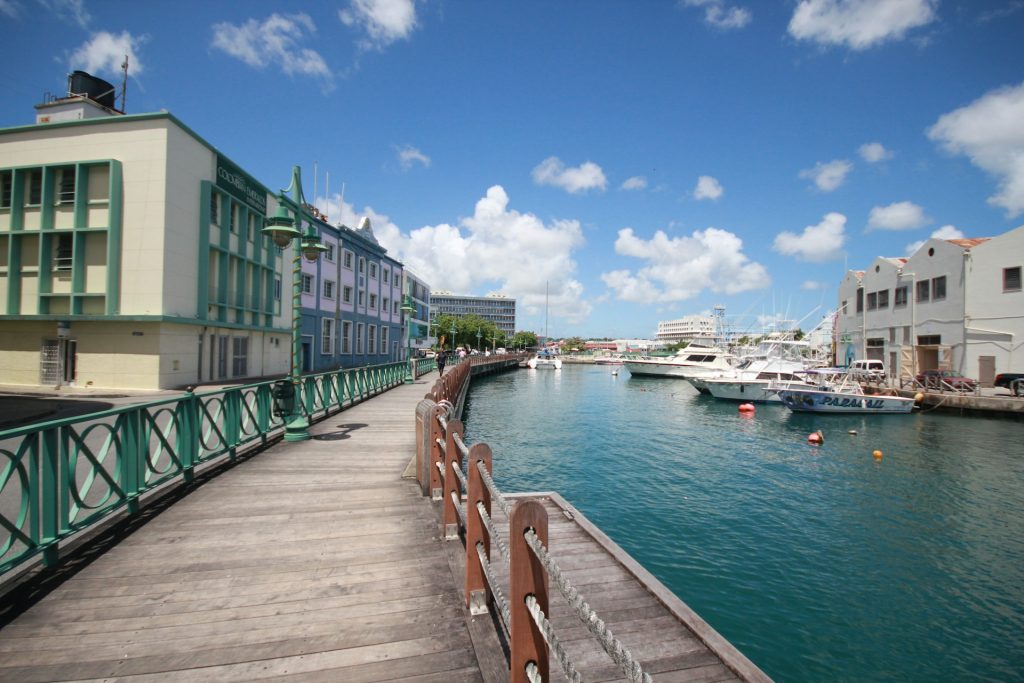
When a rush eases, Key West can feel like it is holding its breath. Bars trim hours, staff rotates out, and familiar faces replace the churn of day-trippers, so the island’s energy turns more inward. After months of managing tight schedules and crowded streets, service can sound more clipped, and Duval Street’s neon reads harsher without the festival buzz to soften it. Parking stays scarce, prices stay high, and rental pressures do not disappear, which keeps the mood slightly tense even in a lull. The island still shines, but it can feel watchful, as if everyone is waiting for the next wave and deciding what it will cost.
Cape May, New Jersey
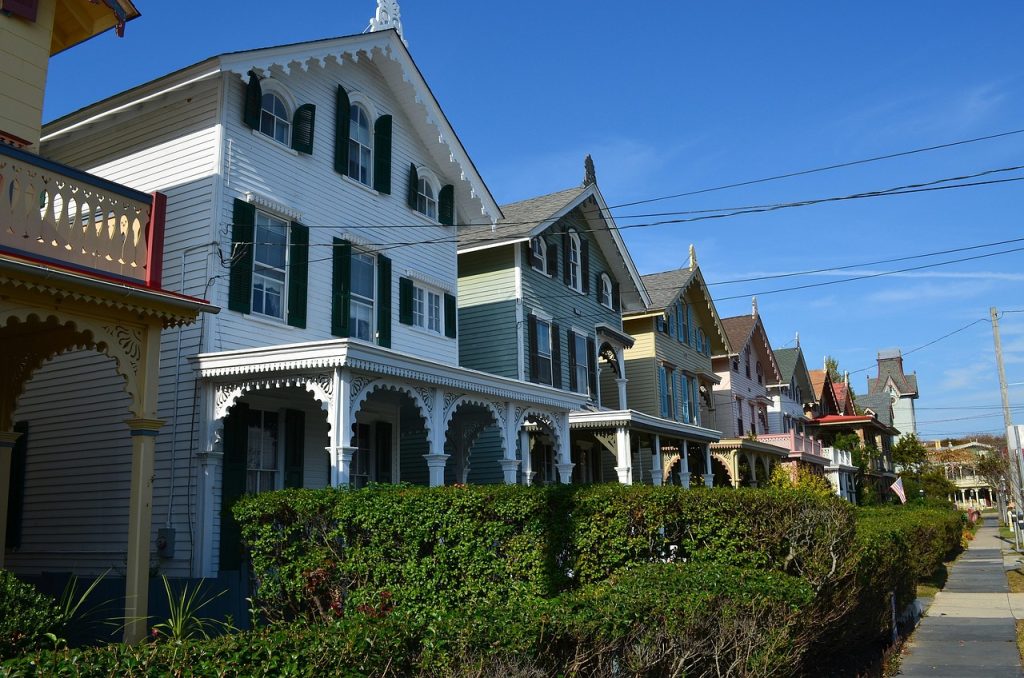
Cape May’s Victorian charm looks gentle in summer, but after peak weekends fade, the town can feel oddly strict. Restaurants shorten hours, shops reduce days, and ocean wind makes even pretty blocks feel empty, especially on weekday afternoons. With fewer visitors, small frictions stand out, from parking enforcement to the reality of second homes sitting dark for months. The tension is subtle: a resort town maintaining its polished look while regular life runs quieter behind it. Visitors may feel like they arrived after the party, when everyone is cleaning up, counting costs, and keeping routines tight. The beauty remains, but the warmth can feel reserved.
Myrtle Beach, South Carolina
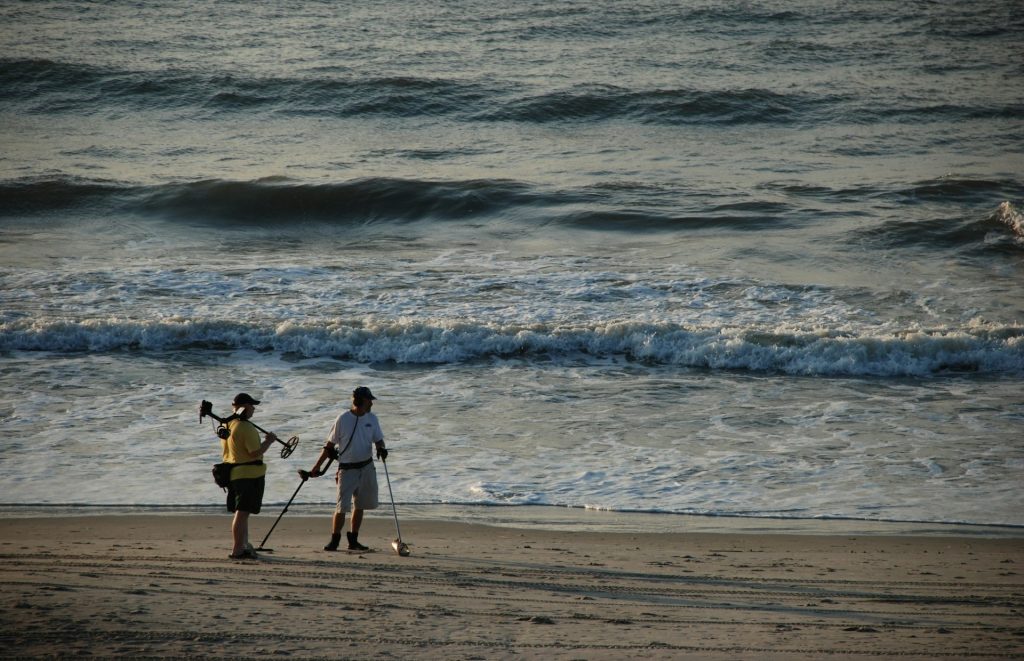
When summer ends, Myrtle Beach can feel like it exhales, then tightens again. Attractions slow down, some storefronts go dark, and the bright promise of the strip starts to look more transactional than playful, framed by big parking lots that suddenly sit empty. With fewer visitors to carry the mood, the gaps show: reduced nightlife, shorter restaurant hours, and a workforce recalibrating budgets and patience. The tension comes from being built for peak crowds, then trying to feel normal in the off-season while prices and bills keep rolling. The beach is still there, but the town can feel suspended, watching weather and waiting for the next long weekend.
Gatlinburg, Tennessee
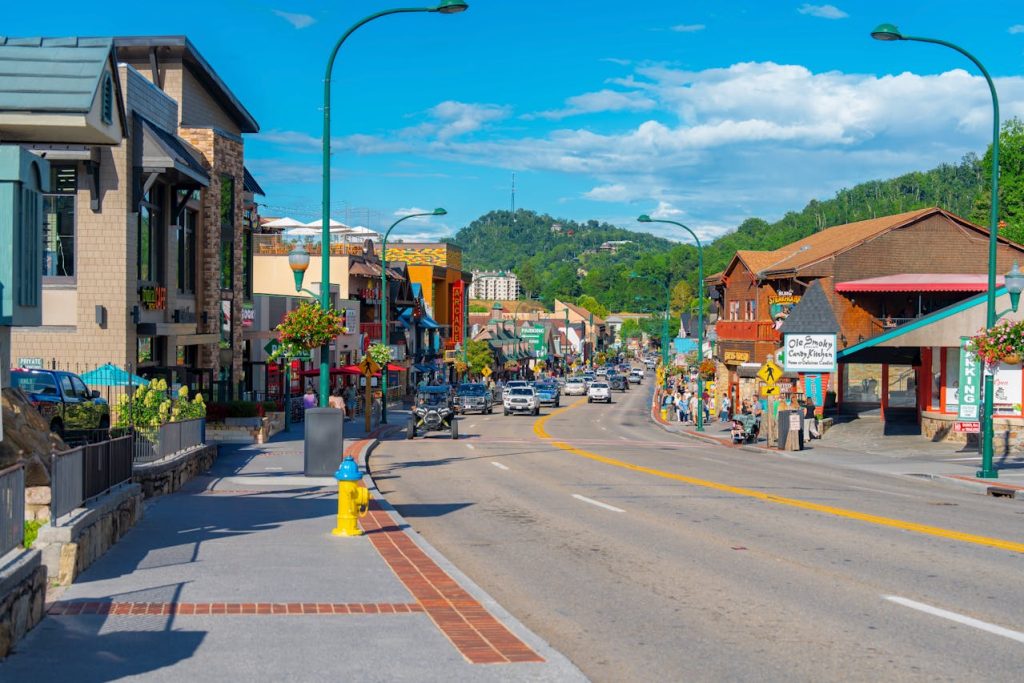
Gatlinburg runs on vacation energy, so the lull after a peak stretch can feel like a hard gear change. Cabin weekends still happen, but crowds thin, some venues shorten hours, and the main parkway loses its constant hum, leaving neon glowing over quieter sidewalks. That quieter pace can surface tension around traffic planning, short-term rentals, and costs that stay high even when the streets are calm. The town can feel split between people who need tourism to pay the bills and people who need breathing room to live there without feeling on display. Visitors may sense that push and pull in how quickly the town tries to switch from hosting to recovering.
New Orleans, Louisiana
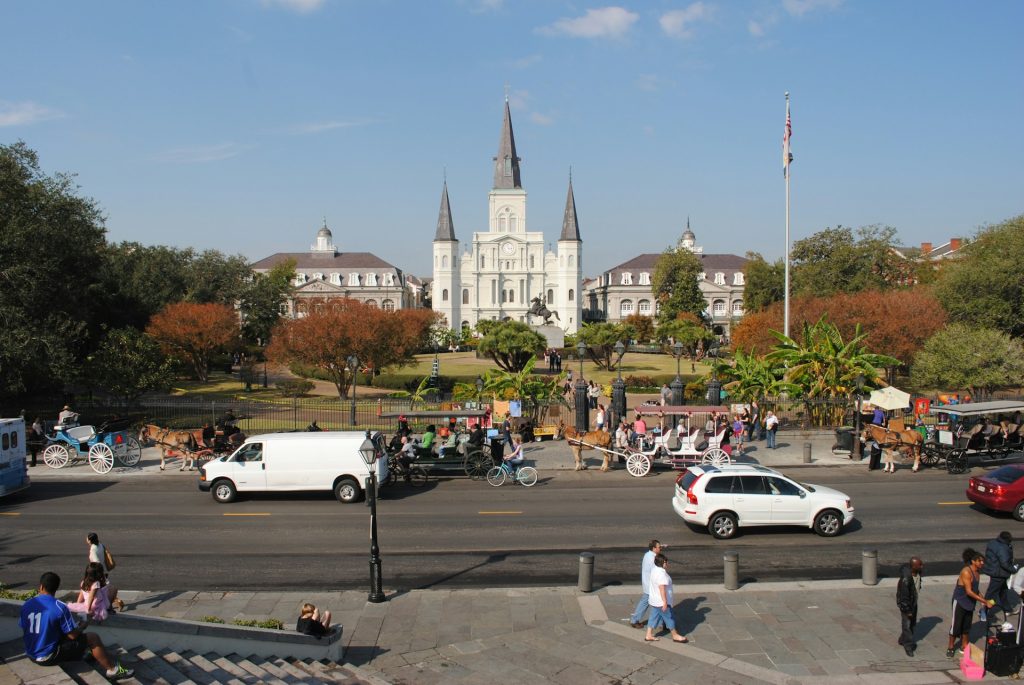
After major festival periods ease, New Orleans can feel tired in a way that is easy to sense. Service workers catch up on rest, neighborhood routines reassert themselves, and the French Quarter shifts from spectacle to the daily grind of staffing, cleanup, and maintenance. Without nonstop celebration to blur edges, contrasts stand out more sharply: high prices in tourist zones, uneven foot traffic, and local impatience with visitors who arrive expecting constant excitement. The tension is not hostility so much as fatigue, a city recovering while still working. Visitors can still have a great trip, but the mood can feel more guarded, especially in spaces that carry the heaviest tourist load.
Charleston, South Carolina
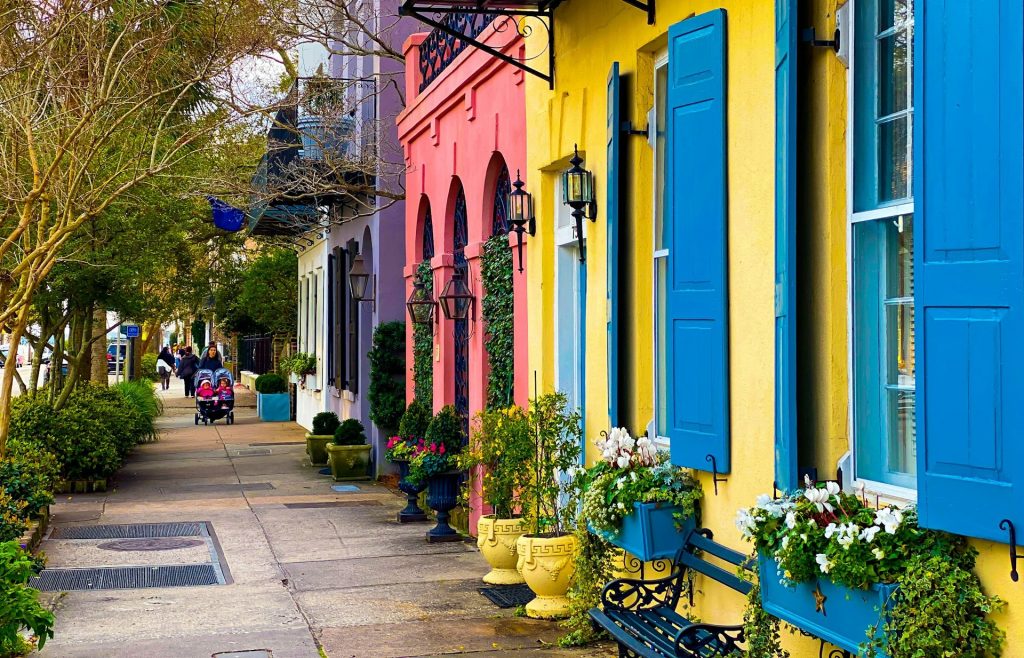
When the busy season tapers, Charleston stays beautiful, but the tone can tighten around the edges. Reservations open up, yet hours shorten, and polished hospitality can turn brisk as staff and residents reclaim routines and quieter streets. With fewer visitors circulating money, pressure points become easier to notice: housing costs, short-term rental churn, and the sense that crowds never fully disappear. The tension often sits beneath pastel facades, in a city balancing charm with daily life. Visitors may feel it in the way service becomes efficient rather than chatty, and in how locals move through historic blocks with purpose, not leisure. The city still offers warmth, but it is more selective.
Savannah, Georgia
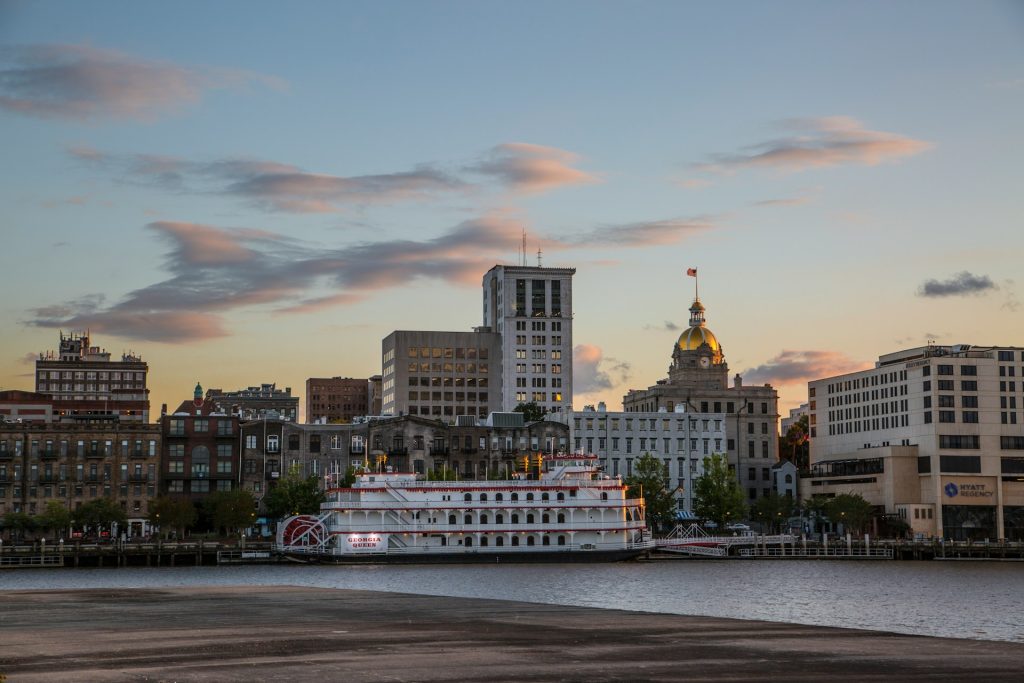
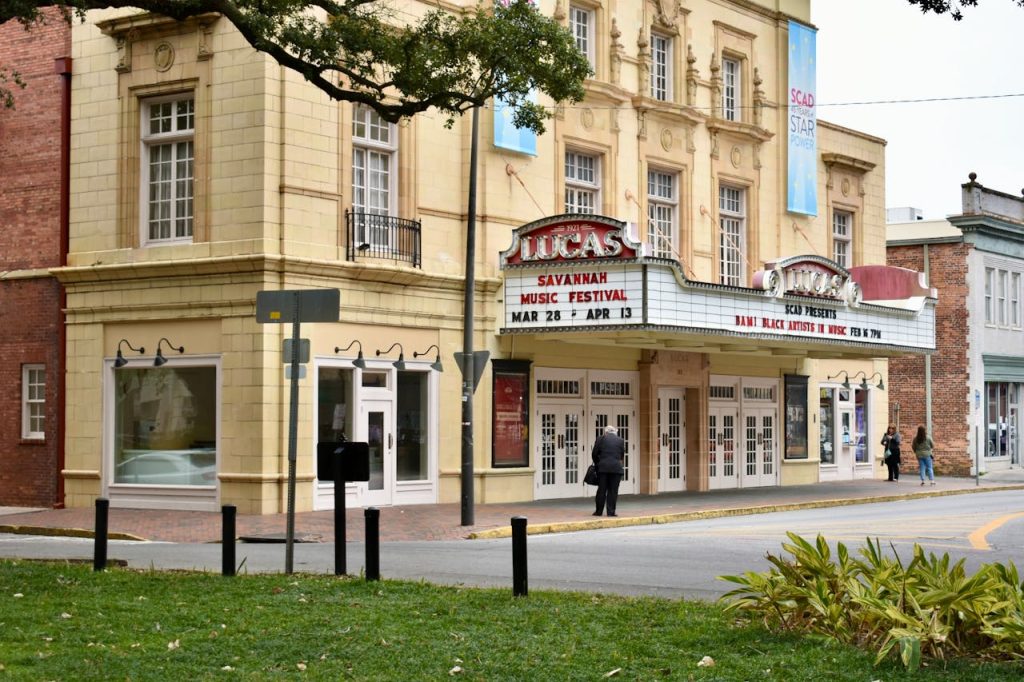
Savannah’s squares feel dreamy in peak months, but the off-season can bring a sharper edge to the same streets. Fewer tours run, some patios close, and the social energy drops, so small irritations feel louder, from trolley traffic to late-night noise that echoes in quieter blocks. The tension sits in the overlap of two Savannahs: the curated, romantic version sold to visitors and the practical city residents need, where rents stay high, hours shrink, and jobs thin out. When the sidewalks empty, the city can feel less like a set and more like a place catching its breath, with locals protecting calm and businesses watching every weekend forecast.
Santa Fe, New Mexico

When the summer arts rush eases, Santa Fe grows quieter, and that quiet can feel guarded rather than peaceful. Galleries and restaurants keep going, but hours shift, sidewalks empty earlier, and the city’s careful, high-end calm can read as distance when fewer visitors are around. The tension is tied to familiar pressures: housing affordability, staffing gaps, and the constant balancing act between a global brand and local life. Without peak-season crowds smoothing everything over, everyday interactions can feel tighter, more efficient, and less warm. The light is still beautiful, and the culture still runs deep, but the town can feel like it is conserving energy.
Sedona, Arizona
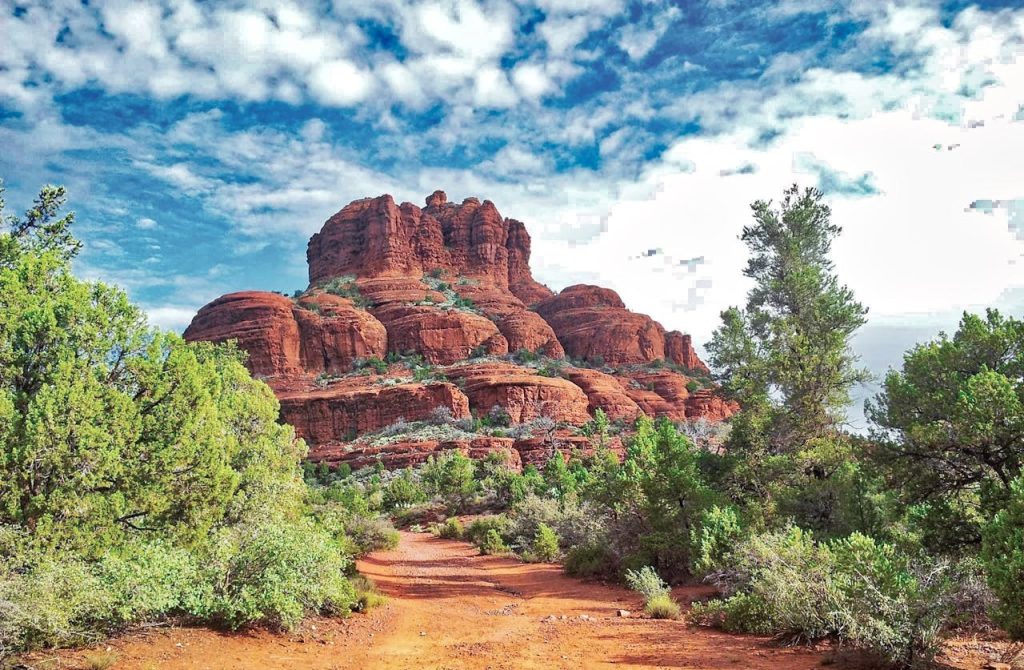
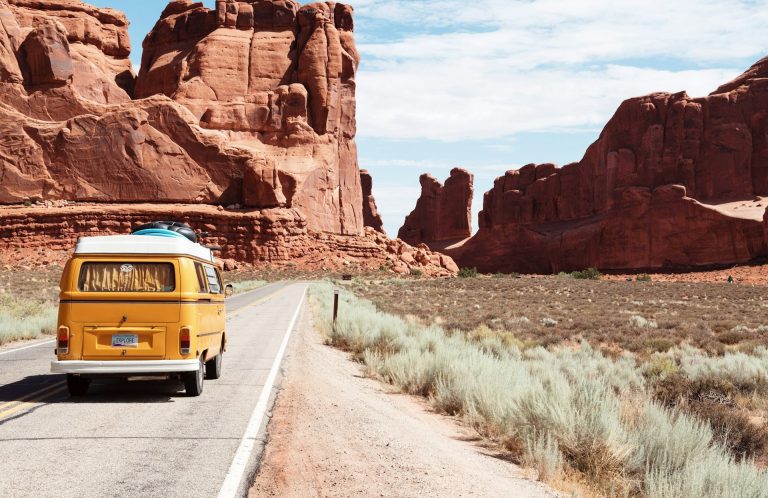
Sedona’s scenery does not fade, but after peak travel windows, the town can feel like it is running on reduced patience. Traffic drops, yet limited parking and tour-heavy corridors remain, and service can turn brisk after months of repeating the same directions and warnings. With fewer visitors, the economy feels less buoyant, but the cost of living stays elevated, which keeps stress close to the surface. The tension shows up as a quiet reset: businesses adjust staffing, locals reclaim trails, and the famous calm reads more like a backdrop than a promise. Weekend surges still arrive in bursts, testing the same small infrastructure and making the lull feel temporary.
Jackson, Wyoming
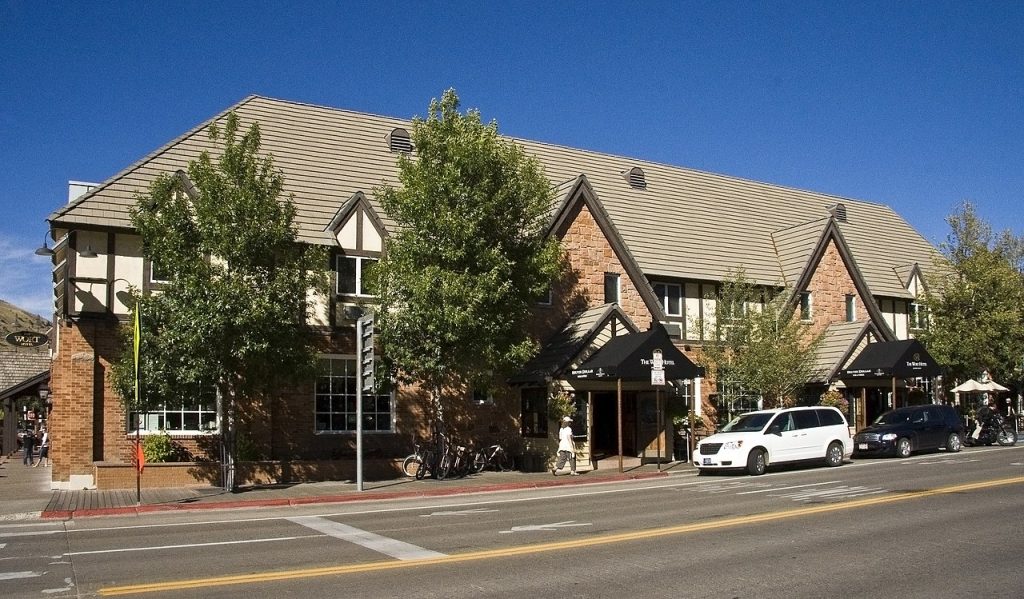
Between big seasonal surges, Jackson can feel caught between identities: working town, luxury gateway, and outdoor brand. After a rush ends, some businesses shorten hours, service roles thin out, and streets go quieter, yet prices for basics stay high, from groceries to a simple coffee. The tension shows in small conversations about who can find housing, who is commuting farther, and how quickly the town pivots toward the next revenue window. The off-season feels less like rest and more like a pause filled with planning and rent math, with everyone watching the calendar. Visitors may sense that the town is not empty, just bracing.