12 American Destinations Where Order Comes First

Order can feel calm instead of controlling, and a handful of U.S. destinations make that difference obvious the moment a trip starts. Streets are legible, lines move without drama, and public spaces keep a steady rhythm even when crowds are thick. What feels easy is usually intentional design.
Across capitals, parks, islands, and historic districts, structure acts like quiet hospitality. Local rules, street plans, and shared habits reduce friction so people spend less energy on logistics and more on experience. These places show that order can protect personality rather than erase it, especially under peak-season pressure
Washington, D.C.
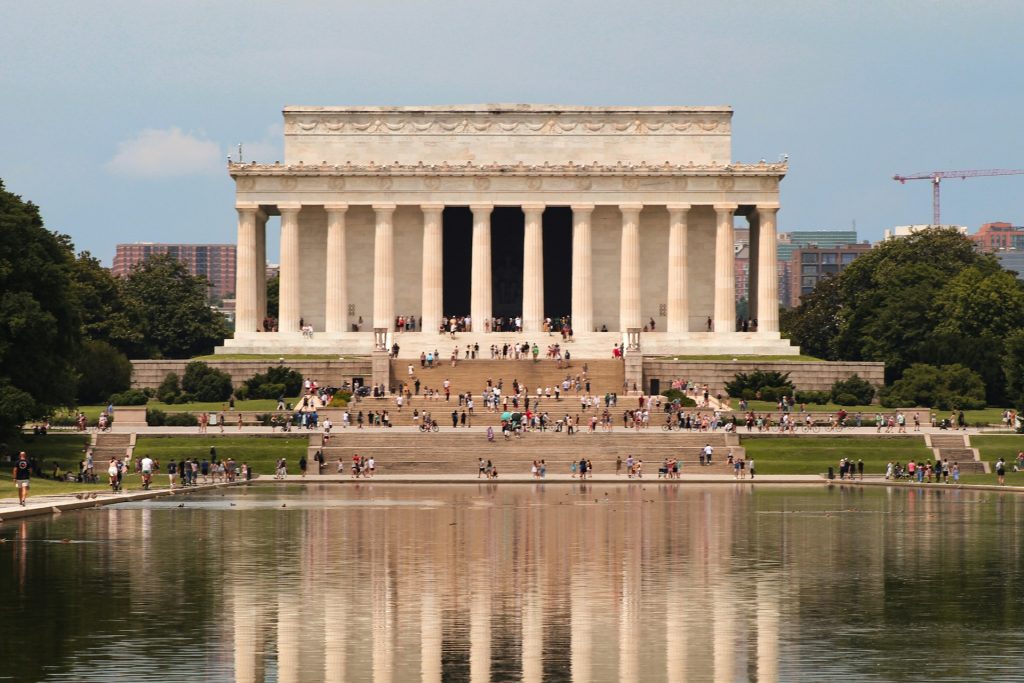
Washington, D.C., feels coherent because it was planned to keep civic space readable. Broad avenues, circles, and controlled building scale preserve sightlines, so visitors can orient quickly even where museums, offices, and memorials overlap in dense corridors. The city still moves fast, but it rarely feels visually chaotic.
That structure helps during peak travel days. Crosswalk flows remain steadier, event perimeters are easier to understand, and major landmarks keep their presence instead of disappearing behind clutter. In practical terms, the layout reduces decision fatigue and gives first-time visitors a stronger sense of direction. Order keeps pressure low while preserving lo
Savannah, Georgia
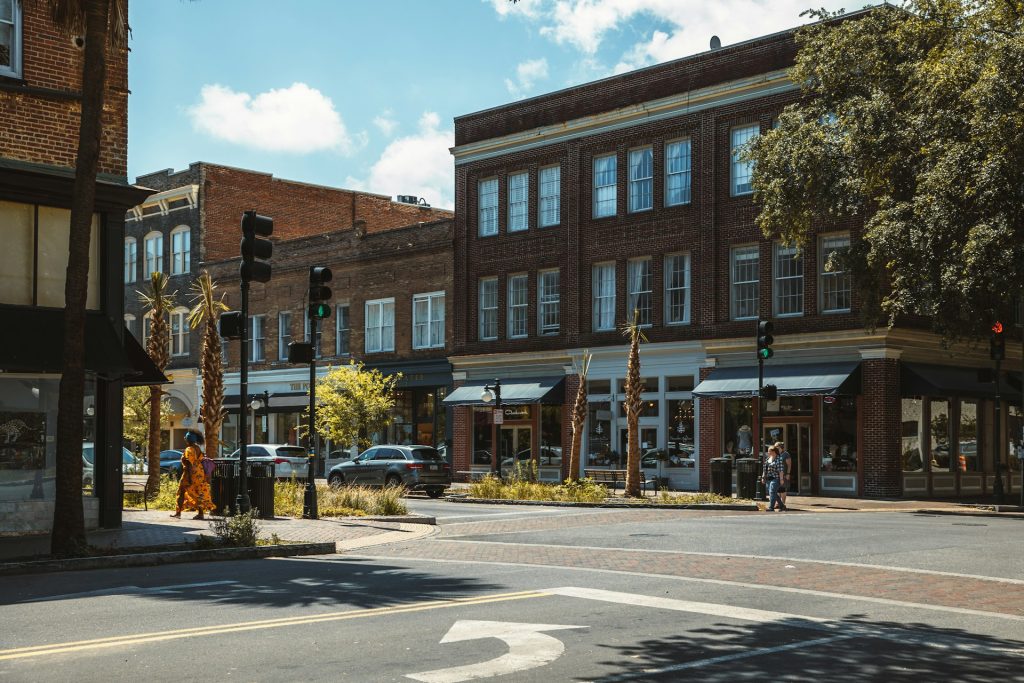
Savannah’s historic center runs on a repeating grid of short blocks and public squares, and that pattern quietly lowers stress. Movement feels intuitive because each turn offers familiar spatial cues without becoming monotonous. Even newcomers settle into the cadence quickly, which is rare in older urban districts.
The payoff appears when crowds rise. Foot traffic disperses across many routes instead of piling into a few corners, and pauses in shaded squares soften pressure on sidewalks and storefronts. Savannah’s charm is undeniable, but its staying power comes from planning that keeps beauty and function working together. Order keeps pressure low while preserving lo
Mackinac Island, Michigan
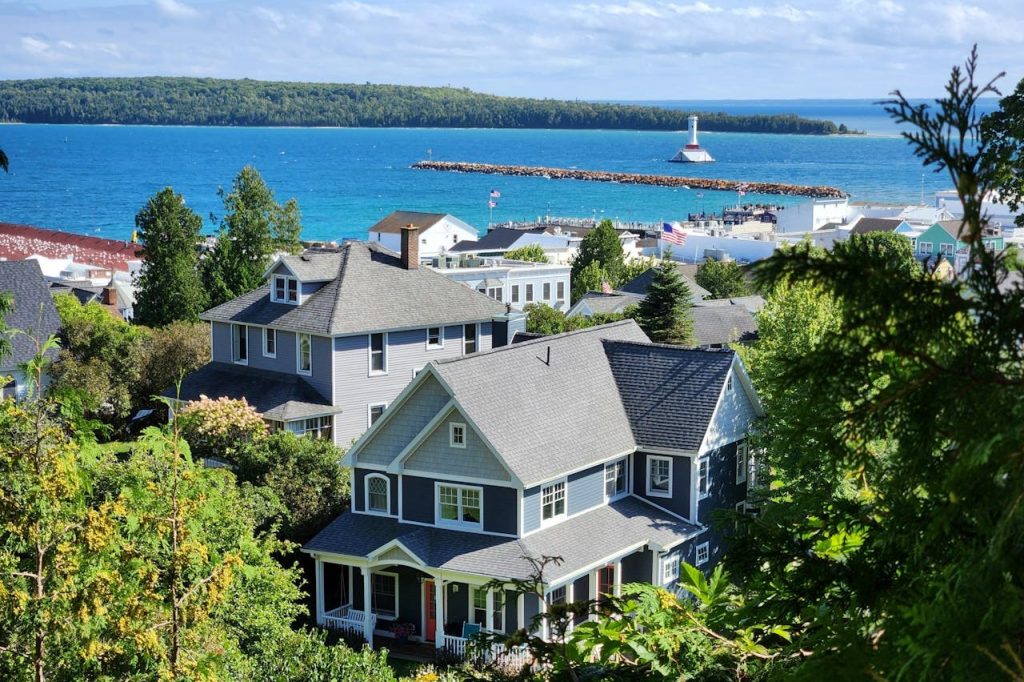
Mackinac Island changes behavior by limiting routine car traffic and centering travel on walking, bicycles, and horse-drawn transport. That policy is not just nostalgic branding. It reshapes sound, pace, and spatial awareness, making everyday movement feel deliberate rather than hurried from ferry dock to hotel street.
Even in busy season, circulation stays surprisingly calm. Arrivals can be heavy and commercial areas can fill quickly, yet the island rarely tips into scramble mode because local norms reinforce a shared low-speed rhythm. The result is a destination where order feels natural, lived-in, and deeply tied to identity. Order keeps pressure low while preserving lo
Zion National Park, Utah
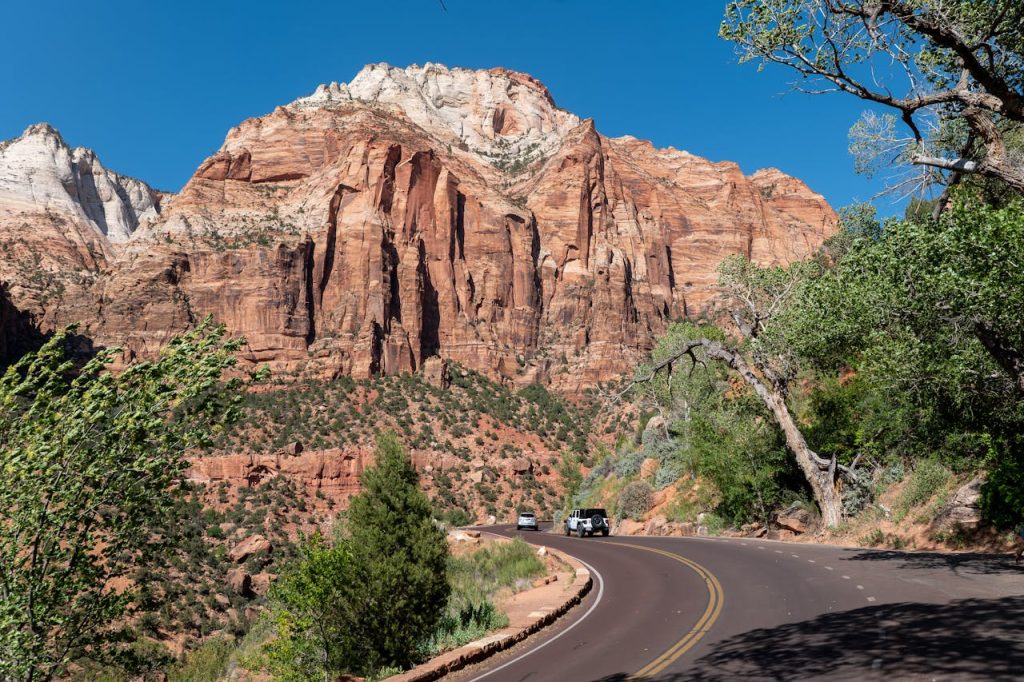
Zion handles heavy demand with a system mindset, especially where canyon access could otherwise become a parking race. Shuttle-oriented circulation and managed vehicle flow reduce bottlenecks before they spread, giving visitors a clearer start to the day and protecting trail access from early-morning congestion.
Those operational choices improve the ground-level experience. Families spend less time circling lots, hikers reach trailheads with more predictable timing, and staff can focus on safety instead of constant traffic triage. Zion still draws intense numbers, but structured movement keeps the landscape, not gridlock, at the center. Order keeps pressure low while p
Rocky Mountain National Park, Colorado
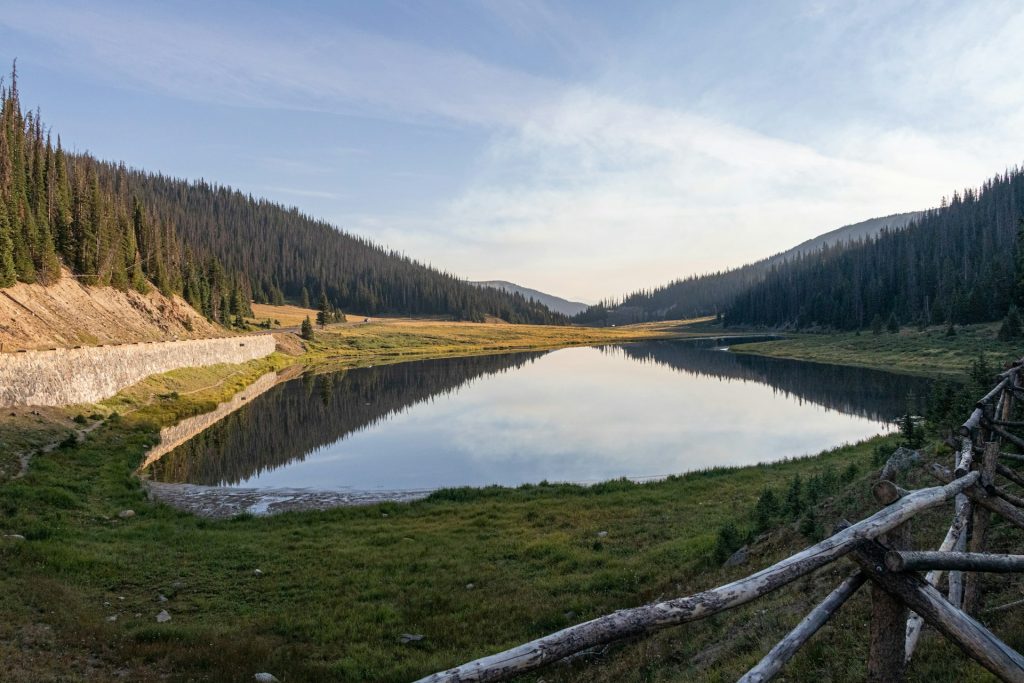
Rocky Mountain National Park uses timed entry to distribute arrivals and prevent sudden surges at gates and high-demand roads. The requirement asks for planning, yet it returns stability in a place where altitude, weather, and narrow corridors can compound stress quickly if traffic spikes all at once.
Once pressure is spread across the day, flow improves throughout the park. Pullouts are less frantic, trailhead turnover is easier to read, and itineraries become more realistic for mixed-pace groups. The setting remains wild and changeable, but entry structure reduces avoidable friction before hiking even begins. Order keeps pressure low while preserving local
Acadia National Park, Maine

Acadia’s managed access to Cadillac Summit Road replaces predawn uncertainty with defined entry windows. Instead of racing in darkness for uncertain parking, visitors arrive with clearer expectations and steadier pacing. That shift seems procedural on paper, but it changes the emotional tone of the entire morning.
Roadside conflict drops, idling pressure eases, and summit turnover becomes easier to manage during high-demand periods. The view still feels expansive and memorable, yet the journey up is less competitive and less brittle. Acadia shows how structure can preserve atmosphere while protecting safety, fairness, and visitor patience. Order keeps pressure low while preserving
Glacier National Park, Montana

Glacier faces intense seasonal demand on narrow mountain corridors, so managed entry helps keep one backup from unraveling the day. Without control points, pressure can cascade into long waits, risky roadside stops, and missed windows at key overlooks before visitors reach the park’s signature stretches.
With inflow distributed more evenly, circulation becomes more breathable. Parking turnover steadies, lane behavior improves, and travel plans align better with realistic access. The landscape stays wild where it should, but gateway logistics become more dependable. That balance protects both resource integrity and the visitor experience under strain. Order keeps pressur
Haleakal? National Park, Hawaii
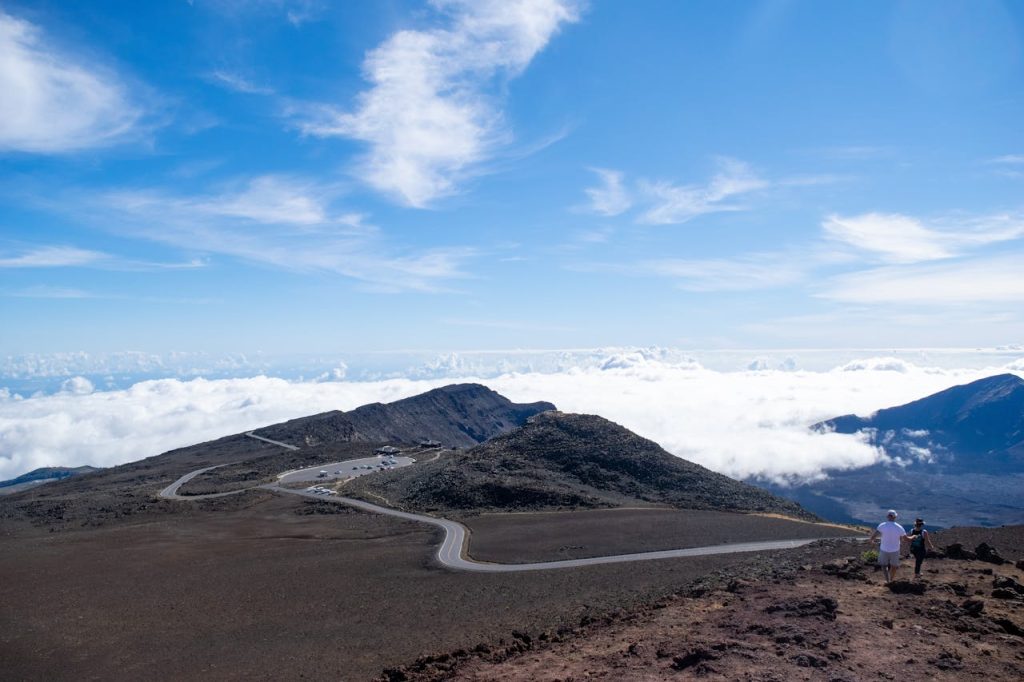
Haleakal?’s sunrise period combines darkness, elevation, cold air, and concentrated demand, making orderly access essential. Reservation-based entry reduces predawn surges and keeps road flow stable when conditions already require extra caution. In this setting, structure functions as both safety practice and visitor management.
The benefits are immediate at the summit. Arrival timing is clearer, viewing areas feel less compressed, and staff spend less energy on crowd correction. The moment remains quiet and moving, but it is supported by logistics that respect human limits and landscape limits together. Calm here is carefully built, not accidental. Order keeps pressure low while preserving
Arlington, Virginia
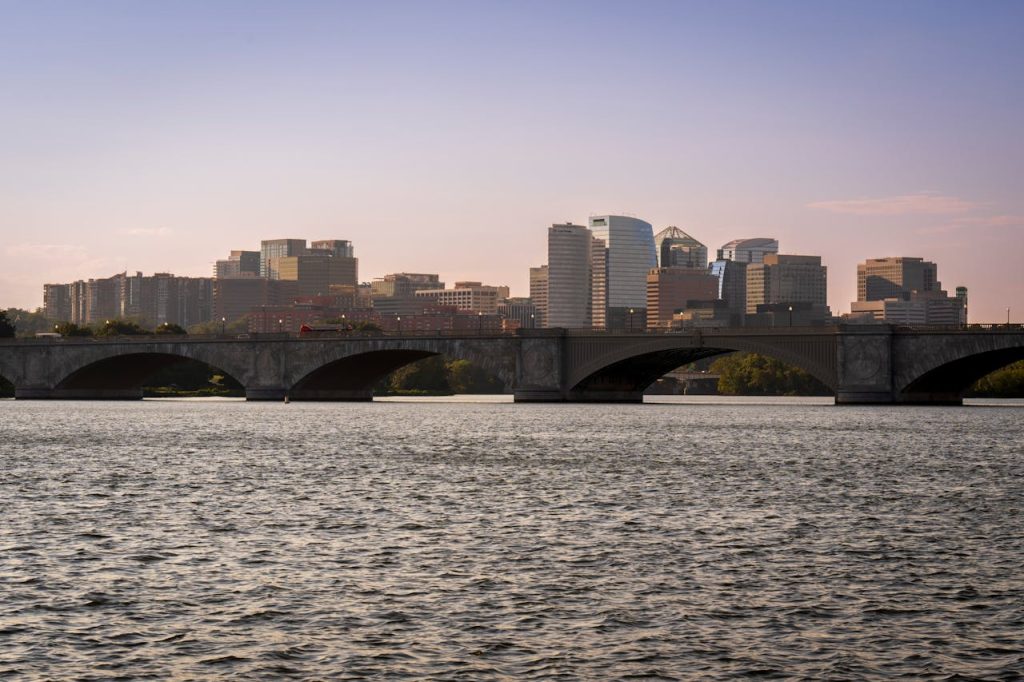
Arlington’s order is rooted in culture as much as logistics. Near ceremonial spaces, especially the Tomb of the Unknown Soldier, shared expectations around silence, attentiveness, and respectful movement shape behavior quickly. Most visitors adjust naturally, creating a tone that is calm, present, and collectively understood.
That social structure protects meaning during high visitation. Pathways stay composed, voices remain low, and moments of tribute are not diluted by crowd noise. In a place centered on memory and sacrifice, rules are not ornamental. They are the framework that preserves dignity, focus, and reverence in public space. Order keeps pressure low while preserving local charac
Boston, Massachusetts
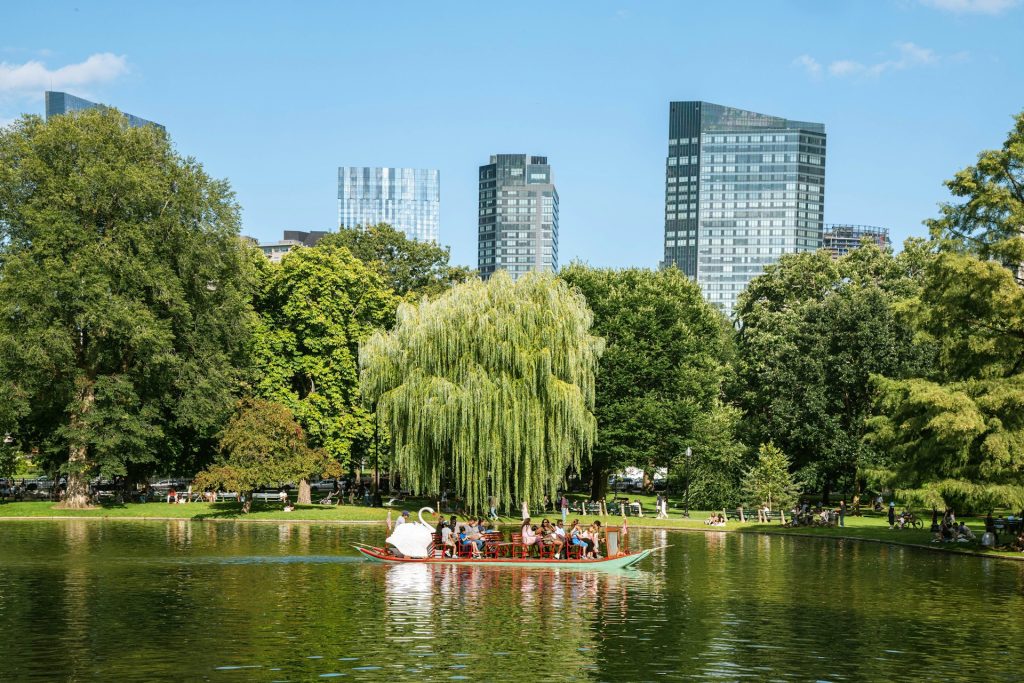
Boston’s Freedom Trail gives a dense historic core a clear narrative path, turning many major sites into one coherent journey. In a city where street geometry can confuse newcomers, that visual route reduces navigation friction and helps visitors keep context while moving between churches, squares, and museums.
The effect is practical and humane. Groups with different energy levels can pause and rejoin without losing continuity, and short visits still feel complete instead of fragmented. Wayfinding does more than move people efficiently. It supports attention, pacing, and a stronger connection to place in limited time windows. Order keeps pressure low while preserving local
Manhattan, New York
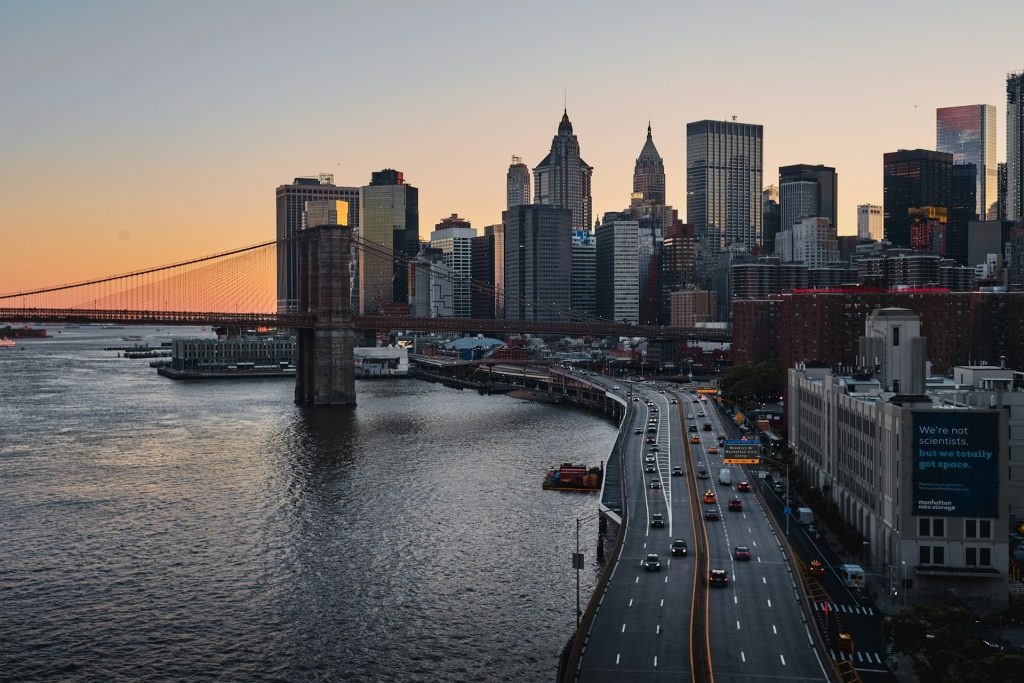
Manhattan’s grid gives one of the world’s busiest urban settings a durable operating logic. Numbered streets and consistent avenues make reorientation fast, which matters when transit changes, sidewalk surges, and schedule pressure are routine. Small mistakes stay small because the map is easy to recover inside.
That legibility supports massive daily coordination. Commuters, deliveries, retail traffic, and tourism all stack onto the same structure without total breakdown. The city remains intense, loud, and fast, yet its geometry keeps movement functional under constant load. Order, here, is what allows complexity to stay usable. Order keeps pressure low while preserving local
The Villages, Florida
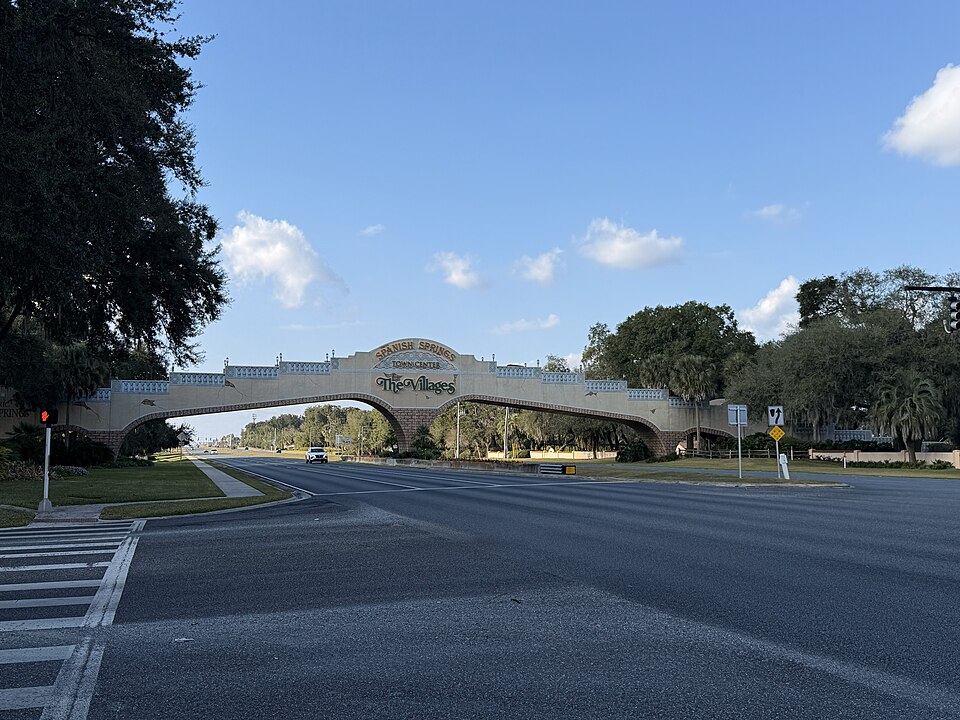
The Villages shows how everyday order can emerge from shared local mobility norms. Golf-car routes, multi-use paths, and neighborhood connectors work because pace, right-of-way, and transition behavior are widely understood. Clear expectations make short trips smoother and reduce the low-grade tension common in mixed traffic.
Consistency is the real strength. Intersections feel less adversarial, newcomers adapt faster, and daily errands remain predictable even during seasonal population shifts. The model is modest in scale, but effective in practice. It proves reliable circulation does not require mega-infrastructure when rules, design, and community habits align. Order keeps pressure low whi