12 American Destinations Where Tourism Taxes Are Surging
Travel has always carried a hidden price tag, and lately the quietest line on the receipt is getting louder. Across the United States, cities and counties are raising lodging and occupancy taxes to keep up with swelling costs, aging infrastructure, and heavier visitor volume. Some increases arrive as neat percentage points. Others roll out in phases or target the hottest neighborhoods. What they share is a clear message: destinations are asking overnight guests to shoulder more of the public bill that makes a trip feel easy.
San Diego, California
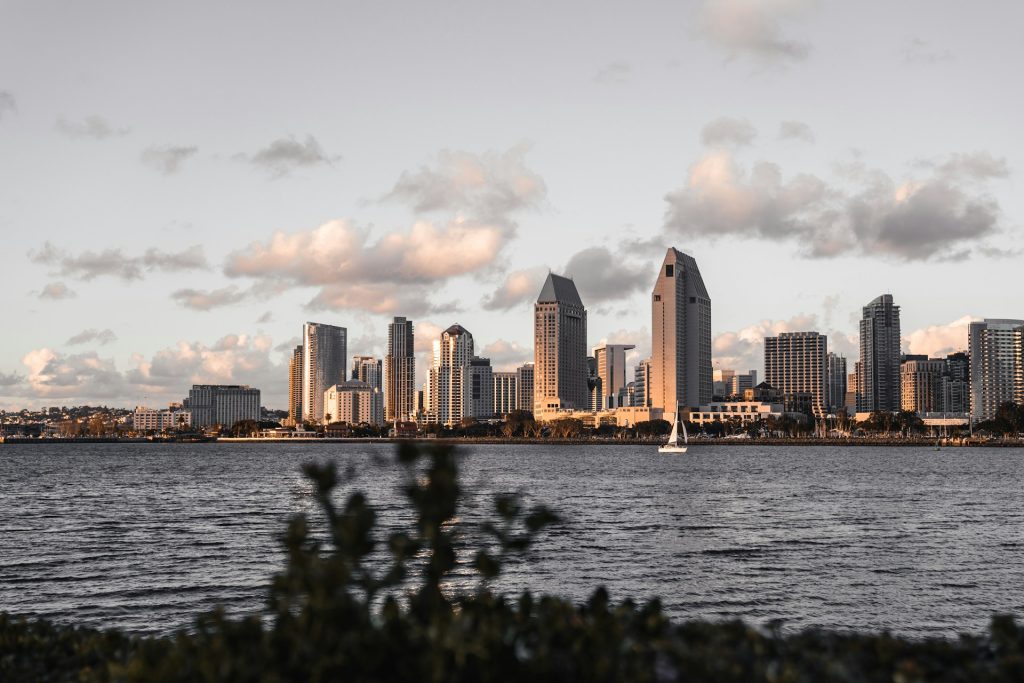
San Diego’s hotel-room tax is no longer one number because the city now prices tourism by neighborhood. Lodging rates differ by zone, so two hotels with similar nightly prices can produce different totals depending on where they sit on the map. The change matters most during convention weeks and summer travel when stays stretch longer and fees stack. It is a subtle shift with a clear intention: steer more visitor money toward the areas that absorb the most traffic, policing, cleanup, and public wear, without raising costs evenly across the entire city.
Menlo Park, California

Menlo Park is raising its lodging tax in steps, turning a quiet Silicon Valley overnight into a noticeably pricier checkout over time. The phased approach makes the increase feel predictable, yet the totals still climb quickly for multi-night business trips and campus-related weekends. Because local hotel supply is limited, demand stays steady, and higher rates can stick without empty rooms. For travelers, it means fewer true bargains, even when base room prices look reasonable. For the city, it becomes a dependable revenue stream that grows as travel resumes and costs rise.
Santa Clara, California
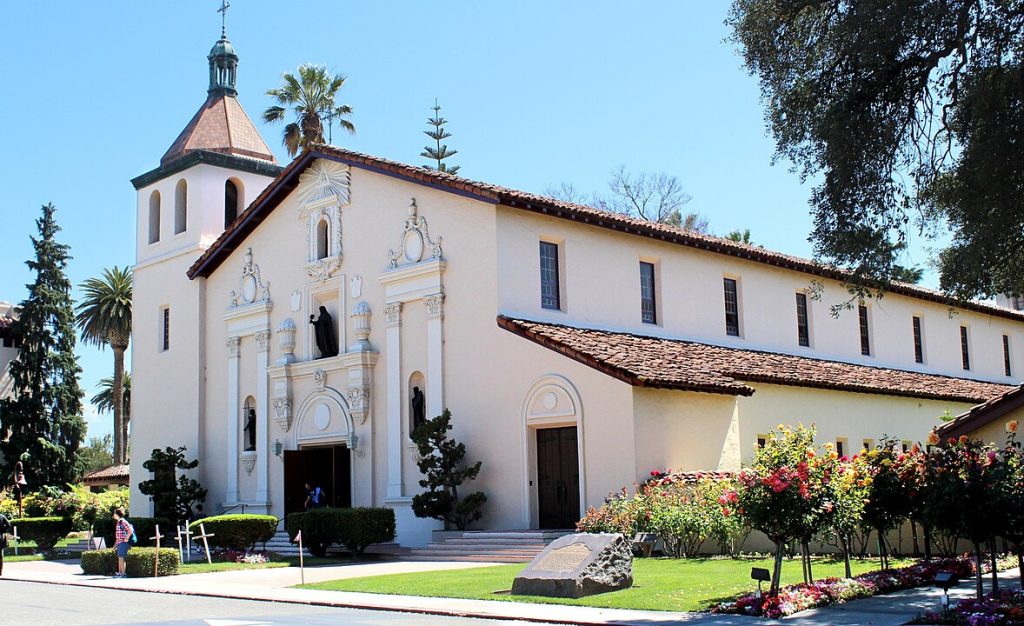
Santa Clara’s lodging tax has moved upward in a market where pricing already swings with stadium events, convention schedules, and theme-park weekends. Even a one-point increase gets amplified when room rates surge during peak dates, because the percentage rides on top of the higher number. That makes the added cost feel more noticeable for families booking multiple rooms or extending a stay to avoid travel stress. The logic from the city side is simple: visitor-heavy weekends strain roads, traffic control, and public services, and hotel taxes capture revenue at the moment the strain is created.
Big Bear Lake, California
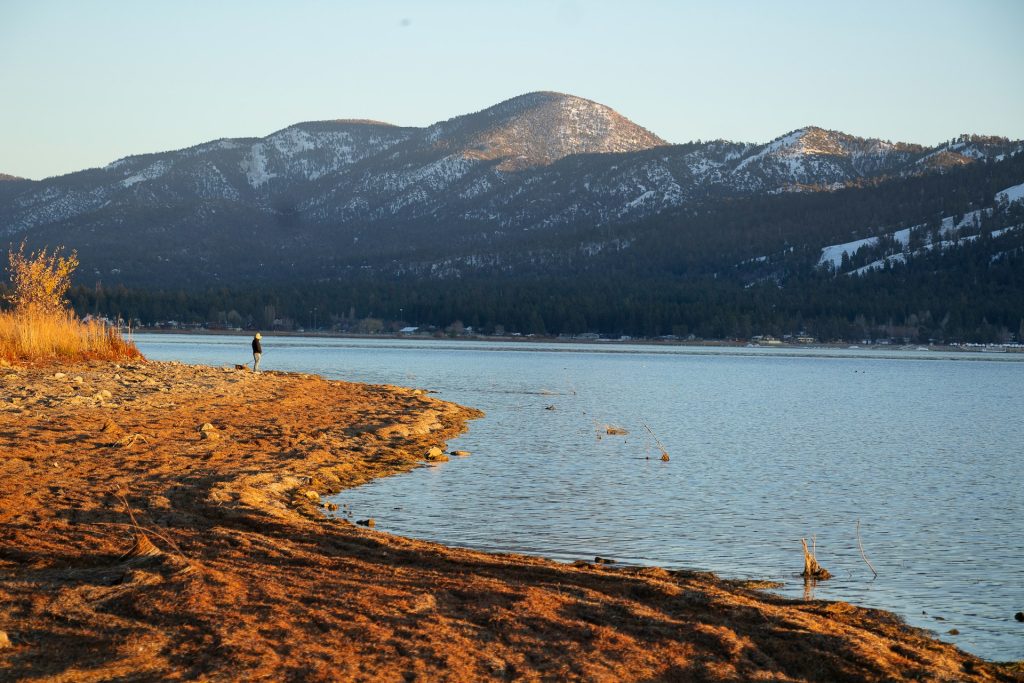
Big Bear Lake’s short-term rental stays have seen their tax climb in a way that matches the town’s surge economy. When snow is good or summer weekends are hot, demand spikes, and the extra points land precisely when availability is tight and prices are highest. For a family renting a cabin for several nights, that difference is not abstract. It becomes real money on top of cleaning charges and parking constraints. The town’s reasoning is practical: short-term stays create real workload for enforcement, trash, road wear, and emergency readiness, and the tax scales automatically with demand.
Mammoth Lakes Area, California
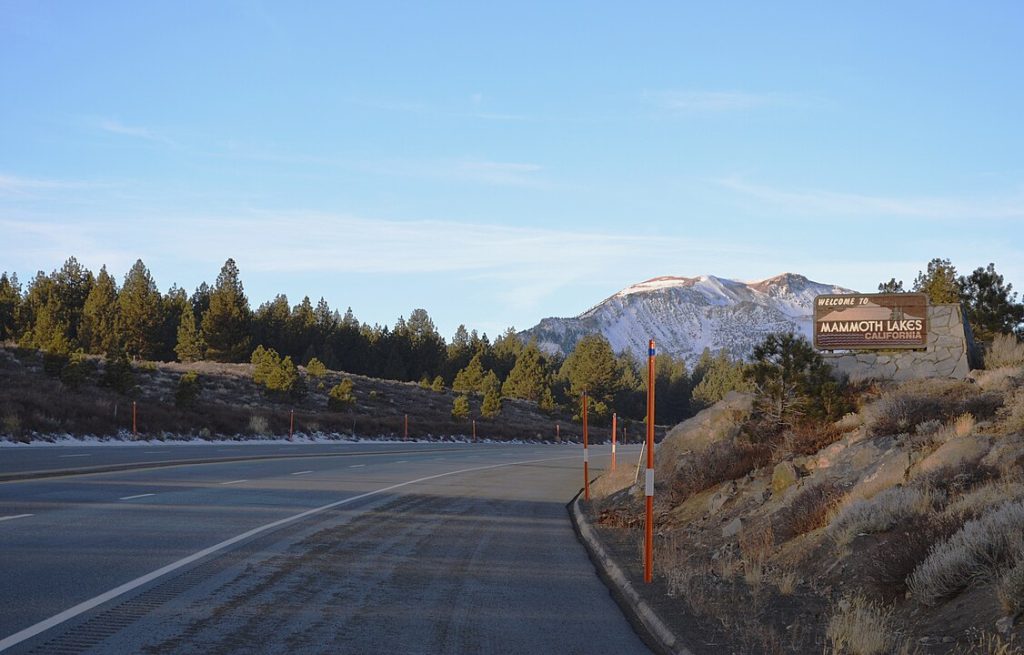
Mountain destinations are expensive to maintain, and the Mammoth Lakes region reflects that in lodging taxes that sit high compared with many inland cities. Cold-weather wear, road work, seasonal staffing, and emergency response all cost more when distances are long and weather is unpredictable. Visitors feel it as a bigger percentage added to an already pricey trip that includes lift tickets, rentals, and dining. The tax becomes part of the admission price of peak-season access. Locals often support the approach when it keeps basic services funded without shifting the entire burden onto year-round households.
Grand Rapids Area, Michigan
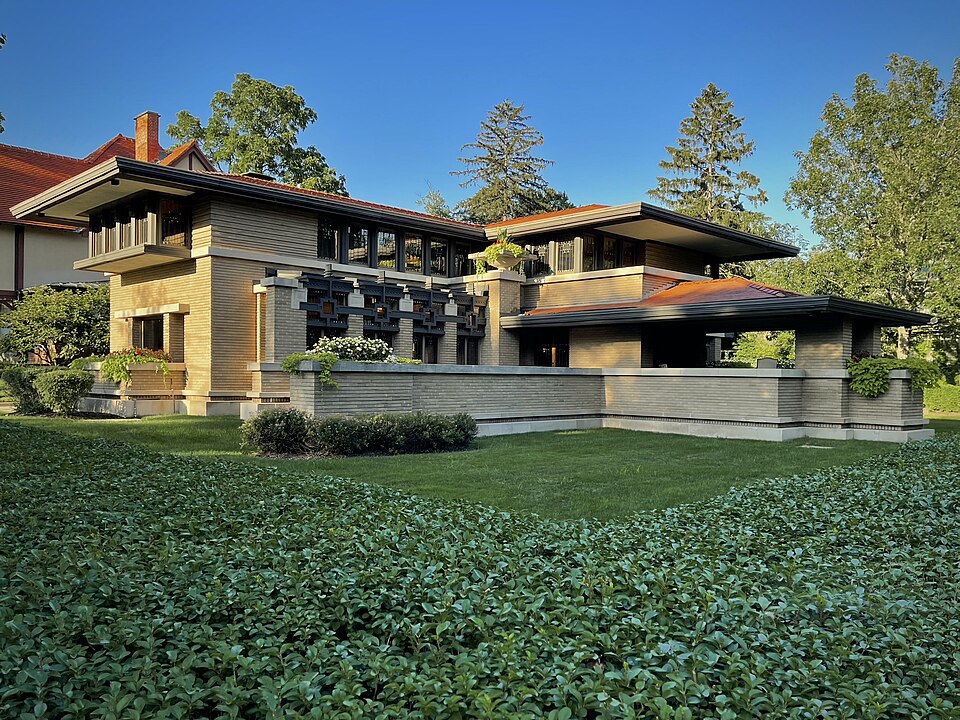
In the Grand Rapids area, lodging taxes have risen in ways that reflect a city trying to fund its growth as a visitor destination. Sports tournaments, concerts, and convention traffic bring steady hotel demand, and a higher tax captures value from those busy weekends. For families traveling with teams, the change can sting because it multiplies across multiple rooms and multiple nights, and discounts become less meaningful once the tax is applied. Local leaders tend to frame it as reinvestment: stronger venues, better public services during event surges, and a tourism engine that keeps paying for itself.
Memphis, Tennessee
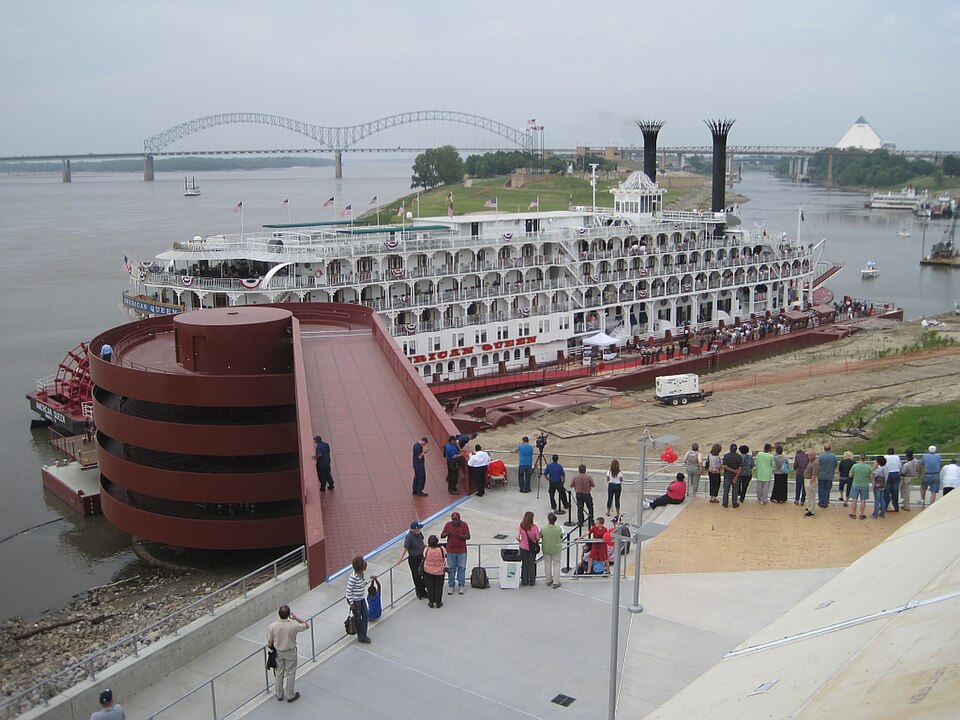
Memphis has leaned more heavily on hotel taxes as it looks to support expensive, high-profile projects tied to tourism and major events. Even a small percentage change becomes meaningful once it stacks with other local charges, plus the add-on fees hotels already apply. For travelers, the sticker shock often arrives at checkout, not during booking, because taxes and surcharges are easy to overlook on a busy screen. For the city, lodging taxes are a politically easier lever than raising broad-based taxes on residents. The visitor pays, the city invests, and the hope is that the destination stays competitive.
Mobile, Alabama
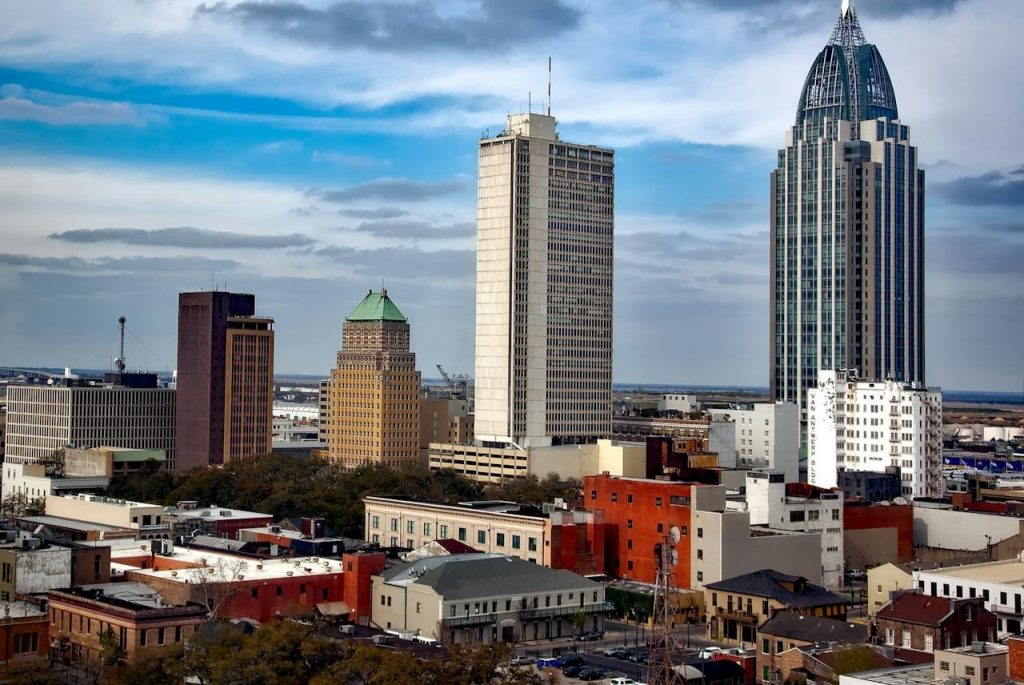
Mobile’s lodging taxes have climbed in a way that signals confidence in demand. The city draws visitors with waterfront weekends, festival culture, and a long Mardi Gras history, and higher hotel taxes capitalize on those predictable surges. For travelers, the impact shows up most on peak weekends when base rates already rise and availability narrows. A higher percentage on a higher nightly price turns into a real increase, not a rounding error. Mobile’s approach reflects a broader trend: cities are using lodging taxes to fund the public side of tourism, from cleanup and traffic flow to marketing and event infrastructure.
Hudson Valley, New York
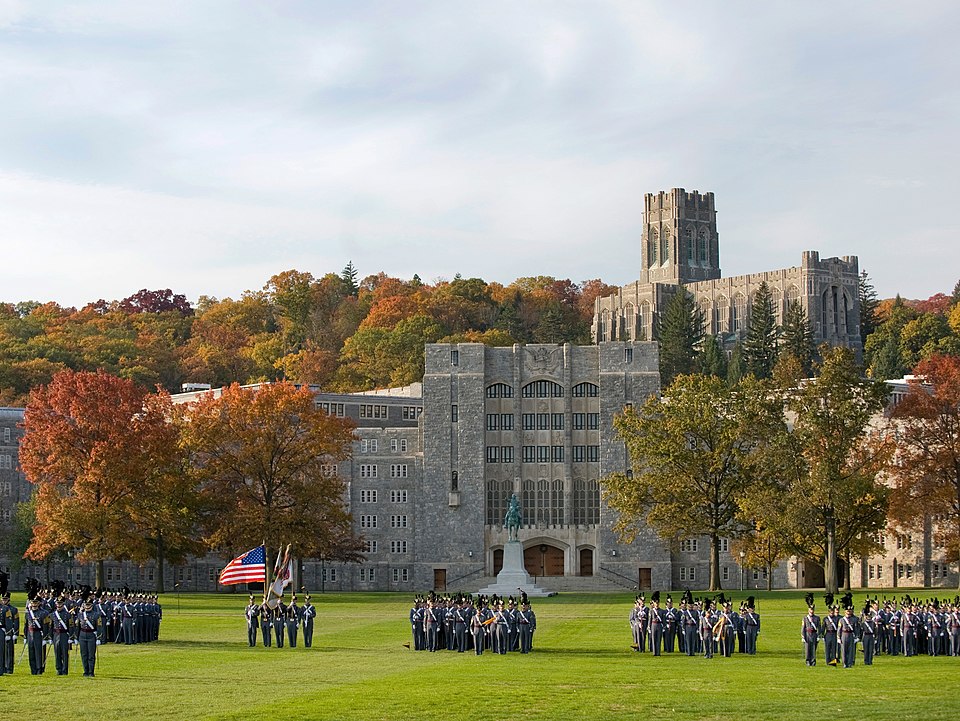
In the Hudson Valley, small towns have become big weekend destinations, and lodging taxes are rising alongside that popularity. A one-point shift sounds minor, yet it spreads across thousands of short stays tied to weddings, fall foliage, and quick escapes, and the totals add up fast. Visitors feel it most when they book last minute and pay peak rates, because the tax rides on top of the surge. Locals see the logic when revenue helps maintain roads, signage, and public facilities that get hammered during high season, while also keeping the burden off residents who are not renting rooms.
Saratoga Springs Area, New York
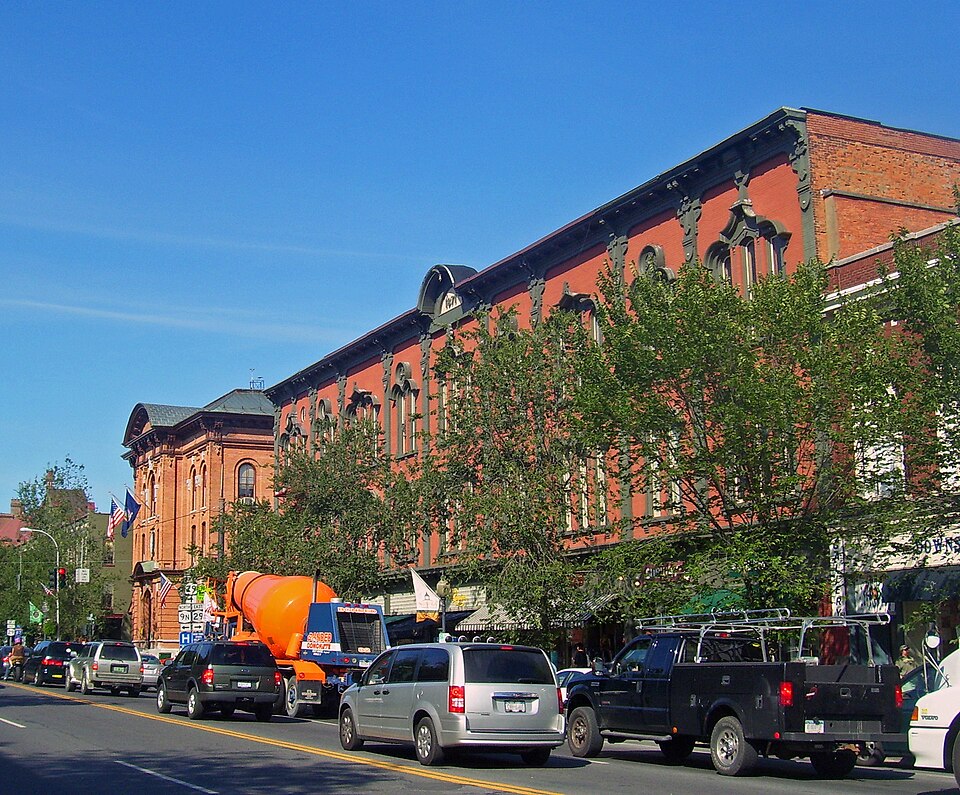
Saratoga’s travel economy is built around a calendar that sells out: track season, summer events, and packed weekends that leave little slack in the hotel market. Rising lodging taxes in this area tend to stick because demand is strong when it matters most. For travelers, the extra charge can be the difference between a long weekend and a shorter one, especially when dining and parking already run high. For local government, the appeal is clear: popularity creates costs, and a visitor-based tax captures money when streets, policing, and public maintenance are under the most pressure.
Honolulu, Hawaii

Hawaii’s visitor taxes have been moving upward as the state seeks a steadier way to fund public needs tied to tourism and environmental stress. For travelers, the added percentage feels small per night, but it compounds quickly across a weeklong stay, especially when layered with other local charges. The intention is also symbolic: the islands are signaling that protecting beaches, trails, and infrastructure requires real money, not just good messaging. Residents often support the idea that visitors should help pay for the systems they use most intensely, while travelers learn to treat taxes as part of the real price of paradise.
Gulf Coast Beach Towns, Texas
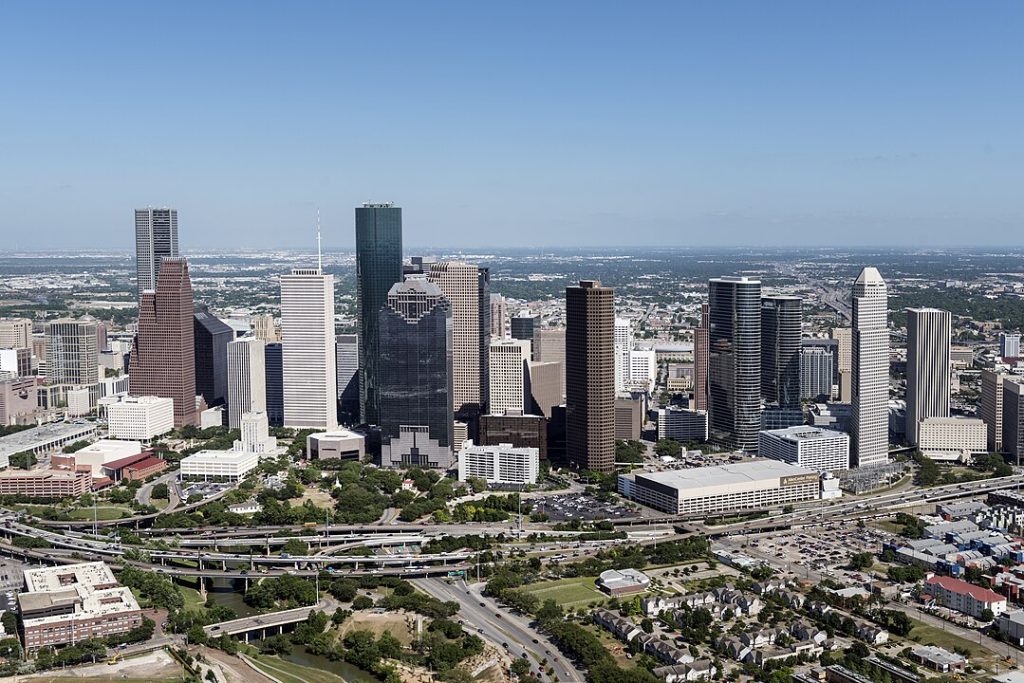
Along the Texas Gulf Coast, even smaller beach towns are nudging hotel and short-term lodging taxes upward. These are places that market themselves as simple and affordable, so any increase stands out more than it would in a luxury resort market. The reason is plain: beach access, cleanup, law enforcement, and road maintenance do not get cheaper just because the town is small in the off-season. When summer crowds arrive, the public workload jumps overnight. Lodging taxes give local governments a way to scale revenue with that surge, and visitors end up funding part of the upkeep that keeps the shoreline usable.