12 Asian Destinations Where Entry Rules Change How Tourists Explore
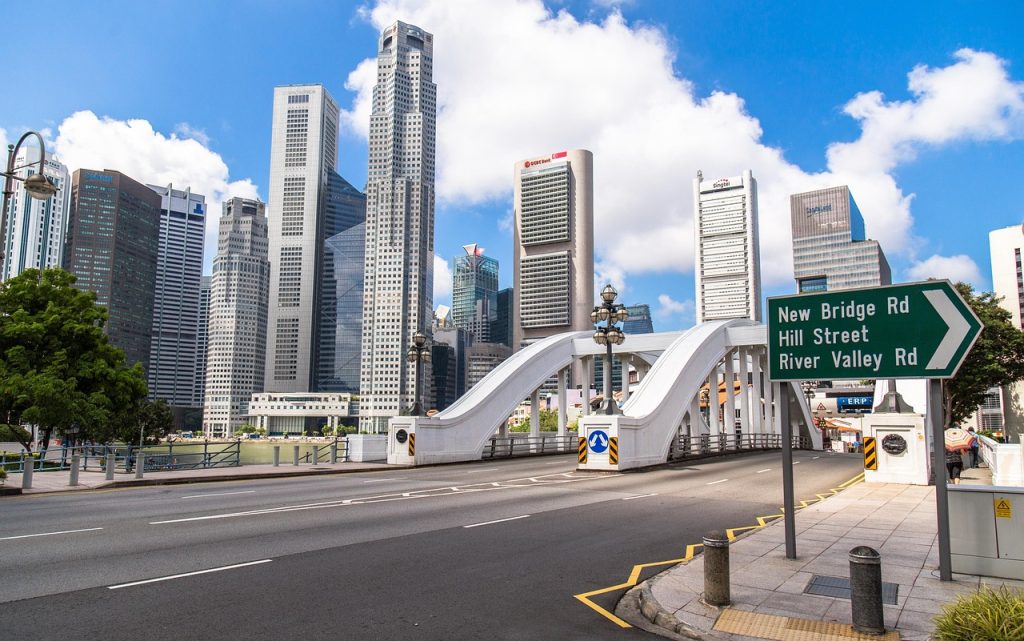
Asian travel still feels romantic on postcards, but many itineraries now turn on quiet administrative details. The most memorable trips are often decided before takeoff, when travelers line up arrival cards, visa categories, transit windows, and local fee rules that were not in guidebooks a few years ago.
Across the region, entry policies now shape pace, route, and mood on the ground. Some destinations reward flexible stays, while others reward precise timing. The result is a new style of exploration where planning is not the opposite of spontaneity, but the framework that protects it from avoidable surprises at each border.
Thailand, Where Timing Starts Before Takeoff

Thailand’s move to digital pre-arrival registration has changed how trips begin. Travelers who once improvised a first night in Bangkok now tend to lock flights, hotel names, and onward transport earlier, because digital entry forms work best when itinerary details are stable and complete before departure, not patched together in airport queues during peak season.
That early coordination ripples into the rest of the journey. Island-hopping routes, rail plans to Chiang Mai, and cross-border side trips are now mapped with tighter timing, so paperwork windows and transport bookings stay aligned instead of colliding at the last minute.
Bali, Indonesia, Where Levies Make Planning More Deliberate
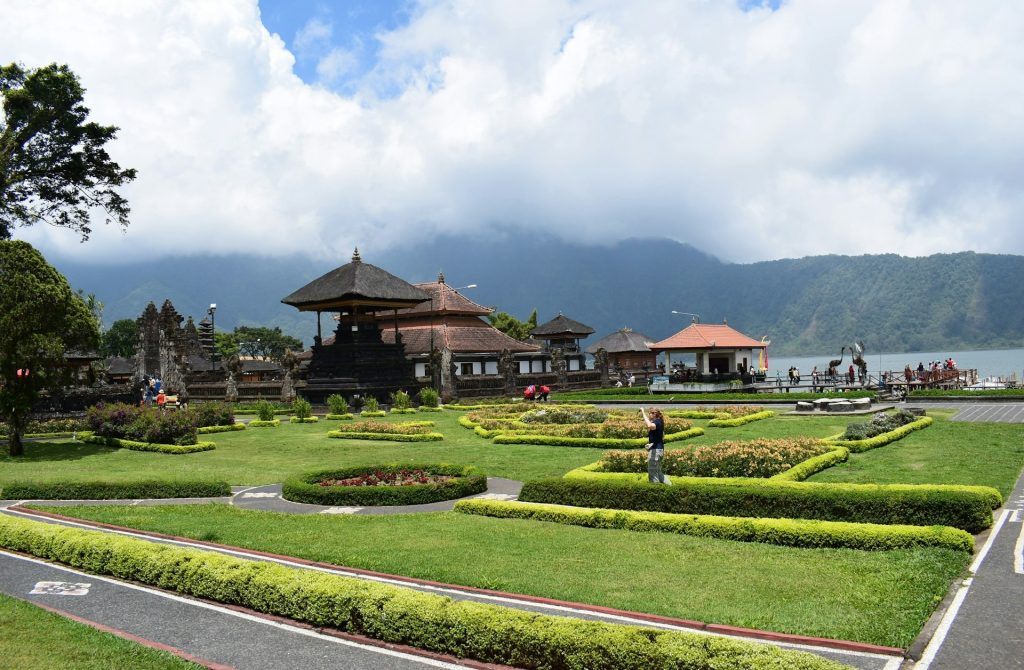
Bali’s tourism levy and Indonesia’s increasingly digital entry steps have changed the tone of arrival. What used to be a loose, decide-later vacation often starts with confirmed payment records, visa status checks, and documentation that must match the traveler’s first nights on the island and onward connections.
Because the formalities happen early, the way people explore has shifted. Visitors group temple visits, surf days, and Ubud stays into cleaner blocks, then leave less to chance after landing. The trip still feels relaxed, but the planning backbone is noticeably stronger than it was a few seasons ago, especially for short holidays.
Singapore, Where Smooth Arrival Depends On Early Submission
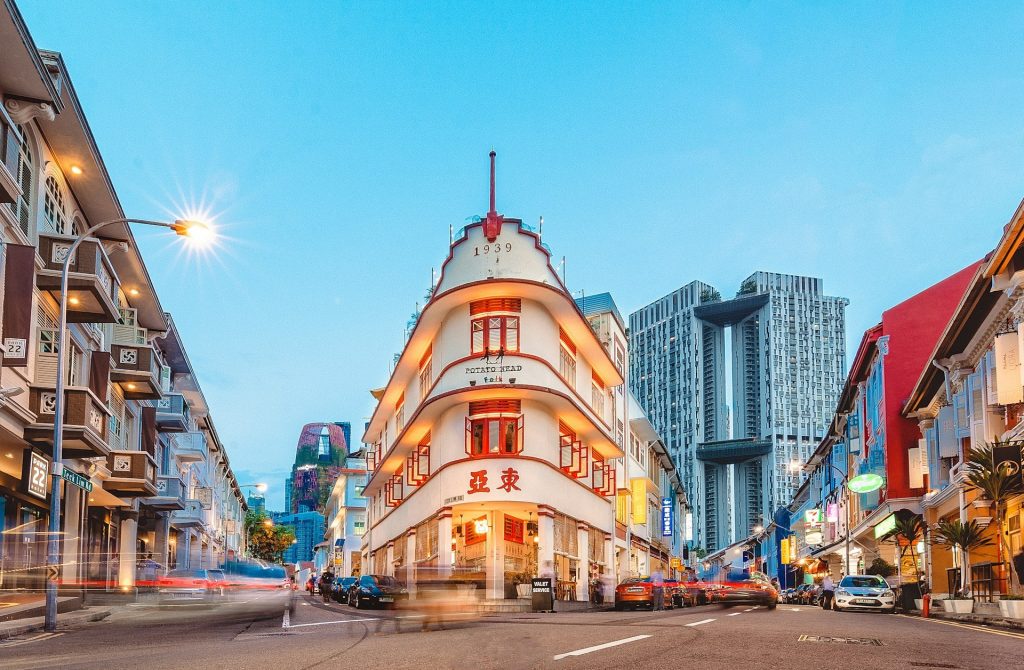
Singapore feels effortless at the terminal, but that ease depends on pre-arrival discipline. Digital arrival submission has replaced old paper habits, so travelers who once relied on in-flight forms now complete key steps earlier, often alongside flight confirmations and hotel details before the trip even starts for every passenger in the group.
That subtle change affects how the city is explored. Weekend visitors planning hawker circuits, museum stops, and Sentosa evenings now commit to firmer timelines, because smooth immigration flow is tied to preparation done days ahead, not quick decisions made between boarding and baggage claim.
Malaysia, Where Digital Filing Reshapes Multi-Country Routes

Malaysia’s digital arrival process and country-specific visa conditions have made routing decisions more strategic than before. Travelers crossing several ASEAN capitals now compare entry timelines as carefully as airfares, because one mismatch in status, validity, or filing window can force expensive changes in sequence and erase transit time.
That has reshaped how people move through Kuala Lumpur and beyond. Instead of treating Malaysia as a spontaneous stopover, many now design longer, cleaner blocks that fit the active rules, then build Penang, Langkawi, or Borneo segments around paperwork certainty rather than last-minute instinct.
Philippines, Where Registration Windows Set Island Tempo
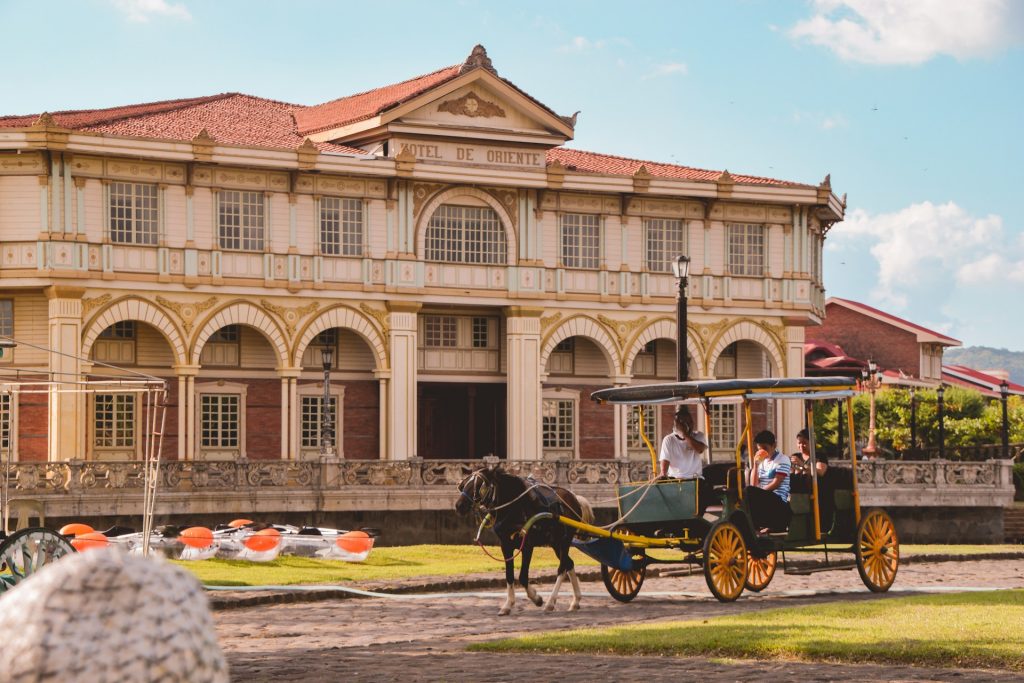
The Philippines now requires tighter digital coordination before arrival, and that has altered the feel of island travel. Registration windows and record matching matter more than they once did, so travelers heading to Cebu, Palawan, or Siargao often finalize documents early to avoid delays that can knock out fragile ferry and domestic flight chains.
As a result, itineraries are paced with bigger buffers. Planners leave room between international entry and first inter-island transfer, protecting snorkeling days and resort check-ins from clerical snags that might have seemed minor at home but become costly across an archipelago.
Vietnam, Where Entry Flexibility Encourages Slower Travel

Vietnam’s broader e-visa options and evolving exemption pathways have encouraged a slower, more layered style of exploration. Travelers no longer assume a rushed sprint through one or two headline cities. Instead, many now plan longer arcs that connect Hanoi, central coast heritage sites, and southern neighborhoods with more breathing room.
Entry policy has quietly changed storylines on the ground. A stay that once felt like a checklist now opens space for regional trains, local food districts, and repeat visits to the same streets at different hours. The country feels less like a one-pass destination and more like a returnable map.
Mainland China, Where Eligibility Rules Redraw City Sequences
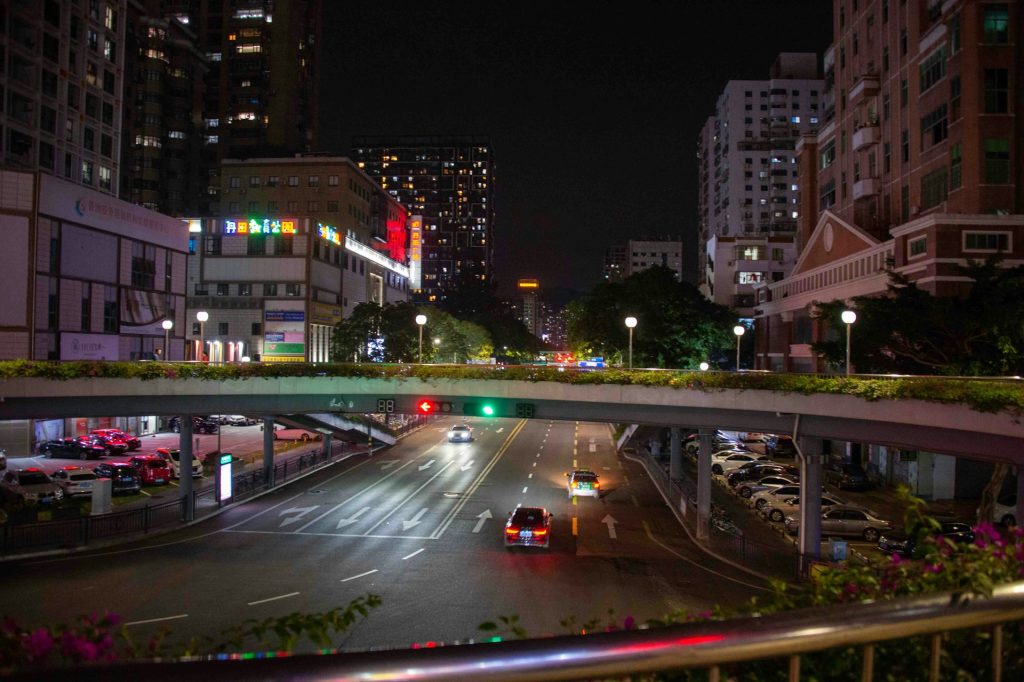
Mainland China’s recent adjustments, including wider transit access for eligible nationals and broader visa-free channels for selected countries, have made route design more technical. Travelers now compare layover clocks, eligible entry points, and onward ticket timing before choosing whether to center a trip on one city or several.
That planning layer changes what gets explored. Instead of defaulting to a single mega-city, visitors increasingly build linked journeys through urban and cultural hubs, then use transit windows to add museum districts, historic quarters, and food neighborhoods that once felt too risky to schedule tightly.
South Korea, Where K-ETA Choices Affect On-Ground Pace

South Korea shows how one policy update can reshape an entire short break. Temporary K-ETA exemptions for some nationalities, alongside the option for others to apply and streamline arrival processing, create two practical entry paths. Travelers now choose between convenience profiles before they choose neighborhoods, rail passes, or ski dates.
That choice influences tempo after landing. Seoul-focused weekends, festival trips to Busan, and winter itineraries in Gangwon are planned with stricter timing logic, because immigration speed, onward train reservations, and hotel check-in windows now sit on top of pre-entry decisions made at home.
Sri Lanka, Where ETA Monitoring Becomes Part Of The Journey

Sri Lanka remains appealing for tea country, wildlife parks, and coastal escapes, yet its ETA-centered entry environment has taught travelers to watch updates closely. When policy language shifts near departure, itinerary confidence depends on checking government channels and keeping documents aligned with the latest notice.
That has changed exploration behavior. Instead of stacking tight multi-country combinations, many planners build Sri Lanka trips with flexible arrival days and softer handoffs to regional flights. The island still rewards spontaneity in markets and shore towns, but the border stage rewards calm information first.
Bhutan, Where Daily Fees Favor Depth Over Speed

Bhutan’s Sustainable Development Fee has one clear effect: it nudges tourism toward intention over speed. Visitors paying a daily fee tend to design smaller, deeper itineraries, choosing fewer transfers and longer stays near monasteries, valleys, and local communities rather than racing through a high-volume checklist.
Entry economics, in this case, shape emotional pace. Guides and guests often spend more time in each district, with slower hikes, cultural festivals, and conversations that would be missed on a compressed schedule. The policy does not just regulate access; it actively influences the kind of memories travelers build.
Cambodia, Where e-Arrival Moves Work Upstream

Cambodia’s digital arrival consolidation has reduced paper friction at the border, but it has also moved responsibility upstream. Travelers now complete immigration details earlier, which means first-night addresses, transport plans, and passport data need to be accurate before departure, not improvised in the arrivals hall.
That change has improved trip structure. Visitors heading to Phnom Penh, Siem Reap, or coastal provinces increasingly secure cleaner logistics from day one, leaving more attention for temples, riverfront walks, and food streets once they are in country. Fewer airport surprises translate into richer first impressions.
Taiwan, Where Online Arrival Cards Set A New Baseline

Taiwan’s fully online arrival-card model has turned a once routine airport form into a pre-departure checkpoint. Travelers now submit key details before boarding, which encourages earlier decisions on accommodation, contact information, and arrival timing, especially during busy holiday and festival periods.
That advance step has changed how city breaks are built. Food-focused weekends in Taipei, rail loops to Taichung and Tainan, and mountain detours are now planned with fewer loose ends, because entry processing works best when records are complete. The reward is a smoother landing and faster momentum into neighborhood life.