12 Asian Destinations Where Travel Feels Highly Structured
Urban planners and cultural anthropologists frequently observe that travel in Asia often presents a stark contrast to the chaotic spontaneity found in other regions of the world. In many top-tier Asian destinations, the visitor experience is defined by a sophisticated infrastructure of rules, precise transit schedules, and deeply ingrained social etiquette. Experts note that this sense of structure is not accidental but is the result of decades of meticulous city planning and cultural preservation efforts designed to manage high population densities and maintain social harmony.
Transit authorities and tourism boards in these nations emphasize that the seamless flow of people relies on collective adherence to established norms. From the silent, orderly queues of metropolitan subway systems to the rigid reservation policies of heritage sites, the environment dictates a specific mode of behavior. Understanding the mechanics of this highly organized ecosystem allows travelers to navigate these cities with efficiency and respect, appreciating the engineering and social contracts that keep these complex societies functioning with clockwork precision.
Singapore
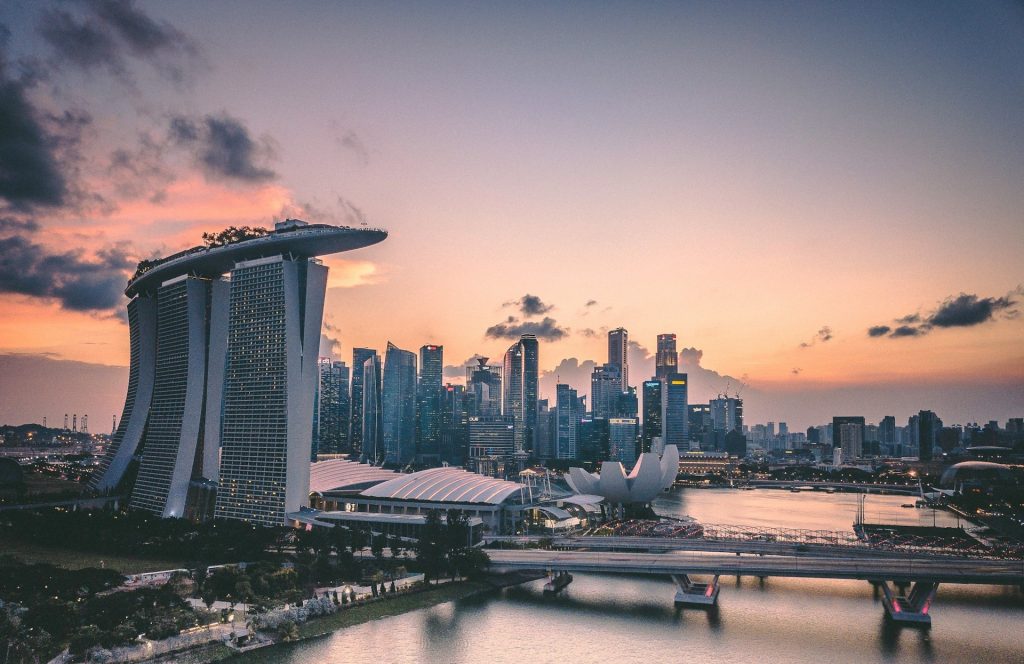
Urban planners and sociologists frequently cite Singapore as the ultimate example of a curated environment where legislation dictates lifestyle. The city-state is famous for its strict laws regarding littering, gum chewing, and jaywalking, which create an immediately noticeable sense of order on the streets. Civic design experts explain that this cleanliness is maintained through a combination of heavy fines and a robust surveillance network that encourages self-regulation among residents and visitors alike.
Landscape architects note that even the nature in Singapore feels structured, with the Supertrees of Gardens by the Bay serving as a prime example of engineered horticulture. The flow of pedestrian traffic is managed with wide, spotless sidewalks and covered walkways designed to shield walkers from tropical downpours. Travelers often remark that the efficiency of Changi Airport sets the tone for the entire visit, offering a streamlined, stress-free entry that reflects the meticulous organization found throughout the island.
Tokyo In Japan
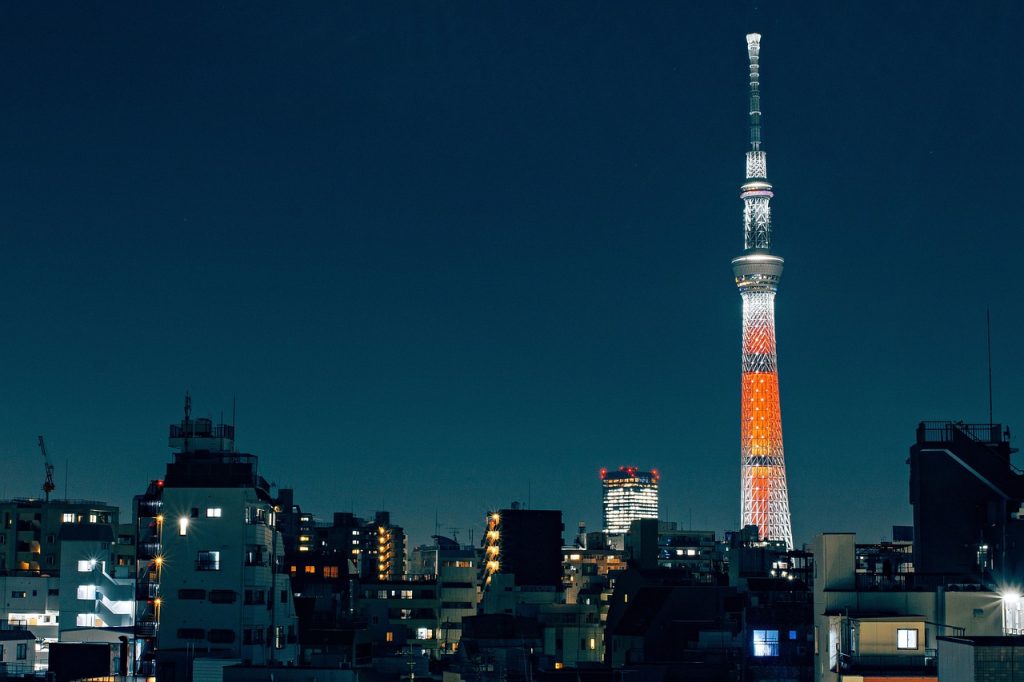
Transit engineers and anthropologists describe Tokyo as a miracle of logistical precision where millions of people move in near-total silence. The complex train network operates with second-perfect accuracy, and station attendants manage the flow of commuters with military efficiency during rush hour. Cultural experts observe that the silence on public transport is a form of social structure, where talking on phones is strictly discouraged to maintain the collective peace of the shared space.
Urban researchers highlight the distinct lack of on-street parking and the precise waste sorting systems as evidence of the city’s rigid organizational framework. Pedestrians adhere strictly to traffic signals, rarely crossing against the light even when streets are empty. This pervasive discipline creates a travel experience that feels safe and predictable, provided the visitor understands and respects the unspoken rules of the road.
Kyoto In Japan
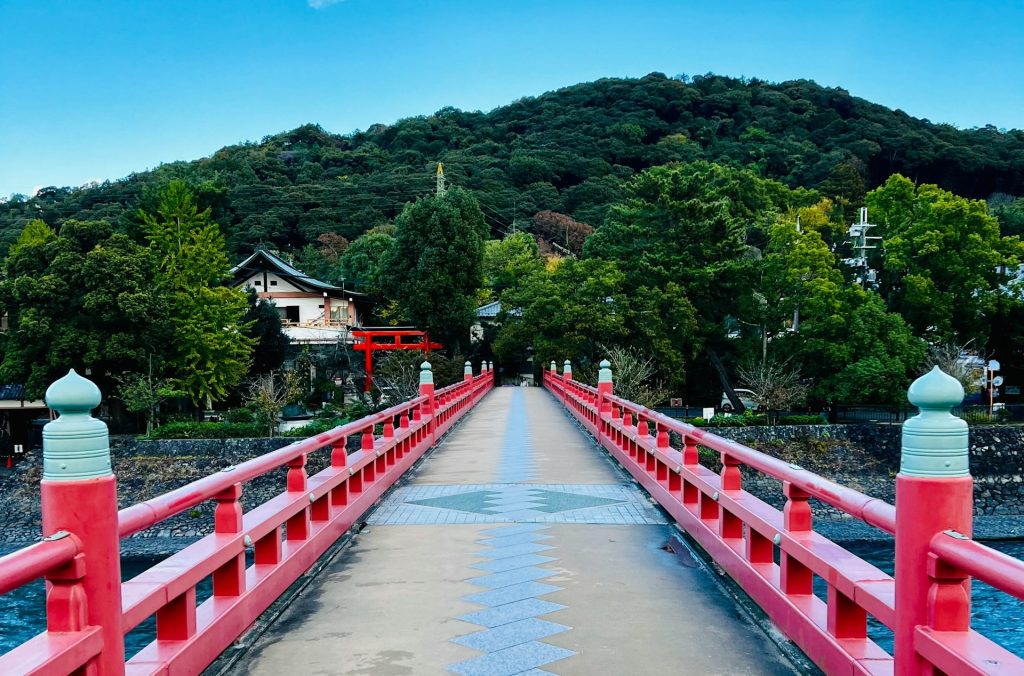
Heritage preservationists and local council members in Kyoto have implemented a series of structural controls to manage the impact of mass tourism on the ancient capital. In the Gion district, strict bans on photography in private alleys are enforced to protect the privacy of geisha and maiko. Tourism officials explain that these regulations are necessary to maintain the solemn atmosphere of the historic quarters and prevent them from becoming chaotic theme parks.
Temple administrators often utilize rigid reservation systems for popular sites like the Moss Temple to control visitor numbers and preserve the delicate environment. Visitors must engage in specific rituals, such as copying sutras, as a condition of entry. Experts note that these structural barriers ensure that those who enter are committed to a respectful and contemplative experience rather than a quick photo opportunity.
Bhutan
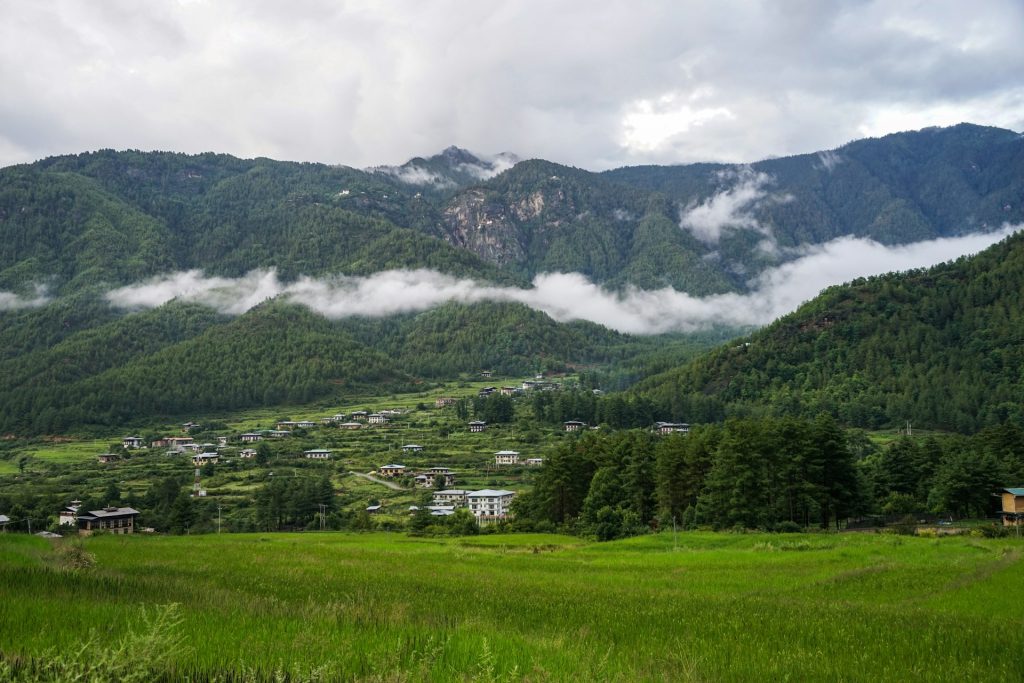
Tourism Council of Bhutan officials maintain one of the most structured travel environments in the world through their High Value Low Volume policy. Independent travel is largely restricted, requiring visitors to book through authorized agencies that arrange mandatory guides and drivers. Economic development experts note that the daily Sustainable Development Fee acts as a structural gatekeeper that limits the number of arrivals and ensures that tourism directly funds national healthcare and education.
Travel logistics coordinators explain that itineraries are often fixed in advance, leaving little room for spontaneous deviation. The presence of a guide ensures that visitors adhere to local customs and dress codes when entering dzongs and monasteries. This highly managed approach preserves the cultural integrity of the Himalayan kingdom and provides a curated experience that is distinct from the backpacker trails of neighboring countries.
Seoul In South Korea
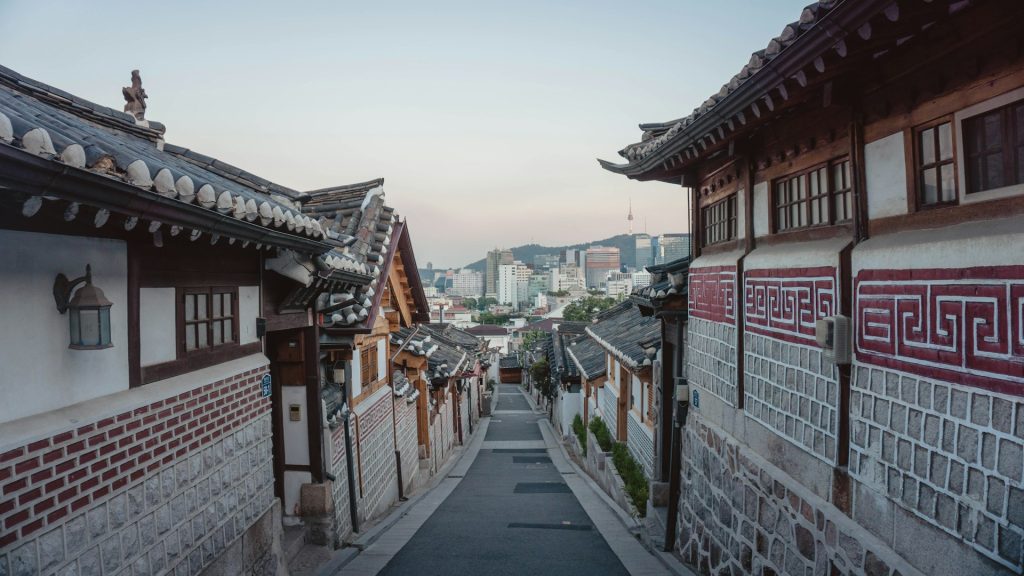
Smart city architects and digital infrastructure experts view Seoul as a hyper-connected metropolis where technology provides the structural framework for daily life. The city boasts one of the world’s most advanced public transport systems, where a single card grants access to subways, buses, and taxis with seamless integration. Urban designers point to the Cheonggyecheon stream as a triumph of planned urban renewal, transforming a concrete highway into a strictly managed linear park that runs through the city center.
Waste management authorities enforce a rigorous recycling system that requires residents and visitors to separate trash into specific categories, including food waste charged by weight. Cultural observers note that the social structure is also palpable in dining etiquette and age-based hierarchies. Travelers quickly realize that the vibrant energy of the city is underpinned by a strong digital and social scaffolding that prioritizes efficiency and collective responsibility.
The Maldives

Resort management consultants and marine biologists describe the Maldives as a destination defined by the “one island, one resort” concept. This geographic structure creates highly regulated bubbles where the guest experience is entirely contained within the resort premises. Logistics experts explain that transfers between islands are strictly managed via seaplane or speedboat schedules that leave no room for error or improvisation.
Legal advisors note that the separation between local islands and resort islands enforces a strict structural divide regarding alcohol and dress codes. On inhabited islands, Sharia law prohibits alcohol and requires modest dress, while resorts operate under special licenses. This dichotomy requires travelers to be acutely aware of their location and the specific set of rules that apply, creating a travel experience that is compartmentalized and carefully controlled.
Beijing In China
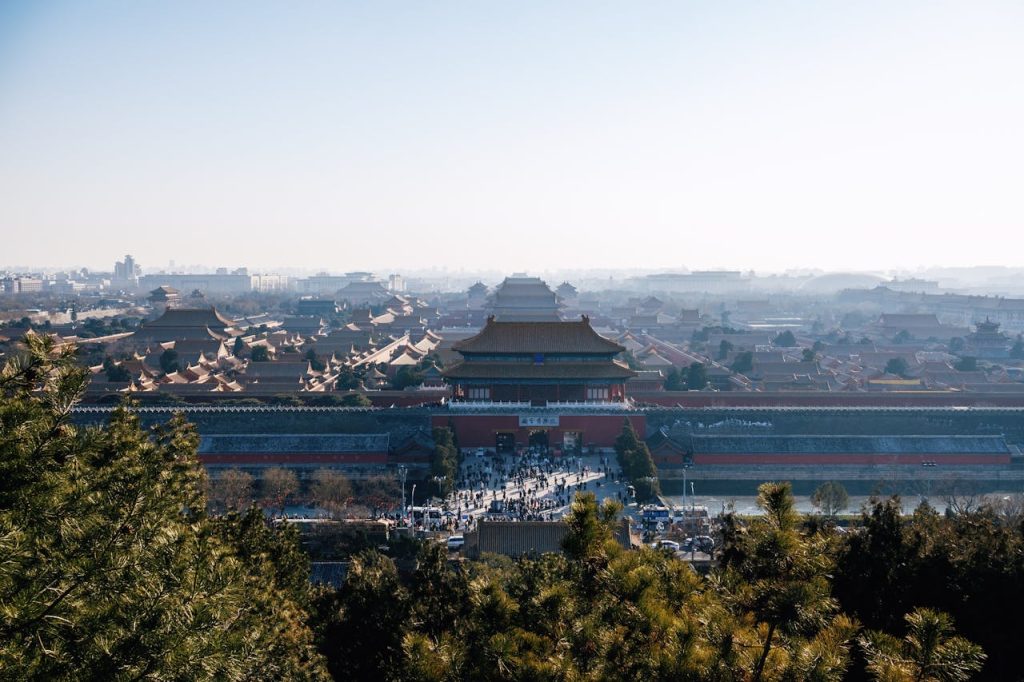
Security analysts and urban historians characterize Beijing as a city where the projection of state power creates a tangible sense of structure. The North-South axis of the city, anchored by the Forbidden City, dictates the flow of movement and emphasizes the hierarchy of the capital. Crowd control experts observe that access to Tiananmen Square and major museums requires advance reservation and passage through security checkpoints, eliminating the possibility of casual wandering.
Transportation planners highlight the massive scale of the ring roads and the expansive subway system as tools of urban organization. The widespread use of facial recognition technology and digital payment apps like WeChat creates a digital structure that underpins all commercial interactions. Visitors find that navigating the city requires integration into this digital ecosystem, reinforcing the feeling of being in a highly administered environment.
Dubai In United Arab Emirates
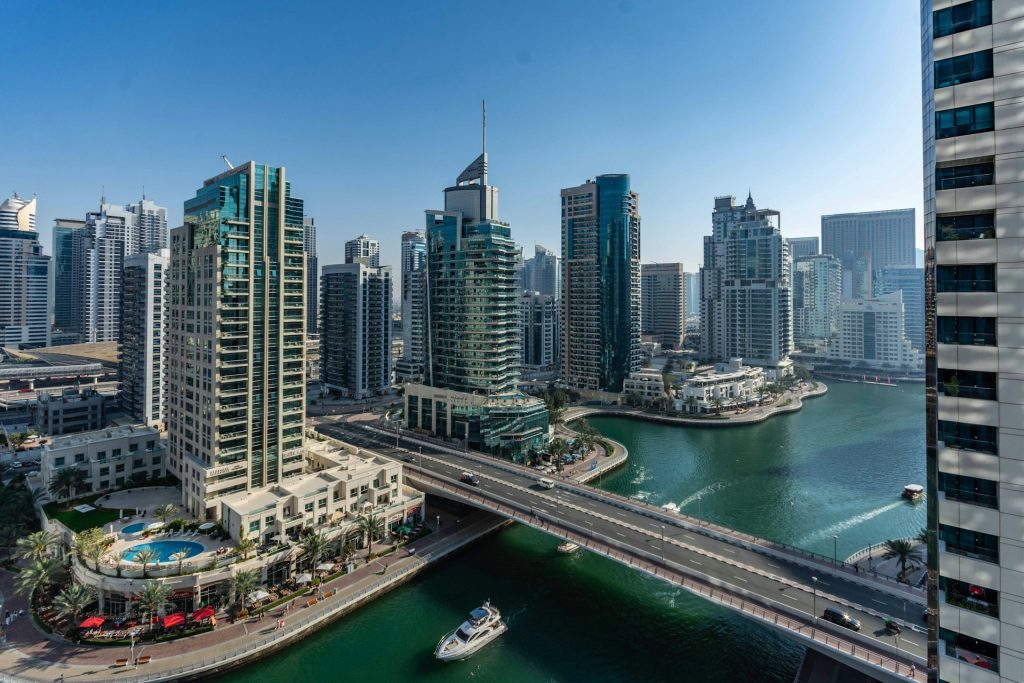
Expat legal advisors and urban developers view Dubai as a master-planned city where the built environment dictates lifestyle. The distinct zoning of the city into specialized districts like Media City and Internet City reflects a top-down approach to urban organization. Real estate experts note that the pristine condition of public spaces is maintained by strict codes of conduct that prohibit public displays of affection and aggressive behavior.
Transport officials manage the driverless Metro system to connect the sprawling malls and residential areas with clockwork reliability. The prevalence of security personnel and the clear demarcation between public and private spaces create an atmosphere of monitored safety. Travelers experience a destination where the rules are clear, the infrastructure is brand new, and the social contract prioritizes commerce and order above all else.
Taipei In Taiwan
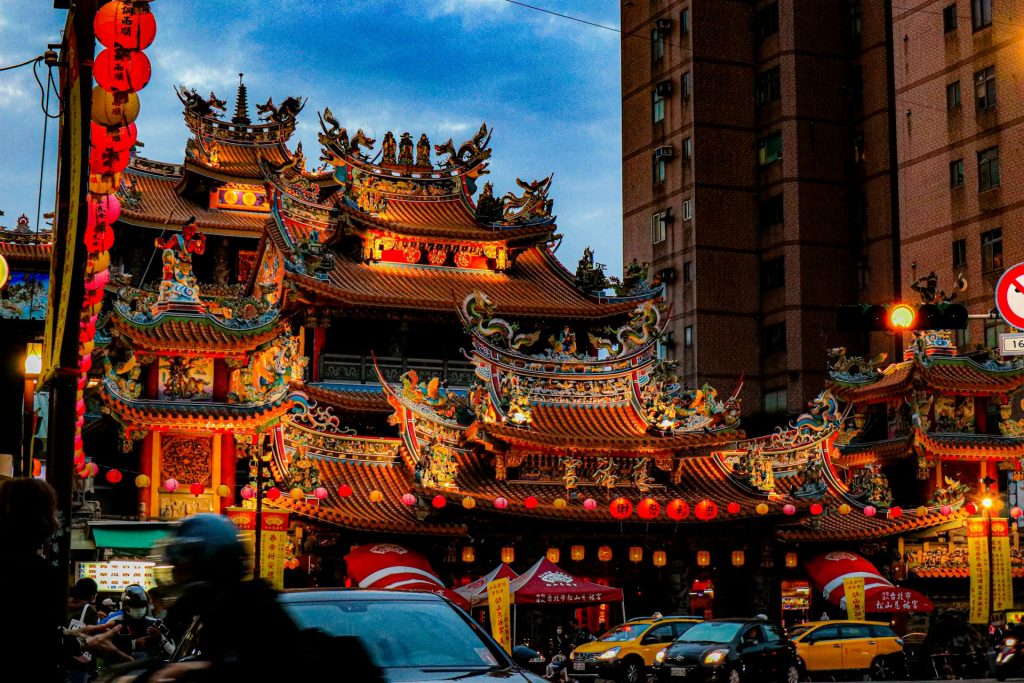
Sociologists and transit officials in Taipei praise the Metro system for its culture of orderly queuing and absolute cleanliness. Passengers line up in designated boxes on the platform and wait for alighting passengers to exit before boarding, a norm that is rarely violated. Cultural observers note that the ban on eating and drinking within the paid area of the station is strictly adhered to, resulting in a pristine transit environment.
Civic leaders highlight the efficiency of the trash collection system, where garbage trucks play classical music to signal residents to bring out their waste bags. This ritualistic approach to sanitation reflects a broader societal commitment to order and civic duty. Visitors often comment on the politeness and structured interactions in shops and restaurants, which contribute to a sense of calm efficiency throughout the capital.
Shanghai In China
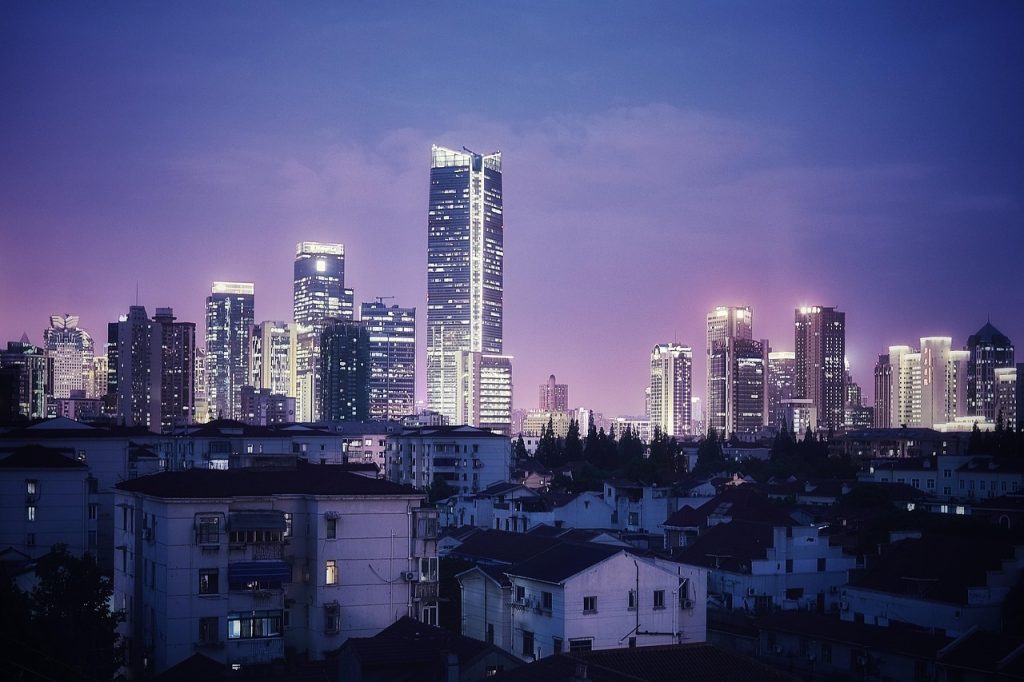
Urban designers and financial analysts describe Shanghai as a showcase of rapid, planned modernization. The Pudong skyline stands as a testament to government-directed development, with distinct zones for finance, trade, and residential living. Transport experts point to the Maglev train, which whisks passengers from the airport to the city at speeds exceeding 400 kilometers per hour, as a symbol of the city’s commitment to high-speed structure.
Crowd management teams on the Bund utilize military-style formations to direct pedestrian flow during holidays, ensuring safety in the crushing crowds. The integration of the Alipay and WeChat ecosystems means that daily life is structured around digital verify-ability. Travelers encounter a city that feels propelled by a powerful, centralized vision of the future, where every movement is facilitated by advanced infrastructure.
Brunei
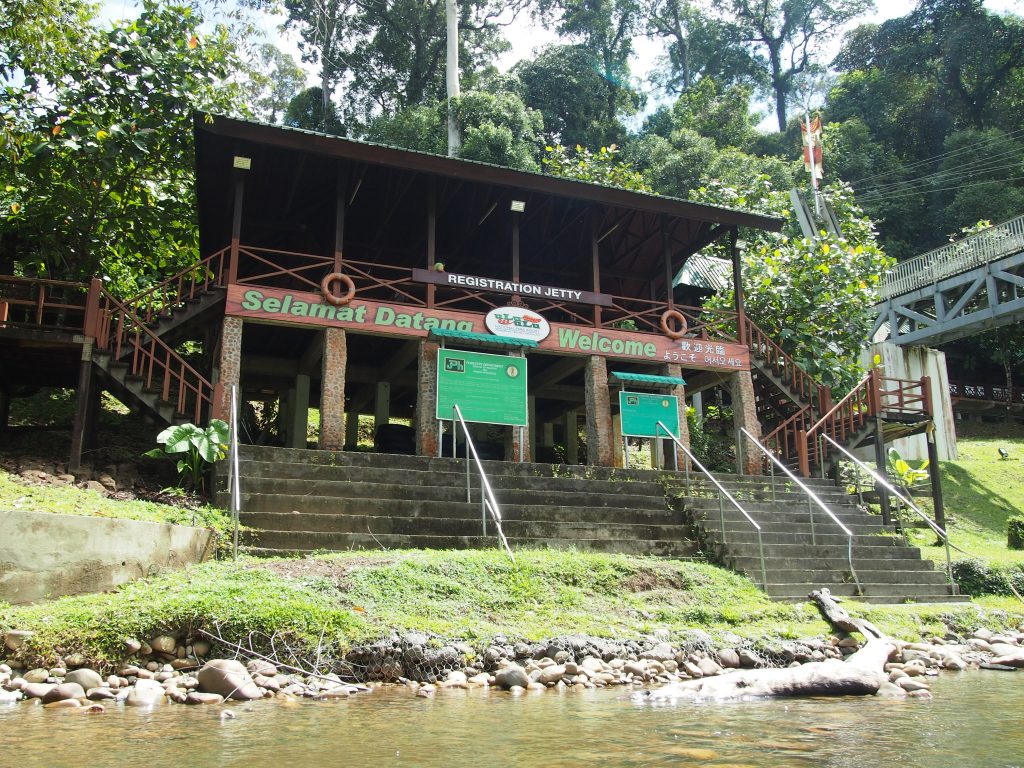
Legal consultants and cultural guides identify Brunei as a destination where strict religious and civil laws shape the visitor experience. The absolute prohibition of alcohol sales and public consumption creates a quiet, sober atmosphere that is distinct in Southeast Asia. Social observers note that the Friday prayer times bring the country to a standstill, with businesses closing by law to observe the religious obligation.
Environmental protection officers enforce strict rules regarding the preservation of the Ulu Temburong National Park, where access is limited to longboats and guided tours. The low crime rate and the clean streets are often attributed to the strong social and legal structures in place. Visitors find a tranquil, highly regulated environment where adherence to local customs is not just polite but legally mandated.
Hong Kong

Transport analysts and city planners celebrate Hong Kong for its intense density managed through superior logistical organization. The Octopus card system integrates transit, retail, and access control into a single card, creating a frictionless structural layer for daily life. Urban designers note the extensive network of elevated walkways and escalators in Central that separates pedestrian traffic from the vehicular chaos below.
MTR officials run one of the most profitable and efficient railway systems in the world, serving as the backbone of the city’s movement. The sheer verticality of the city requires a reliance on elevators and organized queues to function. Travelers experience a city that operates at a frantic pace yet never descends into gridlock, held together by a robust infrastructure designed to handle millions of people in a confined space.